
We caught up with the brilliant and insightful Bryan Deats a few weeks ago and have shared our conversation below.
Alright, Bryan thanks for taking the time to share your stories and insights with us today. What do you think it takes to be successful?
To me, success comes down to three things: discipline, sacrifice, and hard work. It’s not flashy, and it’s definitely not easy—but those are the pillars that support real progress toward any meaningful goal.
Discipline means showing up, even on the days when motivation is gone. It’s doing what needs to be done, not just when you feel like it, but especially when you don’t. It’s waking up early to work on your goals, saying no to distractions, and sticking to a plan even when progress feels slow.
Sacrifice is the part most people underestimate. It’s giving up short-term comfort for long-term growth—late nights out, extra spending, free time. If you want something different from what everyone else has, you have to be willing to live differently.
And hard work? That’s the foundation. It’s not glamorous. It’s long hours, trial and error, and the willingness to keep going when things are frustrating or uncertain. It’s doing more than what’s expected, consistently.
One thing I’ve learned over time is that success isn’t about one big moment—it’s built quietly over months and years. It’s the result of small, repeated choices: getting up when it would be easier to sleep in, focusing when it would be easier to scroll, pushing forward when it would be easier to quit.
There’s no magic formula—just discipline to stay on track, sacrifice to stay focused, and hard work to get it done.
Awesome – so before we get into the rest of our questions, can you briefly introduce yourself to our readers.
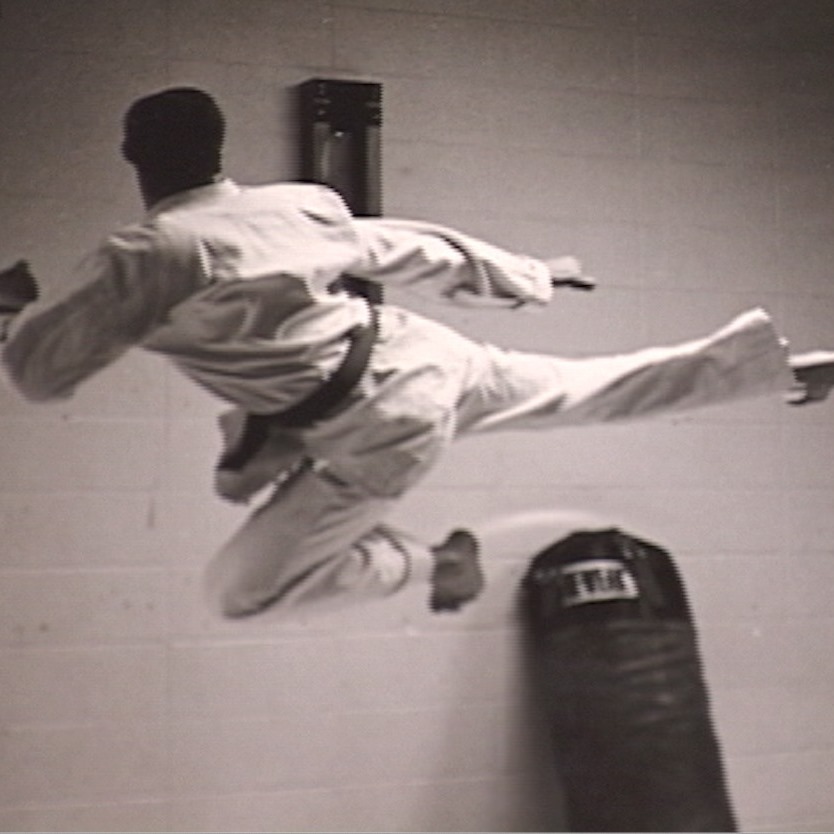
I’ve been involved in martial arts for most of my life. I started with traditional martial arts as a child and found early success on the regional competition scene through my teen years. That foundation instilled discipline, focus, and a love for constant learning.
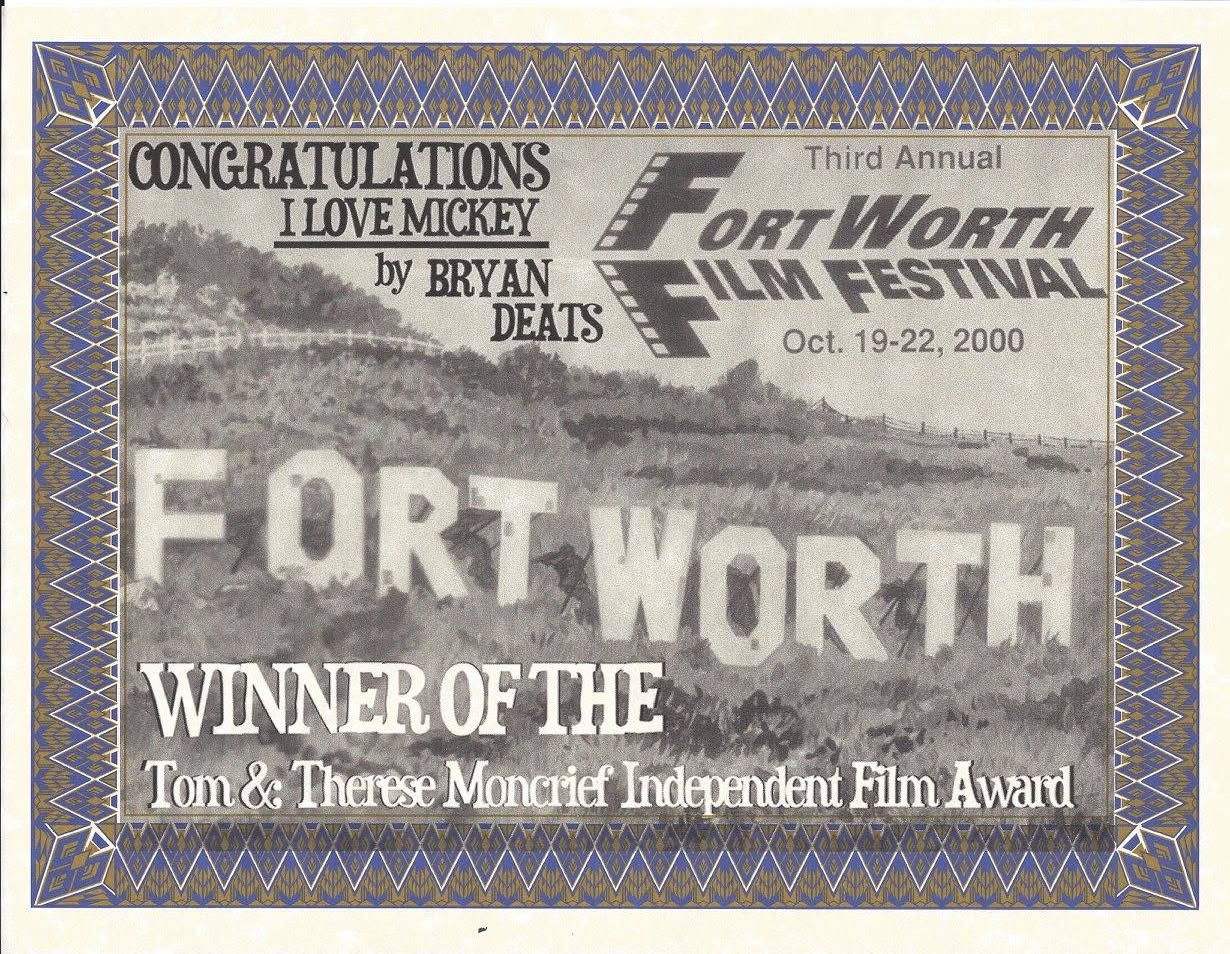
When I came to university in Bozeman, I was introduced to MMA-style training. It immediately sparked something in me—I wanted to learn every aspect of martial arts I could. I committed myself fully, training relentlessly, expanding my skills, and eventually coaching others. I started cornering MMA athletes as early as 1996, and over time, my role in the sport evolved.
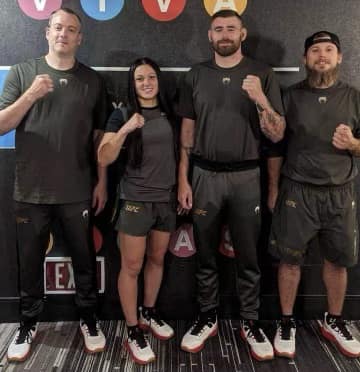
After years of involvement, I was invited to help with an MMA promotion based out of Butte, Montana. The company changed hands, and I eventually took over the promotion myself. We went on to run around 10 events a year from 2006 until the COVID-19 pandemic shutdowns. During that time, we were fortunate to work with many talented athletes, including UFC Champion Sean O’Malley, who got his start on our cards.
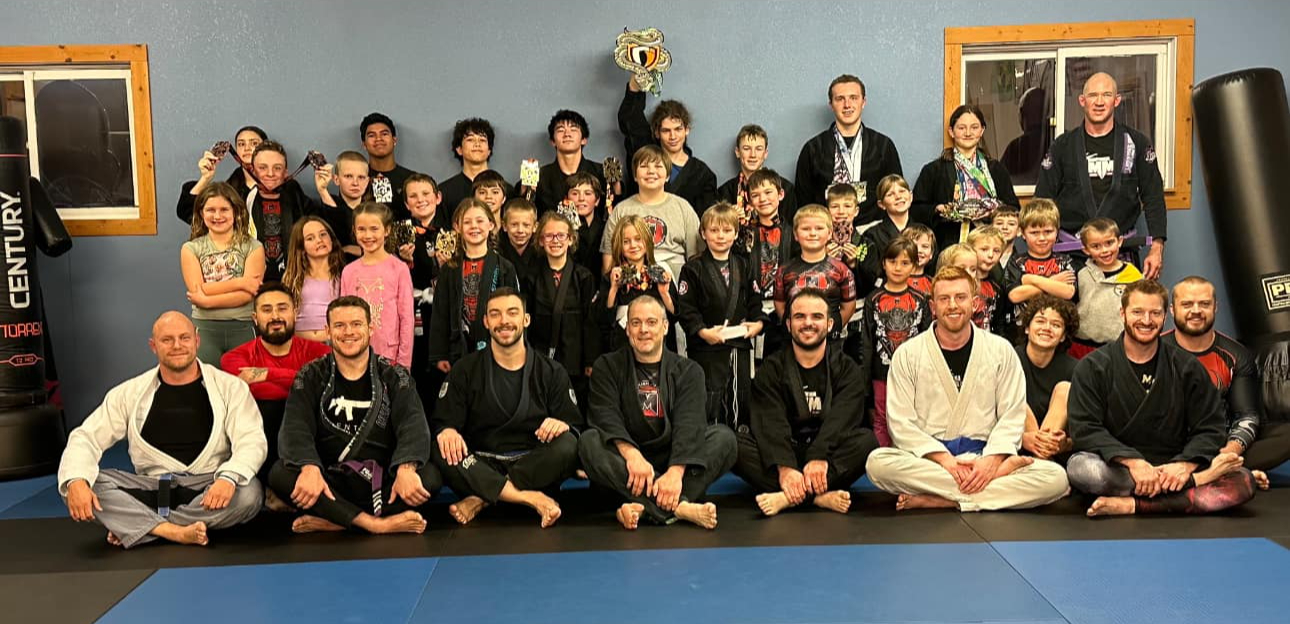
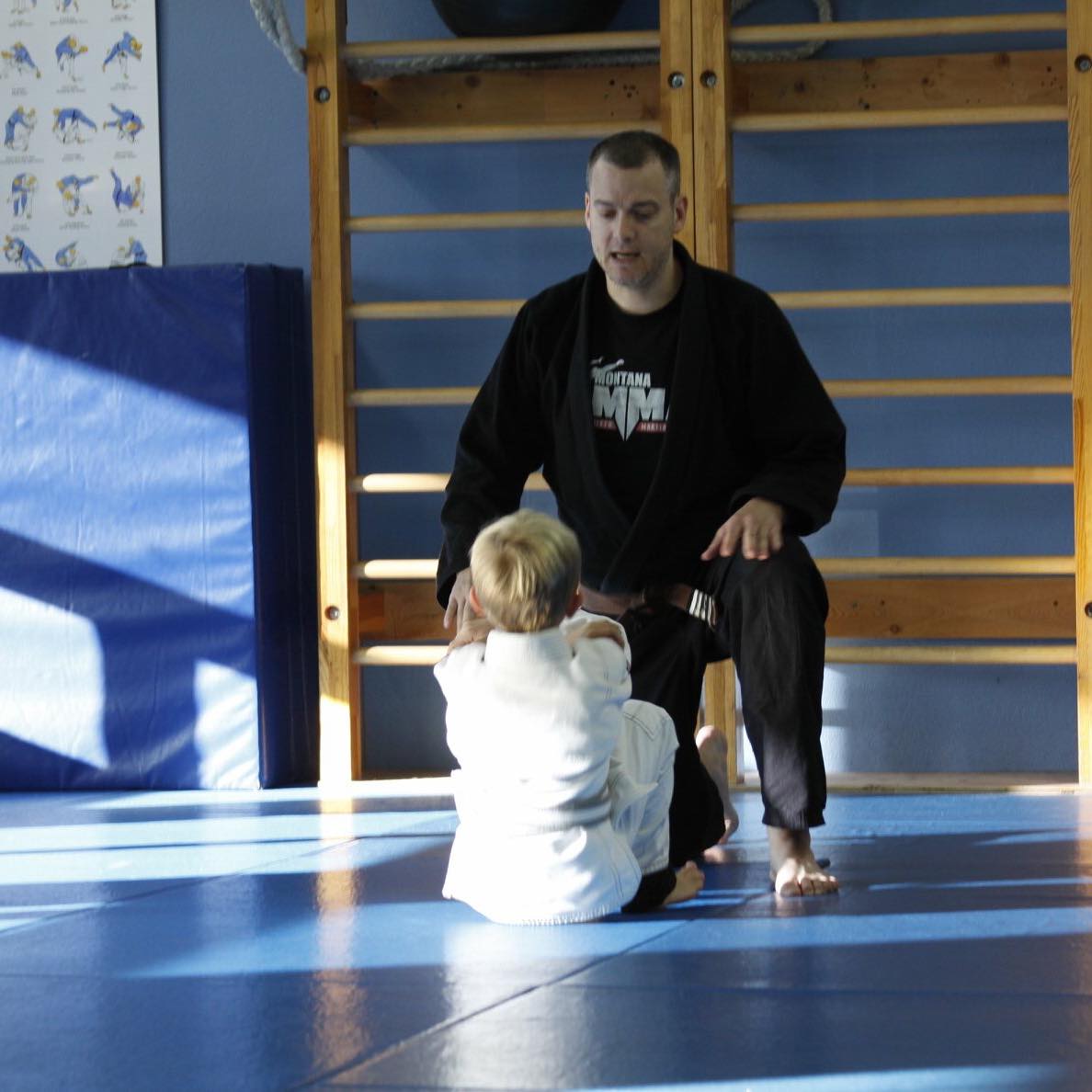
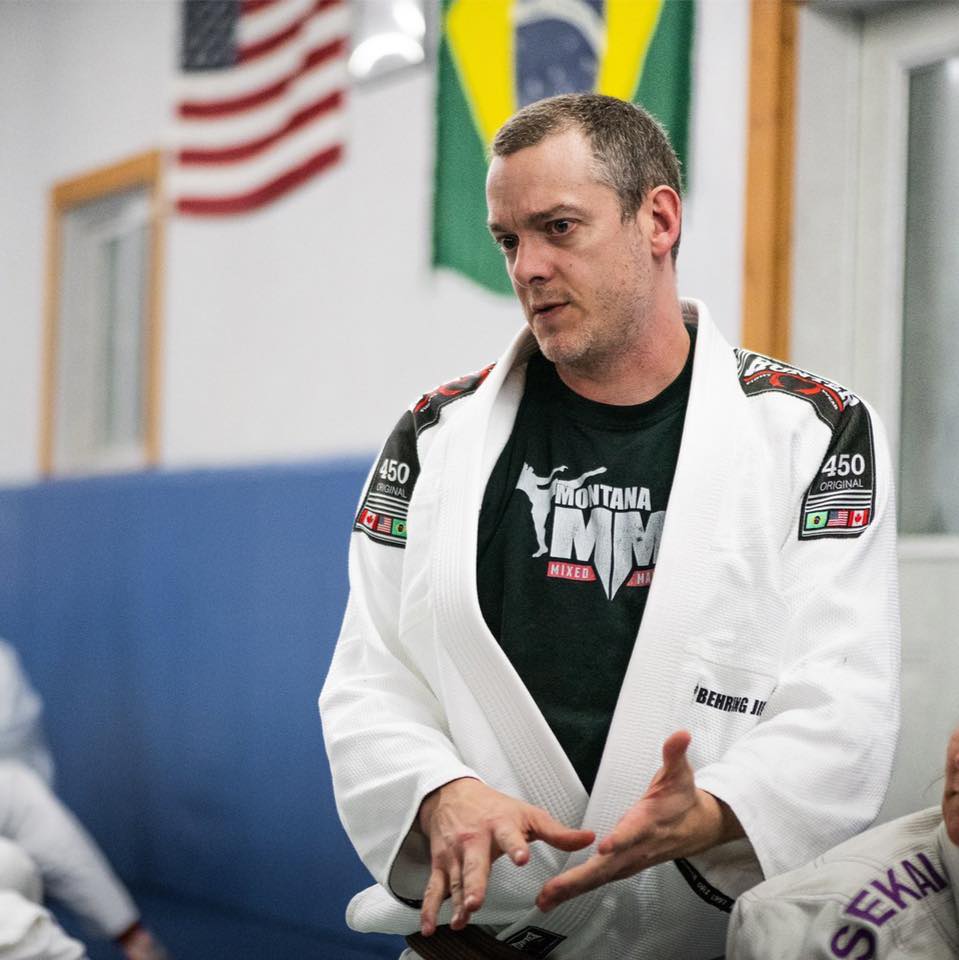
Parallel to that, I launched Montana MMA—a gym built with a different vision. After the shutdowns, I chose to focus more deeply on the gym. Our mission is simple but powerful: to create a place where people can grow. Whether someone trains with us for years or just a few months, we aim to have a lasting, positive impact on their life.
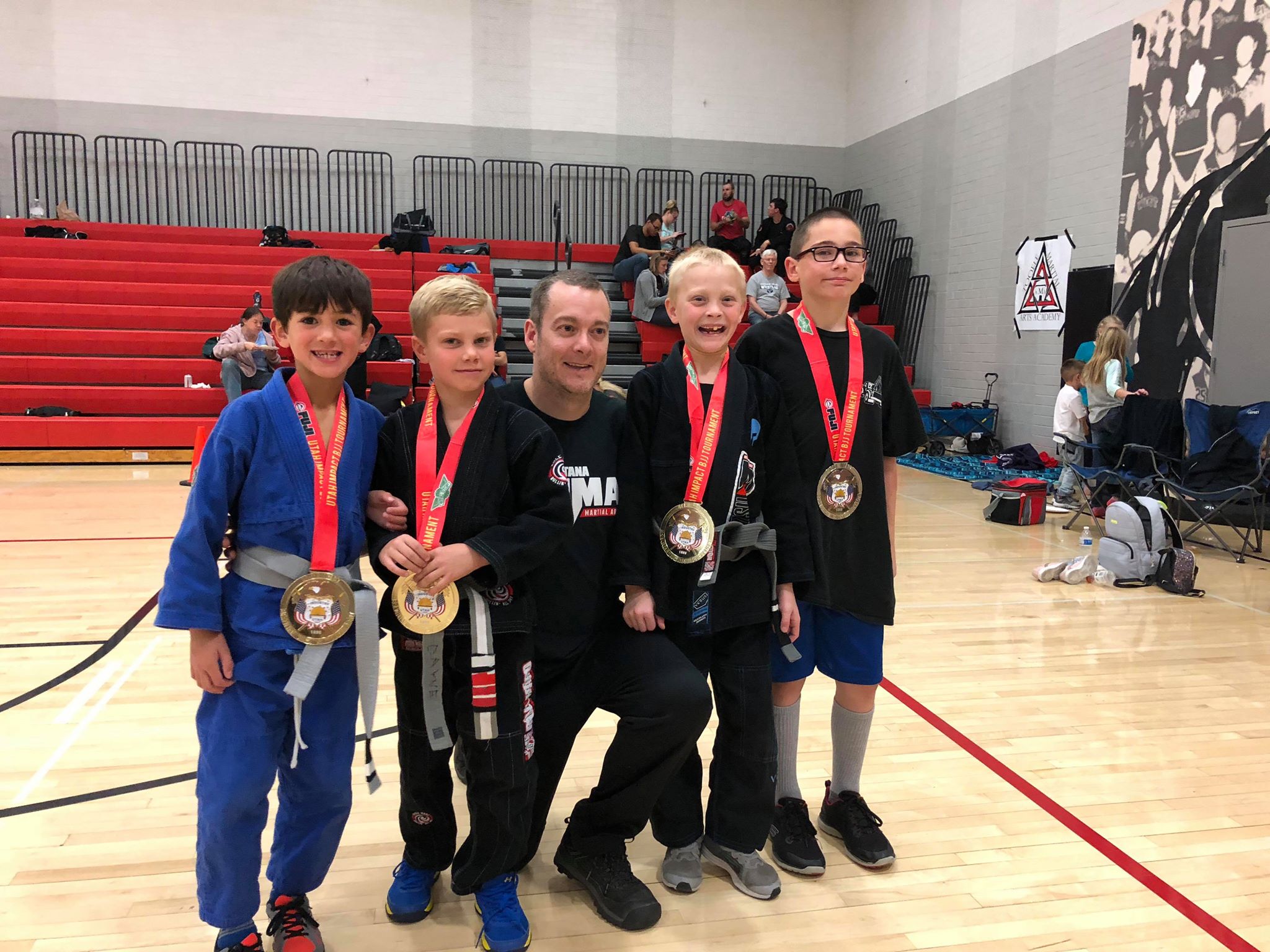
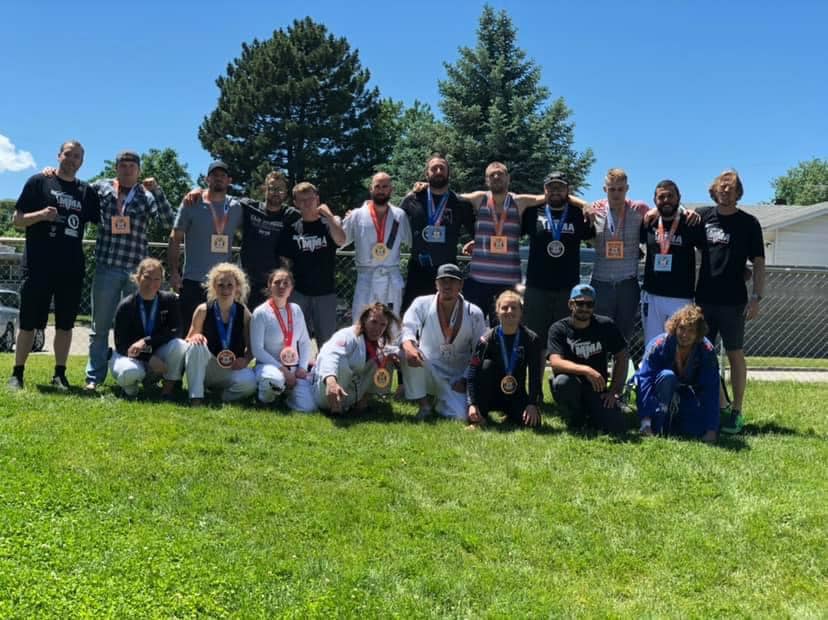
What sets Montana MMA apart is our commitment to inclusivity and community. We welcome students from all styles, backgrounds, and affiliations. We’ve created a space where people can share knowledge, support one another, and grow together. We also give back—offering free classes to the community, raising money for local scholarships, and running fitness and self-defense classes for all ages.
What I’m most proud of isn’t just the fighters we’ve coached or the events we’ve held—though those are meaningful—but the stories of personal growth, confidence, and transformation we’ve seen in people of all ages and walks of life. That’s the real heart of our work.
What’s worked well for you in terms of a source for new clients?
Social media targeting advertising has been by far the most important advertising tool for us.
We’d love to hear the story of how you built up your social media audience?
We will advertise for and host many free events and seminars to get people to visit the gym. Even if attendees don’t continue they will often talk to other about their experience.
Contact Info: