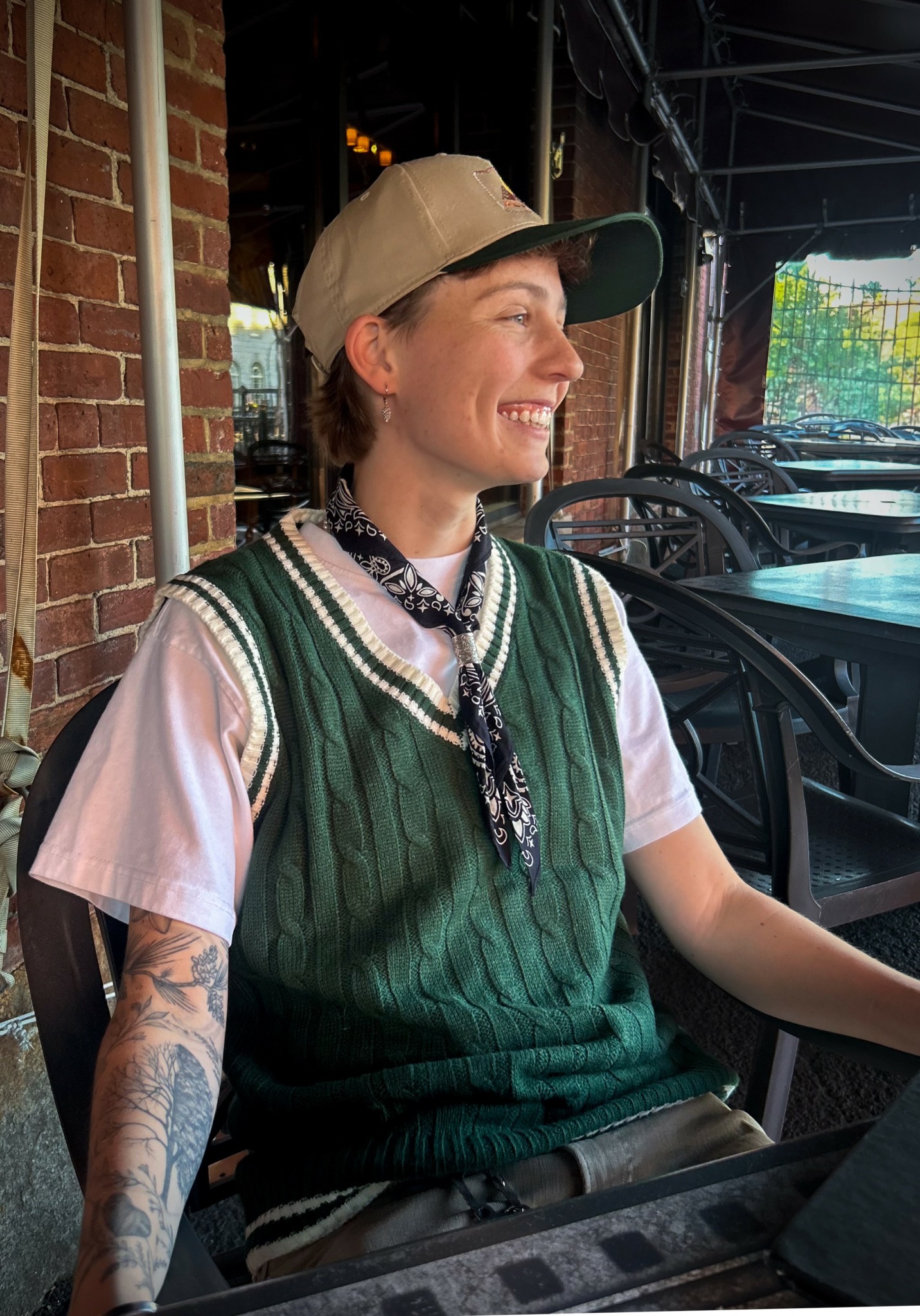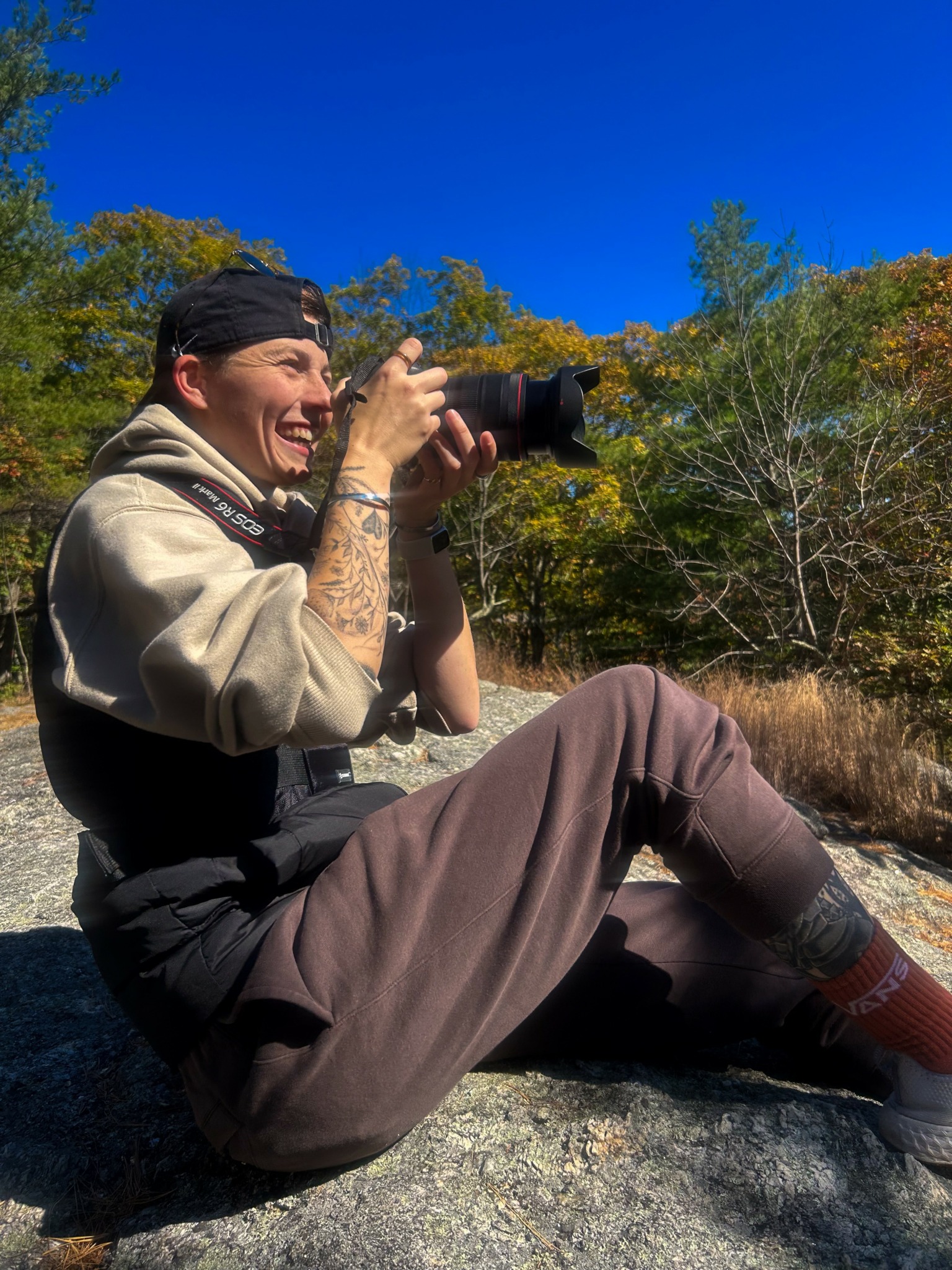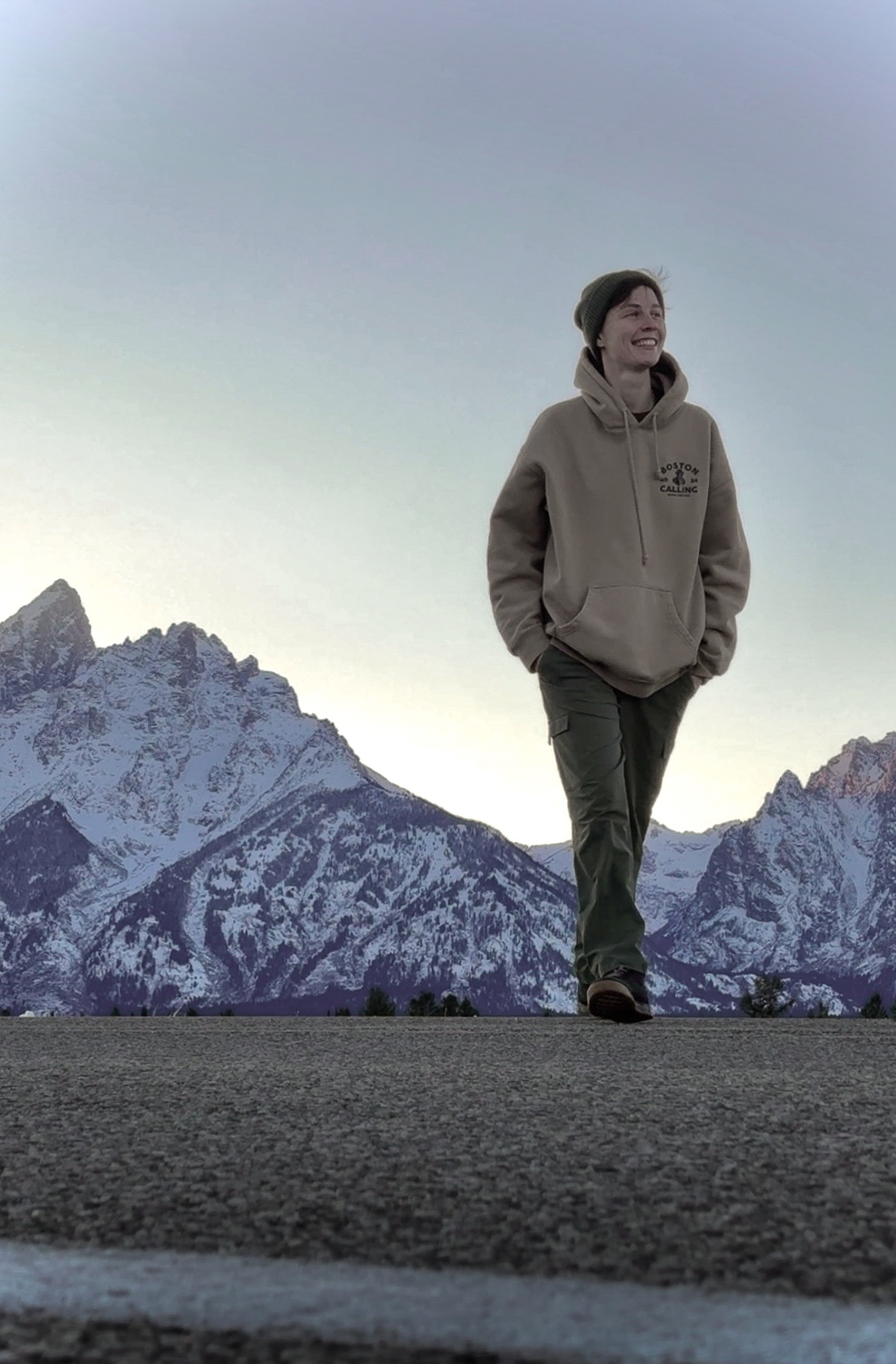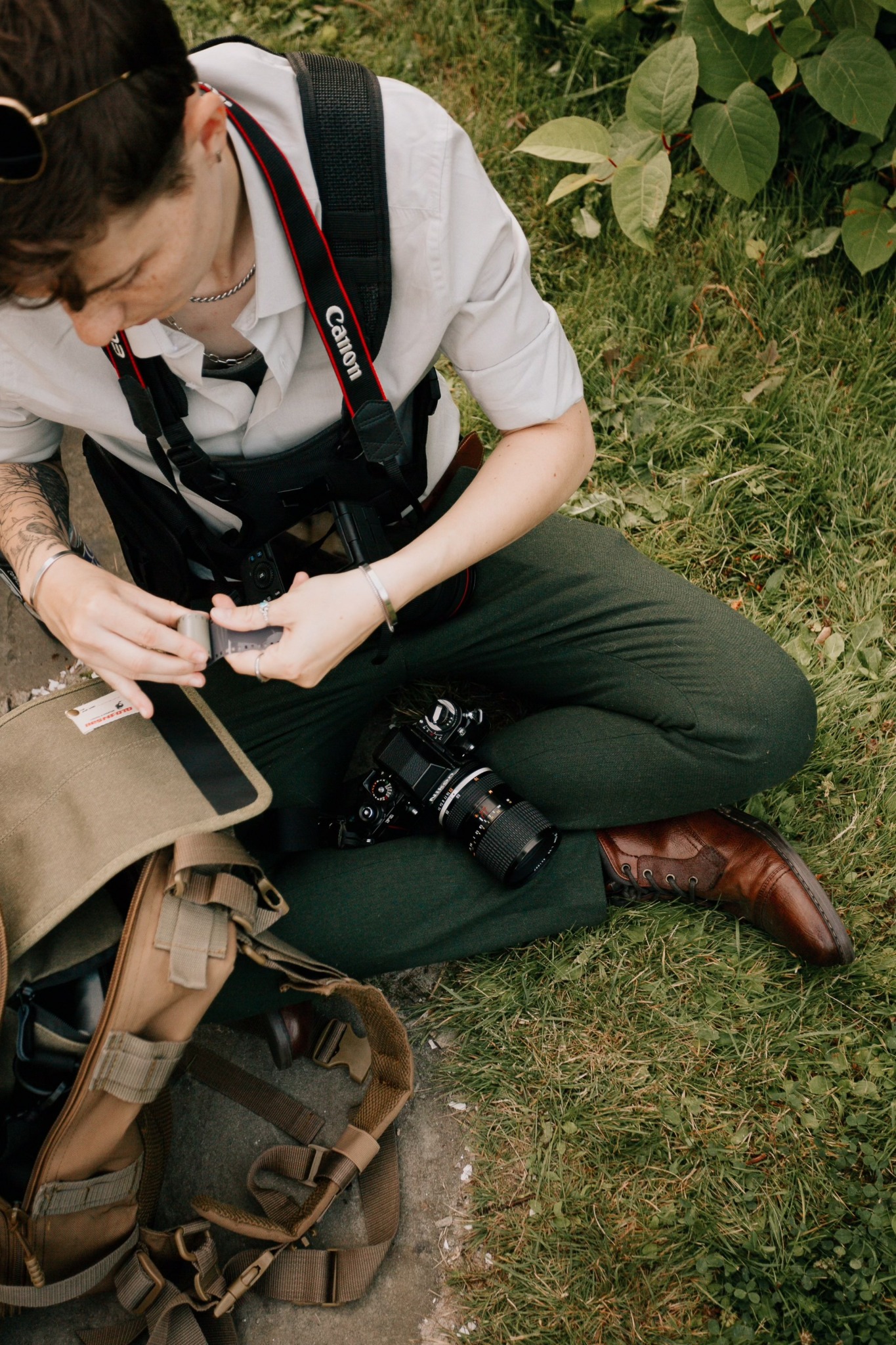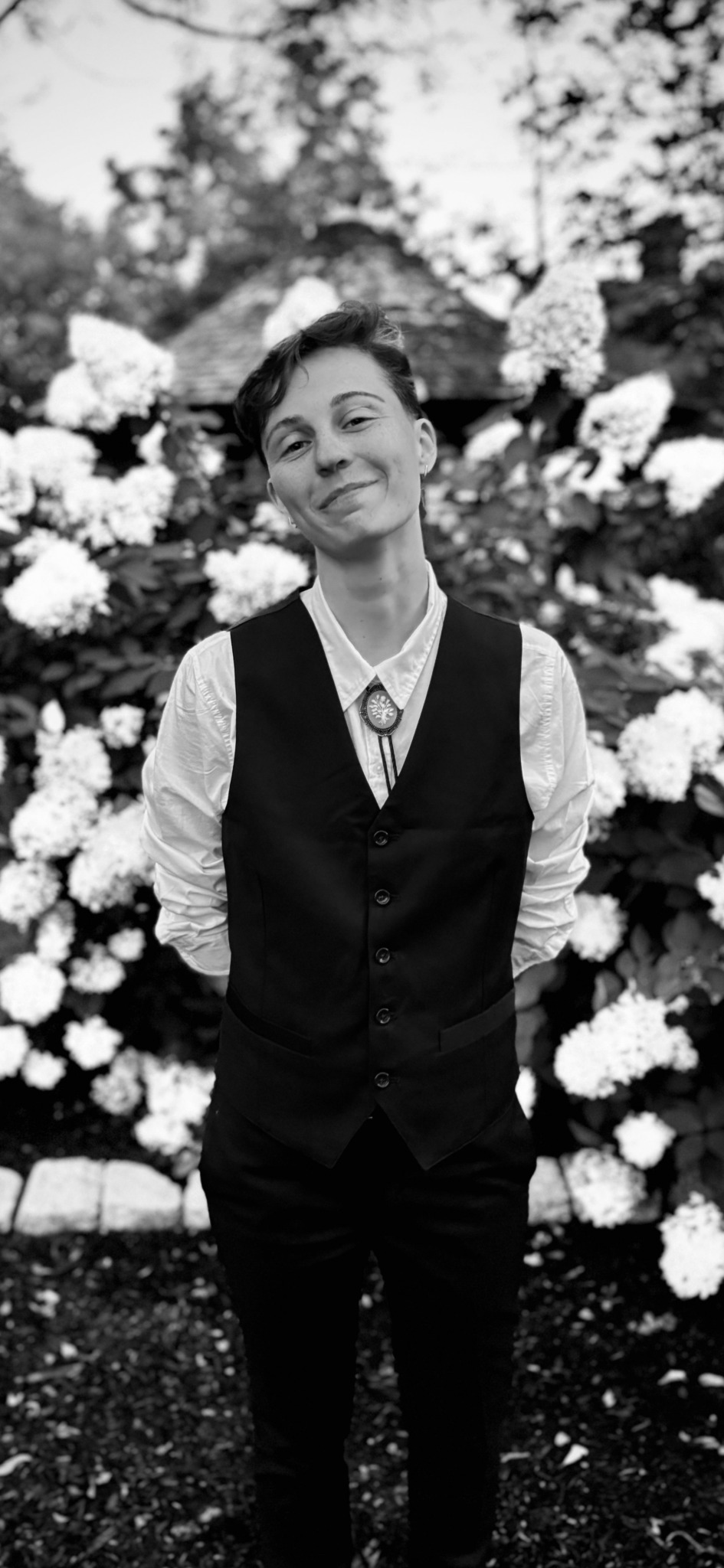

Alright – so today we’ve got the honor of introducing you to Al Davey. We think you’ll enjoy our conversation, we’ve shared it below.
Al, appreciate you joining us today. It’s always helpful to hear about times when someone’s had to take a risk – how did they think through the decision, why did they take the risk, and what ended up happening. We’d love to hear about a risk you’ve taken.
If you had asked 14-year-old me how I thought my life would turn out, I probably would’ve said something noble and wildly impractical like, “I’m going to be a vet!”—because I assumed the job was 90% cuddling puppies and 10% getting every senior cat adopted. Fast forward to adulthood, and—surprise—veterinary work actually requires science. Like, a lotof it. Also, math. And blood. And student loans.
Plan B? Obviously, becoming a professional women’s soccer player. The only problem was there wasn’t exactly a thriving league, nor salaries that could cover, you know, rent. But I didn’t care—I loved the game. I grew up in Roslindale, a Boston neighborhood that feels like a gritty underdog in a sports movie. With Fenway and the TD Garden practically in my backyard, I was surrounded by legacy—but while others followed the scoreboards, I was more interested in the camera operators, the lights, the announcers, and the guy in section 112 who kept spilling beer on teenagers. That’s where the spark started: not just with sports, but the production of it.
Cut to Christmas 2010: I was visiting my aunt and her partner Bruce in San Diego. Palm trees were a culture shock, but Bruce’s collection of backstage passes? That was the real awakening. He was an Emmy-winning videographer who had worked with everyone from ACDC to Adele, and just like that, I had a new dream: make things that make people feel something. Preferably without dissecting frogs.
But of course, dreams don’t pay tuition. So when I started college at MCLA, I defaulted back to healthcare. I stubbornly declared athletic training as my major, mostly because it sounded useful and impressive. Then I failed biology. That’s when the school politely suggested I “explore other academic pathways,” which is college code for: try literally anything else.
But I didn’t quit. No, I doubled down. My aunt had passed away that January, and I was determined to pursue healthcare like it would somehow stitch together my grief. Spoiler alert: it didn’t. Biology led to microbiology led to organic chemistry, and before I could even pronounce “pathophysiology,” life said, “hold my beer.” My mom was diagnosed with breast cancer during my sophomore year.
Suddenly, none of it made sense anymore. Classes, career paths, deadlines—everything blurred into survival. I was 19, trying to hold it all together with duct tape and caffeine. Eventually, I cracked. I took four incompletes, spent winter break buried in overdue assignments, and realized I couldn’t keep pretending this was working.
So, naturally, I enlisted in the Army. As one does when you’re spiraling and looking for structure with a side of combat boots. I shipped off in January 2017 as a combat medic trainee—because hey, if I couldn’t pass college-level science, maybe military science would stick? (It didn’t.) I failed my EMT certification three times. The third failure? On my 21st birthday. Nothing says “celebrate!” like career derailment and Texas humidity.
After that, they reassigned me to truck school in Missouri. I graduated as a Heavy Vehicle Motor Operator, which sounds cool until you realize it’s mostly just driving really big things really carefully.
I eventually returned to Boston, graduated with a B.S. in Health Science (fourth major’s the charm), and entered the workforce. For a while, I treated my job like something to tolerate between 9–5 so I could do what I loved the rest of the time: coaching, photography, playing guitar. But over time, “tolerate” turned into “resent,” and I woke up one morning wondering if I’d accidentally built a life I didn’t want.
It was draining.
Desperate for something that felt like purpose, I reached out to my high school soccer coach. She connected me with Fontbonne Academy, and just like that, I was coaching girls’ varsity soccer. I met Paul, the head coach, who became family. Coaching made me feel like myself again—present, useful, fulfilled. I’d work nights at UPS, nap for a few hours, then head straight to practice. It was exhausting, but in a way that fed me.
To make ends meet in the off-season, I worked as a chemist for Clean Harbors, cleaning up hazardous waste. When COVID hit, I took night shifts decontaminating hospital waste at Boston Hope. It was brutal, and I had to choose between that job and coaching. I left.
Another hazardous waste job had reached out and offered me a position. It was in-house at a pharmaceutical company, and within months, I had climbed the corporate ladder faster than I ever expected. I was managing chemical spills, responding to alarms, overseeing emergency response, and leading a team of four. On paper, I was thriving in a fast-paced, high-stakes environment. But internally, I was unraveling.
Eventually, the exhaustion hit. A few careless remarks from upper management and a string of disheartening conversations later, I was done. I left and found a consulting role that was far less demanding. It offered something the other job couldn’t: time. Time to coach.
That shift made me realize something I hadn’t been willing to admit before—I felt most myself on the field. I could still do my job, but coaching never felt like work. It was the part of my day that energized me, not drained me. While everything else required me to be “on,” coaching allowed me to just be.
Still, I kept telling myself I should be happy. I had a good job, benefits, a steady trajectory. But I didn’t want to climb anymore. I wanted rest. Around the same time, a relationship I thought was solid fell apart. I had just wrapped my sixth season coaching at Fontbonne and found myself alone in my apartment, staring into the mirror and wondering what the hell came next.
Then came the call from my landlord—he was selling the apartment. Just like that, a part of my stability cracked, and an old dream that had been sitting on a dusty back shelf in my mind came forward. I decided I was moving to the West Coast. It didn’t matter that my aunt, who once lived there, was no longer around. What mattered was the idea of finding joy somewhere she once had.
But telling Paul and the girls I wouldn’t be back next season gutted me. Fontbonne had been home. Those athletes, that sideline, those moments of trust and laughter and growth—that had been my real job, even if no one was paying me full-time for it.
I sold my furniture. Packed up my cat, Smudge. Moved in temporarily with my parents—until “temporary” turned into waiting to take a job across the country. But the weight followed me. I fell into another depression and ended up taking medical leave. Each day became an intentional effort to care for myself, something I had never prioritized before.
I spent 83 straight weeks in therapy. Every Thursday, I peeled back layers I hadn’t let anyone touch before. I said things out loud that had lived in the quiet corners of my mind for years—without being interrupted by the disapproving voice I’d come to expect, either from others or myself. I cycled through different medications, endured weeks of side effects, and countless sleepless nights. Healing wasn’t linear—it was work. Quiet, invisible, often unglamorous work.
Somewhere in the midst of it, I signed up for a photography class. I was late to the first one—stuck in the kind of 6 p.m. traffic that makes you question every life choice that led you to commuting through the city to Melrose. I slipped in 15 minutes after the start. The only seat left was right in the front. Of course.
But no one made me feel out of place. We were all adults, each of us holding complicated stories behind polite smiles and intros like, “Hi, I’m here because…” When it was my turn, I surprised myself.
“Hey, my name’s Al,” I said, “and I’m here because this has been calling me all my life.”
After class, I sat in my car while the rain tapped against the windshield. I glanced over at my camera resting in the passenger seat. For the first time in years of self-teaching, I actually knew how to use it—and that realization hit harder than I expected.
I cried. Not out of sadness, but something else. Something like release. I put the key in the ignition, queued up Surefire by Wilderado on Spotify, and drove home in the rain—feeling, for the first time in a while, like I might actually be finding my way.
Just before my 28th birthday, I booked a last-minute flight to Eureka, California to start a solo road trip up the Pacific Northwest. I packed my camera, hiking gear, and boots—no set agenda beyond photographing whatever called to me. From the towering Redwoods to the crashing shores of Crescent City, through Gold Beach, Bandon, Coos Bay, Lincoln City, and all the way to Cannon Beach and finally Portland, I chased the coastline like it was pulling something out of me I hadn’t known was stuck. Highway 101 turned into a kind of photography therapy. I wasn’t just taking pictures—I was starting to feel like myself again.
In Portland, I stumbled into a place I’ll never forget: The Sports Bra. It’s a bar—but not just any bar. Every inch of the space is a shrine to women’s sports. Sue Bird and Diana Taurasi, immortalized behind glass in their Olympic uniforms. Portland Thorns scarves, autographed and tacked proudly on the walls. College jerseys, framed team photos, TVs broadcasting women’s basketball, rugby, water polo, bowling—only women’s sports. It felt like stepping into an alternate universe, like that “San Junipero” episode of Black Mirror, where heaven looks like the era you wished you could live in forever. That’s what it was—a heaven I didn’t realize I’d been craving.
In that moment, something clicked. This wasn’t just a road trip anymore. I wasn’t just capturing landscapes. I was chasing belonging, chasing proof—that there was a world out there where women’s sports mattered, where we weren’t an afterthought but the whole story. I was hooked.
On the flight home to Boston—championship city, full of legacy teams like the Red Sox, Patriots, Bruins, and Celtics—I couldn’t stop thinking: But where were my girls? Where were the women’s teams with die-hard fans? Where was the energy for the athletes I grew up idolizing?
Then the Boston Fleet launched.
I went to every game I could. But I couldn’t take my eyes off the sidelines—not the players, but the photographers, the videographers, the broadcasters. I wasn’t just watching the game anymore. I was studying how it was being captured, documented, remembered.
That was the moment. The moment I knew I didn’t just want to be a fan—I wanted to be part of the movement. I wanted to use my camera to tell the story of women’s sports in real time. To make sure every win, every shot, every crowd roar was saved. I wanted to be the lens that showed the world what they’d been missing.
Because if this is history, I want to be the one who documents it.
I went back to work and changed jobs for what I told myself would be the last time. It was the job I thought I had been working toward all along—a role at one of the major hospitals in Boston. Dream title. Great team. Friendly coworkers. But also: no onsite parking, unpredictable on-call hours, and a boss who turned out to be a walking HR violation.
My boss called it a check-in. Just a 30-minute meeting, scheduled at the end of the day. When I walked in, he had my resume printed out and sitting between us like a prop in a bad performance review.
He didn’t waste time.
“How do you think you’re performing?” he asked. Before I could finish answering, he picked up the resume and began reading it line by line. “Have you actually done this before?” “Is this accurate?” He questioned every accomplishment like it was fabricated, like he was the authority on my own life.
Then came the part he must’ve rehearsed.
“With your military background, I expected a different kind of motivation. And as a photographer… shouldn’t you be able to see things from more than one lens?”
Then, as if it couldn’t get more theatrical, he tossed the resume—my resume, the one I’d spent years building, editing, shaping to prove I was enough—right over his shoulder.
“Are you even qualified to do this job?” he asked.
I didn’t answer. I didn’t need to. I glanced down at my phone: Here — my dad had texted me 34 minutes ago. U ok? — a second message blinked across the screen.
I closed my laptop and met my boss’s eyes. His hands were pressed together like a villain in a bad courtroom drama, chin resting on the tips of his fingers. He was waiting.
I gave him the kind of soft, unreadable smile women learn too young—the kind that says I’ve played this game before.
“I’ll fix this,” I said.
I walked out. Got into my dad’s car. “How was it?” he asked. I just stared ahead. He didn’t press. He knew.
The next morning, I showed up again. Maybe just to prove I could. But in my inbox was an email from my boss: a detailed “performance review” from my first 90 days, complete with highlighted feedback and an assignment—to write a report about his report.
I looked up at the national park pins I had stuck on the bulletin board above my desk. Under the glare of fluorescent lights, they looked out of place—souvenirs in a place that had no room for joy. I started pulling them off one by one and placing them back into the little felt bag they came in. Then I grabbed a photo strip of me and my friends—our faces crammed together mid-laughter—and gently tucked it into my backpack like I was rescuing us. I zipped up my bag, left the laptop behind, walked out the office doors, and just kept walking. I didn’t have a plan. But I knew I wasn’t staying.
I didn’t realize I was standing at a crossroads until I looked back and saw how far I’d come. The biggest risk I took wasn’t chasing something new—it was walking away from what was no longer good for me. And maybe that’s the thing about calling: if it’s really meant for you, it doesn’t just knock once. It keeps calling, again and again, until you finally answer.
Two days after I resigned from the hospital, I got an email from the General Manager of the Women’s Elite Rugby Boston Banshees asking if I could shoot their jersey reveal and team headshots. I was still in bed when it came through. I sat up, threw my head back, closed my eyes, and breathed. It didn’t feel like coincidence—it felt like alignment.
This wasn’t just a new chapter. It was a comeback. A personal apology to the version of me that kept surviving instead of living. A promise that the next decade would be built on choosing what lights me up. And this—this was just the beginning.
Al, love having you share your insights with us. Before we ask you more questions, maybe you can take a moment to introduce yourself to our readers who might have missed our earlier conversations?
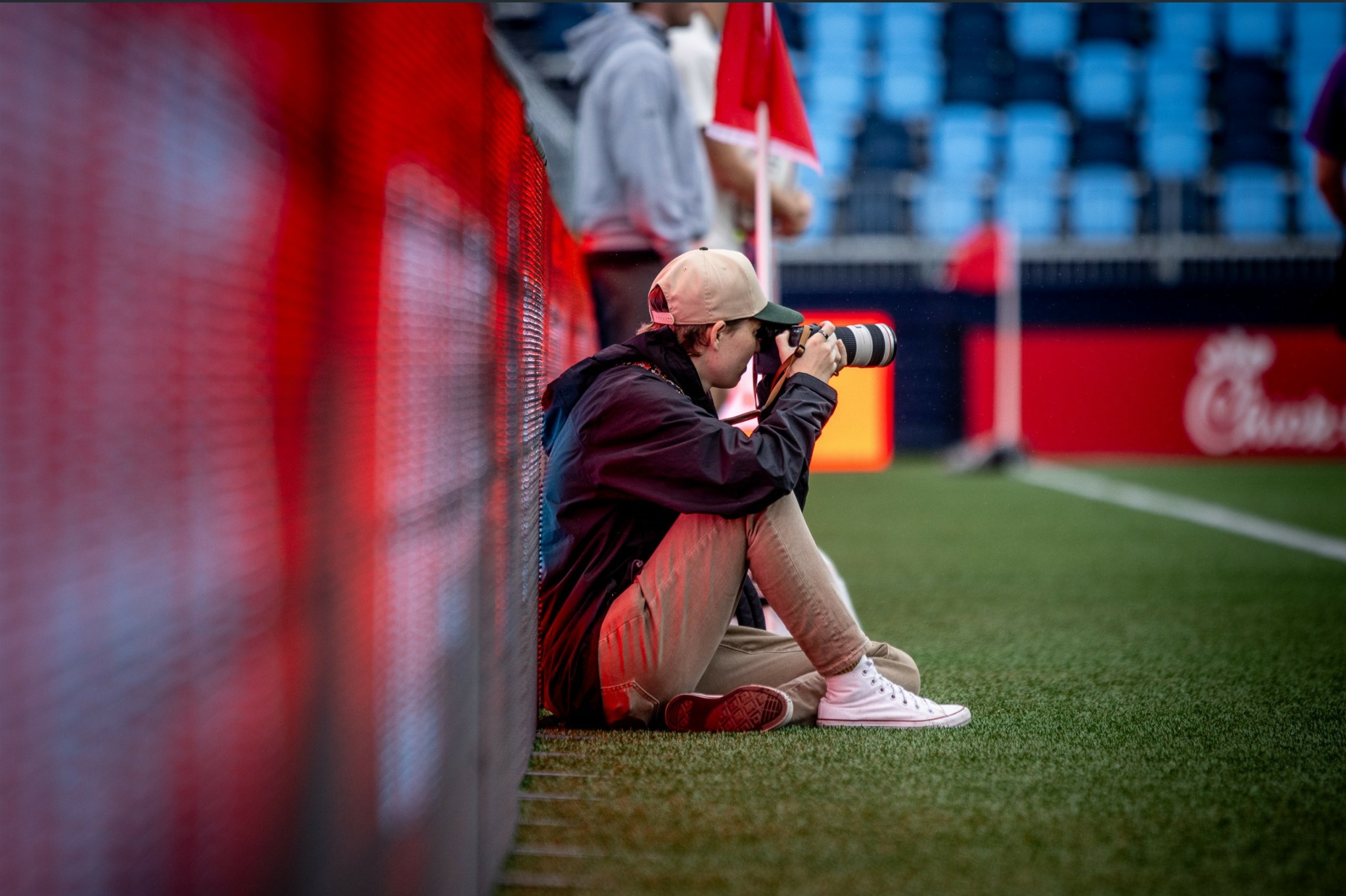
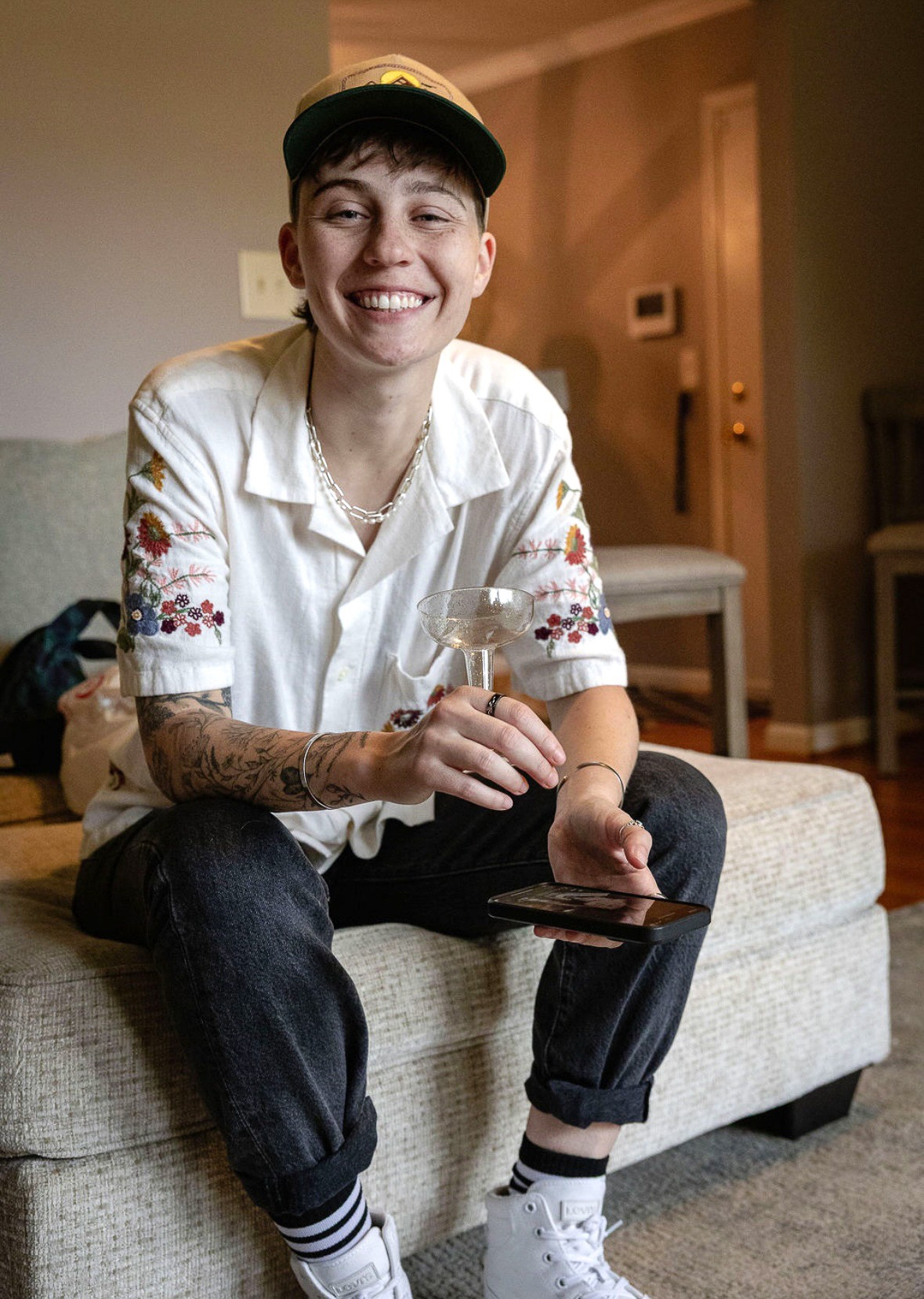
Hi, I’m Al—a Boston-raised photographer, Army veteran, soccer coach, and storyteller at heart. My work is rooted in honest documentation—capturing the emotion, movement, and meaning in everyday moments. Whether I’m photographing a women’s rugby match, a couple in love, or a quiet landscape along the Pacific coast, my goal is always the same: to make you feel like you were there.
My path here hasn’t been traditional. I studied health science, served in the Army National Guard as a combat medic, worked in emergency response and hazardous waste management, and coached high school soccer for seven years. In every chapter, I was learning how to show up, how to observe, and how to hold space for people—and eventually, how to tell their stories through a lens.
I’ve been capturing and editing photos for over ten years. What started as a creative outlet slowly evolved into a craft I knew I wanted to pursue more seriously. I now photograph:
Women’s sports — using a documentary approach that focuses on authenticity, intensity, and underrepresented moments
Engagements & weddings — grounded in connection, emotion, and movement over posing
Portraits & headshots — relaxed, honest, and expressive, helping people feel like themselves in front of the camera
Events — captured as they unfold, with all the in-between magic preserved
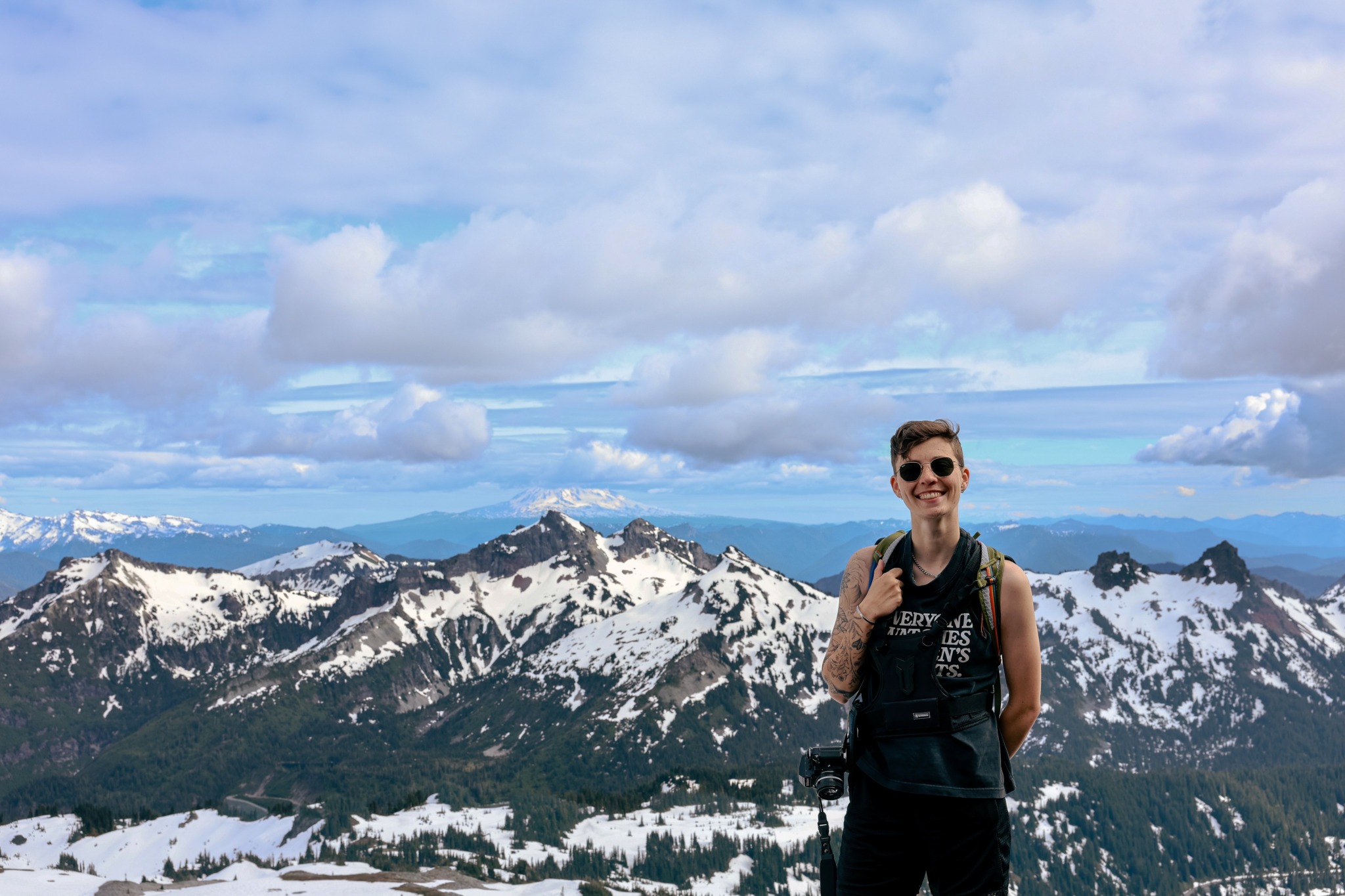
Travel & landscapes — focused on mood, light, and place-based storytelling
What sets me apart is that I come into each project not as a vendor, but as a partner in telling your story. I’m not interested in perfection. I’m interested in presence. I want my work to feel like a reflection of you—not a polished version, but a real one.
As a proud member of the LGBTQIA+ community, a retired veteran, and someone who’s rebuilt themselves through both burnout and joy, I bring empathy and lived experience to everything I do. My work is informed by resilience, guided by curiosity, and driven by connection. I’m most proud of the spaces I’ve created—on the field, behind the camera, and in the quiet moments where people feel seen.
If you’re looking for photography that’s grounded, emotional, and rooted in real life—I’d love to work together. Whether you’re building a brand, telling a story, or just celebrating a meaningful chapter, I’m here to document what matters.
Contact Info:
- Website: https://alsphotos.mypixieset.com
- Instagram: https://www.instagram.com/als.photos96/
- Other: https://pin.it/5AZ1Ew4zX