



We were lucky to catch up with Izabela Carlucci recently and have shared our conversation below.
Izabela, thanks for taking the time to share your stories with us today How did you learn to do what you do? Knowing what you know now, what could you have done to speed up your learning process? What skills do you think were most essential? What obstacles stood in the way of learning more?
I have a Bachelors and Master degree from Vilnius Academy of Arts in Lithuania, where I immersed myself in learning stained glass painting and design. It is one of a few universities left out there where you can earn a degree learning this craft. I feel lucky to have been able to study it, rather than just doing a quick course or watching Youtube videos and trying to figure out the rest by myself. It is possible, but certainly more difficult and time consuming.
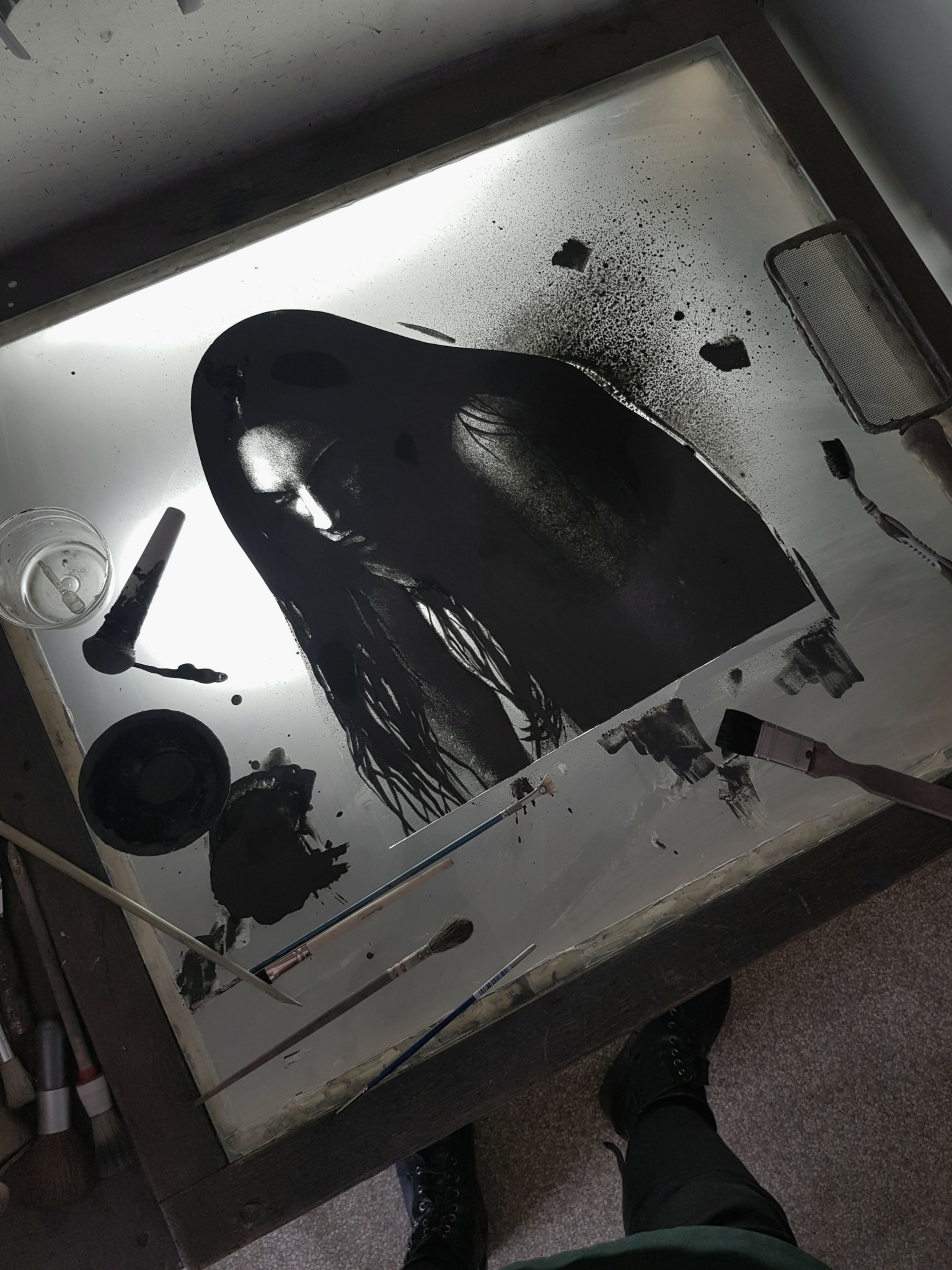
Painting on glass is much more difficult than painting on paper, and you have to plan almost every step ahead, as different colours may require different firing temperatures, and you need to work in layers. It is rather difficult to make spontaneous decisions as you work without having to pay the price of some of your paint disappearing during firing.
The internet is very helpful, and I did pick up some tricks from other artist reading blogs and watching those videos, however for most people the big problem is not difficulty with finding information, but rather having an access to all the tools needed, especially a kiln. Most are not aware that stained glass paint needs to be fired at very hight temperatures, like you do with ceramics. Your kitchen stove won’t do.
For anyone who wishes to learn this craft I would recommend to really dive into researching on what tools and equipment is required, the costs of materials, (which are unfortunately high), and also to ask yourself if you have patience. I am not saying this to discourage anyone, I just wish I had prepared myself better so there would be less surprises underway.
If you are lucky enough to have space in your home or garage for a kiln, and ready to invest in one, you are good to go. If you do not have the space or the means, search for a stained glass studio anywhere near you and reach out to them. Most will be helpful and accommodate you or offer you a course and some guidance. Of course, it is a rarity to have such a studio near you, but you could also talk to studios who do ceramics. Those are usually easier to find, and most kilns can be used for both ceramics and glass.
You need a set of different skills if you want to do make a piece completely from scratch. Firstly you will need to learn how to cut glass, the master painting and learn to fire your painting the right way, and then the last part is connecting it all with either lead cames or copper foil, using soldering iron.
Traditionally, all those 3 steps were done by 3 different groups of craftsmen, and this is still the case for large studios working on huge projects. It is a team work.
Izabela, love having you share your insights with us. Before we ask you more questions, maybe you can take a moment to introduce yourself to our readers who might have missed our earlier conversations?
I had quite a few different phases in my artistic journey. I knew I wanted to be an artist since my early childhood, I was just one of those kids always with my head in the books, or hovering over a sketchpad with my cheap crayons. When I turned about 16 I started watching Miami Ink on Discovery Chanel and I was sold. This is what I decided I want to learn – tattooing was my destiny. It was not an idea that was well received within the elders in my family, I was a very good student and they have hoped I would pursue a career that is creative but more respectable and lucrative, such as architecture. I did finish college just to have done it, but to everyone’s disappointment I managed to get an apprenticeship at a tattoo shop in Trondheim and left home. I would work at the shop daytime and flipped burgers at Burger King at night to make ends meet. Eventually i could quit my side gigs and became a full time tattoo artist.
After a few years, to my own disbelief, I got tired of it. It was a painful thing because I have made many sacrifices to get this dream job, and then suddenly I was over it and had no pleasure in it. I realised that the culprit is this artistic stagnation, where I felt like I’ve stopped evolving as an individual artist, and kept running in my hamster wheel. This is where I decided, at the age of 26, that it is time to go back to school, and I applied for the Art Academy in Vilnius. Initially I was not sure which subject to pick, but I knew I wanted to use my hands, as I appreciate craftsmanship. When I saw that they had stained glass on the list, I new immediately that this is what I want, even though I have never thought about it before. It was quite a spontanous choice, but I truly fell in love with it and have no regrets.
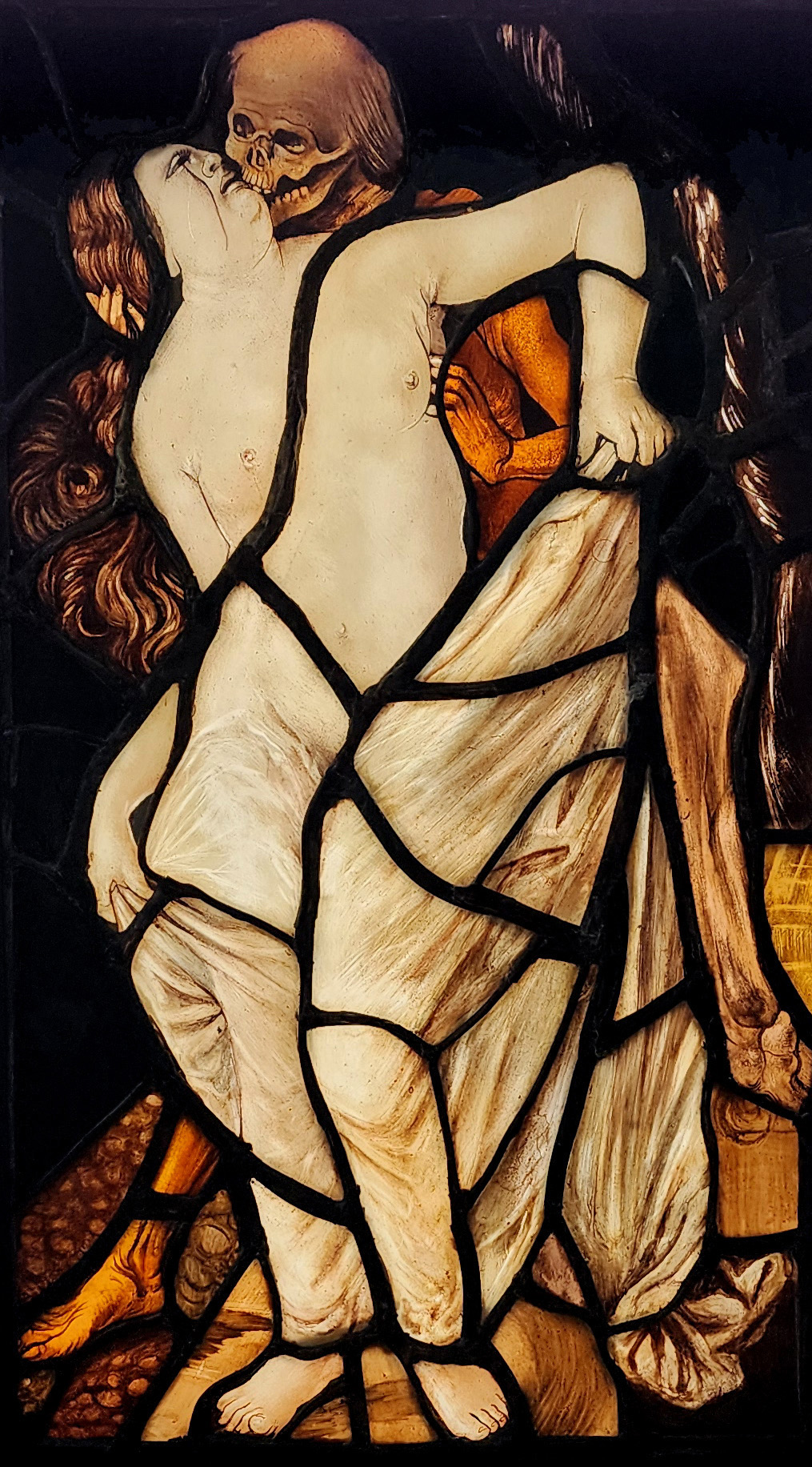
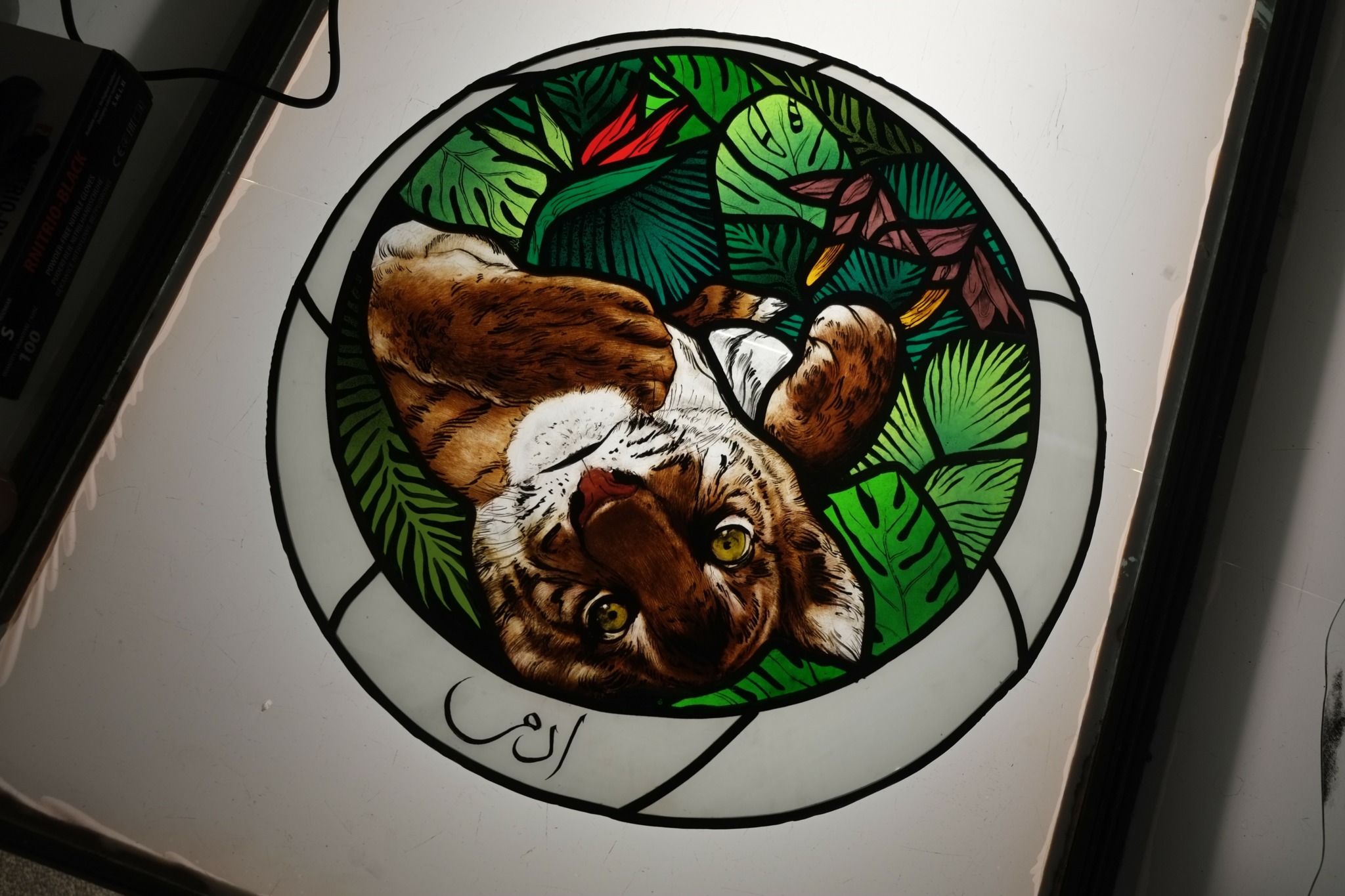
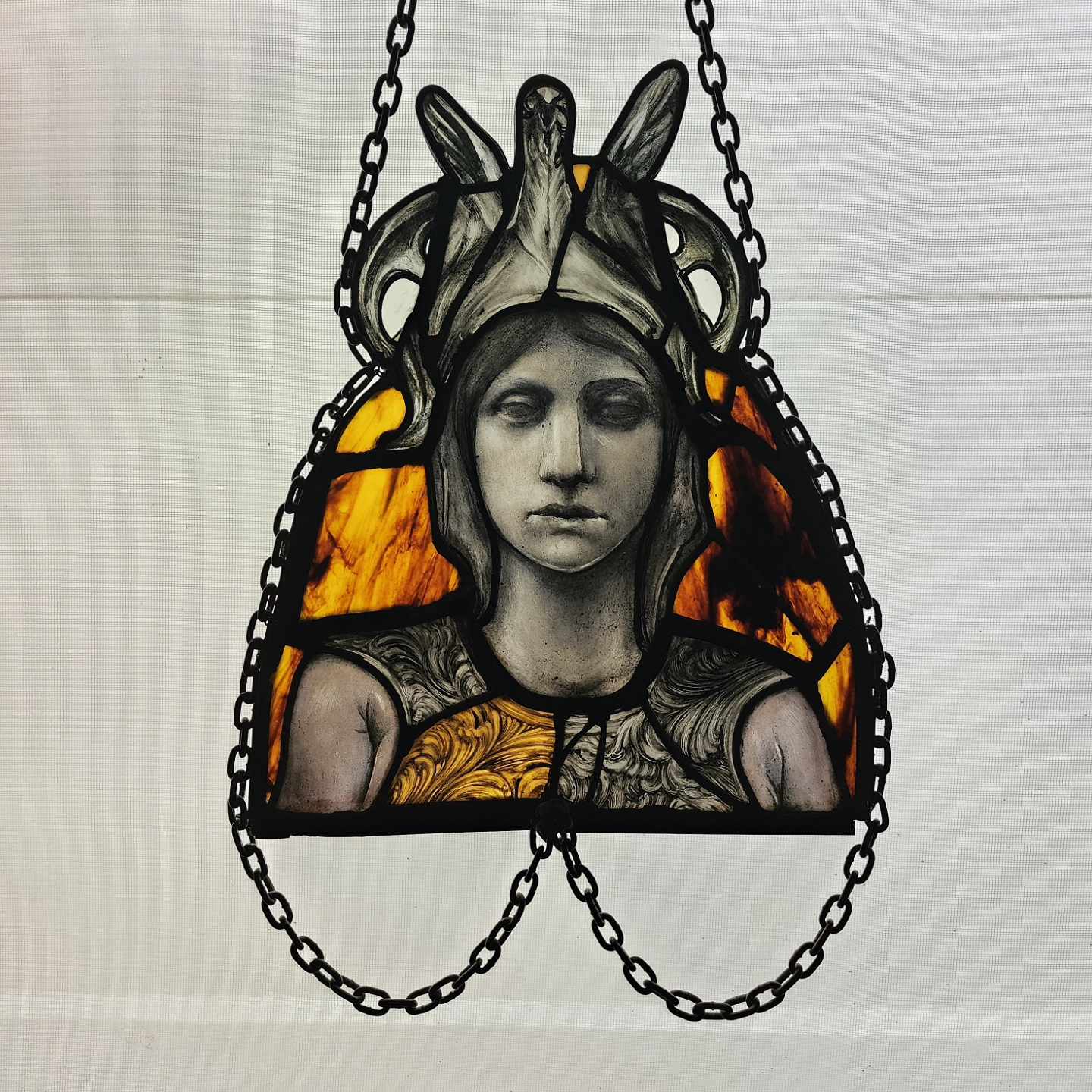
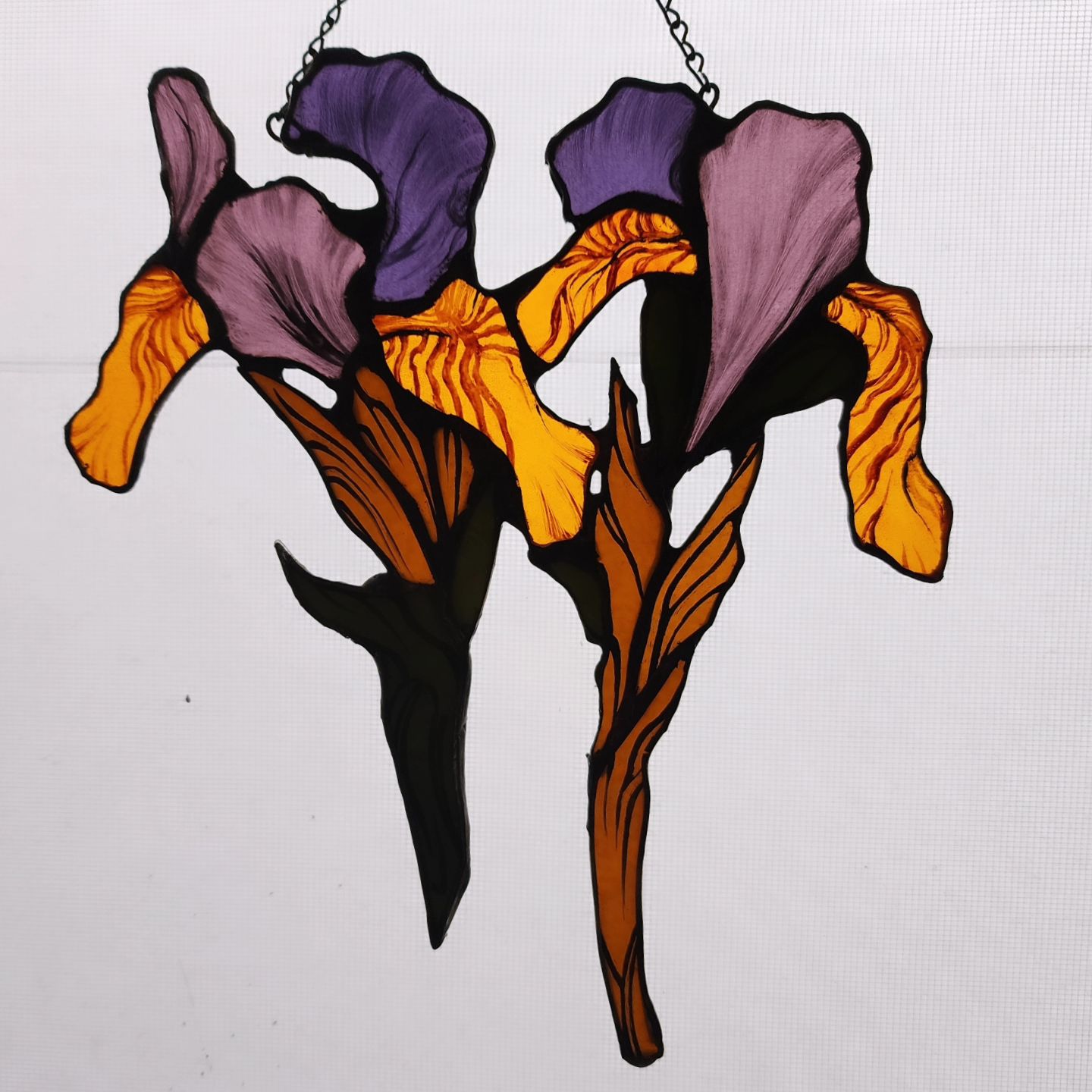
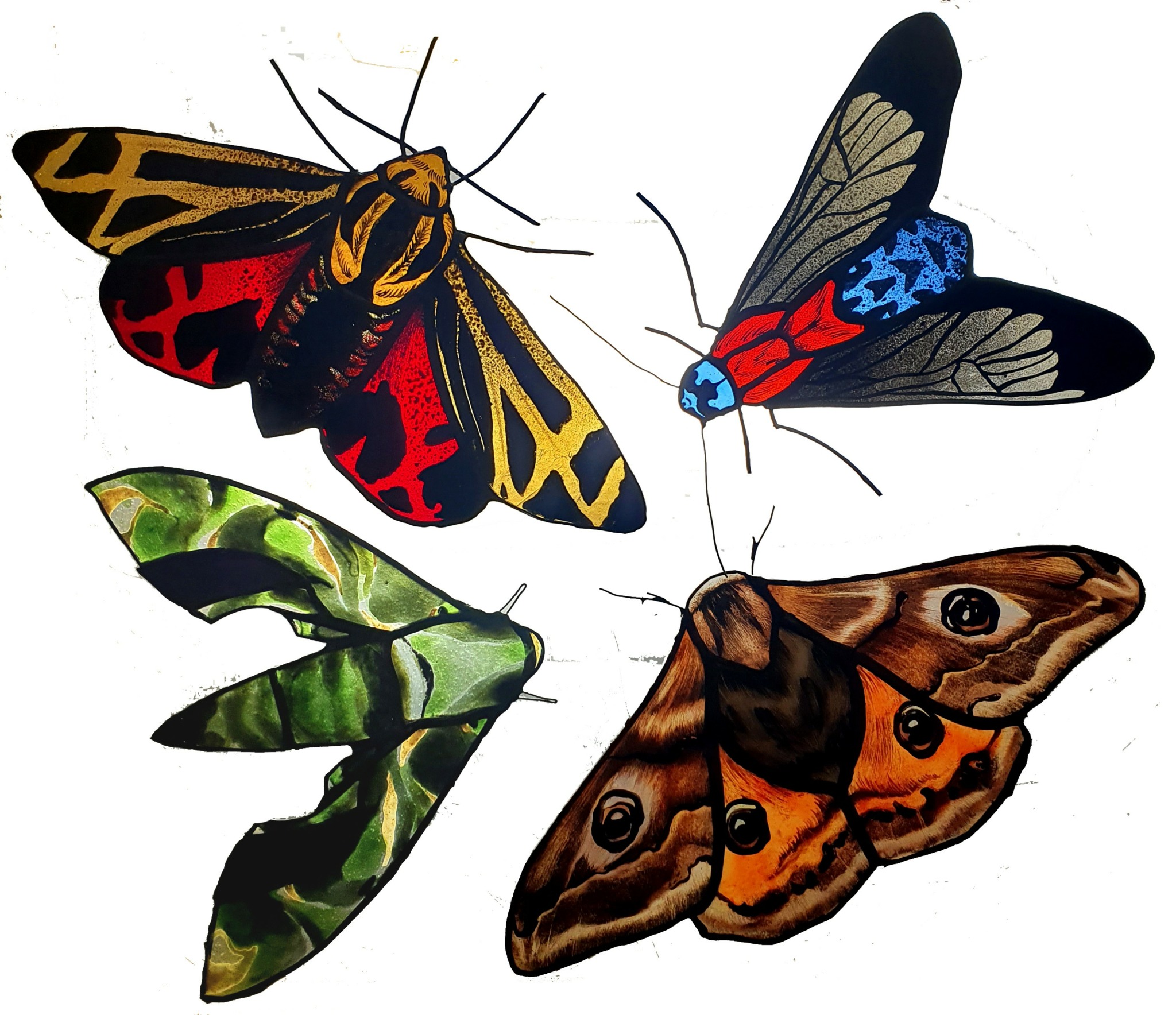
Today I live in Brooklyn and work from home. My studio is small and crammed, but I consider myself lucky to have been able to squeeze a kiln in there and not have to depend on renting space from other studios. Of course because of that I am not able to work on large projects, but I find pleasure in creating smaller pieces. I do my own designs, make historical copies or take on private commissions.
I wish I could devote all my time just for this, but making a living as an artist in New York has so far been difficult. So I do have a full time job – I actually work at the morgue! Better than flipping burgers, let me assure you.
Is there mission driving your creative journey?
My goal is to reach a point where I can be a full time artist. Six years of studies and left with a fat student loan, of course I wish I was more successful.
I don’t hate work and I am certainly not ashamed to have a job. It’s not a failure, it’s just survival. The irritating thing with having to adhere to a schedule, is of course that my time of peak inspiration and craving to paint, do not always align with that schedule. That can be a painful thing, to wake up with an urge to create, but having to put on my scrubs on and go to the morgue instead. Often, by the time the workday is over, so is your energy and enthusiasm for what you had in mind. Besides, I am a night owl by nature, and most creative between midnight and 3 AM. Now, I am forced to put myself to bed at a more decent time. These things are disturbing the natural flow of things.
But I am good at adapting to my situation, and I am not stressing too much about the future. Success might come , or it may not. I will still make art, share it online, and show my stuff in art galleries when I can. In the end I am doing it for myself – it is my moment of peace and meditation.
If I ever get to the point I want to though, my ultimate goal would be to find an apprentice to take under my wing and teach them for free. Crafts are dying, schools are closing and studios are struggling. I would love to give back to someone who wants to put their heart into it, to keep those skills alive for a little longer.
For you, what’s the most rewarding aspect of being a creative?
Being creative brings with it a lot of struggles, but I think the reward is such that it keeps your life somehow meaningful, even if just to yourself, even if nobody else sees or appreciates your art. There is something mysterious and god-like about this urge and compulsion to create. Ability to imagine something that is not there is uniquely human.
I also think most creatives are blessed to not be afraid to be alone, in their own company, with their own thoughts. Like Nikola Tesla once said : ”Be alone, that is the secret of invention; be alone, that is when ideas are born.”
Contact Info:
- Website: https://www.izacarlucci.com/
- Instagram: @iza_stainedglass & @saint_anthonys_fire
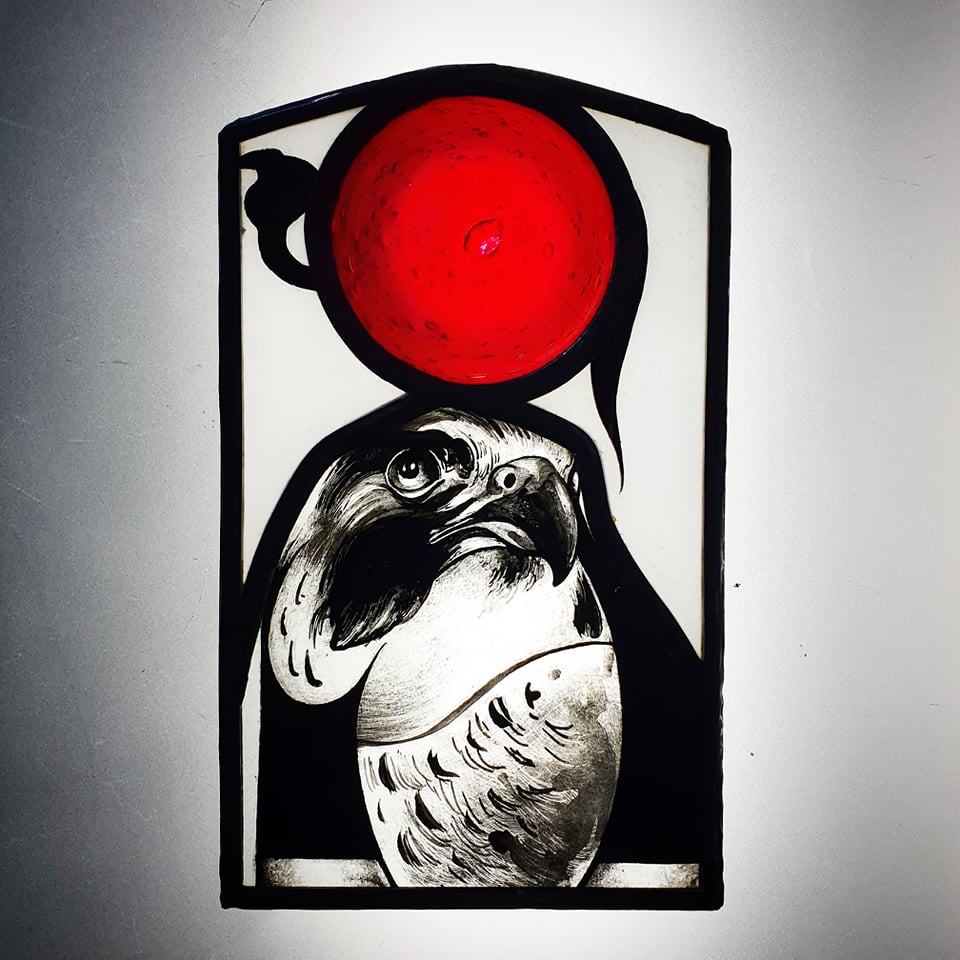
Image Credits
All photos by me