



We caught up with the brilliant and insightful Brandy Dorsch a few weeks ago and have shared our conversation below.
Brandy, looking forward to hearing all of your stories today. How did you learn to do what you do? Knowing what you know now, what could you have done to speed up your learning process? What skills do you think were most essential? What obstacles stood in the way of learning more?
How did you learn to do what you do?
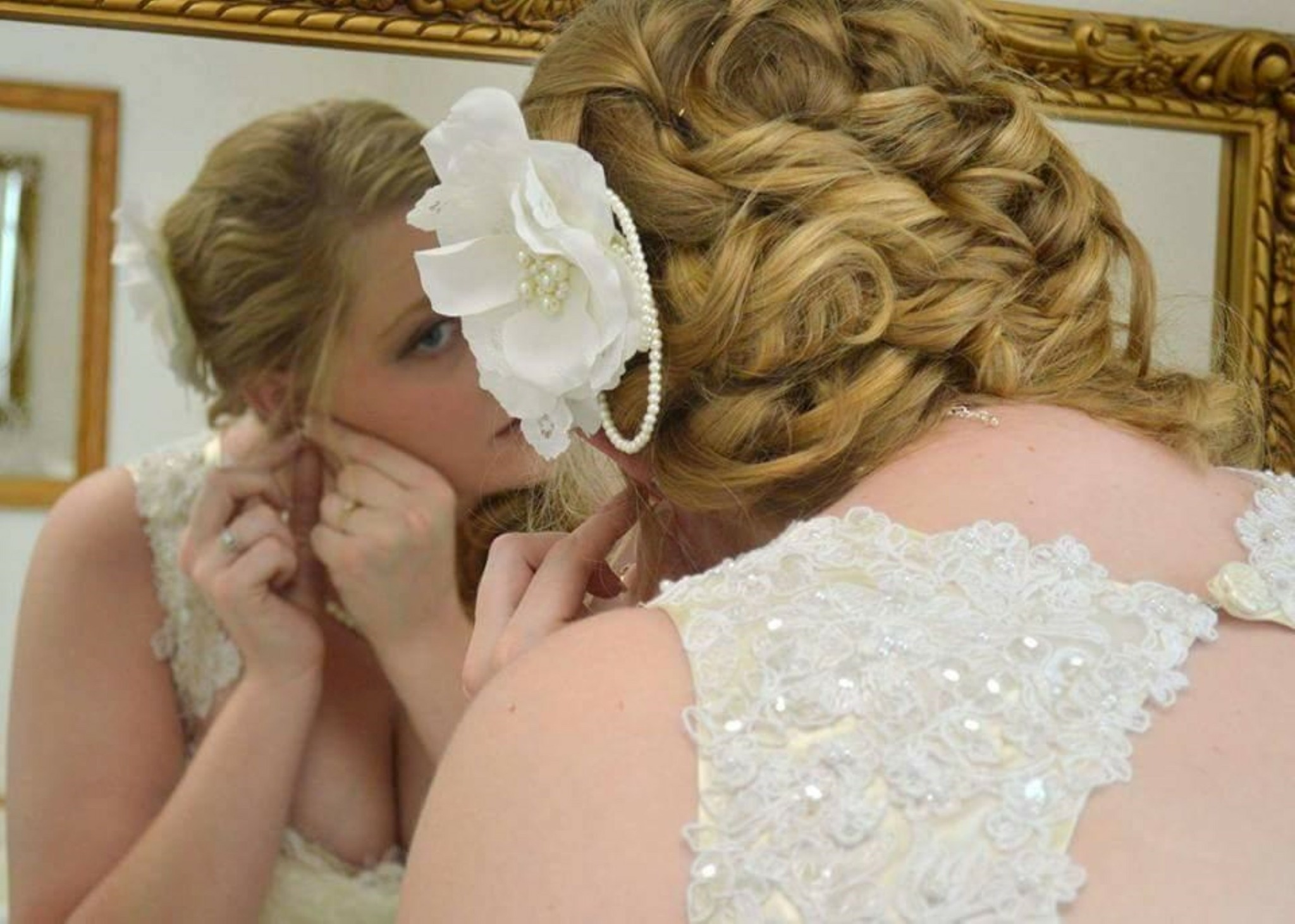
I’m largely self-taught, which has been a journey of consistent learning and adaptation. I started out creating children’s accessories, which was a great foundation for understanding craftsmanship. However, I realized my true passion lies in creating pieces that resonate with emotional significance and become part of personal legacies. There’s nothing more rewarding than designing a unique wedding veil for a bride or meticulously restoring a vintage hat that carries the heartfelt memories of a client’s mother.”. This shift came about through a lot of trial and error and extensive research into different materials and techniques. I embrace continuous learning and enjoy the process of experimenting to refine my skills and push creative boundaries.”
Knowing what you know now, what could you have done to speed up your learning process?
Seeking out mentors or a strong creative community earlier would have been invaluable. While experimentation and refinement taught me a lot, having experienced individuals to bounce ideas off of, ask specific technical questions, or even just observe their processes would have provided shortcuts to certain solutions. I could have avoided some mistakes and perhaps discovered new techniques more rapidly.
What skills do you think were most essential?
First and foremost, adaptability and flexibility were critical. Shifting from creating children’s bows and bowties to intricate wearable art meant I had to constantly pivot my techniques, materials, and even my mindset. It was about being open to new directions and not being afraid to leave behind what was comfortable to pursue a more ambitious creative vision.
Closely linked to that is problem-solving and resourcefulness. When you’re largely self-taught, “trial and error” isn’t just a phrase; it’s your primary learning method. I had to become adept at identifying challenges, experimenting with different solutions, learning from every attempt, and actively seeking out information to overcome technical hurdles. There wasn’t always a blueprint, so I had to create one.
Then there’s continuous learning and curiosity. My passion for creating art meant I was constantly driven to absorb new information, master unfamiliar materials, and refine my craft. This insatiable curiosity is what propelled me to push boundaries and evolve my designs.
Finally, persistence and resilience were non-negotiable. Learning through experimentation inevitably comes with moments of frustration or setbacks. My ability to stick with it, to keep experimenting and refining even when things didn’t work out perfectly the first time, was vital. That resilience is what ultimately allowed me to transform my initial ideas into the art Hello Haberdashery is known for today.
What obstacles stood in the way of learning more?
When I think about what’s stood in the way of learning even more quickly, a few key obstacles immediately come to mind.
First, and perhaps most significantly, there’s time. As a small business owner, I wear all the hats—from the hands-on work of designing and creating to managing marketing, sales, and even accounting. Finding dedicated, uninterrupted blocks of time to really deep dive into new techniques or materials is a constant challenge. Often, that crucial learning has to be squeezed into the fringes of the day or late into the night, which, as you can imagine, isn’t always the most efficient way to absorb complex information.
Beyond those practical constraints, navigating a self-taught path in a creative field also presents the inherent obstacle of the unknown and occasional self-doubt. Moving Hello Haberdashery from something established like children’s bows into truly unique wearable art meant venturing into territory where the final outcome wasn’t always clear, or even if a particular idea was feasible. Overcoming that internal resistance to trying something completely new and trusting my own instincts despite the lack of a clear roadmap, has been a continual mental hurdle I’ve worked to clear.
Lastly, the economic realities of a ‘trial and error’ approach are a key consideration. Venturing into new materials or niche tools often means financial commitment without assured success. This inherent risk of monetary ‘failure,’ however small, demonstrably makes me more cautious about diving into certain creative avenues. For instance, achieving greater proficiency in millinery still demands considerable investment in specialized equipment and adequate workspace—a persistent barrier to expanding my capabilities.
Despite these challenges, each one has taught me invaluable lessons in resilience and resourcefulness, ultimately reinforcing my passion for Hello Haberdashery and the unique pieces I create.
Brandy, before we move on to more of these sorts of questions, can you take some time to bring our readers up to speed on you and what you do?
My journey with Hello Haberdashery began shortly after I had my son. We had a difficult time finding stylish accessories for him, so I started making bowties that he could wear when we went out. People noticed what I had made and suggested I consider selling my work, so I started with a small setup.
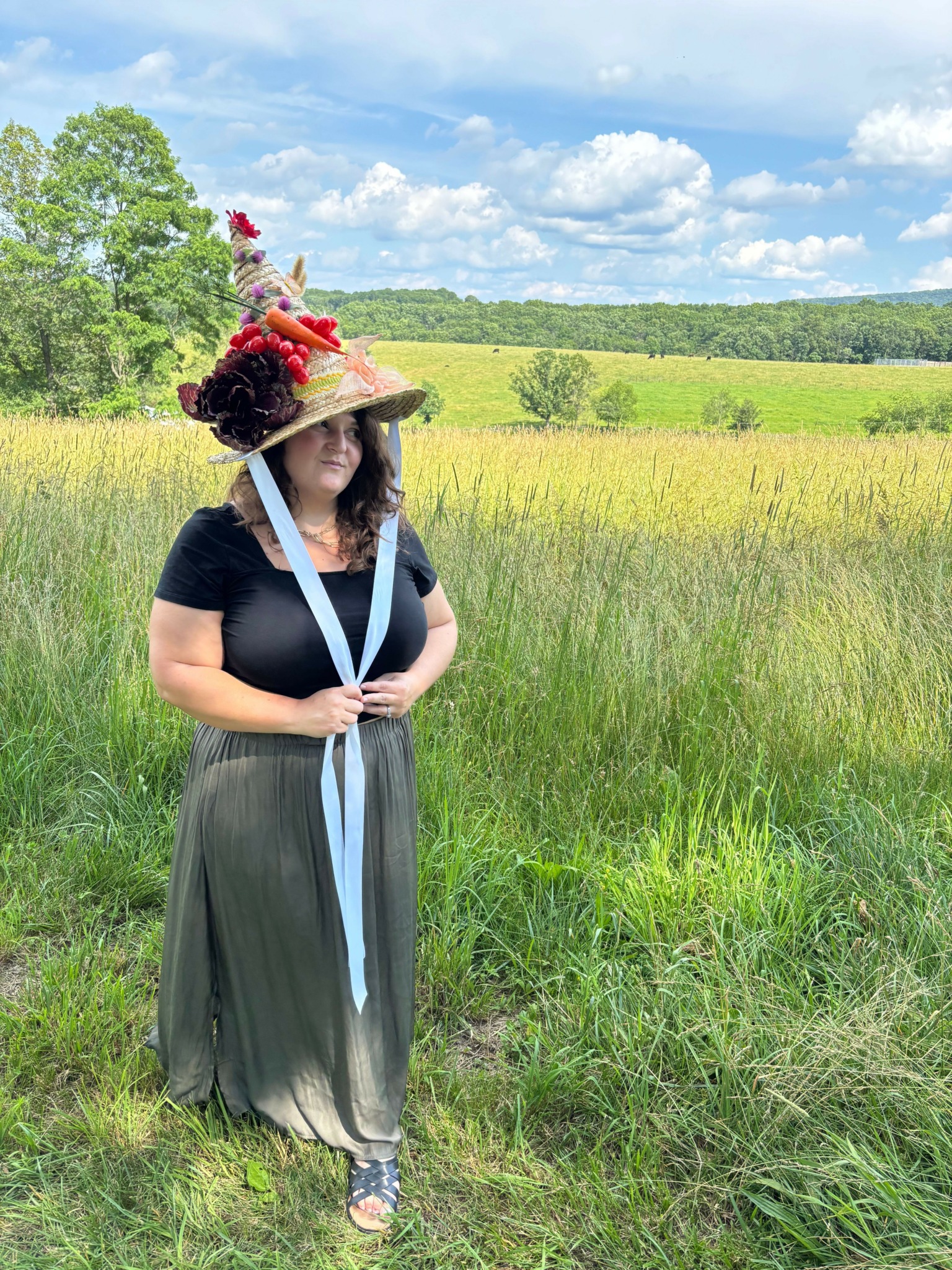
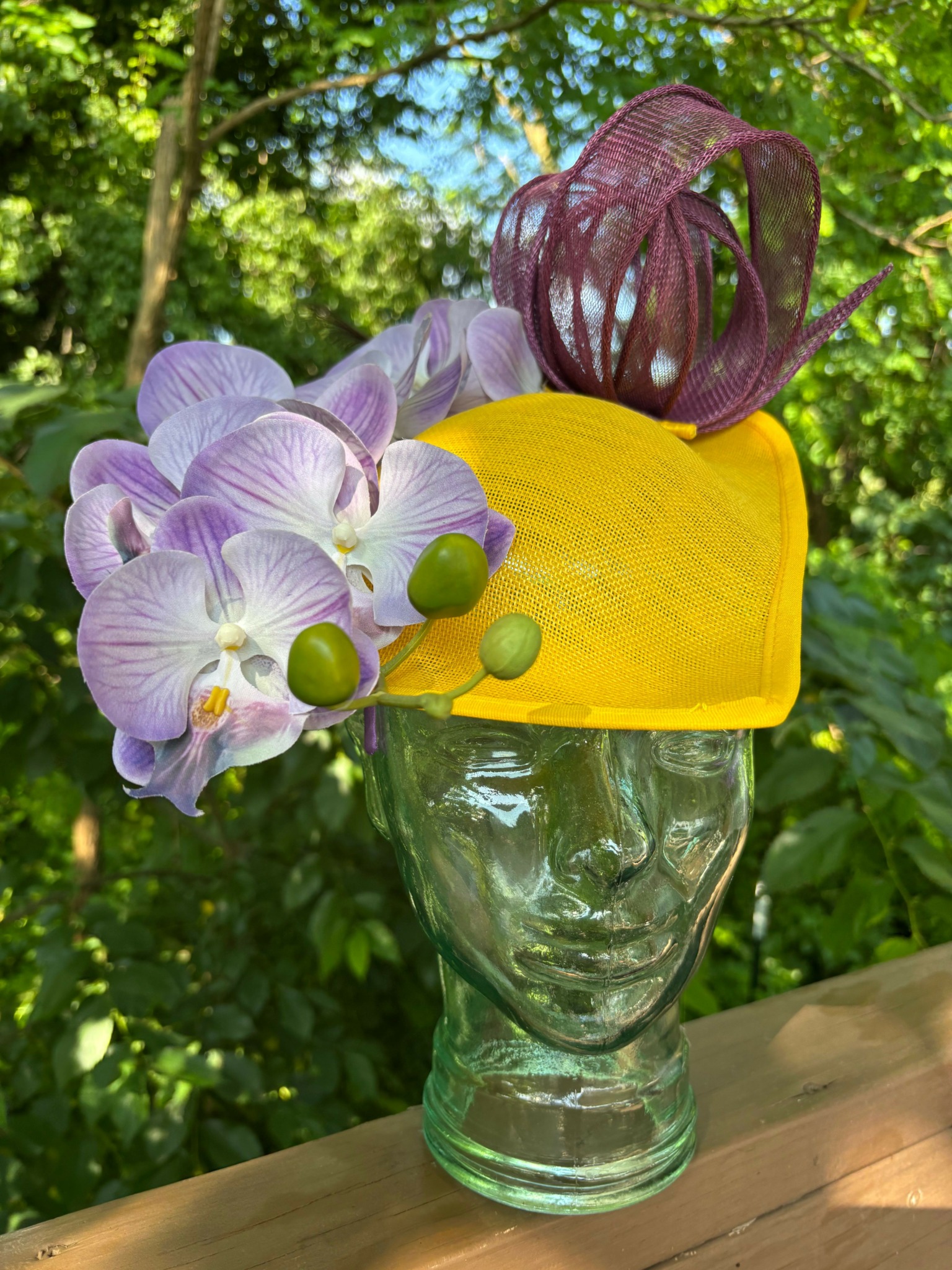
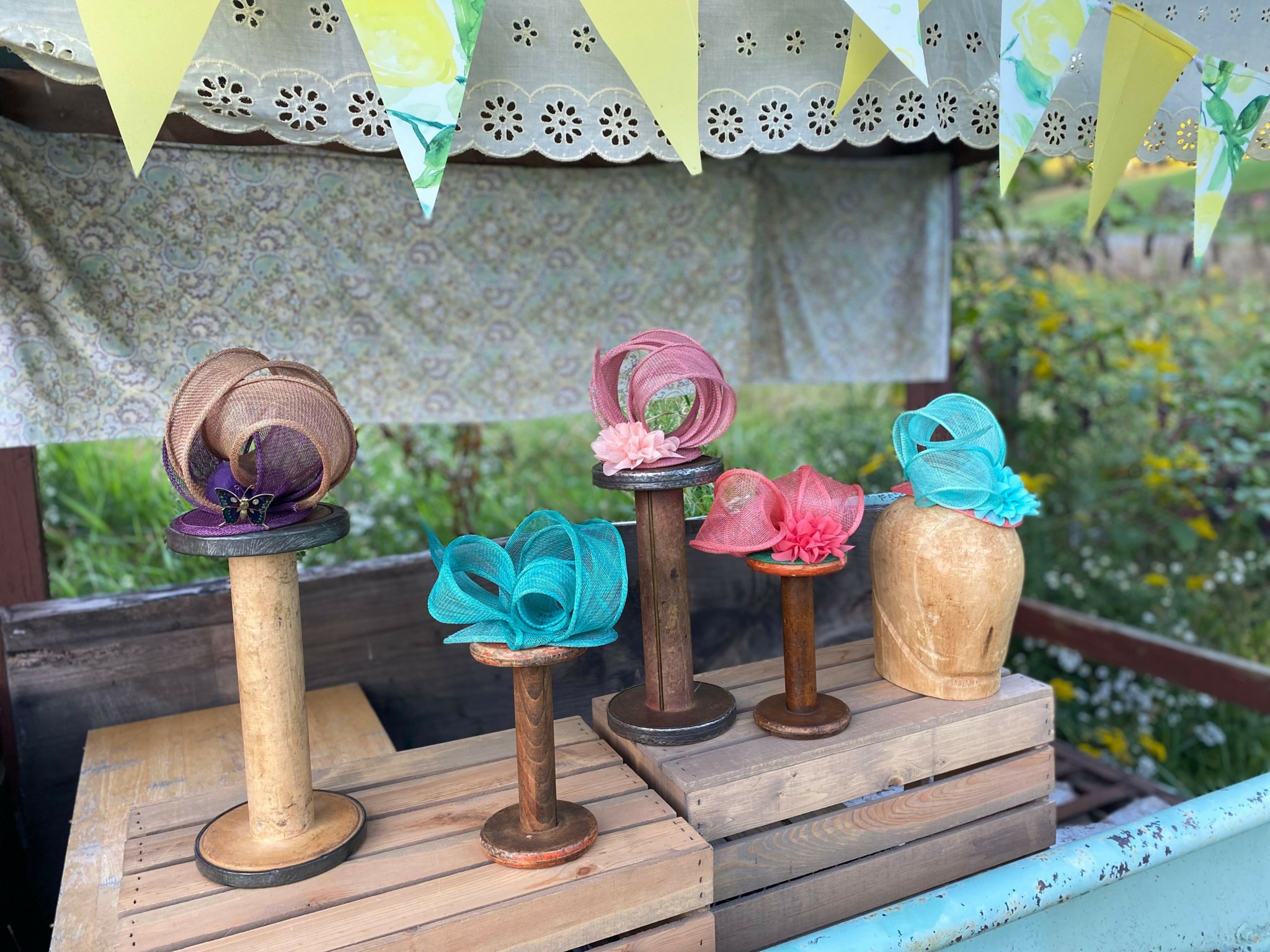
Soon, it became clear to me that there was a significant market for my work, and I branched out into hairpieces and accessories for girls and women too. It was during this time that I began experimenting with top hats and unique hairpieces, which went on to become Hello Haberdashery’s signature artworks.
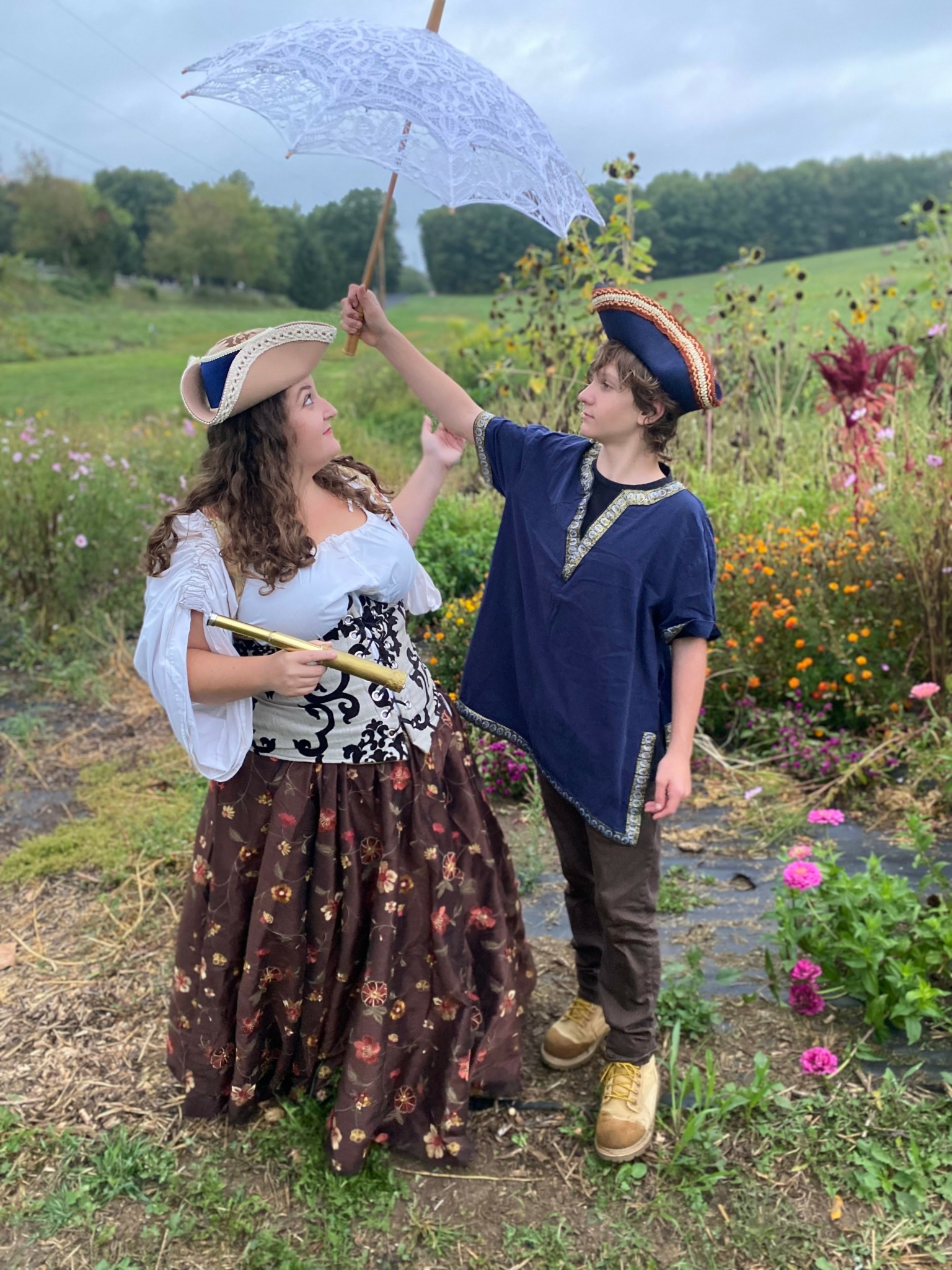
Since then, my life has been a dynamic journey, marked by its share of exciting successes and difficult moments. I have set up in 5 different states and worked events ranging from Christmas Markets to Wedding Expos to Artist Villages and even Renaissance Faires. My work and my setup have won awards for Best of WV Weddings Magazine, Crafts Best in Show for the Oglebay Foundation, the Spirit Award with the Annmarie Sculpture Garden and Art Center’s ArtsFest, and recognition in the Tamarack Foundation/Shine On West Virginia’s “50 Gifts from 50 Counties” initiative.
When people come to my booth, I like to transport them to a different type of shopping experience, giving them a glimpse of fashion from the past combined with the present and a flair for the whimsical. Choosing my art means clients receive exceptional quality and an exclusive design they won’t discover anywhere else. Creating makes me happy, and I want my art to make others happy too! I’m always excited to help clients find a piece from my collection that deeply connects with them, or to collaborate on a custom creation that perfectly fulfills their dreams.
My greatest joy is seeing one of my pieces truly resonate with someone, sparking that “love at first sight” moment before it goes home with them. My creations have traveled the globe, to Europe, the Burning Man Festival, the Kentucky Derby, several fashion shows, countless weddings, theatre productions and art galleries.
As an artist, I am constantly trying new things to see what works and what doesn’t, and I love sharing my creations with friends old and new.
What do you find most rewarding about being a creative?
For me, the greatest reward in being a creative, an artist is the ability to express my authentic self through my art. I love sharing my ideas and what brings me joy with others. My creative process is where I can escape into a world that doesn’t impose limits or tell me “no”. In a life full of restrictions, my art is where I find unbound freedom.
In your view, what can society to do to best support artists, creatives and a thriving creative ecosystem?
The most direct way society can champion artists and creatives is by investing in their work. This means more than just a purchase; it’s about actively attending their events, sharing their creations with friends, writing genuine reviews, and amplifying their presence across social media and personal networks. Send people directly to their websites and engage with their content online.
Ultimately, it comes down to valuing them as professionals. Recognize their time, skill, and unique contributions. We can also foster stronger communities by collaborating directly with artists on local projects and initiatives.
Contact Info:
- Website: https://hellohaberdashery.square.site/
- Instagram: https://www.instagram.com/hellohaberdashery/
- Facebook: https://www.facebook.com/hellohaberdashery/
- Other: You can find and review us on google:
https://g.page/r/CevpbQyp0AvoEBM/review
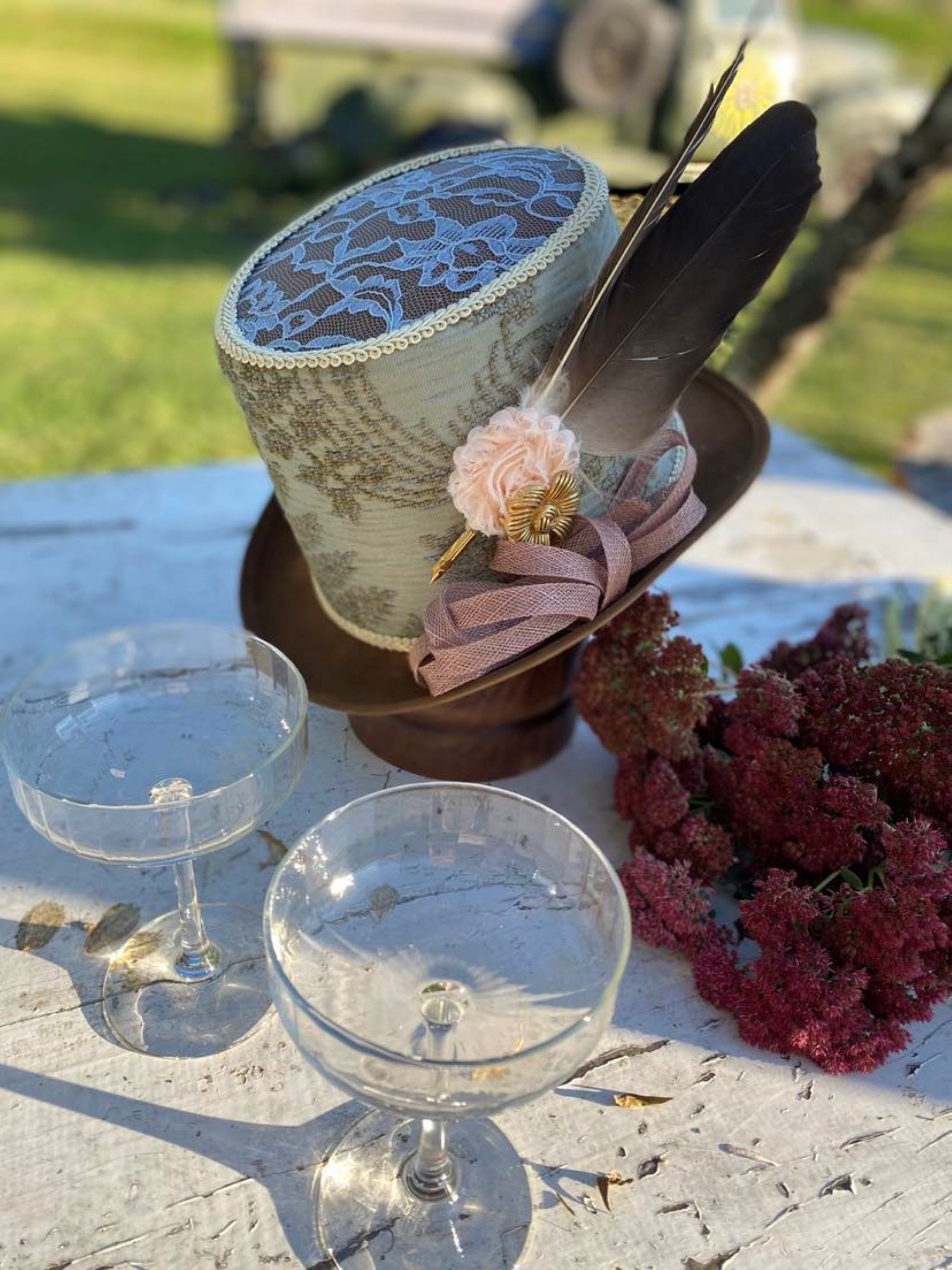
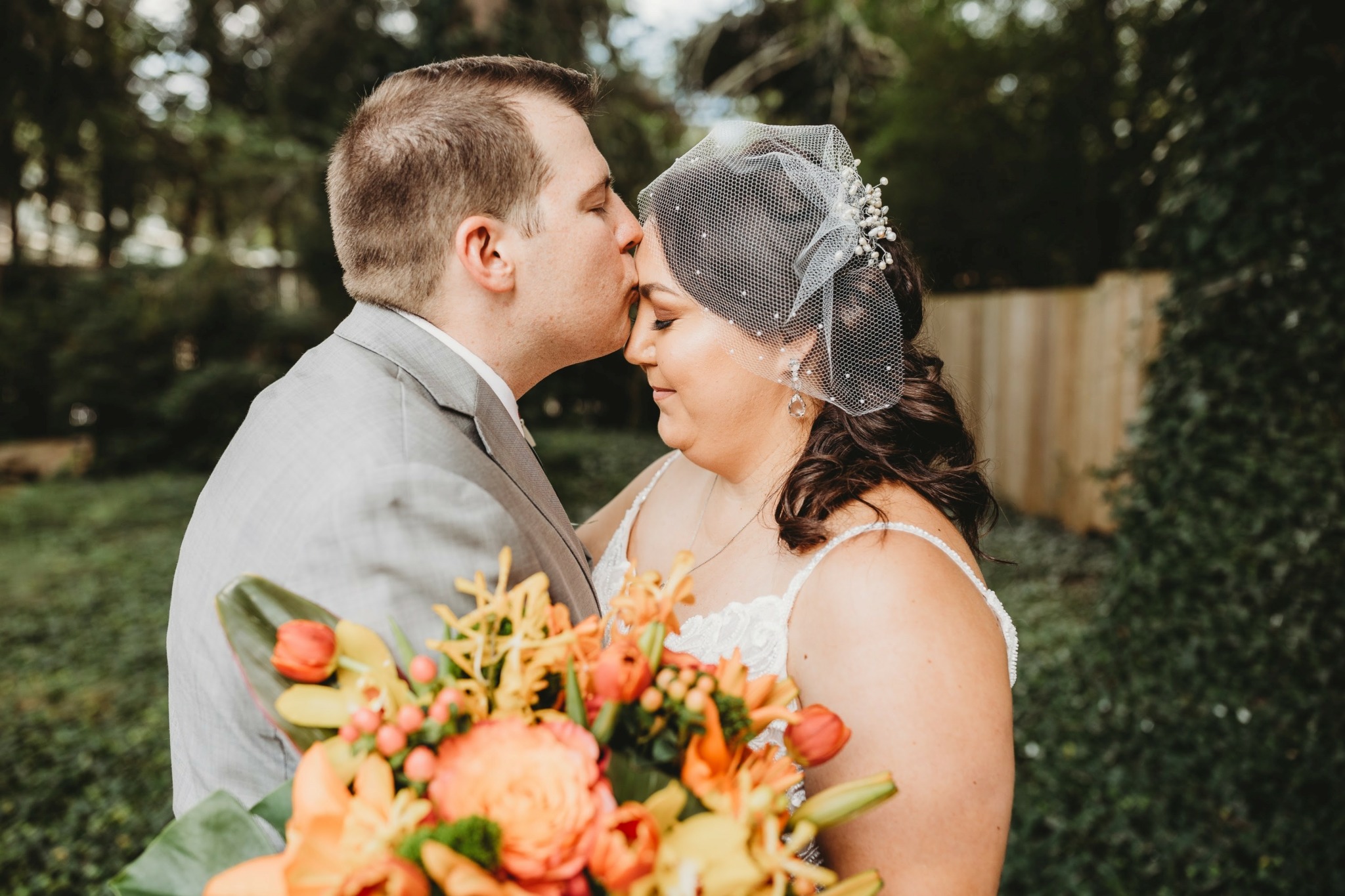
Image Credits
Dawn Marie Photography