



We were lucky to catch up with Sabina Alcocer Ortiz recently and have shared our conversation below.
Sabina, thanks for taking the time to share your stories with us today Can you talk to us about how you learned to do what you do?
I see Development as being a storytelling specialist — so before anything else, I had to learn what storytelling really is. That meant studying structure, tone, character, and emotion across all forms — not just film and TV, but theater, literature, even conversations. My acting background helped me understand subtext and emotional arcs, and growing up glued to movies gave me a strong gut for story. But just as important was my time in hospitality. It taught me humility, work ethic, and how to read people — all crucial in this job.
I’ve never been precious about the work. Whether it was running errands as a PA, organizing b-roll, or building decks late into the night, I always saw it as part of the bigger picture. People notice that. And when you show up willing to do the unglamorous stuff, you earn trust — and eventually, a seat at the table.
To grow as a development exec, I read every script I could get my hands on and watched films constantly — not just as a fan, but with an eye toward what’s working and why. I lean on my acting training to break down scenes and characters, and I’ve learned just as much by observing sharp execs, listening to filmmakers, and paying close attention to the energy in a room.
One of the biggest lessons has been learning to trust my taste. It’s the one thing no one else can replicate — it comes from my specific life, background, and perspective. That said, differentiating between ego and instinct is an ongoing process. I don’t think taste can be taught, but it can absolutely be refined — and the only way to do that is by engaging deeply with stories and reflecting on your reactions to them.
As for what might’ve sped things up — maybe giving myself more permission to ask questions early on, especially when I didn’t know something. But over time, I’ve come to really respect the pace of the process. A lot of people rush to become “important,” but for me, the goal has always been to become excellent. That kind of growth takes time — and the sooner you make peace with that, the sooner you start enjoying the ride.
The skill that’s served me most is listening — truly listening. That, along with careful observation, has helped me give stronger notes, connect more deeply with filmmakers, and make decisions that are both creative and strategic. Development is a strange mix of instinct, psychology, and structure — and staying present and open is key.
Access was definitely a challenge at the start. I didn’t come in through a traditional path, and I don’t necessarily look or sound like the usual “gatekeeper.” But once I was in the room, I worked hard to earn my place and figure out how to both advocate for the stories I believe in and support a broader creative vision. That balance — between personal taste and collective purpose — is where the real magic of this job lives.
Awesome – so before we get into the rest of our questions, can you briefly introduce yourself to our readers.
I’m Sabina Alcocer, a Mexican development coordinator and creative producer based in Los Angeles. I currently work at Focus Features on the Production and Development team, where I help shape films from early concept through release. Outside the studio, I work directly with writers and filmmakers to develop their projects — offering story consulting, script feedback, pitch prep, and creative strategy grounded in both care and craft.
I grew up in Morelia, Mexico, a city known for its international film festival — and that’s where it all started for me. I was that kid who never stopped watching movies, who made up two-hour plays with my cousins and made our parents watch (the whole thing). I’ve always felt changed by the stories I encountered. But I didn’t grow up with access to the industry. I worked in restaurants and hospitality to support myself while volunteering at festivals, translating subtitles, coordinating screenings — anything that kept me close to storytelling. Eventually, I made my way to the U.S. and earned my MFA from the USC Peter Stark Producing Program as a George Lucas Foundation Scholar. I’ve been working across both independent and studio spaces ever since.
What inspires me most is the emotional impact of a well-told story — that specific kind of resonance that makes you feel seen, cracked open, or quietly understood. I’m drawn to projects that explore identity, memory, grief, joy — all the complicated and beautiful ways we try to connect with each other. That’s what led me to co-write and produce Saturn’s Return, a short film about two people reconnecting after a decade apart. And that’s what drew me to support Adolfo, which went on to win the Crystal Bear at Berlinale — a film that took risks, had soul, and didn’t look like anything else out there.
As a development exec and creative producer, my job is to help refine stories, protect vision, and build the bridge between idea and execution. I’ve worked on everything from studio features to TV pitches, international co-productions, shorts, and grant applications. I offer creative services like development notes, pitch coaching, and script strategy — whether you’re prepping for a general meeting, submitting to a lab, or just trying to get your project across the finish line.
What sets me apart is a combination of taste, work ethic, and real respect for the process. I’ve done the glamorous jobs and the grunt work, and I show up the same way for both. I’ve been a PA, a translator, a festival coordinator, a director’s creative partner, and a studio exec. I don’t lead with ego — I lead with curiosity, intuition, and a calm, clear presence that helps creatives find clarity in the chaos.
What I’m most proud of is the trust I’ve built — with mentors who believed in me early on, and with filmmakers who’ve let me into their most vulnerable process. I never take that lightly. If you’re a creator, producer, or someone working on something personal and ambitious, I’d love to be a part of that with you. Whether it’s one session or a long-term collaboration, I bring thoughtfulness, strategy, and heart to every story I touch.
If you take anything away from reading this, I hope it’s that we can do great things together — and that hard work, passion, and taking risks do pay off. Maybe not always in the ways we expect, but if you keep moving, keep showing up, the work will find its way forward.
Is there mission driving your creative journey?
Yes — for me, the driving force behind everything I do is the belief that stories can create space. Space for people to feel seen, space for conversations we’re not always allowed to have, and space for identities that are often overlooked or misrepresented. My mission is to support stories that are emotionally truthful, culturally specific, and deeply human — whether I’m doing that from a studio desk or in the trenches of indie production.
My own background naturally draws me to Latin American stories, and I care deeply about representing my culture in ways that feel nuanced, honest, and bold. But my commitment doesn’t stop there. I’m deeply involved in — and deeply invested in — elevating any underrepresented voice. Whether that’s through story consulting, development work, or creative collaboration, I try to give everything I can to support the voices that haven’t always had the spotlight. We need accurate representation — and not just one version of it. We need a diversity of voices, perspectives, and lived experiences treated with the same care, complexity, and resources as the stories that have always had center stage.
At the end of the day, I want to be part of building an industry that doesn’t just talk about change, but actively makes space for it. And I want my work — in whatever form it takes — to reflect that.
How can we best help foster a strong, supportive environment for artists and creatives?
In my view, if we want a truly thriving creative ecosystem, it’s not just about “supporting artists” in the abstract — it’s about holding the systems with power accountable. Studios, production companies, marketing firms — anyone with influence, budget, or decision-making authority — need to go beyond simply checking a DEI box. It’s not enough to greenlight an “underrepresented” story and then isolate it in a niche corner of the industry. If you believe in a story enough to make it, then market it, fund it, and platform it the way you would any other mainstream project. That’s how you shift culture.
Representation doesn’t work if it’s only tied to trauma, or framed as something we should watch out of obligation. Don’t get me wrong — I believe deeply in stories about injustice and history and pain. They matter. But they can’t be the only way certain communities are seen. I’m Latina. I don’t want my identity — or anyone else’s — to be reduced to struggle. I want joy, weirdness, romance, ambition, and contradiction. I want the full spectrum. Because the truth is, no one wants to be lectured for two hours every time they go to the movies — not the audience who’s used to being centered, and honestly, not me either.
The industry needs to create space for stories that let people connect through the universality of being human — while still honoring the specificity of identity. That’s where real change happens: not just by amplifying differences, but by treating those differences with the same resources, seriousness, and excitement as the “default” white-led stories. We don’t need to erase pain to expand the narrative. We just need to stop limiting what kinds of stories get told — and how those stories are supported once they are.
Contact Info:
- Instagram: https://www.instagram.com/sabinaalcocer/
- Linkedin: https://www.linkedin.com/in/sabina-alcocer-6b0979118
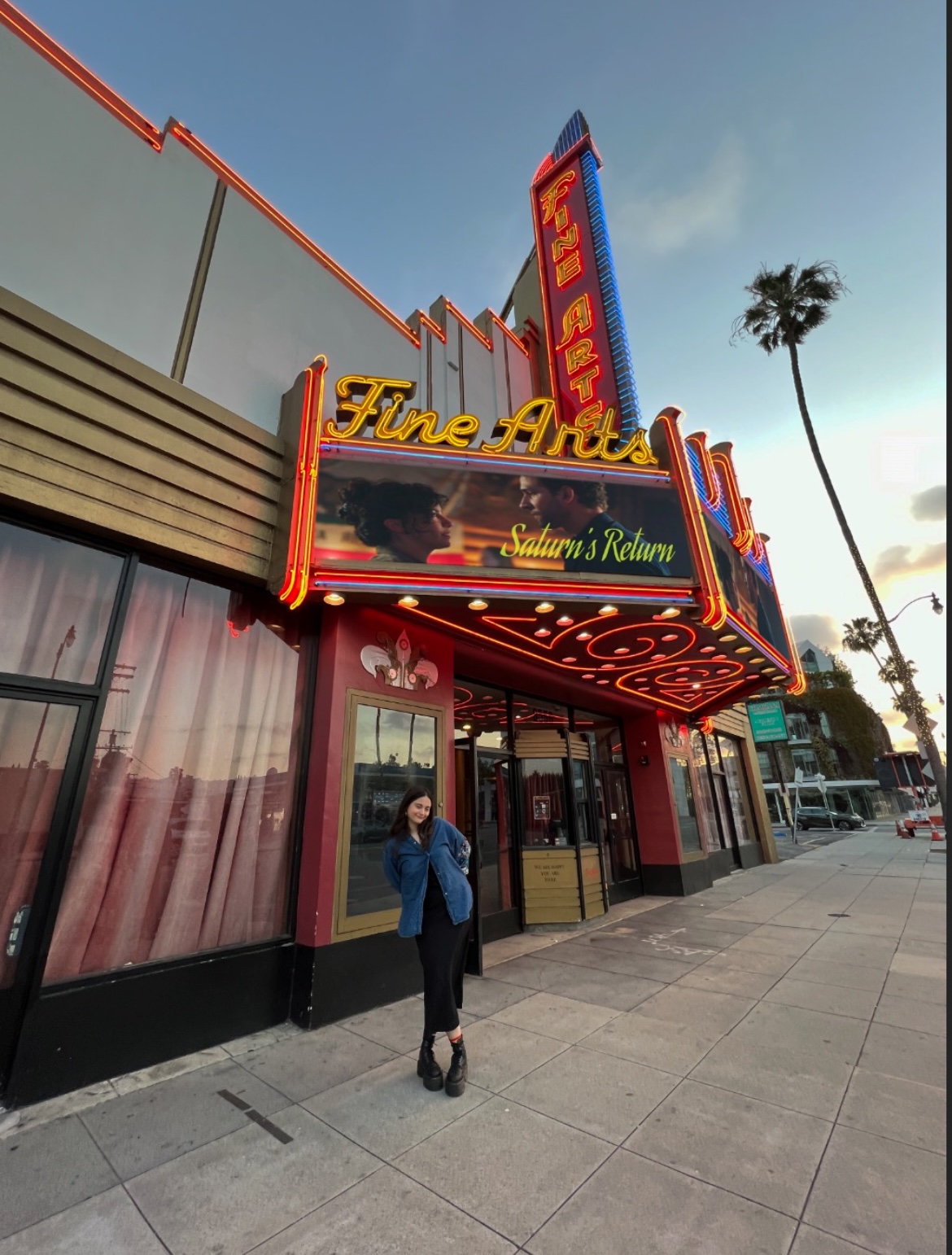
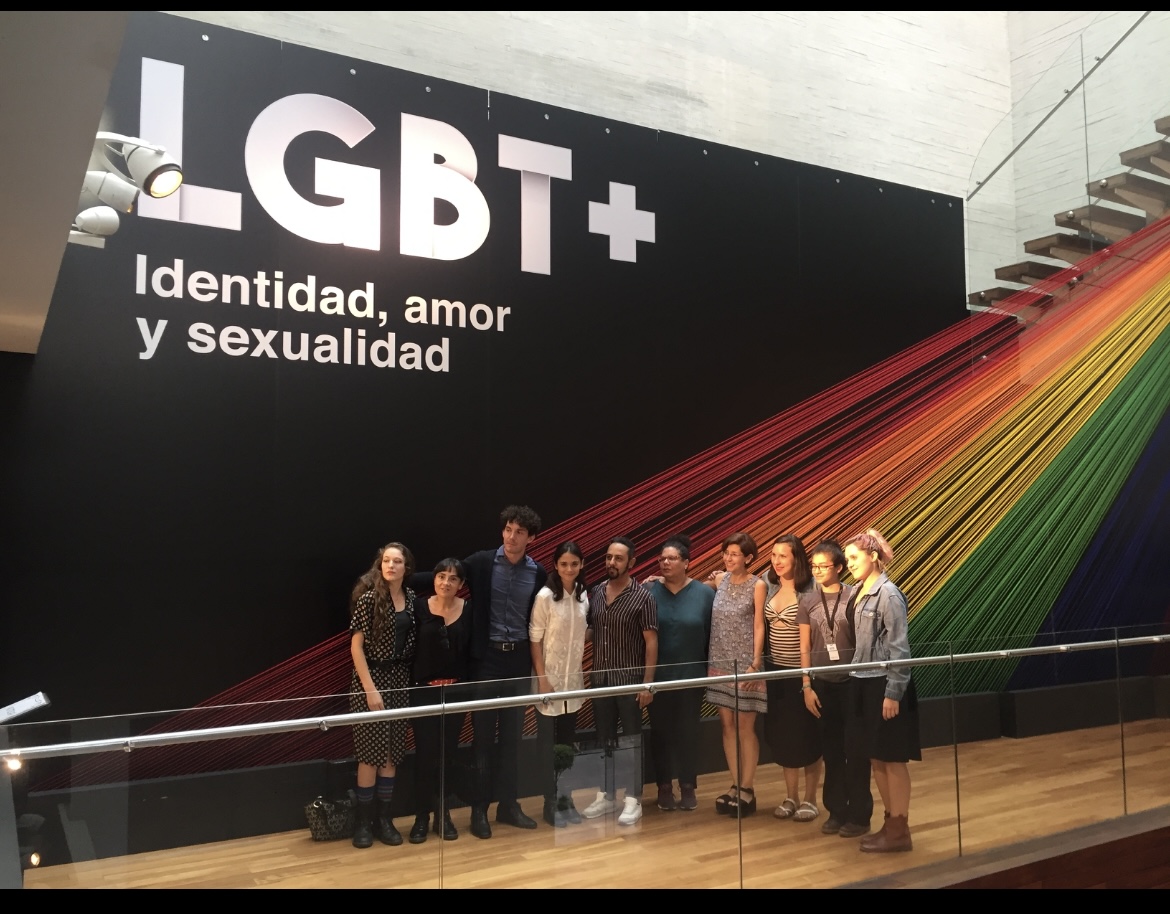
Image Credits
Martim Guerra Silva
Rebecca Alvarez-Alcocer