

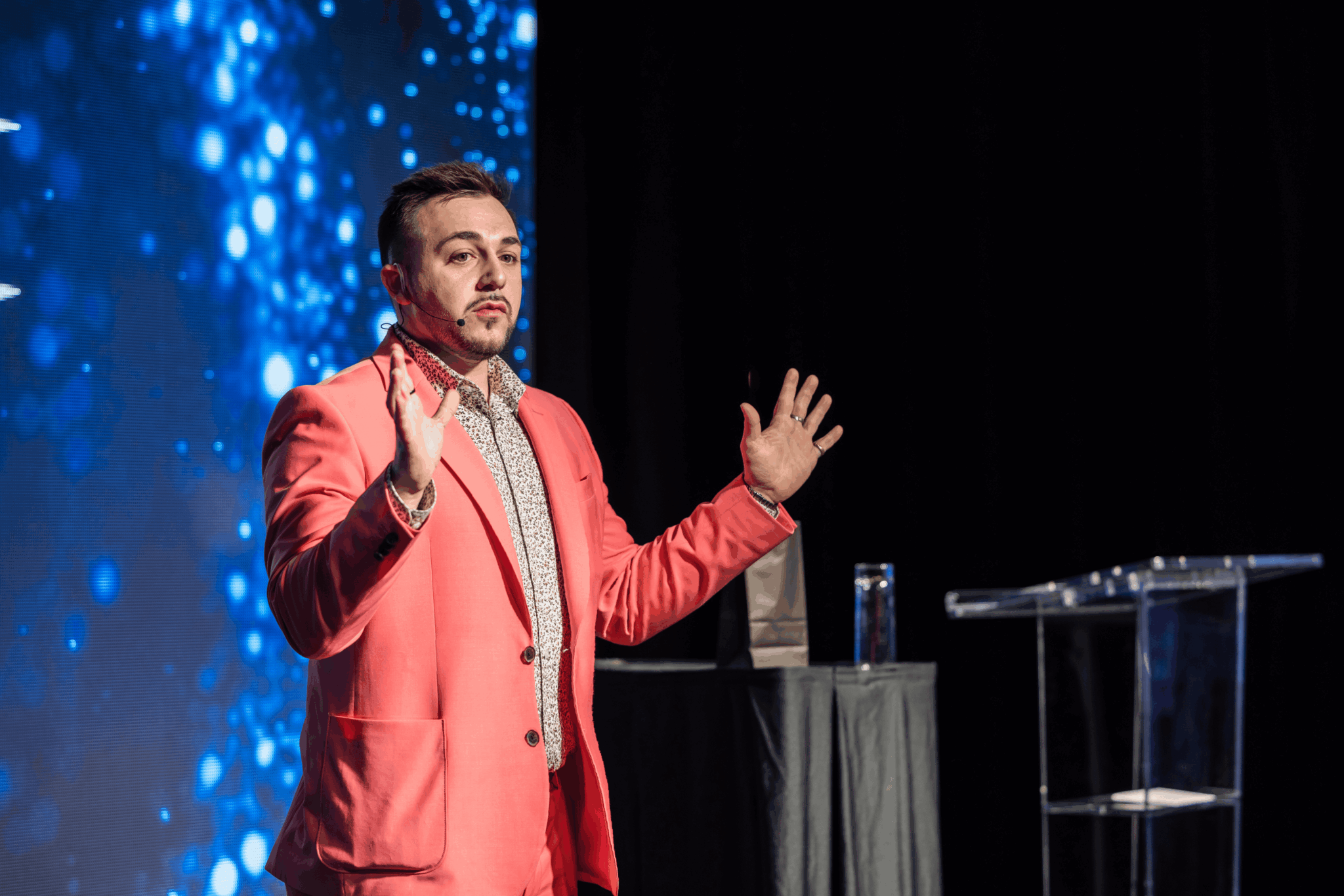

We’re excited to introduce you to the always interesting and insightful Chris Michael. We hope you’ll enjoy our conversation with Chris below.
Alright, Chris thanks for taking the time to share your stories and insights with us today. What do you think matters most in terms of achieving success?
In my experience, success comes from mastering two things: novelty and authority. You need to stand out, and you need to be trusted.
I’ve spent years performing as a mentalist for some of the most skeptical and high-stakes audiences: FBI teams, Fortune 500 executives, even presidential staff. What I learned is this: people are drawn to what feels different, but they only follow what feels real. You have to earn their attention with novelty, and then earn their belief with authority. That’s where behavioral science comes in.
Understanding human behavior (nonverbal cues, microexpressions, psychological triggers) gave me a kind of X-ray vision in conversations. Not to manipulate, but to connect faster and more deeply. That’s what makes people lean in. That’s what builds trust. And in any field, trust is the real currency.
One moment that shaped this for me was early in my career, performing for a CEO who had seen it all. Nothing impressed him until I predicted a decision he hadn’t told anyone about. His posture changed instantly. His words didn’t, but his body gave him away. After the show, he said, “You saw something in me before I even said a word. That’s a real skill.” I realized then that reading people is more powerful than reading minds. And it’s a skill anyone can learn.


Great, appreciate you sharing that with us. Before we ask you to share more of your insights, can you take a moment to introduce yourself and how you got to where you are today to our readers.
I’m Chris Michael, and I help people read minds. Not with magic, but with psychology.
I started as a professional mentalist, performing for audiences across the country. That work took me everywhere from the FBI to Fortune 500 boardrooms to royal family events. Over time I realized something: what really made the impossible feel real wasn’t the trick itself. It was the timing, the tension, and the way I understood people—sometimes before they said a word.
That curiosity pulled me deep into the study of human behavior. I became obsessed with nonverbal communication, microexpressions, deception detection, and the psychology of trust. I studied the same techniques used in law enforcement, high-stakes negotiations, and FBI Interrogations. I went back to school and got certifications to become an expert so I would have CONCRETE skills to teach. Now I teach those same skills to leaders, sales teams, and organizations who want to connect faster, uncover what people really mean, and lead with more confidence.
Through my company Decode Behavior, I offer live keynotes, corporate training, interactive entertainment experiences, and certification programs that help teams read people more clearly and influence more ethically. I blend research-backed behavioral science with interactive demos that don’t just tell people what works, they show it in action.
What sets my work apart is the combination of depth and engagement. This isn’t recycled leadership content or surface-level communication tips. It’s real, practical insight from behavioral science, delivered in a way that is entertaining, surprising, and highly memorable.
The thing I’m most proud of is hearing from clients months later saying things like, “I just used one of your techniques and closed a big deal” or “Your training helped me get hired!” That’s what it’s really about. Making invisible skills visible, and helping people unlock what’s already inside them.
If there’s one thing I’d want new clients or followers to know, it’s this: influence isn’t about being manipulative or persuasive. It’s about paying attention. Once you learn how to read people clearly, everything changes. Relationships improve. Sales feel natural. Conversations go deeper. You stop guessing what people mean and start connecting with who they are.


How do you keep your team’s morale high?
One of the most overlooked skills in leadership is baseline awareness. When you know how each person on your team looks and acts when they’re at ease, you can spot small deviations such as hesitation, forced smiles, or shifts in tone that signal something is off. That gives you the chance to check in with empathy before problems grow. Something as simple as saying, “You seem quieter than usual. Want to talk?” can make all the difference.
Beyond nonverbal cues, it’s essential to understand what actually drives people. Chase Hughes outlines six core behavior validation needs that shape human motivation: Intelligence, Acceptance, Approval, Power, Pity, and Significance. Each person on your team is driven by one or more of these, and when you can recognize and respond to them, morale and engagement increase. For someone driven by Intelligence, challenge their thinking and acknowledge their insights. If someone values Acceptance, give them space to be heard and included. Those who crave Approval need to know leadership sees their contributions. Power-driven individuals want autonomy and influence. People seeking Pity respond to care and support during personal struggles. Those seeking Significance need to feel like their work matters to something bigger.
When you combine this understanding with intentional body language, you create a culture where people feel seen, supported, and motivated for the right reasons. Your posture, tone, gestures, and presence either reinforce or undercut your message. When they are aligned and your body matches your words, trust grows. In a high-trust environment, people don’t just work harder. They bring their full selves to the table.
In short, leadership isn’t about micromanaging. It’s about paying attention. The more fluent you are in nonverbal communication and human behavior, the more effective you become, not just as a manager but as someone people want to follow.
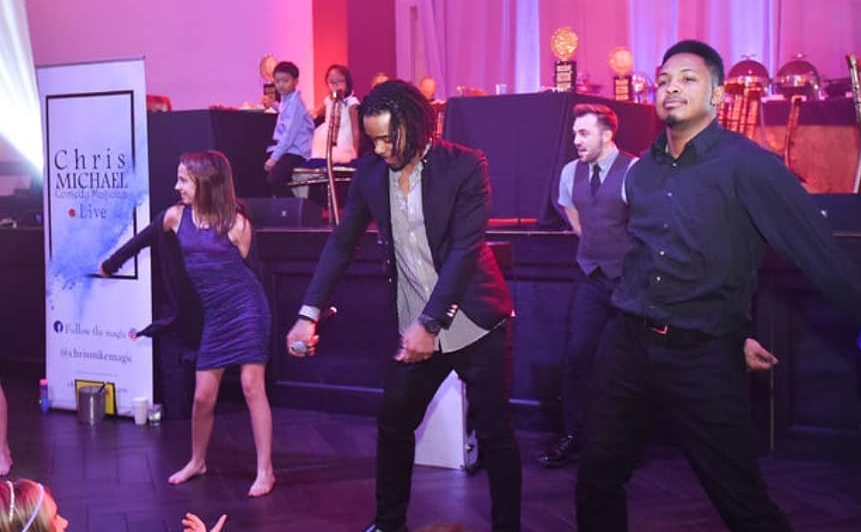
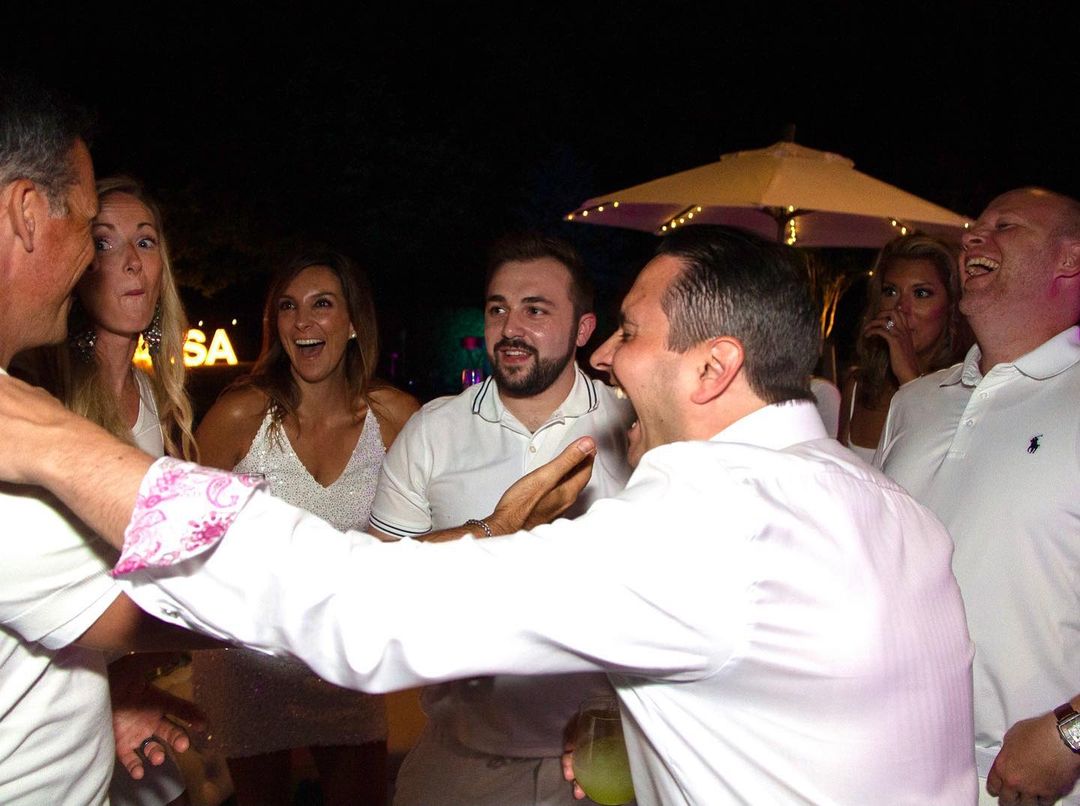
Has your business ever had a near-death moment? Would you mind sharing the story?
At the start of 2020, my entire business disappeared in a matter of days.
As a live entertainer, every booking I had: corporate events, conferences, galas…. were wiped off the calendar. Just like that, the thing I had built over years was gone. I remember staring at an empty inbox, wondering not just how I was going to pay bills, but whether the career I had worked so hard to build even had a future anymore.
But I realized I had two choices. Wait it out or adapt.
So I took everything I knew about creating connection and engagement on stage and rebuilt it for a screen. I launched something entirely new: interactive virtual shows performed live over Zoom. At the time, no one was really doing that. It was a risk. But I figured if I was struggling, so were the teams I used to perform for, and maybe I could help boost morale in a way that still felt real, human, and fun.
It worked.
Soon, companies started hiring me for virtual events. Then more followed. Before long, I was doing shows for teams across the country, all from my living room. I even wrote a book about it to help other performers make the transition, and I watched as dozens of entertainers began adapting their own work to this format. It wasn’t just a lifeline. It became a movement.
That period, as hard as it was, became one of the most important chapters in my business. It forced me to innovate. It pushed me to lead. And it cemented my reputation in the industry not just as a performer but as someone who could figure out what to do when there seemed to be no clear path.
I didn’t just survive that season. I grew because of it. And that experience still shapes how I approach every challenge now. You don’t wait for normal to return. You create what’s next.
Contact Info:
- Website: https://chrismikemagic.com
- Instagram: https://Instagram.com/chrismikemagic
- Facebook: https://www.facebook.com/share/1Fs7eqxS5q/?mibextid=wwXIfr
- Linkedin: https://www.linkedin.com/in/chrismikemagic
- Youtube: https://youtube.com/@chrismikemagic

Image Credits
Michael Dragon
Daryll Morgan Studios