

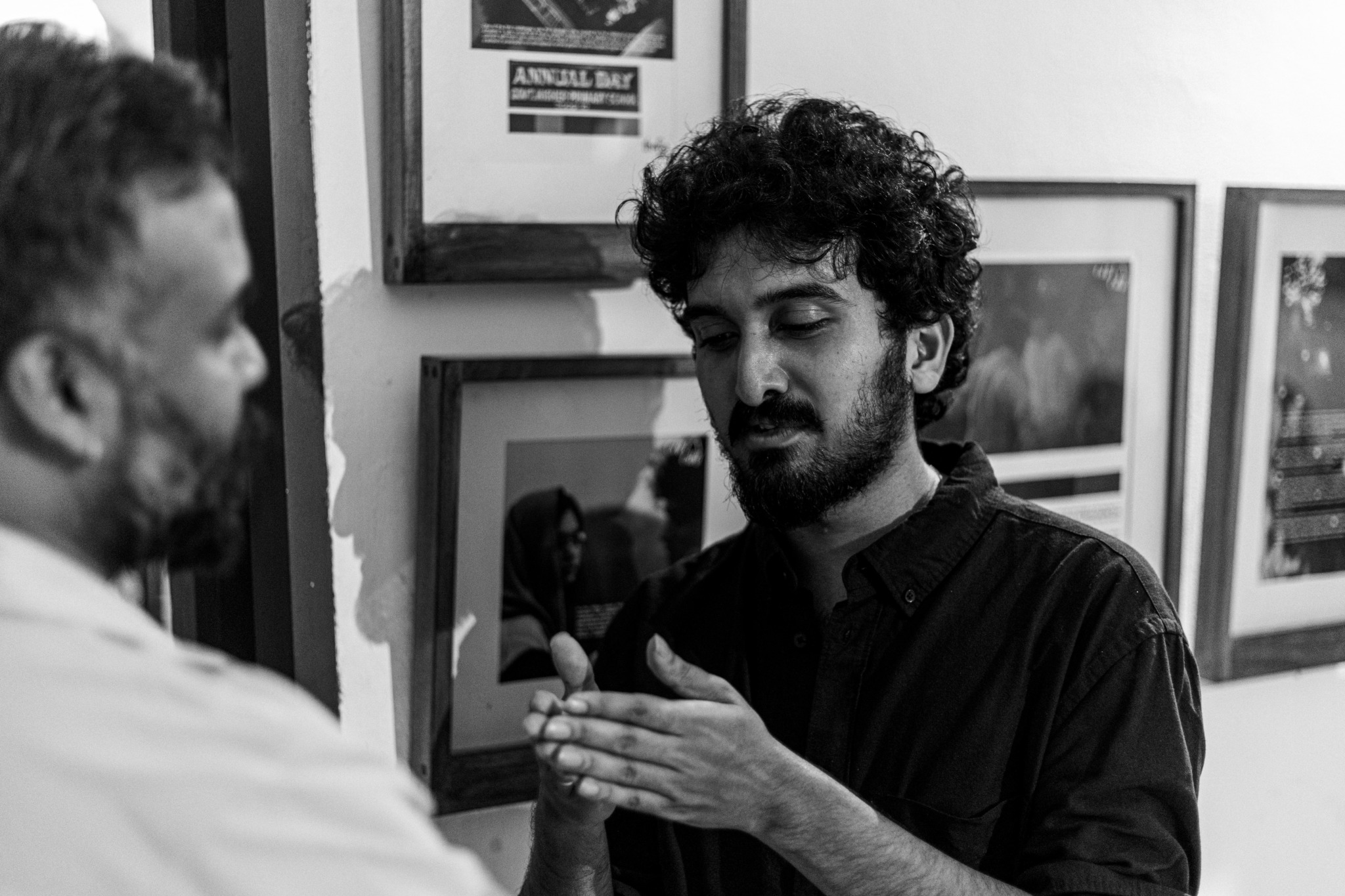

Alright – so today we’ve got the honor of introducing you to Sarthak Hegde. We think you’ll enjoy our conversation, we’ve shared it below.
Sarthak, appreciate you joining us today. Some of the most interesting parts of our journey emerge from areas where we believe something that most people in our industry do not – do you have something like that?
I think one thing I believe, which a lot of people in the industry probably wouldn’t agree with, is that you don’t need to find “your audience” while you’re making something. You don’t need to chase the market while you’re still building the thing. The work should come first. The audience, if it’s honest, finds its own way to exist.
There’s this idea floating around, especially now, that you need to reverse-engineer your work based on who it’s for. Like: who’s your demographic? Where’s your niche? How’s it going to sell? And I get why that conversation exists: films are expensive, people want some sort of vague assurance. But I think the moment you start creating with those calculations in your head, you’re already shaving off the most personal parts of what could make the work actually interesting.
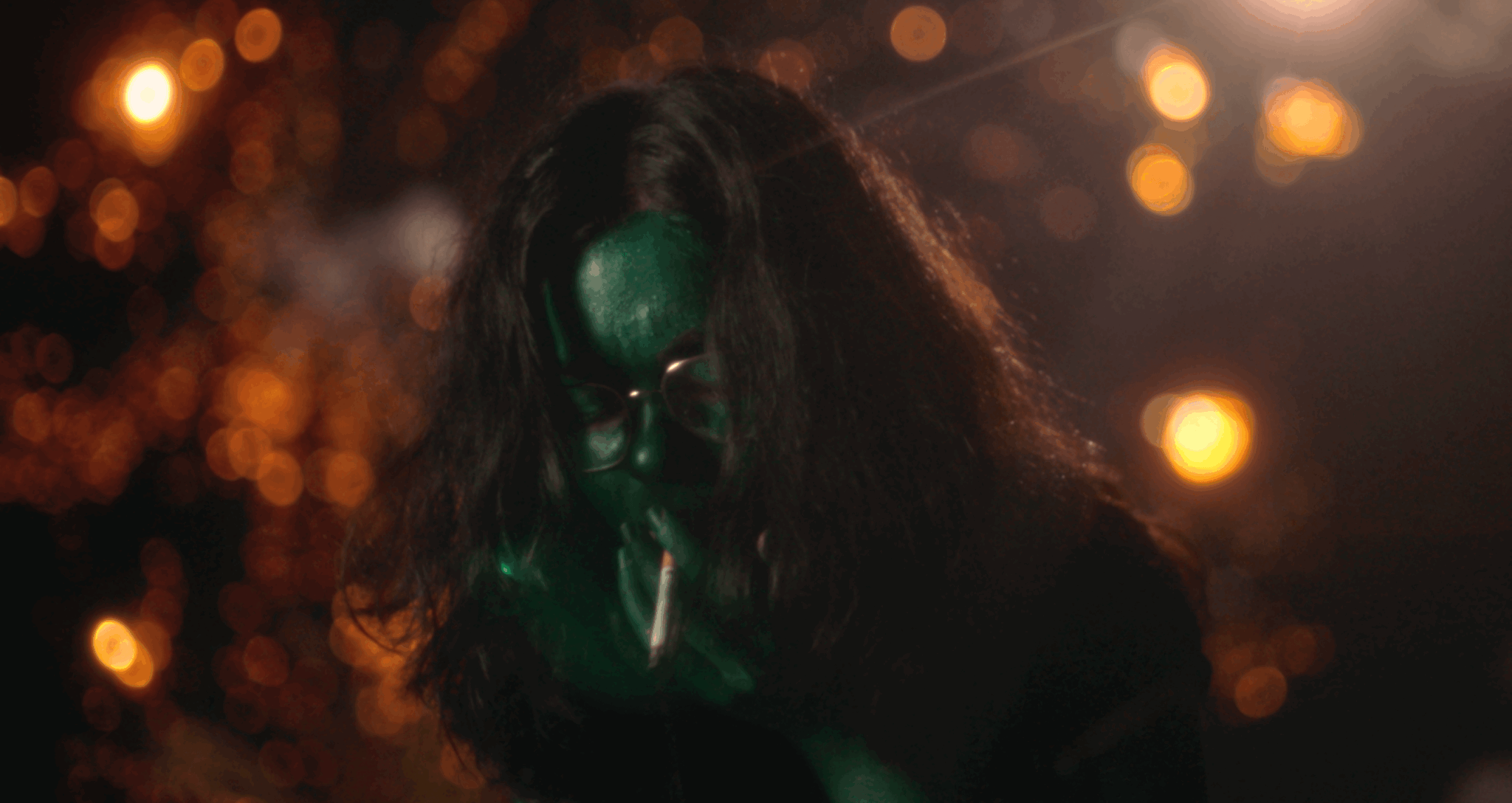
When I made Green Girl, I wasn’t thinking about whether it fit into the Indian indie scene, or if it was “commercial enough,” or whether it was too niche. I just knew that it was a film I needed to make at that time. That it was reflecting something I couldn’t shake off. And that personal urgency, I think, is what makes any piece of work cut through. Not the algorithm. Not the set demographic.
The truth is: the market doesn’t even know what it wants until it sees it. If you keep trying to fit into existing lanes, you’re always behind. The real risk is making something so honest that it doesn’t fit, but that’s also where new lanes open.
So yeah, my belief is: don’t chase your audience while you’re still creating. Build the thing as if no one’s going to watch it. And then figure out how to put it out. The work should feel necessary to you first.
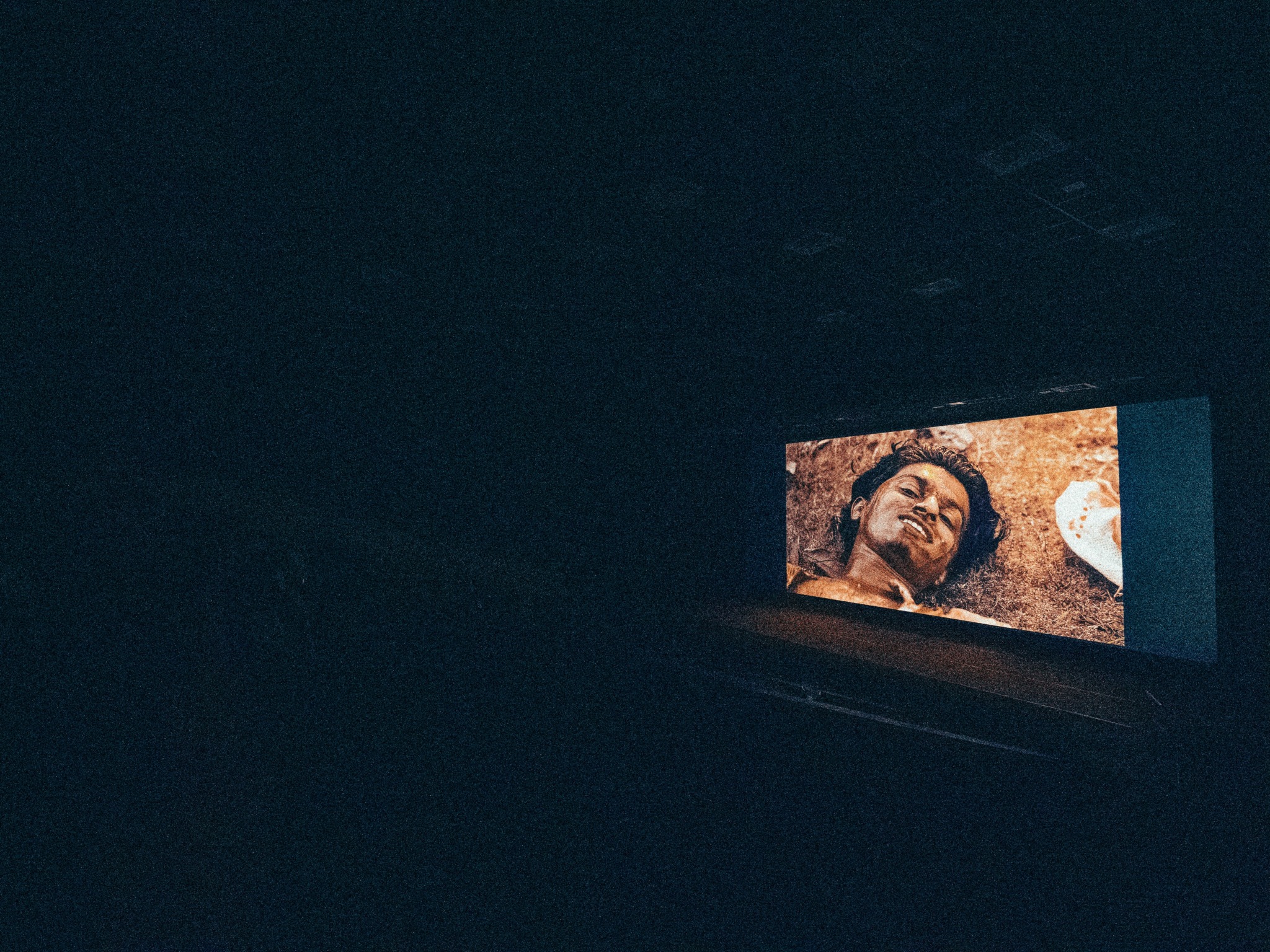
Awesome – so before we get into the rest of our questions, can you briefly introduce yourself to our readers.
I’m Sarthak Hegde. And honestly, I didn’t land in filmmaking through some grand plan. It sort of unfolded slowly, piece by piece. I was always creating something, building websites as a kid, teaching myself editing software at 12, drawing obnoxious stuff, just constantly making things. I didn’t know it then, but all of that was me trying to build worlds; I just hadn’t found the medium yet.
I leaned into cinematography first. That’s where I entered film school, my major in Fine Arts was cinematography for the first year. But somewhere in that process, I realized I was still locked inside visuals. And while I love the visual language, it’s where I naturally think from, I felt limited. I needed full control of the narrative, the tone, the rhythm, the sound, everything. That’s when I shifted into direction in my second year, and honestly, that freed me instantly. Direction allowed me to pull all these different threads together, the visuals, the sound, the emotion, the pacing, into one whole thing that felt fully mine.
I studied Fine Arts in Filmmaking in Los Angeles, but my work is constantly straddling two worlds, where I come from in India, and where I trained in the West. That in-between space has kind of defined my language as a filmmaker. The tension between the eastern and western headspaces, between instinct and structure, between personal life and society, that’s the ground I keep building on.
What I make is primarily films, but I don’t really see it as limited to one format. The goal is always to create deeply personal, provocative work, work that isn’t afraid to sit inside uncomfortable spaces, that takes its time, that feels lived. I’m not trying to chase trends or make content for mass consumption. I want the work to feel handmade. Each frame should feel like someone actually cared about it.
In terms of what sets the work apart, I think it’s the tone. My films lean into a kind of hyper-stylized realism, where surrealism and raw realism bleed into each other. You’re never fully sure if what you’re seeing is literal or emotional, but it’s always grounded in truth. The themes are usually heavy: identity, trauma, power, dogma, religion, but handled through very specific characters and atmospheres. It’s not spectacle for the sake of spectacle; it’s personal provocation.
With Sarthak Hegde Film, the larger vision is simple: to build work that feels real, not in terms of hyper-realism, but in terms of emotional truth. To make things independently, carefully, with a small circle of people who are as obsessed with the work as I am. No committees. No formulas. Just honest work, film by film.
What I’m most proud of is that I’ve been able to keep it honest so far, that nothing has been manufactured purely for survival. Every film has been something that needed to exist, for me first, and hopefully for the audience after. And I want people who engage with my work to know that: whatever you’re seeing has been lived. None of it is fabricated to look like art. It’s built piece by piece from places that feel very real to me.
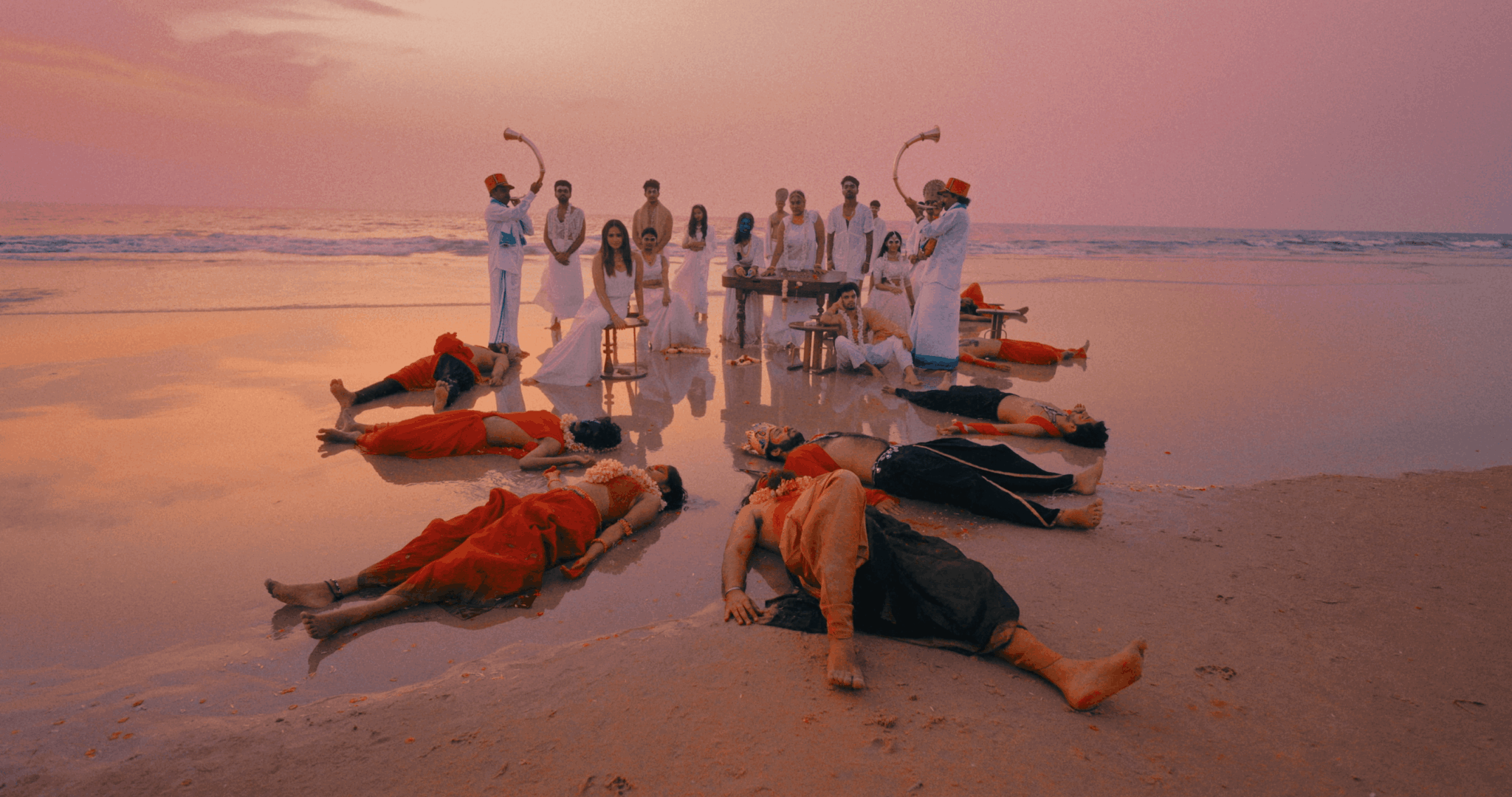
What do you find most rewarding about being a creative?
For me, the most rewarding part is that you’re creating your own world. You’re the god of it. None of these characters existed before; they’re not real, but now, because of you and the people around you, your cast, your crew, they come alive. They feel real. They are real, in a way.
And what’s crazy is how every small decision you make, a line, a cut, a pause, even where the camera sits, can end up having such a deep effect on the audience, even if they don’t consciously register it. That excites me. That gives me a sense of responsibility. You’re building something that has the power to move someone, make them feel something they didn’t expect to feel, not because it was forced, but because every element is feeding into this larger emotional undercurrent.
And nobody has to do it for you. People go to extreme lengths, the actors, the crew, everyone, to help bring these little floating thoughts inside your head into something physical. And when it all clicks, when all of those elements finally align, you get this strange, profound thing that didn’t exist before. That’s the real high. That’s why I do it.
Any advice for managing a team?
I think it starts with understanding that everyone on set or in any creative team is sacrificing something to be there. Nobody’s doing it casually. Whether it’s time, energy, sleep, or mental bandwidth, people are giving a piece of themselves to help build something that technically only existed in your head to begin with. You have to respect that.
For me, I try to keep it very clear and very honest. The vision needs to be clear so that people know what they’re walking into. But once you’ve communicated that, you have to trust them to bring their own instinct and craft into it. Micro-managing every single department kills the energy. You want people to feel like they’re building it with you, not just executing orders.
And honestly, morale comes from the work itself. If people feel like they’re part of making something honest, something that actually means something, they’ll give you everything. It’s not about being hyper-positive all the time. It’s about making sure people know why they’re here and making sure their work is respected. When that happens, people will go way beyond what’s required, not because they have to, but because they believe in what’s being built.
Contact Info:
- Instagram: https://www.instagram.com/sarthakhegdefilm/
- Youtube: https://www.youtube.com/channel/UCRwbiDPY-ZMhTTJtHivPMhA

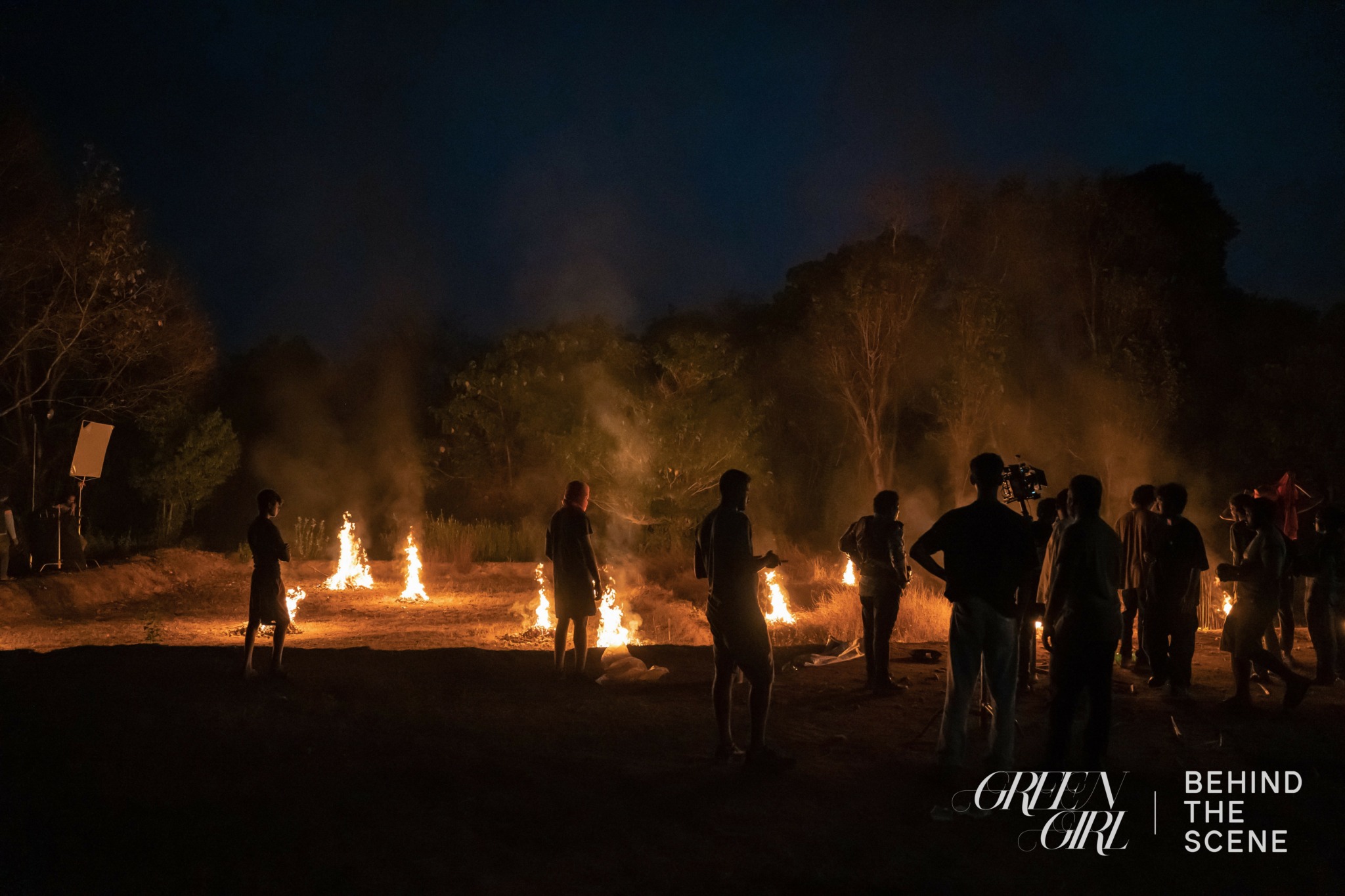
Image Credits
Abhinay Pandit, Arfan Ahmed, Hrishikesh Shankar, Nikhilesh