

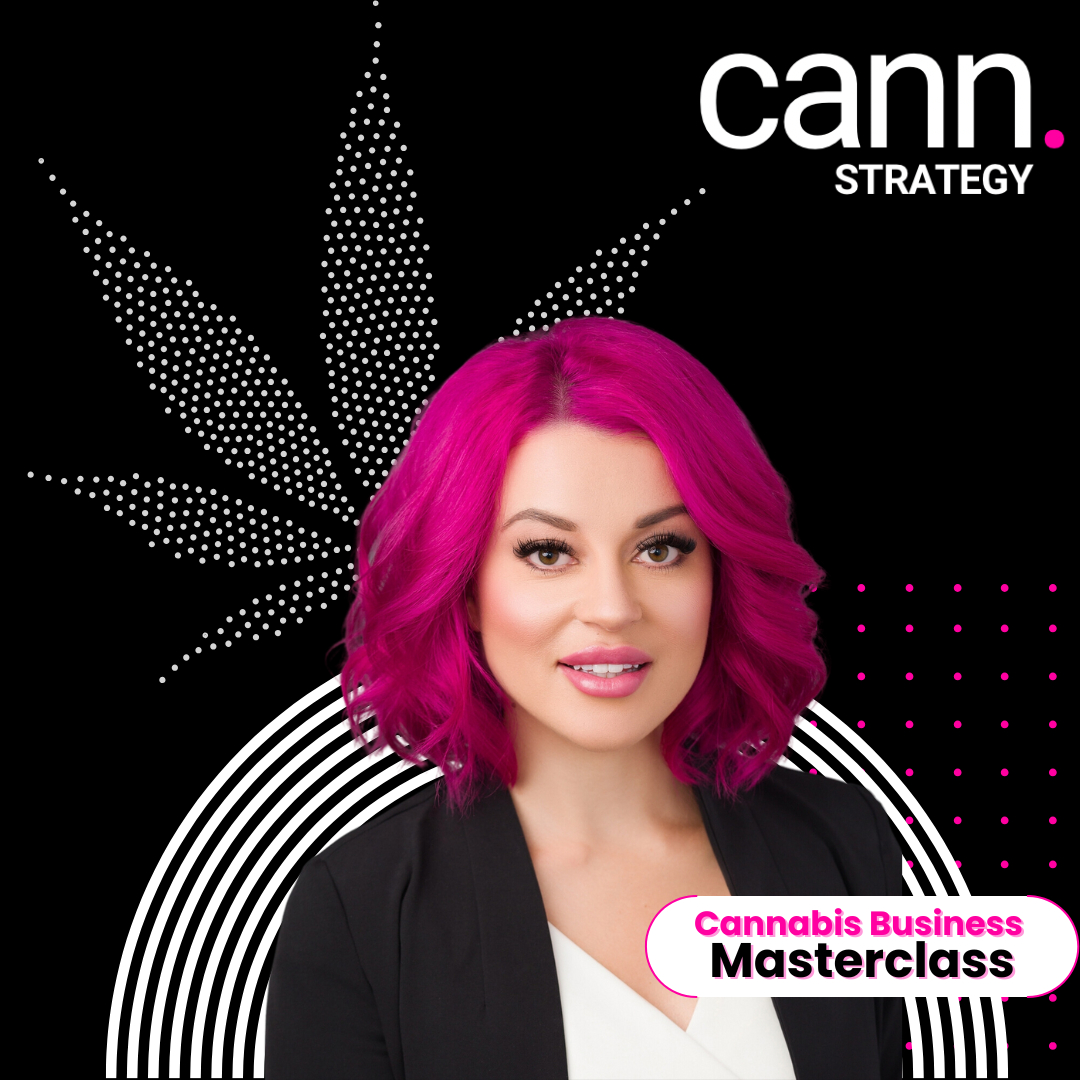

We caught up with the brilliant and insightful Juliana Whitney a few weeks ago and have shared our conversation below.
Hi Juliana, thanks for joining us today. Let’s jump into the story of starting your own firm – what should we know?
(1)Tell us the story of the early days from when you decided to start your own firm to establishing the firm:
Honestly, the time between deciding to start my own firm and actually launching it was incredibly brief. I didn’t have a checklist or a step-by-step plan—I just had a vision and the conviction to start running toward it. I’ve always known I was meant to build something impactful. I was just waiting for the thing that genuinely called me to begin. When I found the cannabis industry, that spark ignited. It was chaotic, full of opportunity, and filled with endless problems to solve. I thrive in that kind of environment.
I took a two-year leave of absence from my MBA program in 2015 and found myself working at the first licensed medical cannabis dispensary in Las Vegas—a family friend had just opened it. That experience was the perfect launchpad. The team was lean, so we all had to wear every hat: retail, compliance, inventory, logistics. It was full immersion, and I was soaking up everything I could.
Back then, most cannabis company owners were literally delivering their own products. There were no sales teams yet. So I used that moment to introduce myself to every C-suite executive who walked through the door. Eventually, I started asking if I could tour their facilities just to learn more. I was surprised—no one ever said no.
(2)What were the main steps you had to take? What were some of the key challenges?:
There weren’t really “steps.” It was more like constantly running toward the learning curve and doing everything I could to stay upright. One pivotal moment was with a company called Deep Roots Harvest. I kept visiting their beautiful but unopened dispensary and hearing “45 more days” every time. I’d been in the industry about a year and felt confident I could get an operation launched. But, I needed to prove that to myself before going out and pitching it as a paid service. So I pitched the COO and CEO of Deep Roots to let me do it— open their store — and they said yes.
I worked on opening that dispensary while still employed at the original one. I was transparent with my employer about the side project, and while it nearly cost me my job, it helped me build credibility. Then, a misunderstanding with that same employer accidentally kicked me into full-time consulting. I mentioned I had some things in the works, and he assumed I was giving my two weeks. I didn’t correct him—too much pride—and figured it was now or never.
So, with zero clients and no backup plan, I launched The J.Whitney Group. I had no health insurance and no guaranteed income. Just a vision and some momentum. That early project at Deep Roots led to my first real client—an Ohio-based company applying for a license. That contract was worth 3x what I made in a year at the dispensary. I threw myself into the work, and from that point, I kept going—learning how to market, build a website, price services, write contracts, and hire a team. It was trial by fire, and I learned fast.
The hardest part? Structuring the business. Defining our services. Creating pricing models. Building recruiting processes. Budgeting for marketing. Managing accounting. We built it all from the ground up, by hand. It was invigorating, exhausting, and incredibly formative.
(3)Would you have done anything differently?
Almost everything. And that’s exactly why I’m glad I didn’t know then what I know now—I might not have taken the leap. Ignorance was a strange kind of superpower. That said, my business partnership at the time taught me 10 years of business lessons in just two. We scaled to four full-time employees, but eventually, that partnership became unsustainable. After a long legal unwind, we dissolved the company in 2020. I was on my own again—but this time with real experience, clarity, and an MBA.
However, I was terrified at first to be all on my own.
(4) Advice for a young professional thinking about starting their own firm?
First: Be extremely careful with partnerships. A bad business partner can destroy what you’re building. Before bringing someone on, ask: Can I build this alone with the right support system in place? Get very honest about that answer. It can feel so easy to give away “sweat equity” but it’s not worth it if you can just pay cash for tasks to be done and keep your business shares to yourself.
Second: Follow a path that’s true to who you are. For me, jumping in headfirst and learning through total immersion was deeply authentic. That path won’t work for everyone—and honestly, it nearly broke me a few times—but it was aligned with how I learn and lead. If that’s your truth, go for it. But if you’re someone who needs structure and certainty, build accordingly. There’s no single “right” way—just the one that fits you.
Third: When I chose consulting, I knew it wasn’t the thing—it was a thing. It was a learning ground, a way to experiment, absorb everything I could, and grow fast—without needing a lot of overhead or startup capital. It gave me traction, not permanence. Don’t wait for the perfect business idea; start with something that teaches you, funds you, and opens doors. Let it evolve. Let you evolve. You can’t map the whole journey from the starting line.

Juliana, before we move on to more of these sorts of questions, can you take some time to bring our readers up to speed on you and what you do?
I got into the cannabis industry back in 2015, almost by accident. A family friend was opening the first licensed medical cannabis dispensary in the city of Las Vegas and offered me a job. I didn’t have any particular interest in cannabis at the time and honestly thought it would be a temporary role.
But what hooked me wasn’t the product—it was the startup nature of the entire industry. Everything was new, messy, and undefined. I’ve always loved building, creating, and problem-solving, and cannabis gave me a wide-open field to do just that. Early on, someone said to me, “You can connect anything you like doing with the cannabis industry and make it work.” That stuck with me—and they were right.
What started as a short-term gig quickly turned into a long-term calling. I was immersed in dispensary operations, then began exploring cultivation, production, and even consumption lounges. I eventually realized that consulting was my perfect entry point. It allowed me to build strategically, influence outcomes, and take a big-picture approach—all things I naturally gravitate toward.
In 2019, I earned an MBA with a specialty in New Venture Development, and I now apply that formal education alongside nearly a decade of hands-on, in-the-field cannabis experience.
Through my firm, Cann Strategy, I help cannabis businesses navigate the full arc of getting started, becoming operational, and scaling with intelligence. Our services are focused on solving real, nuanced problems—from navigating licensing and regulatory barriers to developing detailed operational strategies, SOPs, and business design.
The clients I work with come to me when they need clarity on the entire business, not just one piece. I’m not a task-by-task consultant—I think in systems, outcomes, and long-term positioning. Whether it’s a dispensary, cultivation facility, lounge, or manufacturing site, I help clients achieve the business outcome we’re aiming for—whatever it takes.
What sets my work apart is the combination of big vision with grounded implementation. I’ve had a front-row seat to how this industry has evolved—and how much it still needs to grow in operational sophistication. From the start, I’ve had a clear goal: to influence the direction of the cannabis industry by helping companies operate more effectively and build resilient, strategic businesses.
That’s what I do with Cann Strategy, client by client. But I’m also working on a larger-scale project that will bring this vision to life in a much bigger way—one that expands access to operational excellence for cannabis companies across the board.
At the end of the day, I’m here to help shape what this industry becomes—not just by talking about it, but by building it.
We’d love to hear the story of how you built up your social media audience?
My most significant (though not massive) and most reputation-supporting platform is LinkedIn. I didn’t approach it with a growth strategy or audience-building goal. I just wanted to use my voice in a way that was honest, helpful, and true to how I actually think. That approach has made all the difference.
I started posting on LinkedIn about four years ago. For the first several years of my consulting career, I was extremely cautious about being public-facing. I’ve always been very aware of the difference between people who talk a lot and those who actually deliver—and I didn’t want to be mistaken for the former. So I focused on doing the work. Quietly. Effectively. Behind the scenes.
But in 2021, things shifted. The first company I co-founded had dissolved in 2020, and I was, for the first time, truly on my own. I didn’t want to just roll forward with momentum from the past—I wanted to make sure that whatever I did next was intentional and aligned with where I was going, not just where I’d been.
So I went to Tulum, Mexico for five weeks—four of those by myself. I took long walks by the water, meditated, journaled, reflected. One of the key realizations I had during that time was that I’d been hiding my voice out of fear of criticism. I was scared to post on LinkedIn because I was concerned about how it would be perceived, and whether the critics would come. But I realized that holding myself back because of potential critics was no longer acceptable to me—especially not over LinkedIn.
When I got back, I started posting. But I made a very intentional decision: I wasn’t going to water myself down to match the platform. I wasn’t going to use a stiff corporate tone. I would write the way I actually think—sharing genuine insights, lived experience, and observations in my own voice. No schedule, no curated aesthetic, no content calendar. Just truth.
That’s what grew my following from around 1,000 to over 12,000. Not virality, not clickbait, not hashtags—just authenticity, consistency, and speaking directly to the people I want to connect with in this industry. I haven’t posted as much in the past year due to personal life things, so growth has slowed, but I’m getting back to it now because I genuinely enjoy it. I love talking about business, ideas, challenges, and the future of this industry. I love the conversations that get sparked from a single post.
If I had to give advice to someone starting to build their presence now, it would be this:
Use your real voice. Don’t try to sound like “LinkedIn.” Sound like you—the version of you your peers would actually trust.
Talk about things you care about. People can feel when you’re forcing it.
Don’t post for numbers—post to connect. Relationships > reach.
Let your insights speak for themselves. You don’t need to prove your value in every post. Just share what you’ve learned, and trust it will land where it should.
Are there any books, videos or other content that you feel have meaningfully impacted your thinking?
There are so many great business books out there, but two stand out for me—one long-standing favorite and one recent gem.
My long-time most recommended business book is Good to Great by Jim Collins. It’s packed with clear, practical concepts that have stood the test of time. What I appreciate most is that it’s not based solely on one person’s experience or opinions—it’s rooted in research across many companies over an extended period. That level of rigor makes the insights feel grounded, not just inspirational. Concepts like the Hedgehog Principle and Level 5 Leadership have genuinely shaped how I think about building sustainable, high-performance businesses.
A newer favorite is What a Unicorn Knows, which I discovered more recently. It’s a brilliant read for anyone thinking about scalability, systems, and focus—especially in fast-moving, innovation-heavy industries like cannabis. I found myself highlighting entire sections. It’s one of those books that’s going to stay in rotation for me.
Contact Info:
- Website: https://www.cannstrategy.com
- Instagram: https://www.instagram.com/cannstrategy/
- Linkedin: https://www.linkedin.com/in/julianawhitney/
- Other: Spotify:
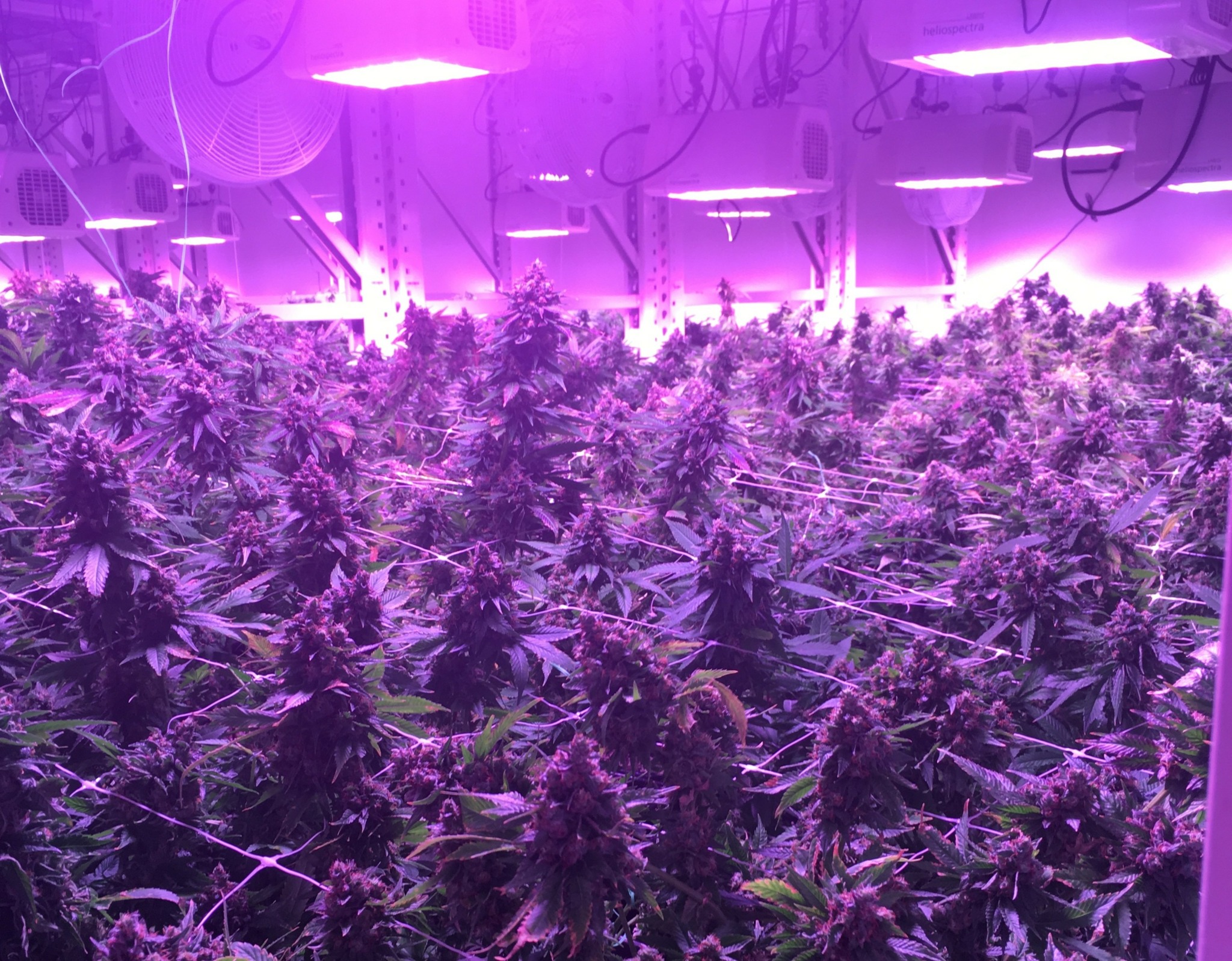
Image Credits
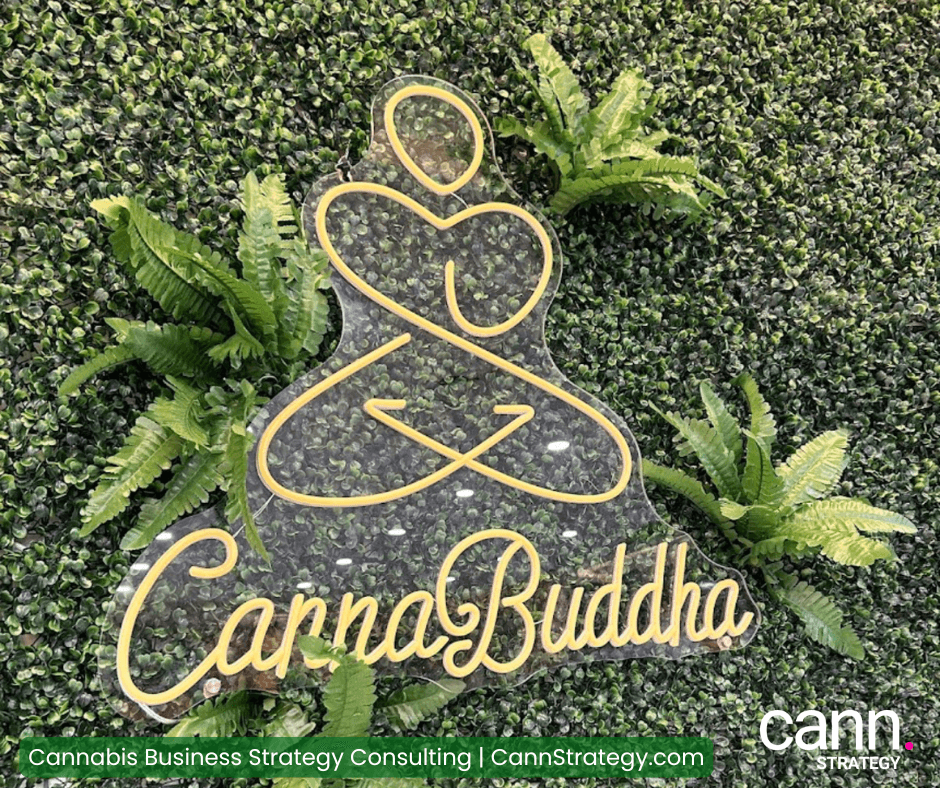
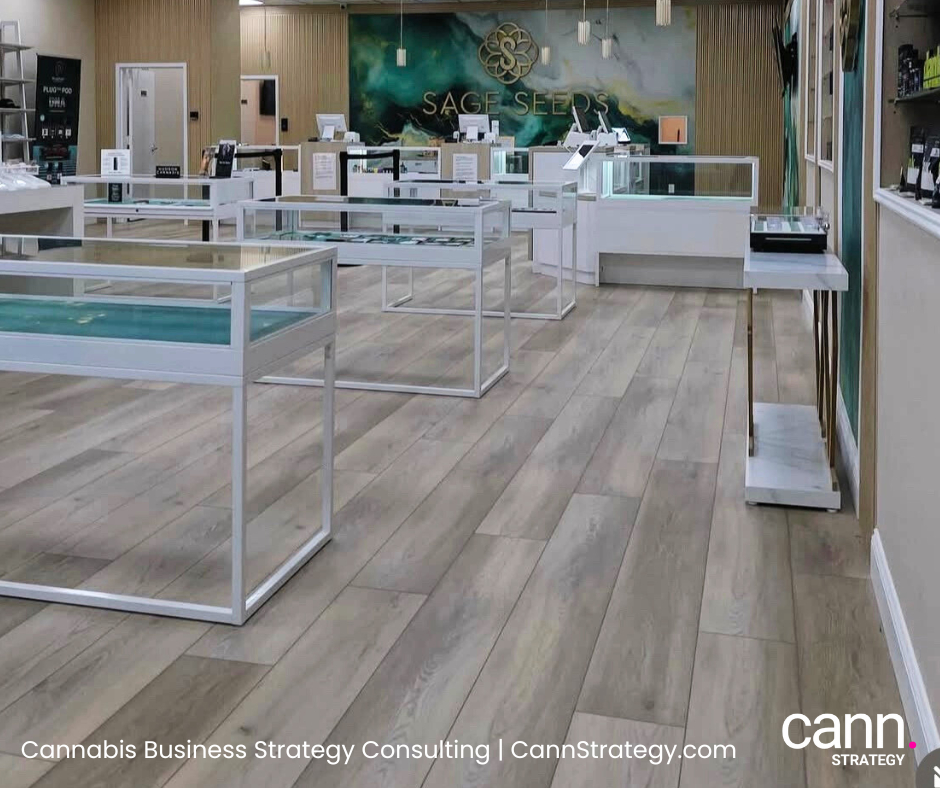
Canna Buddha Dispensary NY, Sage Seeds Dispensary NY, 3rd Rock Dispensary NY