
Alright – so today we’ve got the honor of introducing you to Olena Blagulyak. We think you’ll enjoy our conversation, we’ve shared it below.
Alright, Olena thanks for taking the time to share your stories and insights with us today. How did you learn to do what you do? Knowing what you know now, what could you have done to speed up your learning process? What skills do you think were most essential? What obstacles stood in the way of learning more?
I began learning piano at a very young age, inspired and encouraged by my mother, who is also a pianist. Even as a toddler, I was deeply sensitive to music—I would smile or cry in response to the sounds around me. My mother recognized this early connection and began nurturing it, encouraging me to play simple tunes by ear and improvise over her accompaniment when I was just three years old.
I was also fascinated by the piano itself. At first glance, it looked like a piece of furniture—but when my mother pressed its keys, it came alive with a magical range of sound and color. I was eager to understand how it worked, to make it speak on my own terms, and I would often approach it with curiosity and wonder. Seeing this, my mother arranged for me to study with the best teacher in town, and I soon began formal lessons. By the time I was seven, I gave my first solo recital.
From the very beginning, I knew I wanted to become a concert pianist. That first experience performing for an audience—feeling the emotion of sharing music and witnessing how it could move others—only deepened my passion and confirmed my path.
At age 12, I was admitted to the Lysenko Special Music School in Kyiv, Ukraine—a rigorous program for exceptionally gifted young musicians. The transition was not easy. For the first time, I was no longer the best student, no longer the prodigy. I was surrounded by incredibly talented peers who were winning major competitions and seemed to have everything figured out. The expectations were much higher than what I was used to, and I often found myself struggling to keep up. But that environment, while demanding, offered a healthy dose of competition that constantly pushed me to grow and expand my limits. Those early years were a true challenge—but they also became a turning point in my development.
That’s when I became fully devoted to the craft, often practicing up to eight hours a day. I was fortunate to study with a remarkable teacher who not only supported my work ethic but also became a mentor and almost a parental figure. He encouraged me to immerse myself in the broader world of music—attending symphony orchestra concerts, opera, and listening to the recordings of legendary pianists like Vladimir Horowitz, Arthur Rubinstein, and Sviatoslav Richter.
By the age of 14, I was performing with orchestras and winning major national and international competitions. These experiences further fueled my passion and strengthened my determination to grow as a musician.
Awesome – so before we get into the rest of our questions, can you briefly introduce yourself to our readers.
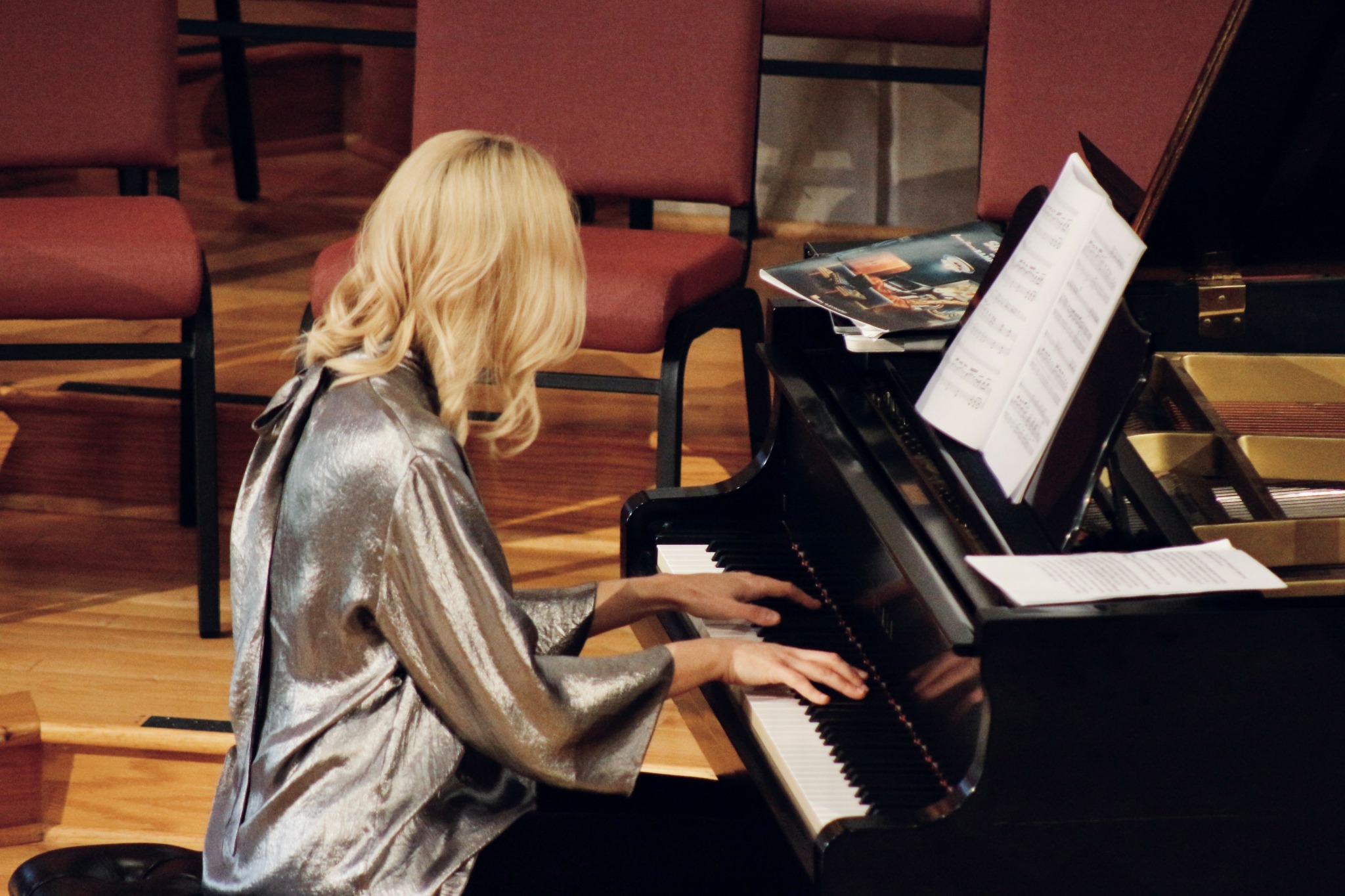
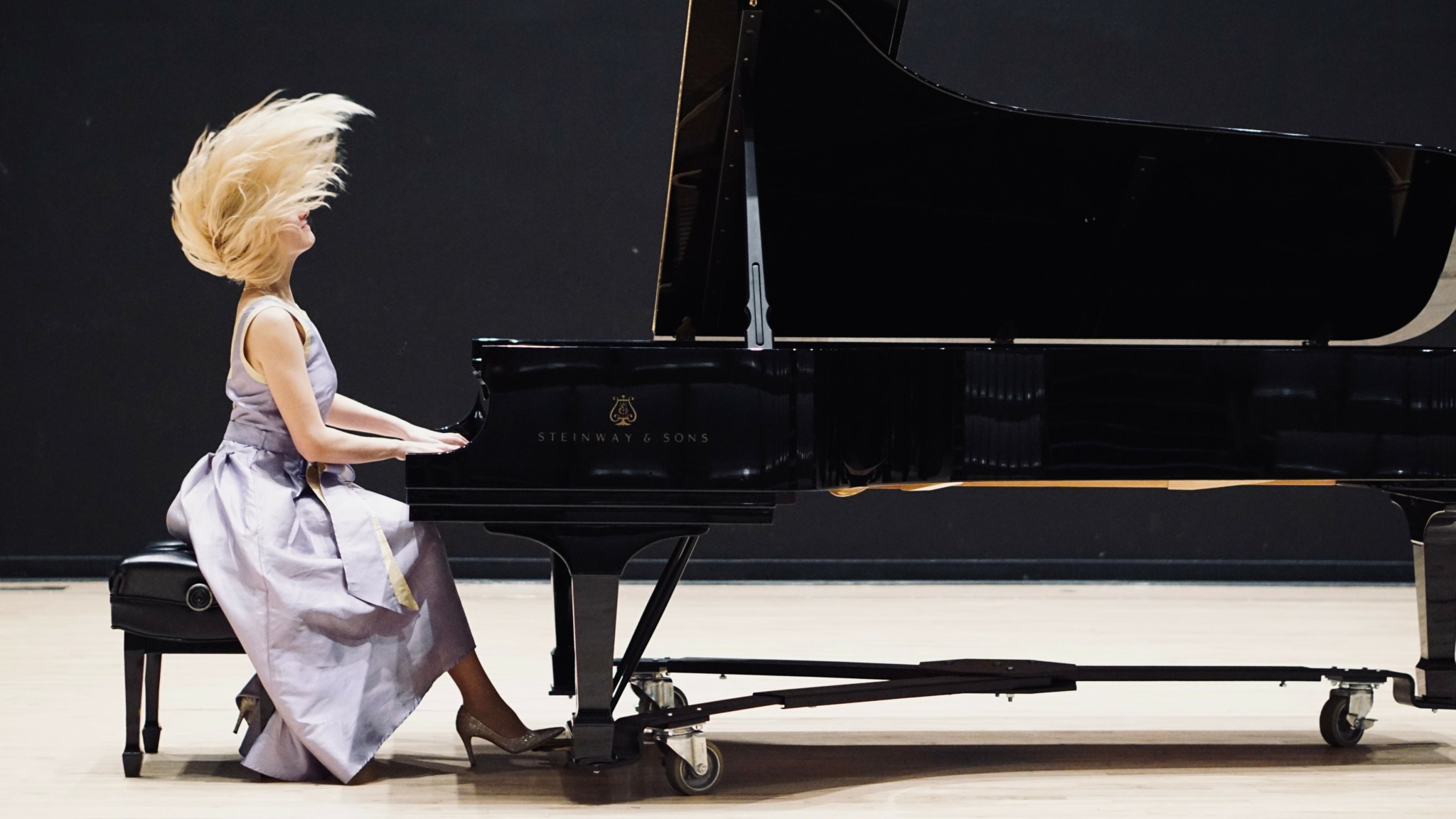
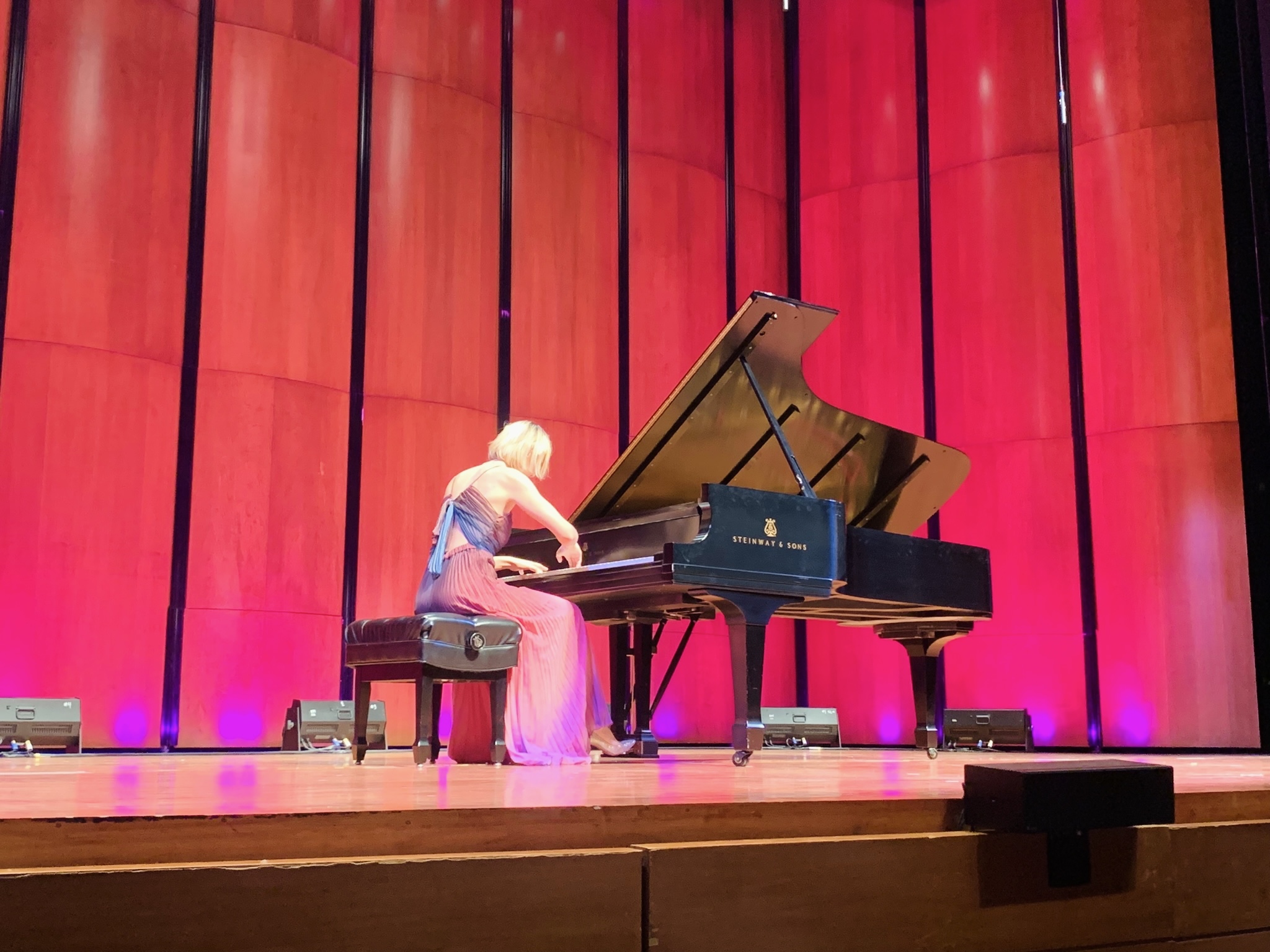
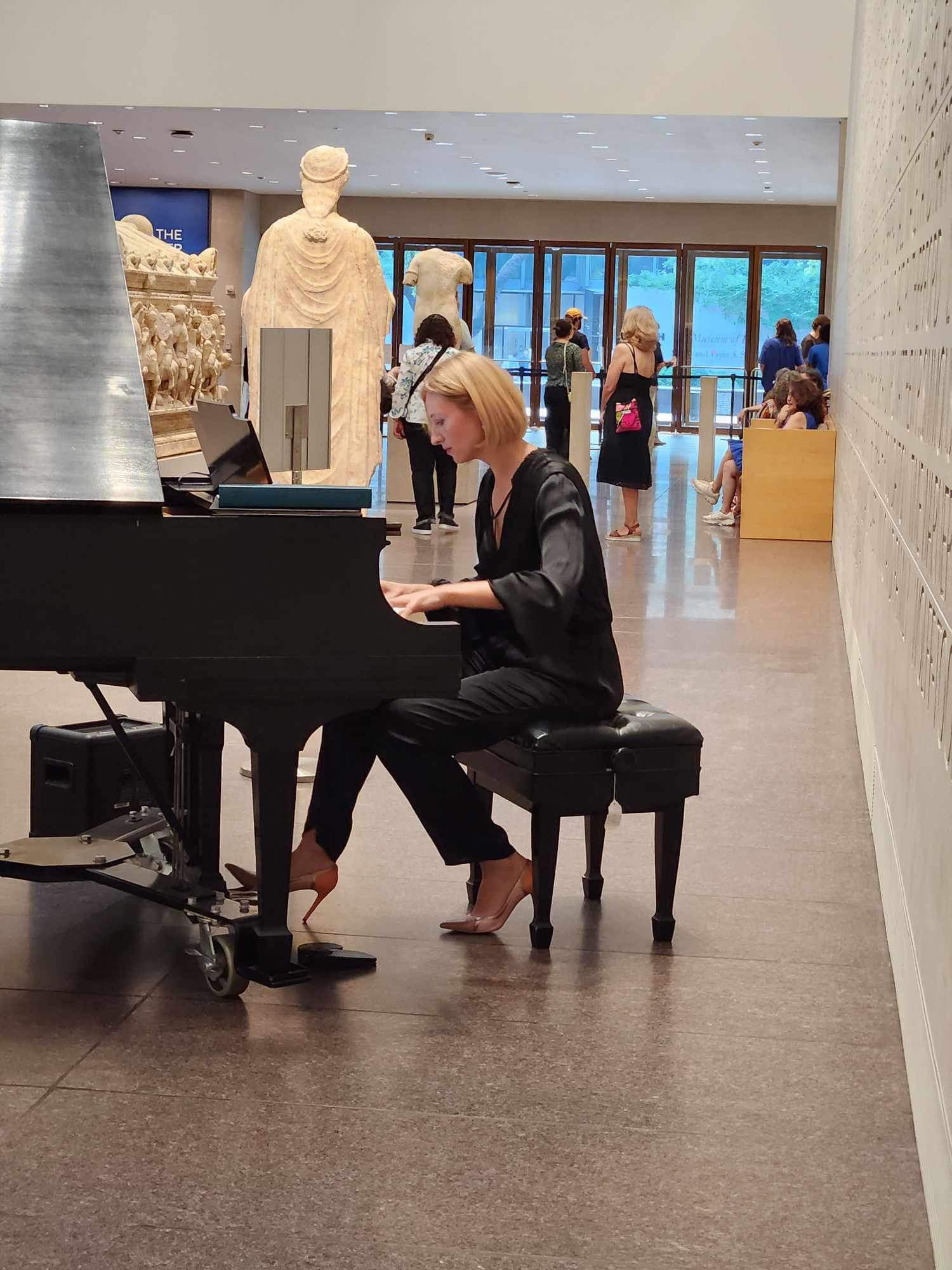
I am Olena Blagulyak, a classical pianist with an active performing and teaching career, currently based in Houston, Texas. I hold a Doctor of Musical Arts degree in Piano Performance from the University of Houston and enjoy a vibrant life as a versatile musician.
I moved to the U.S. in 2016 to pursue my second master’s degree and, soon after, began my doctoral studies. I was fortunate to be admitted to the University of Houston, where I served as a teaching assistant and collaborative pianist. That experience was invaluable—it taught me how to balance the demands of academia and performance while managing a full doctoral workload.
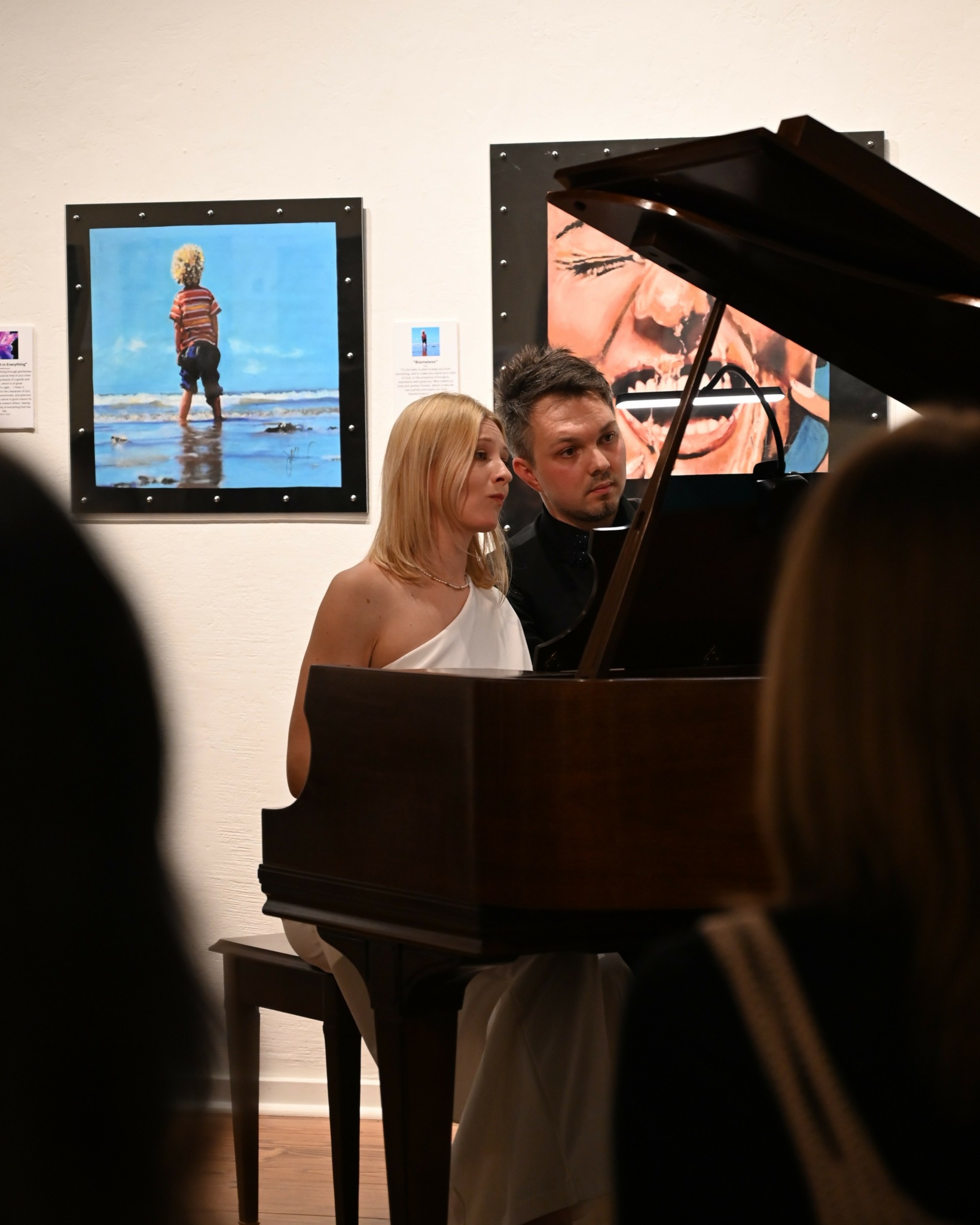
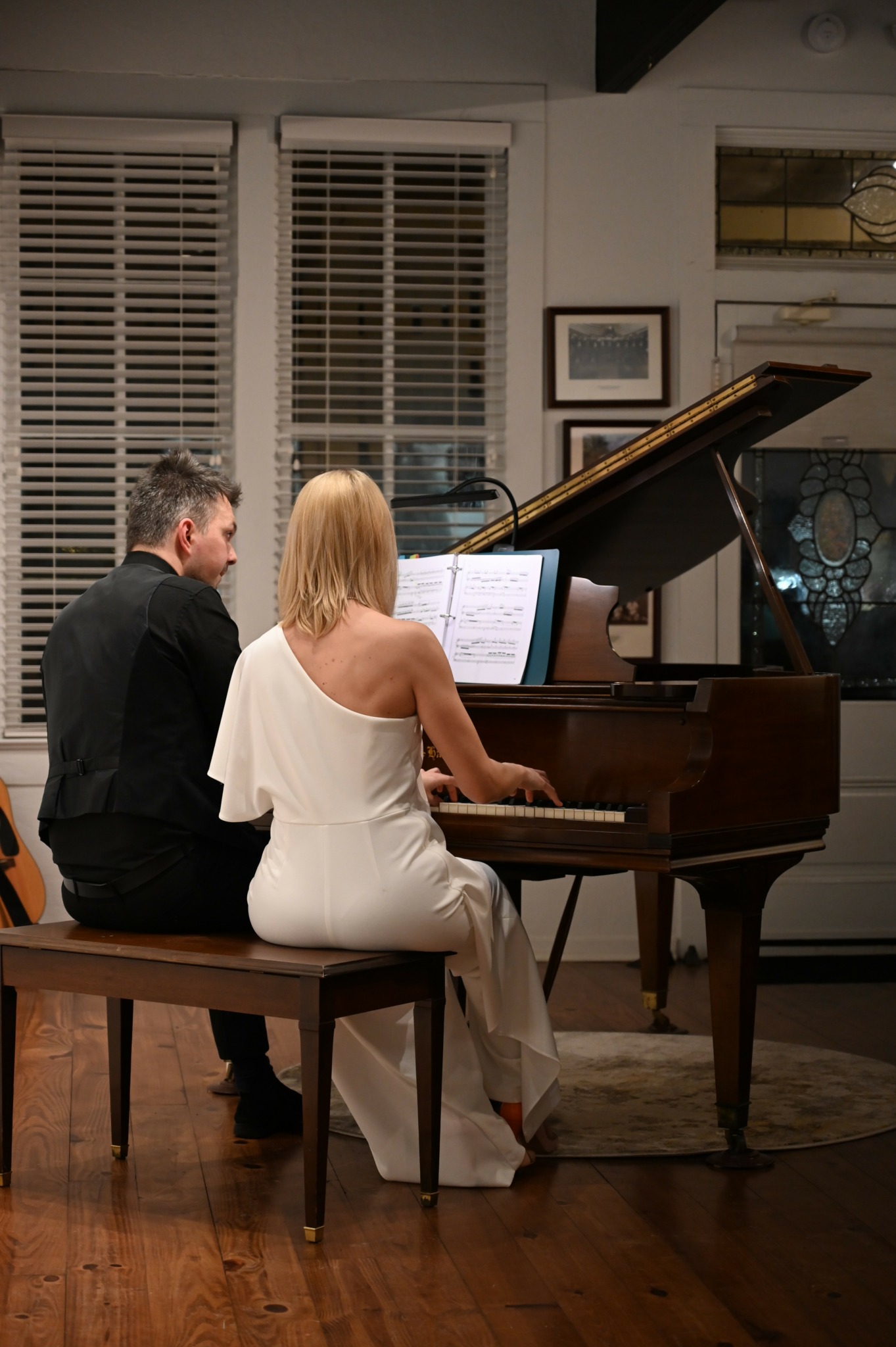
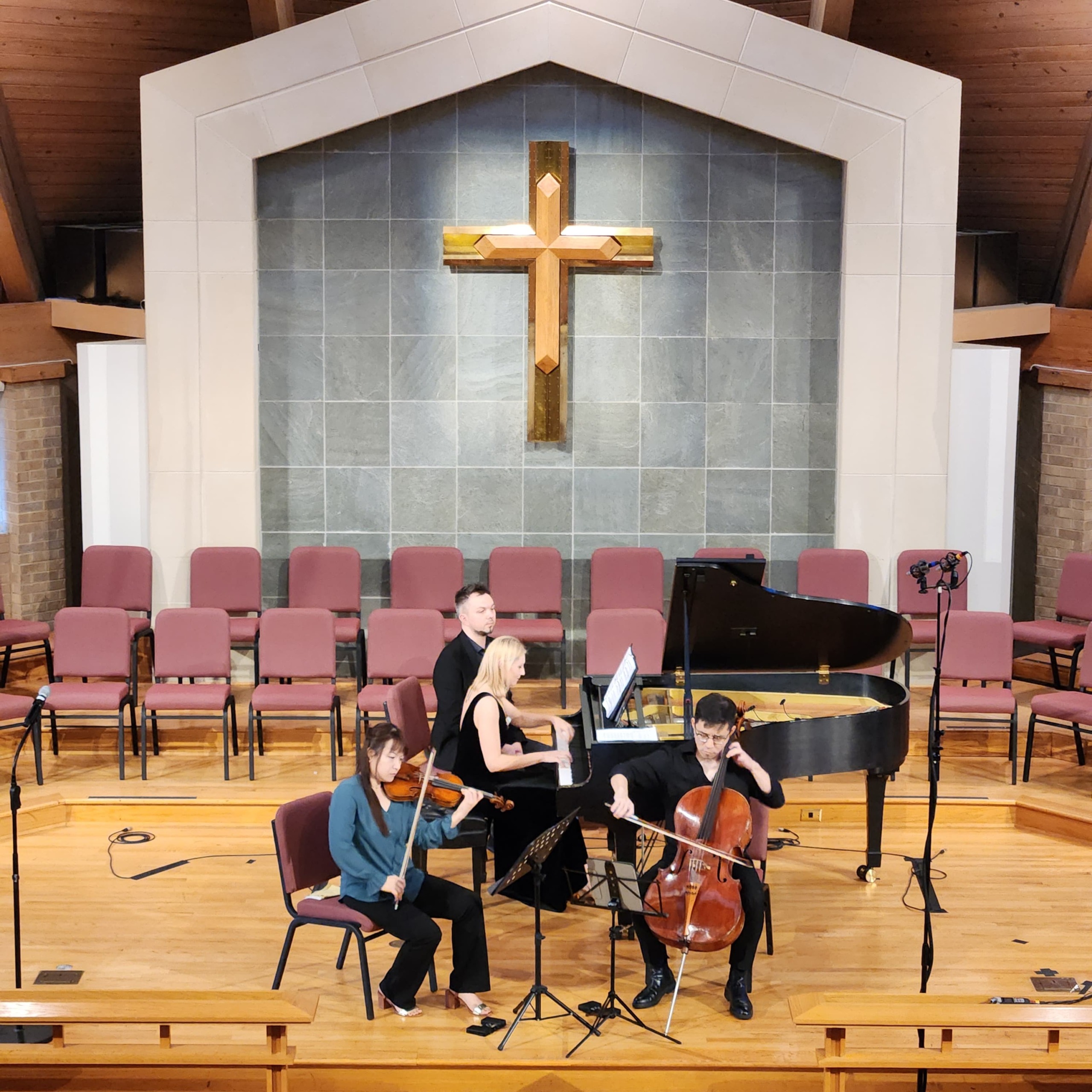
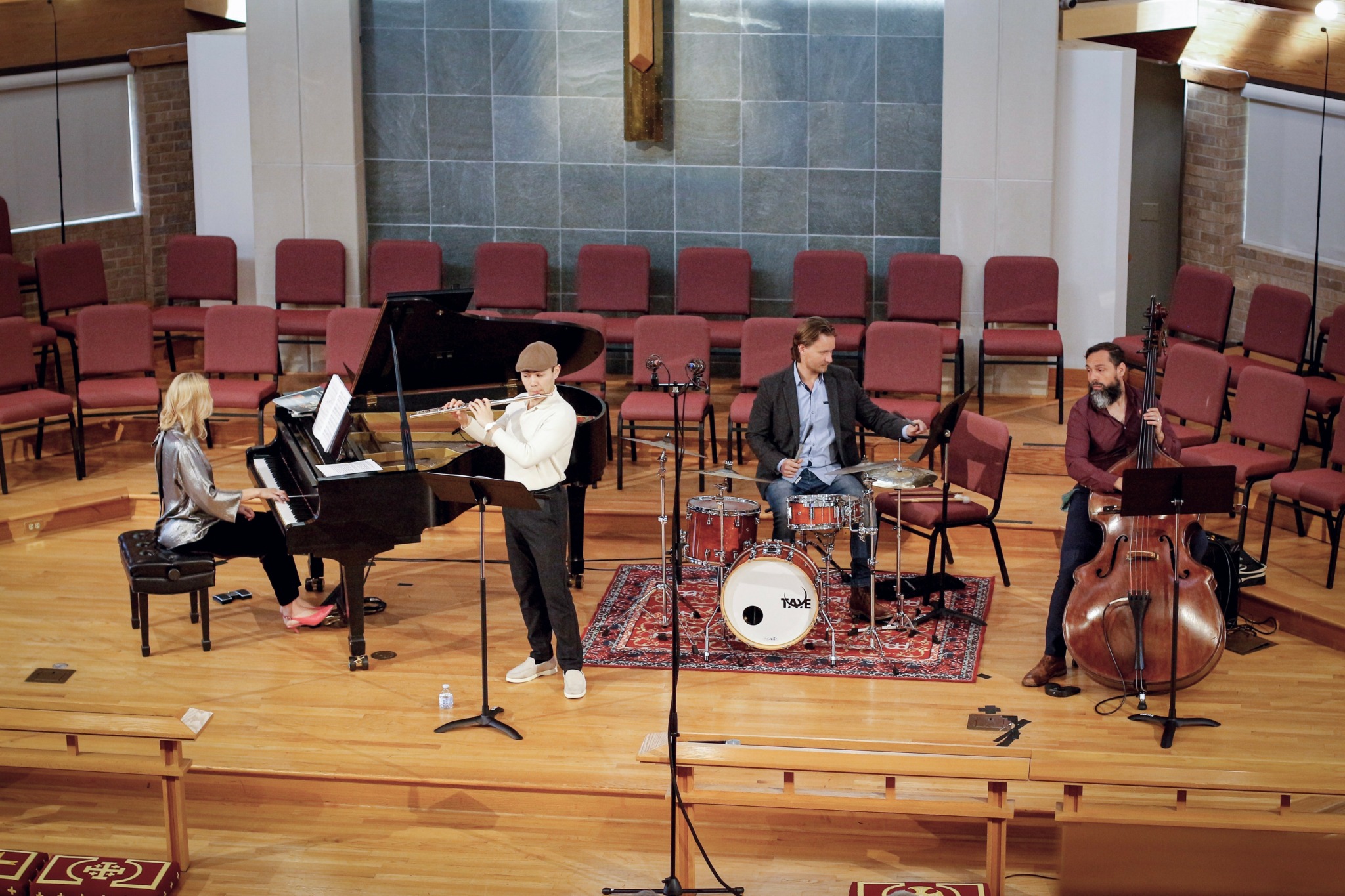
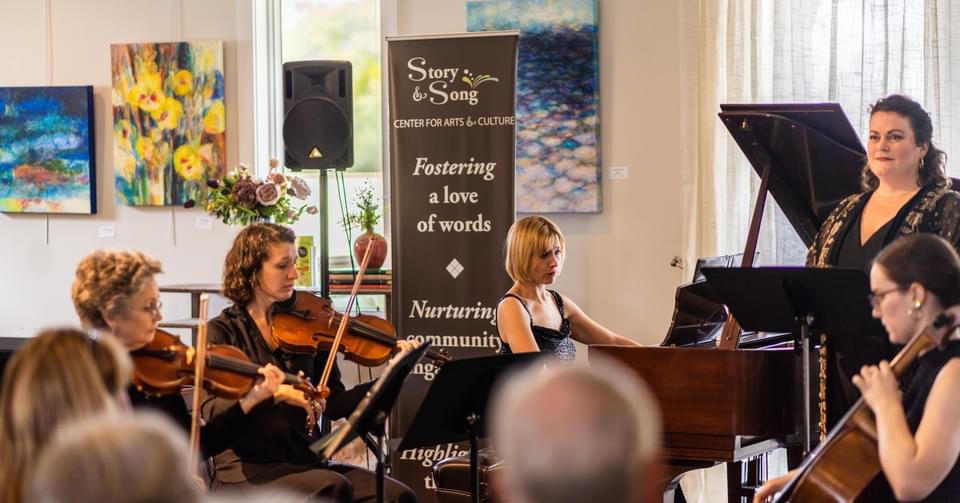
Today, I focus much of my energy on solo and chamber music performance. One of my main collaborative projects is a two-piano duo with my partner, Romanian pianist Eduard Gavril. I also regularly collaborate with Houston-based musicians, including members of the Houston Symphony and artists from institutions such as Da Camera, Sam Houston State University, Lone Star College, and the University of Houston.
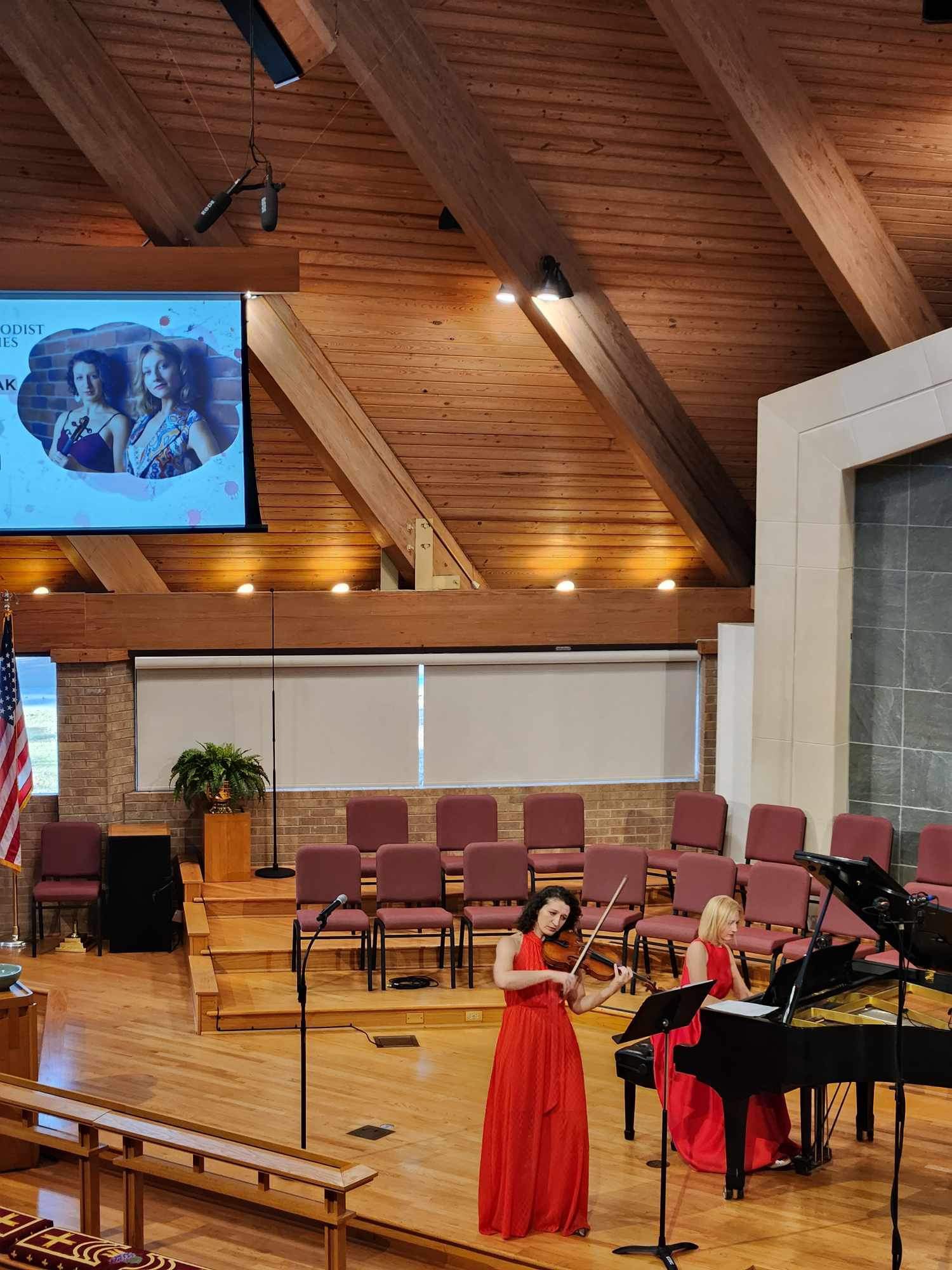
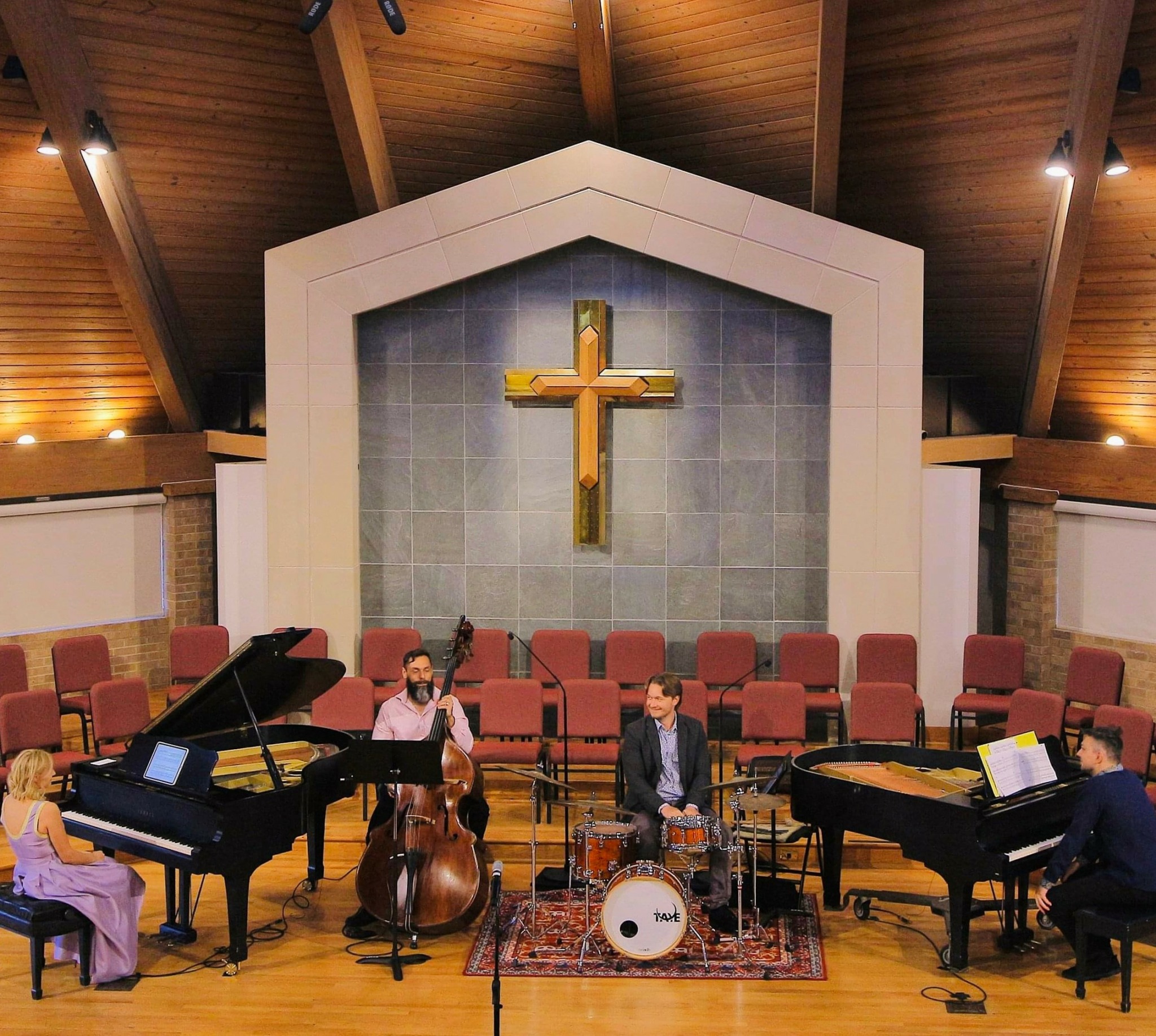
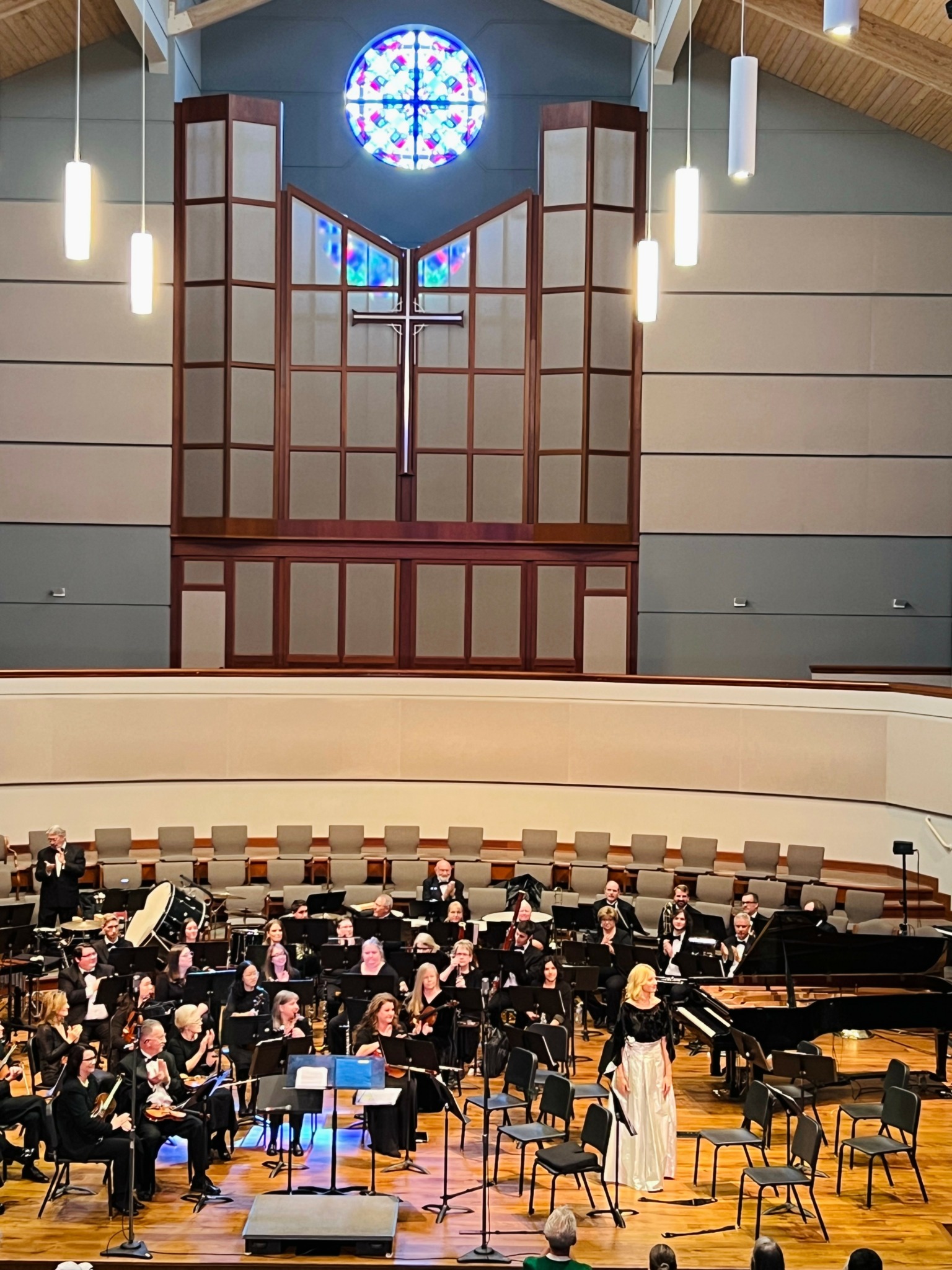
In 2024, I founded a concert series with the support of Kingwood Methodist Church, TX, where I also serve as pianist and artist-in-residence. The inaugural season was a great success, with performances filling the venue to capacity. My goal is to bring world-class music to a more remote part of Houston—making high-quality performances accessible to those who may not be able to travel downtown, particularly elderly audience members and families with limited mobility.
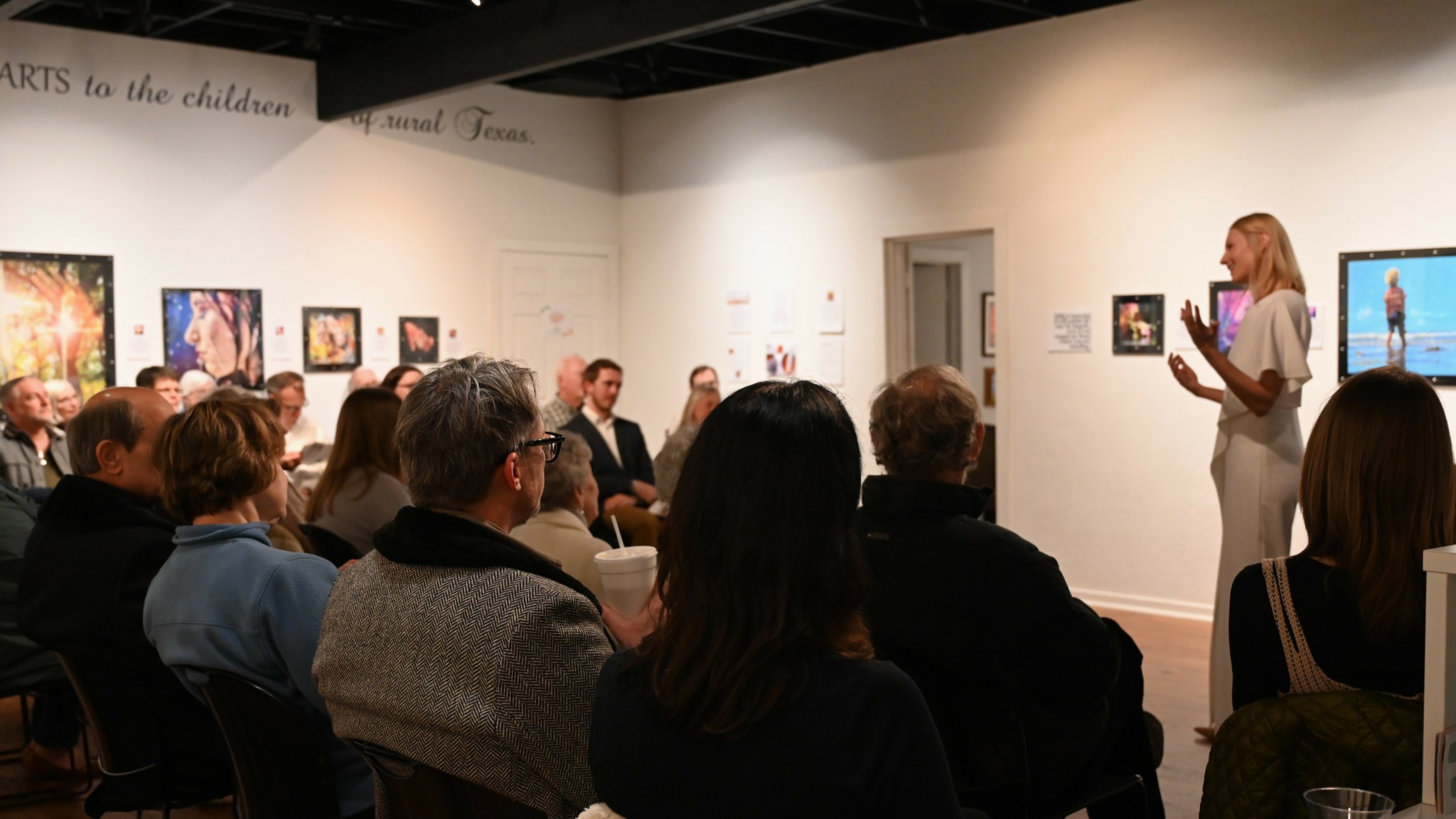
I design programs that combine classical repertoire with more accessible styles like popular and jazz music—offering something meaningful for seasoned music lovers as well as those newer to classical concerts. Each performance also includes an educational component, where I and the guest artists speak about the composers, their lives, the stories behind the works, and the musical ideas they sought to express. I’ve found this to be a powerful addition—audiences tend to listen more attentively, feel more connected to the music, and, in many cases, continue exploring it long after the concert ends. The success of the first four concerts has inspired me to expand the series, and I’m currently planning the 2025–26 season, which I hope will bring in an even broader audience and further enrich the cultural life of Kingwood and the greater Houston area.
What’s the most rewarding aspect of being a creative in your experience?
I believe becoming an artist is not something you consciously choose from the beginning. You’re born with certain sensitivities, inclinations, and talents—and often it’s up to parents or early mentors to recognize and nurture them. Later in life, you inevitably reach a point where you ask yourself whether the path you’re on truly belongs to you. For me, it always felt right—like a calling.
That doesn’t mean the journey has been easy or straightforward. Like most artists, I’ve faced setbacks, self-doubt, and the pressures of working in a highly competitive and demanding field. Even now, I’m in a constant process of discovery—searching, refining, and striving to find my own voice. But I believe that struggle is part of what gives this path meaning. It’s what keeps you growing.
There are many deeply rewarding aspects of this profession. Just the act of playing beautiful music brings me joy. I love immersing myself in sound, exploring the emotional depth and intellectual substance of each piece. That journey always leads me back to the composers—their lives, their intentions, the world they lived in. Unraveling those layers of meaning is incredibly fulfilling. I’ve learned that it’s essential to enjoy the process itself. If your joy comes only from the final product—the performance—then the life of an artist can quickly become draining.
Some may think that because the music is already written, the performer’s role is limited. But in truth, it’s the performer who brings it to life. I interpret the music through my own body, feelings, and experiences, and offer it to the audience in a way that’s personal and alive. When that connection is made—when I feel I’ve truly expressed something—it’s the most rewarding part of all.
There’s nothing more meaningful than knowing that your playing has touched someone. It might help someone momentarily escape their problems, bring a sense of peace, or simply make them smile. It might awaken curiosity about a composer, a musical era, or inspire someone to explore further. Music reaches deep into the human psyche. It can heal, release, uplift, and remind us of what’s beautiful and meaningful in life.
It may sound like a cliché, but I genuinely believe music has the power to make the world a better place.
What do you think is the goal or mission that drives your creative journey?
At the heart of my creative journey is a desire to connect, to communicate something meaningful through music, and to make that experience accessible to as many people as possible.
Many still view classical music as a dying art form or something reserved for the elite, but I deeply believe it belongs to everyone. Like any language, it needs to be taught, spoken, and experienced regularly. If we stop engaging with it, we risk losing our ability to understand and appreciate its depth and beauty. But when it’s nurtured and shared with care, classical music can speak to anyone—regardless of age, background, or race.
That belief is what inspired me to start a concert series in Kingwood: to bring high-quality performances to people who might not otherwise have access. When someone tells me after a concert that something stirred in them, that they felt moved or inspired to learn more—that’s what keeps me going.
I also see my work as a way of continuing a rich artistic tradition—passing it on, keeping it alive, and making sure it remains meaningful in today’s world. To do that, I strive every day to grow, both as a musician and as a person, so I can serve this mission as fully and honestly as I can.
Ultimately, I hope my work inspires curiosity, emotional connection, and a deeper appreciation for beauty. That, to me, is the true reward of this path.
Contact Info:
- Website: https://www.olena-blagulyak.com
- Instagram: https://www.instagram.com/olena.blagulyak/
- Facebook: https://www.facebook.com/OlenaBlahulyak/
- Youtube: http://www.youtube.com/@olena-blagulyak
- Other: https://linktr.ee/olenablahulyak