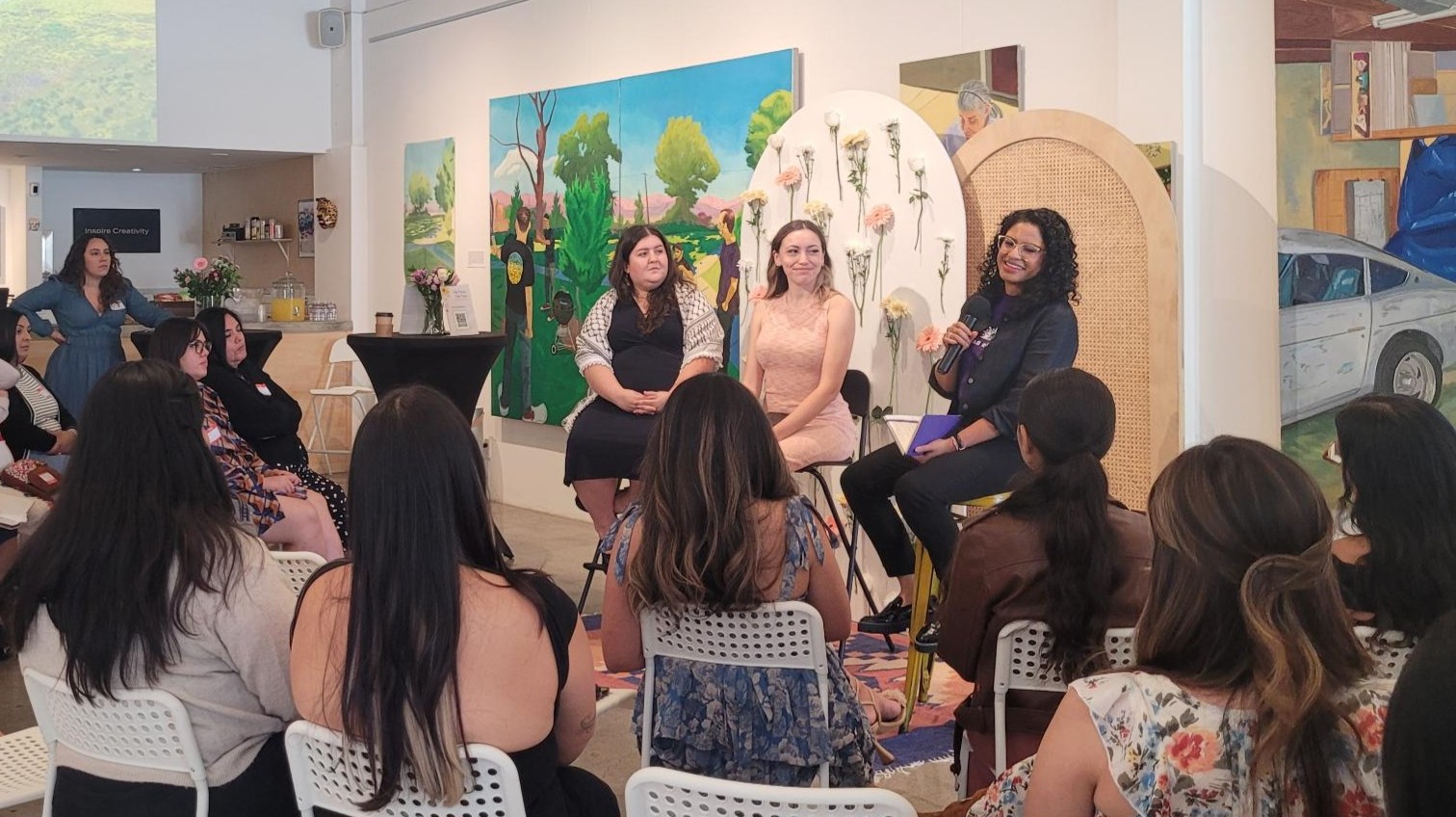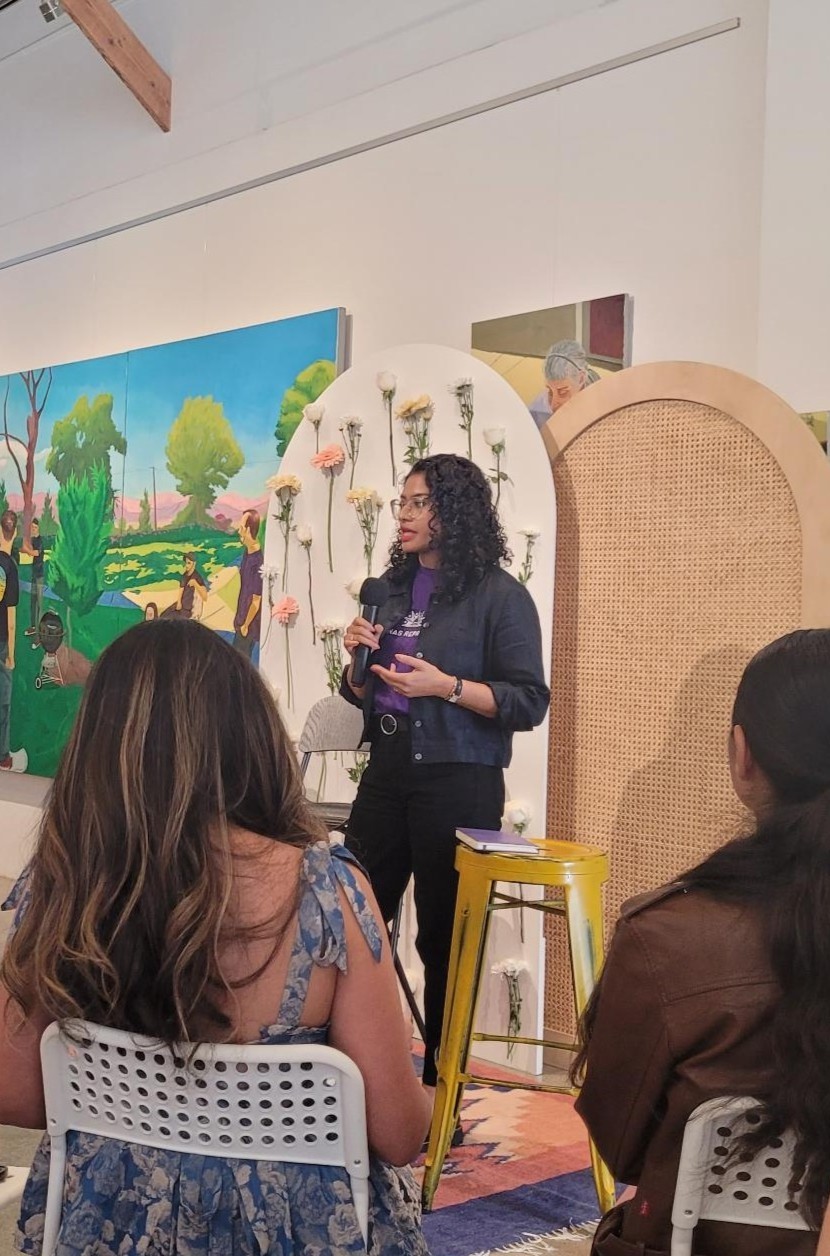

We caught up with the brilliant and insightful Stephanie Lopez a few weeks ago and have shared our conversation below.
Stephanie, thanks for taking the time to share your stories with us today When you were first starting out, did you join a firm or start your own?
I didn’t set out to run an organization. When I joined Latinas Represent in 2019 as a program manager, it was still a project under the National Hispanic Leadership Agenda (NHLA), focused on increasing Latina representation in public office. At the time, I was driven by this deep conviction that our democracy would be stronger with more Latinas, moms, and women of color in office. After a strategic planning process, we realized that to truly grow and deepen our impact, we needed more flexibility and a clearer identity. With the NHLA’s support, we transitioned Latinas Represent to become a fiscally sponsored project of Moore Impact. It was a leap, but it allowed us to refine our strategy and build a stronger foundation for the work ahead.
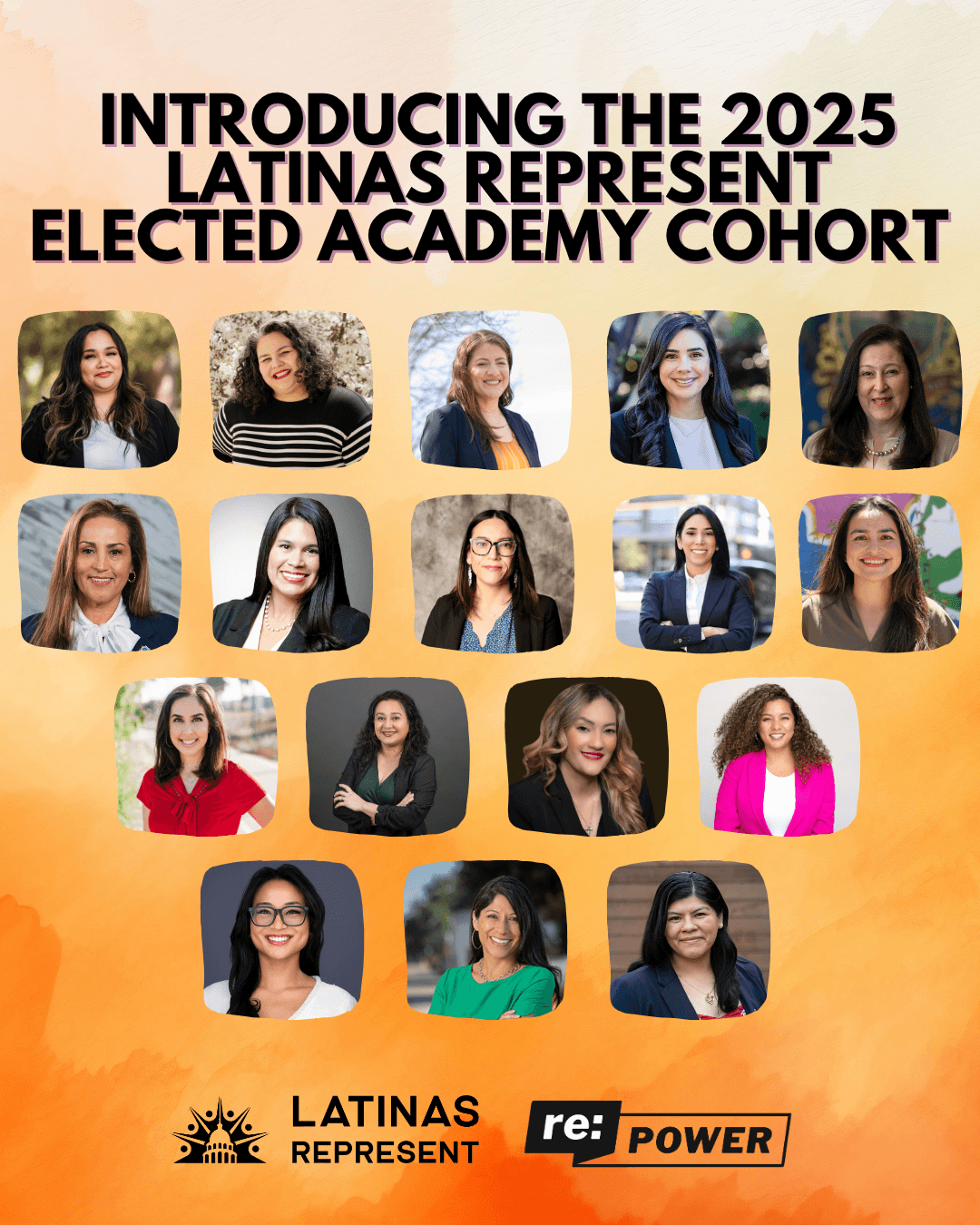
Looking back, it was absolutely the right call. Those early years were a mix of grit and grace — figuring things out while staying rooted in our mission. I was navigating nonprofit leadership as a young Latina, learning to trust my instincts while also leaning on the wisdom of the Latinas and allies who supported me. It was during this time that I started to truly understand what Latina leadership looks like. It’s intentional, it’s rooted in listening, and it’s about showing up for our communities in ways that are authentic and real. That’s the kind of leadership I wanted to foster, and that’s why we developed programs like the Campaign Master Class and the Latinas Represent Elected Academy.
For me, these programs are personal. Growing up, I didn’t see Latinas in decision-making roles, but I was surrounded by powerful women who were leading in quiet, impactful ways. Creating these programs felt like building the resources I wished had existed for them — and for all of us. Watching Latinas step into their power, launch campaigns, and govern with intention is the best kind of full-circle moment.
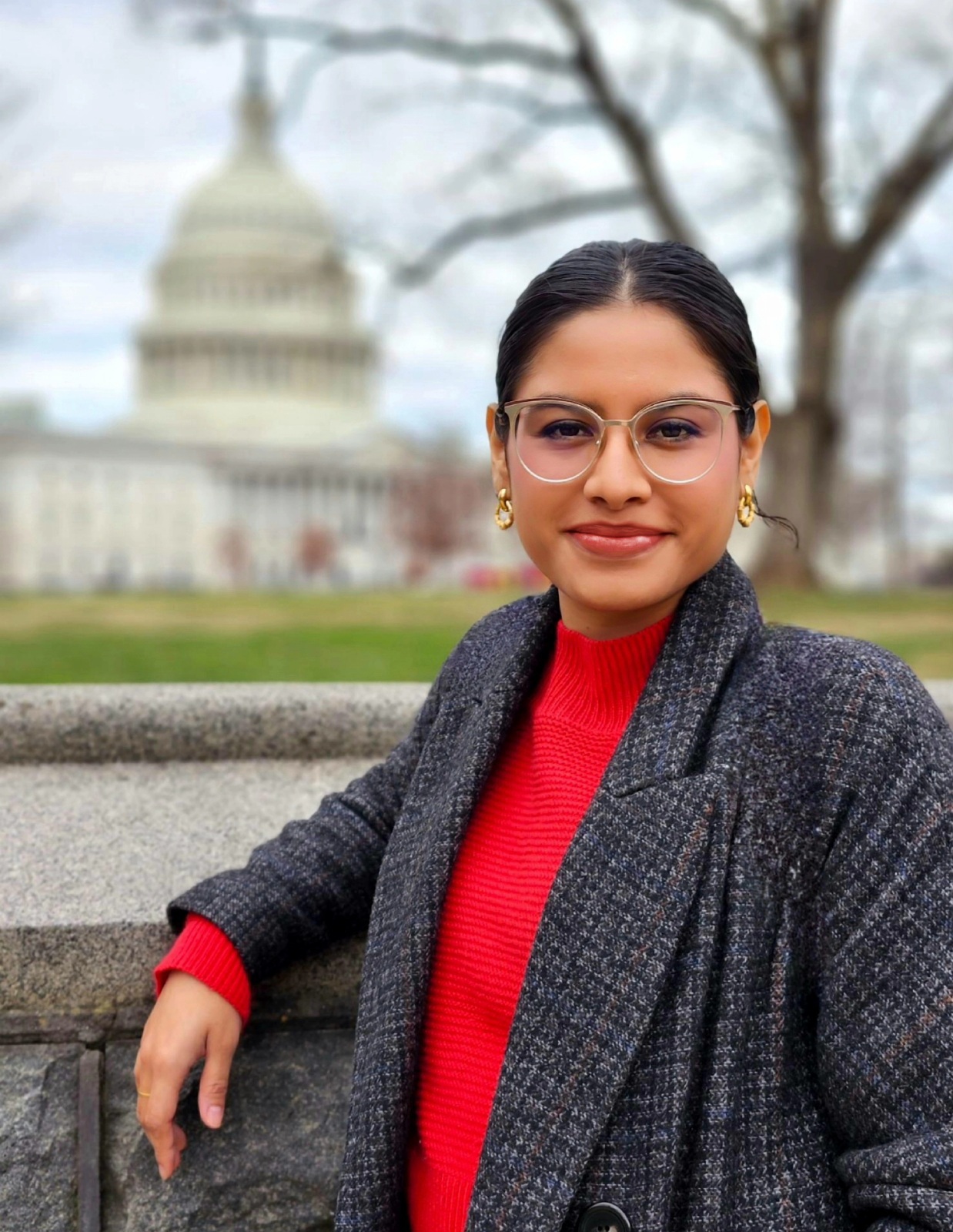
Stephanie, love having you share your insights with us. Before we ask you more questions, maybe you can take a moment to introduce yourself to our readers who might have missed our earlier conversations?
I’m the proud daughter of Salvadoran immigrants and the Executive Director of Latinas Represent, a national, nonpartisan initiative working to increase the number and diversity of Latinas in public service. Growing up, I was surrounded by strong, resilient women who led with intention and heart, even if they weren’t the ones in decision-making rooms. That’s where my passion for politics began — not in a classroom, but in the everyday acts of leadership I saw around me.
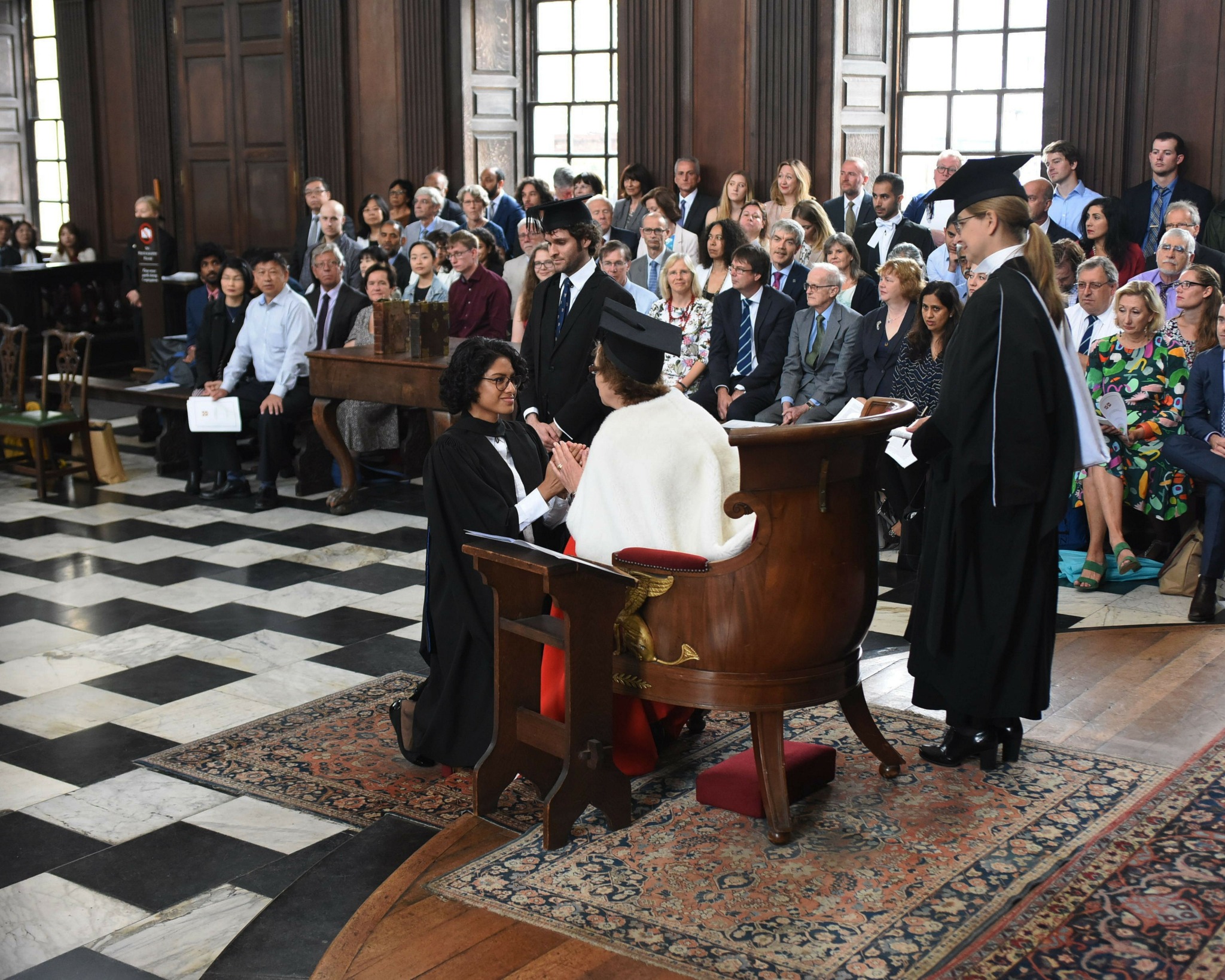
I’ve always been drawn to politics, so much so that I studied journalism and political science, interned for my Congressman, and earned a Master’s degree at the University of Cambridge. But it wasn’t until I was providing direct immigration services in Washington, D.C., amid rising anti-immigrant rhetoric, that the urgency for more diverse women in office became strikingly clear. I saw firsthand how policies shaped people’s lives and how much was at stake when our communities weren’t represented by leaders who truly understood their experiences. That realization brought me to Latinas Represent, where I now lead our efforts to inform, inspire, prepare, and support Latina leaders to step into public service — not just to run for office, but to lead with intention, protect their communities, and amplify voices that have been overlooked for far too long.
Our work addresses the systemic barriers that keep Latinas from running for office, like exclusionary political systems, limited networks, and a lack of resources and support. But we’re not just building a pipeline of candidates; we’re creating a network of leaders equipped to govern with confidence and intention. Programs like our Elected Academy and Campaign Master Class provide the practical tools and ongoing support Latinas need to not only step into public service but to lead authentically and effectively.
I am incredibly proud of how we have cultivated a community of Latina leaders who are redefining leadership and making their communities more visible in decision-making spaces. Whether it’s watching a first-time candidate step into her power or seeing an elected official use her platform to drive policy change, it’s powerful to witness the ripple effects of this work. We’re more than a training ground — we’re a network, a support system, and a reminder that Latinas belong in every room where decisions are being made. Because at the end of the day, our work isn’t just about increasing representation — it’s about creating a democracy that genuinely reflects the voices, experiences, and power of Latinas at every level of government from school boards to city council to state legislatures and beyond.
We often hear about learning lessons – but just as important is unlearning lessons. Have you ever had to unlearn a lesson?
A lesson I had to unlearn was the belief that asking for help was a sign of weakness. Growing up as a first-generation Latina, I got used to figuring things out on my own — whether it was navigating college or stepping into leadership. That “I’ll handle it myself” mentality carried over when I became an organizational leader, where asking for support felt like admitting I wasn’t capable or that I was somehow falling short.
But as I started talking to elected leaders in our programs and navigating the complexities of leading an organization as a young woman of color, I began to notice a pattern. Many of us were facing similar challenges — exclusionary organizational politics, lack of networks, and the constant need to secure resources to keep our work moving forward. But the leaders who were thriving weren’t going it alone. They were reaching out, leaning on mentors and coaches, and asking for guidance without hesitation.
Now, I tell people what I wish someone had told me earlier: You don’t have to do it all on your own. Build your personal board of directors — those trusted voices who can offer perspective, advice, and support. A coach isn’t a crutch; they’re a powerful resource for growth. Asking for help doesn’t make you less capable — it makes you a more intentional and grounded leader. That shift in perspective has been one of the most transformative lessons I’ve learned.
Have any books or other resources had a big impact on you?
Three books that have profoundly shaped my leadership approach are Braiding Sweetgrass by Robin Wall Kimmerer, What It Takes to Heal by Prentis Hemphill, and For Brown Girls with Sharp Edges and Tender Hearts by Prisca Dorcas Mojica Rodríguez. They’re not conventional leadership books, but they each hold powerful lessons about connection, healing, and stepping into our power.
Kimmerer’s writing is a beautiful reminder that leadership isn’t just about strategy or structure — it’s about being in relationship with the world around us. She talks about reciprocity, about how every action has a ripple effect, and how we have a responsibility to give back more than we take. That perspective has deeply influenced how I think about leading Latinas Represent, where we’re not just building programs but nurturing a community grounded in care and intention.
Hemphill’s work drives home the idea that if we want to build a more inclusive, just world, we have to start with ourselves. As leaders, we can’t pour into others if we’re running on empty. It’s a lesson I come back to often — that leadership isn’t about being invincible; it’s about being willing to do the inner work so we can show up more fully for the people we serve.
Rodríguez’s book is a powerful call to reclaim our voices and challenge the narratives that keep us small. She writes about shedding respectability politics, demanding more, and taking up space unapologetically. That resonates with me as a first-gen Latina leading an organization focused on amplifying Latina voices in public service. It’s a reminder that our stories matter and that we have every right to shape the spaces we’re in.
What ties all these books together is that they’re written by people from different communities — Native, Black, LGBTQ+, Latina, first-gen — each with unique perspectives and shared wisdom. They’ve reinforced what I’ve always known to be true: that there is so much to learn from diverse voices and that being in solidarity with one another is not just important, it’s essential to building a world where we can all thrive.
Contact Info:
- Website: https://latinasrepresent.org/
- Instagram: https://www.instagram.com/latinasrepresent/
- Facebook: https://www.facebook.com/latinasrepresent
- Linkedin: https://www.linkedin.com/in/lopezsg/