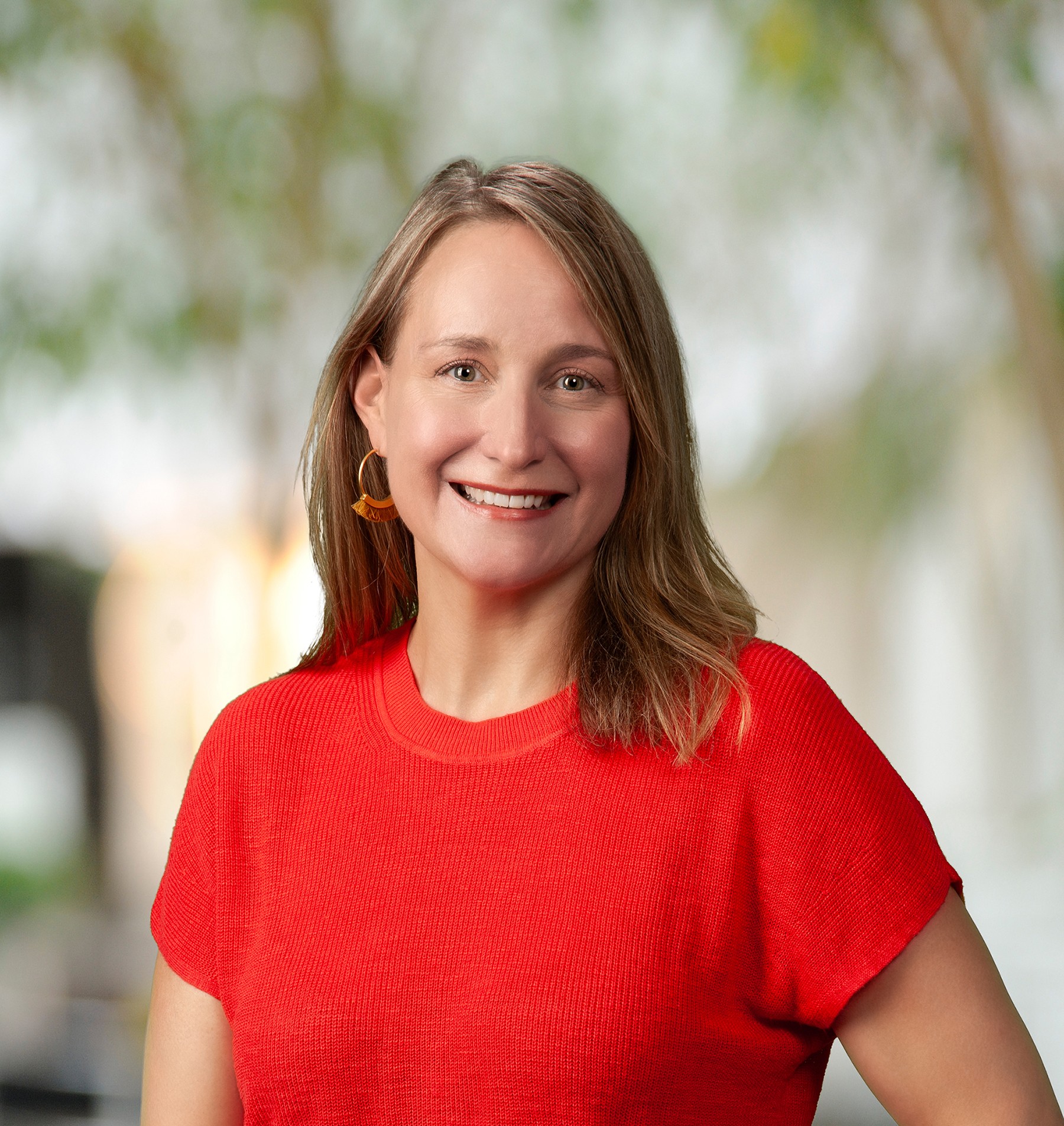

We’re excited to introduce you to the always interesting and insightful Maureen. We hope you’ll enjoy our conversation with Maureen below.
Maureen , thanks for taking the time to share your stories with us today Can you talk to us about how you learned to do what you do?
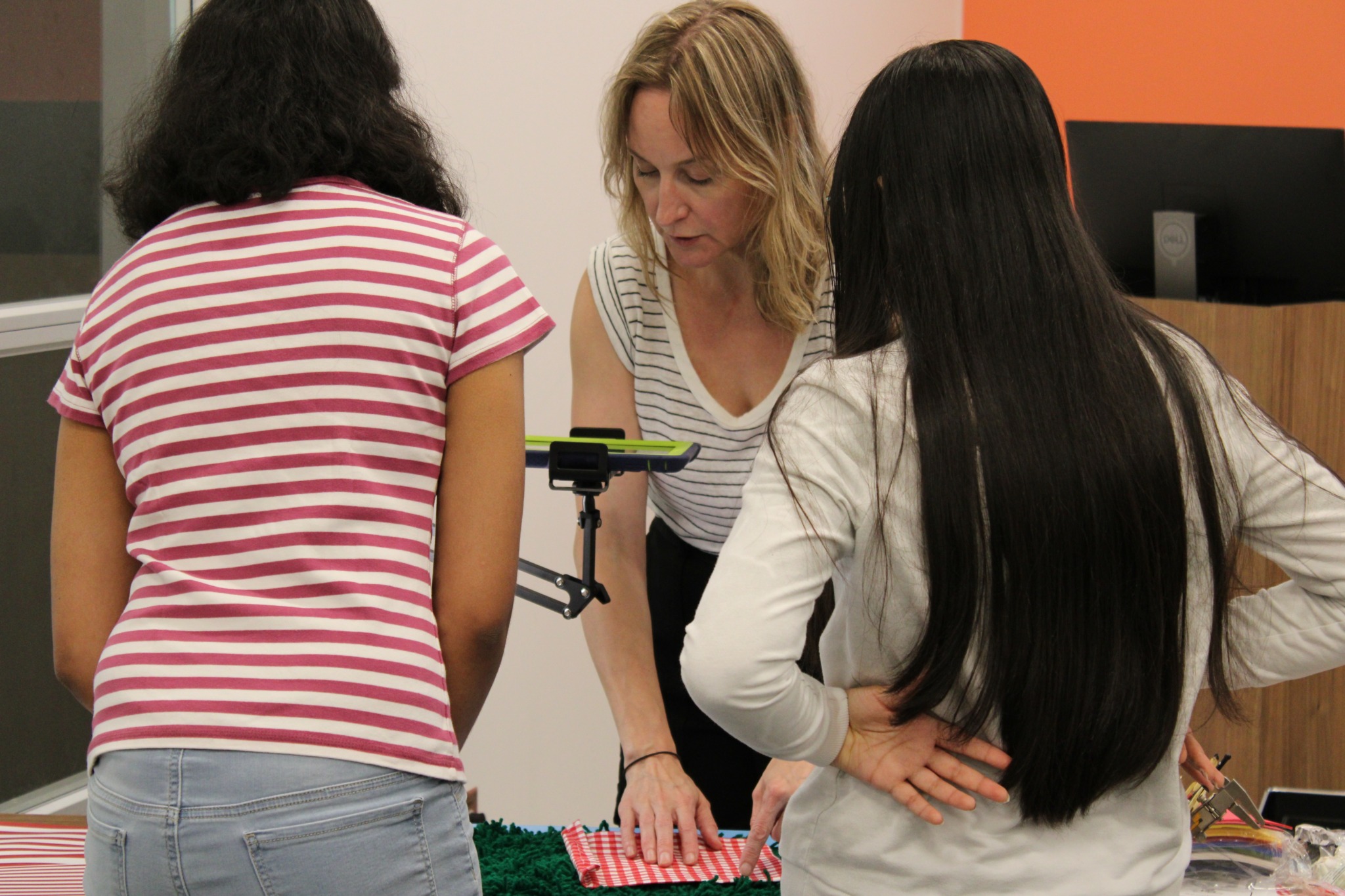
I learned how to animate in grad school, and I chose to specialize in stop motion specifically because its tactile qualities appealed to me. With stop motion, I could continue to work in artistic practices that I loved–such as painting and sculpting–but I also had to develop the technical skills required for shooting and compositing. Looking back, learning how to animate in general took the most time, and I don’t know that there’s much I could have done to go faster, but I do think that trusting the learning process and cultivating more patience for myself would have made it easier.
Drawing is the most essential skill for animation–even if you’re a straight up digital artist or more of a sculptor like me. Ideas start in the sketch book. It’s the easiest and fastest way to show a concept and a definite foundation for animation. I am not the strongest drawer, but I haven’t allowed that to hold me back. Instead, I see it as an opportunity for the patience I mentioned above. Learning new things requires embracing what you don’t know and moving through uncertainty with maybe a little fear in your heart. It’s ok to sit with the fear and admit it, but the biggest obstacle to learning is to mistake the uncertainty/fear as the final outcome.
As always, we appreciate you sharing your insights and we’ve got a few more questions for you, but before we get to all of that can you take a minute to introduce yourself and give our readers some of your back background and context?
After I graduated with a BFA in Drawing and Design, I worked as a graphic designer where one of my co-workers introduced me to the Adobe Awards. I sat in my little cubicle watching all this independent animation with a vague idea as to how it was made because I was using some (though very little) of the same software. That sparked my interest. Animation wasn’t just for children, and it wasn’t just cartoons, and maybe–just maybe–it was accessible to me. I started gathering information. I took a few classes where I could find them to see if I liked it, and eventually pursued an MFA at SCAD Atlanta where I discovered that animation was a much bigger beast than I had anticipated. I moved through a lot of fear and uncertainty there. I was pushed and bent in ways I didn’t know were possible, but I came out a much stronger and resilient artist than when I started.
My intention in pursuing an MFA was always to become an independent animator and educator. For the most part, that’s exactly what I’ve been doing. I teach animation workshops for children and am on the GCA Teaching Artist roster. However, the work isn’t always stable, and the industry itself is shifting in unpredictable ways. At this point in my career, I’m looking to pivot into a more stable path while continuing to offer workshops on the side..
Despite the current industry challenges right now, I am proud of my ability to adapt and learn. With over 20 years experience in the arts, I’ve developed a broad spectrum of skills–graphic design, CG animation, stop motion animation, cinematography, sculpting, casting, mold making, compositing, curriculum writing, workshop design, etc.. If I am lacking in a specific skill, chances are high that I have a related skill.
Have you ever had to pivot?
I am pivoting right now! As I said earlier, the business of teaching and independent animation is unstable–I’ve often had to take on other jobs just to support the work I’m actually trained to do. I’m not quitting. I’m not even walking away. But given the amount of effort it is to get work, I’ve decided to shift teaching and independent animation to the side since it is routinely served up that way.
I am harnessing all of my skills to return to what I call corporate art–Creative Director, Art Director–something along those lines. I’ve hired a career coach. She’s given me homework and structure as I start this new chapter. I am in the early stages of this pivot, but I don’t mind talking about it because I think it could be helpful to other creatives who may be struggling with the same issues. At what point do we say, I’ve given this enough? What’s my bottom line and is it being met? Am I giving up on a dream or just realizing that the reality doesn’t sync up with the vision? While the answers to these questions will vary by individual, I think that it is just as important to give ourselves permission to change our minds and re-chart the course as it is to push through fear and uncertainty.
We’d love to hear a story of resilience from your journey.
While this entire journey is about resilience, I do have one chapter I’d like to share that is a particularly good example. For my graduate thesis, I had to make an animated short. I finished a rough cut to graduate, not an unusual practice–finish school, polish the film on your own time and submit to festivals. Unfortunately for me, I was seriously injured maybe a month later and endured some of the most intense pain of my life. Everything–ambitions, daily practices, etc–went sideways. When I got well enough to start picking up the pieces, it took many starts and stops to open up my rough cut and finish it. I’d have a few good weeks of working and then nothing. I felt continually overwhelmed by the time that had passed since I started it and questioned the value of continuing. It is always hard to go back into an old project, and pretty much every artist has dozens of unfinished pieces–it would have been very easy to let it go, and I put it down many times thinking that I should just forget about it but I kept coming back to one thought: That’s a lot of work to walk away from.
The rough cut itself had already been a massive undertaking. Though the final polish—compositing, cleanup, fixing textures, etc.—was also a lot of work, it didn’t outweigh the countless hours I’d already poured in, along with my team. So every time I considered quitting, I reminded myself: I believed in this project. It was good then. It’s still good now. It deserves to be finished.
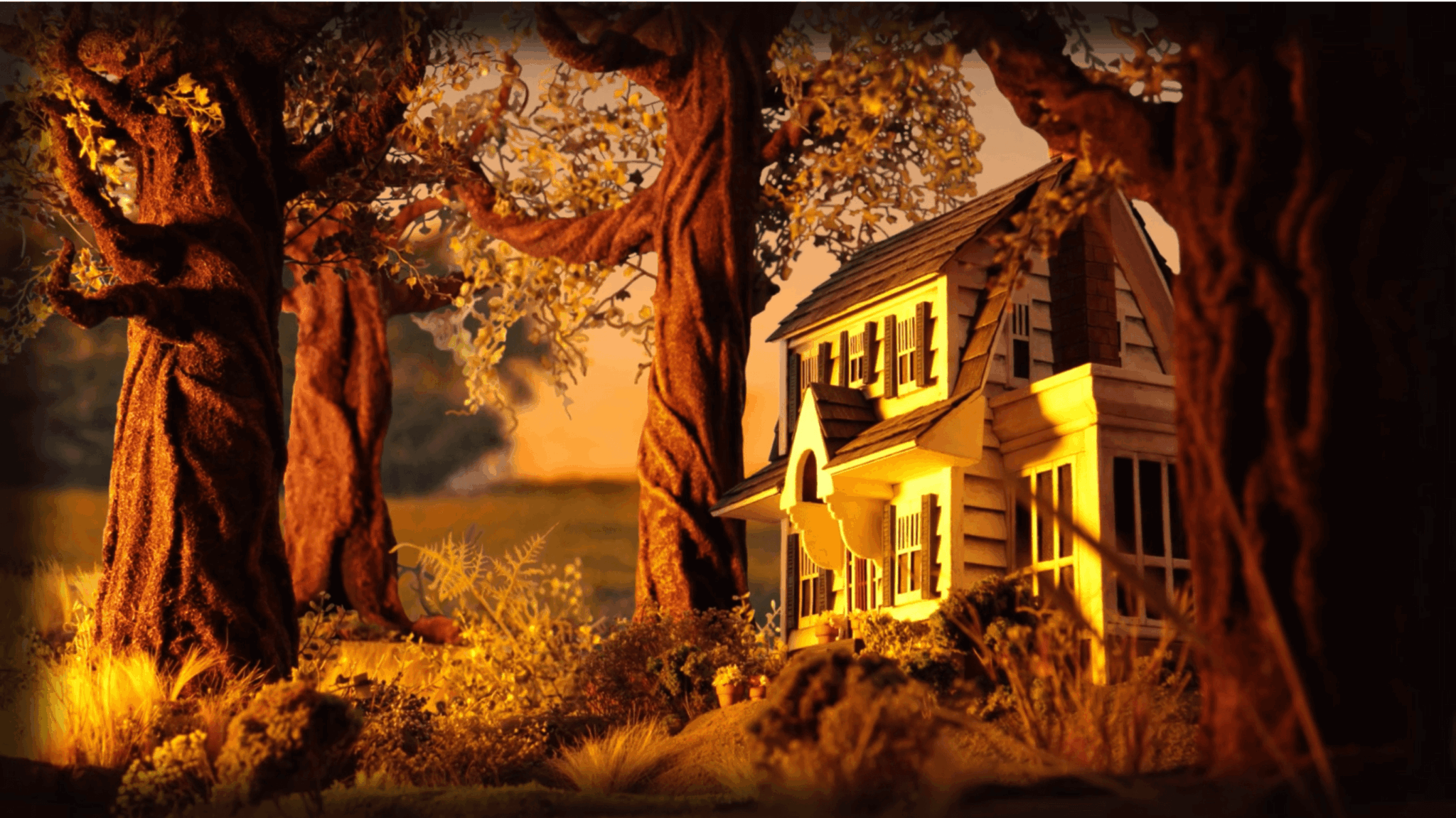
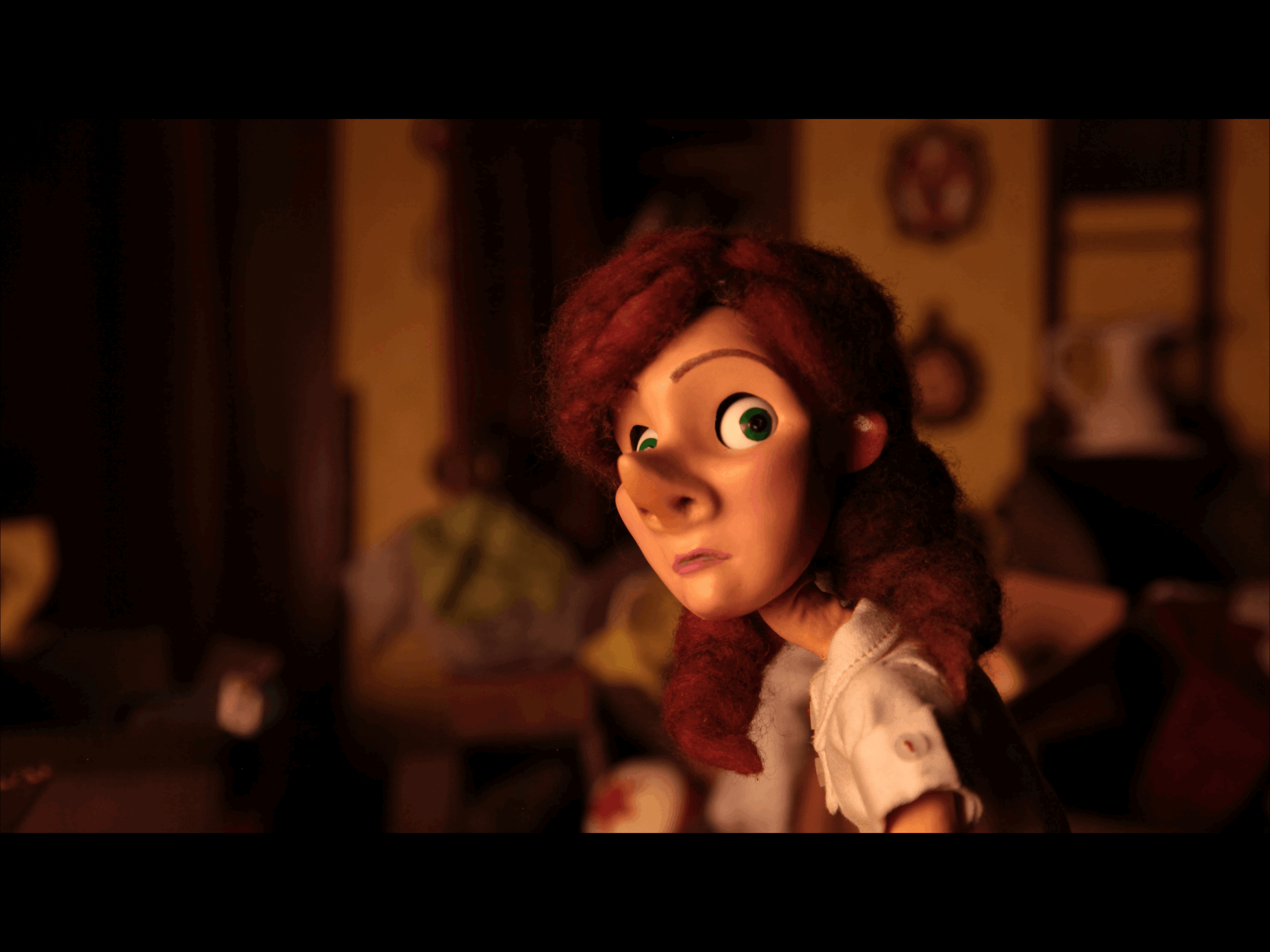
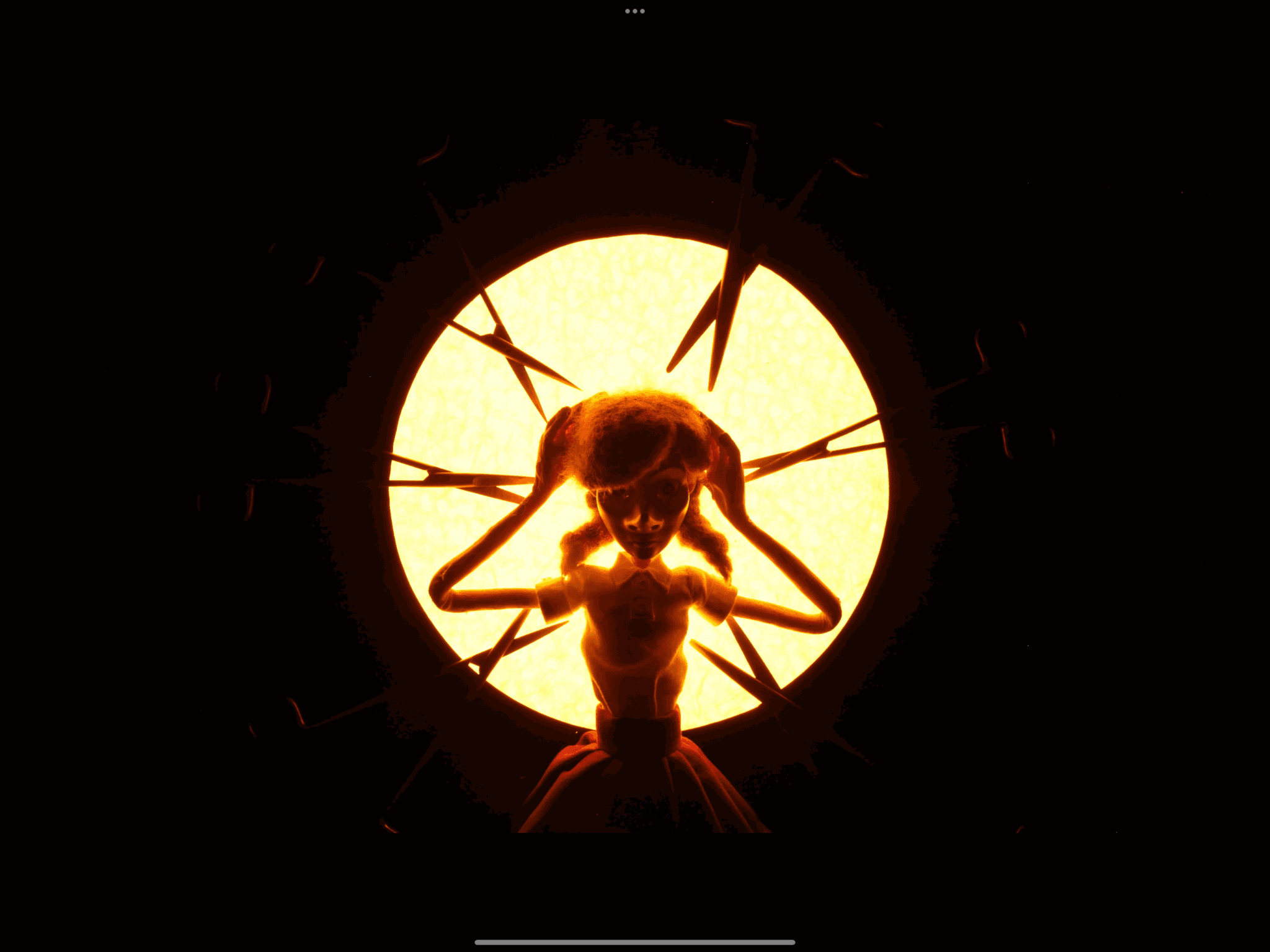
And that belief won out. I successfully resurrected the project—Peppermint Sticks—and brought it to completion. It’s now making its way through the festival circuit and doing fairly well. It would have been ideal to finish Peppermint Sticks closer to graduation, but when that didn’t happen, I learned something very valuable: the right response to disaster can mitigate the damage.
Contact Info:
- Website: https://www.maureenlmonaghan.com/
- Linkedin: https://www.linkedin.com/in/maureen-monaghan-17535a143/