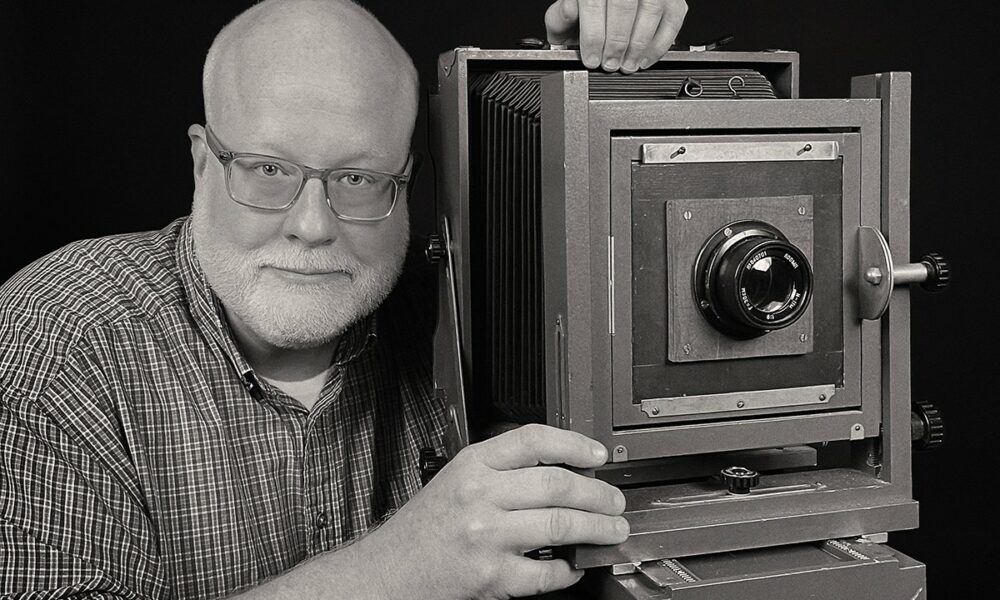

Alright – so today we’ve got the honor of introducing you to Christopher Trice. We think you’ll enjoy our conversation, we’ve shared it below.
Christopher, appreciate you joining us today. When did you first know you wanted to pursue a creative/artistic path professionally?
At the risk of seeming cliché, I was always the kid who liked drawing, making things, and reading (especially sci-fi and fantasy) more than sports or other outdoor activities. I was happiest when I was in my own head, but I also loved when I’d get positive feedback on things I’d made. I considered other career paths along the way – astronaut(!) and the law among them. I grew up in semi-rural Alabama and there simply weren’t many examples of successful creatives around me. That changed in high school when our art teacher, Vana Tucker, took an interest in me. She was the first person I encountered who was both a practicing artist and had a job doing something she enjoyed. I decided I also wanted to teach in the arts. Luckily for me I still wanted to do that, even after I grew up a bit and realized what that truly entailed!
As always, we appreciate you sharing your insights and we’ve got a few more questions for you, but before we get to all of that can you take a minute to introduce yourself and give our readers some of your back background and context?
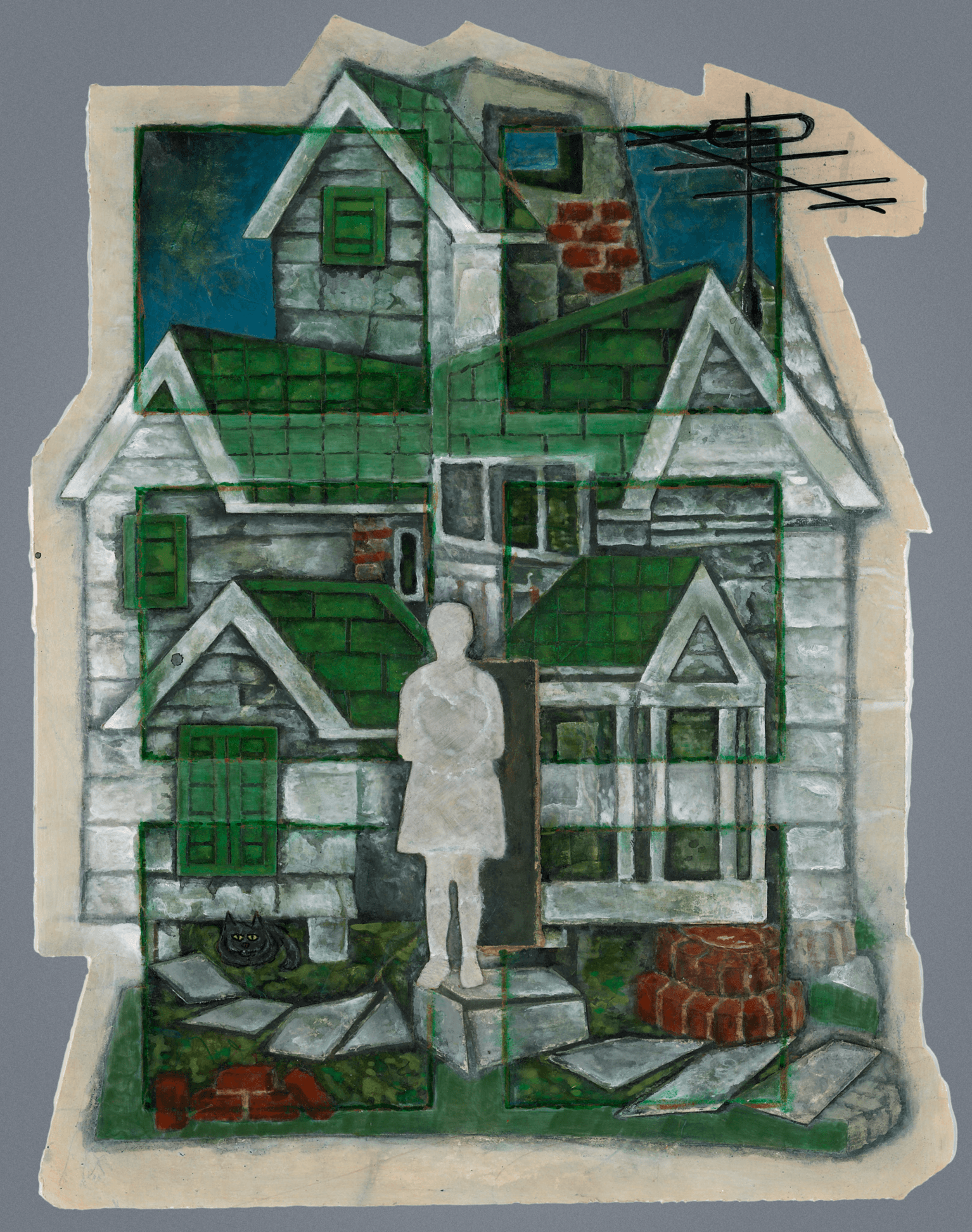
I went to college planning to become a painter – to me, that’s what an “artist” did. I soon learned there were a lot of other options available. I explored sculpture and photography, both of which appealed to my interest in technology and process. I worked with wonderful faculty at the University of Alabama at Birmingham (UAB) who challenged me to see art as tangible manifestation of ideas – an exercise in visual problem solving. I owe so much to UAB! After grad school at the University of Illinois at Chicago (which challenged me in very different ways) I taught part time, then full time, at several institutions before accepting a position at Jacksonville’s University of North Florida in 2010. Teaching remains an integral part of who I am as an artist and human being – working with my students is one of the most rewarding things I’m privileged to do.
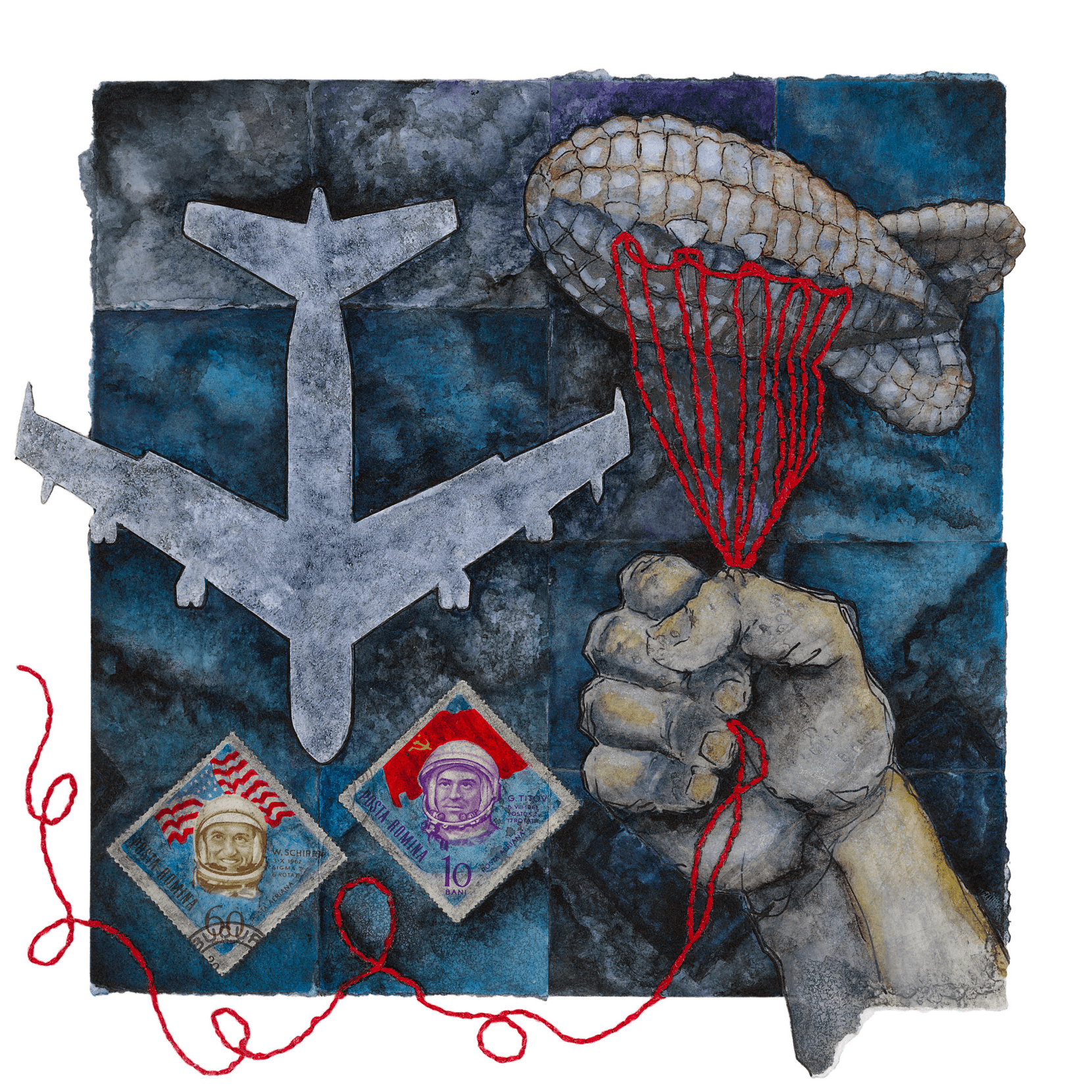
Something that sets me apart as an artist is that my teaching position generates the greatest part of my income. I’ve been fortunate to have the freedom to explore the ideas, processes, and approaches that spoke to me, rather than worrying about marketability of the work. When the pandemic hit a few years ago, for example, I took an unexpected detour from photography toward mixed media collage – something that might have been harder to do if I was counting on income from my photographic work. This independence allowed me to make some wonderful discoveries along the way.
Recently, though, I find myself more interested in the idea of collaborative and client-based projects. I believe my work clearly demonstrates what my beliefs, aesthetic, and “vibe” are. If my art connects with you, I’d love to see what we could create together.
Can you share your view on NFTs? (Note: this is for education/entertainment purposes only, readers should not construe this as advice)
On a personal level, I just don’t get the appeal of NFTs. They strike me as a way of investing something inherently intangible with artificial financial value. Conspicuous possession of the thing becomes the point, rather than what I value about art: a deeper, personal connection with the work. I don’t mean to be dismissive of the NFT as a creative form, or of those who create/purchase them; it’s just not something I have interest in. NFTs have the same value to me as the virtual “trophy” I just received for my 1900-day streak on Duolingo.
In your view, what can society to do to best support artists, creatives and a thriving creative ecosystem?
Without a doubt: it’s to acknowledge the value of creative work by human beings. If it’s worth looking at, listening to, or reading, it’s worth providing compensation to the creator. AI in its current form is theft; it devours the work of human creatives and allows access to “creative product” without the “inconvenience” of working with the creator. Plus it’s a looming environmental disaster. If we don’t actively support human creativity, it will wither and die.
Contact Info:
- Website: https://www.cwtrice.com
- Instagram: @rolleipollei