
We caught up with the brilliant and insightful Adam Mendum a few weeks ago and have shared our conversation below.
Adam, thanks for joining us, excited to have you contributing your stories and insights. We’d love to hear about when you first realized that you wanted to pursue a creative path professionally.
It’s funny. I would have been about 6 years old, but I started writing songs and performing them at 26. I’m 27 now.
I’d be home from school, in bed ready to sleep; but singing about my day in grainy detail to no-one but myself, although it turns out that my Dad heard me many times. The desire was there from the beginning but I would routinely be distracted by those other important things that greater proximity to adult life seems to let in.
I decided for some reason that money was more important to me than self expression in my mid teens, as though I needed to have some kind of nest egg *before* I would be allowed to pursue what my heart really wanted, which was music.
At the tail end of a highly practical university degree in data science intended to meet this end, I found myself on a plane to New Zealand for a brief holiday and encountered substantial turbulence. “If this plane goes down right now, this would have all been a waste. I would never have gotten to utilise any of the money I was trying to set myself up to earn, and I would never have written or shared the music that I had inside me, buried beneath all of the rules and theorems I was losing so much sleep over”, I thought. And so it was time.
I really have felt since then that I have no choice. Within reason, I must do what I deeply want to do, because the time that comes after doing what you feel you ‘should’ do, is not guaranteed.
As always, we appreciate you sharing your insights and we’ve got a few more questions for you, but before we get to all of that can you take a minute to introduce yourself and give our readers some of your back background and context?
My name is Adam Mendum and I’m from Australia. I write intimate and emotional folk songs. They resemble much of Hozier’s Cherry Wine, and Gregory Alan Isakov’s more ‘finger-picky’ ballads, although I’ll admit I love to write more technical guitar parts, and now that I think of it this is probably because of my teenage fixation on metal/emo music.
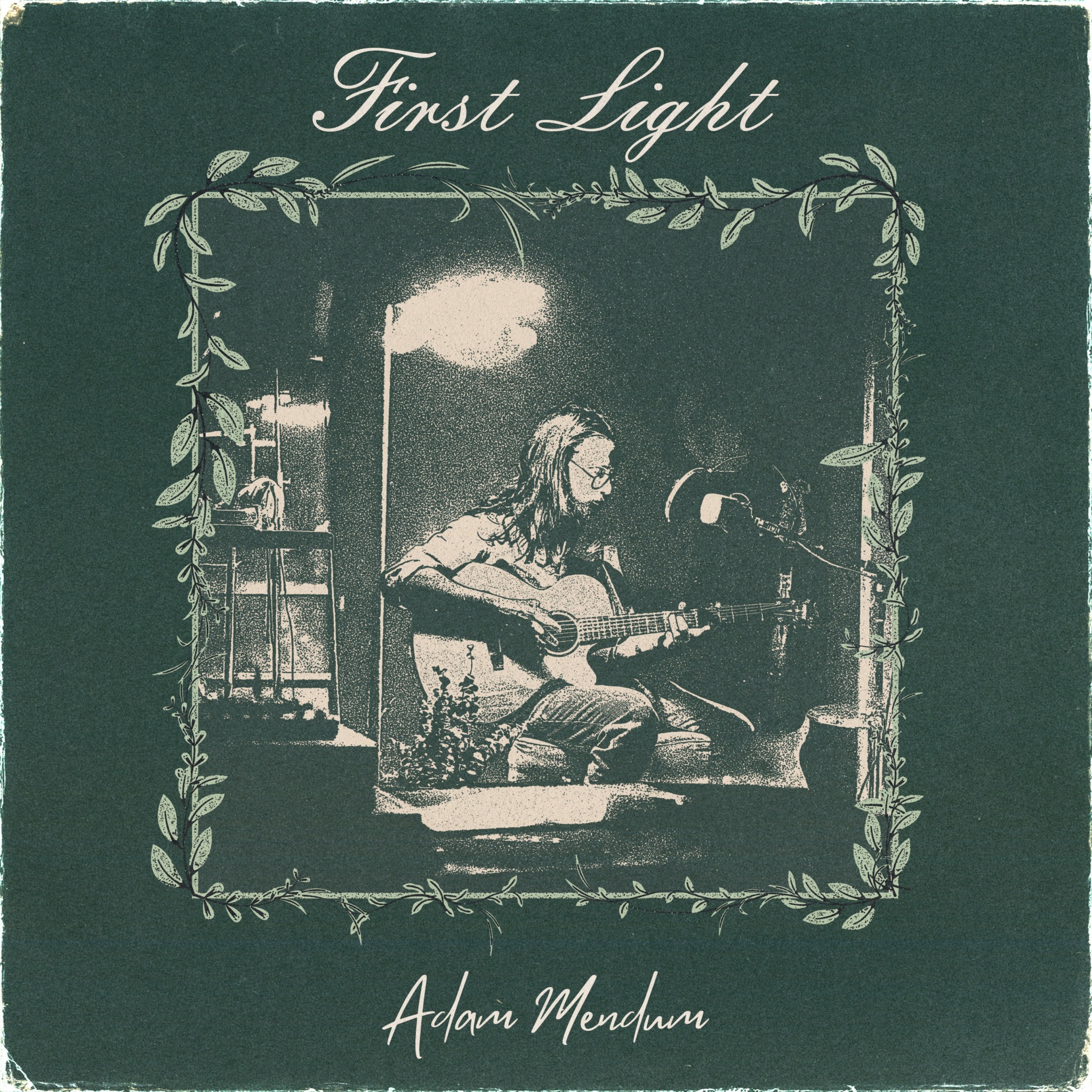
I’ve just recently released my first ever thing so to speak; an album called First Light. I’m proud to say that all of the songs on the album were live-recorded performances of my songs. I felt that in trying to play guitar, and then sing over it: that I lost much of the emotion and pace in my songs. I like my performances to fluctuate and breathe with the development of the story/melody but separating my hands from my voice seemed to result in things sounding ‘too clean’.
The songs are very much encapsulations of where my emotions sat at the time of recording, and this is what I intended. They are largely the songs that I wish I’d written whilst busy chasing the “dream”, and it’s extremely important to me to be able to preserve that kind of authenticity.
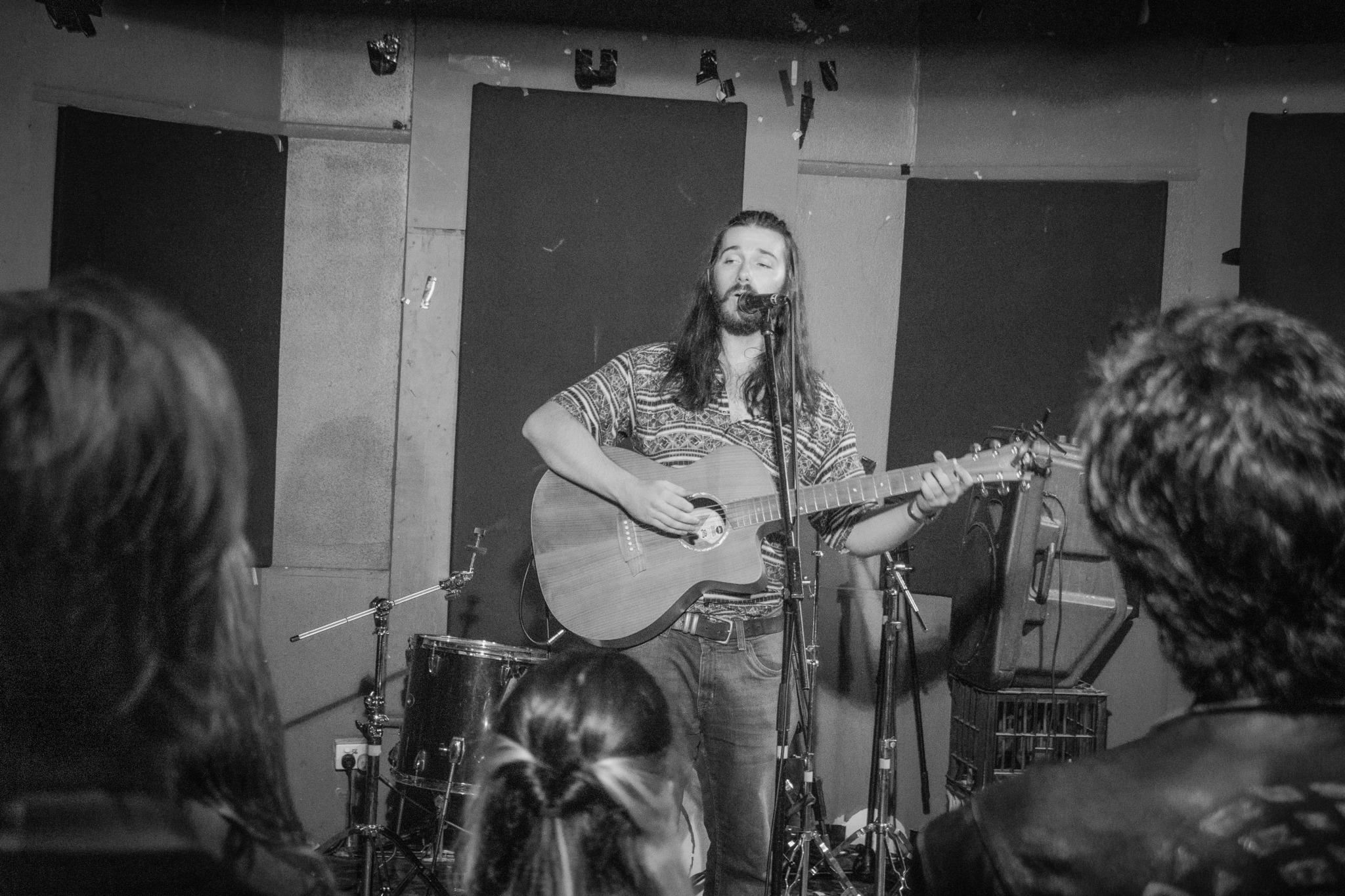
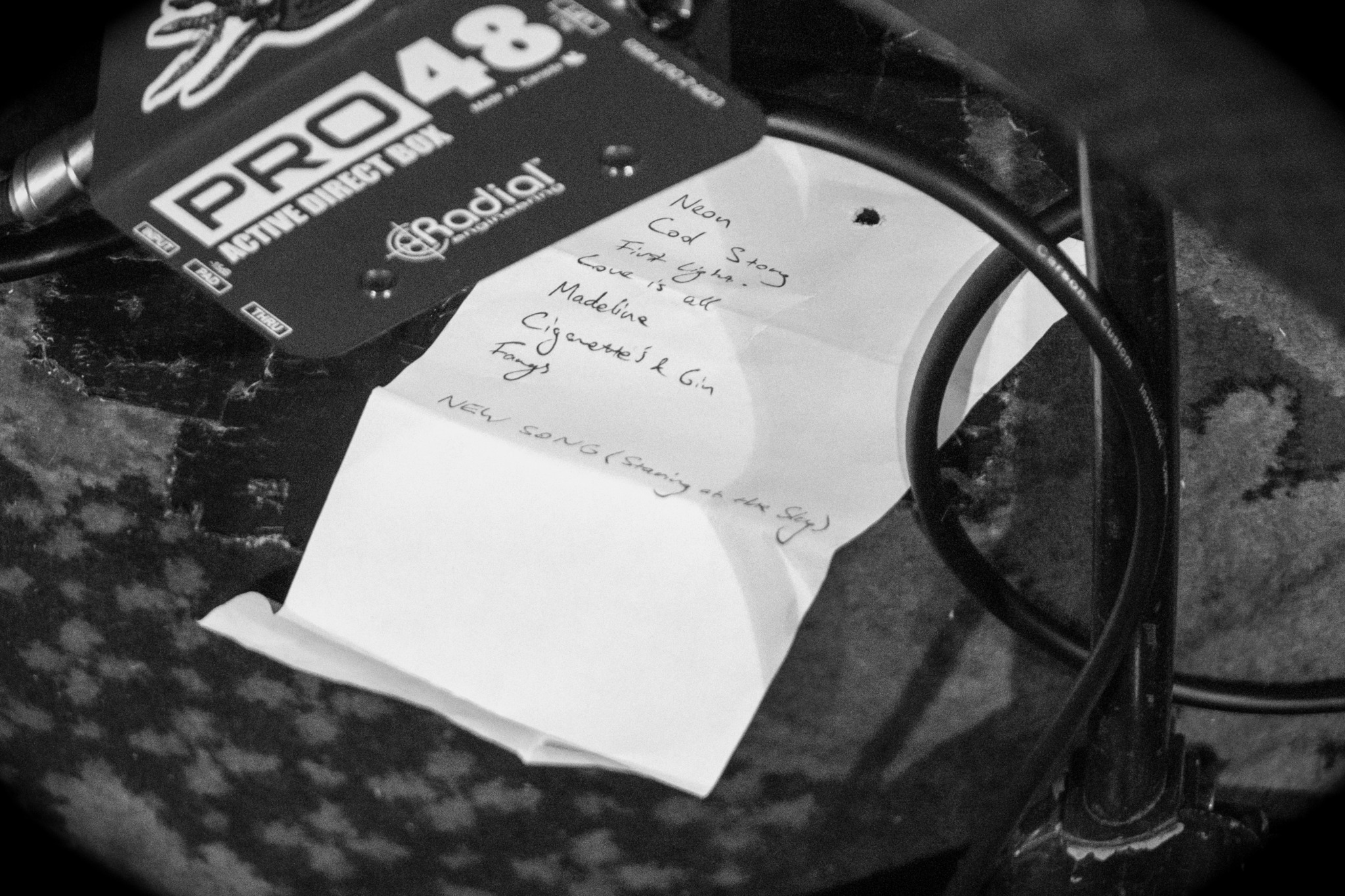
How did I get into the industry? I’m still trying to get further and further into it day by day. But I’ve released this album and played my launch gig at The Tote thanks to what I’ve learnt from those around me through Melbourne’s open mic scene. Since my first open mic performance in 2024, I’ve met many generous and lovely people who were always happy to help me better understand how releasing and gigging all works.

What do you find most rewarding about being a creative?
I would say that the most rewarding aspect of being an artist is to be able to connect with people at a human-to-human level, through my music. Much of what we do as a species is extremely destructive and self serving at the expense of our surroundings, and I feel that the way we share art and emotion with one another is a redeeming and rewarding quality.
Is there something you think non-creatives will struggle to understand about your journey as a creative?
Good question. What comes to mind is legitimacy. Many people see someone’s usage of time as legitimate if and only if it is through an occupation. And sometimes further still if through an occupation that is perceived to provide some utility to the world.
But I believe such thinking can legitimise occupations that actually reduce societal benefit.
Contact Info:
- Instagram: https://www.instagram.com/
- Other: Spotify: https://open.spotify.com/artist/2of6KsQE02kqMaQDWVuzgL