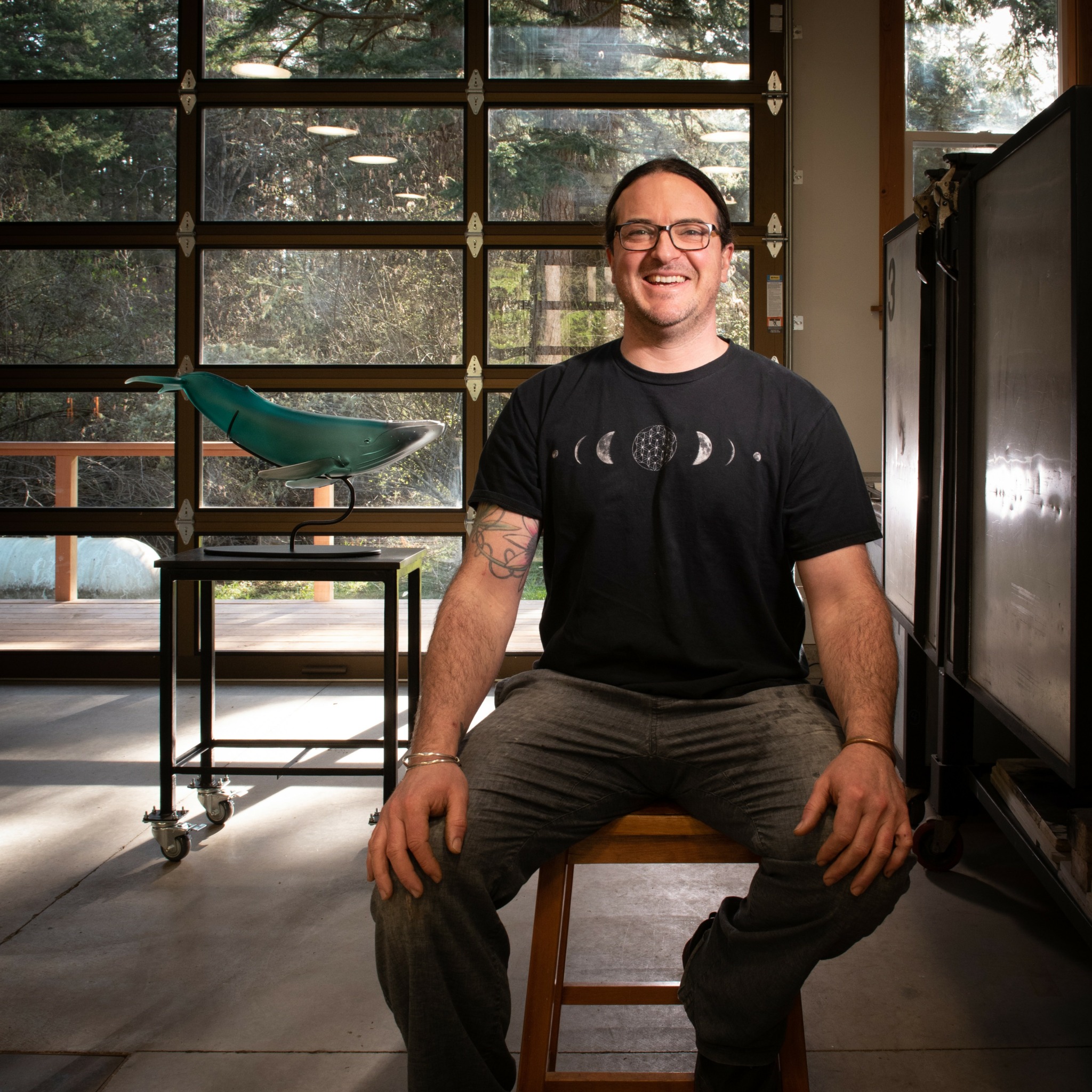

We were lucky to catch up with Raven Skyriver recently and have shared our conversation below.
Hi Raven, thanks for joining us today. Can you talk to us about how you learned to do what you do?
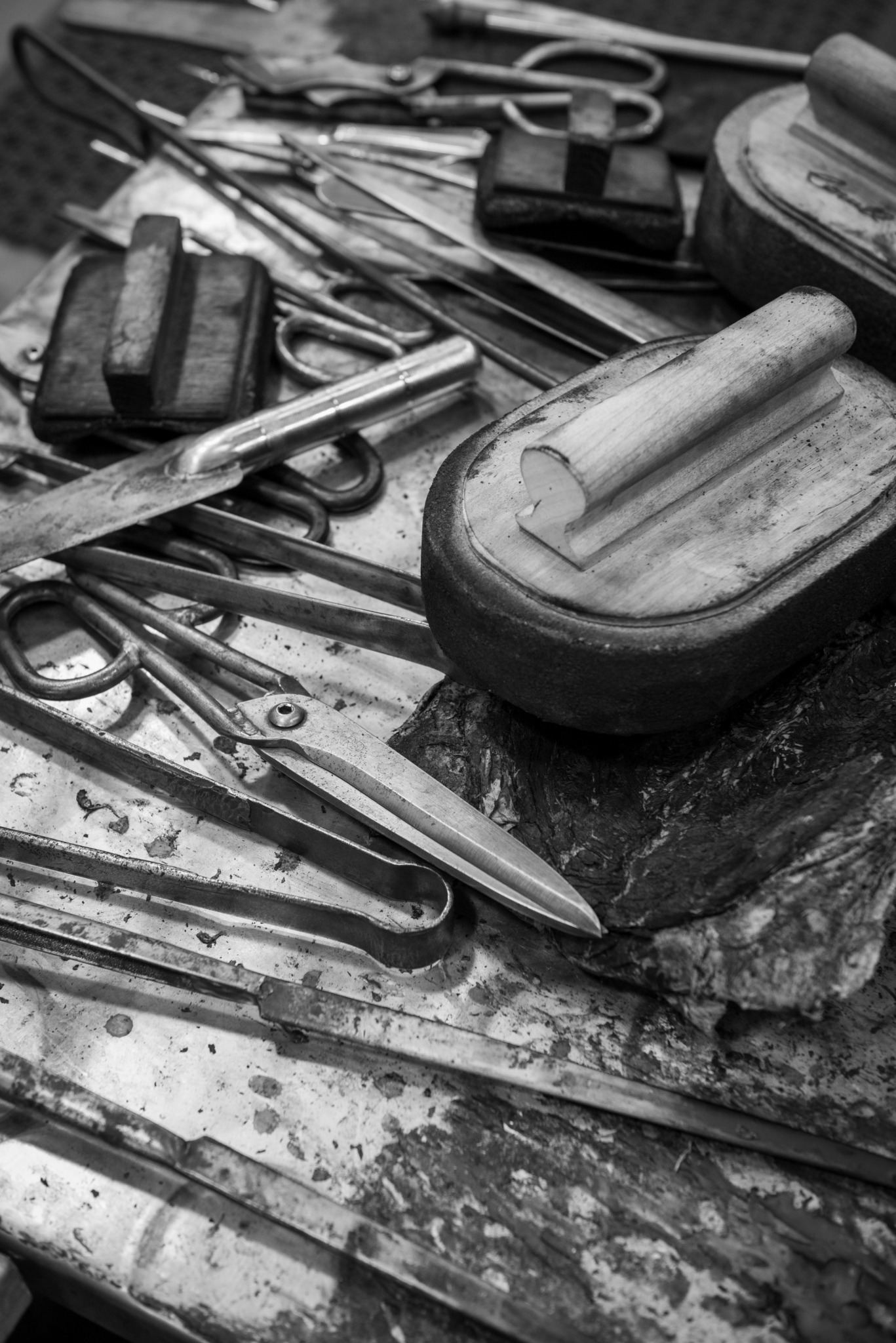
I learned how to work with glass through the traditional method of apprenticing with artists who had a deep knowledge of the material, and of their craft. I am not sure there would be a lot I could have done to speed up the process of learning. To become a skilled maker of any craft or art form it takes thousands of hours of practice. Once you have a mastery of the medium, then you have the artistic vocabulary to express yourself. I would equate it to learning to master and instrument. There aren’t a lot of ways to cut corners. The most important skills, are a good work ethic, and good attitude and dogged determination to keep learning and pushing yourself. Some people have an innate ability that makes the learning easier, but it still boils down to dedication and practice. There are always obstacles, monetary, and time limitations are what most people run into it seems. I was lucky that I found glass young, so I didn’t have a lot of financial obligations. Not being tide down allowed me to work for free for some really talented artists for a few years, and though I wasn’t making much money, I treated it like my college education. In the end so much was learned about my artistic passion, and I walked away without any debt.
Raven, before we move on to more of these sorts of questions, can you take some time to bring our readers up to speed on you and what you do?
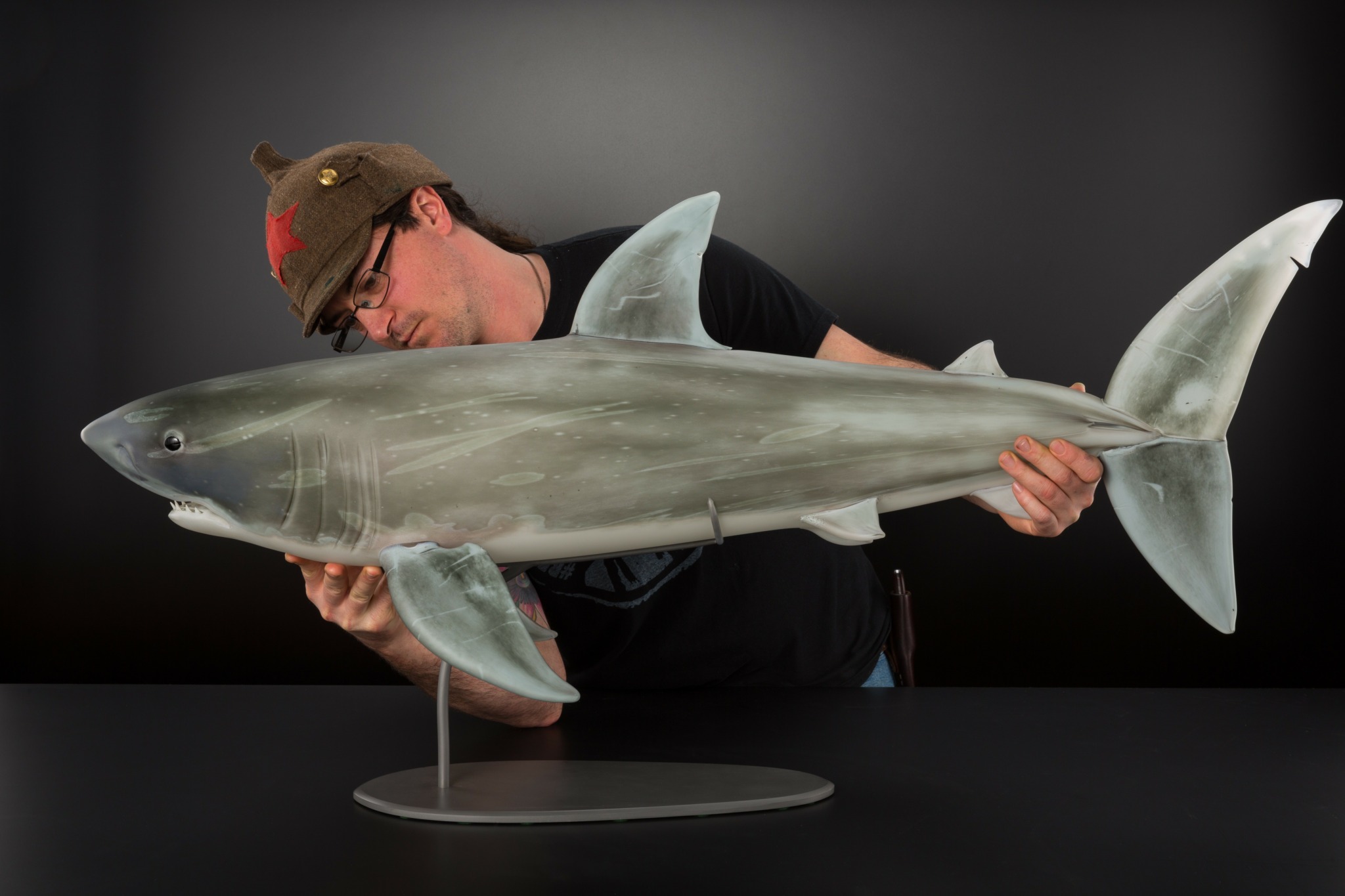
I started working with glass at the age of 16, and soon realized that it was my passion. Something I wanted to pursue, and learn more about. Like any passion it presents an endless well of potential knowledge and the challenge becomes how do you keep pushing yourself to grow as an artist.
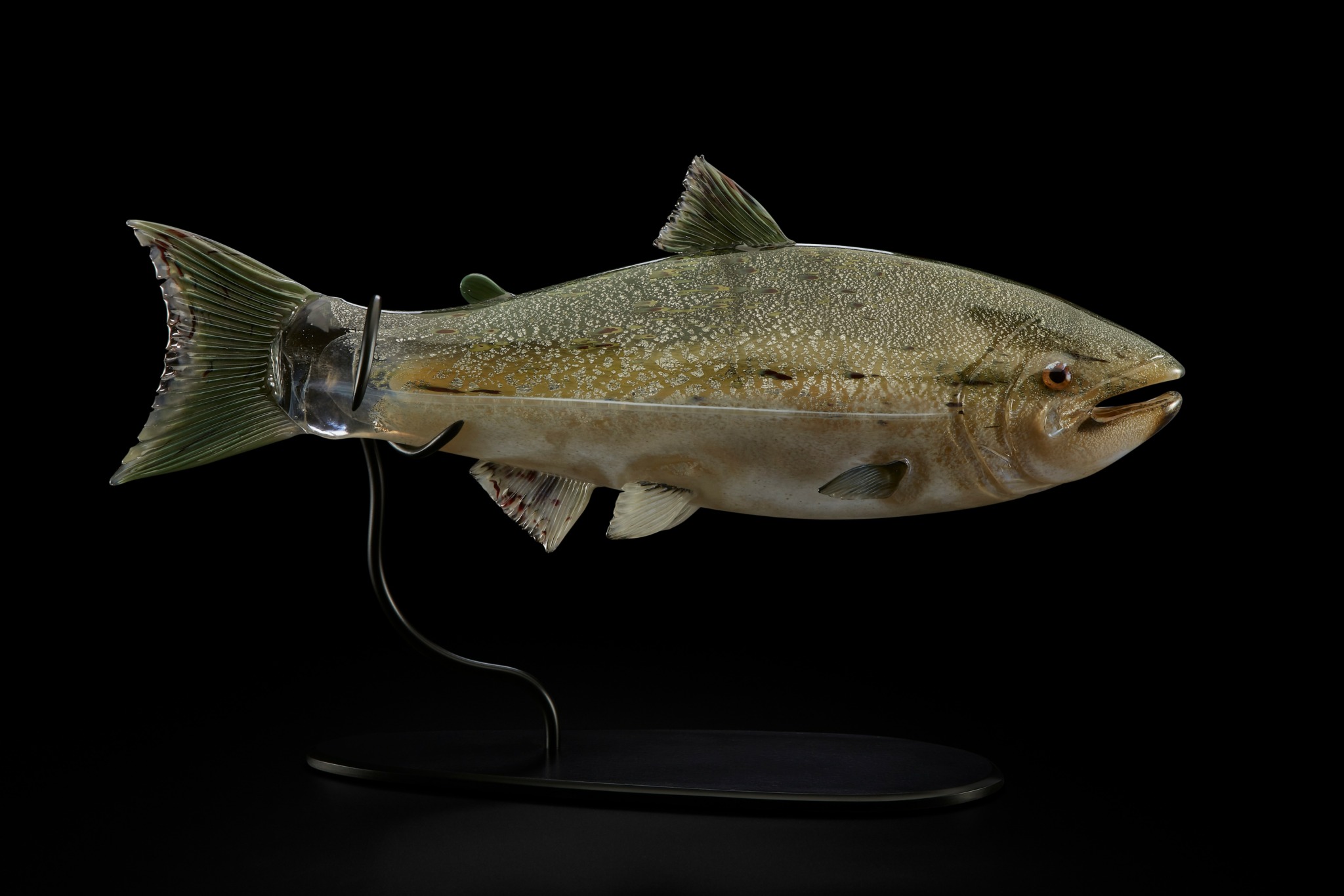
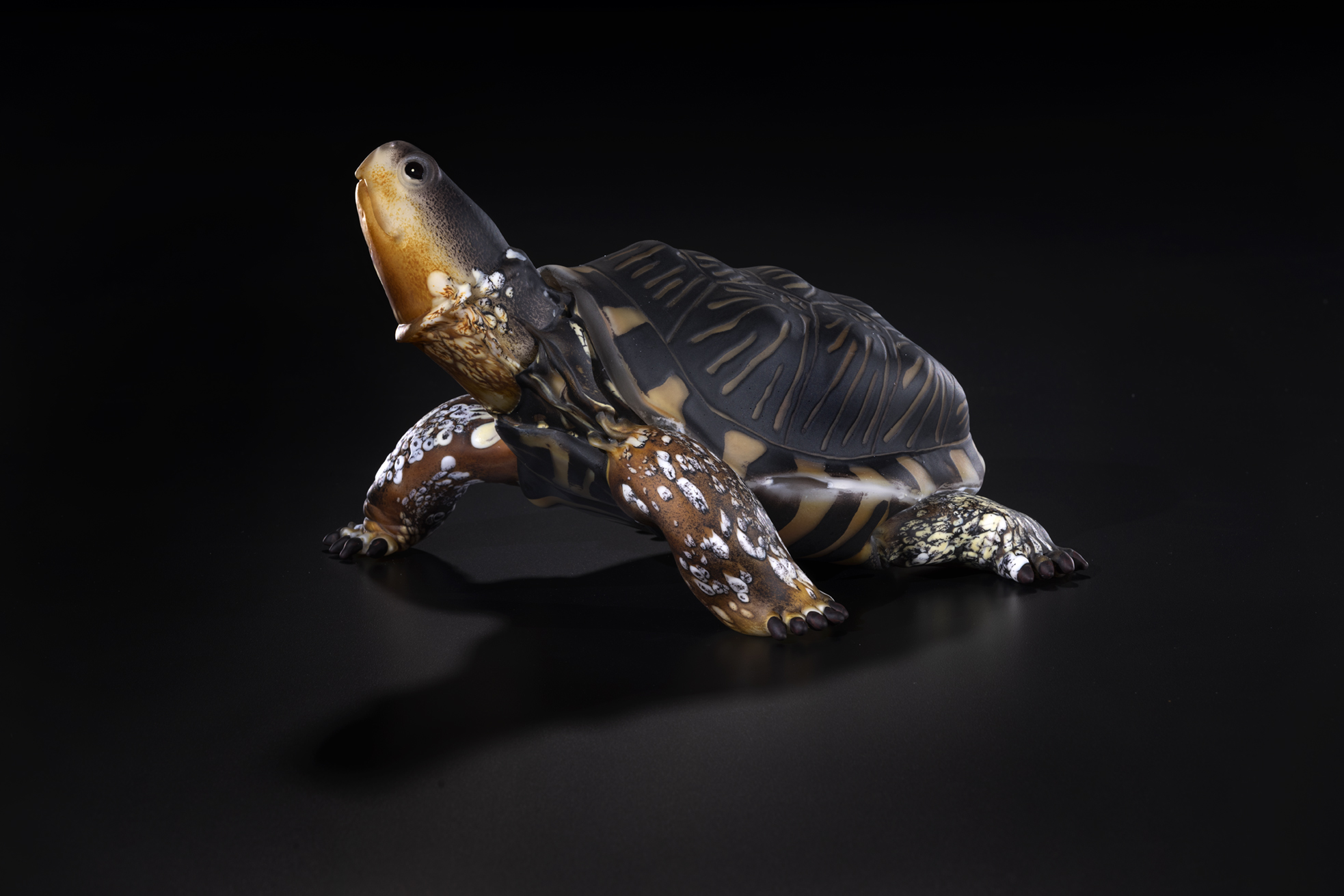
My work is inspired by the incredible biodiversity that surrounds us, and informed by my Native Tlingit heritage. I explore themes of conservation, subsistence/food sovereignty, and the delicate balance of the things we rely on through the representation of lifeforms big and small. I want my work to inspire the viewer to connect with their own experiences in natural world.
As an artist my Name is my “Brand” I think I am lucky to have a unique name, that is recognizable. What I try to do is create things of beauty and put them out into the world. Most of my work is inspired by the native species found in the Pacific Northwest where I reside, but I often render creatures from other habitats as well. While my work is varied the theme is consistent, and my hope is those paying attention will be able to see the consistency of the makers hand in all of the work I create.
What’s the most rewarding aspect of being a creative in your experience?
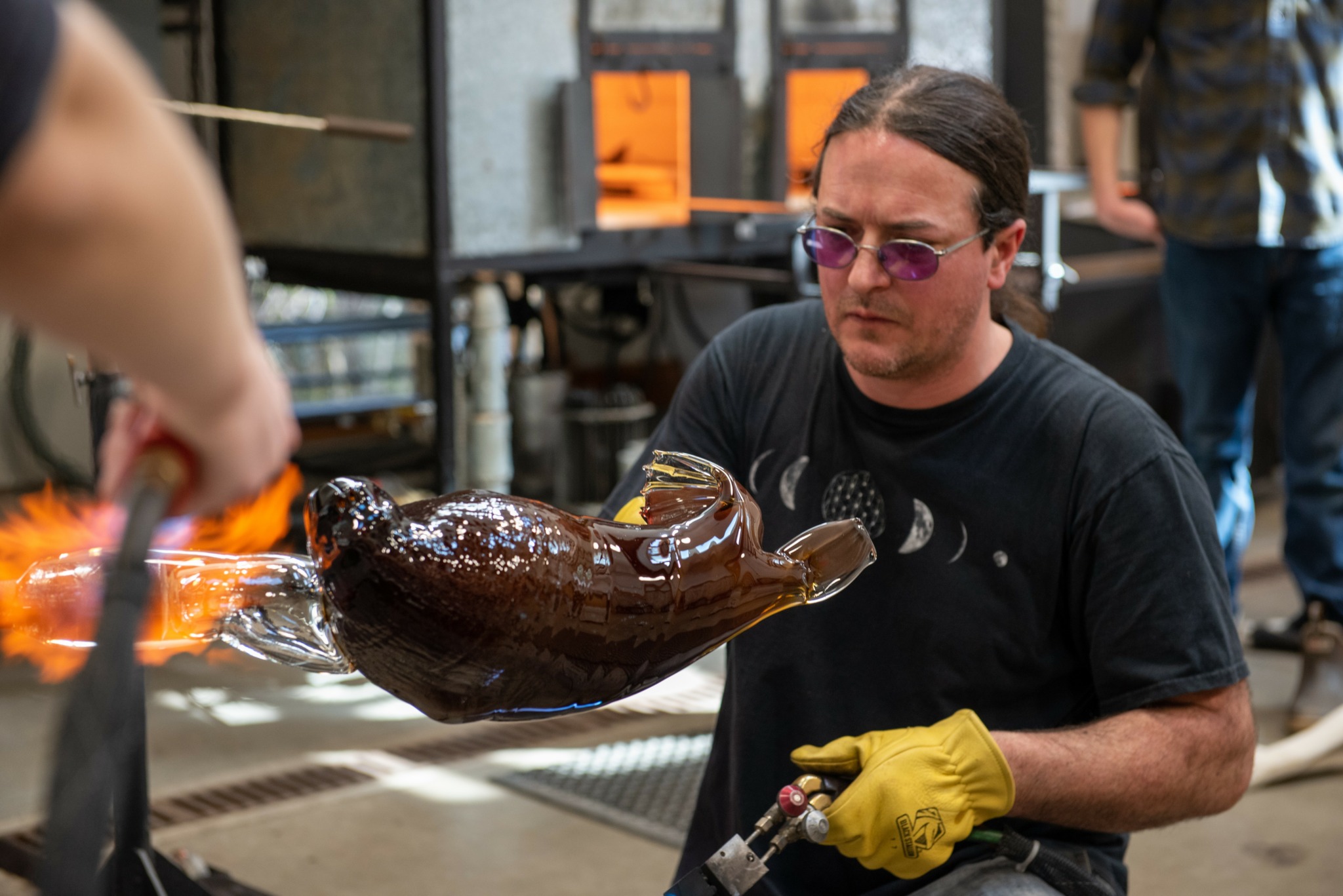
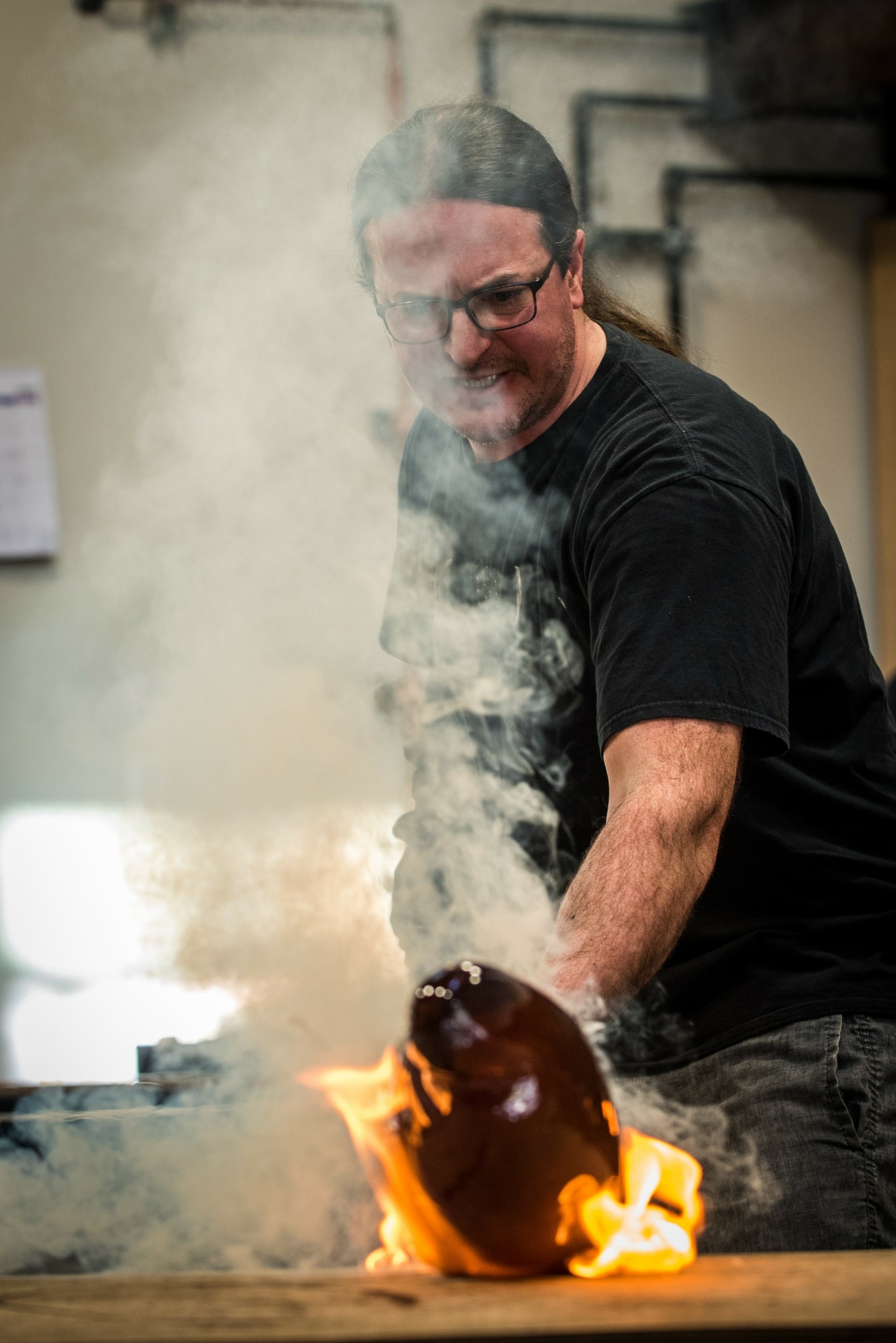
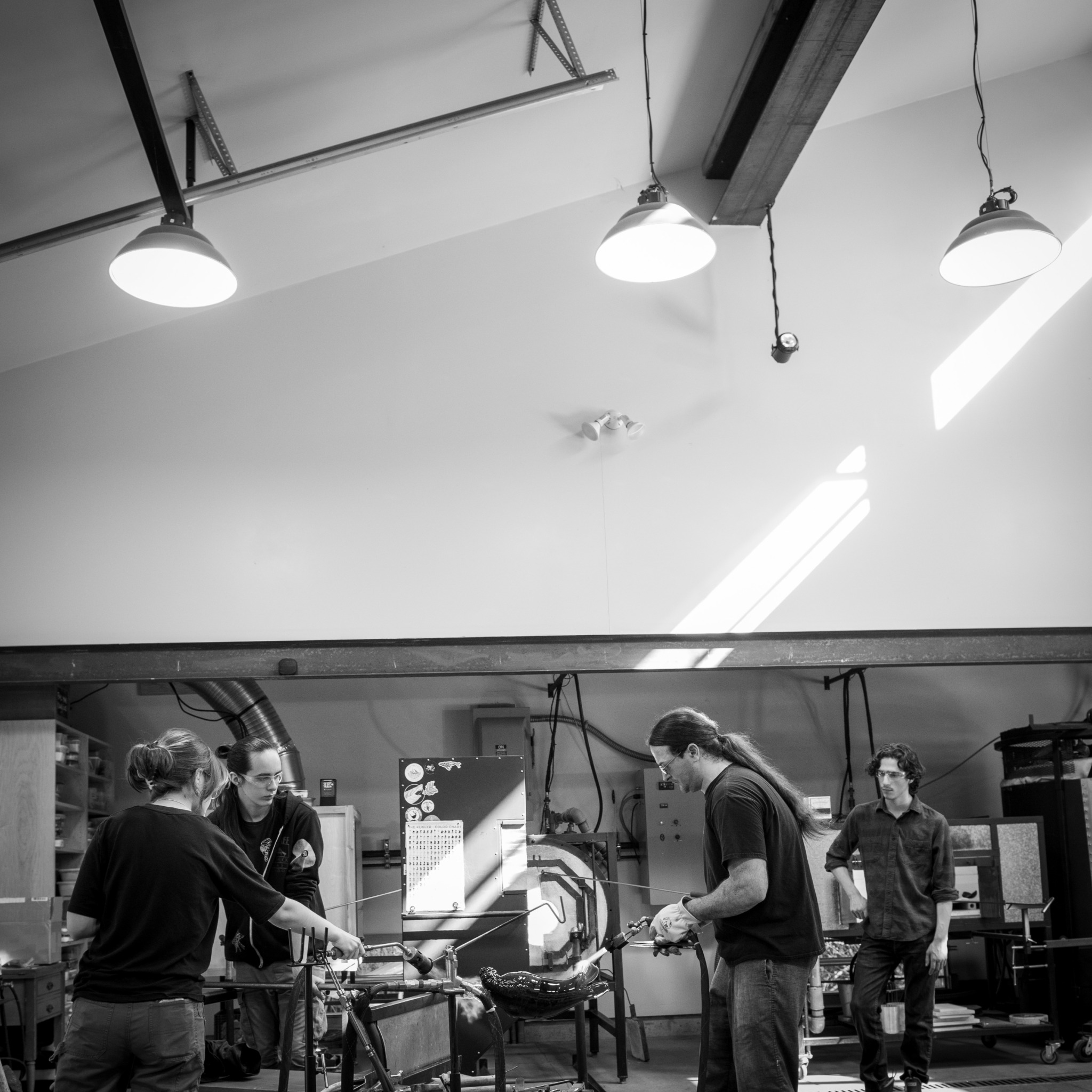
The artistic process itself is probably the most rewarding aspect of my career. Glass is an intense art form in the fact that it is a hot liquid mass of molten material, It demands your undivided attention. That immediacy and the presence it requires, makes it captivating, and the artistic process with very few exceptions requires teamwork, which means that it fosters collaboration and community. The process itself draws people together, and hinges on communication, and togetherness. Again analogous to a band coming together to play a concert. I love that component to the creative process, and how it is a catalyst for the sharing of technique, and knowledge.
How can we best help foster a strong, supportive environment for artists and creatives?
Support of the arts is really the best measure of a free and fair society. Art is always at the forefront of social and environmental conversations, and constantly moves that conversation forward. It is not a byproduct of a healthy society, but an integral component of one.
Anything that can be done to support the arts, artists, and education in general is good for the future. If you are a person of means, and you can collect, please do so. It translates directly to supporting more artwork and the livelihood of working artists.
We need to strengthen and broaden initiatives that support 1% for the arts, so that when any new public buildings or projects are planned art is part of the discussion, and budget.
Support Local artist collectives, and cooperatives, and let’s make sure that art is part of the curriculum in grade school, and that artistic institutions in higher education are supported, and affordable to all artists. I feel like art is often an after thought, but it should really be centered in the conversation, and treated as important because it really is.
Contact Info:
- Website: https://ravenskyriverglass.com
- Instagram: @ravenskyriver
- Facebook: ravenskyriverglass
- Youtube: I don’t have a channel but there are some good videos on youtube.