
We recently connected with Shadan Koohbor and have shared our conversation below.
Shadan, appreciate you joining us today. Can you talk to us about how you learned to do what you do?
Growing up in a Baháʼí family in Iran, I was exposed to music from a very early age. This atmosphere inspired me to start playing the flute. However, because of my religious background, I was banned from accessing higher education in my hometown. I completed my bachelor’s degree through the Baháʼí Institute for Higher Education (BIHE), and later, I was accepted into Berklee’s Master’s program in Scoring for Film, TV, and Video Games.
Before Berklee, I was almost self-taught. I spent countless hours experimenting with ideas in my DAW, exploring things on my own, and knowing deep down that I wanted to pursue film scoring. I learned by watching interviews and masterclasses with masters in the field and trying to recreate what they did. Being self-taught also helped me develop my own musical voice – especially through my approach to harmony – which might be a little unconventional and full of small errors, but it’s authentic to me and really works for the kind of music I want to make.
One of the biggest obstacles along the way was not having access to formal higher education early on. I had to find alternative paths to learn, piecing together resources and learning through trial and error. Not having a mentor at an early stage also made it harder to recognize what wasn’t working and how to improve it, which sometimes slowed down my progress.
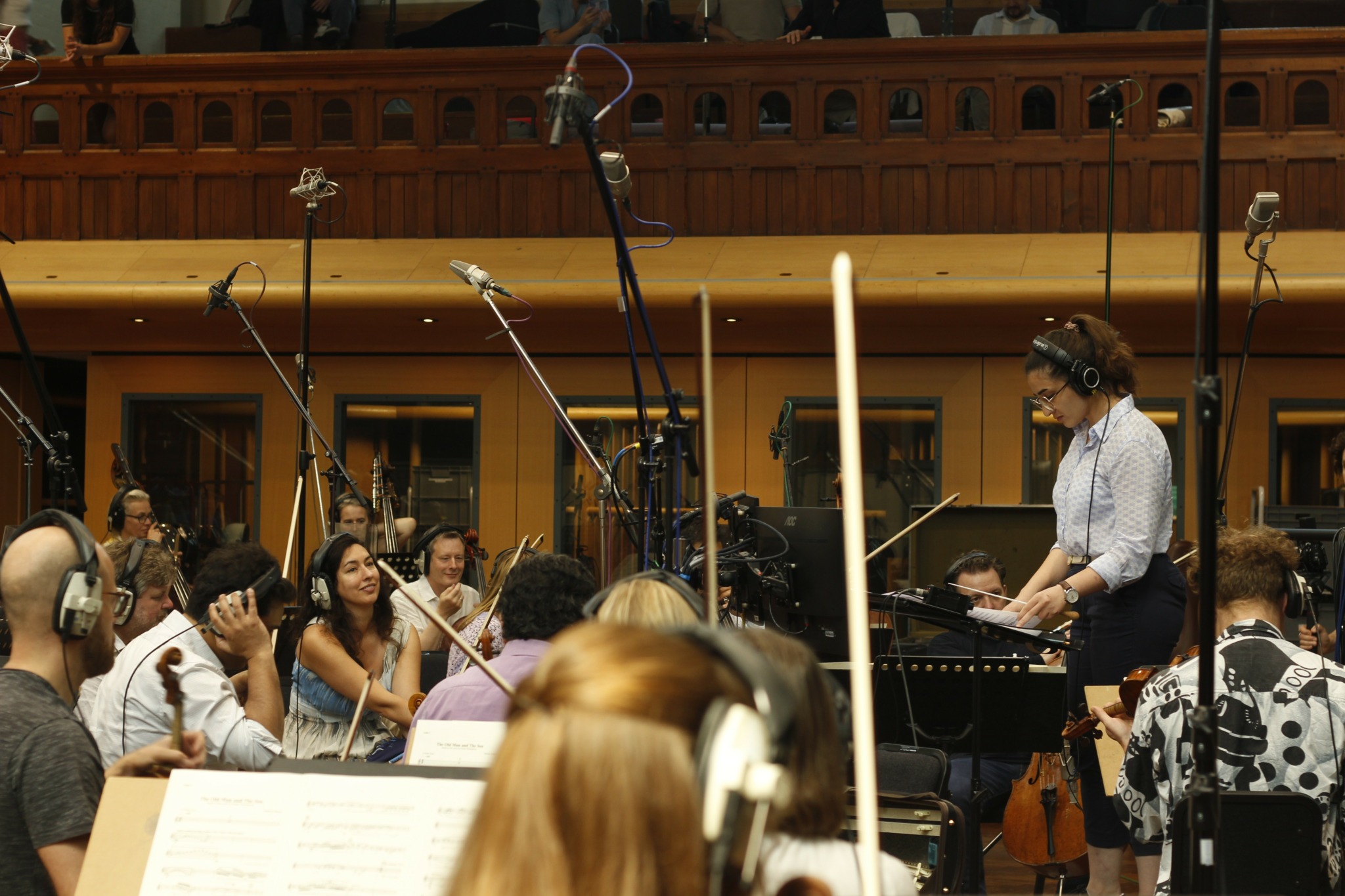
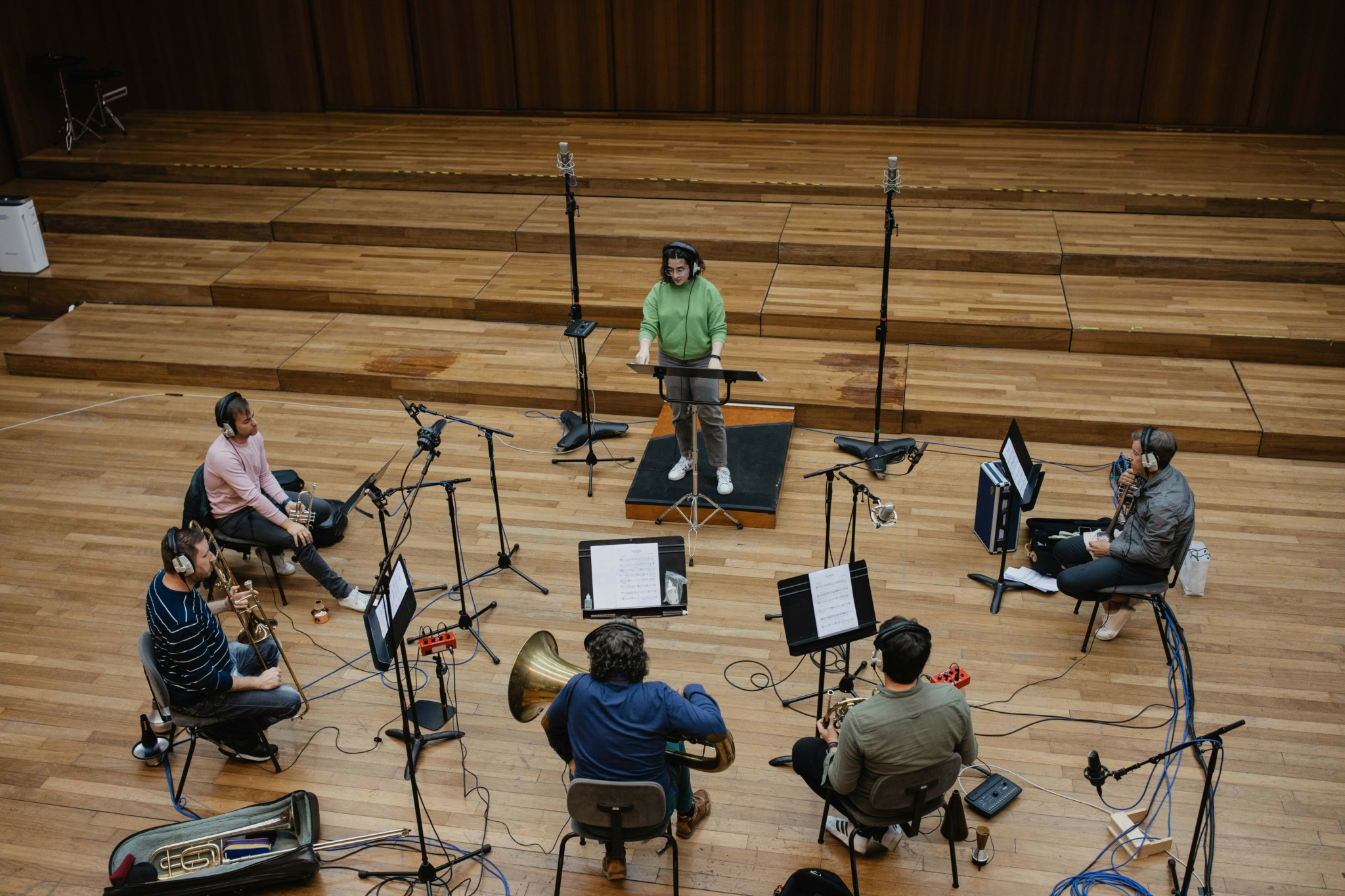
A major turning point for me was attending Berklee. It allowed me to channel all the tools I had gathered over the years in a much more focused way. I had the opportunity to do a lot of live recordings, work with world-class musicians, and really unlock my potential in a professional setting.
As for the most essential skills, on the composition side, being able to understand and write in different styles quickly is crucial – every project has different needs, and versatility is key. On the orchestration side, it’s vital to know the strengths and limitations of each instrument, how to arrange and notate properly, and how to make the music feel idiomatic, musical, playable, and easy to read. Writing interactive music and working with Wwise have also become essential parts of my skill set, especially for scoring video games. Thinking dynamically – not just writing a fixed track, but designing music that can adapt and respond to gameplay – has completely expanded how I approach storytelling through sound.
Great, appreciate you sharing that with us. Before we ask you to share more of your insights, can you take a moment to introduce yourself and how you got to where you are today to our readers.
I’m originally from Iran and come from a classical music background. I started by studying Western classical repertoire, which gave me a strong foundation, and over time I found myself drawn to media music – especially the way it can support and deepen storytelling.
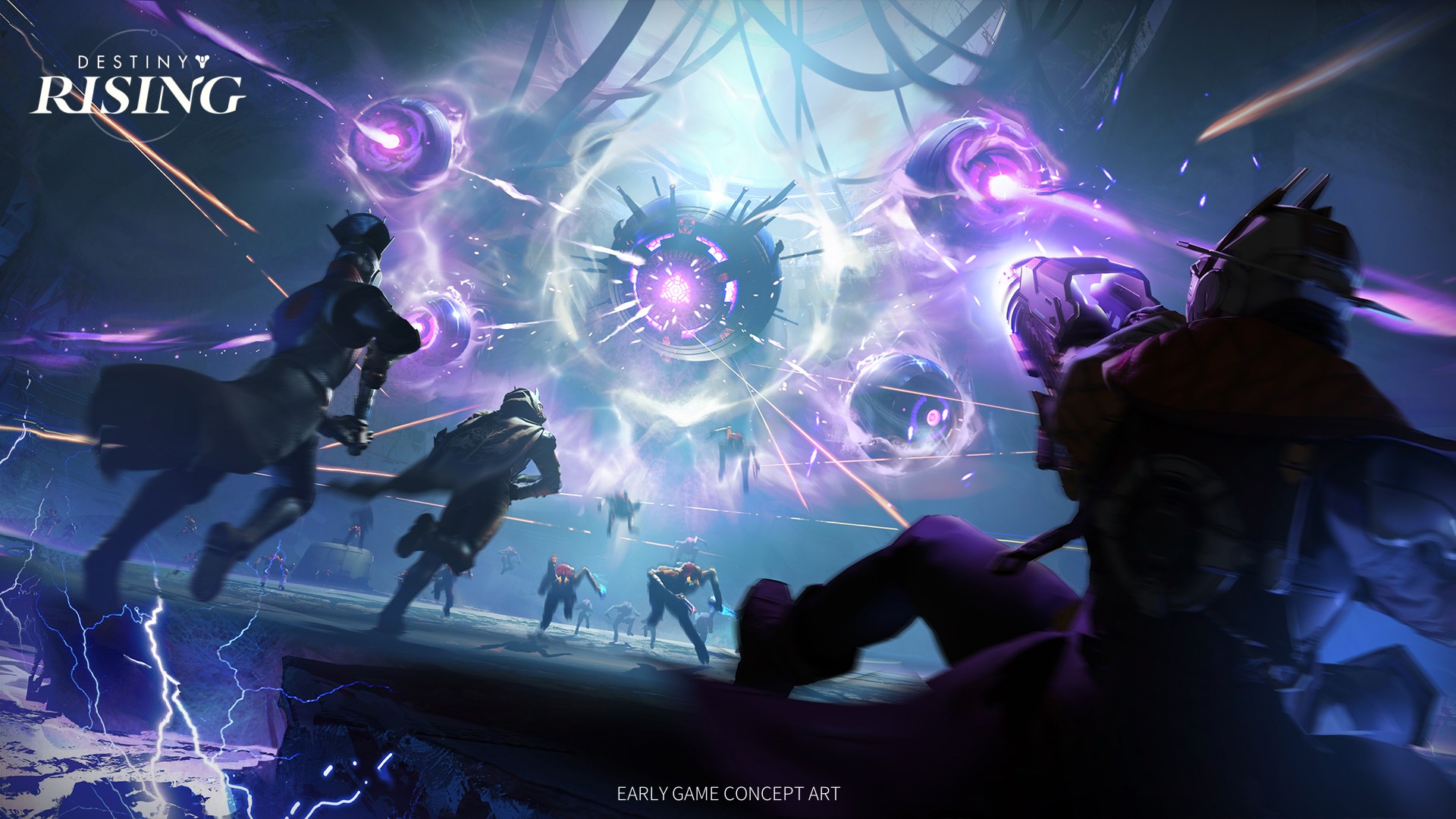
These days, I write music for video games and films, often blending classical influences with a focus on textures and melody. I also work as an orchestrator for other media composers. Some of my recent work includes writing additional music and orchestrations for Destiny: Rising, and contributing orchestration for an unannounced Bethesda title. I also scored a short film called Juanita, which premiered at Berlinale earlier this year – something I’m quietly proud of.
I think what gives my work a bit of a unique voice is the way I approach harmony – it might not always follow the typical conventions of media scoring, but it comes from an honest place and often leads to interesting results.
When I work on a project, I really try to connect with the story and characters on a personal level. That connection helps me stay away from clichés and instead write something more meaningful and memorable – something that feels right for that world. I hope that approach is something collaborators can feel in the work.

Let’s talk about resilience next – do you have a story you can share with us?
One of the most defining challenges in my life has been being denied access to higher education in Iran because of my Baha’i faith. At the time, it felt like a door was being firmly closed on something I had always assumed was a basic right. But instead of stopping there, I continued my studies through the Baha’i Institute for Higher Education (BIHE), which operates unofficially to support students like me. It wasn’t easy — resources were limited, classes were held in people’s homes or online, and there was always uncertainty about how far it could really take us. But it taught me to keep going, even when the system wasn’t on my side.
At the same time, I was also teaching myself music. Without access to formal training, I learned by watching interviews, studying scores, redoing scenes from films, and exploring my ideas on a DAW. There were many times I questioned whether I was moving in the right direction or just circling around aimlessly. But I kept at it — quietly, consistently — until eventually, that path led me to Berklee’s master’s program in scoring for film, TV, and video games.
That period taught me what resilience really looks like: not always loud or visible, but made of small, steady choices — showing up, adapting, and believing there’s a way forward, even when you can’t see it yet.
What do you find most rewarding about being a creative?
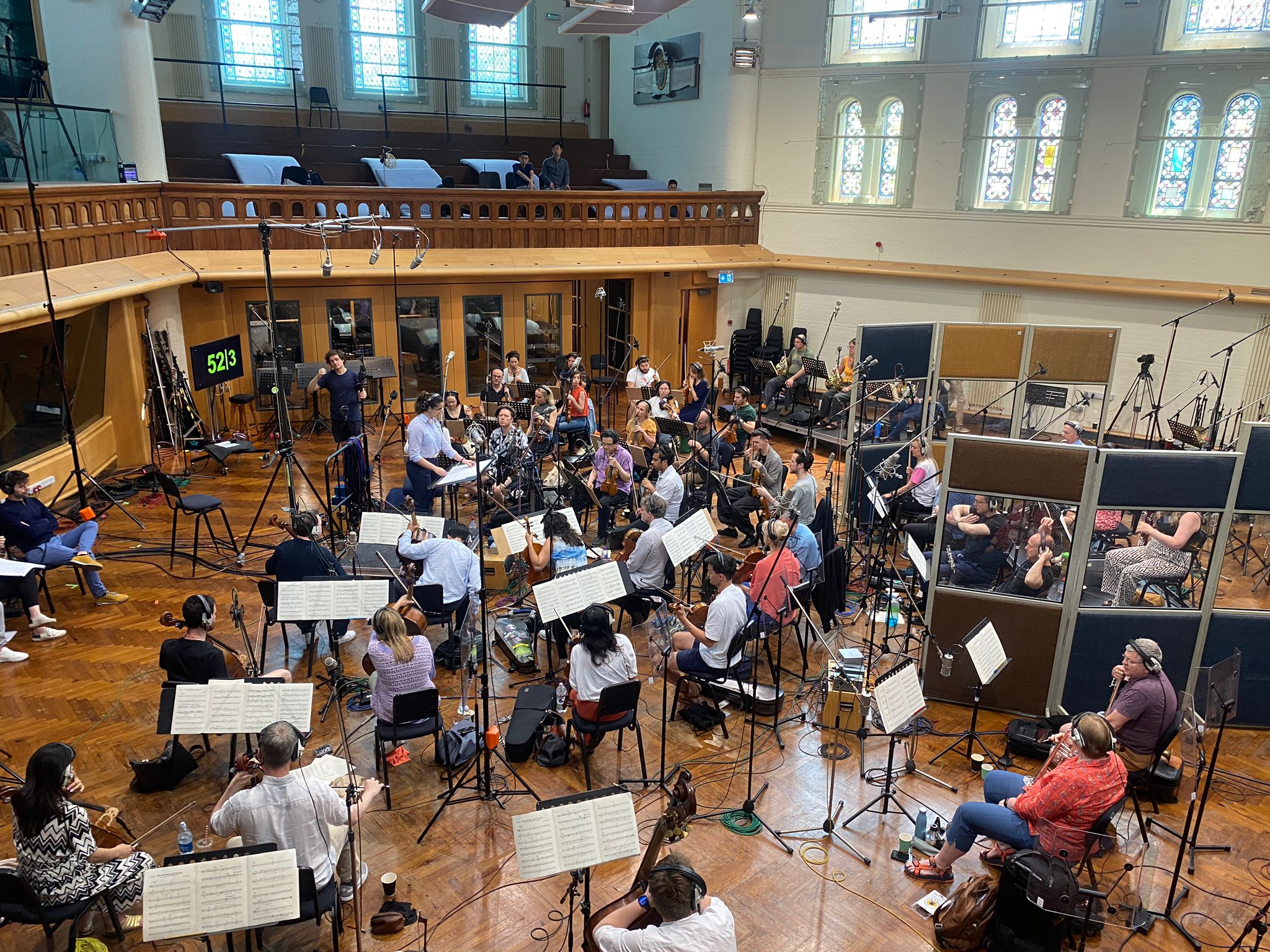
For me, the most rewarding part of being a creative is that first moment when I hear my music played back in the studio. There’s something incredibly grounding and affirming about it. It’s like everything clicks, and I think, “Aha – this is exactly where I want to be.” That feeling, even if fleeting, reminds me why I chose this path and keeps me going through the long hours and uncertainties.
Contact Info:
- Website: https://shadanmusic.com
- Instagram: Shadan.koohbor
- Facebook: https://www.facebook.com/shadan.koohbor.97/
- Linkedin: https://www.linkedin.com/in/shadan-koohbor