

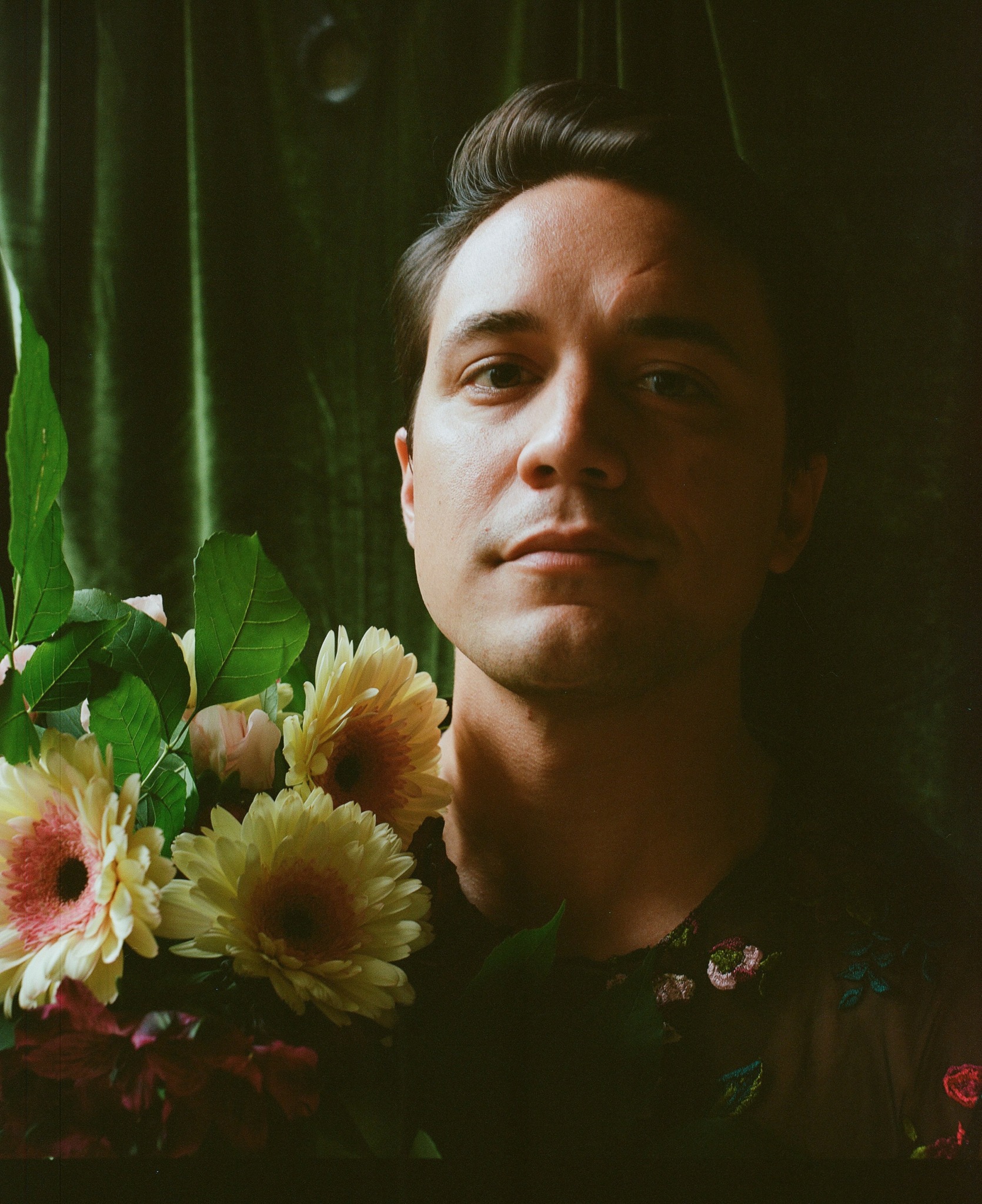

We recently connected with Jordan Dell Harris and have shared our conversation below.
Hi Jordan Dell, thanks for joining us today. Did you always know you wanted to pursue a creative or artistic career? When did you first know?
Today, I sit here with the honor and privilege of being fifteen years into a creative career that I wouldn’t trade for anything. I have worked professionally as an actor, visual artist, singer, designer, custom framer, art director, scenic painter, teaching artist, and more. But growing up, I had no idea that any of that was within the realm of possibility for my life.
I’m from Forsyth, Georgia – a rural town in the center of the state with a population of around 5,000. I was very lucky to have my creative talents noticed and nurtured from a young age, and my parents helped me to get involved with the community theatre and the local arts alliance. These places were full of creative people from my hometown, but their artistic endeavors were considered hobbies – volunteer work for creative expression outside of their everyday work as nurses or lawyers or plumbers. And while I had so many supportive adults in my life and creative spaces in which to explore my talents, I didn’t have any examples of how I might build a life and support myself with my art. I still had no way to make the connection that art wouldn’t have to be secondary to a “real job.”
I spent my college years at The University of Georgia, earning dual degrees in Theatre and Advertising. In terms of finding direction and purpose, I floundered a bit in my first couple of years at college. I had always been a great student, and I been heartily encouraged to choose a “practical” major and go into a “stable” profession and make good, dependable money. But that didn’t feel right, and the only classes I liked were my theatre classes. So I listened to that feeling, finally declared Theatre as my major, and began looking everywhere for signs that I could really pull it off. In my Junior year, I completed an incredibly eye-opening study abroad program for theatre in London. In my time abroad, I would wake up in London everyday, take the train to my internship at a theatre, find my cohort for dinner, and end the day seeing an incredible piece of theatre. And I was HOOKED – on city life, on life in the arts, on being at the center of it all – and I came home to Georgia knowing for sure that I’d have to find some way to act and paint and sustain my life on my creativity forever if I was going to be happy.
And so, back at school, I began to seek out internships, gigs, and any other professional opportunities I could find for my final summer of college. And THIS is really where it all started to change. I got a summer internship with Horizon Theatre in Atlanta, which came with the chance to make my professional acting debut in the ensemble of the regional premiere of the musical AVENUE Q. I began to meet artists, designers, directors, actors, choreographers, etc. who all lived in Georgia! These were not people halfway around the world like in London, but people making a creative living just an hour away from where I grew up. Many of them had other jobs, too – but they all prioritized their creative careers and they took themselves seriously and they put respect on their art. They became my friends and colleagues, but they were also so much more: They were creative careers personified – and bravery and perseverance and nerve. They were the last piece of evidence I needed to convince myself forever that I could do it, too. And ever since then, I’ve been living my own creative career everyday.
Jordan Dell, before we move on to more of these sorts of questions, can you take some time to bring our readers up to speed on you and what you do?
There are a lot of eggs in my basket, but my most prized egg has always been acting. It’s my first love, my bread and butter, and my favorite way to spend a day. All I’ve ever wanted was a life in the American Theatre, and I am so proud to be making one for myself.
Currently, I am based in New York City, where I’ve been for just over a year. So in many ways, I’m doing the hard work of starting over, exploring, and networking. I recently had the opportunity to help develop new work Off-Broadway for Primary Stages’ FRESH INK Festival, where I appeared in the ensemble of the play HUMAN DEVELOPMENT by Sarah Gancher. Other than that, my New York journey is as yet unwritten.
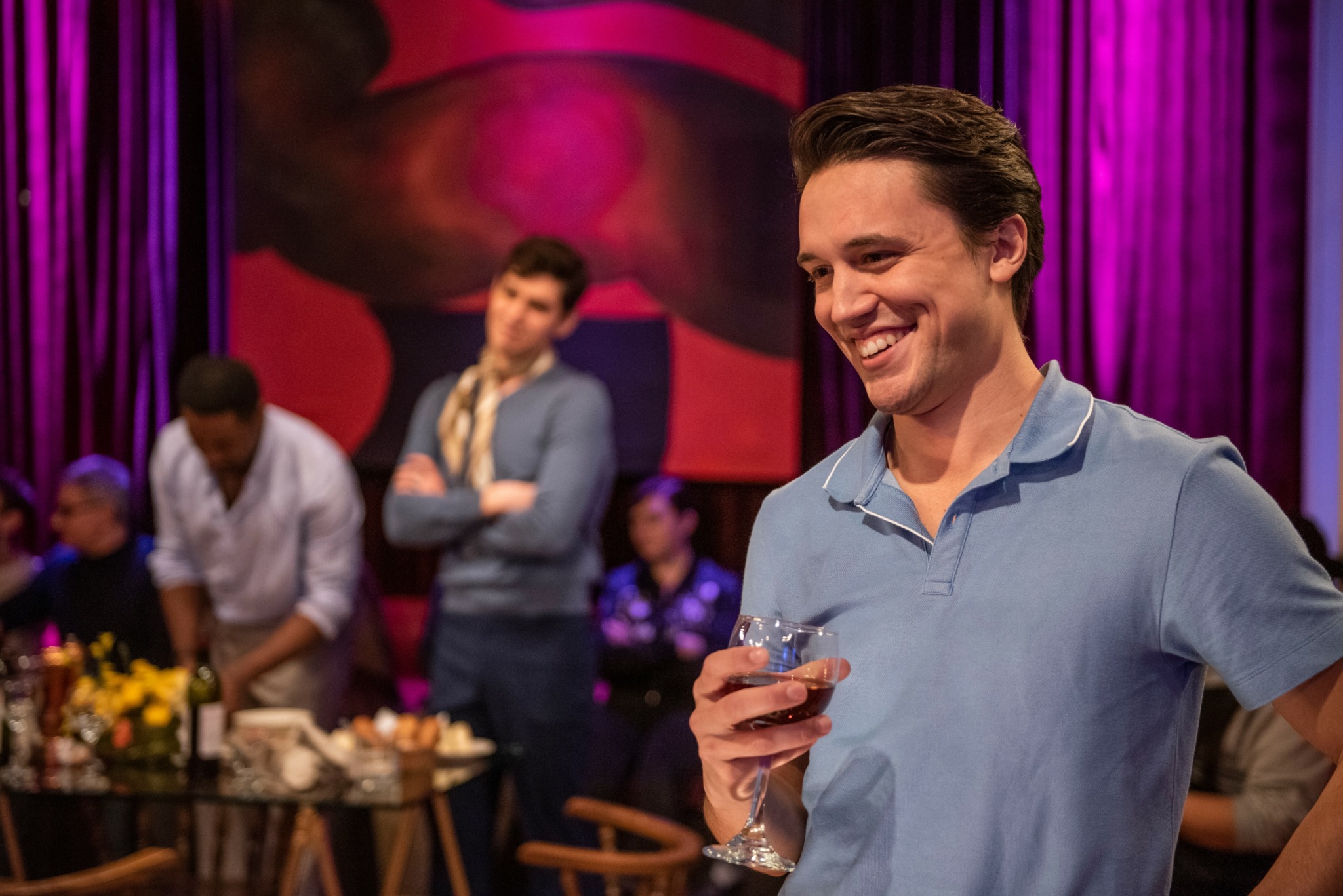
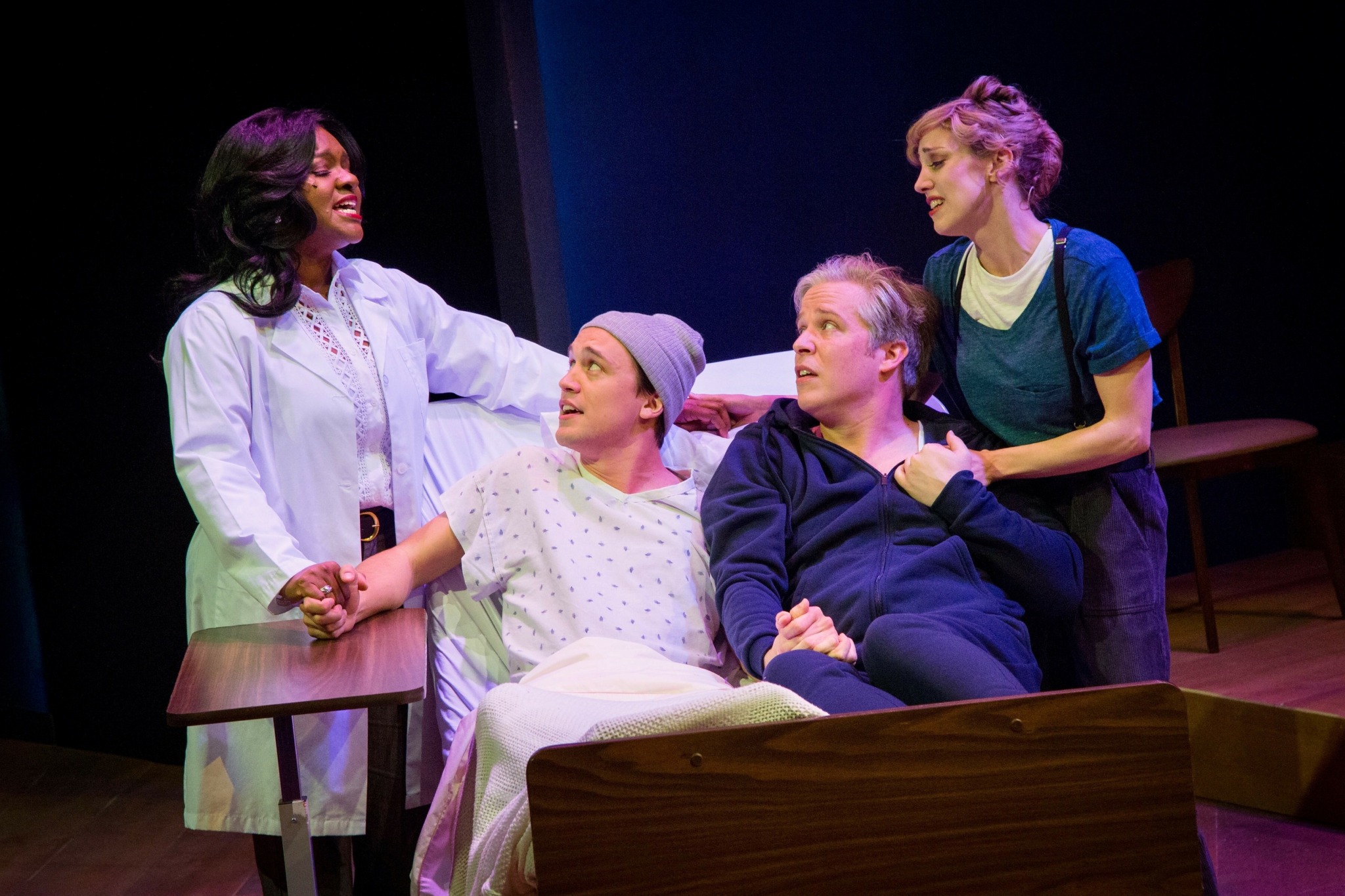
As I mentioned, my career began in Atlanta, but I’ve just come to New York after almost nine years in Chicago. In my years there, my acting work was recognized with three Joseph Jefferson Nominations and one win. My resume contains both plays and musicals, leads and supporting roles, classics and world premieres, and comedy and drama. I’ve collaborated with legendary Chicago theatre institutions like Goodman Theatre, Steppenwolf, and The Second City. Throughout my career, I have prioritized playing Queer roles, telling Queer stories, and collaborating with other Queer artists whenever possible – and I am probably most proud of the work I’ve done to help develop new, Queer works of theatre. Being a part of the genesis of a new play or musical is deeply rewarding.
Outside of my acting work, I have also designed for the theatre. Many players in the industry would rather keep artists pigeonholed in their respective crafts, but it has been one of the great joys of my life to maintain an inter-disciplinary and multi-hyphenate creative life. Design work may be less frequent for me than acting work, but it’s just as thrilling to come to the theatre-making process from another angle. I am very proud to have designed the set for the world premiere of MARIE ANTIONETTE AND THE MAGICAL NEGROES by Terry Guest – at Chicago’s Story Theatre. In addition, I also designed a new play festival for them, and served as scenic charge for several other seasons – painting and executing the work of other designers.
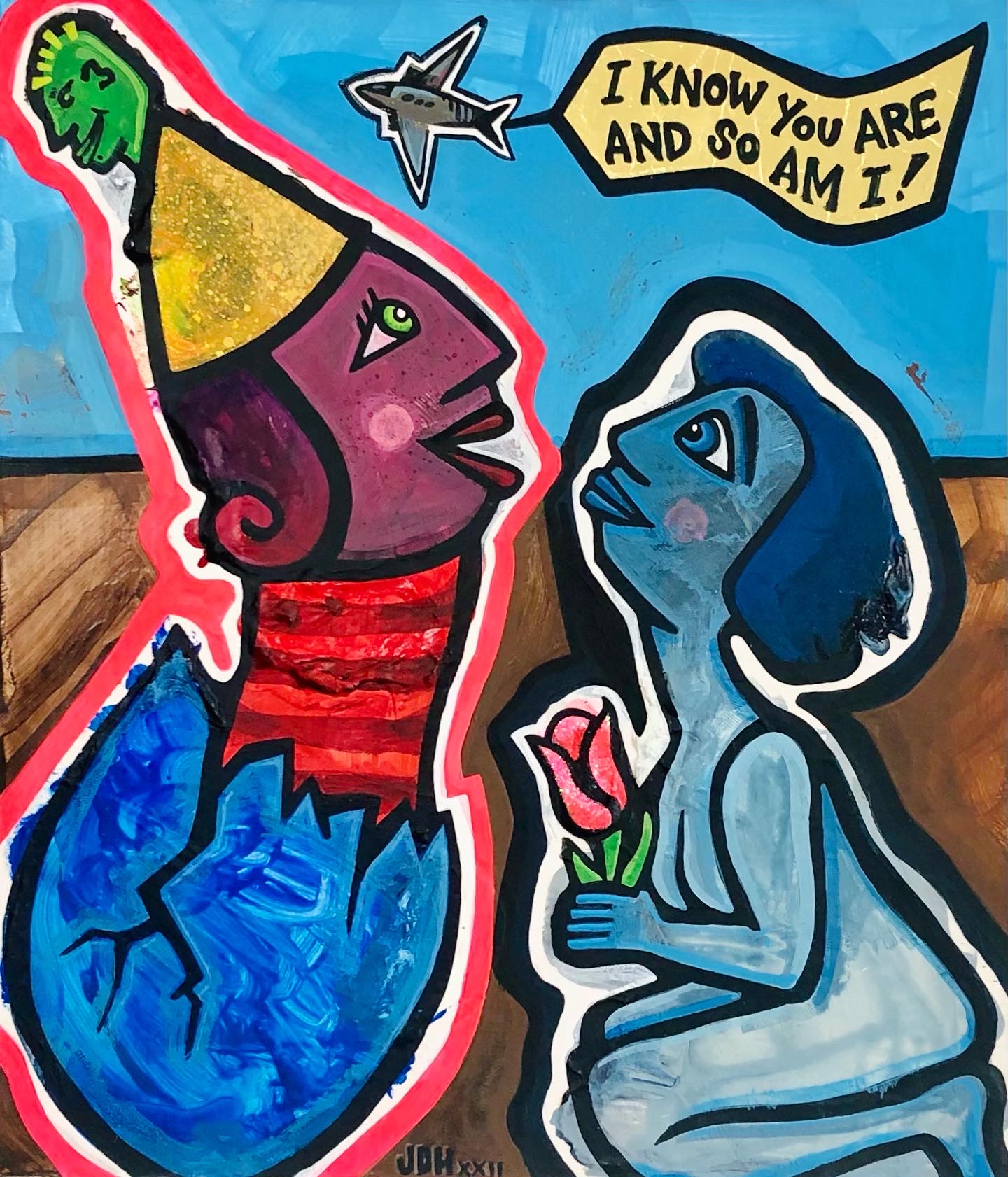
Theatre is a uniquely collaborative art form. It’s really difficult to make theatre alone, and often you need to get chosen by industry gatekeepers in order to participate at all. And the rejection is just constant – actors hear “no” so very often. That’s exactly why my visual art is so important to me. It gives me the ability to sit down, alone, whenever I want and just make art. There’s no need to audition or rehearse or get picked – I just make time to paint and I paint. There is such freedom in the autonomy of my painting practice, especially in contrast to my acting career. My art is is bold and bright and fun and Queer. I try to create as sustainably as possible, and my art practice is very cyclical and regenerative. My body of work is vibrant, expressive, and deeply narrative.
Another really important piece of my creative career is my work in custom framing. I’ve been doing it part-time as a “day job” for seven years now, and it is consistent when other creative work cannot be. I am very fortunate to be the Framing Specialist for Phillips Auctioneers – so even at my day job I’m working with and learning form the world’s best modern and contemporary art everyday. If it can be framed, I can frame it – and that’s a great skill to have for a visual artist.
And there have been a few other things here and there (art directing, teaching, and more), but that’s the bulk of what makes up my creative career. The chance to write it all out here and consider my career in the long-view has been a gift in itself. Anyone who has the chance to choose a creative life is so damn lucky.
How can we best help foster a strong, supportive environment for artists and creatives?
Damn, where do I begin? I think fundamentally, it’s simple. SO many people feel the impulse to explore their creativity – but for the most part, we can only take the time and resources to make art when our basic needs are met. Supporting artists boils down to taking care of people. It’s really hard to create when you’re exhausted, broke, hungry, anxious, sick, etc. Supporting art and artists means livable wages, affordable housing, free education, and free healthcare. Supporting art means expanding free thought, civil rights, social welfare, and social justice. It means paid internships to create opportunities for kids who don’t have rich parents. It means love and respect for trans people and immigrants and women and poor folks. In this intense moment in history, you cannot call yourself a supporter of the arts without wholeheartedly defying what our current President stands for. In order to support art and artists right now, we must fight back against this administration. We need artists more than ever to be a beacon of hope to get us through this shit. Art is trans joy. Art is DEI. Art is compassion and empathy and progress. Art is boring government jobs at the NEA. Art is due process and gender expression and the teaching of complicated, messy history. Art is knowing exactly who you are when they’re trying to legislate you out of existence. Every dusty-ass, selfish, childish dictator in the history of humankind – they always go after the artists. And I feel a strange pride in that – that they know we’re the truth tellers and the brave ones.
For so many people, choosing a life in the arts is a trade off: We commit to an exciting and fulfilling life in the arts knowing that we will mostly exist outside of the traditional economy. I have worked really hard for my entire adult life, but I’ve never had a job that offered me any benefits, any health insurance, or anything other than an hourly or weekly wage – and I’ve been really lucky! So many people give up on their artistic dreams early in their careers because it’s just too hard to live on so little. Imagine a world where our artistic contributions are truly valued and we see that reflected in our bank accounts.
Our society could do so much to support artists with money. In America, arts funding is often left to philanthropists, but I dream of a world where our government invests in, protects, and takes pride in its artists. The US spends about $900 billion a year on the military because we CHOOSE to, not because it is inevitable. Imagine a society where the business of making art is valued as much as the business of making war.
What’s the most rewarding aspect of being a creative in your experience?
To me, the most rewarding part about being a creative person is also the most rewarding part about being a Queer person – the freedom. The innate truth in me that says that I don’t have to live like other people live. I don’t have to conform to society’s repressive standards, and I never could have anyway. I can be gay and make art and dance and sing and act – and even if someone doesn’t approve of my life or my art, I can stand firm on my beliefs and take pride in my unique, creative life.
Creativity gives you the freedom to imagine better possibilities for yourself and for the world. Find the creativity in yourself to challenge your own beliefs and change your routines and take big risks. Creativity is limitless! Art begets art!
Contact Info:
- Website: https://www.jordandellharris.com
- Instagram: https://www.instagram.com/jordandellharris
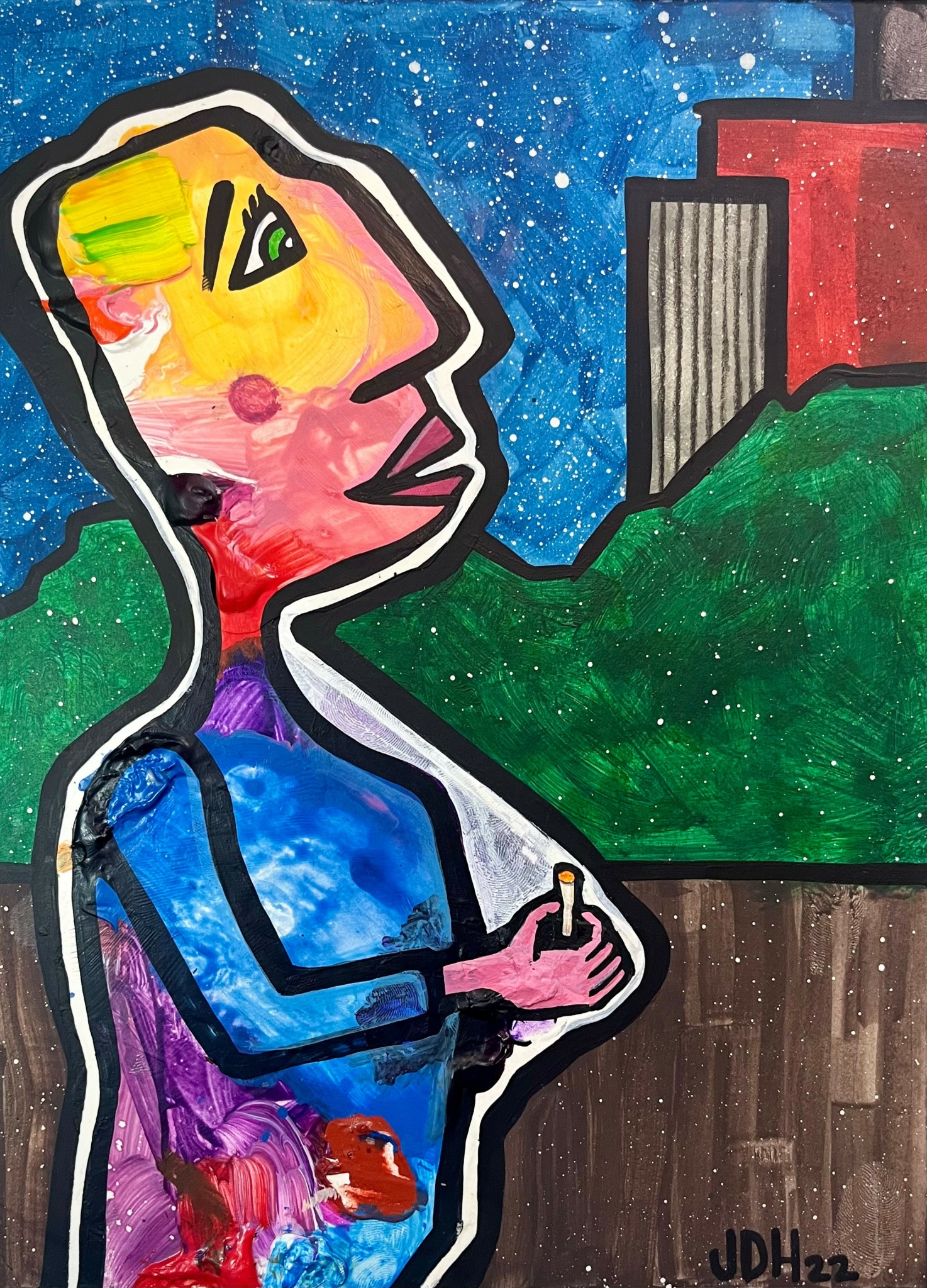
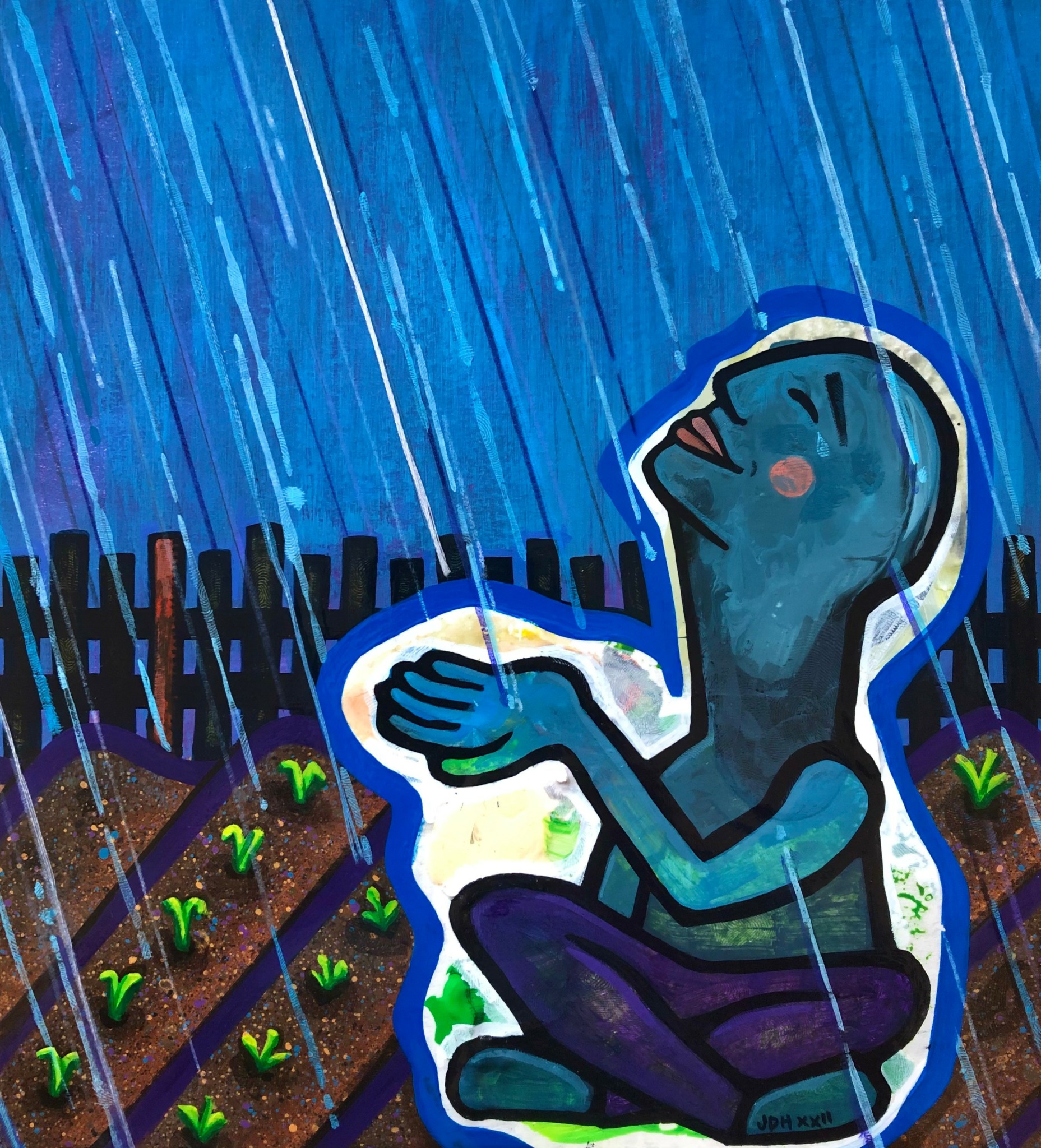
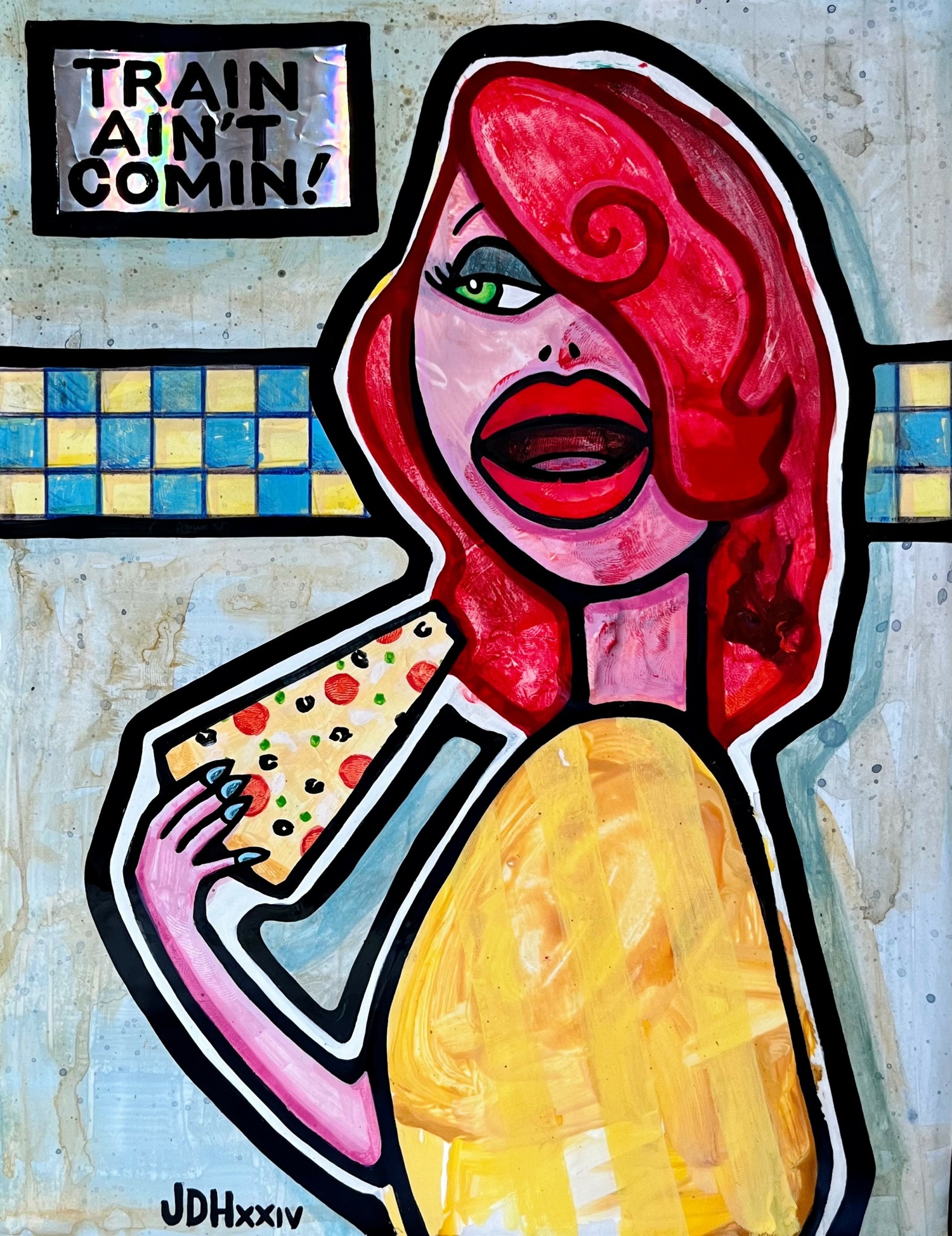
Image Credits
Main Photo Portrait: Photo Credit – David Hagen
Theatre Production Photo in Hospital Bed: Photo Credit – Casey Ford
2 other Theatre Production Photos: Photo Credit – Michael Brosilow