

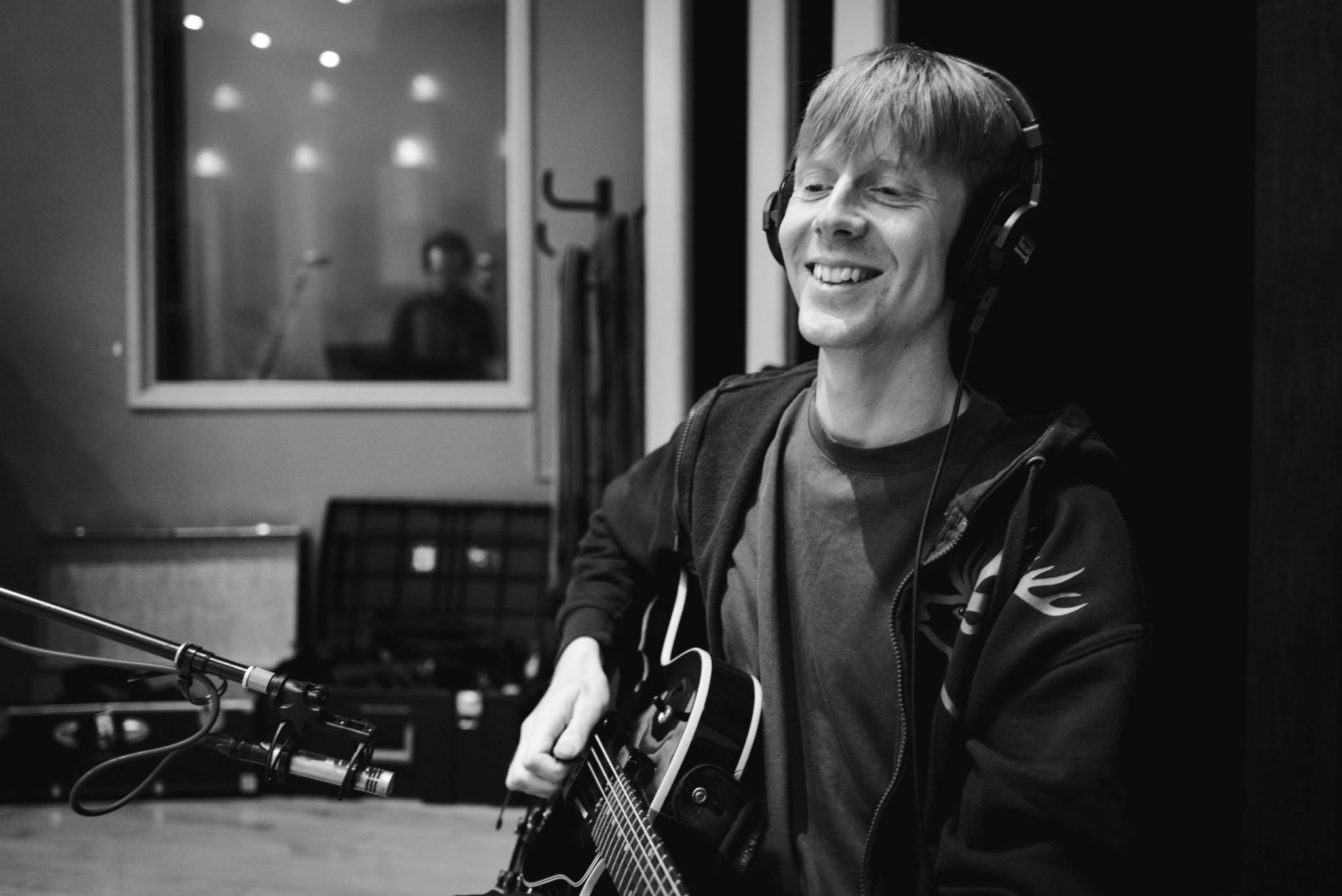

We’re excited to introduce you to the always interesting and insightful Thomas Wandborg. We hope you’ll enjoy our conversation with Thomas below.
Hi Thomas, thanks for joining us today. Learning the craft is often a unique journey from every creative – we’d love to hear about your journey and if knowing what you know now, you would have done anything differently to speed up the learning process.
I started playing classical piano when I was 4, then briefly switched to drums and eventually electric guitar when I was 10. I was a huge fan of The Beatles, Dire Straits and Santana, so my first years of playing I spent figuring out how to play their songs. Every now and then, a bus from the library would stop by, full of books and CD’s. I found out that I could reserve books from the city libraries and pick them up on the bus so I got my hands on guitar tabs for albums like Dire Straits’ “Brothers in Arms” and “Love Over Gold”. I remember learning enough of Mark Knopfler’s solos so that learning new ones became easier and eventually I didn’t need the tab books. I couldn’t have asked for a better start to playing guitar – I was self motivated and I just loved dwelling in the beauty of these songs. My first guitar teacher was a pedagogue in the after school program in my village. He was incredible. He always believed in me and learning with him felt natural and organic. Taking lessons was a highlight of my week.
But of course this easy ride did not last forever. My dad showed me a recording of jazz guitarist Pat Martino, and while I wasn’t over the moon about it, I was curious. I asked my guitar teacher what this was about and he said: “Oh, Pat Metheny! He is awesome!”. I went home and searched for Pat Metheny on YouTube, found a live version of “Have You Heard” and my mind was completely blown. I deeply loved his music but I had no idea how to play it. At least when I heard Mark Knopfler I felt I could figure it out but with Pat Metheny I was completely lost.
I started borrowing all the CD’s I could find with his name on it from the library. I was lucky to find CD’s such as Like Minds by Gary Burton, Song X with Ornette Coleman, and Tap – Metheny playing John Zorn compositions. I also found I Can See Your House From Here with John Scofield, and for some reason I found Scofield’s playing easier to replicate (perhaps because of my background in rock music). My musical horizon was greatly expanded, but I still felt dreadful because Metheny’s playing style was so out of reach. I heard much later that the natural emotions connected to learning are confusion and frustration. If that is true, I must have learned a lot in those years.
As I got older, I started playing more and more gigs in all genres. My musical studies are of course invaluable, but my experience playing live has been the most important. In front of an audience we truly learn what works and what doesn’t. It helps us become more grounded in our learning process – finding out how to effectively prepare for a gig whether it is as a band or as an individual. I also learned most of my soft skills this way – how to keep a good vibe on a longer tour, how not to be upset over unexpected changes and how to communicate with producers, band mates and fans. If I am not playing enough gigs, I tend to overthink in my playing and frankly my practicing. Playing live gives me a good sense of what I need to work on and my progress can continue.
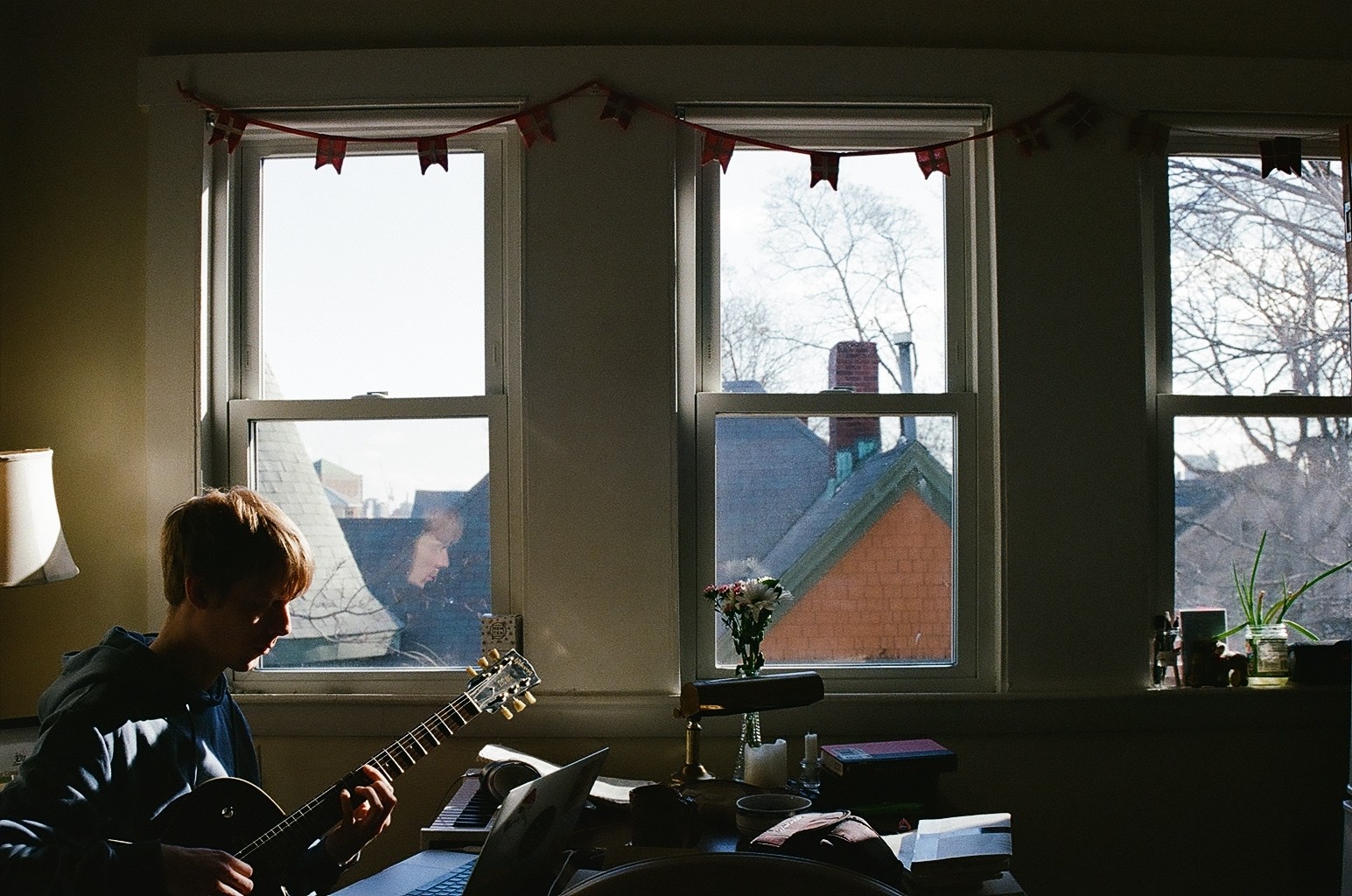

Thomas, love having you share your insights with us. Before we ask you more questions, maybe you can take a moment to introduce yourself to our readers who might have missed our earlier conversations?
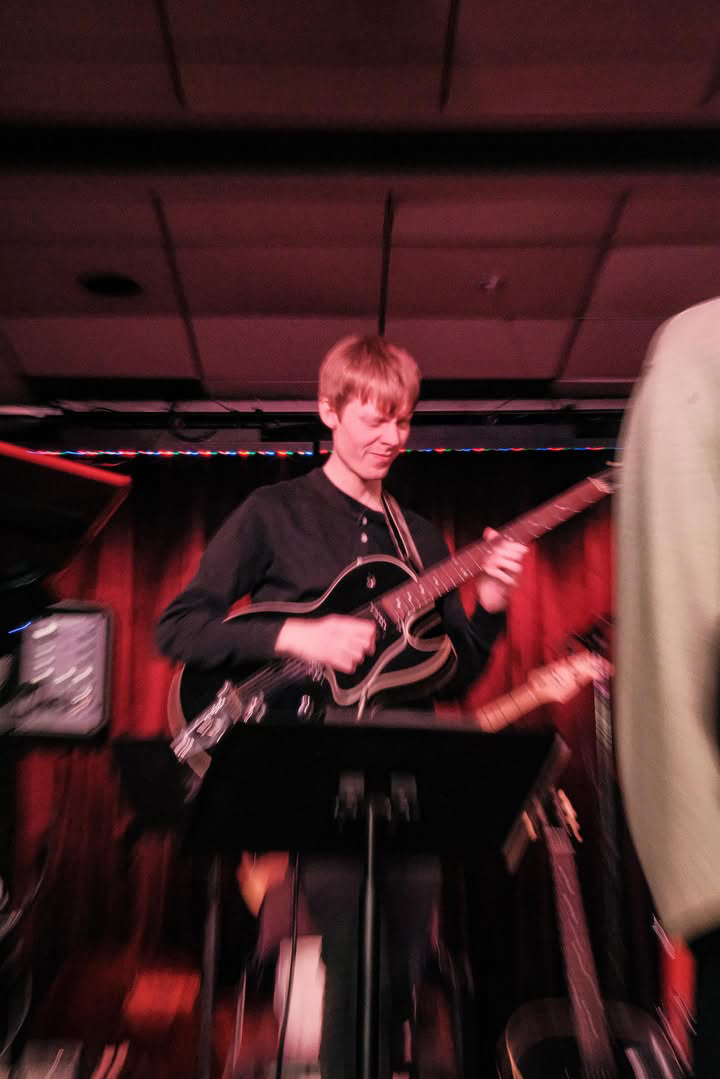
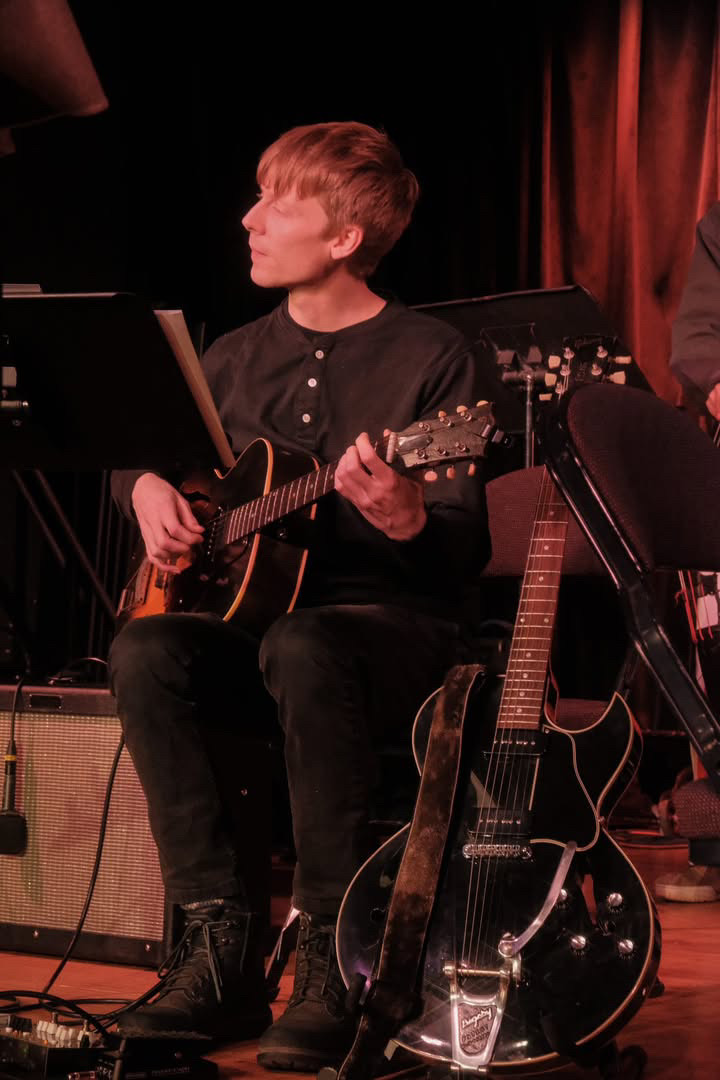
I am a guitarist who grew up in a small village in Northern Denmark. I currently live in Los Angeles. The main branches of my professional career have been performing, writing my own music and arranging music. For the last few years, writing music has been my most passionate project. I love writing because it allows me to connect with all kinds of places and people. Recently, during a fellowship at Ravinia Festival in Chicago, I wrote a piece for a historical lighthouse in Northern Denmark called Rubjerg Knude Fyr. While I was proud to present it there, what really gave it meaning to me was sharing it with my own band in Denmark. We got to play it for the people who live close to the lighthouse, including the last person who actually inhabited it. The piece won the Jazz Education Network’s award “Young Composer Showcase” in 2024 and as happy as I am for that, the fact the locals in Northern Denmark received it well was the biggest compliment I could hope for.
This shows my main interest in music – I want it to connect to everyone. My educational background has been in jazz, and while I love jazz in all its forms, for some people it is alienating. This is the challenge I am trying to solve in my guitar playing, composing and arranging – how can I make music that is so convincing that everyone has to give in to it. I highly look up to musicians like Lester Young because his music beams integrity. It is pure story telling, like how stories have been told since the dawn of humans. In contemporary music, I think composers like Jihye Lee are able to convey that same thing.
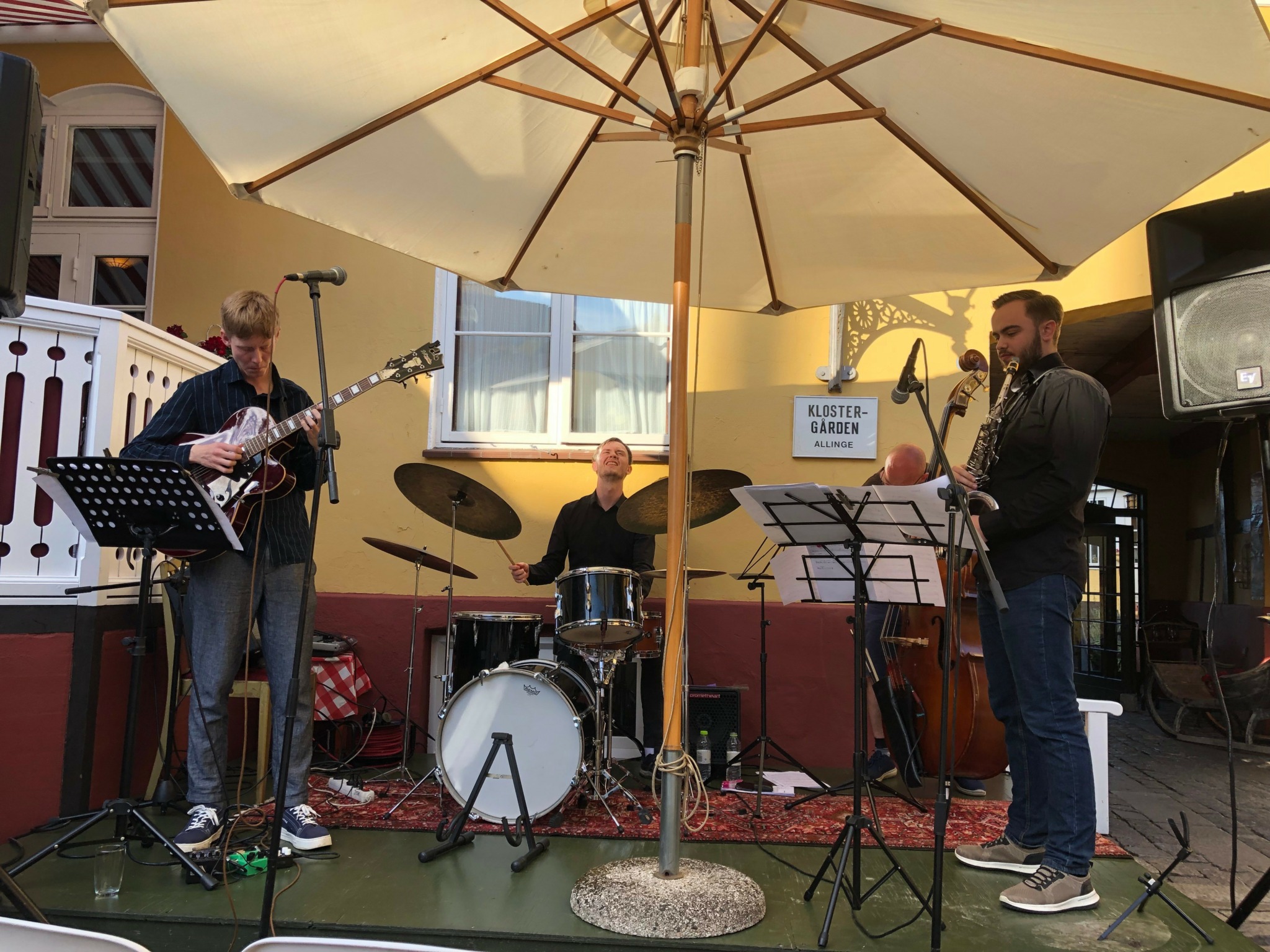
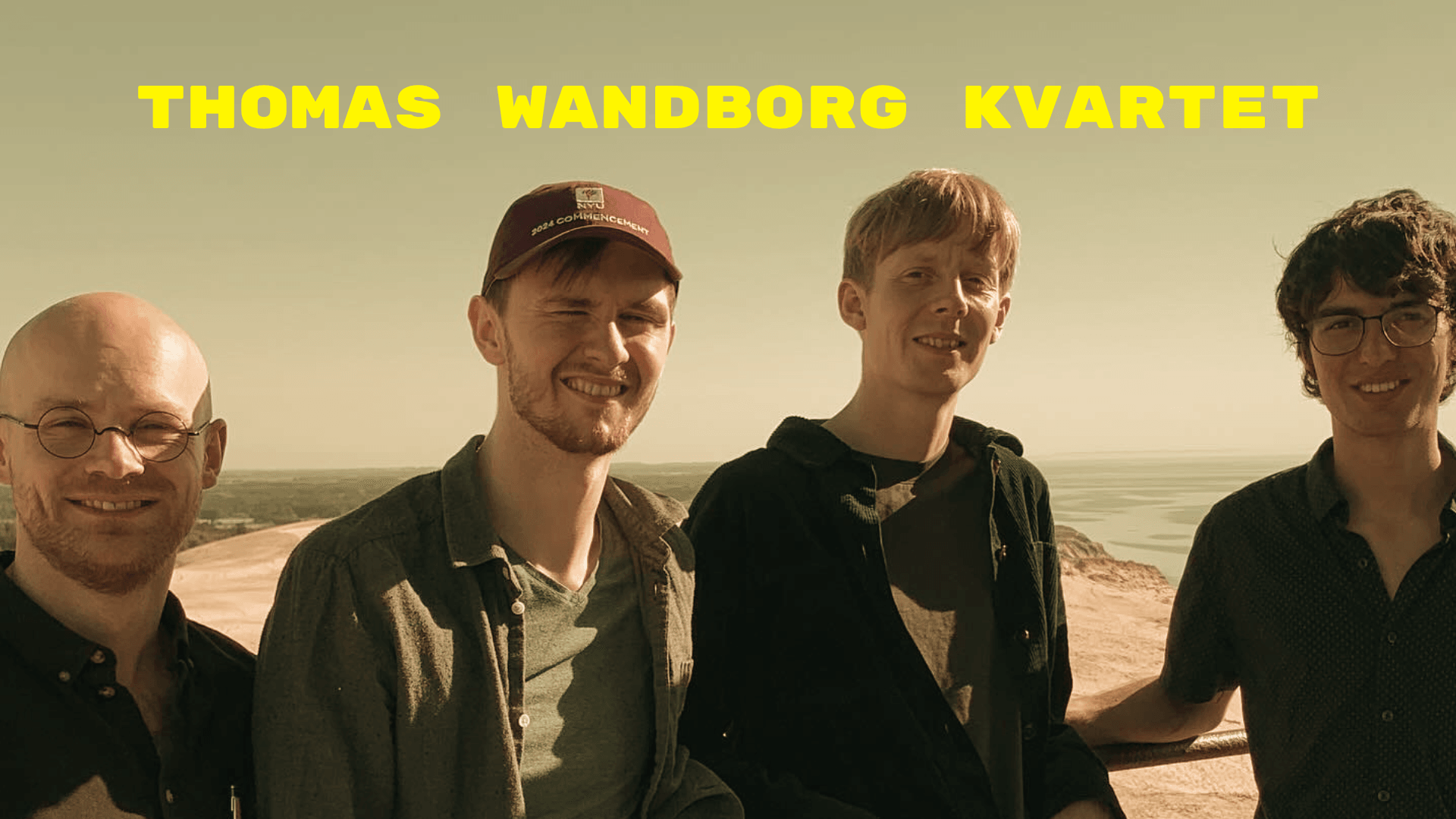
What can society do to ensure an environment that’s helpful to artists and creatives?
In my opinion, the best way we can help the arts is to give it to children. If they are taught the joy of dancing, singing, painting etc, they will always remember it. Some of them will grow to be artists themselves – professional or not, Some will grow to be active audience members. All roles are essential in the creative ecosystem and in creating strong communities around the arts. I worked for a children’s home in Uummannaq, Greenland where music was a top priority. Whether they engaged in traditional Greenlandic music, rap, pop music or something else, music was a literal life saver. After seeing this, I could never understand how decision makers dare to cut funding for the arts. There seems to be this misunderstanding that art is nothing but a rather ineffective way of making money.
In my village school we all gathered every morning to sing. After 7 years of that, we all had a solid repertoire of traditional and contemporary Danish songs. I often think about what would change if this became a national standard in the U.S.. I imagine there would be a lot of banter about which songs to include and exclude. Personally, I would love to see every child knowing at least 3 Bob Dylan songs before middle school.
What’s a lesson you had to unlearn and what’s the backstory?
In most of my education, musical or not, I was taught that perfection is key. My level was constantly judged whether through grading or feedback from teachers. For some reason this took up a lot of space in me and I became a perfectionist. This meant I would judge my own playing a lot and feel terrible if I made even small mistakes on stage. This feeling has made me seriously consider to quit music many times. Enough artists suffer from this that it is rare to come across people who don’t.
But every now and then we meet someone with nothing but pure love for music. Pak Wenten is one of these exceptions and I feel extremely lucky to be studying with him. He has this beautiful patience while also being an absolutely legendary Balinese artist. Every time we play a concert together, I feel a complete trust from him even if I am playing an instrument I am not entirely proficient in. He is all about the long game – he never judges short term progress. Interestingly enough, it has made me much more motivated to dive deep into the music he offers me. Having this experience, it has taught me to be gentler towards myself. Whenever I feel overcome by this mood of “why even bother if it won’t be perfect”, I remember Pak smiling at me and I find the courage to simply try. I hope to be that kind of role model some day.
Contact Info:
- Website: https://thomaswandborg.com
- Instagram: https://www.instagram.com/thomas_wandborg/
- Facebook: https://www.facebook.com/thomas.wandborg
- Youtube: https://www.youtube.com/@thomaswni
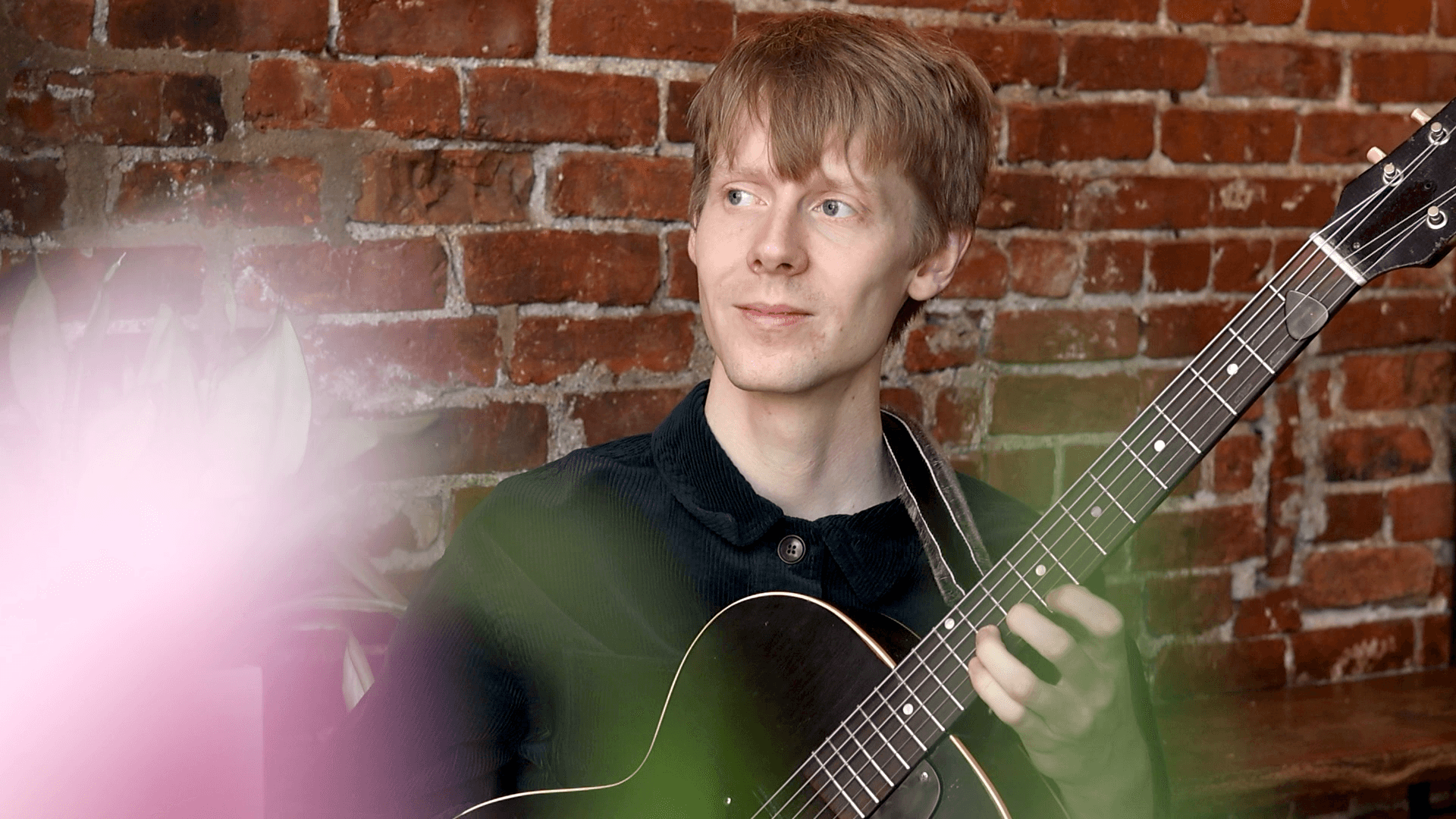
Image Credits
Rob Moreno
Moon Han
Hu Yao