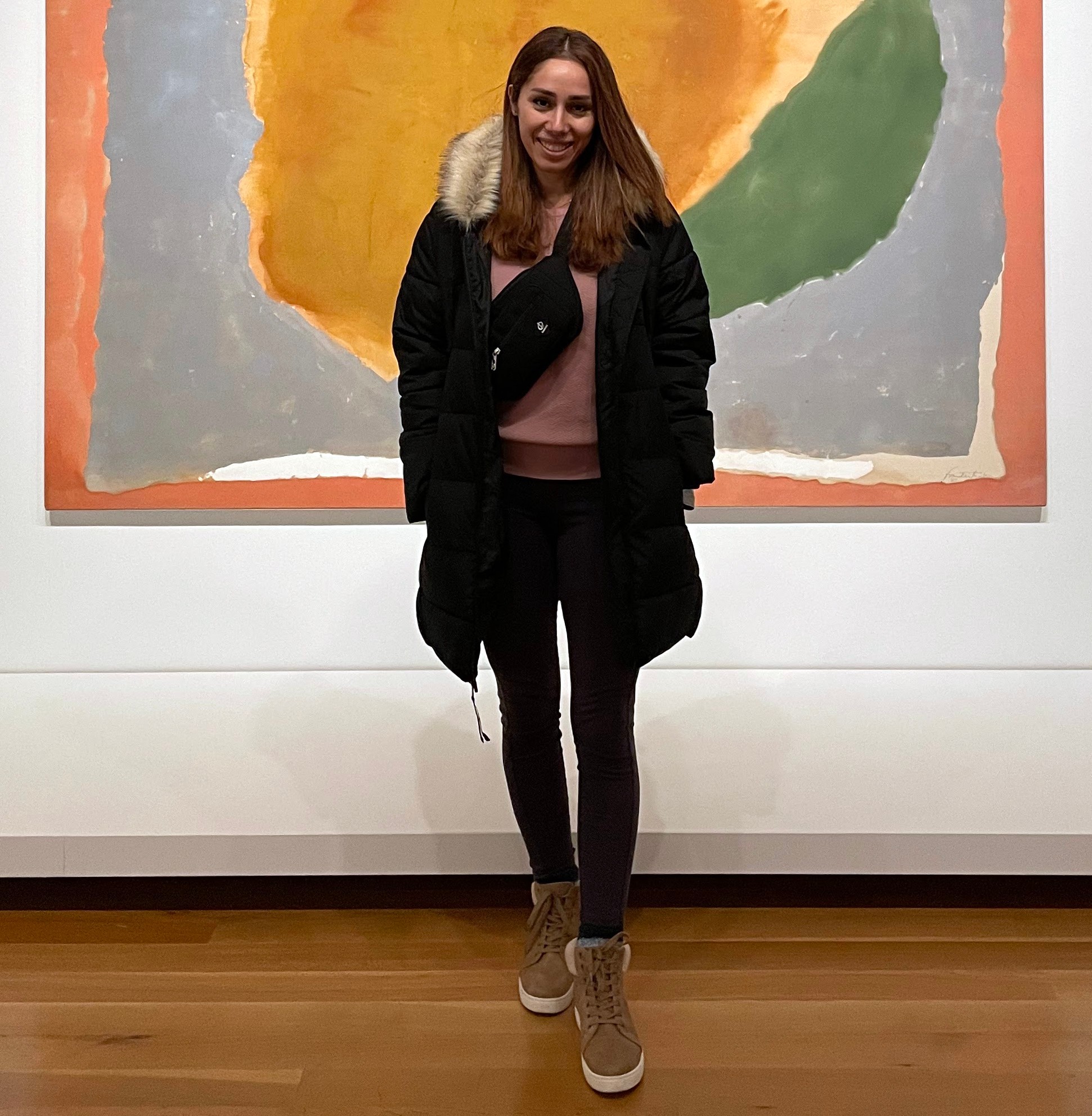

We’re excited to introduce you to the always interesting and insightful Pardis Bakhtiari. We hope you’ll enjoy our conversation with Pardis below.
Hi Pardis, thanks for joining us today. Let’s jump right into how you came up with the idea?
The idea for my creative practice grew out of my personal journey as an artist-scholar navigating life between cultures. After moving from Iran to the U.S. for my Ph.D., I used art not only to process displacement but also to connect with others, especially in educational and community spaces.
I realized that art could serve as a bridge, not just a product, but a process for healing, dialogue, and empowerment.
With a background in research, education, and painting, I developed a practice that merges critical theory with creative expression, offering inclusive programs that foster participation, reflection, and belonging. I knew it could succeed because the need was real, and the response was immediate.
Pardis, before we move on to more of these sorts of questions, can you take some time to bring our readers up to speed on you and what you do?
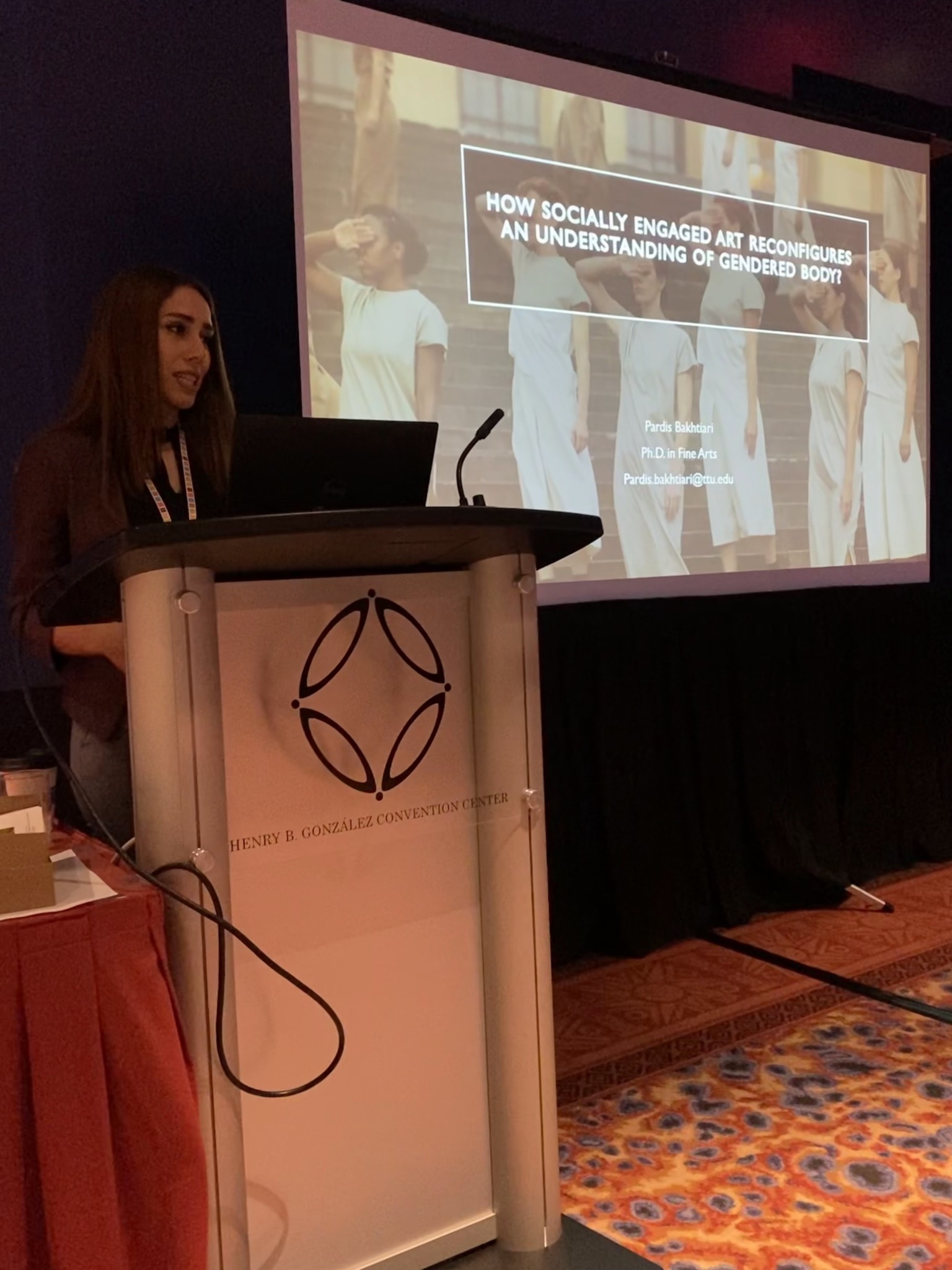
My name is Pardis Bakhtiari, and I am an artist-scholar originally from Tehran, Iran. I began painting at a young age as a way to process and express my lived experiences. Over time, that passion developed into a deeply interdisciplinary and research-informed practice that bridges creative expression with critical theory. I hold a Master’s degree in Art Research and a Ph.D. in Interdisciplinary Fine Arts from Texas Tech University, along with graduate certificates in Museum Science and Women’s and Gender Studies. I am now based in the Bay Area, California, where I continue to engage with a dynamic and diverse artistic community.
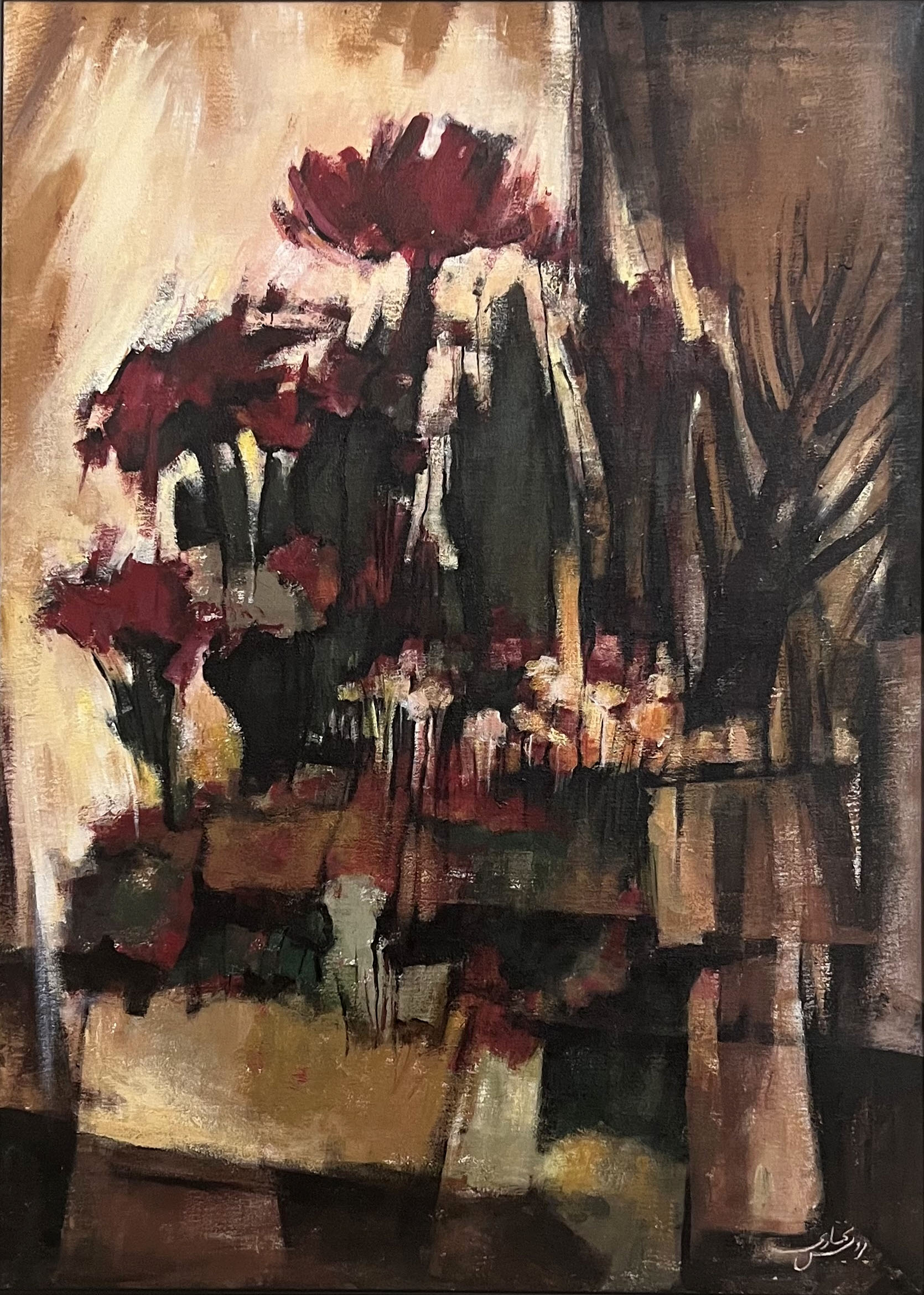
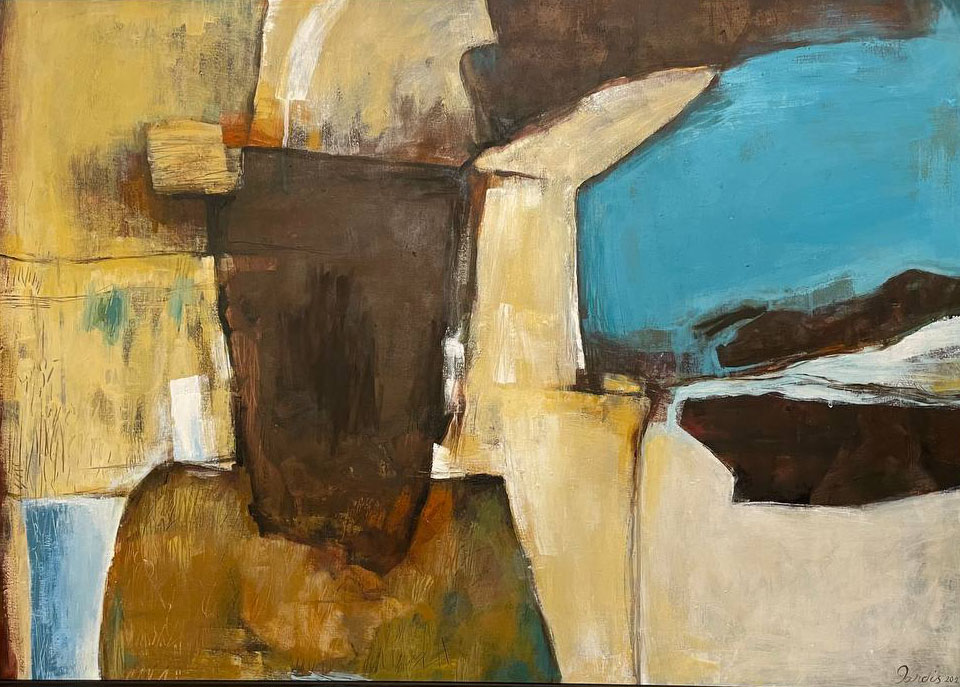
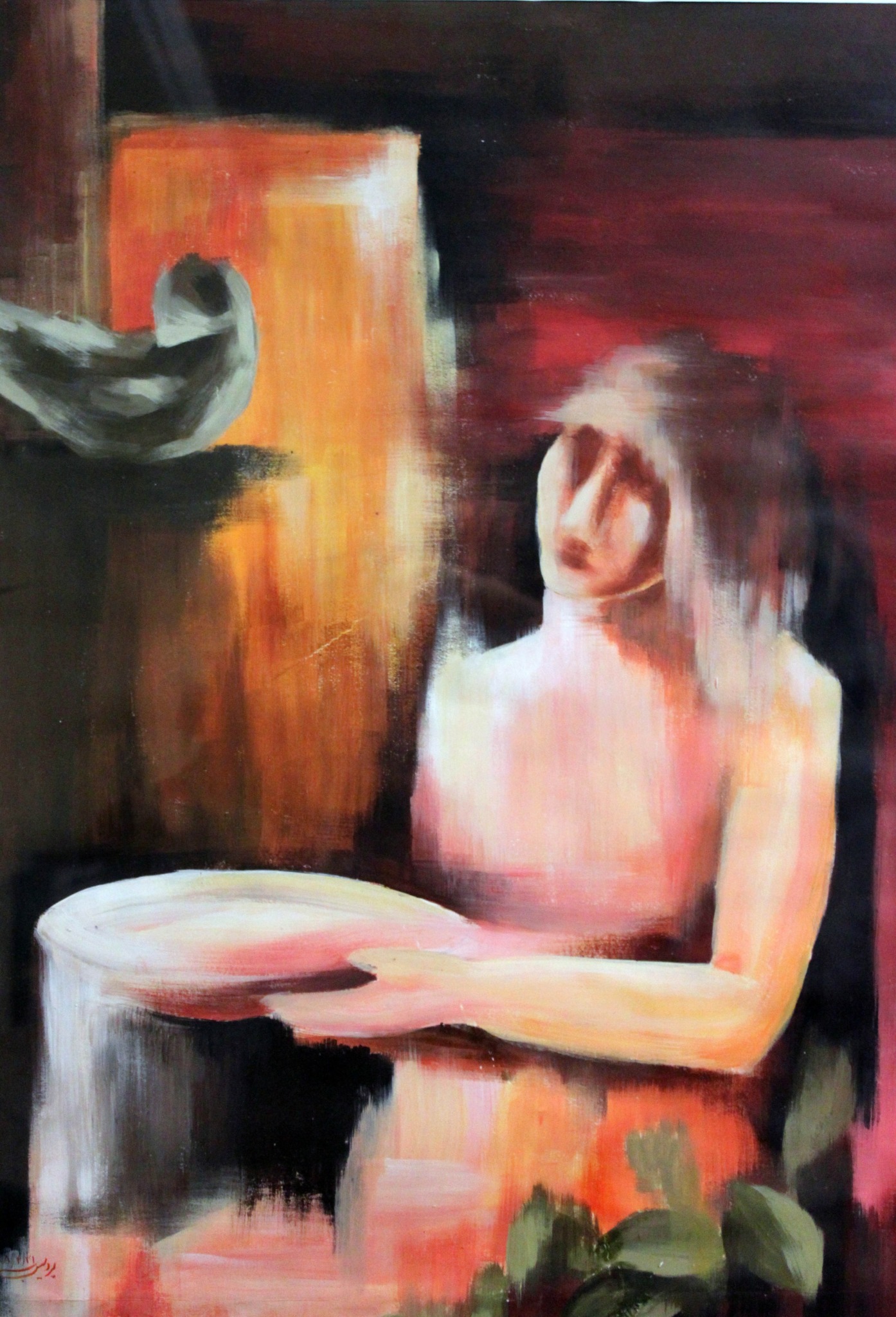
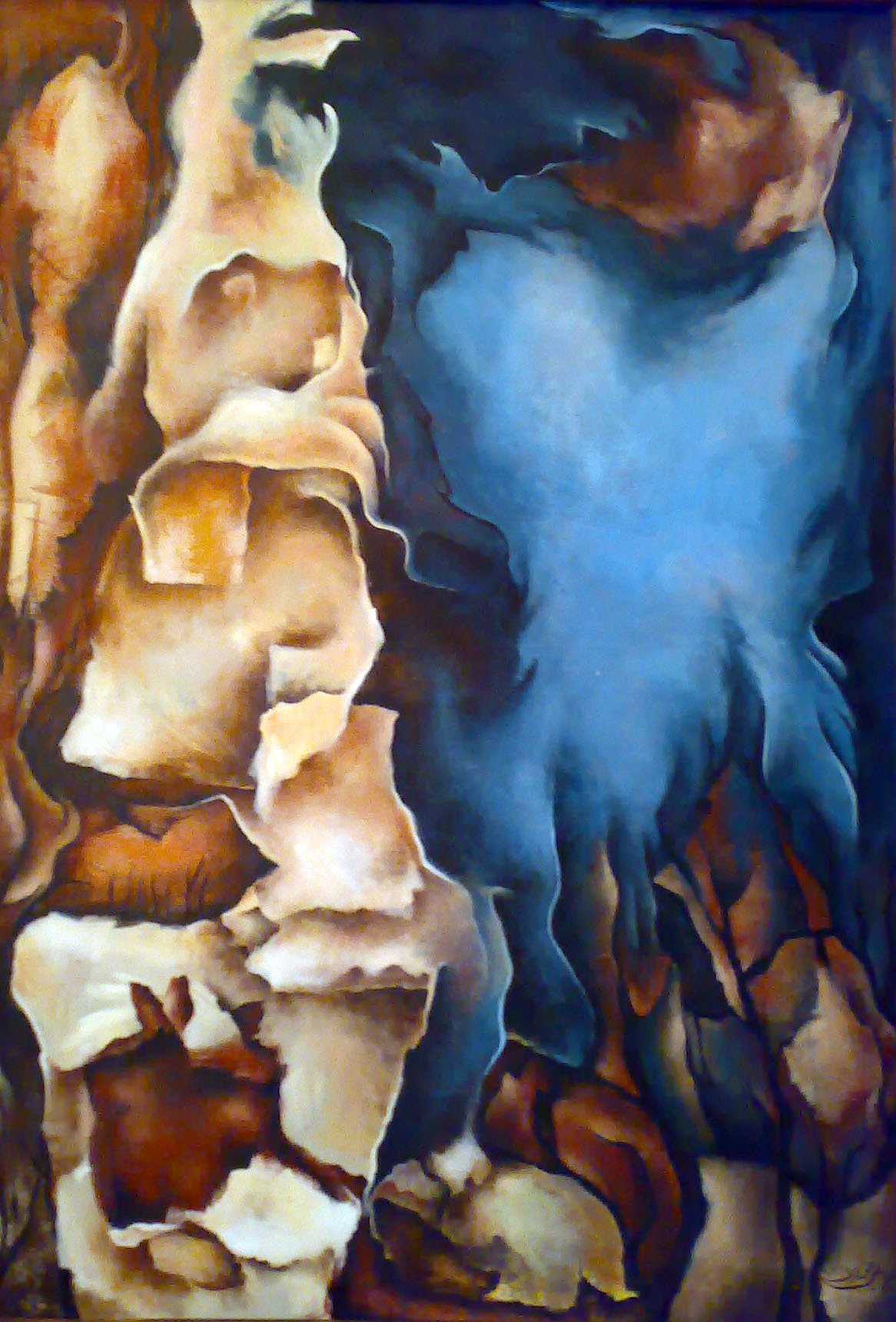
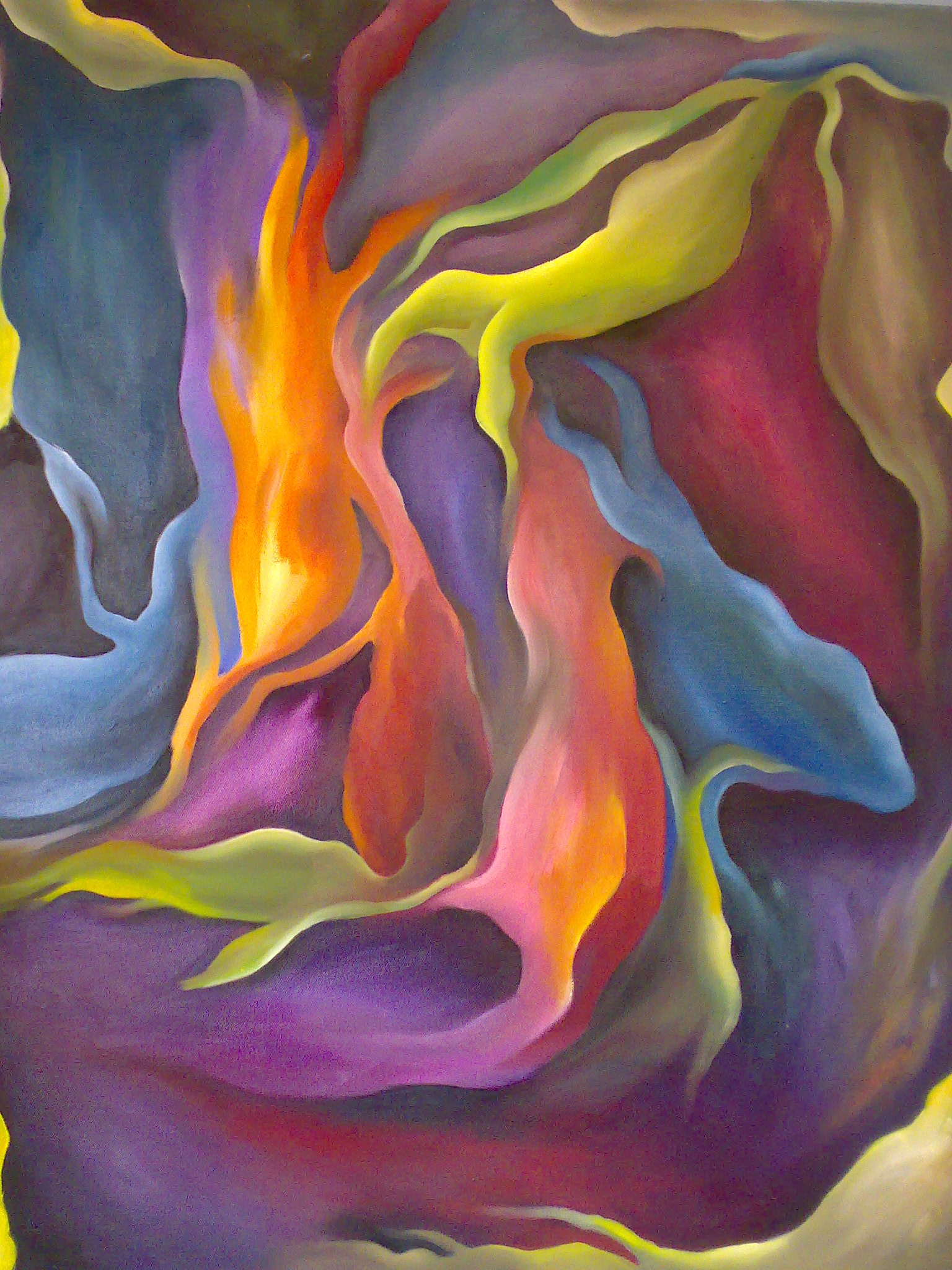
Throughout my academic and artistic journey, I have worked across diverse cultural, institutional, and educational contexts—both as a practicing artist and as a scholar. My painting practice is rooted in expressionism, where I use color as a primary language to translate emotional states into visual form. Each brushstroke becomes an intuitive, spontaneous gesture—an affective release that channels raw emotion into dynamic, layered compositions. These works embody the turbulence and vitality of the inner world, inviting viewers into an empathetic encounter with the emotional landscapes they depict. My aim is not only to produce visually compelling pieces but also to catalyze visceral responses—demonstrating the universal power of affect and the transformative potential of art.
In addition to my studio work, I bring over a decade of experience in teaching and developing art education programs across a wide range of settings, including universities, museums, schools, and community spaces. My pedagogical approach is grounded in the democratization of art, with a focus on inclusive, participatory, and socially responsive learning environments. I have curated and led public-facing programs that encourage viewers to become co-creators in the artistic process—dissolving the traditional boundaries between artist, artwork, and audience.
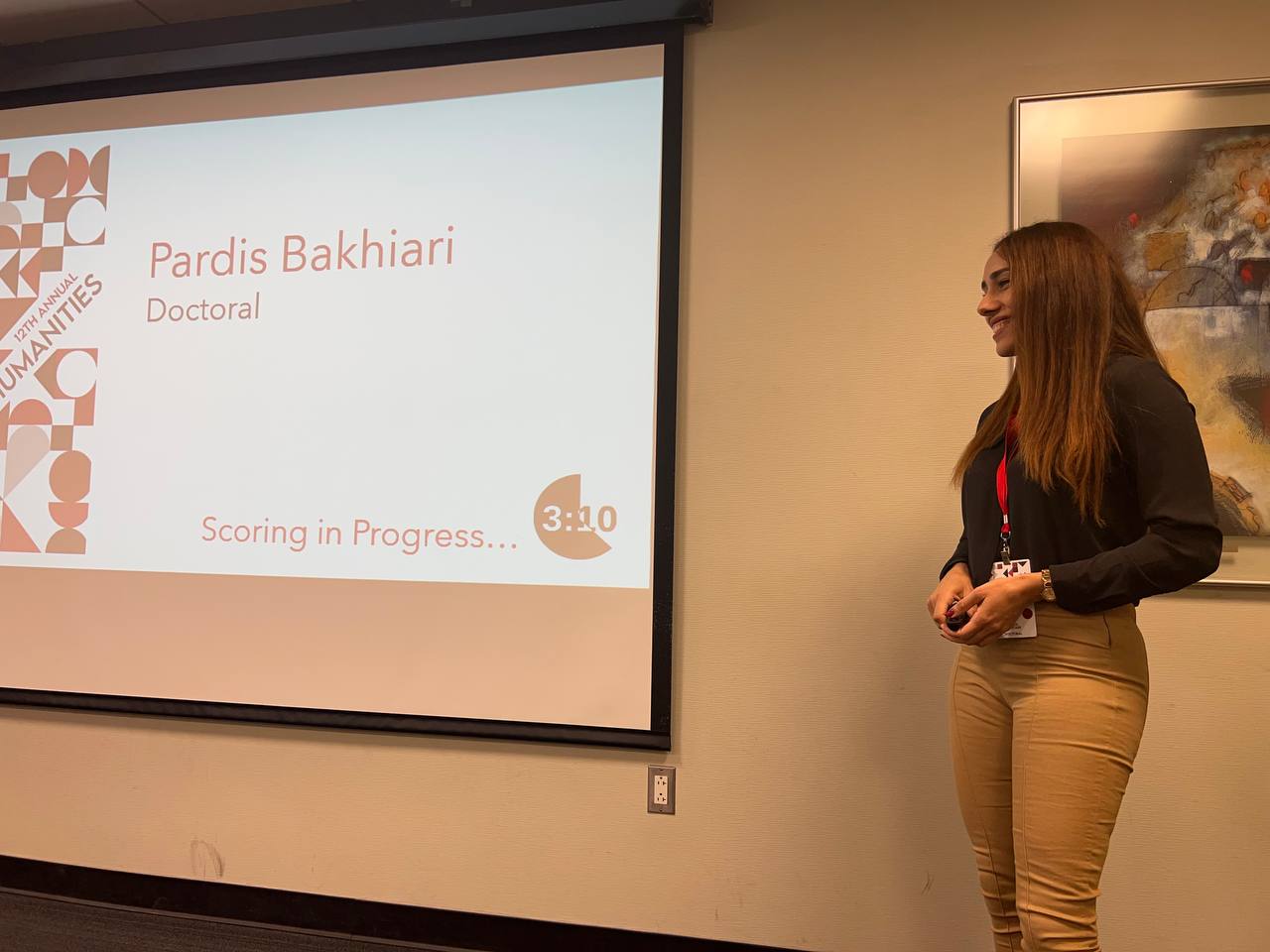
As a scholar, my research investigates how museums can foster more inclusive, relational, and ethically engaged encounters with art. I explore how curatorial and educational strategies can challenge dominant narratives and make space for multiplicity, dialogue, and embodied interpretation. Drawing from posthumanist theory, my work addresses urgent questions of identity, representation, and pedagogy in contemporary art and museum practices. This research has been presented at national academic conferences and published in peer-reviewed journals, contributing to the broader discourse on equity, materiality, and learning in cultural institutions.
What distinguishes my practice is its multidimensional nature: I approach art not only as a form of expression but as a relational and epistemological act—a way of knowing, becoming, and connecting. My work is shaped by a transnational, cross-cultural perspective that challenges fixed identities and static interpretations. I see the creative process as a site of entanglement, where meaning arises through affective, material, and cultural intra-actions rather than pre-imposed frameworks.
I am particularly proud of my ability to bridge the roles of artist, educator, and researcher. My work resists singular narratives and instead invites audiences into open-ended, affective experiences that reflect the complexities of subjectivity and becoming in a globalized world. Whether through exhibitions, participatory programs, or scholarly contributions, I aim to create inclusive spaces where diverse bodies, voices, and histories can interact, evolve, and co-shape the meaning and impact of art.
Let’s talk about resilience next – do you have a story you can share with us?
One of the most defining moments in my journey occurred shortly after I relocated from Iran to the United States to pursue my Ph.D. Studying art in a second language, in a vastly different cultural and academic environment, was challenging. I was navigating unfamiliar systems, institutional barriers, and the emotional toll of displacement—all while trying to maintain an active creative practice and meet the demands of rigorous scholarship. There were times when I questioned whether I belonged in these spaces, where my accent marked me as different and my background wasn’t always fully understood.
Instead of retreating, I chose to transform these challenges into fuel for my work. I began integrating my personal experience of cultural dislocation and resilience into my art—channeling the emotional complexities of migration, identity, and belonging into expressionist compositions. This period of adversity deepened my understanding of art’s capacity to create space for grief, growth, and multiplicity. I also continued teaching, researching, and exhibiting, determined not to let structural limitations define my contributions.
This journey taught me that resilience is not about overcoming difficulty in silence, but about using creative practice as a means of reimagining one’s place in the world. My ability to thrive has not only shaped my artistic voice but also empowered me to mentor others navigating similar paths. Today, that resilience is embedded in every aspect of my work—from the classroom to the canvas.
What’s the most rewarding aspect of being a creative in your experience?
For me, the most rewarding aspect of being an artist is the ability to transform vulnerability into connection. Art allows me to translate deeply personal, emotional, and often complex inner experiences into something that others can see, feel, and respond to—even across cultural, linguistic, or ideological divides. There’s something profoundly meaningful about creating a visual language that resonates not just with the mind, but with the body and spirit.
As an artist, I’m constantly engaging in a dialogue—with materials, with space, with histories, with viewers. When someone stands in front of one of my paintings and says, “I feel this,” or when a student in one of my classes suddenly sees themselves differently through the lens of art, that moment of recognition is everything. It reminds me that art is not a solitary act—it’s an entangled, relational force that invites empathy, transformation, and becoming.
At its best, being a creative means participating in a form of knowledge-making that is nonlinear, affective, and alive. It means shaping not just objects, but experiences—experiences that can open up new ways of seeing the world and ourselves within it. That, to me, is the deepest reward.
Contact Info:
- Website: https://pardisbakhtiarii.wixsite.com/visualart
- Instagram: @pardisartt
- Linkedin: https://www.linkedin.com/in/pardis-bakhtiari-114a3358/