

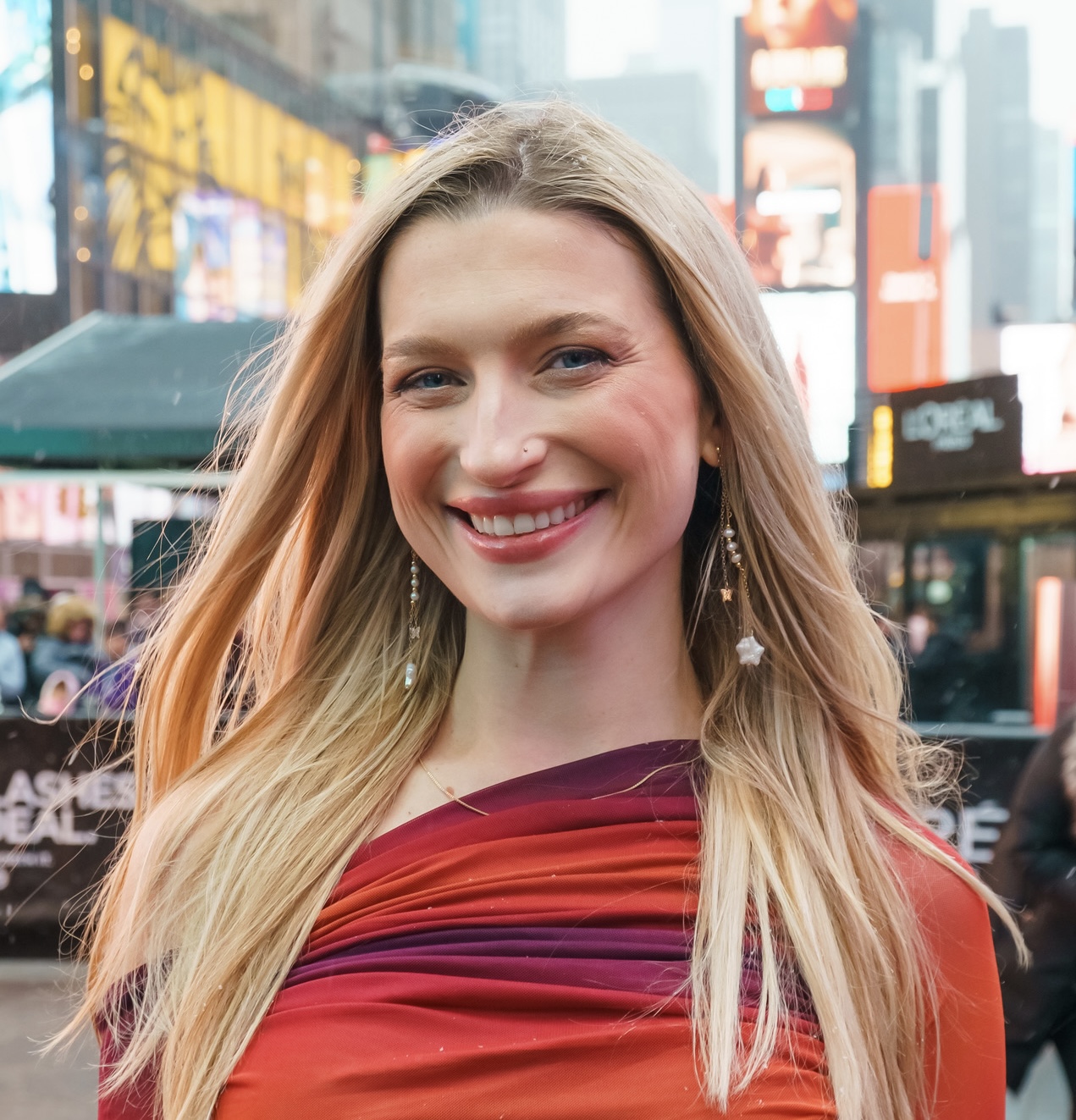

We caught up with the brilliant and insightful Bry Reinhardt a few weeks ago and have shared our conversation below.
Bry, thanks for taking the time to share your stories with us today Can you share an anecdote or story from your schooling/training that you feel illustrates what the overall experience was like?
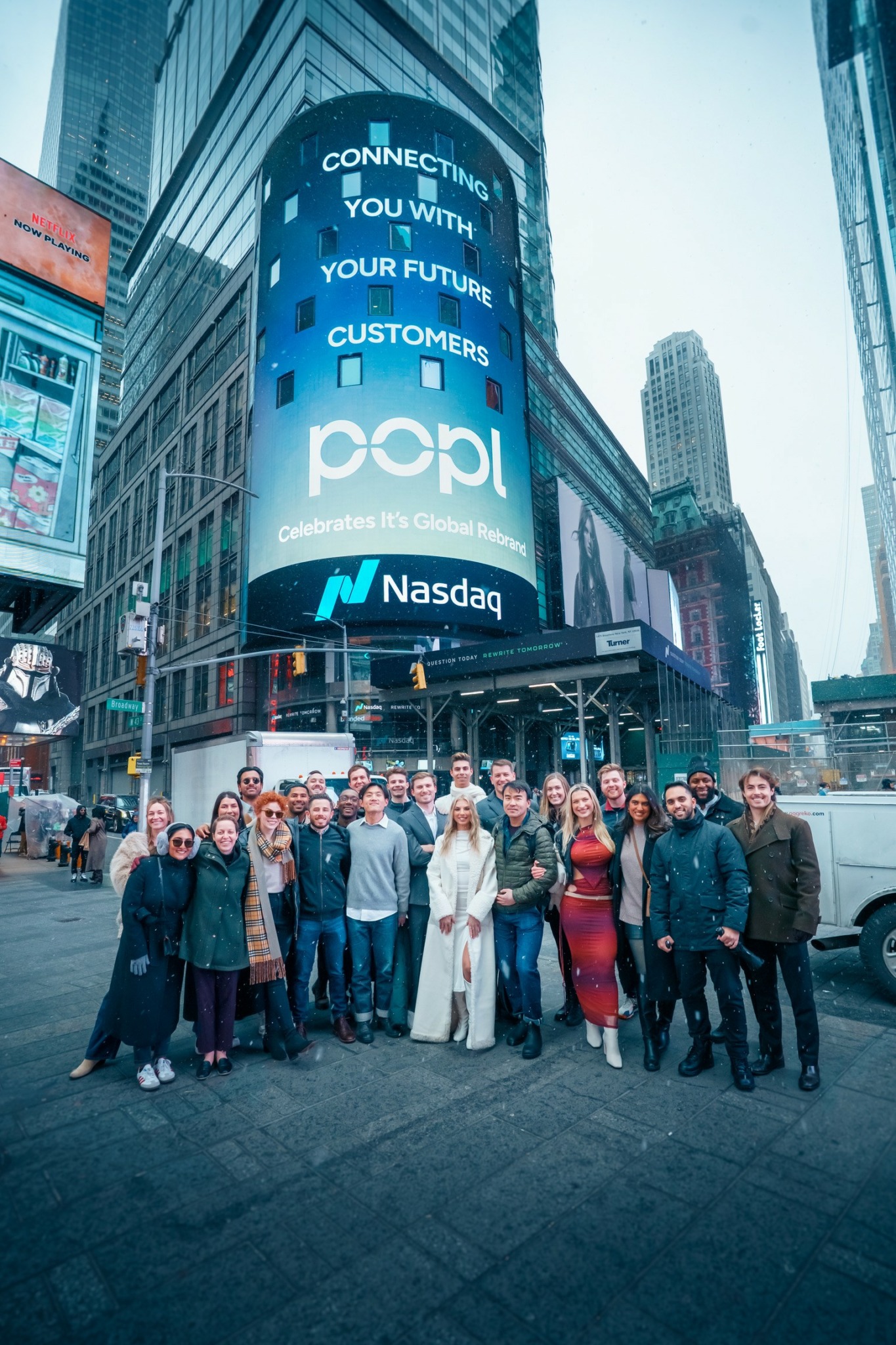
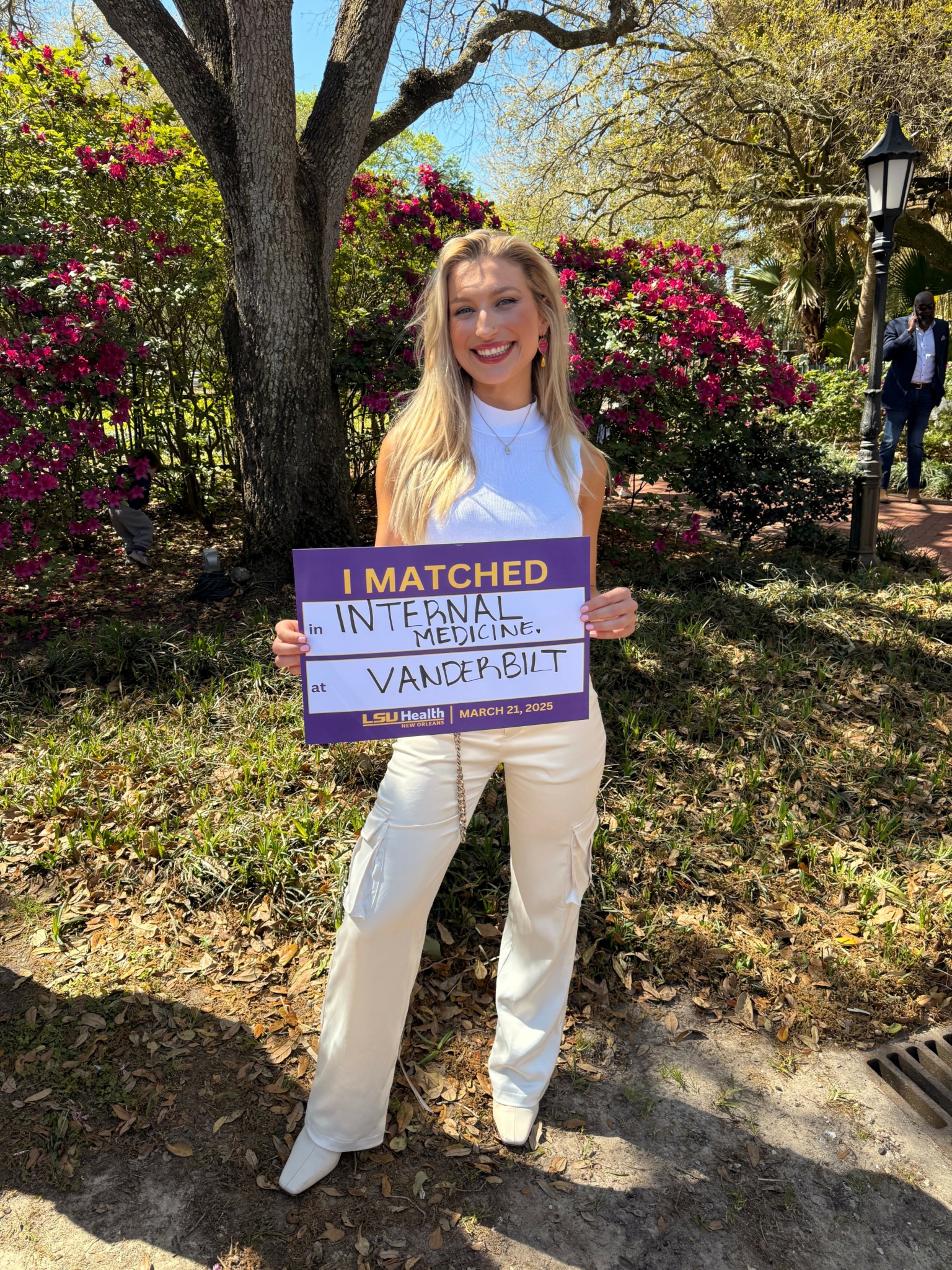
My training has been anything but linear — and I wouldn’t have it any other way. I’m currently an MD/MPH candidate at LSU Health New Orleans, drawn to internal medicine with a focus in oncology. Simultanesously, I was part of the founding team at Popl, a Y Combinator-backed startup, where I built and scaled a customer service department from scratch. That early experience in tech taught me how to think operationally, adapt quickly, and lead with empathy — lessons that carried over into medicine in surprising ways.
One moment that stands out from med school came during my hematology/oncology rotation at Weill Cornell. I had the chance to meet Dr. John Leonard and sit in on a translational research grand rounds where he discussed the importance of clinical and translational research in residency and community based projects aimed at bridging the gap between cutting edge therapies and marginalized communities. It was one of the first times I truly saw how physician-scientists can combine public health, science and clinical medicine to effect meaningful change in healthcare — and I knew I wanted to be one of them.
Throughout my training, I’ve sought out opportunities to work on cell and gene therapy trials, both industry-sponsored and investigator-led. Helping develop a Phase I CAR T-cell therapy trial at Cedars-Sinai was a defining experience — one that solidified my commitment to not just treat cancer, but to help change how we approach it.
Bry, love having you share your insights with us. Before we ask you more questions, maybe you can take a moment to introduce yourself to our readers who might have missed our earlier conversations?
I’m Bry Reinhardt — a physician-in-training, biotech optimist, and builder at heart. I’m currently completing my MD/MPH at LSU Health New Orleans, on a path to becoming a physician-scientist in oncology. My work sits at the intersection of medicine, translational research, and health innovation — with a special focus on developing and democratizing access to gene and cell therapies like CAR T-cells and bi-specific antibodies.
During medical school, I was part of the founding team at Popl, a Y Combinator-backed tech startup where I built and scaled a customer experience department from the ground up. That experience taught me how to lead with vision, structure chaos, and think with both users and scalability in mind — skills I’ve carried with me into academic medicine and clinical research.
I got into medicine through a deep desire to combine rigorous science with service. But it wasn’t until I began working on early-phase clinical trials — including helping develop a Phase I CAR T-cell trial at Cedars-Sinai — that I realized my passion for translational oncology. I love solving the kinds of problems that exist in the “gray zones” of care: how do we bring promising therapies from the lab to real patients? How do we design trials that reflect the diversity and complexity of the people we serve? And how do we make sure cutting-edge treatments don’t become luxuries reserved for the few?
What sets me apart is that I speak both clinical and operational languages — I’ve seen what it takes to build something from scratch, whether that’s a customer support framework or a research protocol. I bring creativity, empathy, and execution to every room I walk into.
What I’m most proud of is the community I’ve built along the way — mentors, teammates, patients, and peers who’ve shaped how I think and what I stand for. My work is about more than innovation — it’s about accessibility, equity, and the belief that cancer care should move faster and reach further.
At the end of the day, I’m here to help build a future where lifesaving therapies don’t just exist — they belong to everyone.
Let’s talk about resilience next – do you have a story you can share with us?
Resilience, for me, begins with the willingness to fall — and to be okay with it. It’s not just about getting back up; it’s about understanding that falling, failing, and fumbling are signs that you’re doing something brave.
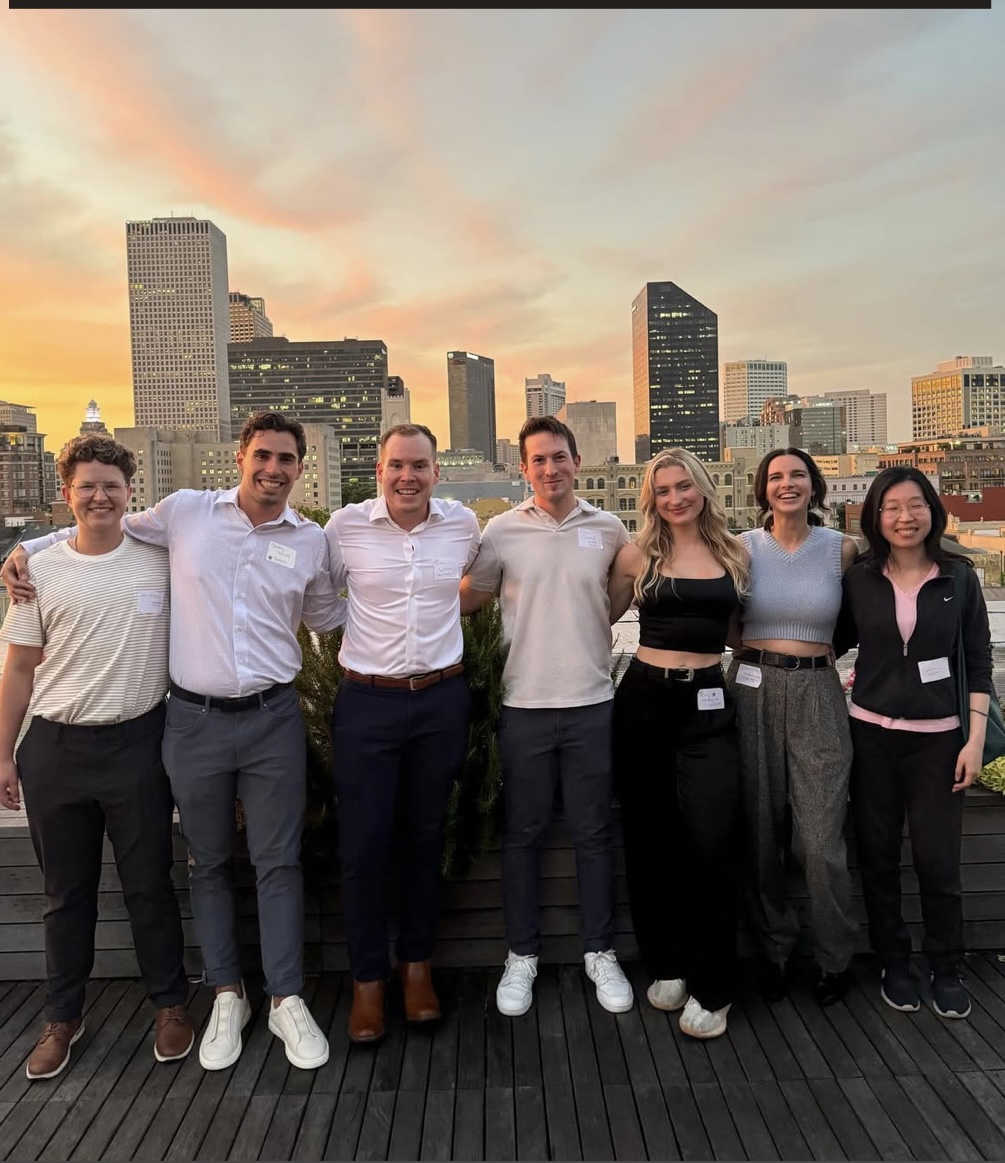
I’ve built resilience by repeatedly choosing paths that push me outside of what’s familiar. Whether it was helping develop a Phase I CAR T-cell trial, co-founding a Nucleate chapter to spark biotech innovation in New Orleans, or navigating the chaos of medical school while continuing to build at Popl, I’ve learned that growth only comes when you lean into discomfort. That mindset started early. In high school, I was extremely shy — the kind of person who would rather disappear than speak in front of a room. But I joined Youth and Government, which forced me to give speeches in front of a hundred peers. I was terrified. My voice shook. But when I stepped off that podium, something clicked. That moment taught me to chase discomfort rather than avoid it.
Since then, every time I’ve felt truly uncomfortable — whether launching a biotech pitch competition for high school students or balancing entrepreneurship with clinical training — I’ve taken it as a signal that I’m growing. I don’t seek failure, but I do welcome it when it comes. Because every stumble sharpens the skills, grit, and empathy I need to show up better the next time.
That, to me, is the core of resilience: choosing to stretch, to stumble, and to stay open to whatever comes next.
Putting training and knowledge aside, what else do you think really matters in terms of succeeding in your field?
Other than training and knowledge, I think the most helpful qualities for succeeding in my field are curiosity, dedication, and enthusiasm — in that order. Medicine, and especially fields like oncology and translational research, move quickly. Protocols evolve, therapies get reimagined, and the questions we ask today may not be relevant tomorrow. That’s why curiosity is essential — not just the drive to learn, but the instinct to question. It’s what leads you to the right mentors, the right ideas, and ultimately, the right opportunities.
But curiosity alone isn’t enough. You have to dedicate yourself — to your patients, your projects, and your own growth. Opportunities will come, but if you aren’t willing to commit to them fully, you risk missing out on the deeper lessons and transformation they offer. For me, that’s looked like working on a Phase I CAR T-cell trial, co-founding a Nucleate chapter, and building a biotech pitch competition for high schoolers — none of which would’ve meant much without sustained effort behind them.
And finally, enthusiasm is what keeps it all from burning you out. In a field where intensity is the norm, bringing a sense of joy and golden-retriever energy — as Dale Carnegie once described — is underrated but incredibly powerful. It helps you connect with others, stay grounded, and stay excited about the work, even when it’s hard. Enthusiasm doesn’t mean ignoring difficulty; it means facing it with a mindset that says, “This challenge means I’m growing.”
If you can stay curious, stay committed, and stay excited — especially when the path is uncertain — I think you can thrive in almost any part of medicine, tech and beyond.
Contact Info:
- Instagram: https://www.instagram.com/brycampion/
- Linkedin: https://www.linkedin.com/in/brycr/
- Soundcloud: https://soundcloud.com/avoguaco

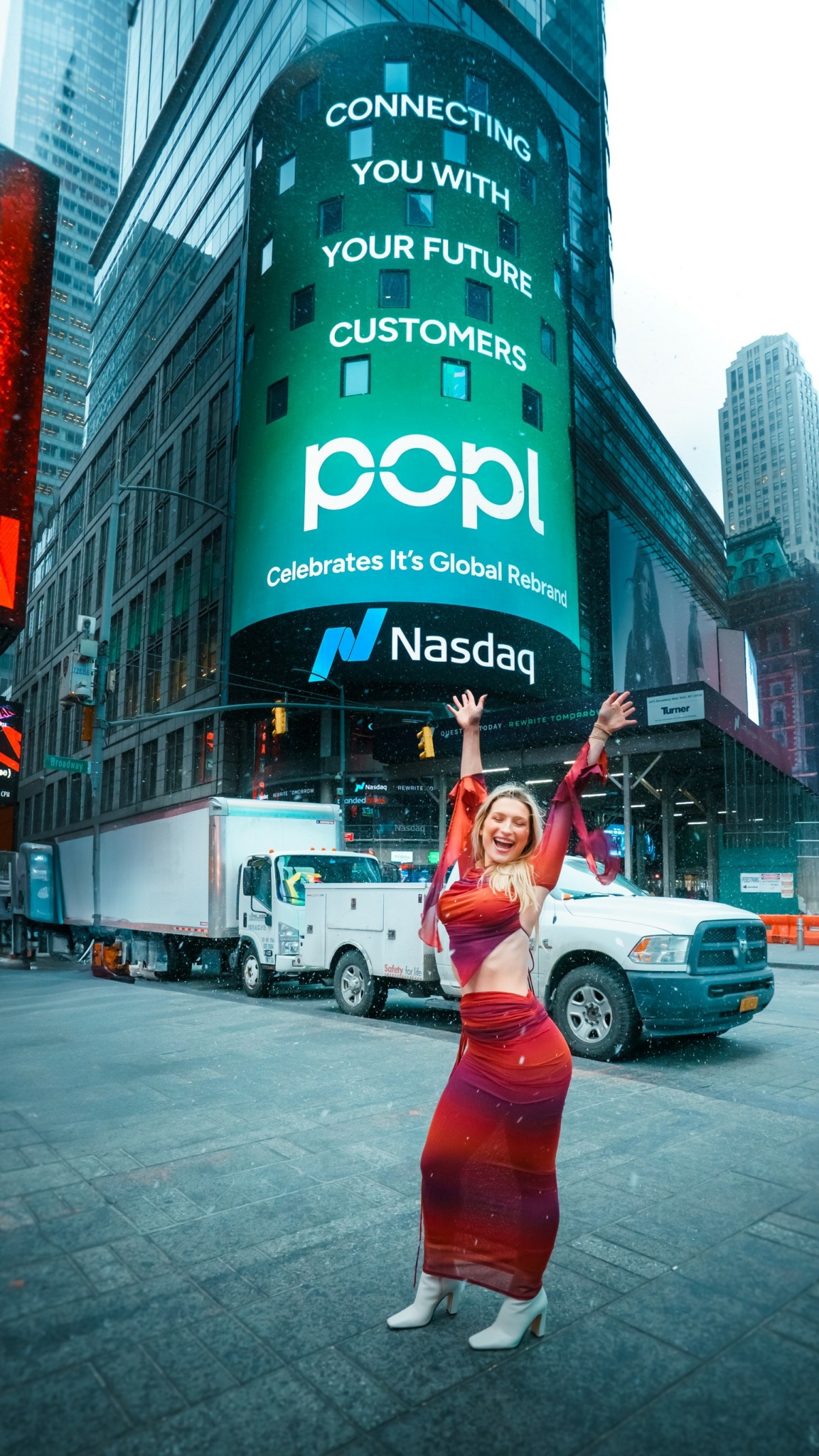
Image Credits
Manoa Raine