

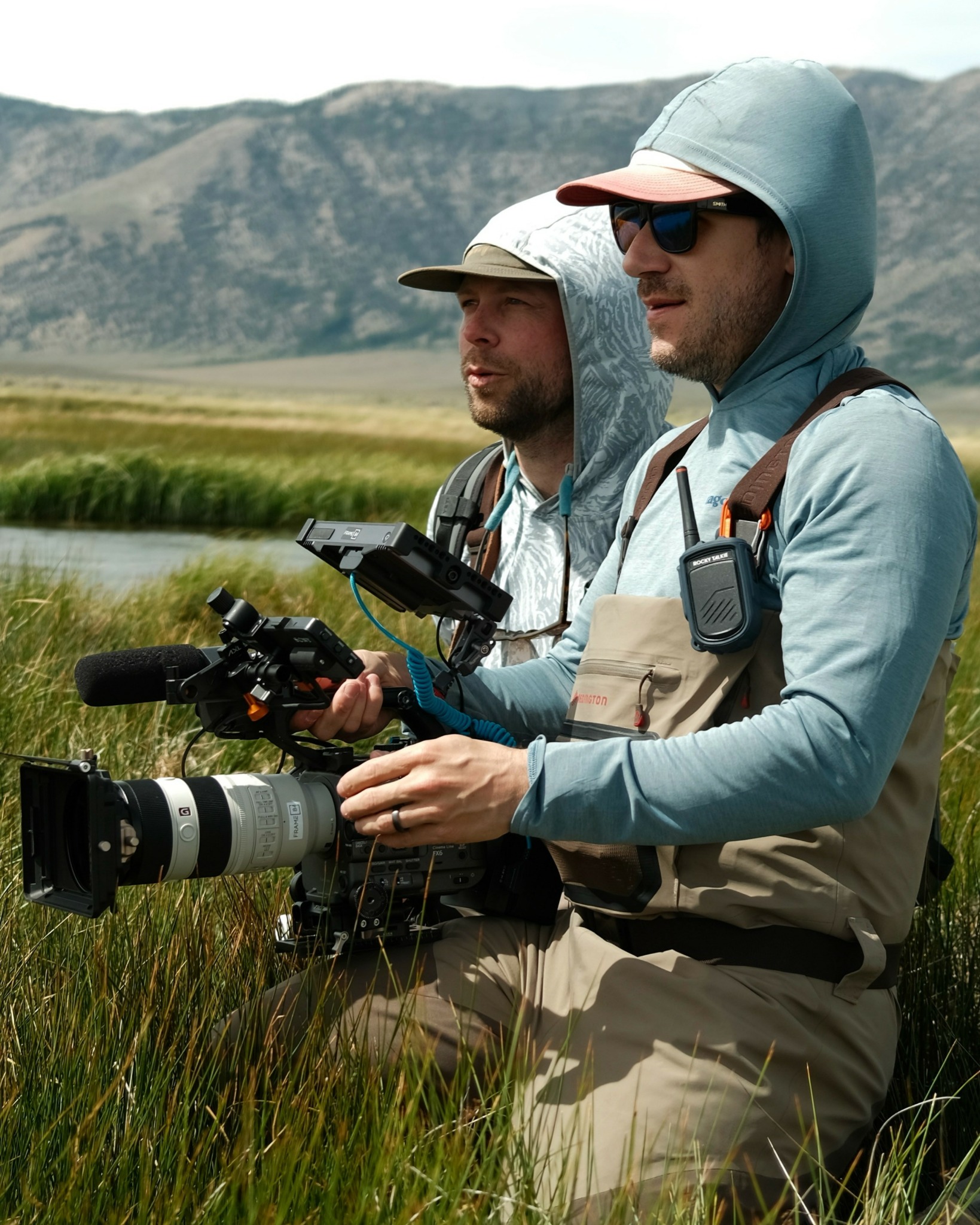

We caught up with the brilliant and insightful Jeff Reid a few weeks ago and have shared our conversation below.
Jeff, thanks for taking the time to share your stories with us today One of the toughest parts of scaling a business is maintaining quality as you grow. How have you managed to maintain quality? Any stories or advice?
At my first job after film school, I was lucky to have an incredible mentor. I was his assistant editor working on a short documentary film, and he taught me the importance of attention to detail, especially working for a client. In my next job, one of my roles was to watch shows before airing to look for any last minute issues. That helped train my eye to look out for every little detail, and now it’s a point of pride to make sure every piece of content I create meets my high standards.
My advice to anyone concerned about quality control is to work with people you trust and whose work you admire. Most often, you are your worst critic. Another piece of advice is to learn the ins and outs of the tools you use – whether that be camera equipment or post-production software. The less time you spend fussing with the technical aspects, the more time you can spend focusing on your art.
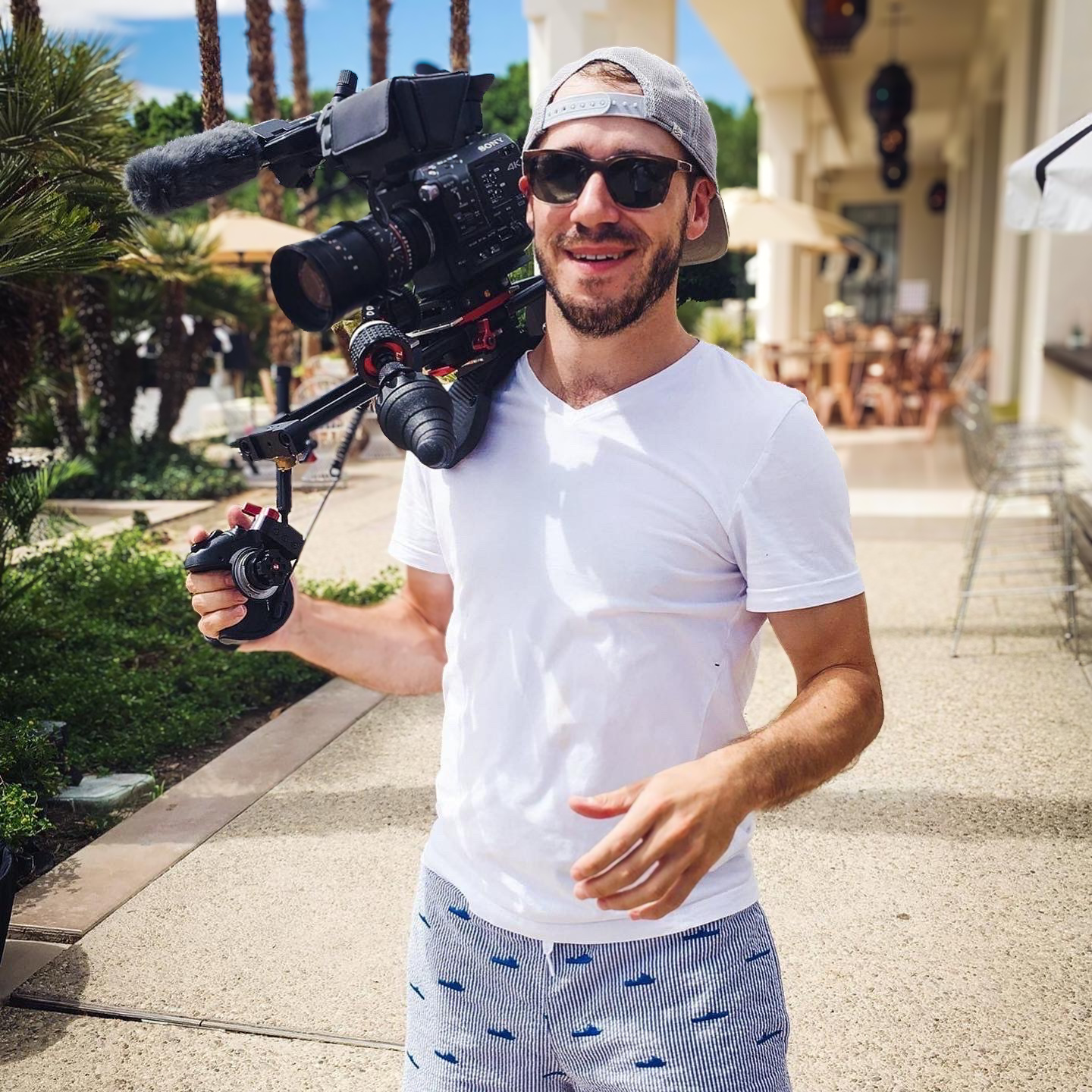
Jeff, before we move on to more of these sorts of questions, can you take some time to bring our readers up to speed on you and what you do?
I grew up in Port Townsend, Washington on the Olympic Peninsula – surrounded by nature. I first learned about photography and video in high school, where I was able to explore both mediums. After high school, I moved to California and went to Brooks Institute of Photography, where I studied film and video production.
After college, I worked as an assistant editor at several post-production houses where I learned the ins and outs of TV workflows — back when most things were still shot on digital tapes. I was juggling two or three jobs at a time, which helped me build a solid, well rounded understanding of the industry. Throughout my time in Los Angeles, I moved through several different roles, mostly in Post-Production. From Assistant Editor & Online Editor to Feature Film Editor and Colorist.
Being a Lead Colorist helped craft my ability to take live feedback from clients, and gave me my first real taste of what a high pressure job in Hollywood felt like. I learned how to creatively use color to make a project come to life.
As a feature film editor, I learned how to edit upwards of 60 scenes and keep track of everything from character dialogue to multiple cameras and takes. These were the most extensive projects of my career and would take six months or more to complete. They taught me how important project management is and how critical it is to stay organized.
After ten years in LA, I decided to move back to the Pacific Northwest — I missed the fresh air and the mountains! In Seattle, I worked for a startup called Cody App that was later bought by Alo Yoga. Over the course of six years, I wore a lot of hats: I worked as a creative, filming and editing projects, as Director of Post-Production, and finally as Director of Creative Media. I learned what it was like to work at a startup, I traveled all over the U.S. and internationally to Nicaragua and Bali, I managed a team of four editors, and I got valuable experience working at a company through its acquisition.
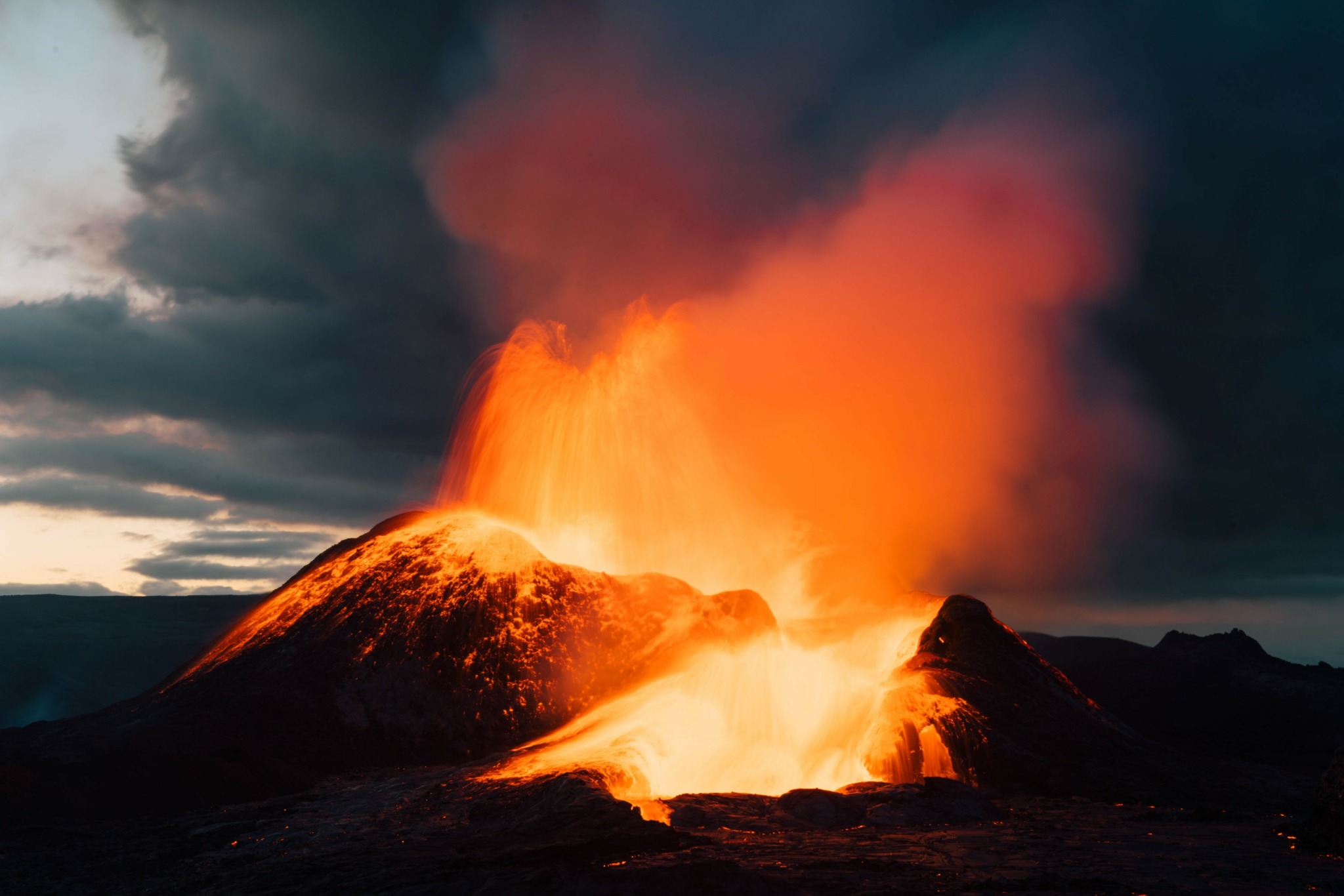
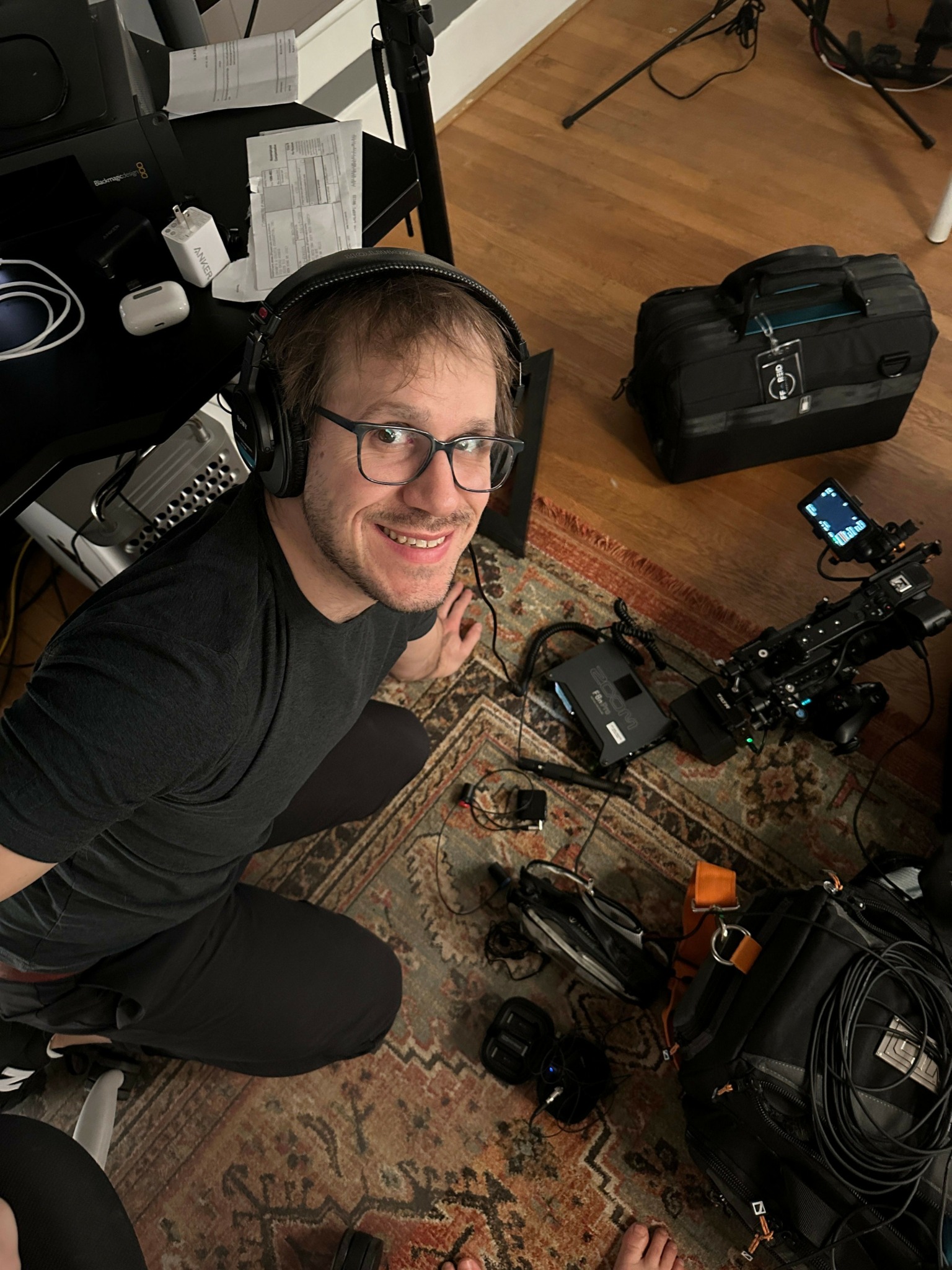
I now own and operate Frame 84, a photography and video production business. Starting my own business three years ago was a big step in my career, and the culmination of over 15 years of experience in the industry. It’s been a huge learning experience where I’ve been able to discover what parts of managing a business I love and the parts I find more challenging. I love when clients come to me because they want to tell a story — it’s a fun puzzle to film a project, put all the pieces together, and make it beautiful. I love the flexibility and the wide variety of clients and projects that I get to work on. What sets me apart is my knowledge of both the technical aspects of post-production combined with the creative aspects of filming and storytelling. Because of my varied experience in the industry, I am able to film beautiful footage and also work through the entire post-production workflow from editing to color-grading. My clients know they can trust creative eye, my technical expertise, and my years of experience.
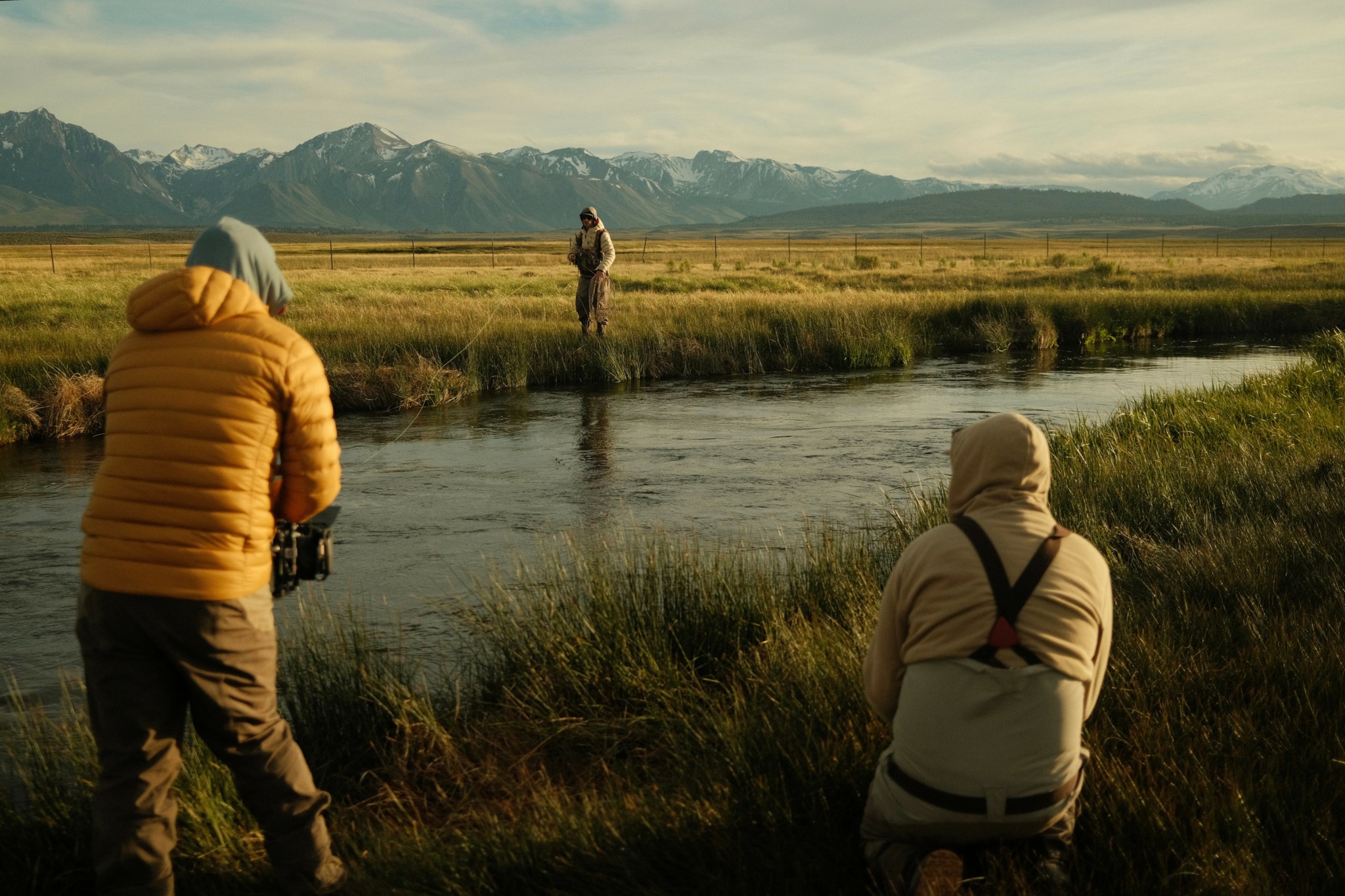
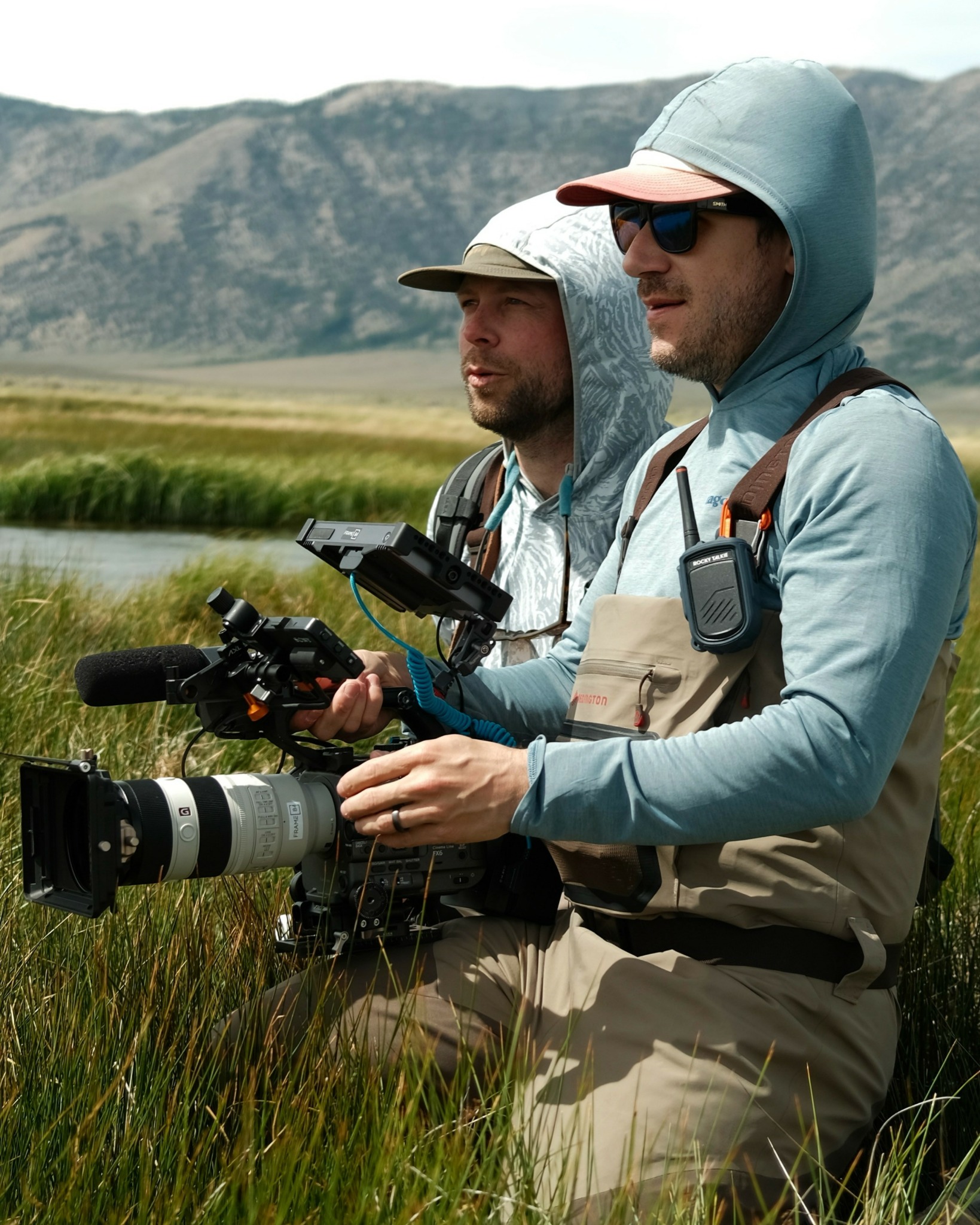
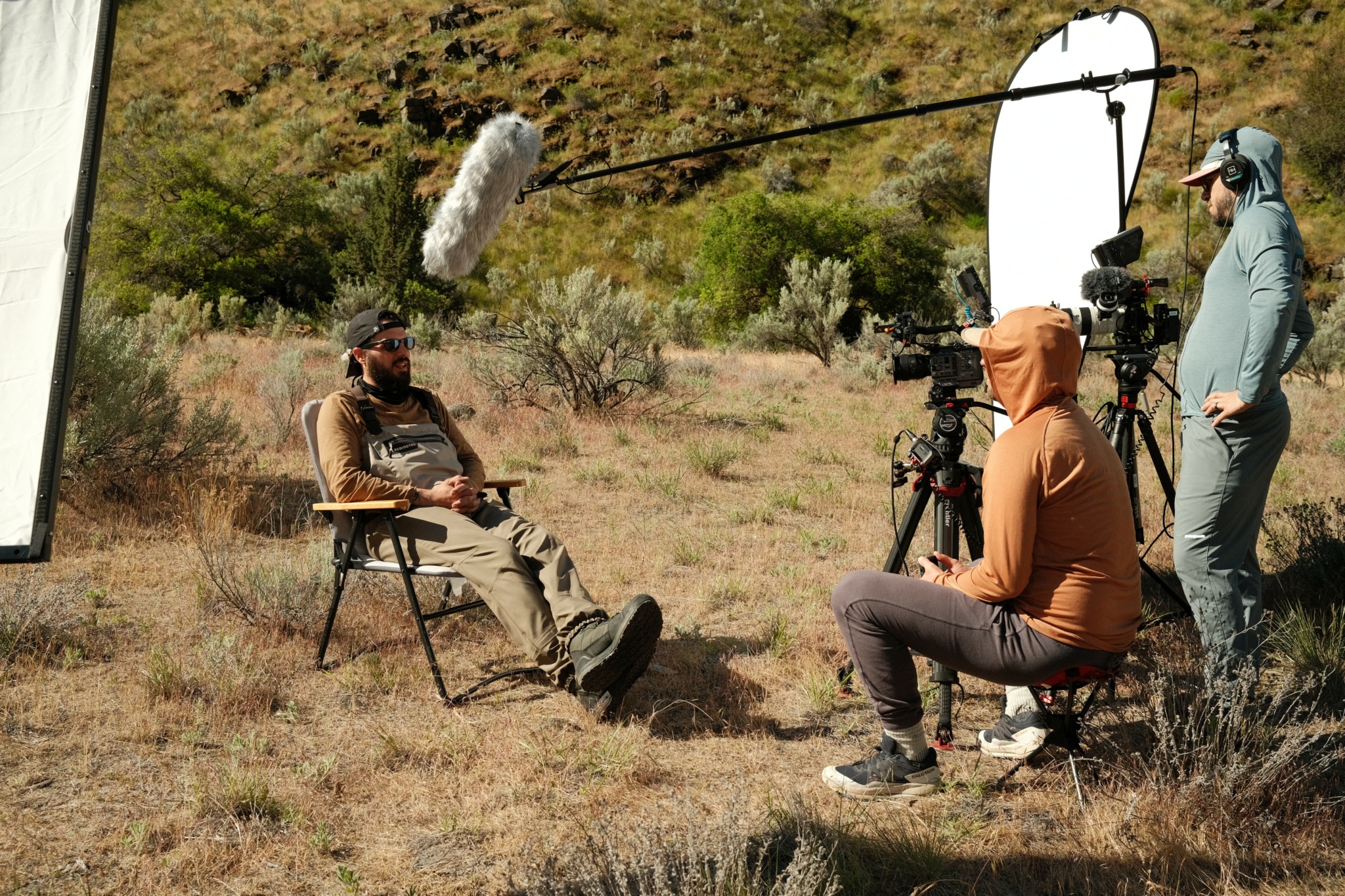
Recently, I’ve been most proud of my work for Redington, creating stories and ads about fly fishing. I’ve been able to work on location and spend time in the outdoors doing what I Iove.
What’s been the most effective strategy for growing your clientele?
It’s hard! Networking is one of the aspects of owning my own business that I find most challenging. I mainly rely on word of mouth, high quality work that people love, and being easy to work with. I try to be as flexible as possible and like to create a partnership with my clients. People want to keep working with people they like and so it’s really important to gel with clients and make sure they are excited about the final product.
For you, what’s the most rewarding aspect of being a creative?
I love capturing the world through a unique lens — which is getting harder and harder in today’s saturated video landscape. I am especially drawn to finding beautiful, natural light and capturing fleeting candid moments that tell a story. For me, the most rewarding part of being an artist is seeing a project through from an initial idea to a final deliverable and seeing people’s reaction to the work, whether it’s a client or my friends and family. People are moved by stories and it never gets old seeing how people are affected by my work.
Contact Info:
- Website: https://frame84.com
- Instagram: @frame.eightyfour
- Linkedin: https://www.linkedin.com/in/thejeffreid/
- Youtube: https://www.youtube.com/@the_jeffreid
- Other: Personal IG: @thejeffreid
Photo Blog: https://www.thejeffreid.com/
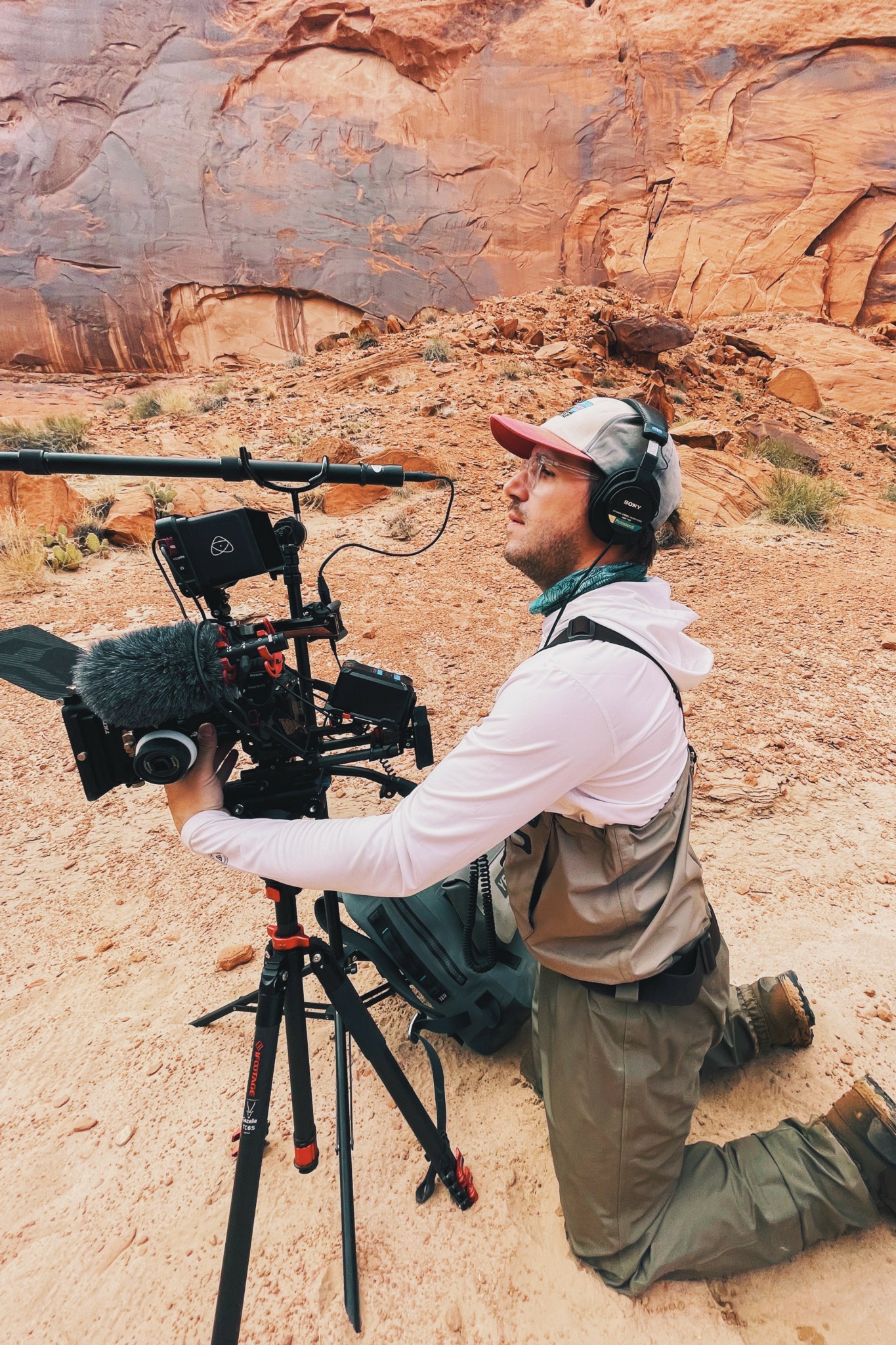
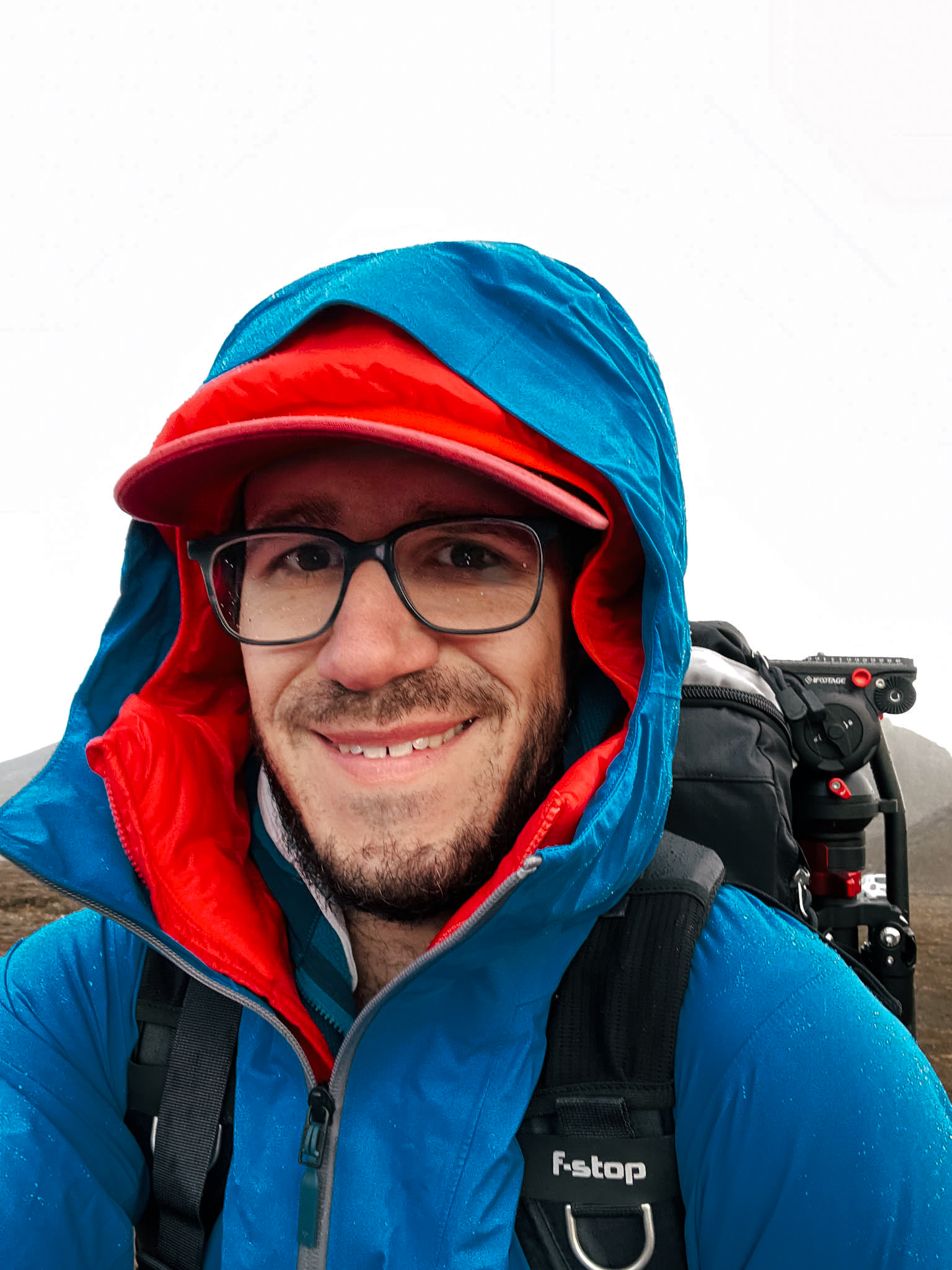
Image Credits
Mike Folden, Travis Robinson, Mary O’Reilly, Clay Nowak