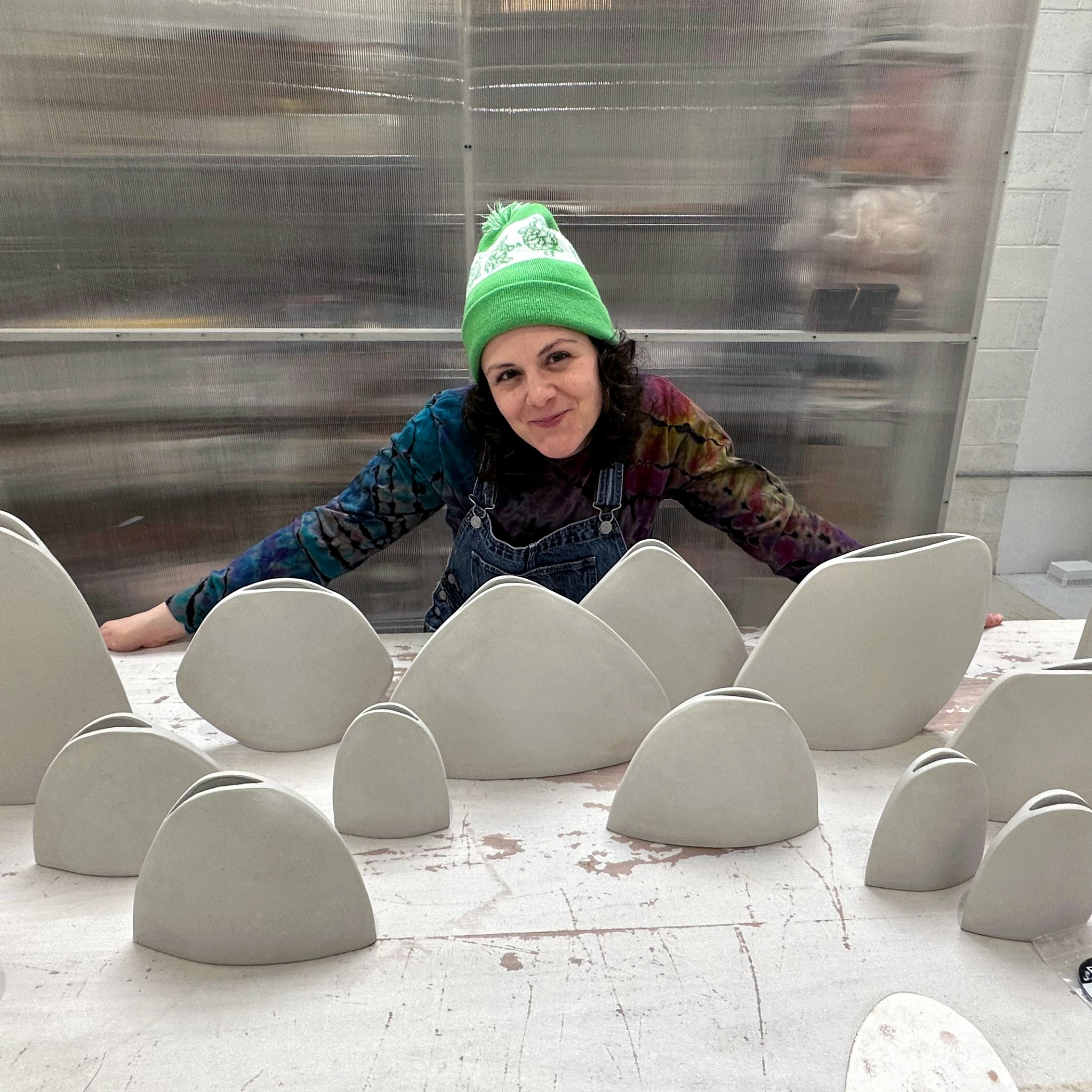

Today we’d like to introduce you to Mary.
Hi Mary, we’d love for you to start by introducing yourself.
I started taking art classes after school when I was eight (the lady across the street gave lessons out of her basement), and I realized pretty quickly that I loved drawing, and that it came easily to me. Through elementary and middle school I started taking more advanced classes and camps, where I learned to paint with oils and to draw from life – figures, still lifes, and my favorite: landscapes. I always felt spiritually connected with the natural world and would exaggerate the colors in my work to make the scenes more evocative.
Then in high school, I attended an art magnet school where I discovered photography – I was instantly seduced by its magic, and eventually decided to major in photography in college. For years, I shot mostly dramatic landscapes in color, along with more intimate images of my family and friends. I chose formats which transformed the landscapes into dreamy, psychedelic visions – the first was Polaroid instamatic film, and the second was 35mm cross-processed film.
I’ve been using instamatic Polaroids for over 20 years, and there is really no match for their soft, nostalgic aesthetic. They immediately turn everything into a fuzzy memory, and I love when this aesthetic is applied to landscapes. It’s a bit counterintuitive because you lose a lot of detail, but for me that’s the goal – to make the image dreamy and indistinct. My other preferred format, cross-processing color film, is a totally different effect than shooting Polaroids. You essentially process the film in the wrong chemicals, which totally trips out the colors and bumps up the saturation and grain like crazy. Similar to Polaroid film, cross-processed film sacrifices detail for an amplification of mood. Both of these techniques come with a lot of chemical surprises; in contrast to many kinds of photography where processes can be very refined and controlled, the ones I use are always riding on chance. For me, image making became not only an act of faith but also a kind of collaboration with the medium. I’ve shot so many photographs that never turned out right, or that looked so different than I envisioned, and I just chalk it up to being part of the experience. The ones that come out well are born out of somewhere beyond my control, in a magical process that always surprises me.
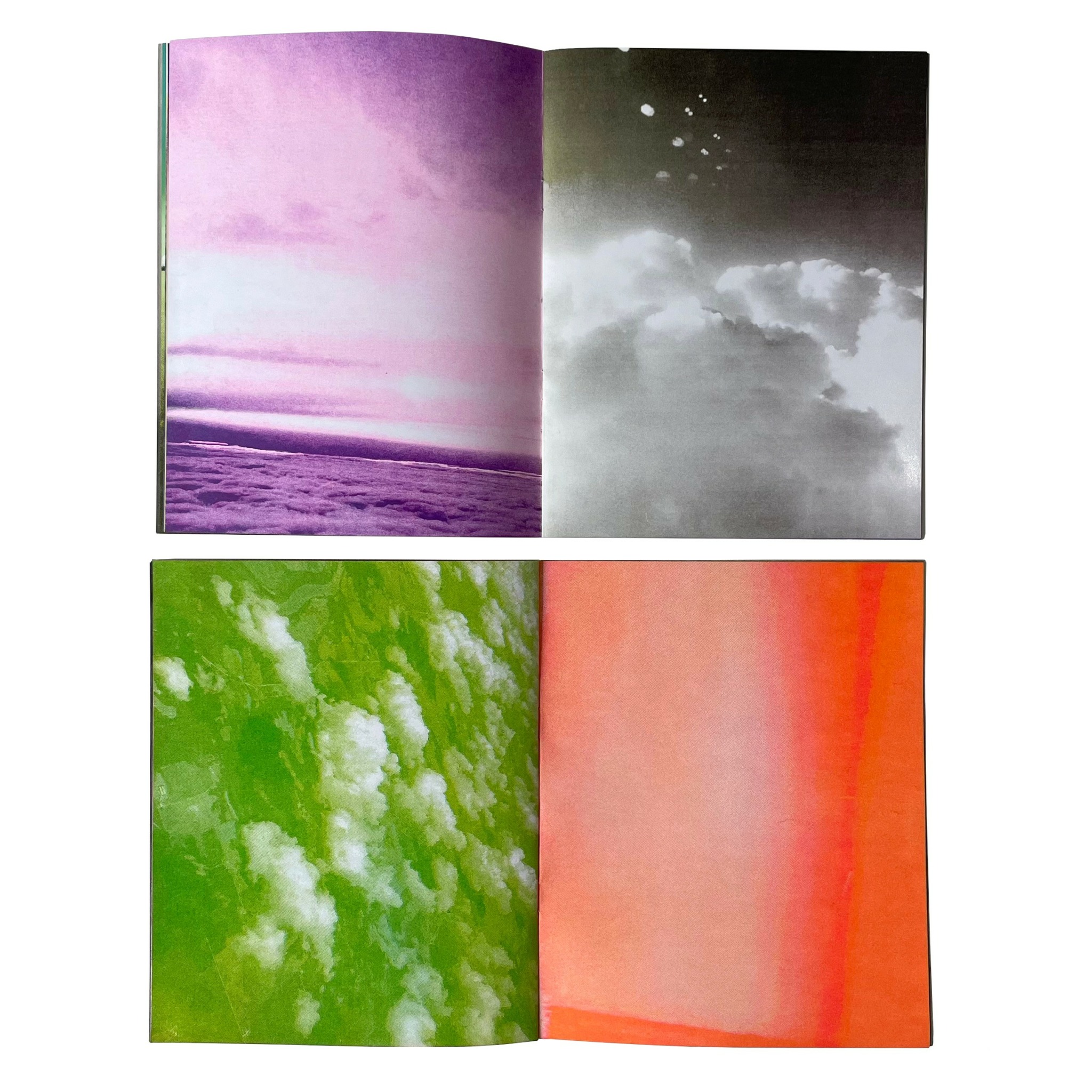
In graduate school I began to abstract my landscapes further, by making hand-printed zines of my photographs from plane windows, where I drastically warped the colors of the images. I used several different printing methods to achieve a range of textures and mood, and I layered images on top of each other – even printing some upside down. The series of zines connects my fear of flying to my obsession with taking photographs while flying. Since I usually have to take sedatives in order to get myself on the plane, I called it “klonoklouds.”
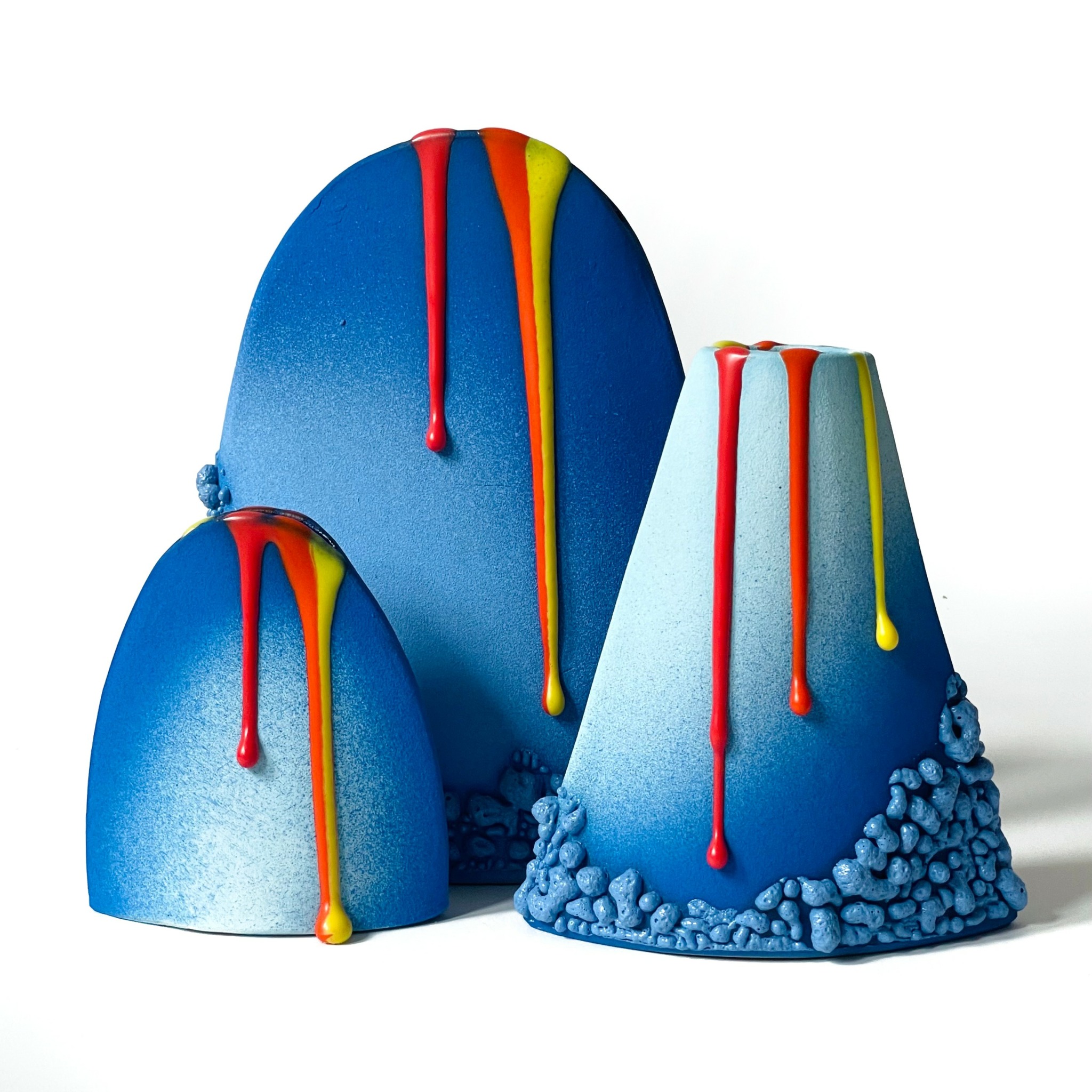
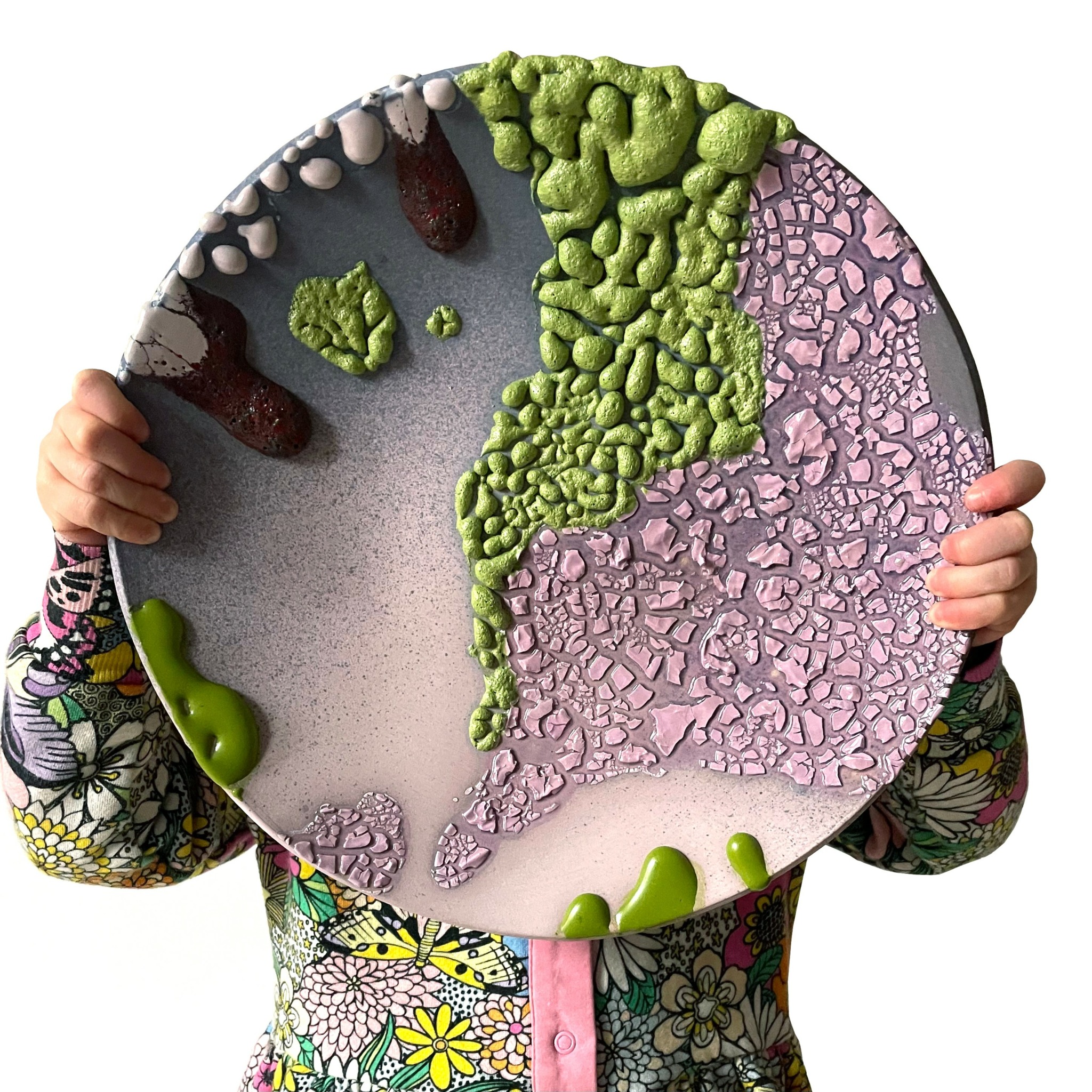
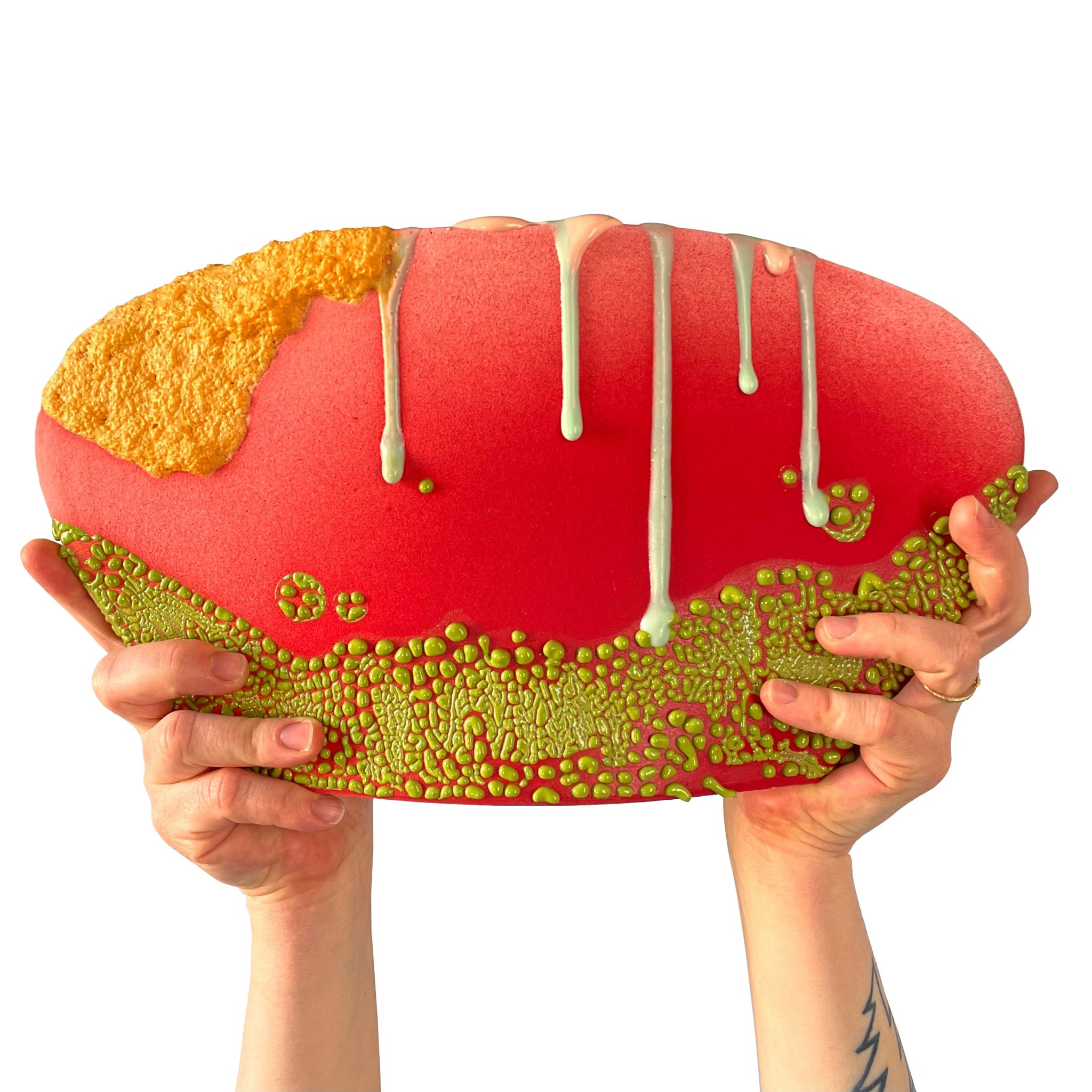
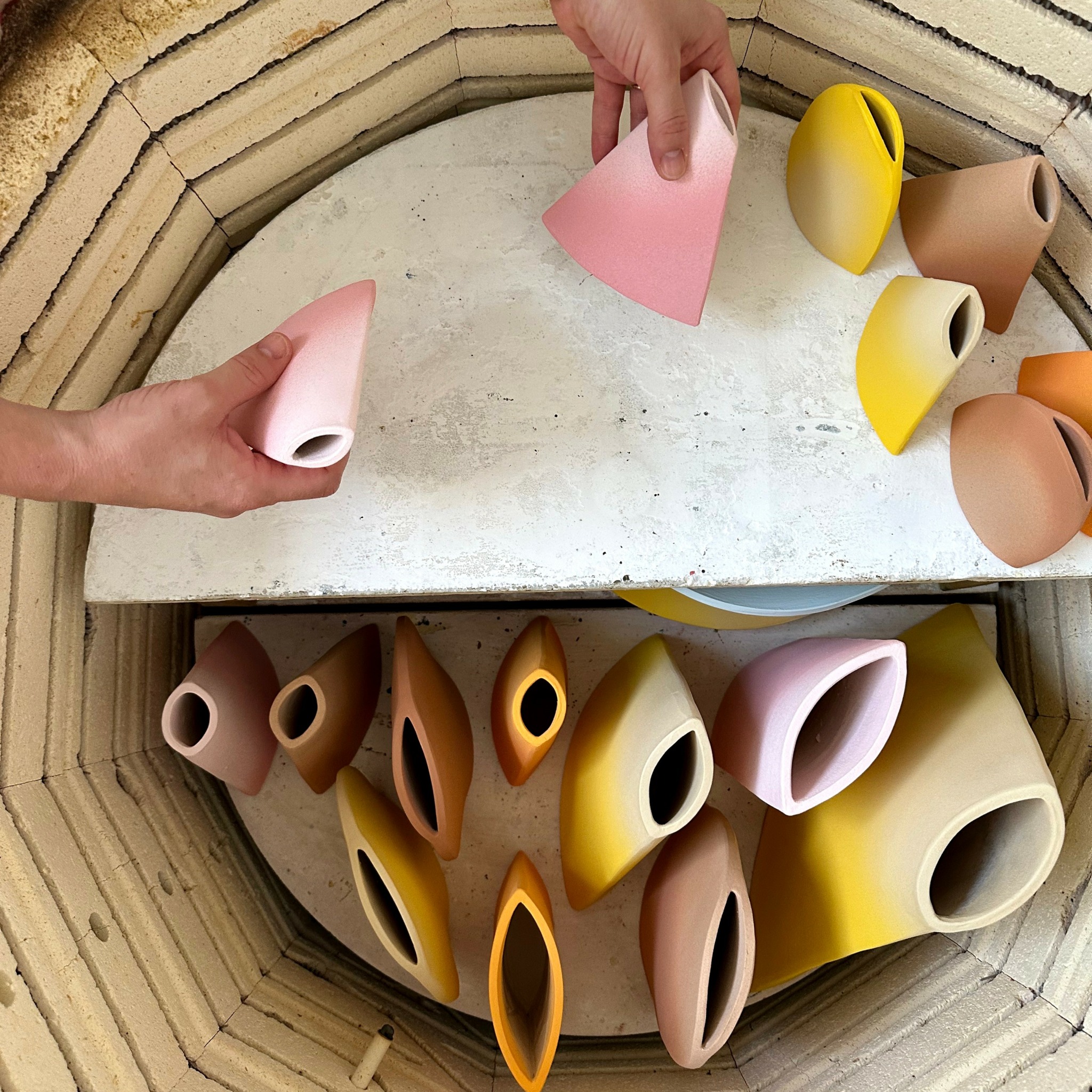
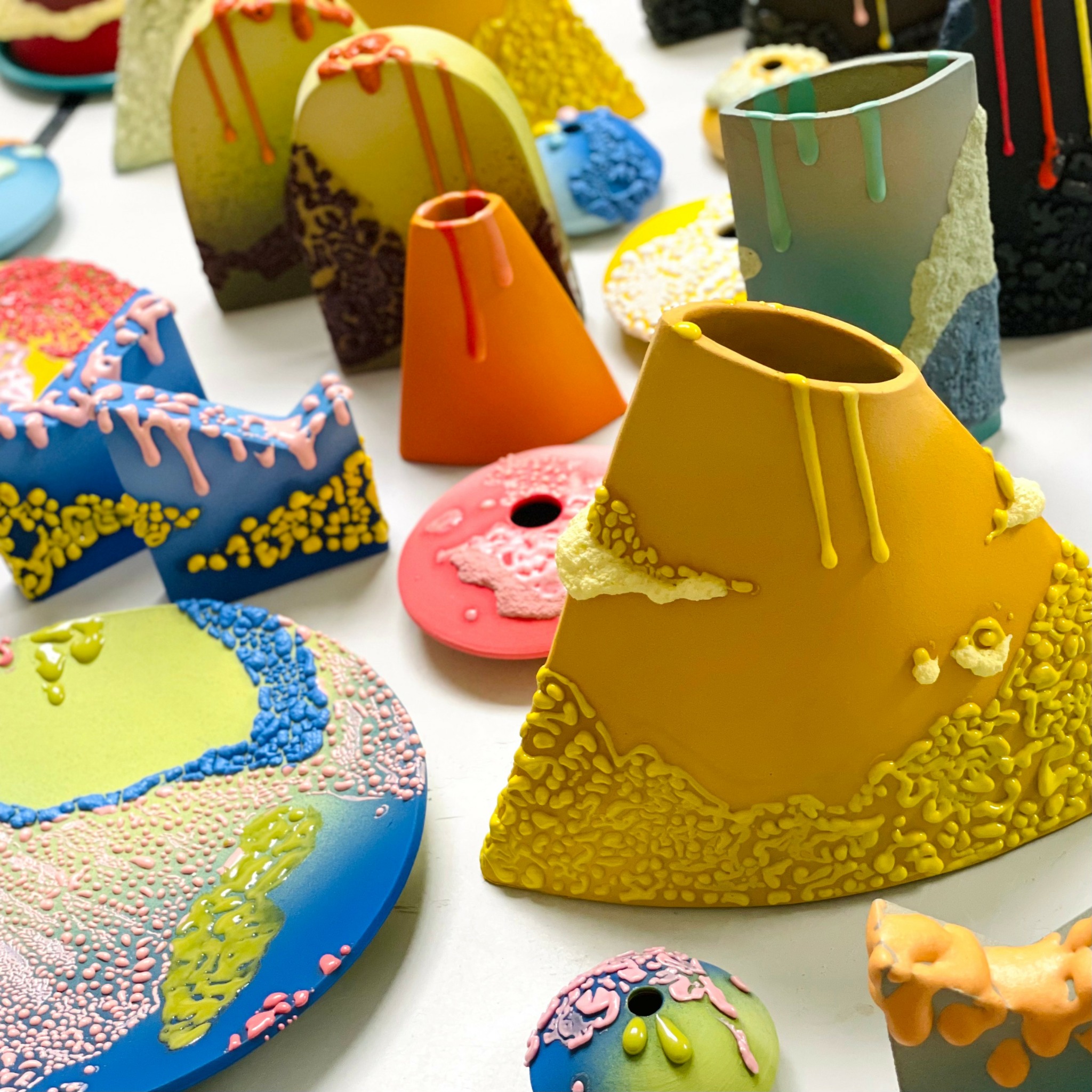
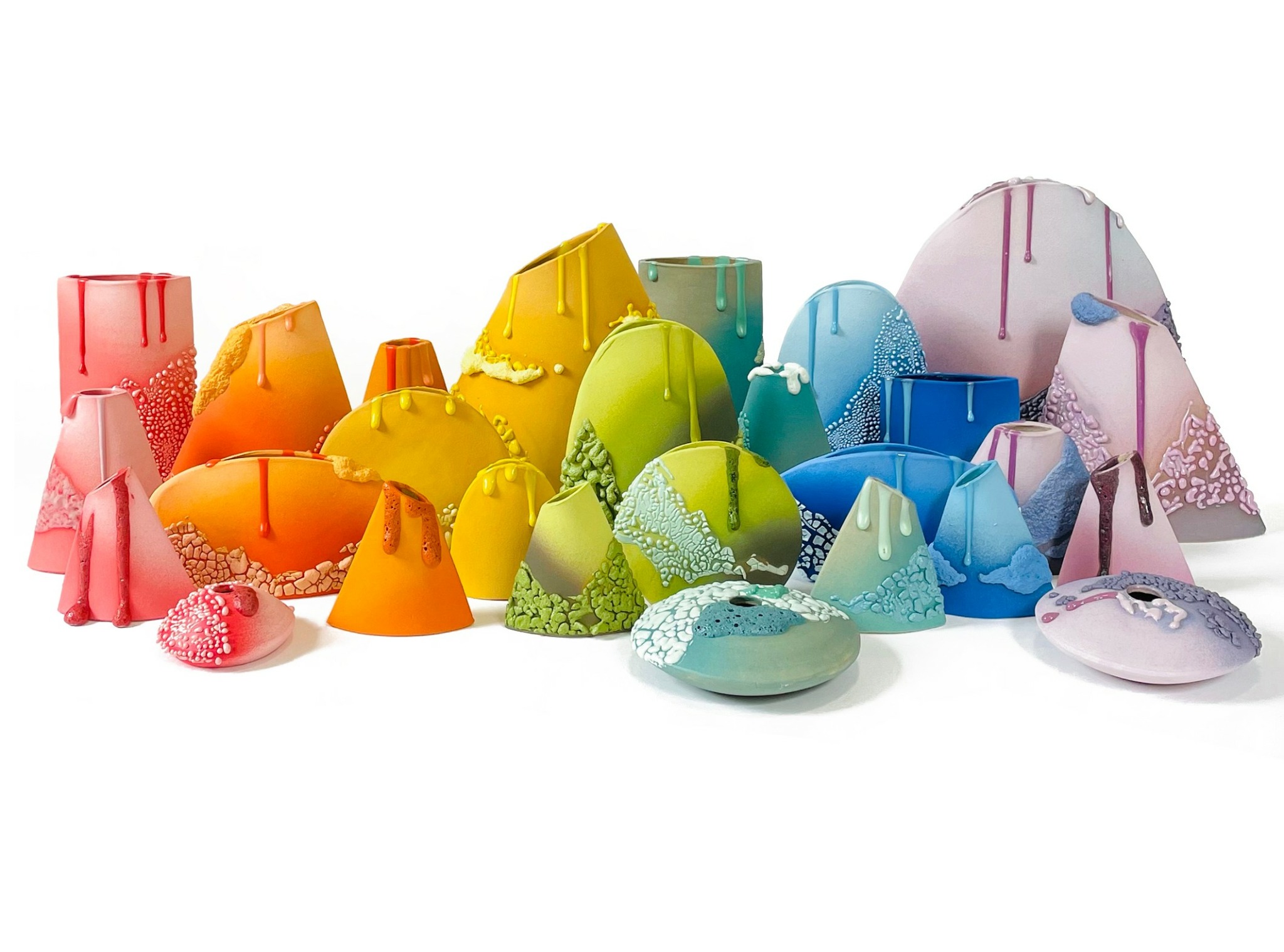
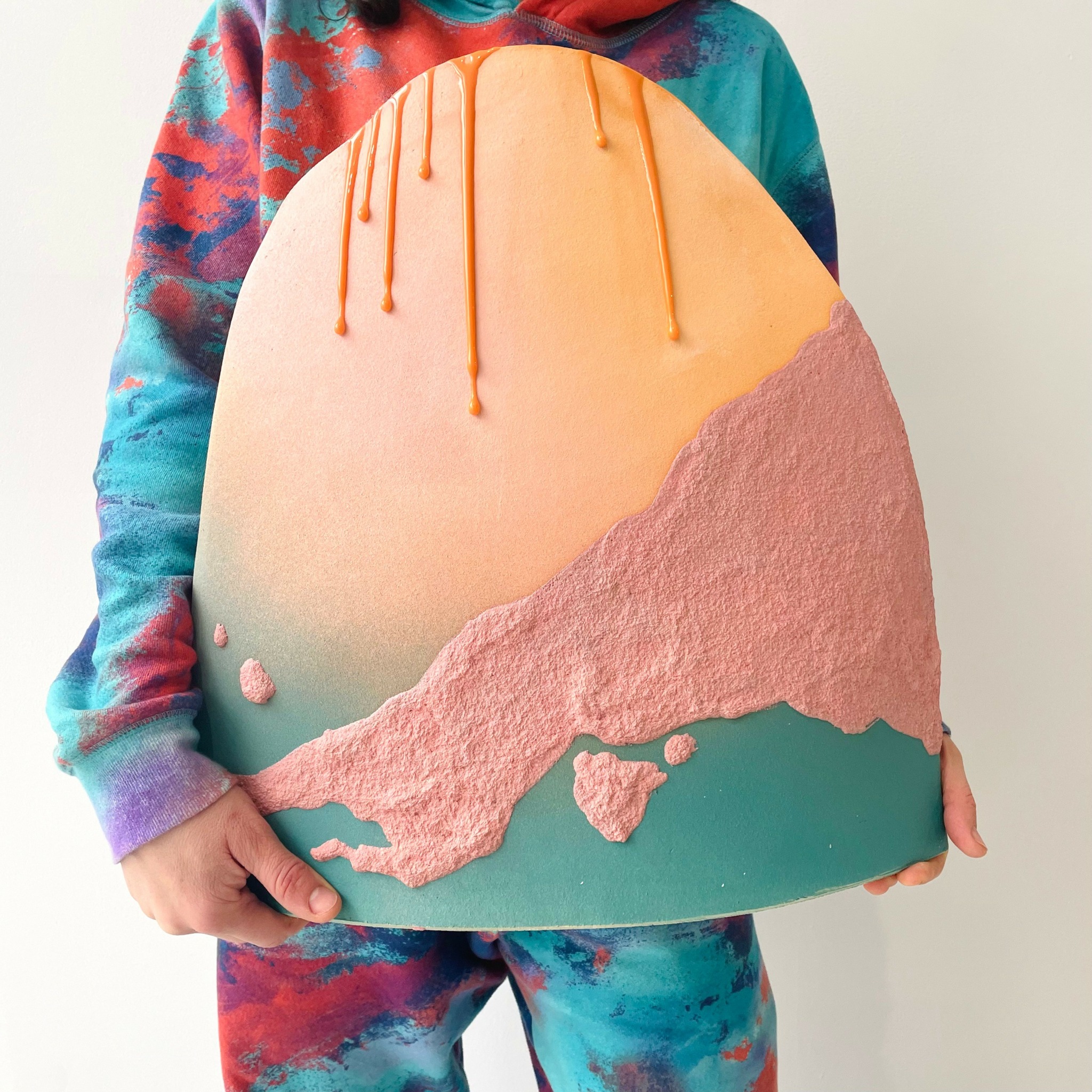
Now I work mostly with clay, and I think of each piece as a landscape. The process of ceramics allows me to combine my love for painting with the elements of chance inherent in the chemical processes. I also use a lot of specialty glazes that puff and crawl in the kiln, which always makes the end result completely unique – and often a big surprise. I love the surrender of control in this process, and find that it helps me open up to possibilities I never could imagine on my own.
In the few years after graduate school, I started focusing my practice on ceramics and glass. I love the intersection of craft and fine art that both these mediums straddle, and I find creating functional or even semi-functional art allows me to connect with my audience in a way that feels fulfilling. I decided to start a business selling my ceramic work, and here I am, making psychedelic landscapes in clay!
Can you talk to us a bit about the challenges and lessons you’ve learned along the way. Looking back would you say it’s been easy or smooth in retrospect?
My identity as someone who creates art has always been clear to me, but my path has often been less visible. I spent many years working for famous artists, organizing their archives and libraries, which I am good at and do enjoy. But it never felt fulfilling to me to be working in another artist’s studio, and I struggled to figure out what kind of a job I wanted to have – and whether or not I wanted my practice to become my income. I showed my work in various galleries over the years, joined collectives, participated in residencies and won awards. But I always felt like something was missing, both in my art practice and in my jobs.
I also have struggled to define my practice since I am interested in so many different kinds of art making. I love to crochet and sew, and in addition to painting, drawing and photography, I often work with collage and have extensive experience with printmaking.
Eventually, I realized that the breadth of my interests and skills is beneficial, and that all of the things I have studied, both in and out of an academic setting, inform what I am currently doing in ceramics. But for many years my goals and visions felt vague to me, and I struggled to specify exactly what it is that I want to do.
A couple of years before I had my first daughter, I became clear on the fact that I wanted to start my own business making and selling my ceramic and glass work. My sister and I started a company doing just that, but since she lives in California it eventually became too difficult to manage cross-country. After my daughter was born, I became increasingly more focused on my ultimate goal of supporting my family through the creative work that I make. I launched a new ceramics business called Weather Report, and am celebrating the second anniversary on March 1, 2025 with a sale on my website.
As you know, we’re big fans of you and your work. For our readers who might not be as familiar what can you tell them about what you do?
I currently make functional ceramic pieces that also serve as art objects. My work is really vibrant and also very textural – it may not be for everybody, but I feel that it truly expresses my aesthetic. The pieces I make are really just the kind of items I love to have in my own home – vases, bookends and platters. They all serve a specific purpose, but can also be displayed and enjoyed as art. I especially love the new line of bookends that I am currently working on, since I am obsessed with books. I’m also experimenting now with making lamps, which is super exciting. It’s satisfying to see that my magical landscapes are translating to three dimensions in a way that feels authentic to myself.
I have monthly or semi-monthly releases of new work on my website, and people can sign up for my mailing list for early access and other news – and sales!
Is there something surprising that you feel even people who know you might not know about?
The name Weather Report is an ode to my favorite Grateful Dead song. The lyrics describe the circle of seasons, and the blooming and fading of love. They depict shifts in weather and the cycles of life and death in the natural world as metaphors for our own fragile lives.
I’ve been listening to the Dead for almost 30 years, and have always been inspired by the psychedelic aesthetic of the culture that surrounds the band. But I think the biggest influence they have had on me is through their lyrics, which address big topics such as love, spirituality and death. The music is ultimately hopeful and celebratory, but always holds an element of melancholy or a sentiment of loss.
I hope that my work can bring joy and lightness to people’s lives. I really believe that through visual language, art has the power to shift how people think and feel, and even the act of bringing some happiness to someone’s home is meaningful.
Contact Info:
- Website: https://www.weatherreportceramics.com
- Instagram: @weatherreportceramics