

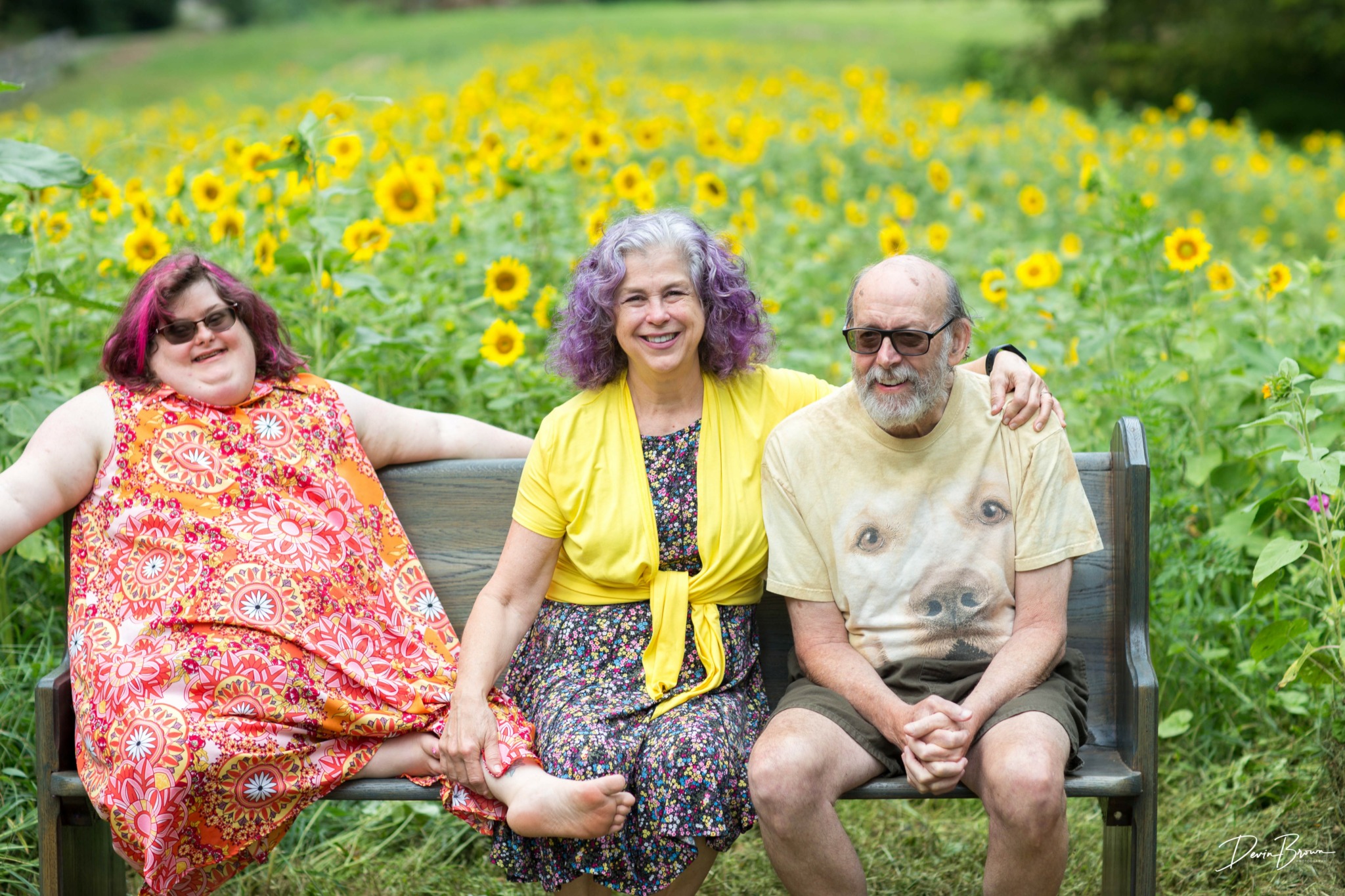

Today we’d like to introduce you to Debra Ruh.
Hi Debra, so excited to have you with us today. What can you tell us about your story?
II started my professional journey in the banking industry, but my life took a significant turn when I became a mother to Sara, who has Down syndrome. Raising her opened my eyes to the deep gaps in accessibility and inclusion, which sparked my shift towards advocacy. Alongside my professional work, my personal life has been deeply shaped by the challenges I faced caring for my late husband, Ed. He survived a traumatic brain injury (TBI) after being hit by a drunk driver as a child, and later developed early-onset dementia. Sadly, he passed away in 2022. His journey taught me firsthand about resilience and the importance of creating systems that support people with disabilities, and I’ve carried that knowledge into my advocacy work.
After transitioning from banking into entrepreneurship, I co-founded Ruh Global IMPACT to help drive systemic change in disability inclusion. This work has led to opportunities to speak globally through the U.S. State Department and the UN, as well as to author books, articles, and white papers. I’m passionate about using technology and AI for good, particularly for underserved communities like those living with disabilities. One of my proudest initiatives is Billion Strong, which aims to unite over a billion people with disabilities globally, amplifying their voices and empowering them to have a seat at the table
Alright, so let’s dig a little deeper into the story – has it been an easy path overall and if not, what were the challenges you’ve had to overcome?
Of course, it hasn’t been a smooth road. The work of advocating for disability inclusion and accessibility is never easy, especially when such crucial issues are often overlooked or underfunded. There have been many times when I faced significant challenges—whether it was trying to secure funding for initiatives or dealing with systems that weren’t built with accessibility in mind. Even today, with the political climate in the U.S. attacking disability inclusion, it can feel like we’re fighting against the tide.
However, these struggles have only strengthened my resolve. I’ve seen firsthand how essential these efforts are, and the more resistance there is, the more determined I become. The work I do isn’t just about overcoming obstacles; it’s about ensuring that the voices of people with disabilities are heard, valued, and included in every aspect of society. And despite the setbacks, I’ve never been one to stop pushing forward. Now more than ever, in light of the challenges we’re facing, I’m even more committed to making real, lasting change in disability inclusion and accessibility.
Alright, so let’s switch gears a bit and talk business. What should we know?
Ruh Global IMPACT (www.RuhGlobal.com) is a global think tank dedicated to driving meaningful change in the areas of disability inclusion, accessibility, and human-centered technology. We focus on creating systemic change by collaborating with government agencies, corporations, and thought leaders across the world. Our work is grounded in ensuring that disability inclusion isn’t just a trend or a buzzword but a core value woven into every part of society, from workplaces to smart cities.
One of our key initiatives, Billion Strong (www.Billion-Strong.org), is a global movement designed to bring together over a billion people with disabilities to amplify their voices and create a community that is discoverable, supported, and empowered. It’s not just about inclusion—it’s about giving people with disabilities the tools to succeed and thrive. The goal is to connect individuals and organizations in meaningful ways, helping them collaborate, share resources, and support each other.
What sets Ruh Global IMPACT apart is our deep commitment to collaboration and empowerment. We understand that true change doesn’t happen in isolation; it happens when we all come together and share our experiences, knowledge, and resources. Our global presence and the powerful network we’ve built make us a unique catalyst for change, and we’re proud of the impact we’ve already made, particularly in the MENA region and Latin America.
We’re known for our advocacy, thought leadership, and for driving impactful conversations at the highest levels. I’m particularly proud of the work we’ve done through events like AXSChat and the partnerships we’ve developed with governments and corporations that are truly committed to making a difference. Our brand is all about action, collaboration, and creating a world where people with disabilities can live and work without barriers.
I want readers to know that Ruh Global IMPACT and Billion Strong are not just organizations—they’re movements. Movements that are reshaping the future of inclusion, accessibility, and human potential. We are here to push boundaries, challenge the status quo, and ensure that disability inclusion is not only recognized but fully realized in every sector and every corner of the globe
In terms of your work and the industry, what are some of the changes you are expecting to see over the next five to ten years?
The disability inclusion and accessibility industry is at a pivotal moment. Over the next 5 to 10 years, I see a shift toward leveraging technology—particularly AI—as a critical tool for inclusion. However, it’s essential that we never forget the human element. As humans, we are fragile, and we change throughout our lifetimes. That’s why it’s so important that our work continues to centre human dignity, ensuring that every person has access to the tools and support they need to thrive.
Unfortunately, the road ahead is not without significant challenges. The complete cut of USAID funds, particularly for critical resources like prosthetics and wheelchairs, is devastating. Moreover, the situation in war-torn regions like parts of Africa, where people are losing limbs in conflict, is dire. The number of individuals who need prosthetics is staggering, and the mental health impact of these circumstances is chilling. The global community needs to step up and provide the necessary support, especially as these individuals cope with both physical and psychological trauma.
Despite these setbacks, I’m more committed than ever to advocating for human inclusion. This includes promoting AI for good, ensuring that technology serves people with disabilities in ways that empower them. But as we move forward, we must remember that no technology will replace the need for human connection, empathy, and care. The true path forward for inclusion lies in collaboration—leveraging all the tools we have, while ensuring that no one is left behind, regardless of their circumstances.
The future of disability inclusion will be shaped by these conversations, by bringing together technology, human-centred solutions, and a global commitment to ensuring that everyone, everywhere, has access to what they need to live fulfilling lives. That is why I know also use the hashtag #HumanInclusion along with #WeAreBillionStrong
Contact Info:
- Website: www.RuhGlobal.com www.Billion-Strong.org
- Instagram: http://instagram.com/debraruh
- Facebook: https://www.facebook.com/debraruh
- LinkedIn: http://www.linkedin.com/pub/dir/Debra/Ruh/
- Twitter: https://twitter.com/debraruh
- Youtube: http://youtube.com/debraruhglobal
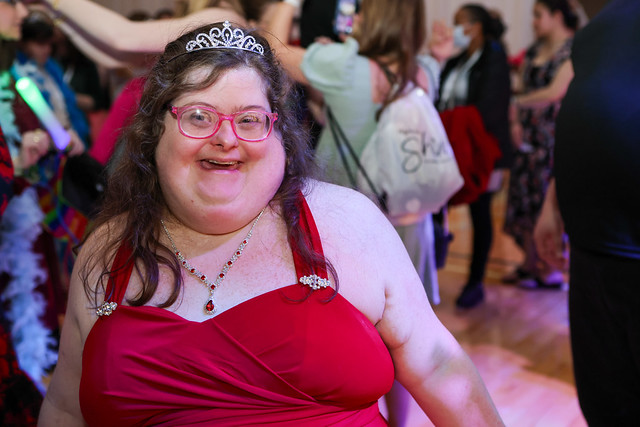
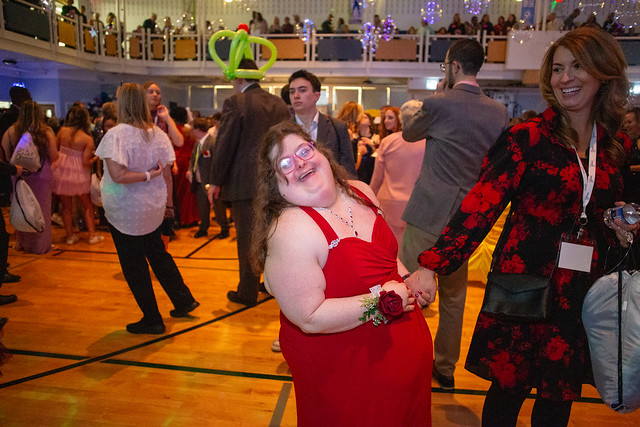
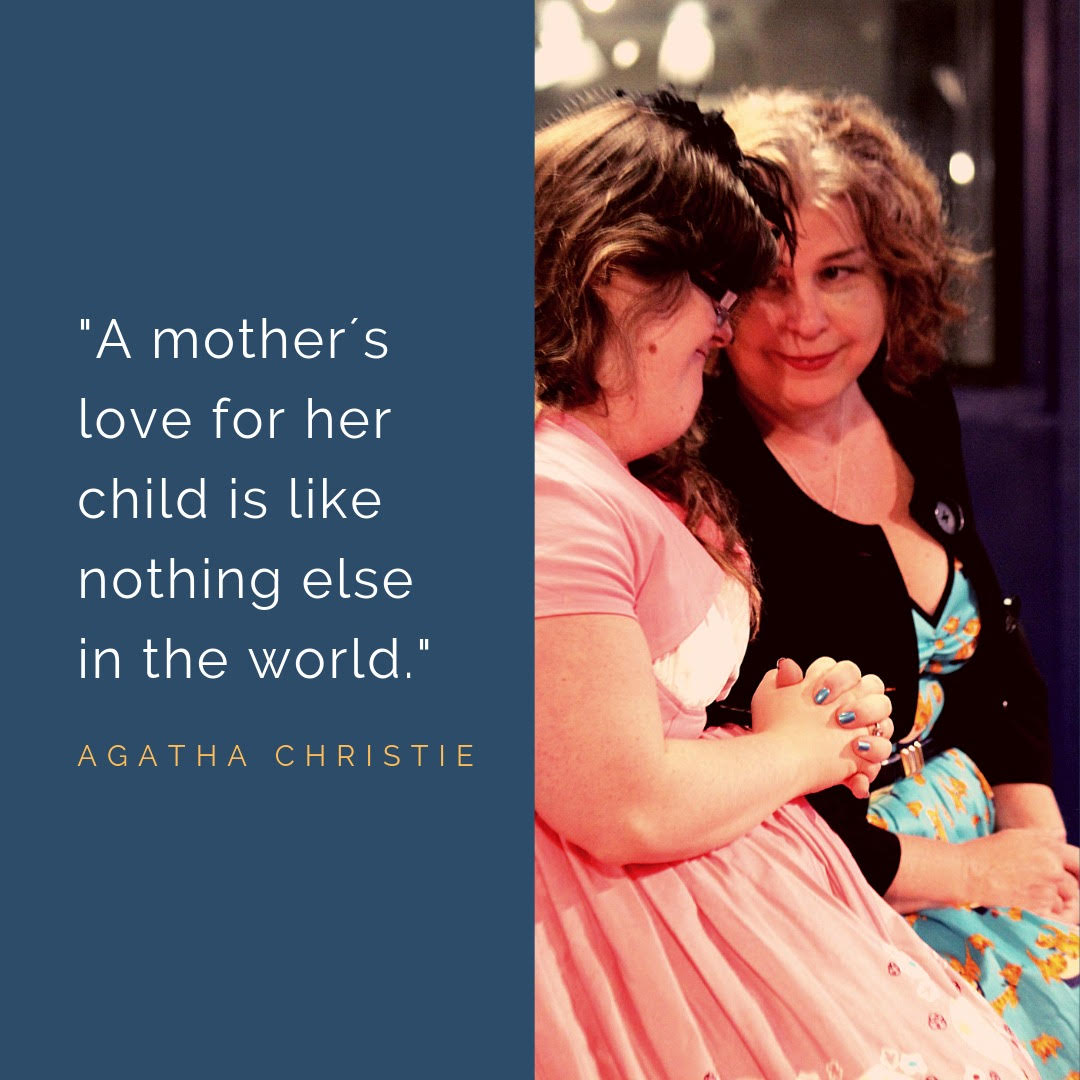
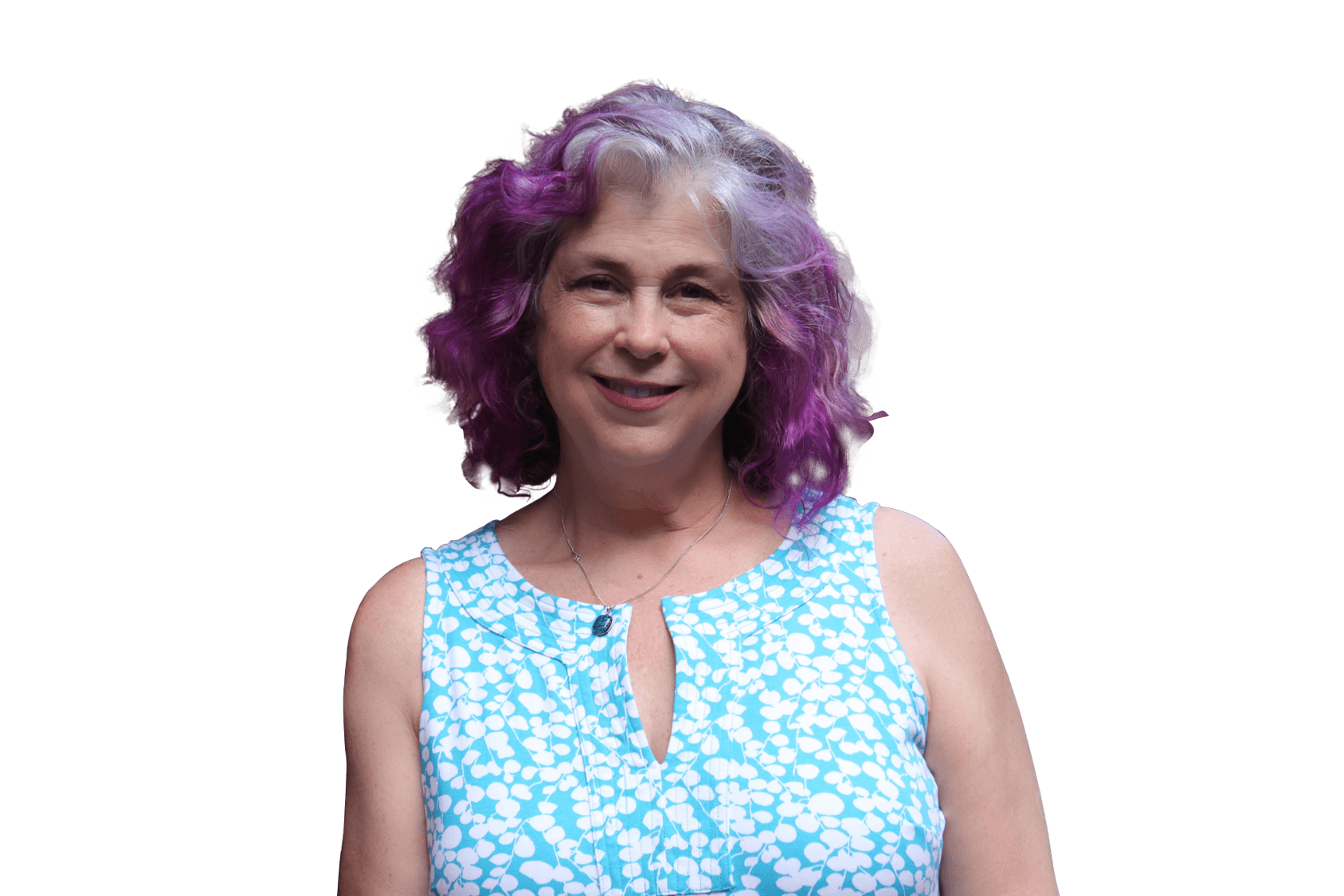
Image Credits
Credits: Devin Brown and Debra Ruh – all permissions granted