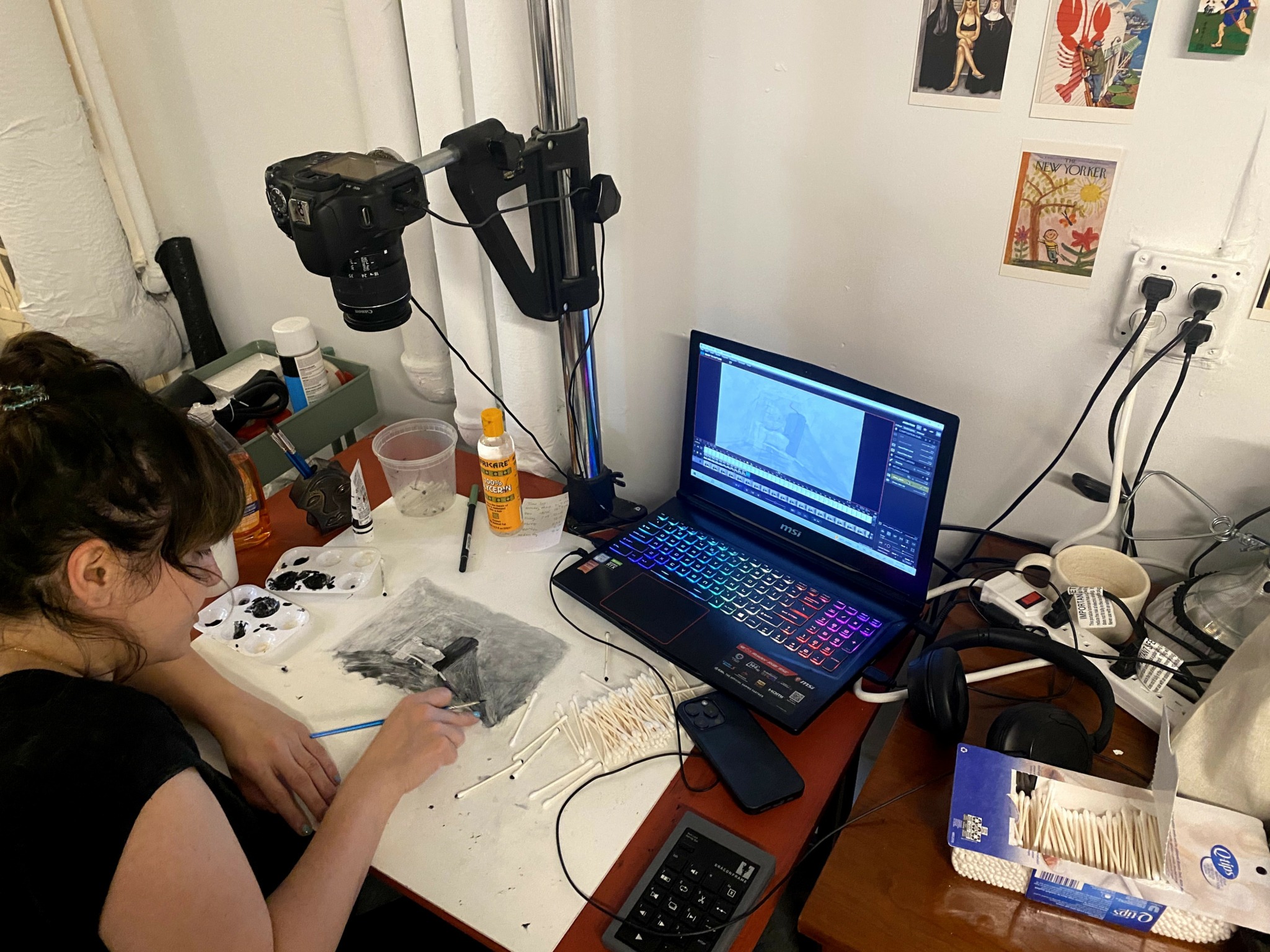

Today we’d like to introduce you to Hoda Ramy.
Hi Hoda, so excited to have you on the platform. So before we get into questions about your work-life, maybe you can bring our readers up to speed on your story and how you got to where you are today?
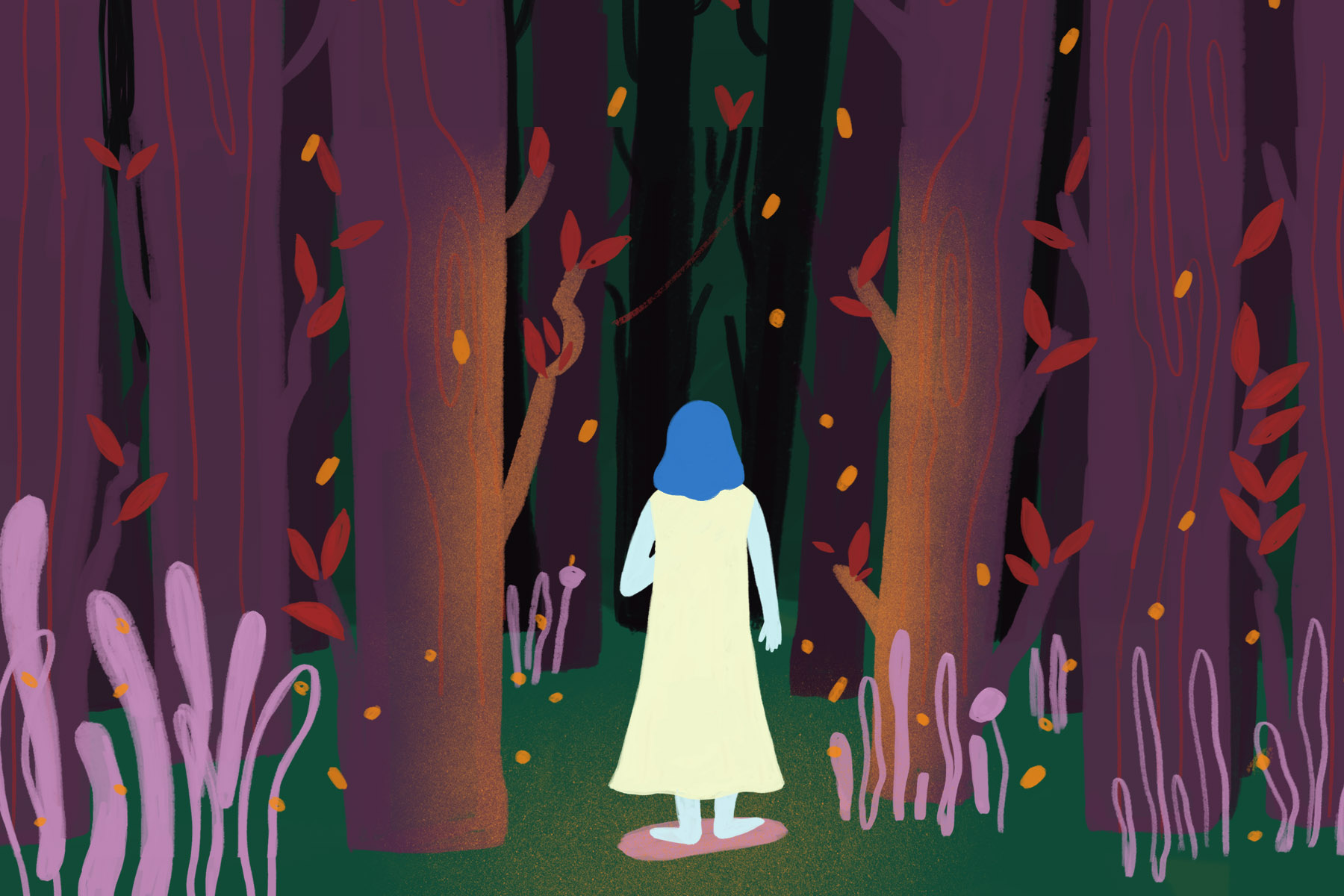
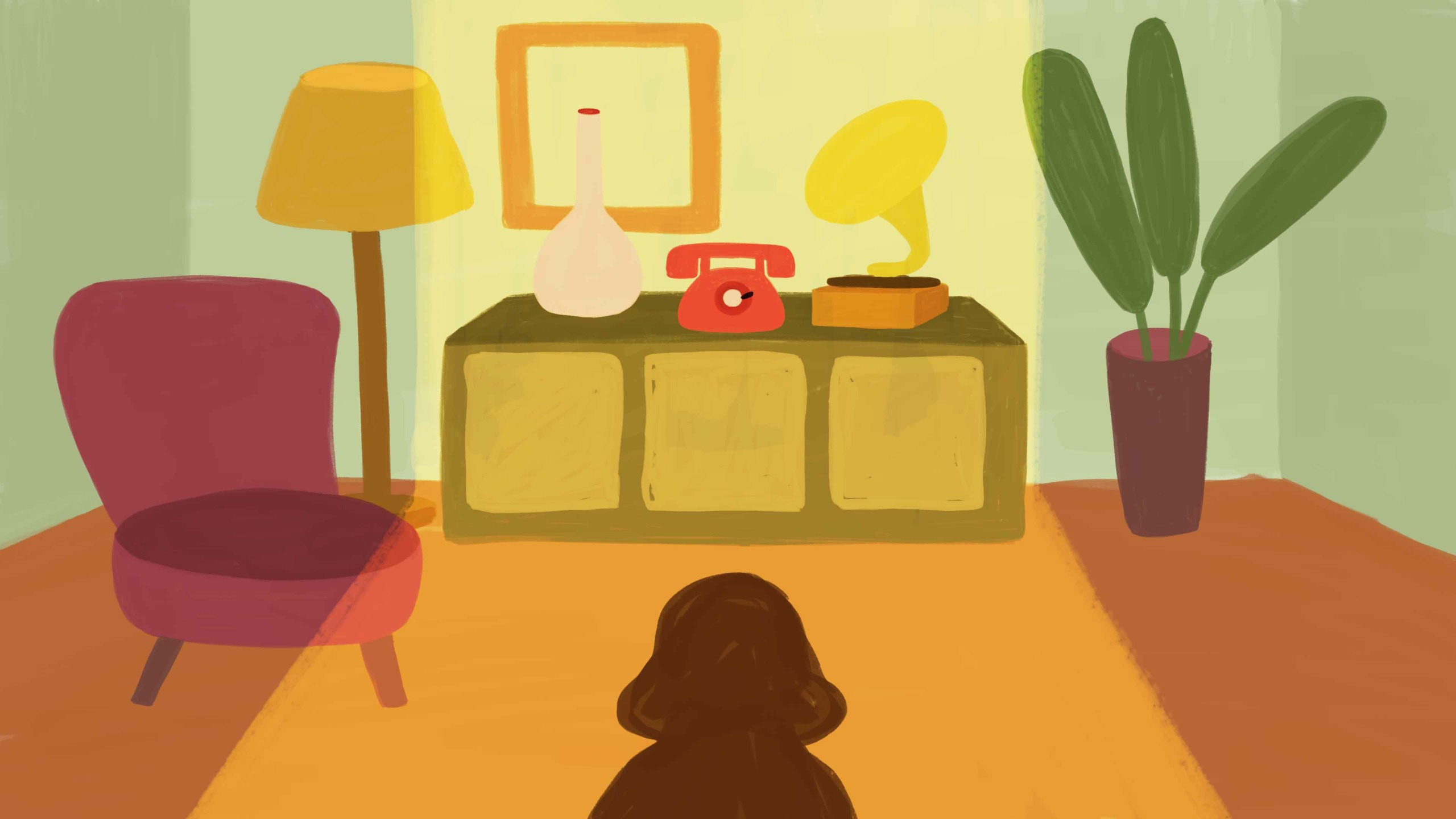
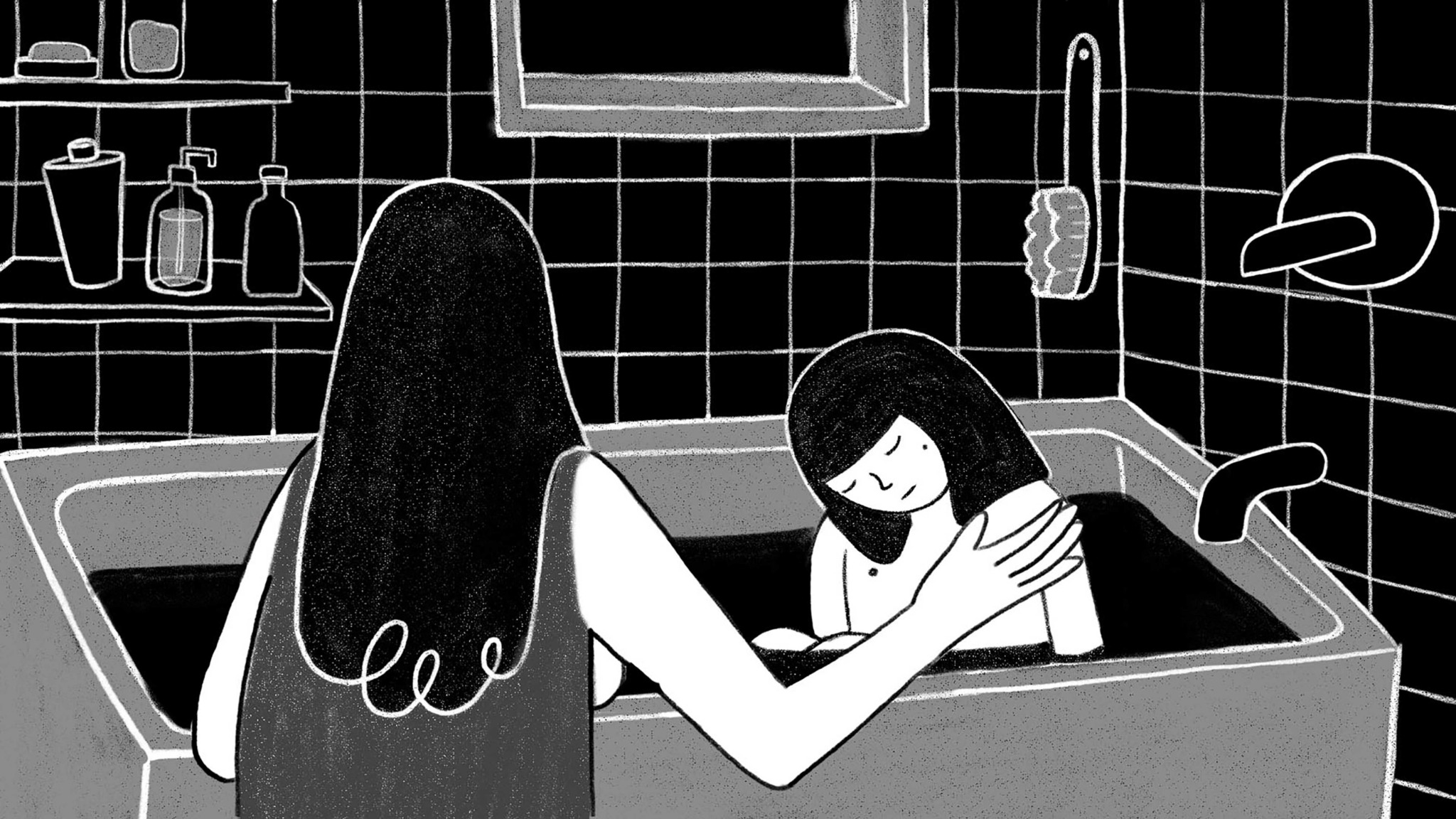
I’m an animation director, educator, and multi-disciplinary artist in New York City. My journey started with a deep love for visual storytelling and a curiosity about how animation can capture emotions and ideas in ways words often can’t. Over the years, I’ve had the chance to create award-winning films like In the Wee Small Hours of the Morning and 18 Hours a Dream, collaborate with TED, and work on campaigns for nonprofits that focus on social impact.
Teaching has also become a big part of my life. I’ve taught design and animation at CUNY City Tech and mentored young artists through The Animation Project, helping them use creativity to share their stories. I love working with students and seeing them grow, especially those from underrepresented backgrounds who often bring fresh and powerful perspectives.
My roots shape my work as a Persian artist and my interest in abstract storytelling. I am an animation director, educator, and multi-disciplinary artist in New York City. My journey began with a deep love for visual storytelling and a curiosity about how animation can convey emotions and ideas in ways that words often cannot. Over the years, I have created award-winning films such as *In the Wee Small Hours of the Morning* and *18 Hours a Dream*, collaborated with TED, and worked on campaigns for nonprofits focusing on social impact.
Teaching has also become a significant aspect of my life. I have taught design and animation at CUNY City Tech and mentored young artists through The Animation Project, helping them use creativity to share their stories. I enjoy working with students and watching them grow, especially those from underrepresented backgrounds, who often bring fresh and powerful perspectives.
My Persian roots shape my work and inform my interest in abstract storytelling. I find inspiration in filmmakers like Abbas Kiarostami and Theo Angelopoulos, as well as in the magical worlds of Studio Ghibli, which celebrate nature and human connection. Additionally, I draw influence from visual artists such as Paul Cézanne and Vincent van Gogh. Much of my inspiration stems from observing trees, plants, and the natural world and exploring the complexities of interpersonal relationships.
I continue to create, teach, and explore new ways to utilize animation for connection and expression. Whether through my projects or helping others find their voice, I always seek ways to make art that resonates. I’m inspired by filmmakers like Abbas Kiarostami, Theo Angelopoulos, and Studio Ghibli’s magical worlds, which celebrate nature and human connection. I’m also deeply influenced by visual artists like Paul Cézanne and Vincent van Gogh. Much of my inspiration comes from observing trees, plants, and the natural world and exploring the complexities of interpersonal relationships.
I continue to create, teach, and explore new ways to use animation for connection and expression. Whether through my projects or helping others find their voice, I’m always looking for ways to make art that resonates.
We all face challenges, but looking back would you describe it as a relatively smooth road?
My journey as an artist and educator has had challenges, but each experience has played a vital role in shaping my identity. Relocating to a new country meant beginning anew, forging connections, and carving out my niche in a competitive industry. This transformation demanded persistence, adaptability, and a willingness to embrace the unknown.
Another significant hurdle was finding a balance between my creative pursuits and practical responsibilities. Yet, it instilled a sense of resilience and reinforced the importance of remaining dedicated to my craft, even in uncertain times. Teaching has been equally transformative, pushing me to evolve as a mentor and a collaborator. It has underscored the significance of active listening, adaptability, and empowering others to find confidence in their voices.
While the path has not always been smooth, these experiences have enriched my perspective and fueled my passion for storytelling and visual art. I am grateful for the lessons learned and continue approaching my work with curiosity, empathy, and a clear sense of purpose.
Thanks – so what else should our readers know about your work and what you’re currently focused on?
I’m a filmmaker, animator, and educator who specializes in visual storytelling. I focus on creating emotional and thought-provoking experiences. My work often explores abstract themes like memory, identity, and human connection, blending traditional and experimental techniques to tell stories that resonate more deeply.
I’m particularly proud of my award-winning films, In the Wee Small Hours of the Morning and 18 Hours a Dream, and my collaborations with TED and nonprofits. These projects allowed me to combine art with purpose, addressing social issues while pushing creative boundaries.
My work’s balance between visual poetry and narrative restraint sets my work apart. I aim to create spaces where audiences can interpret and feel rather than be told what to think. My influences range from filmmakers like Abbas Kiarostami and Studio Ghibli to painters like Paul Cézanne, and I’m deeply inspired by nature—especially trees, plants, and interpersonal relationships.
Teaching has become an essential part of my practice in addition to filmmaking. I’m passionate about helping students discover their creative voices and empowering them to share their stories through design and animation.
At the core of everything I do is a belief in the power of art to connect people, challenge ideas, and leave lasting impressions.
We’d be interested to hear your thoughts on luck and what role, if any, you feel it’s played for you?
Luck has played a role in my life and career, but I believe that what truly matters is how you recognize luck when it occurs and utilize it to your advantage. Good or bad, luck comes to everyone—it’s inevitable. The real difference lies in preparation and the ability to act on opportunities as they arise.
For example, some of my most rewarding projects, like *Song of the North* and my collaborations with TED, resulted from being prepared when opportunities presented themselves. These moments may have seemed like luck from the outside, but they wouldn’t have led anywhere without the skills, vision, and effort I had already invested.
On the other hand, challenging luck, such as losing my job or facing immigration uncertainties, tested my resilience. However, even in those difficult moments, preparation and adaptability allowed me to turn setbacks into stepping stones.
Ultimately, I view luck as a spark, but what we do with it—our preparation, mindset, and actions—determines whether it fades or ignites something bigger.
Contact Info:
- Website: https://www.hodaramy.com
- Instagram: @hodaillustrations
- LinkedIn: https://www.linkedin.com/in/hodaramy/