

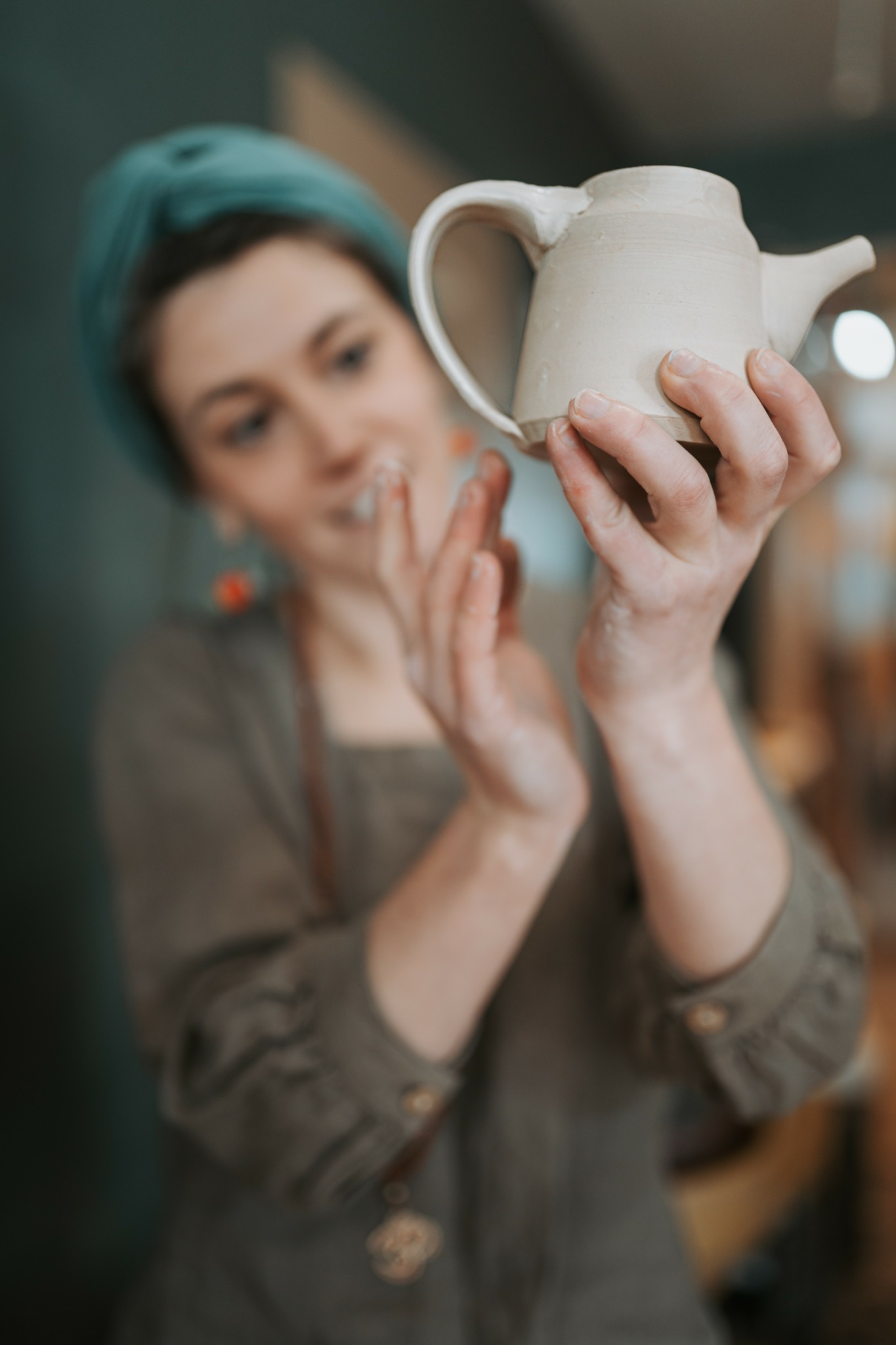

We recently connected with Meadow Coldon and have shared our conversation below.
Meadow, thanks for joining us, excited to have you contributing your stories and insights. Learning the craft is often a unique journey from every creative – we’d love to hear about your journey and if knowing what you know now, you would have done anything differently to speed up the learning process.
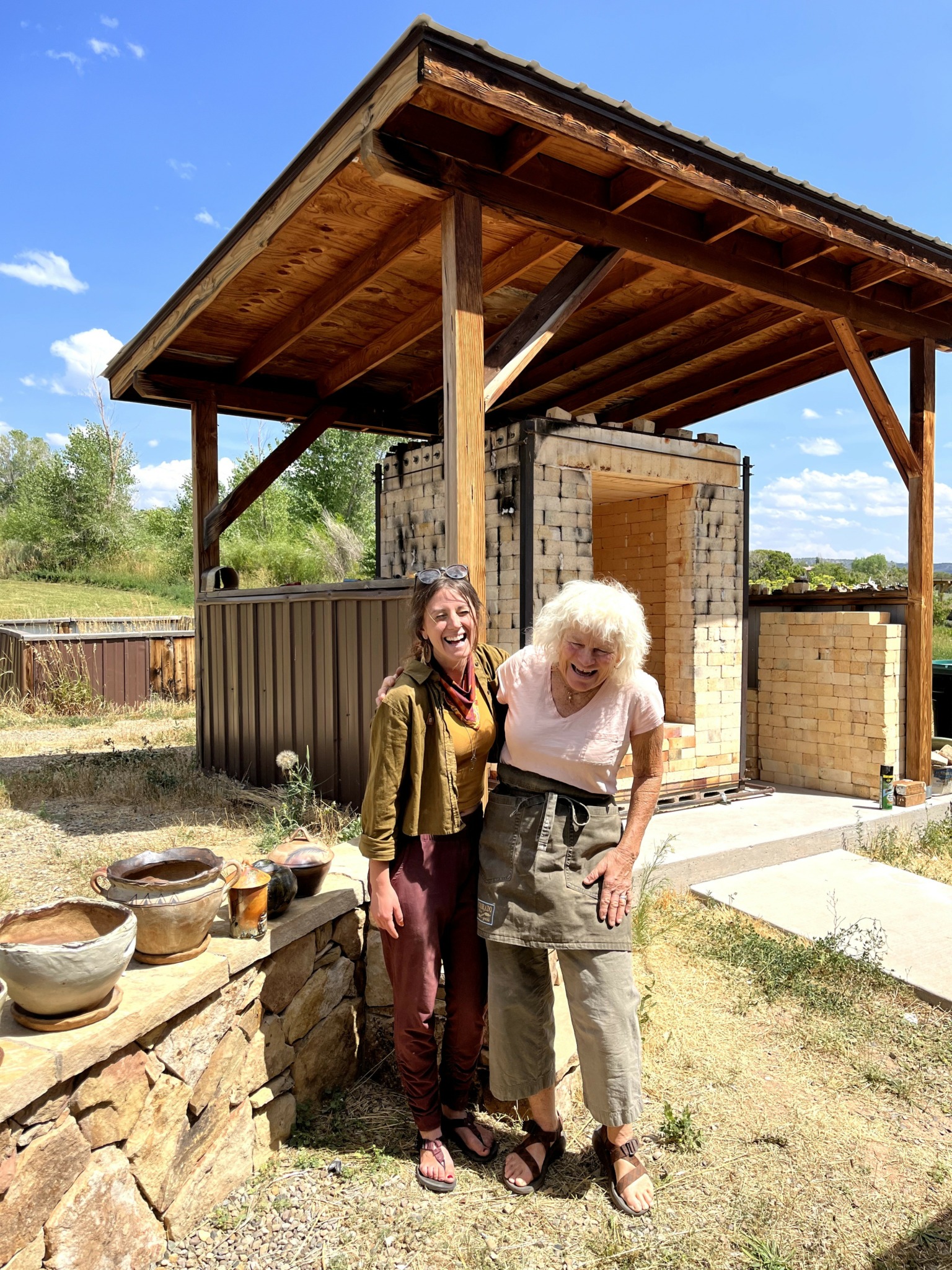
When I was first learning ceramics, I had access to a studio and taught myself via youtube and lots of trial and error. Years later, I reached out to an acquaintance who had been potting for 55+ years, and asked her to be my formal mentor.
We ended up completely hitting it off, and I continue to learn so much from her about ceramics and life. She isn’t afraid to tell me like it is, and provides supportive energy but also honest critique. I think we all need someone like that in our lives that can help us learn to see what is working and what isn’t.
Craft was originally shared and learned through relationship, and I think this is where we can do our most profound learning. We all need time to put our heads down and get our reps in, but we also need the nourishment of meaningful companionship in our craft. My relationship with my mentor has not only helped me learn technical skills, but has taught me about how to fold my work and life together in a way that is sustainable and full of perpetual curiosity.
I think curiosity and humility are among the most important skills we can cultivate. They are the drivers that will have us improving our craft every day of our lives. There isn’t a technical challenge we can’t rise to without those qualities at the forefront of our purpose.
As always, we appreciate you sharing your insights and we’ve got a few more questions for you, but before we get to all of that can you take a minute to introduce yourself and give our readers some of your back background and context?
I didn’t mean for this to happen. I loved sculpting animals as a child, but I never thought much of it apart from that. In the winter of 2018, I visited a local gallery to inquire if they would sell my hand dyed yarn there. They ended up offering me a pottery lesson at the wheel, and I was happy to try something new. It is a rare magic to notice the beginnings of things, but immediately upon beginning to work with clay that day, I knew my life was going to be different than I had previously imagined.
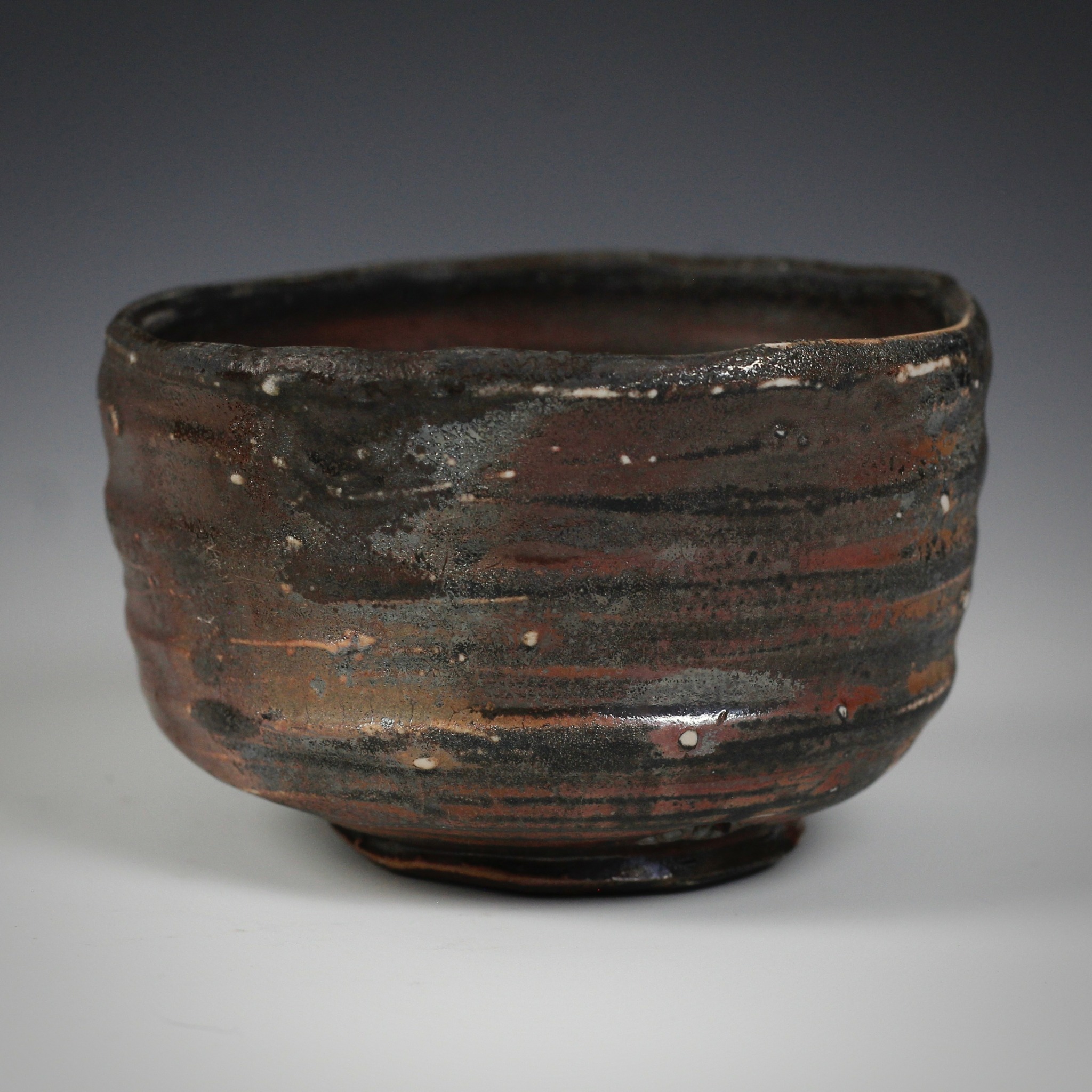
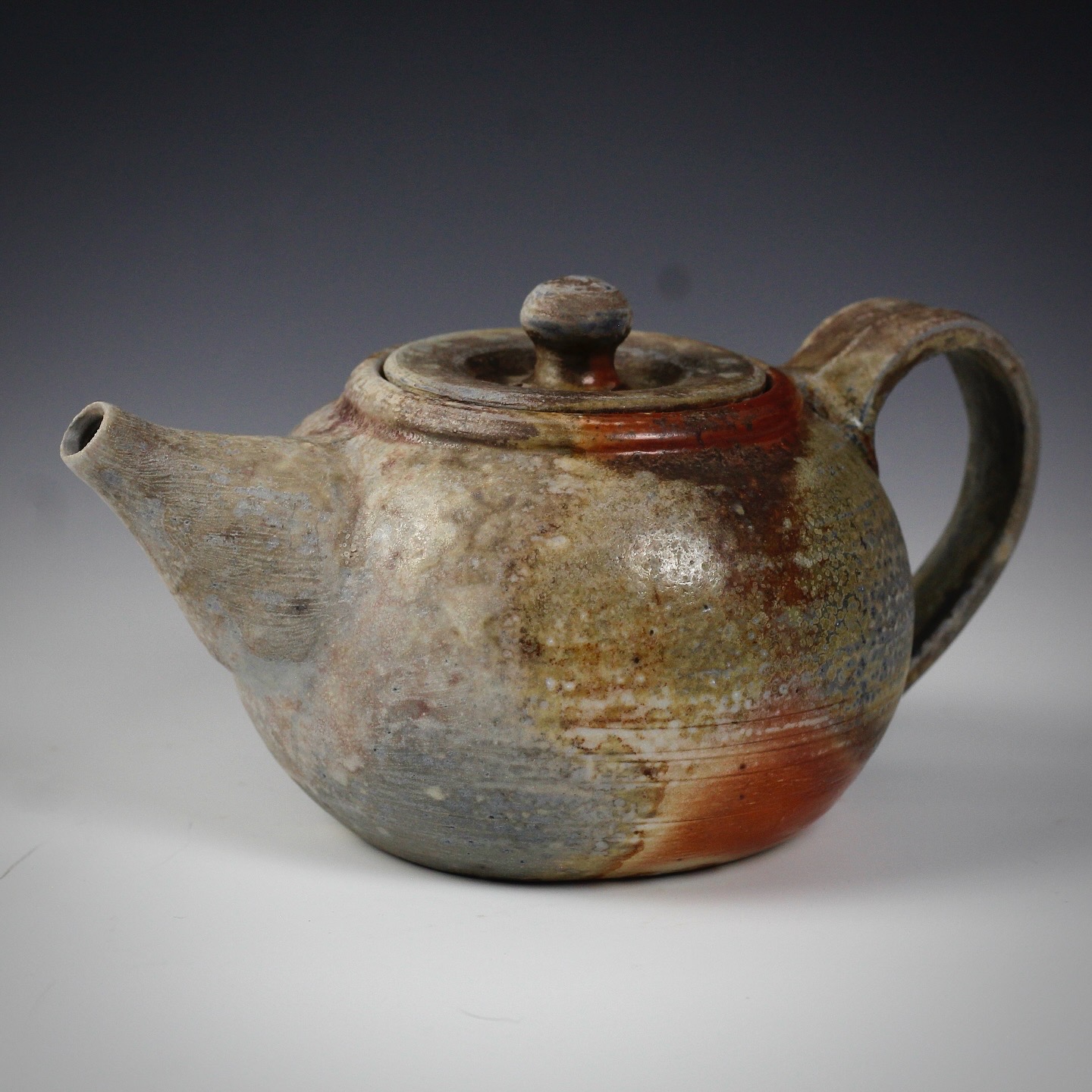
Now, I am a full-time ceramist, making functional and decorative wares using a variety of materials and firing styles. I focus on teaware, since their precise functions provide a fun and rewarding challenge. As a former archaeologist, I am inspired by historic forms, and the way humans have displayed a dialogue with their environment through material choices. My work is less than about myself, or my own opinions or messaging, and more focused on allowing the materials and process to speak through me. It turns out, we are all vessels of some kind or another.
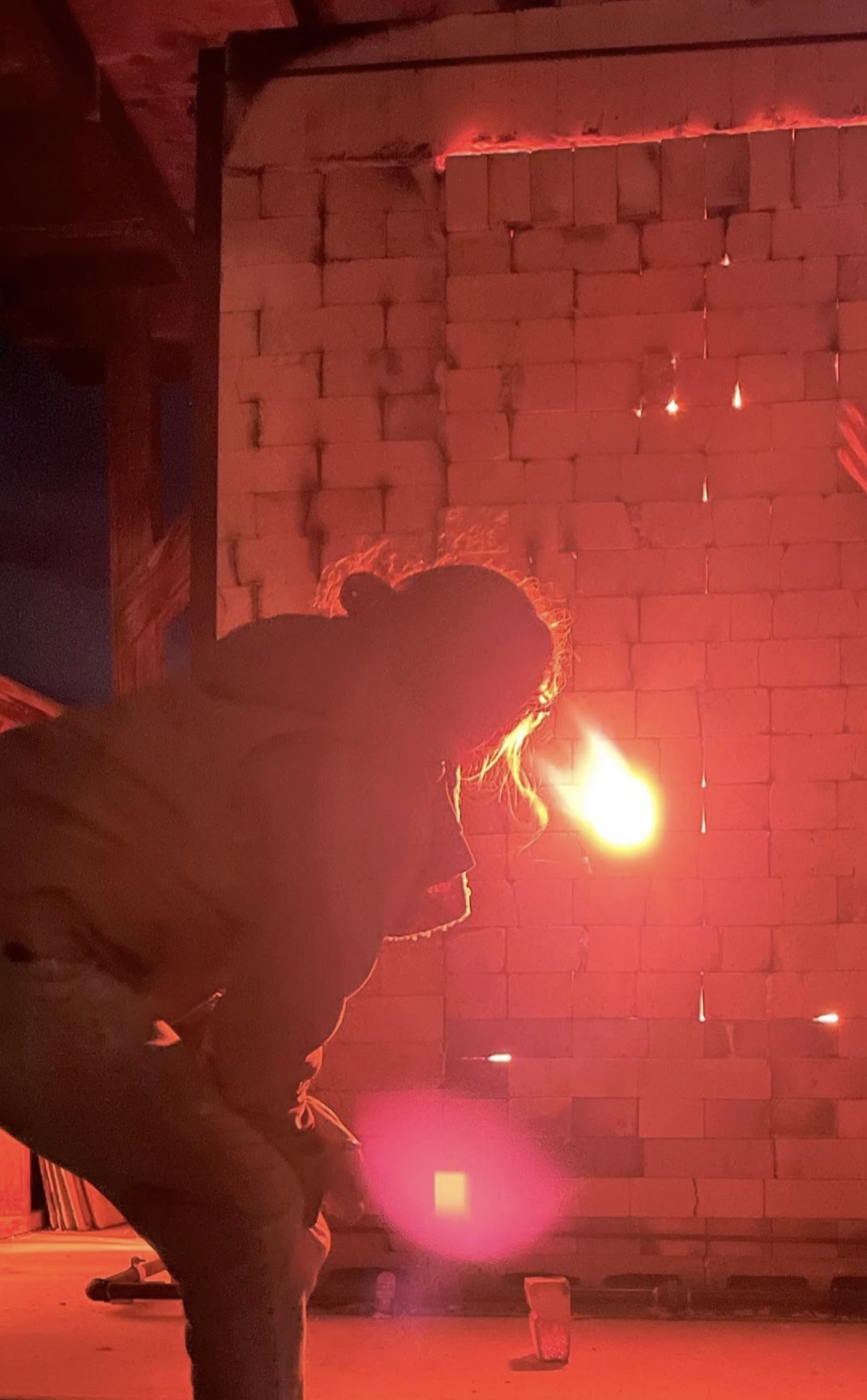
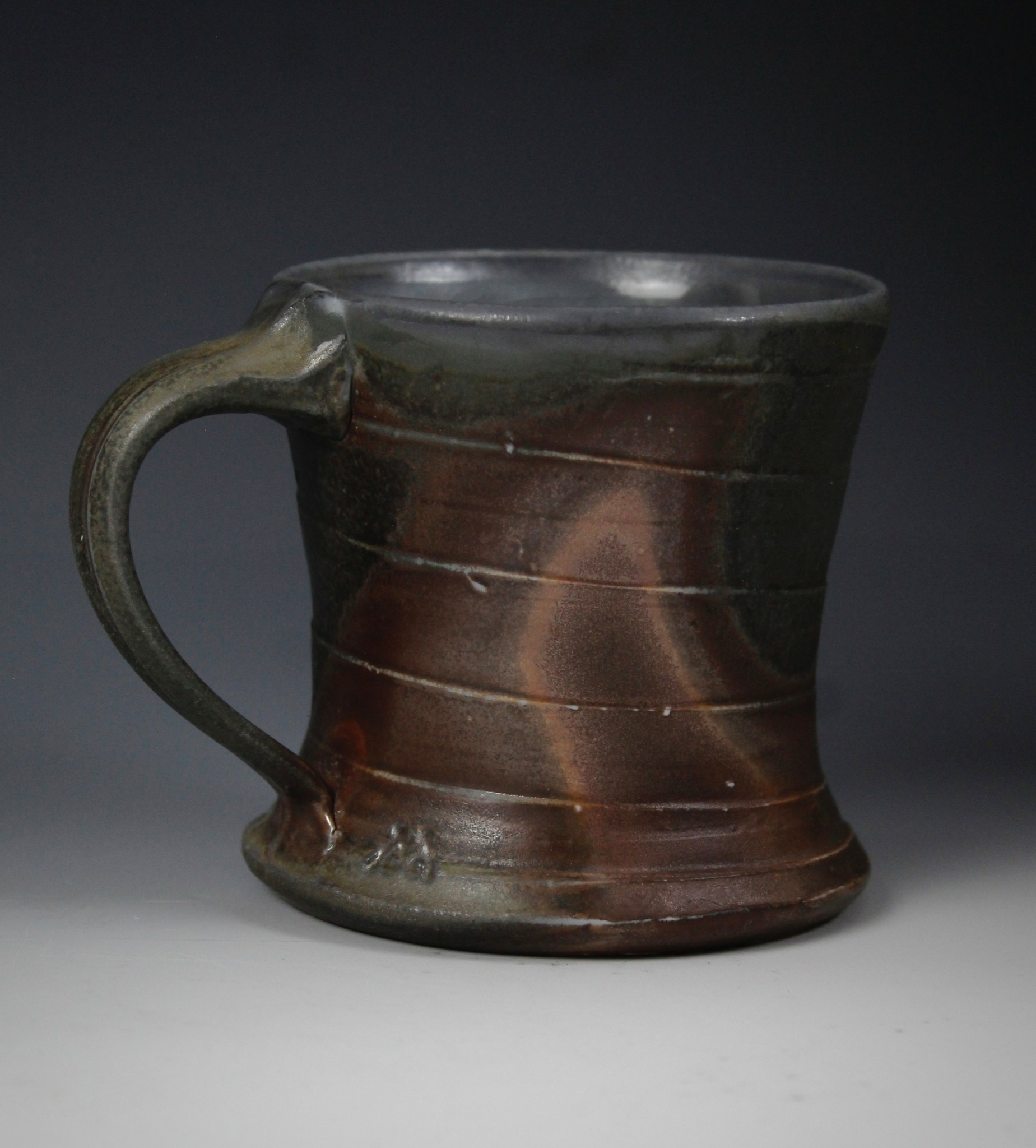
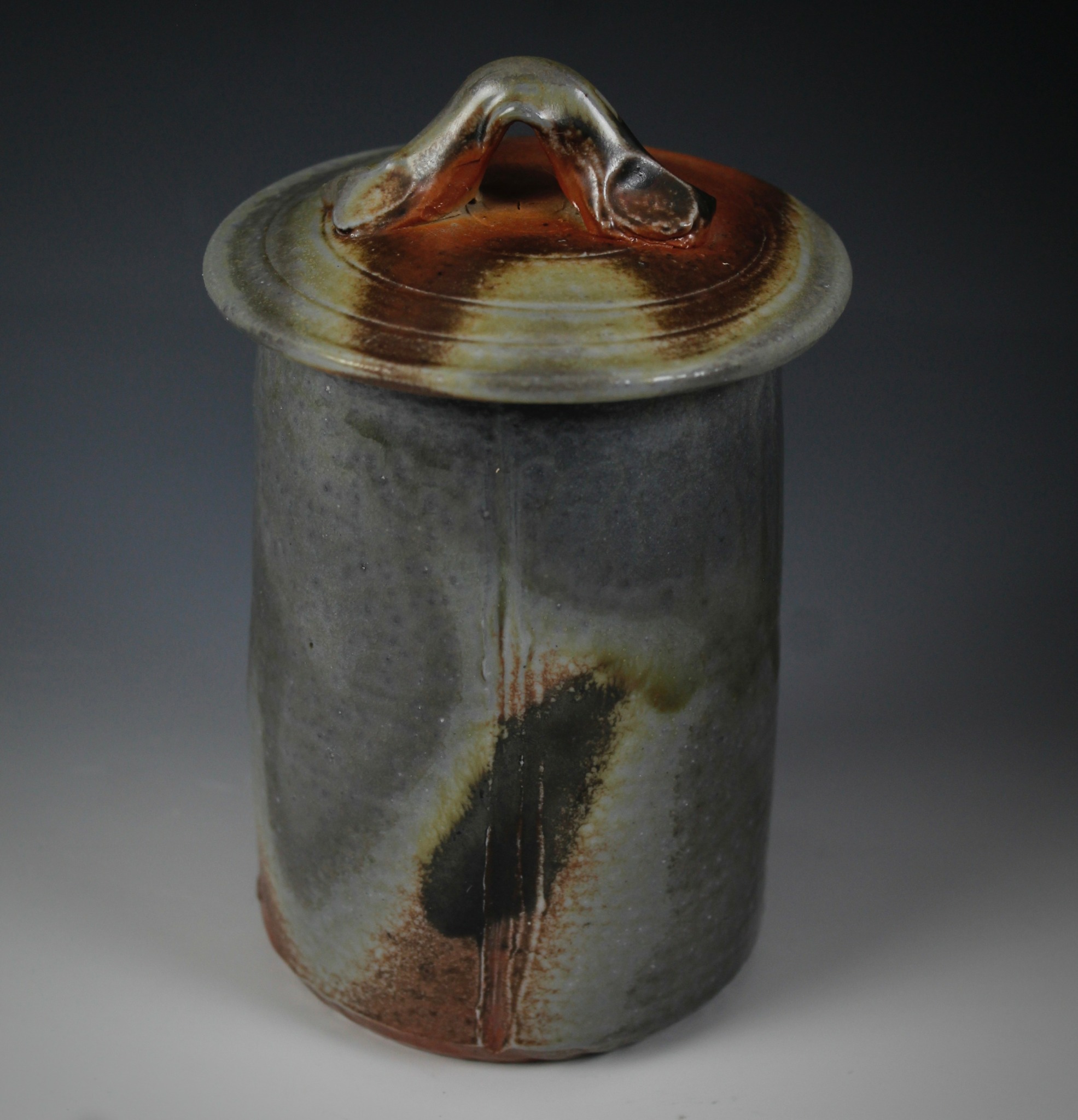
I am primarily interested in atmospheric firings like wood and soda. I travel around the country to participate in wood firings, and find this extremely rewarding for my work, as well as getting to know a wider community of ceramic artists. In wood firing, there is a conversation between the kiln and the artists- the flame, the atmosphere, the ash, the clay, the potters stoking relentlessly for many days. Not everyone appreciates the elements of surrender and surprise that exists in wood firing, but there is a lot to read and be inspired by in the finished work; how each piece was affected and made more beautiful by the placement of each piece around it. There is a great metaphor in there.
I also teach introductory ceramics classes at the San Juan Potters’ Guild. I love helping students to be more present and aware in their bodies through working with clay. Their excitement always helps me feel reinvigorated for my own work too!
How about pivoting – can you share the story of a time you’ve had to pivot?
I’ve had a very random and obscure career spectrum. I worked as an archaeologist for over a decade, as a rope access fiberglass technician on wind turbine blades, as an independent yarn dyer, and now I balance running a community pottery studio with my own personal goals as a working ceramic artist.
The most important thing I’ve learned is that nothing is a waste of time. You can’t predict how each experience will shape your next one, but it is undoubtedly so. Even if things seem disparate and unrelated, your skills and experience will transfer into the next endeavor in ways you never predicted. It is important to appreciate where you’re at now, even if it isn’t where you really want to be, because you’re always becoming more qualified for the next adventure.
I strived in my career in fiberglass repair for a long time. One day, while on ropes, I put the grinder to the blade damage and every bone in my body seemed to call out to me. “Nope.” They said in unison. “This is inconvenient,” I responded. But the message was clear and definite. The next day, I gave my notice to the company, without knowing what was going to come next. A few months later, the owner of my local pottery studio asked if I wanted to purchase her business so she could fully retire. Reliably inconvenient, my bones were suddenly devoid of opinions. But a quiet whisper came through: “I think I can do this”.
In your view, what can society to do to best support artists, creatives and a thriving creative ecosystem?
On the most basic level, society can best support artists by simply learning to value their time. “Oh, THIS is why a mug costs $40.” Is a very common epiphany of anyone sitting down at the wheel to make their first pot. That thought gains momentum when they witness or participate in an 80 hour wood firing. There is a large discrepancy between what they imagine making, how easy TikTok or Instagram makes it seem, and reality. One of the best questions you can ask an artist is “what is your process like?” Through this conversation, that gap between the cost of their work and the value of what they have delivered will close.
Collectors can assume artists aren’t trying to rip them off, and likewise artists can assume that collectors might not understand the value of their work. By meeting each other with inquiry, we can come to a mutually beneficial place where artists have their time and effort respected, and likewise the world of craft is made richer for collectors by their deepening understanding of the process.
Contact Info:
- Website: http://www.meadowcoldonart.com
- Instagram: https://www.instagram.com/meadowcoldonceramics/
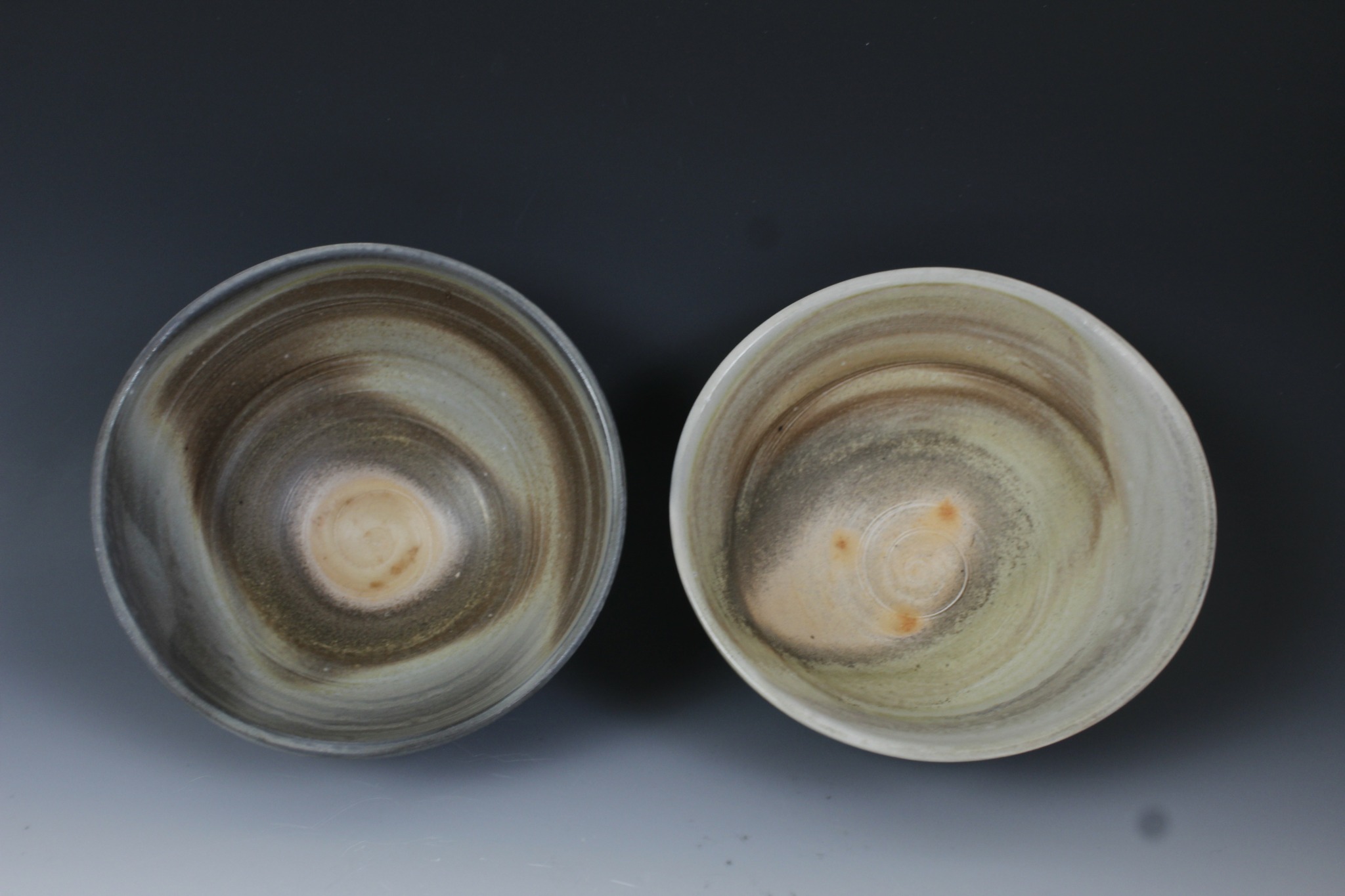
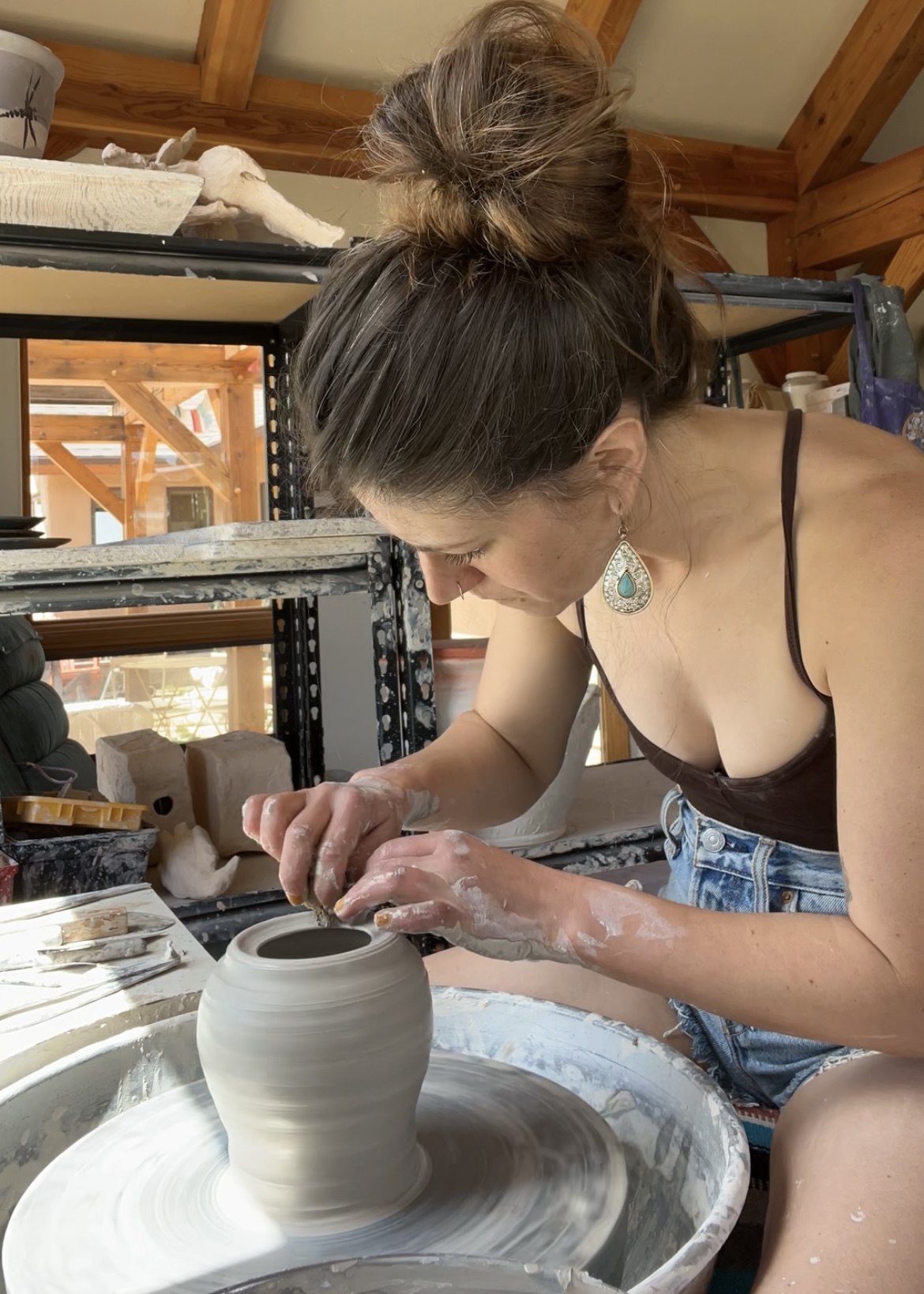
Image Credits
Xander Bianchi