
We were lucky to catch up with Logan White recently and have shared our conversation below.
Logan, thanks for joining us, excited to have you contributing your stories and insights. We’d love to hear about when you first realized that you wanted to pursue a creative path professionally.
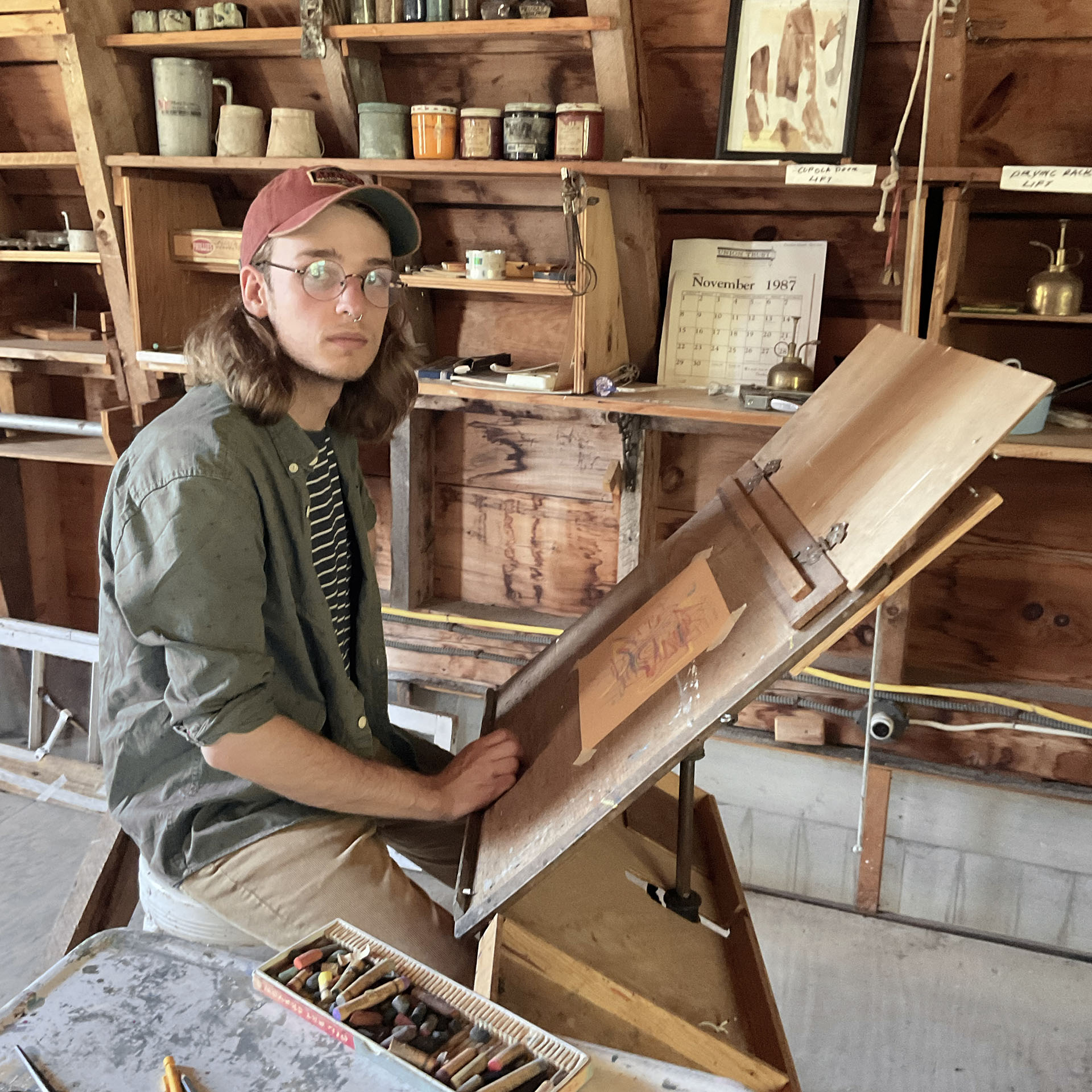
I don’t remember wanting to be anything other than an artist; from a young age I showed an aptitude for drawing, and I was always encouraged to pursue it. The exact kind of artist I wanted to be would change as I grew up. Initially I wanted to work in video games, video games being the primary form of media I consumed, and bonded over with my siblings, and friends. As I grew and the adolescent desire to be taken seriously developed, I decided I wanted to be a kind of fine artist. I had initially gone to art school with the intention of being a painting major; in fact I was a painting major for a semester before I decided to pursue animation. I had always loved animation, having been exposed to a wide variety of its forms from a young age. A truly seminal piece for me was René Laloux’s Fantastic Planet, which I was shown when I was in middle school. This was the first film that inspired me to experiment in animation. Which I did with a piece of printer paper, a pencil, and a scanner. I worked by drawing a frame, scanning the paper, then erasing out the previous drawing and scanning the next frame until I completed the sequence. It was very rough and certainly no great work of animation, but it helped me to dip my toes into the medium. I wouldn’t animate anything else until my senior year of high school. I went to a charter school for art and part of the graduation requirement was that all seniors had to make a short film. I chose to make my film an animation, which I completed again with pencil, printer paper, and a scanner. It was just over a minute long and took me just about the whole year to complete. It was through the making of this film that I began to really start thinking about pursuing animation in any kind of serious sense. This desire would become fully formed in my sophomore year of college as I began making a series of short looping mix media animations.
Logan, before we move on to more of these sorts of questions, can you take some time to bring our readers up to speed on you and what you do?
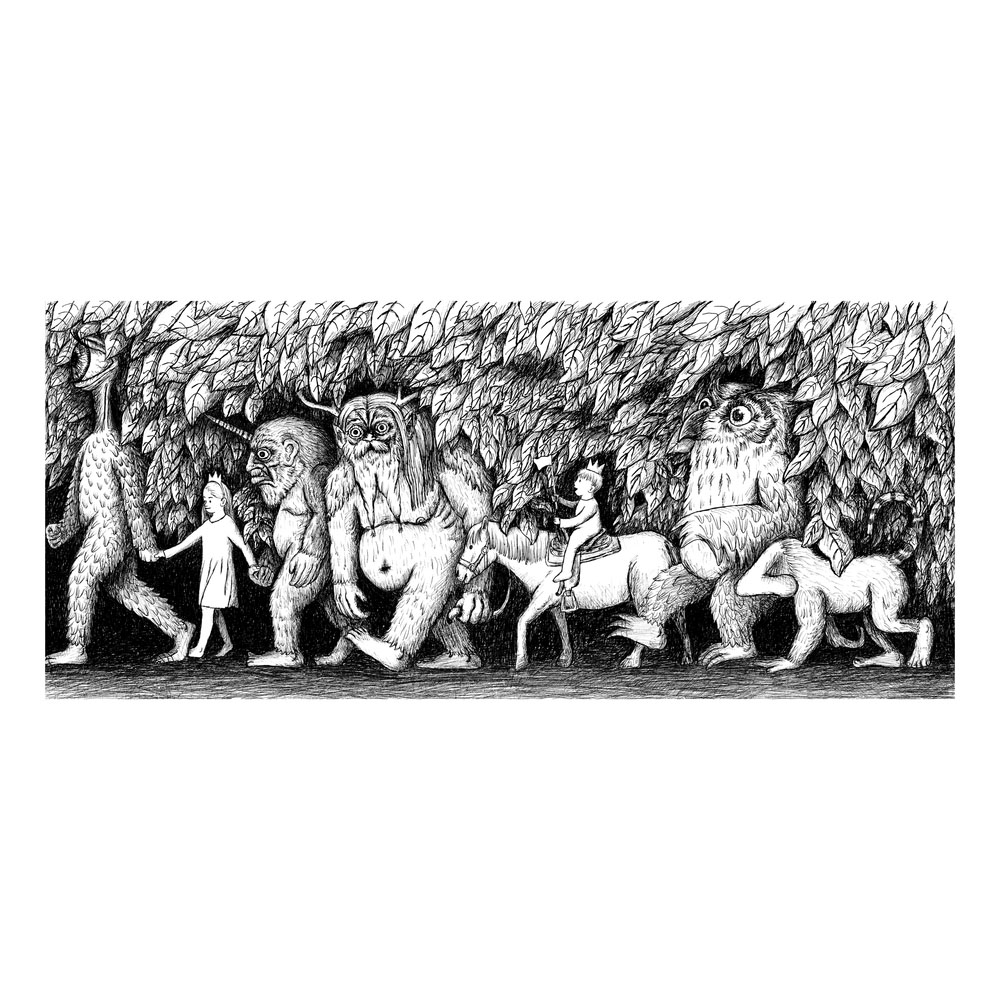
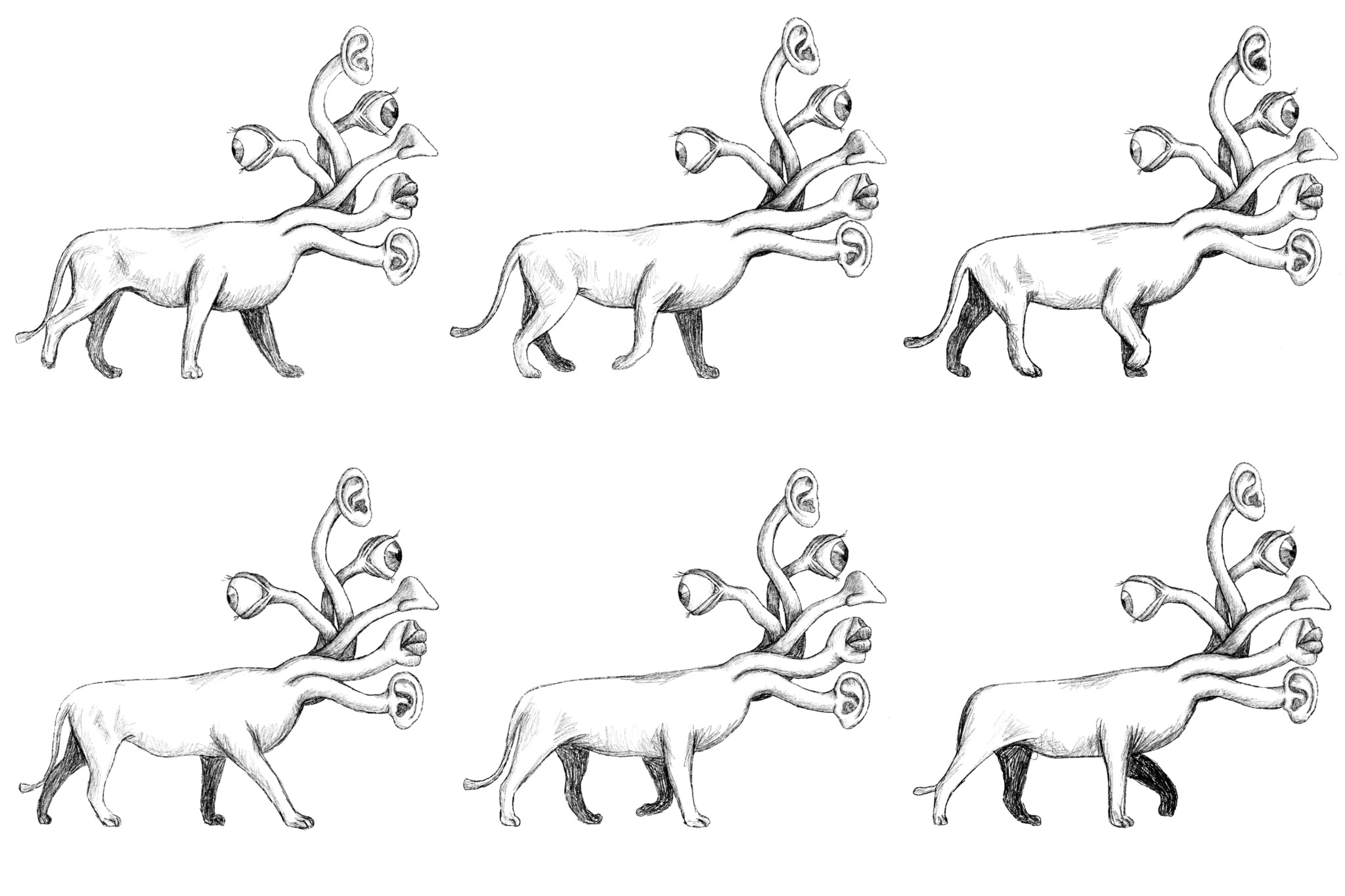
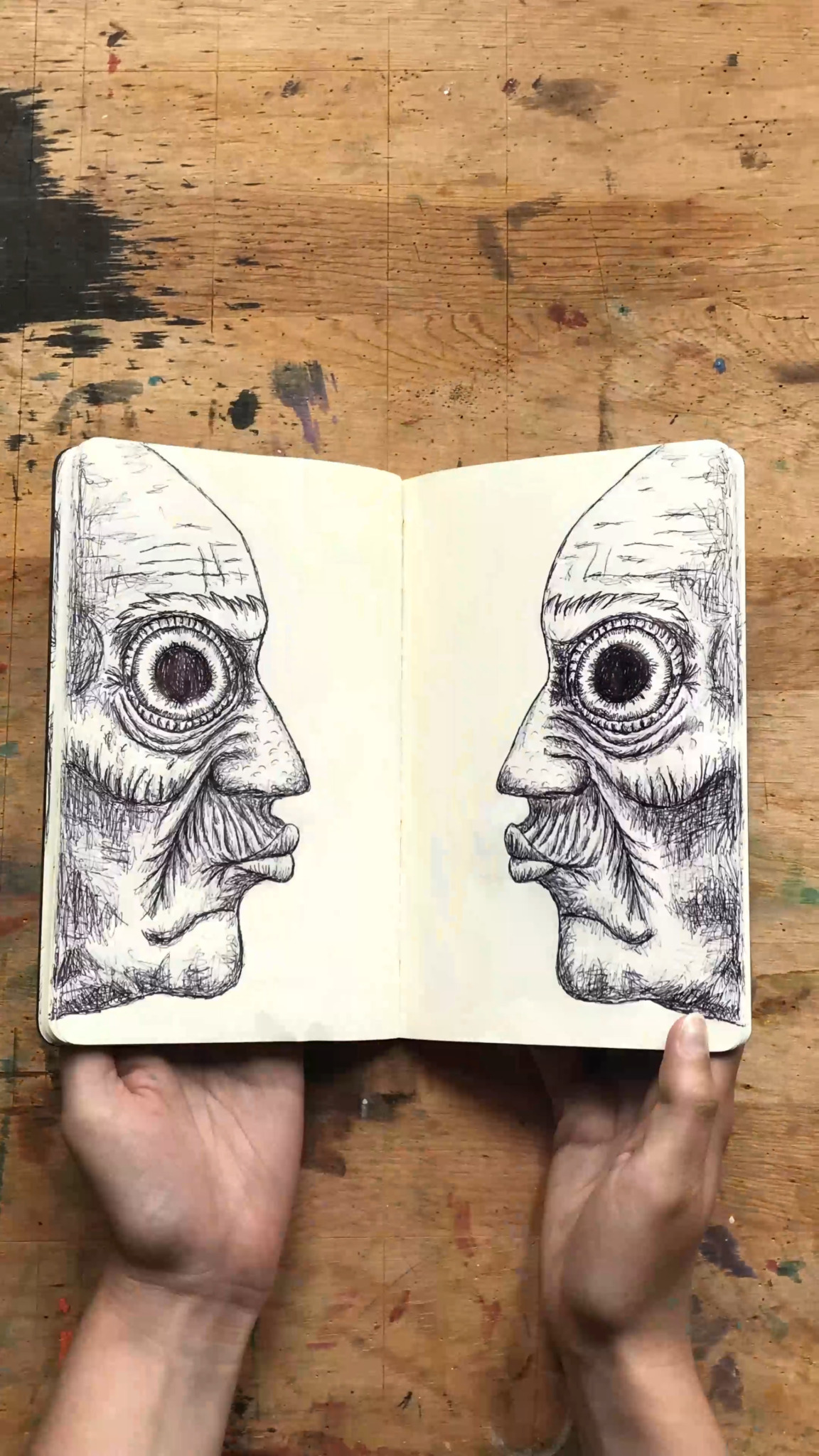
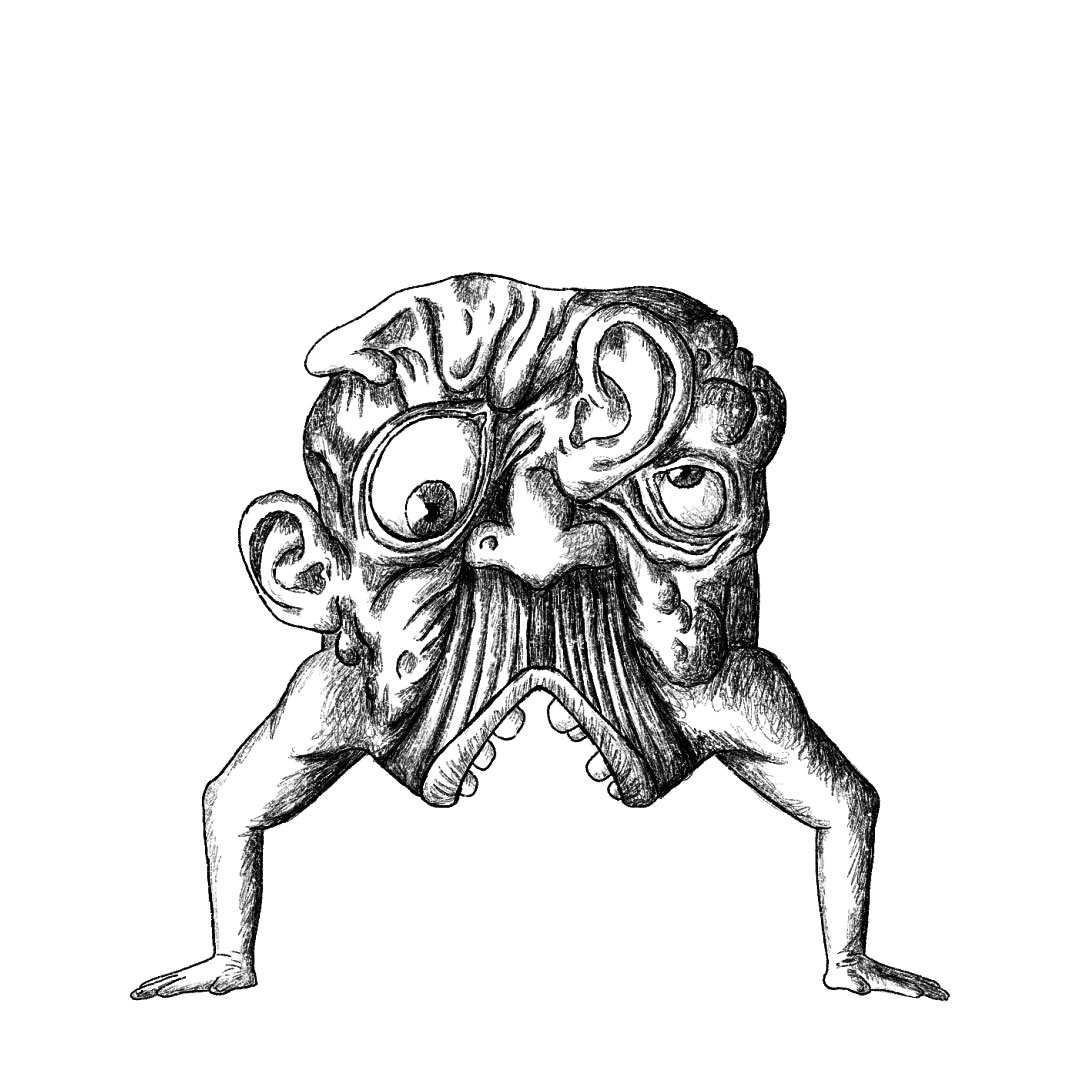
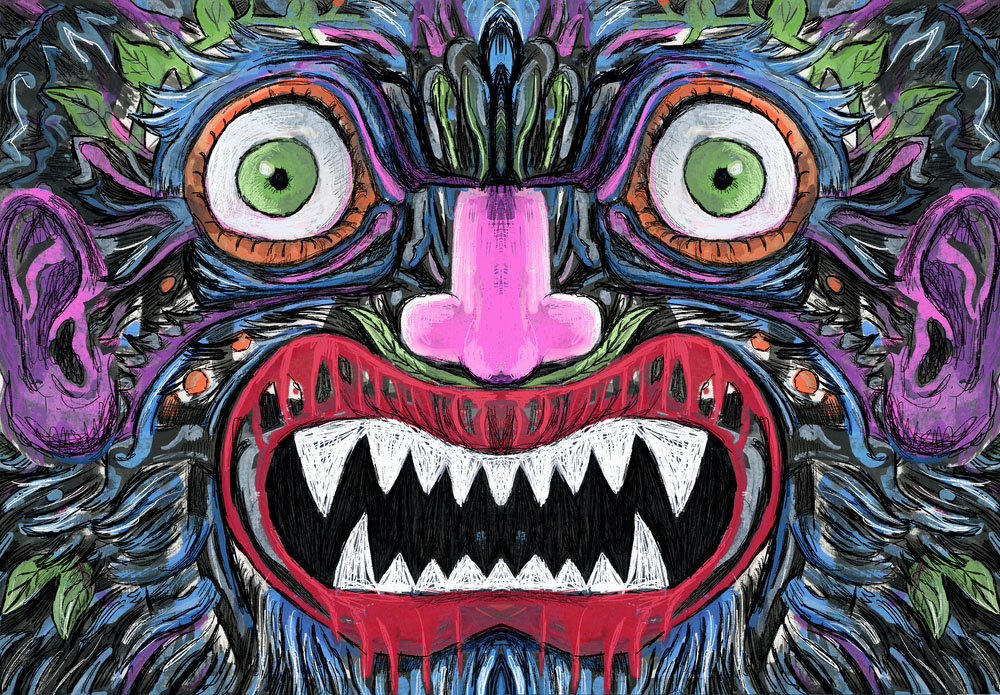
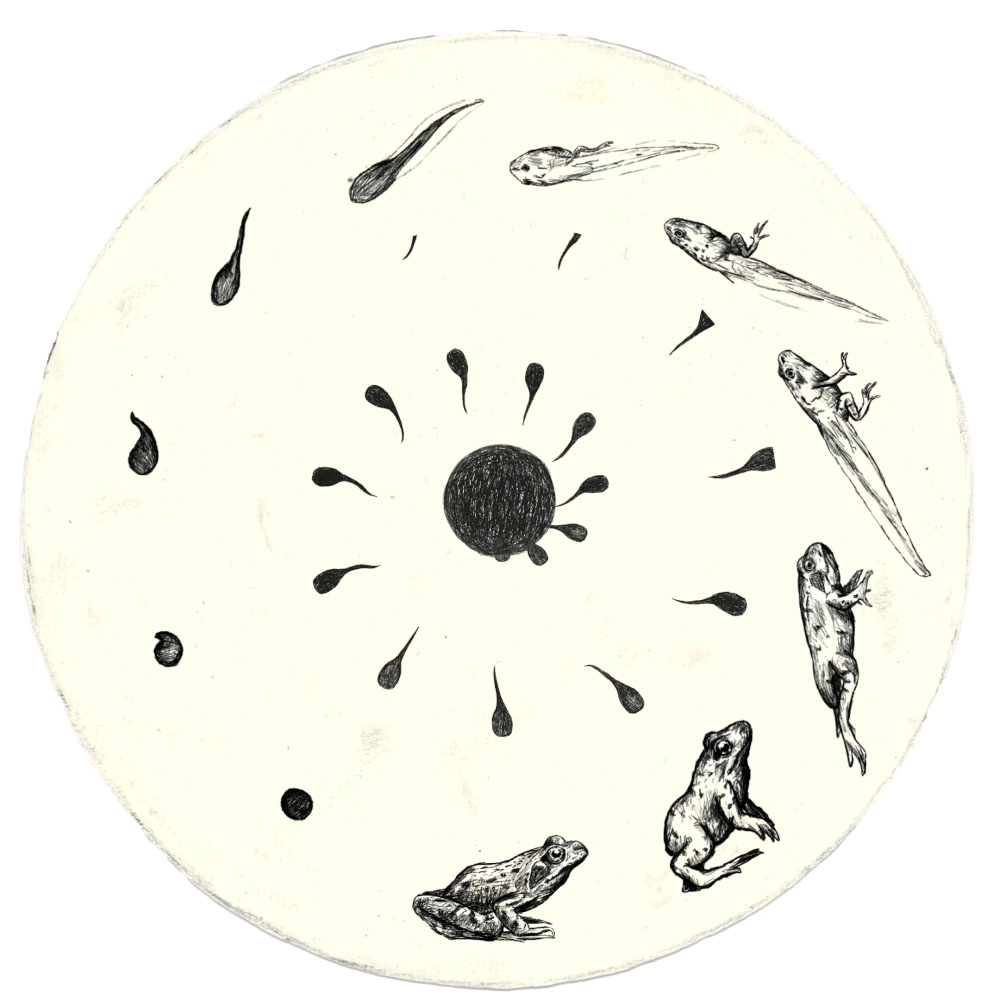
I’m a New England-based freelance animator, illustrator and motion graphics artist. Whether it’s through static illustrations or animation, my work is characterized by intricate line work which blends the unsettling with the oddly beautiful. Inspired by the weather-worn beauty of the New England landscape and its bizarre worlds of folklore; I create dark and irreverent visual narratives featuring dream-like landscapes and enigmatic creatures. I have worked with companies such as The Atlanta Journal Constitution, Illustration Institute, NashBox Design, Gitgo Productions, and Mild Manor Media, with project clients including: Blue Apron, The Schultz Family Foundation, World of Change, and the University of Maine at Augusta. Most recently I worked as an arts educator, teaching computer animation at Plainfield High School in Plainfield, Connecticut. I often get hired/paid for motion graphics work, which tends to be more commercial and designed for a mass market kind of appeal, where the artist hand is left intentionally absent. I am happy for any and all work, but what excites me most is when a client seeks me out specifically for my voice, and the thing that only I can offer them.

Can you share a story from your journey that illustrates your resilience?
I attribute the main factor of any level of success I’ve had to my resilience.
Art is a very competitive field, and beyond talent, persistence is key. By sticking with it, you increase your chances of being in the right place at the right time, because it is after all also a matter of luck. I graduated from college just over four years ago, and I’m only now starting to make a living from my art and animation work full time. I’ve achieved that by continuing to produce work even when I knew hardly anyone would see it, and there was no money to be gained from it. If you continue to show up, eventually the right people, or the right job will find you, you just have to do the best to stack the deck in the meantime. I try to do this by creating and being consistent, despite any rejection or lack of positive feedback loop. I’ve basically added one or two new clients to my list just about each year and they usually return with more work, or even recommend me to other clients. Freelance is in its nature fairly volatile and inconsistent, sometimes there just might not be any work and in times like that, I would work some menial job to pay the bills. Then if the freelance picked up to the point that I couldn’t balance both, I dropped the menial job, with the full knowledge that I may have to return to it further down the line. I’ve been a dishwasher, a cook, I’ve worked in warehouses, nursing homes, ect. A lot of the time I become more creatively productive when I’m working one of these other jobs because my art becomes fully just my hobby or my passion, rather than my job.
Do you think there is something that non-creatives might struggle to understand about your journey as a creative? Maybe you can shed some light?
I think non-creatives often don’t think of art as a job or they think you love every second of it and it doesn’t actually feel like a job. It’s a narrative that’s quite common, and one I even believed myself when I was younger, and it was part of the catalyst behind me pursuing art professionally. But even a dream job is a job at the end of the day, and work is work. It’s like if you could only eat your favorite food for the rest of your life, you may love pizza, but would you want to eat it for every meal? It’s definitely better than having to eat something you hate for every meal. I think it’s the same thing with work, I certainly wouldn’t choose to do anything else, and I’m grateful I’m able to do what I do, but at the end of the day it’s still a job. It has its highs and lows like anything else in life, but it’s the life I chose for myself and I wouldn’t have it any other way. I truly feel very fortunate to be able to make a living off my art, I’ve work a lot of other jobs, often just for minimum wage or close to it, so I know how miserable it can be to work a job you actively hate. I just think no ones able to escape the feeling of having a job, no matter how cushy or ideal it may be.
Contact Info:
- Website: https://www.loganwhiteanimation.com/
- Instagram: https://www.instagram.com/yungnagols/