
We caught up with the brilliant and insightful Shaquille Veldboom a few weeks ago and have shared our conversation below.
Alright, Shaquille thanks for taking the time to share your stories and insights with us today. So let’s jump to your mission – what’s the backstory behind how you developed the mission that drives your brand?
Our vision is to create a SolarPunk future—a world where technology and nature work in harmony to improve quality of life for everyone. We believe in a future that is not only efficient and sustainable, but also joyful, abundant, and beautifully designed.
This vision was born out of frustration with the dominant narratives around the future—stories full of scarcity, control, and environmental collapse. A surprising spark came from a Galbani Yogurt commercial, where life was shown as effortlessly abundant: sun-drenched landscapes, fresh food, and human connection. It made us ask—why can’t the future look like that? Why shouldn’t technology serve people and the planet, rather than extract from them?
We’re building that future by combining digital design, education, and sustainable innovation—making tools and systems that lower the cost of living, empower communities, and regenerate the world around us.

Great, appreciate you sharing that with us. Before we ask you to share more of your insights, can you take a moment to introduce yourself and how you got to where you are today to our readers.
I’ve been building things in 3D since I was about 8 years old. My dad is an electrical engineer, and instead of handing me pen and paper to sketch ideas, he gave me a laptop. That shifted my entire way of thinking—from the start, I was looking at the world through the lens of design, efficiency, and systems. Everything I do now is still rooted in that early mindset.
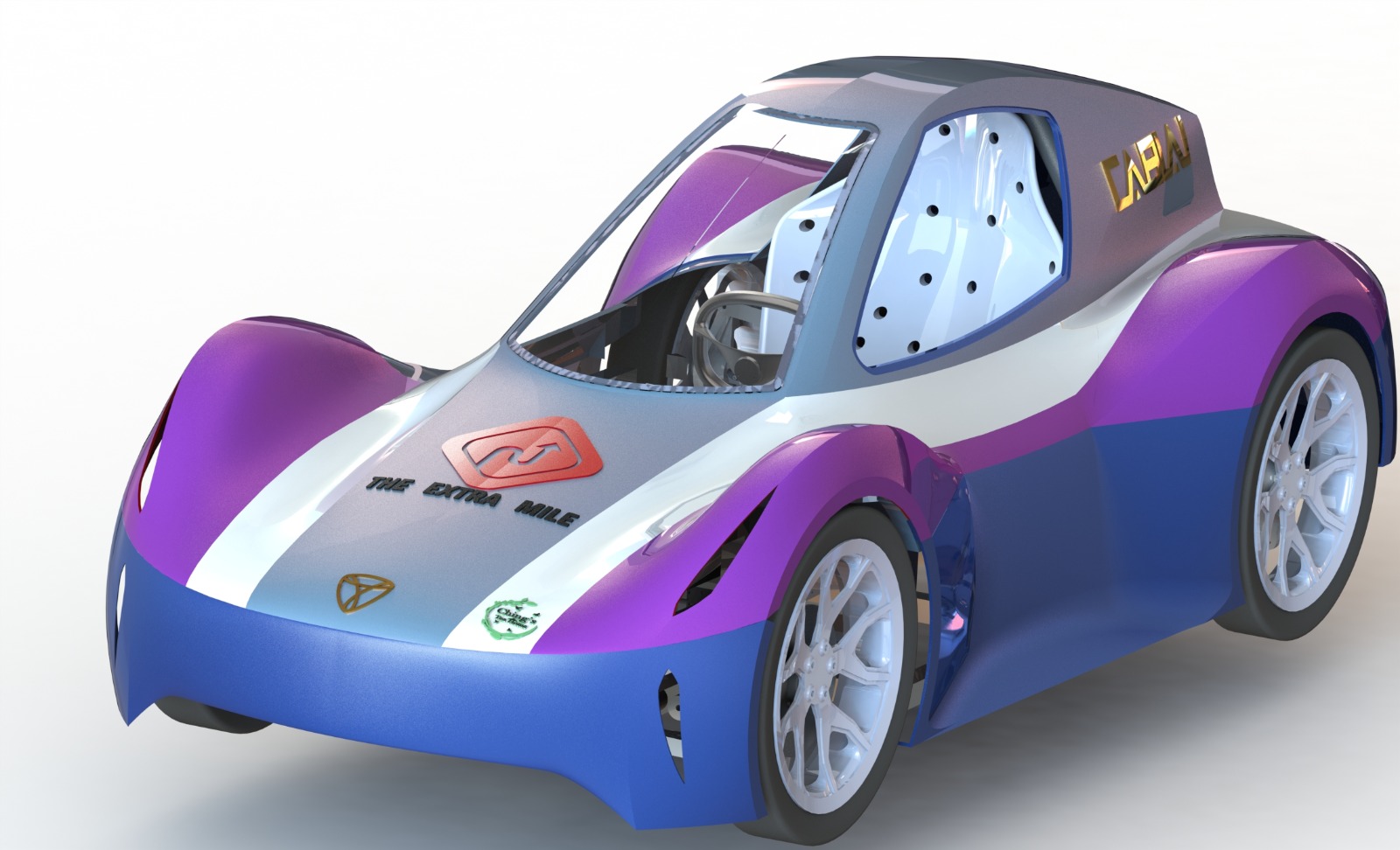
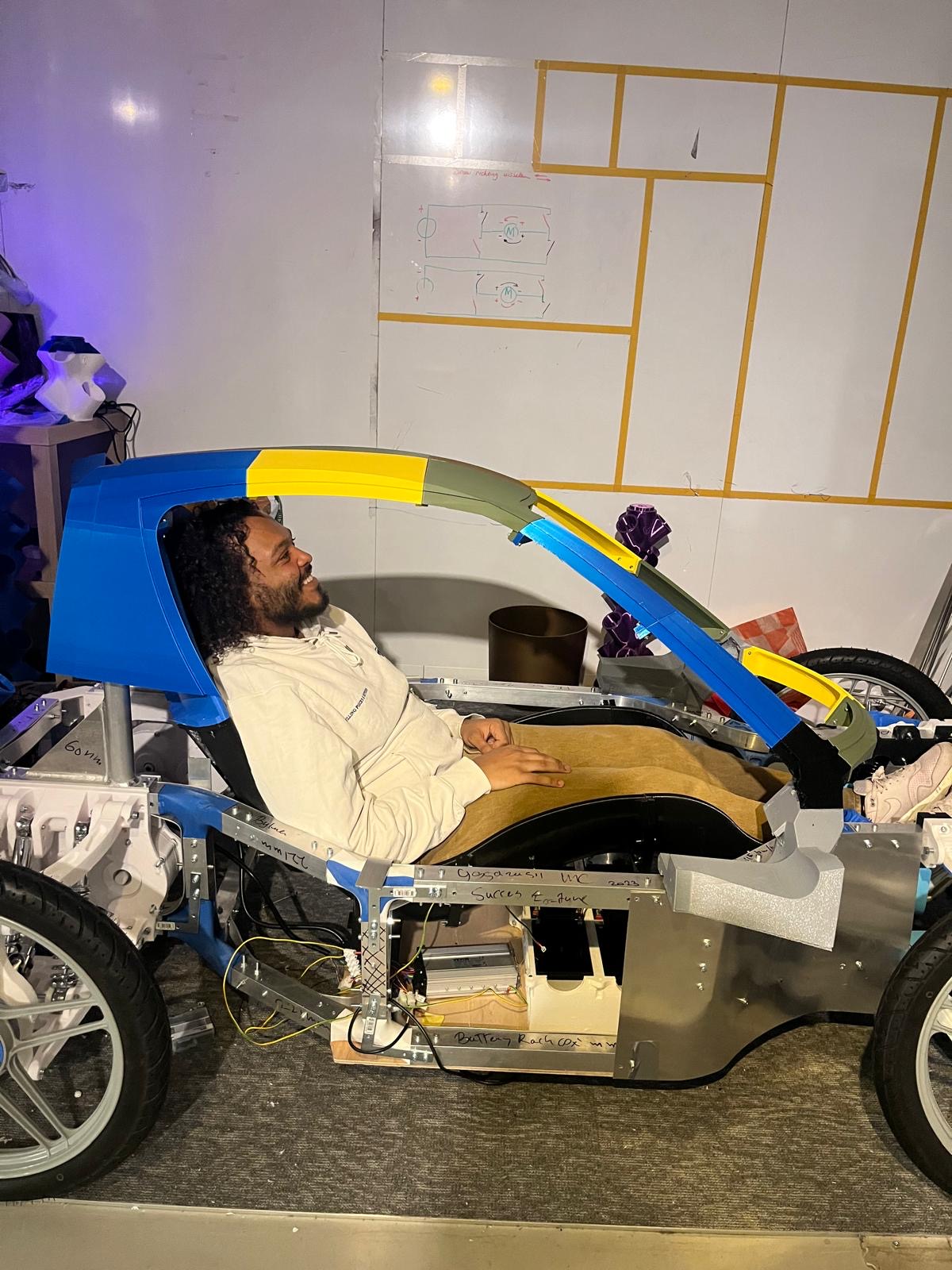
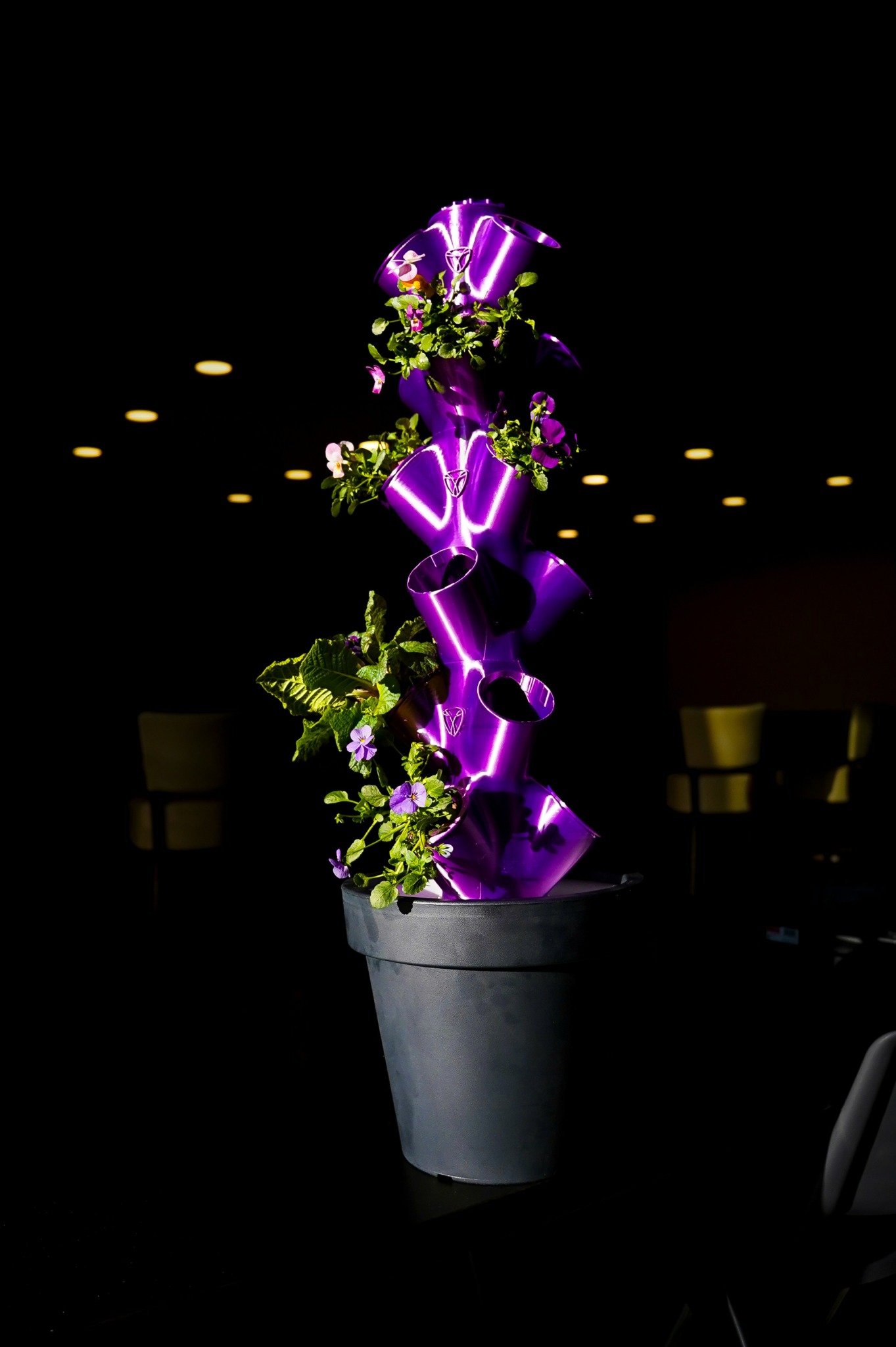
Today, I run a creative tech studio focused on building the future—literally. We create digital twins, design 3D-printable products, and build interactive experiences using Unreal Engine. Our projects range from real-time simulations of buildings and vehicles, to educational tools that help people learn to create their own solutions. We’re also developing sustainable systems like vertical farming towers, and affordable, locally produced electric microcars designed for cities like Amsterdam.
What sets us apart is our purpose. We’re not just doing this to make cool stuff. We’re designing for a SolarPunk future—a world where tech and nature work together, and where communities have the tools to thrive on their own terms. We reduce cost of living through design, we teach people how to build and understand the systems around them, and we bring joy and beauty into what’s often a very cold and corporate tech world.
I’m most proud of the fact that I’ve been able to turn these ideas into a real platform. Whether it’s a student learning 3D for the first time, a company seeing their building come to life in Unreal, or a client printing their own farming system—everything we make is built to empower. That’s what I want people to know about my work: it’s not just mine—it’s meant for them too.
Can you open up about a time when you had a really close call with the business?
Honestly, we’re kind of at that point right now. I’ve been running the business by myself for a long time—handling everything from the creative work to the business side, while also trying to build relationships, manage finances, and stay inspired. I’m a creative first, not a business person, so it’s been extremely hard to juggle all of that without burning out.
I’m naturally more introverted, and I get my energy from creating and building things—not from chasing invoices or structuring teams. But that’s also what taught me a lot about my limits, and about the importance of building a team. I’ve recently started bringing on partners who can help me with structure, operations, and long-term planning, so I can focus on the creative vision and development.
It’s been rough, but it’s also been necessary. I’m hoping that this shift marks the end of those “close call” moments. I believe in the future we’re building, and now I finally feel like I have people around me who can help make it real—sustainably.
Can you talk to us about manufacturing? How’d you figure it all out? We’d love to hear the story.
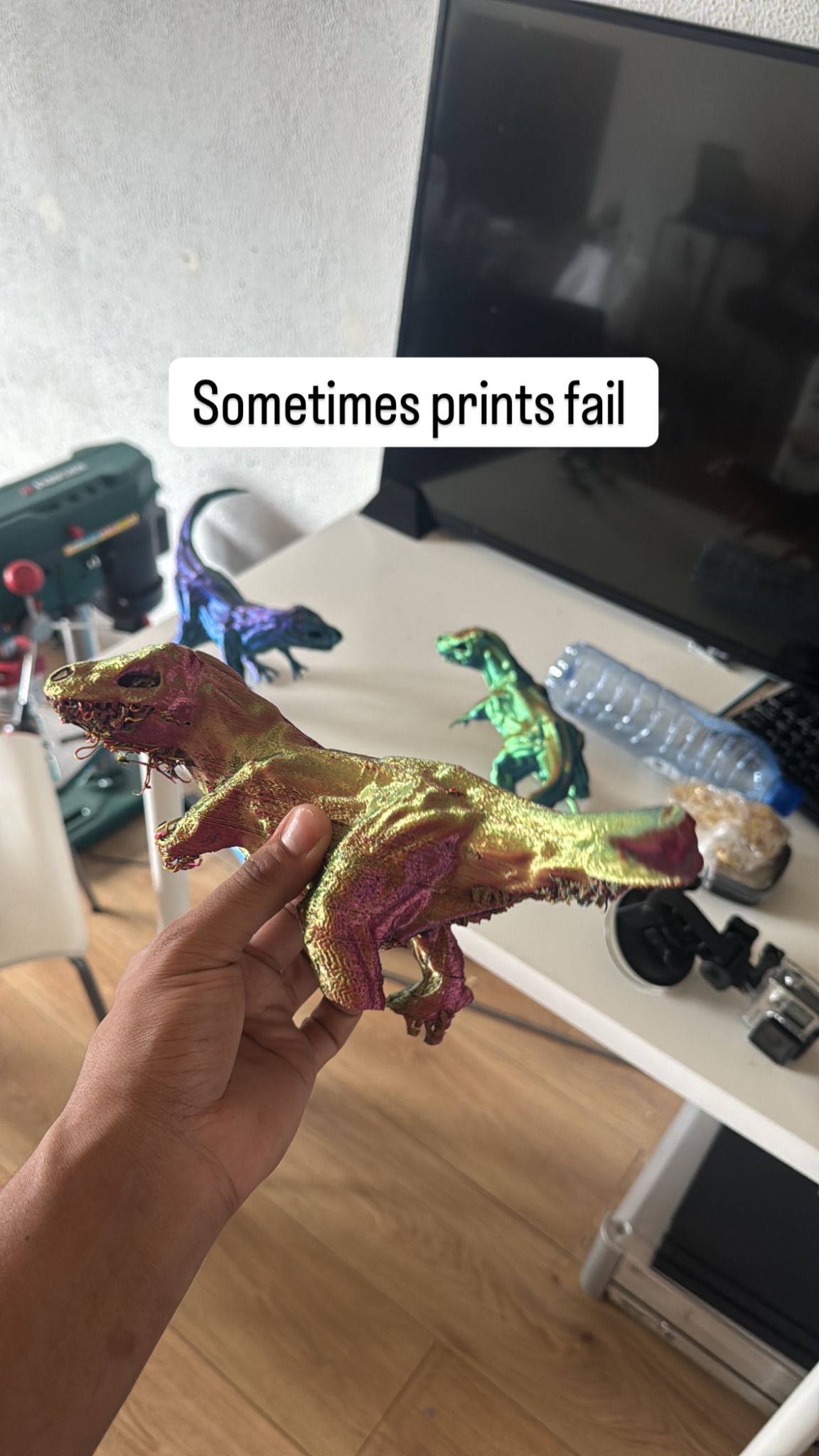
Yes, we manufacture all our products in-house using 3D printing. From the start, we knew we wanted full control over the design and production process, so we invested in building our own print farm. Every product we create—whether it’s a functional prototype, a finished product, or a custom component—is designed digitally and brought to life through additive manufacturing.
This gives us the flexibility to iterate quickly, customize on demand, and stay lean without relying on external vendors. It also allows us to manufacture exactly what we envision, without compromise. One of the biggest lessons we’ve learned is that the more you can align design and manufacturing under one roof, the more innovative and efficient you can be. It’s been a learning curve, but doing it ourselves has given us a real edge.
Contact Info:
- Website: https://Www.veldboomstudios.com
- Instagram: https://www.instagram.com/veldboomstudios?igsh=MWRybjZuaWwzaWs4ag%3D%3D&utm_source=qr
- Linkedin: https://www.linkedin.com/company/veldboomstudios/
- Youtube: https://youtube.com/@svadesign?si=sdUEL01MUpzCp559