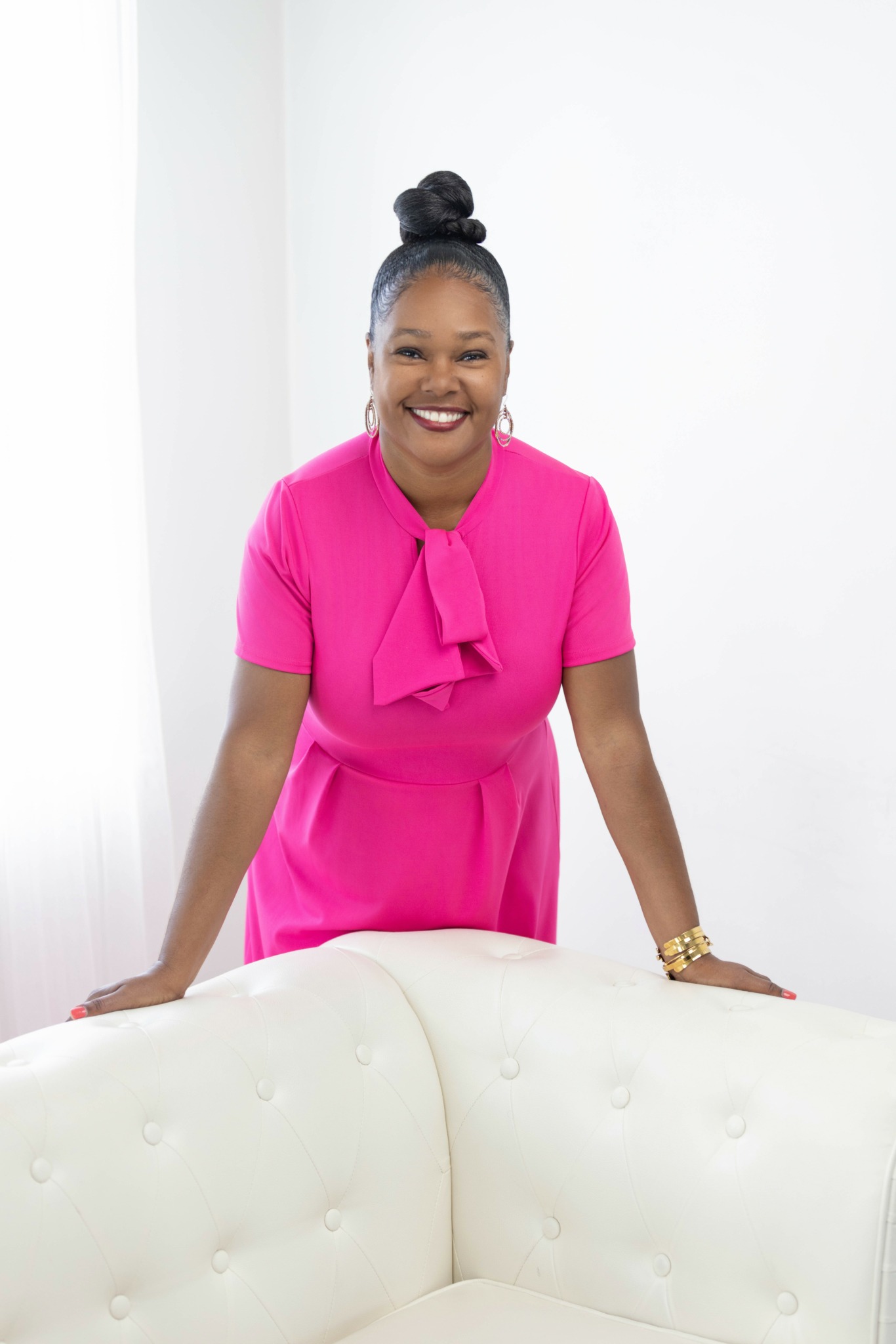

We’re excited to introduce you to the always interesting and insightful Jennifer Roberts. We hope you’ll enjoy our conversation with Jennifer below.
Hi Jennifer, thanks for joining us today. How did you come up with the idea for your business?
The late educator Rita Pierson said, “Every child deserves a champion; an adult who will never give up on them, who understands the power of connection and insists they become the best they can possibly be.” I agree wholeheartedly and am committed to loving, seeing and hearing my scholars every day,
I have always loved learning, and I fully understand the value of an education that sees and serves children. As a stay-at-home mom of two amazing children, I prioritized getting to know my children well which helps me to serve them well. I paid close attention and worked hard to understand and meet their unique needs and identify and nurture their gifts and talents.
I invested time, energy and money into creating emotionally safe learning environments that would help them become the highest expressions of themselves. I served my children well at home and had high expectations of their educators when they began attending public school.
Unfortunately, despite attempted partnership, strong advocacy and sustained parental involvement, I could not find educational leaders who actively supported the vision that I had for my children or who had the courage to partner authentically. To say that I was frustrated is an understatement. I knew what my children needed; I had built it at home but it didn’t exist externally. I knew that not only would customized learning be transformative for my children, but it would also be a life changing experience for other children as well.
When my children’s schools closed down on Friday, March 13th, 2020, because of the Coronavirus pandemic, I immediately went to work converting our at-home Maker Space lab into a classroom. By Monday morning, I was holding classes in our basement for my daughter who was in eighth grade and my son who was in fourth grade. This was not an abnormal arrangement because my children were accustomed to regularly reading, writing, practicing math, conducting research and exploring art at home especially during the summer. Once the new school year started in the fall of 2020, my children attended classes virtually. Again, I was able to customize their learning environments to maximize their learning. They enjoyed a less distracted learning environment, a shorter school day, more targeted learning and less work production. I also had the opportunity to observe their classes which helped me to help them at home, especially my youngest. The only component that was missing was the socialization. If I could figure out how to customize my children’s learning and provide opportunities for socialization, I would have created the solution to educating them in a way that worked best for them.
In January of 2022 my frustration with my children’s learning experience had reached a new high. I remember sitting at a desk in a hotel room early on a Sunday morning praying and sobbing because I knew that my children and other children deserved an excellent educational experience. My heart was heavy because I knew what was possible and I knew that my children weren’t getting it. I knew that they only got one childhood and I refused to waste it. For the first time I verbalized to God that I wanted to build schools. This was my heart’s desire.
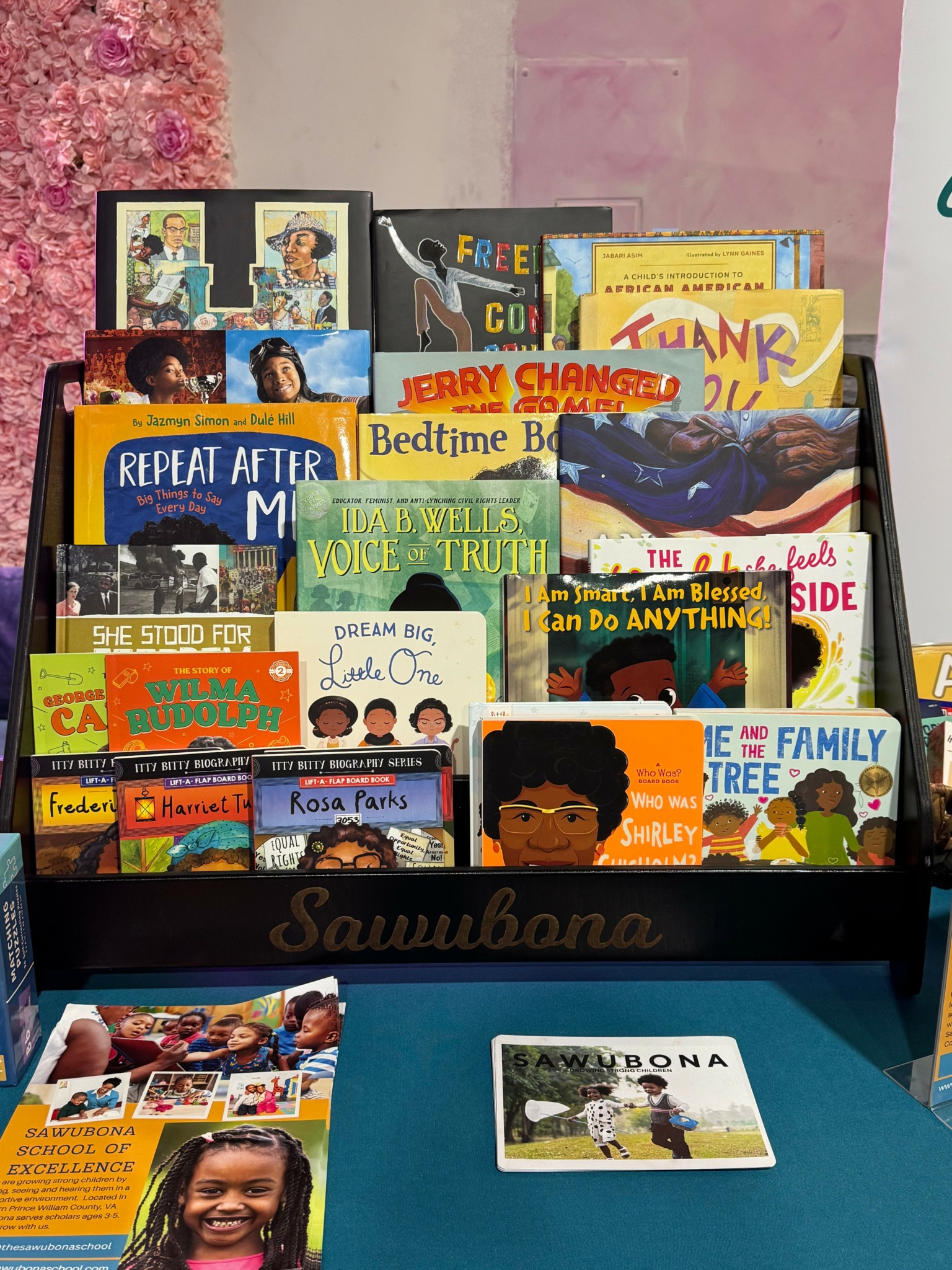
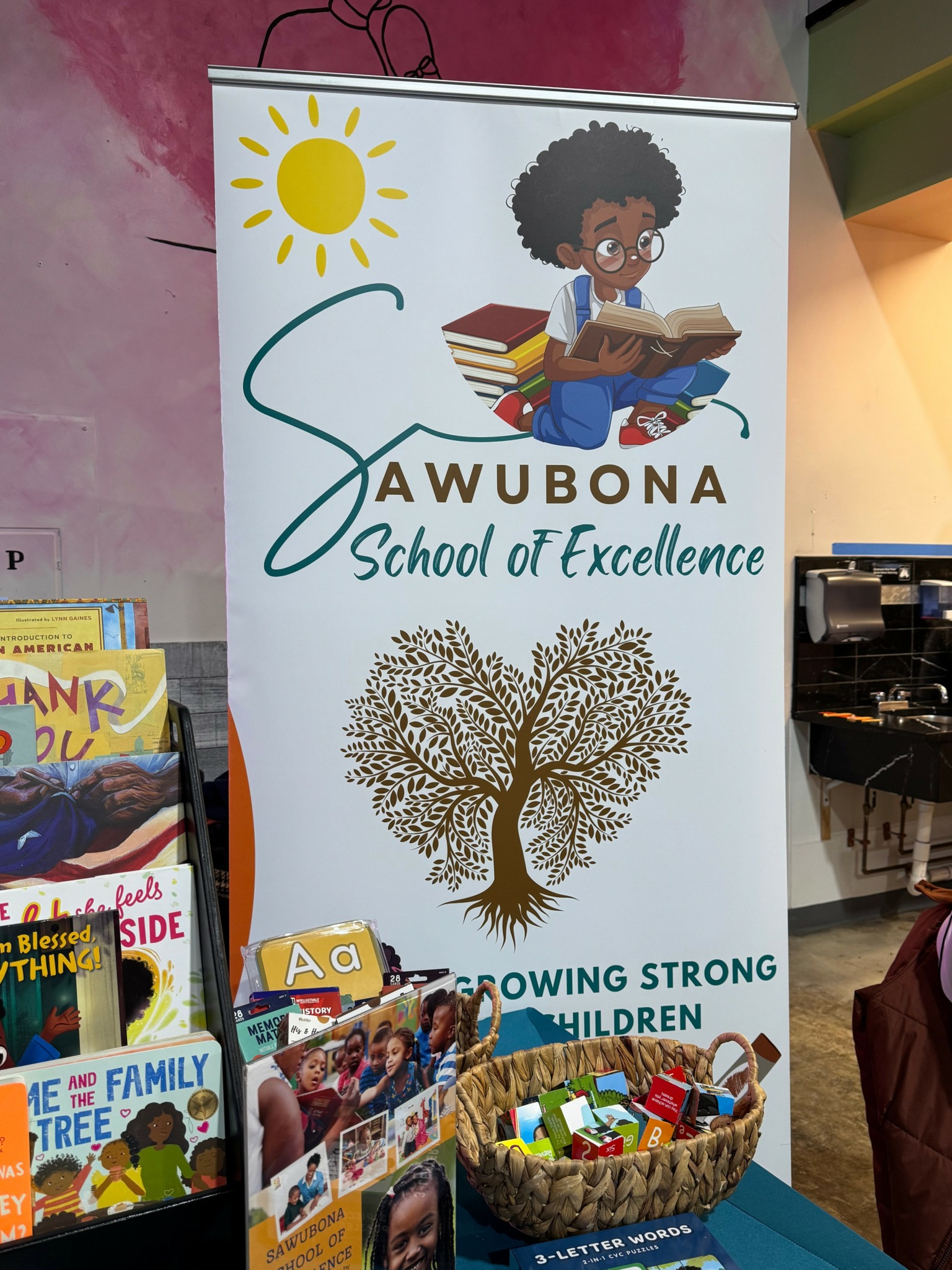
It wasn’t until months later that the concept would begin to take shape. I knew that I was solving a problem and that other children besides mine would benefit. The Sawubona School of Excellence as it will be called is an Afrocentric educational cooperative that engages children and families from a place of love and connection. Our vision is to grow strong children by loving, seeing and hearing them every day. We endeavor for our scholars to be proud of their African and African American heritage and if they are not of African or African American descent, to develop an accurate understanding of and respect for African and African American culture and the experiences and contributions of Black people. Our learning is done in small groups of mixed age scholars. Sawubona engages learning guides that help our scholars identify and explore interests, analyze and learn new information, develop their critical thinking skills, hone executive functioning skills and learn life skills that will help them academically and personally.
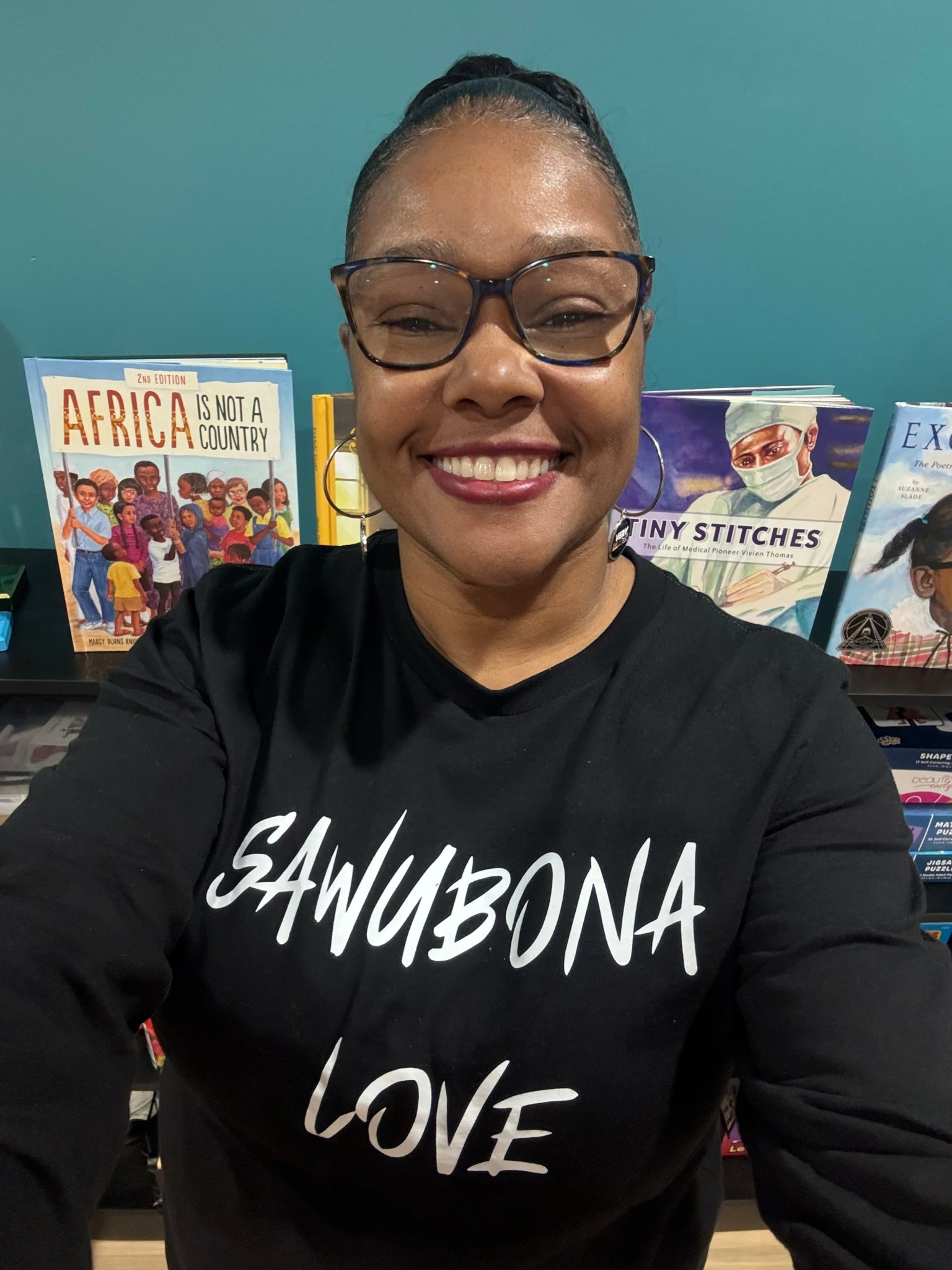
Great, appreciate you sharing that with us. Before we ask you to share more of your insights, can you take a moment to introduce yourself and how you got to where you are today to our readers.
For 18 years, I have had the privilege of being a stay-at-home mom to my two, wonderful children. This life changing experience has prepared me to lead the Sawubona School of Excellence.
The word Sawubona is a Zulu greeting that translates to, “I see you.” This is not merely a casual seeing with the eyes; it is a deep seeing with the heart. The sentiment is “I value you. Your humanity resonates with my humanity.” Part of what drove my desire to start Sawubona was the experience of feeling invisible as a child to the very people who I felt should have seen me and understanding the power of human connection.
I know firsthand how horribly lonely and isolating invisibility is and I want my scholars to know and feel that they are loved, seen, validated and heard simply because they exist. I want them to know that they are enough, that they were created by God with a unique purpose and that they have a champion in me who will listen to them, support them, advocate for them and remove barriers to their success. Cultivating a child is some of life’s most important and fragile work. Everyday, I work to get it right. Mediocrity is not an option.
The lasting legacy of an excellent educator isn’t the amount of content that he/she delivered over the years; the greatest legacy is the strong connection that he/she made with their students. I know that my scholars lives are better for having had me as part of their educational village.
When thinking about a college major at age 17, it never occurred to me to pursue a degree in Elementary Education despite my love for children. I aspired to become an international journalist. I wanted to travel the globe telling people’s stories. In 1999, I graduated from Bowie State University (Bowie, MD) with a Bachelor of Science degree in Communications Media with a concentration in Public Relations but I always pursued opportunities to engage with children in my local community.
Today, I get to pair my love of writing and storytelling with my love of educating children through my blog, “Journey with Jenn Today” (www.journeywithjenn.net). I also enjoy hosting virtual conversations with community members on topics like education and racism.
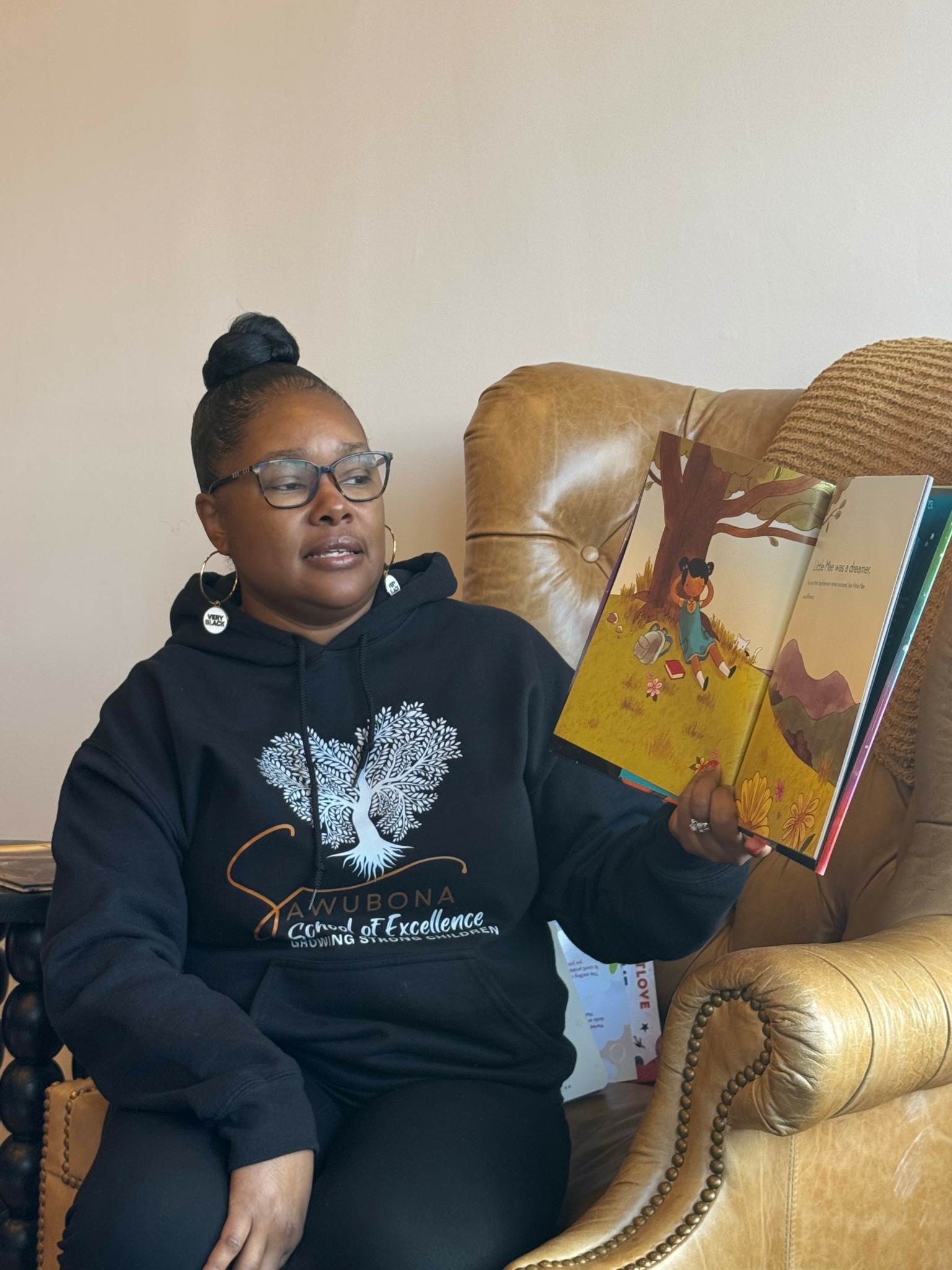
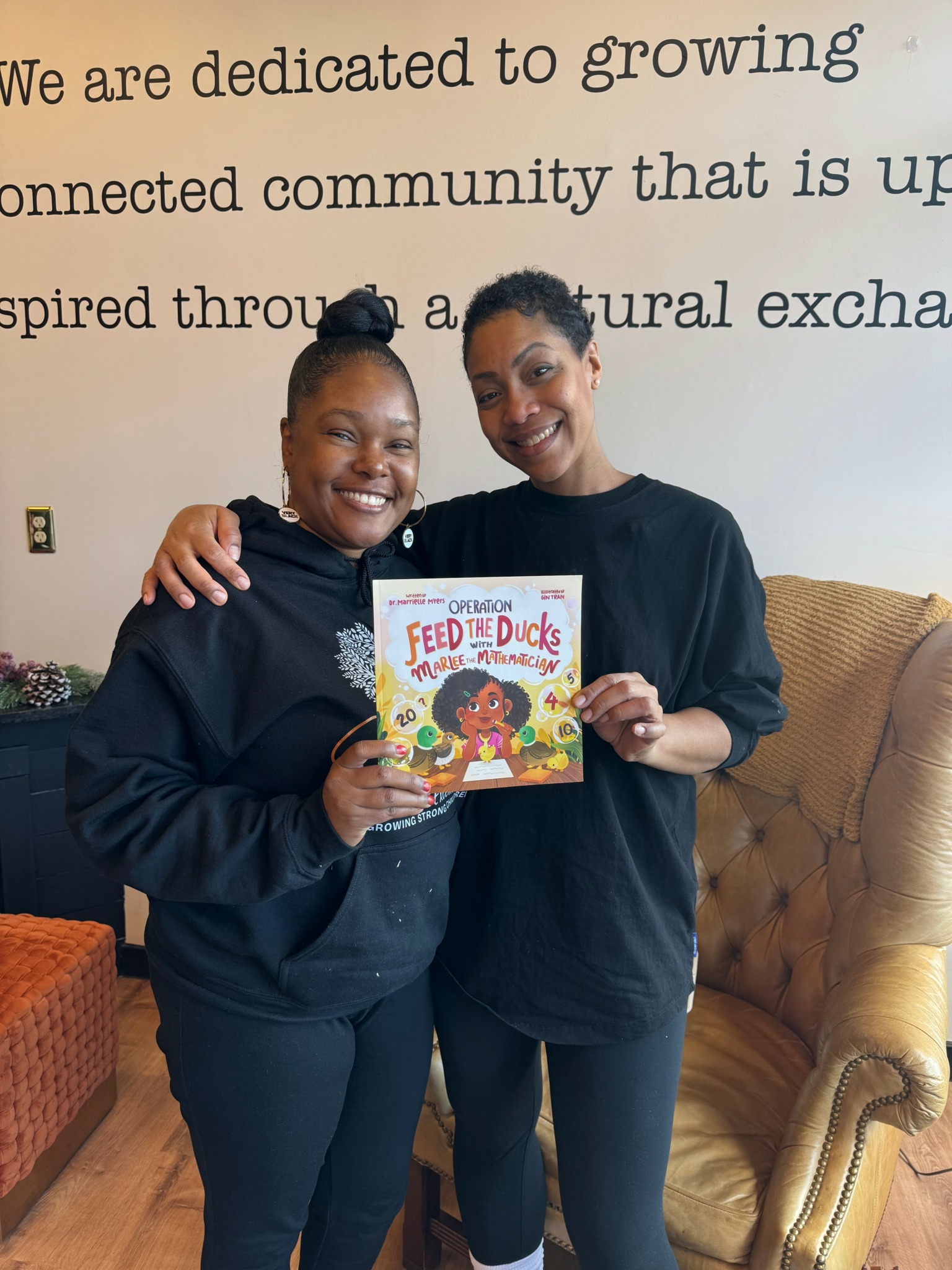
We often hear about learning lessons – but just as important is unlearning lessons. Have you ever had to unlearn a lesson?
At the beginning of 2024 I thought a great deal about my inability to develop and maintain deeply connected relationships with other adults. I have been married for nearly 23 years and have a few close relationships, but I knew that I had a connection deficit but wasn’t sure why.
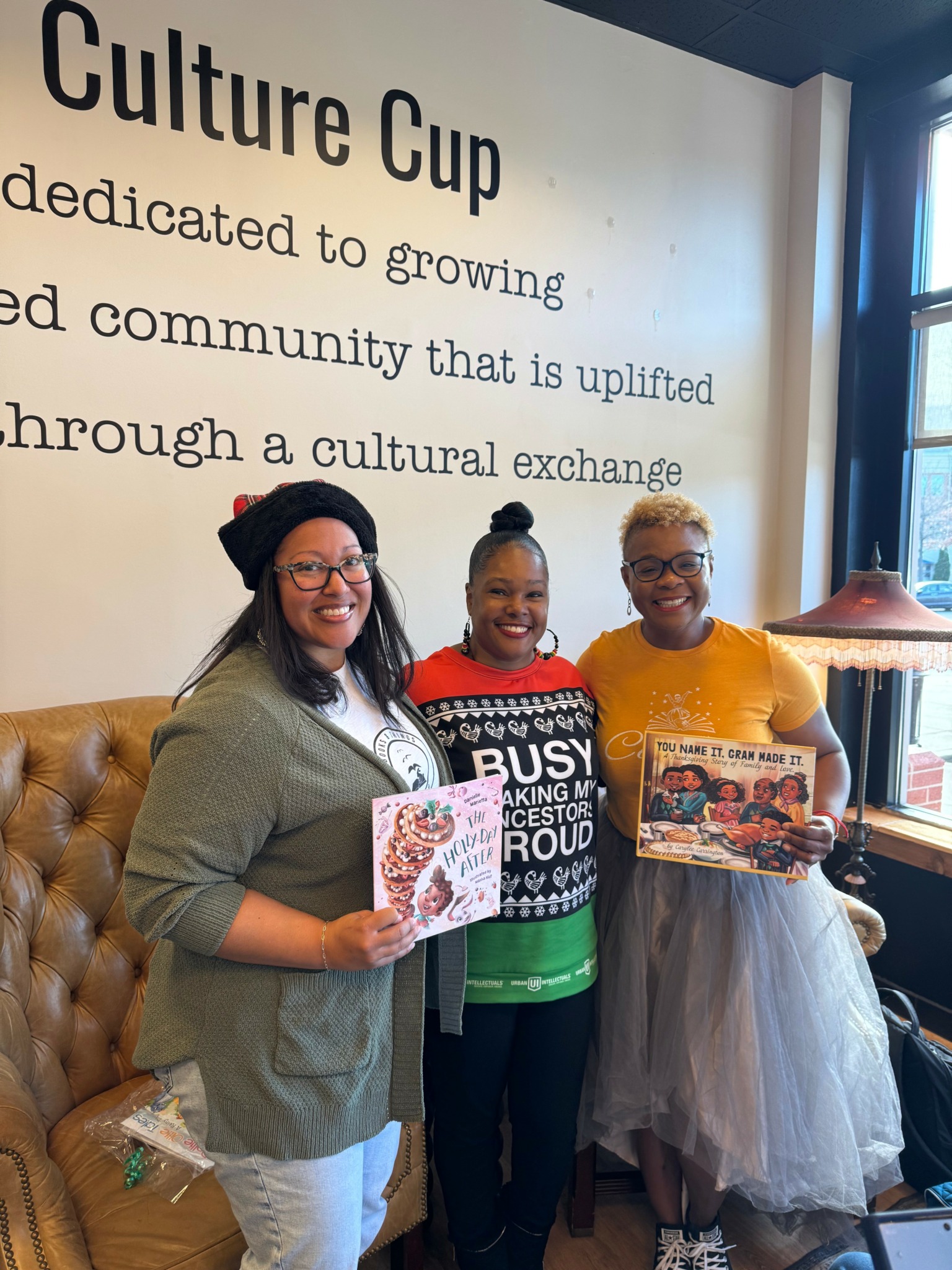
In March of 2024, I attended a community conversation for women at my favorite, coffee shop. The conversation was hosted by a therapist. As the conversation unfolded, the therapist mentioned the terms “secure” and “unsecure” attachment as they related to childhood development. I had never heard these terms and was immediately intrigued. They sounded like terms that I needed to investigate. During the conversation, the therapist briefly shared that in childhood a person can form different types of attachments (secure and insecure) depending on their early interactions with their primary caregiver(s). Without any evidence or recollection of my experiences as an infant or toddler, I knew that something had transpired in my formative years that caused me to form insecure attachments with others from a very early age.
As I thought back over my life, I immediately began connecting the dots about how “insecure attachment” showed up over the course of my life. I don’t readily or easily depend on others. My default is independence. While I can enjoy the company of others, my safest place is by myself because I know what I need, I am not going to disappoint myself and if I do disappoint myself, I can readily hold myself accountable. I self-soothe very well and prefer to work alone. If there is a project that needs twelve roles fulfilled, I’d rather fulfill all 12 roles than depend on others because deep down I am afraid that the others won’t show up.
After several months of therapy with the therapist who facilitated the initial conversation, I learned about attachment styles and their relevance to my life, I learned the root cause of my trouble developing and maintaining deep connections: fear.
As a young child, I received reinforced messages that I had to take care of myself and that I was safer by myself than I was with other people, even my parents. I learned that it was more traumatic for me to depend on other people who might not show up than it was to depend on myself. What I had to unlearn was that “certain” people in my life didn’t have the ability or capacity to love and care for me in the ways that I needed and this designation didn’t (and shouldn’t) apply to everyone.
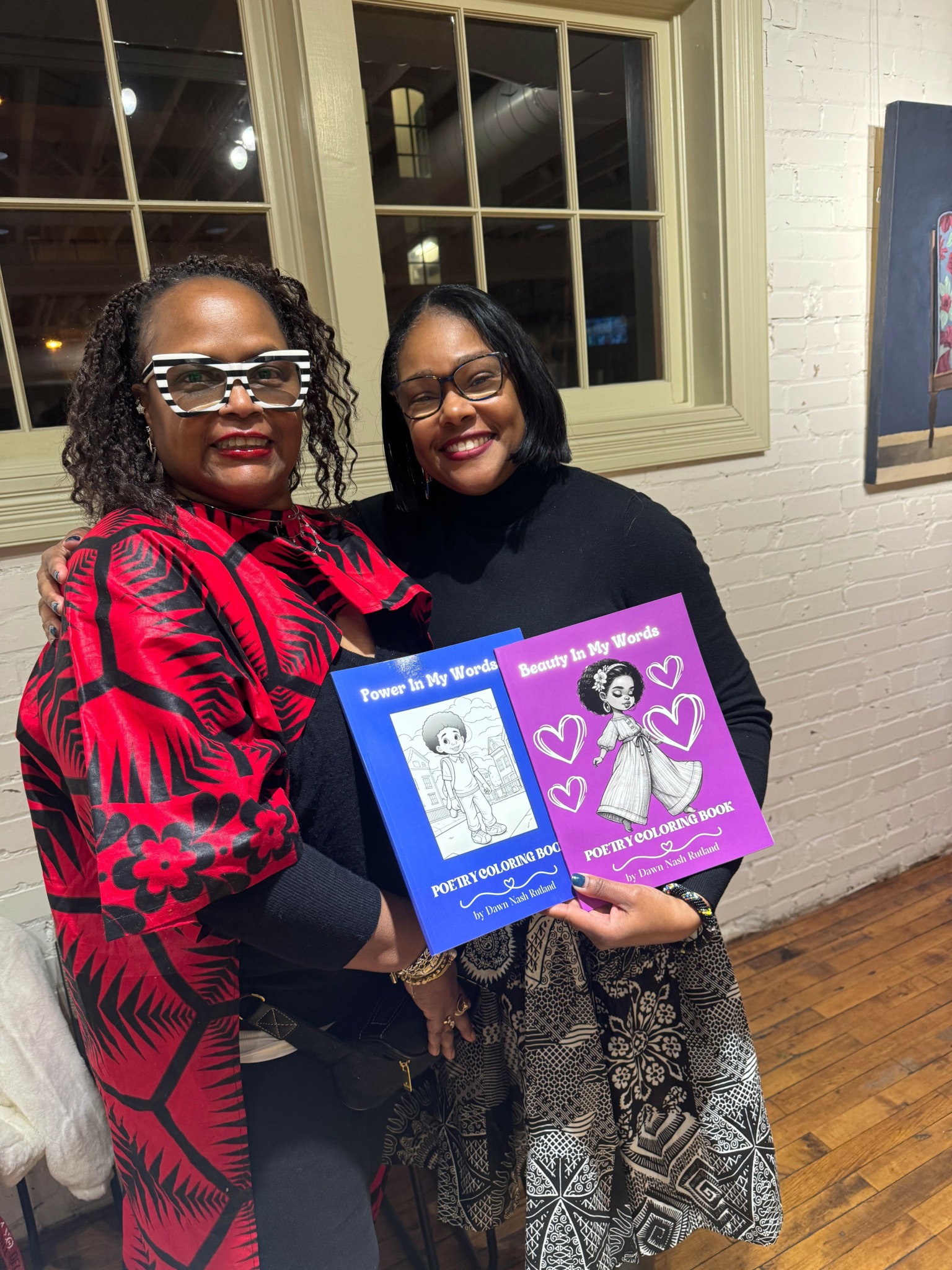
What do you think helped you build your reputation within your market?
Sawubona and I are one in the same. I take my vision of growing strong children seriously and understand the weight of this awesome assignment. My business is a natural fit for me because lovingly educating children is what I do. For me, creating emotionally safe environments for children to learn and grow children is like breathing. I couldn’t not educate children if I tried.
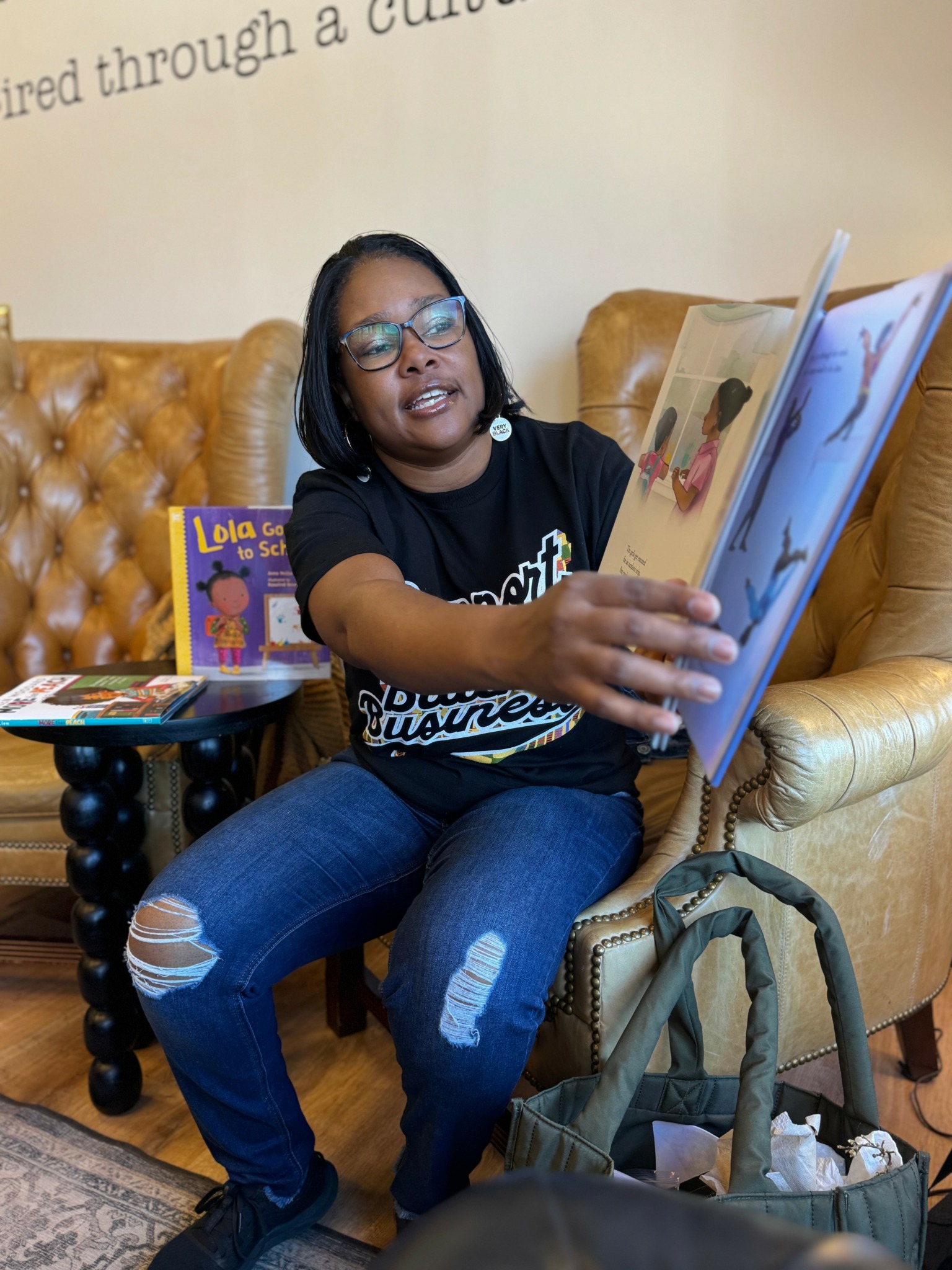
For many years, I volunteered at my children’s schools. I have created programs and after school clubs, served on educational, advisory boards and spoken at school board meetings about the importance of providing all students with an excellent education. I’ve facilitated community conversations. Many people in my geographic area know how I fiercely I advocate for children and have experienced my advocacy firsthand.
I draw a distinction between “community” and “geographic location.” I live in a geographic location but this location is not my community. My community is my market and this community knows that when I serve any child, I engage with him/her as though they are my very own and give the same quality of care that I give to my children. I am proud of my reputation for advocating for the best for all of the children I have the pleasure of serving. My families know that I will not settle for less than what their children deserve.
Contact Info:
- Website: https://www.thesawubonaschool.com