

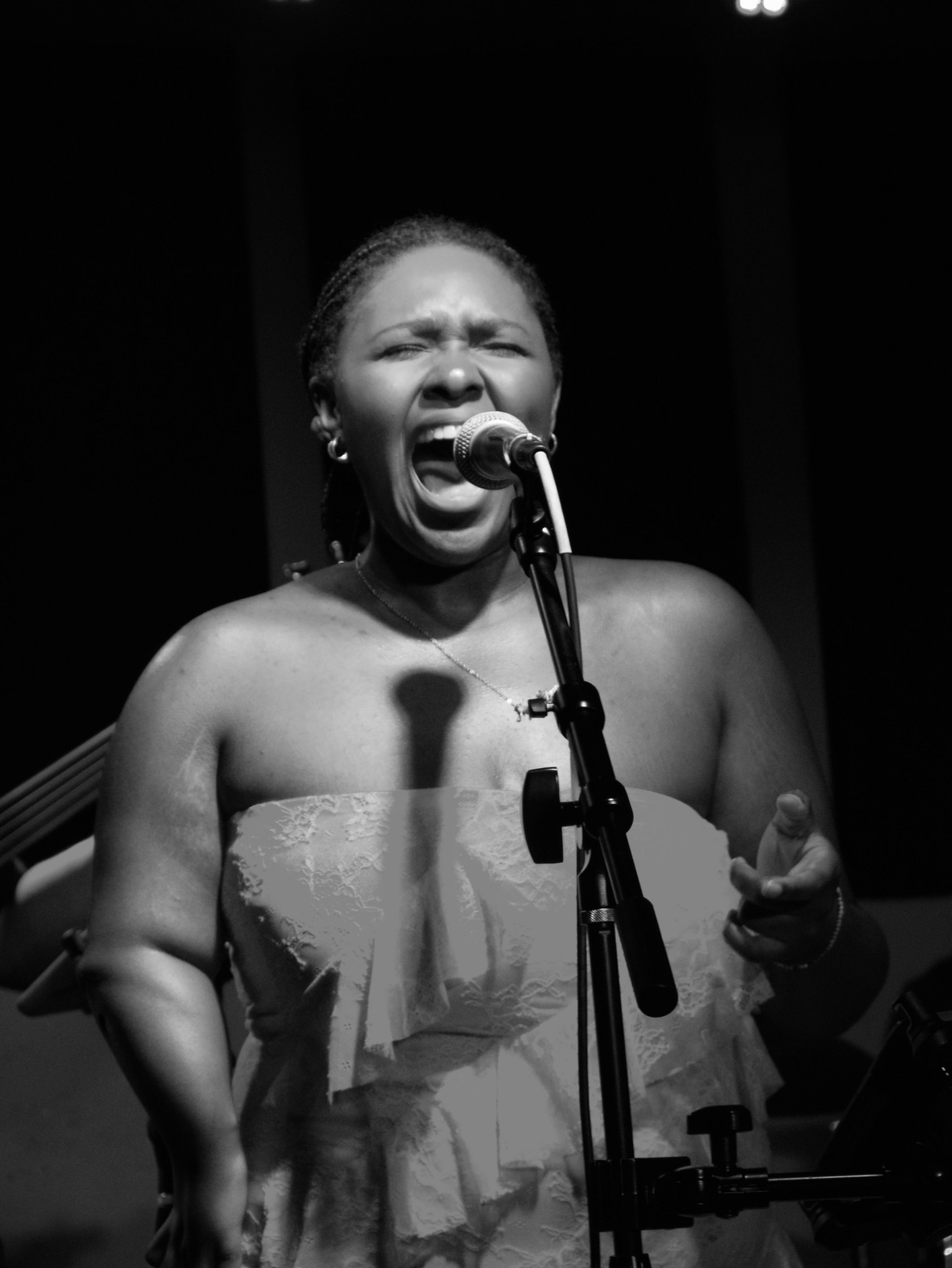

Alright – so today we’ve got the honor of introducing you to Stephanie Ochieng. We think you’ll enjoy our conversation, we’ve shared it below.
Stephanie, thanks for joining us, excited to have you contributing your stories and insights. Can you take us back in time to the first dollar you earned as a creative – how did it happen? What’s the story?
My first ever dollar earned from using my voice, was while I was in Los Angeles. A friend Musical Director called me in to help layer harmony vocals for his church praise team. For me, I’ve always been involved in church ministry and it was always about giving back but it felt humbling to see a friend step in and acknowledge the financial worth of my gift, without having to ask for anything.
I remember being excited and thrilled, I called my mother the first thing and told her all about it. She is our house musician and choir master. The one that taught me how to listen and sing in harmony parts and its something my siblings and I all picked up on. So having the possibility to have someone pay me for a practice I had nurtured at the comfort of my home was moving. I also didn’t know it was a gift to be able to listen and pick out harmony parts until I moved out of my home.
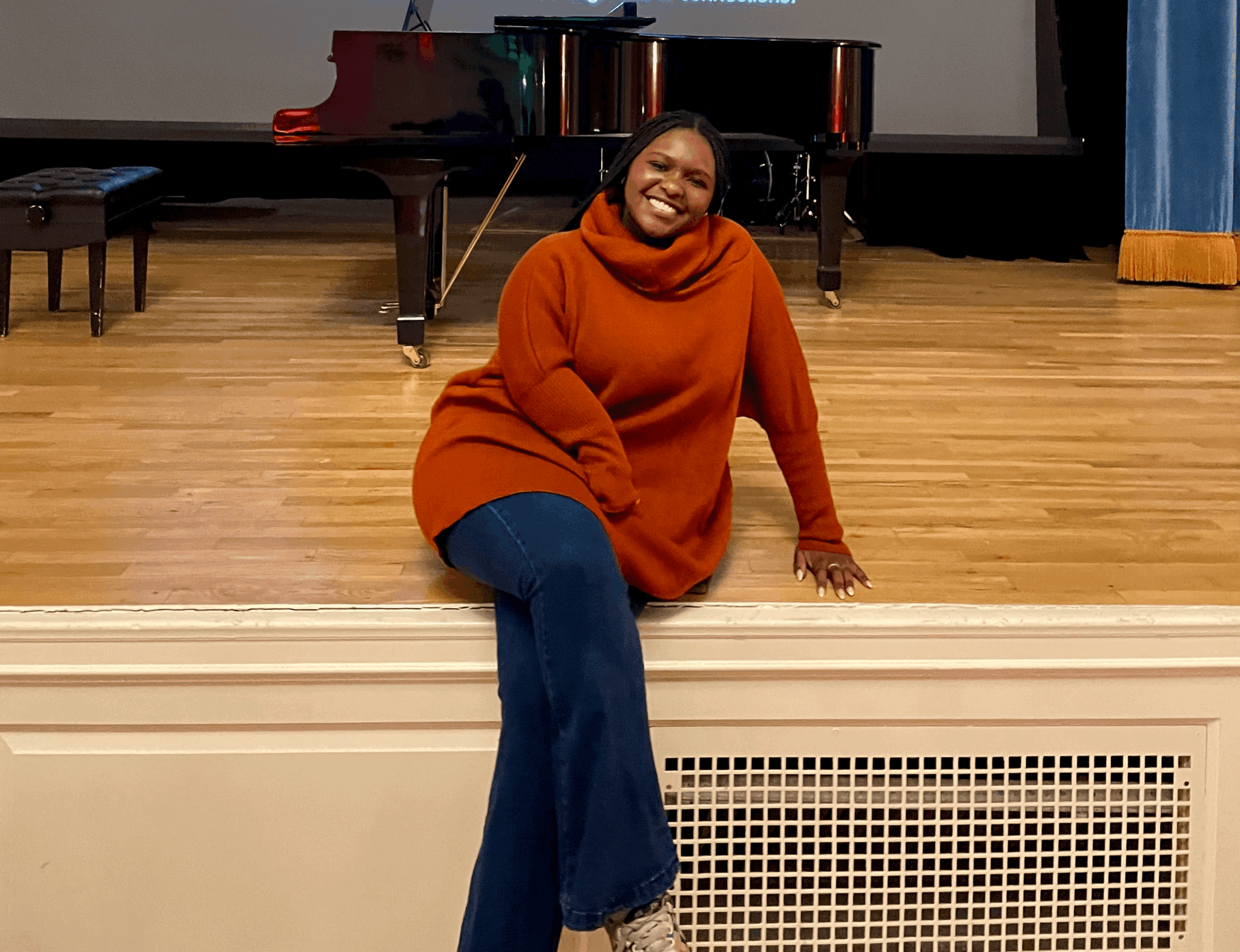
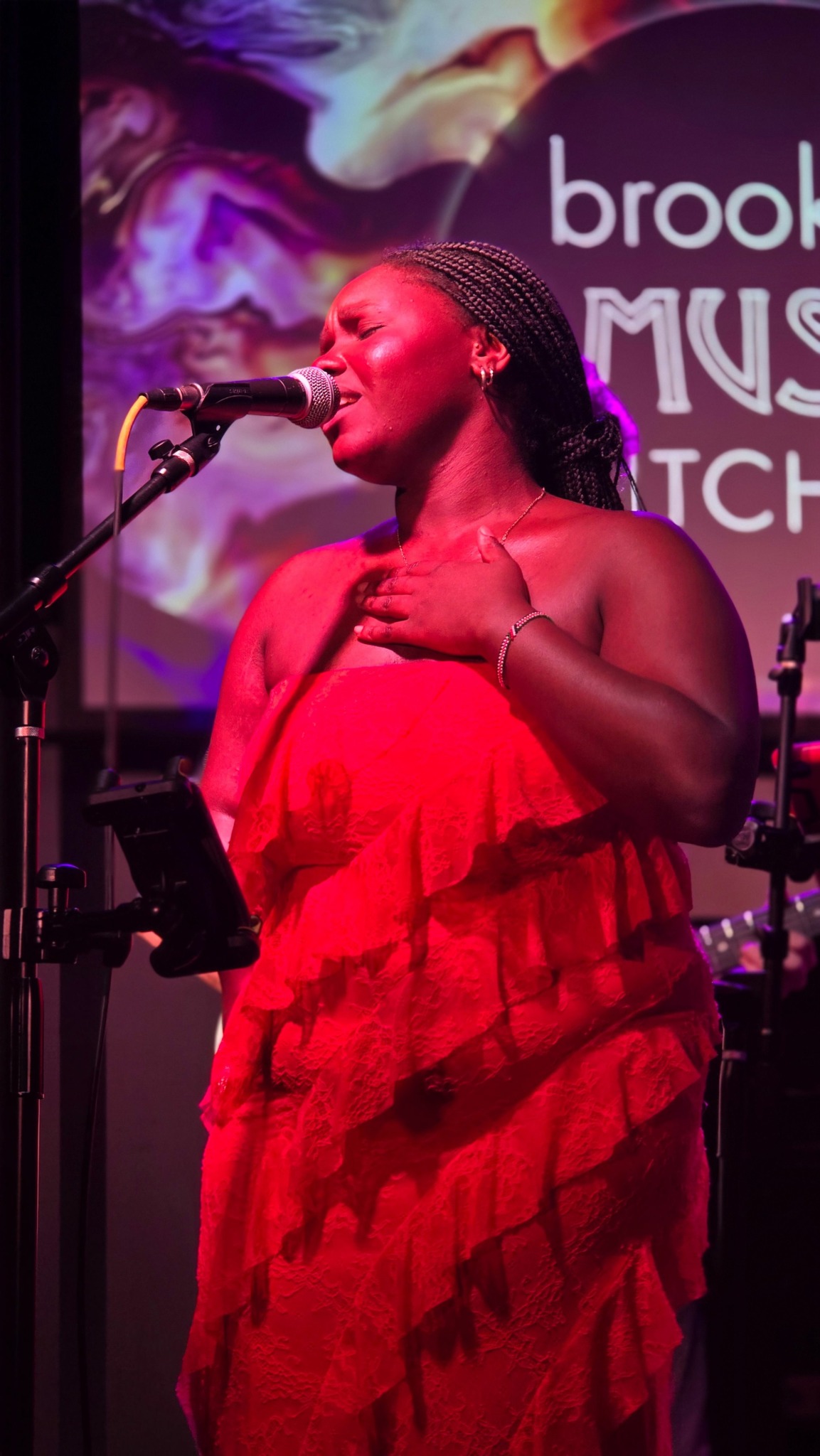
Awesome – so before we get into the rest of our questions, can you briefly introduce yourself to our readers.
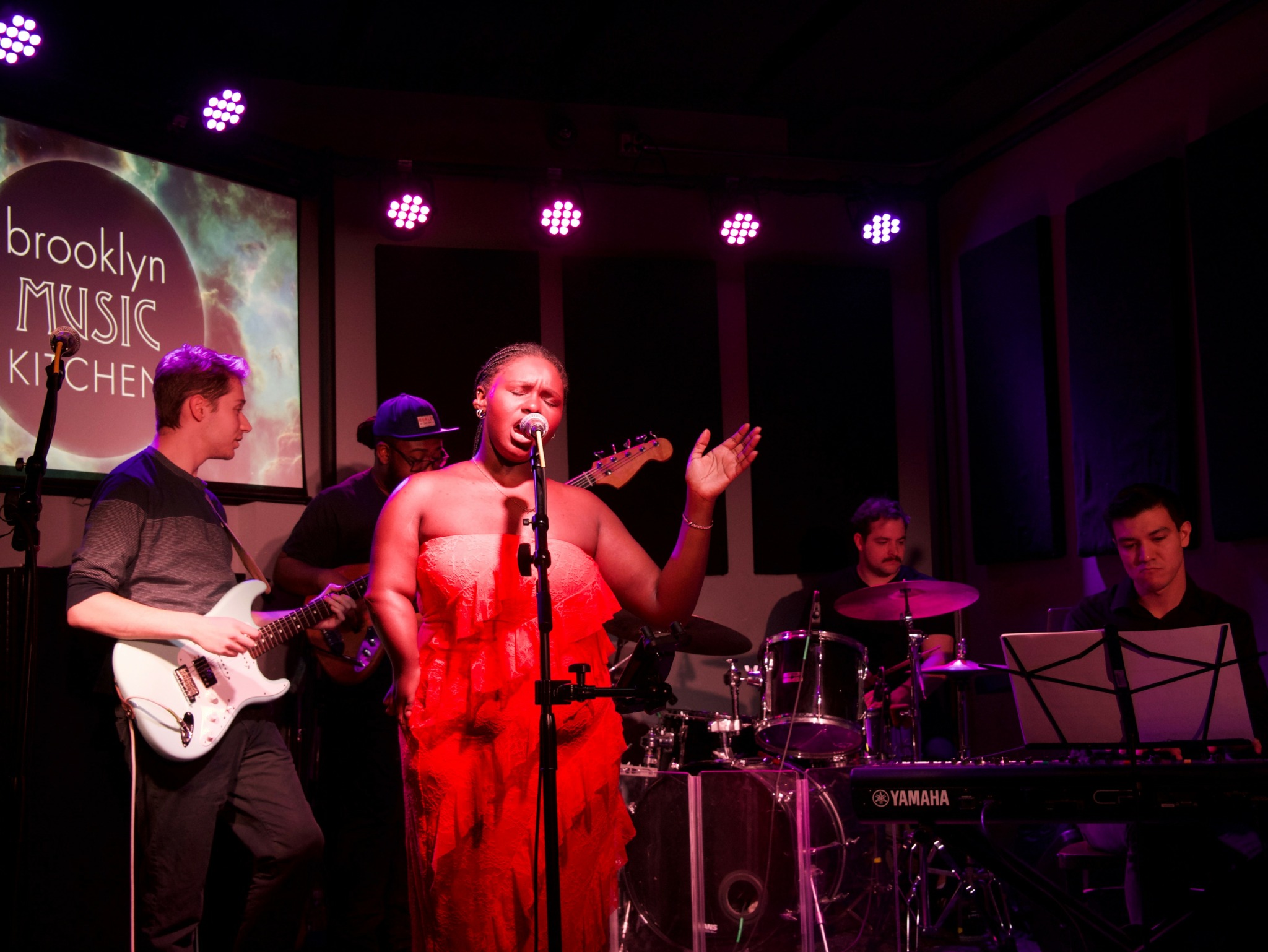
My name is Stephanie P Boolean. A Storyteller and Live Music Performer. Born and raised in Nairobi, Kenya and currently based in New York. I am an AfroBlues Vocalist with Southern Country Gospel influence. Most of my compositions tend to lean to the AfroBlues side, while my music ministry is fully locked in the hymns and Country Blues side. I call myself a storyteller, because I love listening to peoples stories and being able to paint their stories and emotions with my voice. Also, is the main reason why I’m drawn to singing simple and slow songs. I like to take my time with each word and understand the weight of it before moving to the next. It makes a huge difference and its one of the few things that was taught to me and I try to pass it onto all of my voice students. Understanding the words or what you’re singing, means a lot, a lot more than the voice that carries them.
I think what sets me apart, is emotional connection to my voice and with my audience. Two, being present. One of my favorite vocalists Lynda Randall once said,” If you don’t mean it, don’t sing it” and I carry that with me on every stage i walk on to. I believe in every word I sing and it heals a part of me too, every single time.
Is there something you think non-creatives will struggle to understand about your journey as a creative?
As a performer, stepping on stage and immersing myself in storytelling heightens my emotions in a way that almost feels like stepping into a different reality. The moment the performance ends, there’s an intense rush, a burst of energy and emotions that can sometimes feel overwhelming. My instinct has often been to retreat and regain emotional stability, but I’ve realized this isn’t ideal when an audience wants to connect, share their appreciation, or simply say hello. Compliments about my performances, in particular, make me really uncomfortable, and I’ve been reflecting on why that is. Rather than focusing solely on praise, I hope to create a more immersive way for my audience to share feedback, one that invites them to talk about their personal experiences, the moments my music reminded them of, or how it helped them through something. I believe this would make post-performance interactions feel more meaningful and natural for both me and my audience.
How can we best help foster a strong, supportive environment for artists and creatives?
Artists are human beings just like anyone else and deserve kindness, respect, and empathy in their career paths. The creative industry should be valued just as much as any other, and artists shouldn’t be expected to be perfect, always succeed, or have all the answers simply because their work is in the public eye. While some thrive in the spotlight and enjoy public attention, that’s not the case for everyone. Many pursue their art as a means of livelihood or career growth and may actually be quite reserved. Yet, society often celebrates creatives only when things are going well, with few standing by them through the highs and lows. Support doesn’t always have to be financial, though that certainly helps, but understanding the emotional and mental weight that comes with creativity is just as important. Having a present, supportive community can make all the difference. Taking the time to learn about the person behind the art, who raised them, where they come from, whether they experience anxiety, and what their daily life looks like. Showing genuine interest in who they are beyond what they create goes a long way.
Contact Info:
- Website: https://spboolean.wixsite.com/stephaniepboolean
- Instagram: https://www.instagram.com/stephaniepboolean/
- Linkedin: https://www.linkedin.com/in/stephanie-p-boolean-ochieng-7aaa11183/
- Youtube: https://youtube.com/@stephaniep.boolean810?si=j1xf1ieDGgEXjfCb
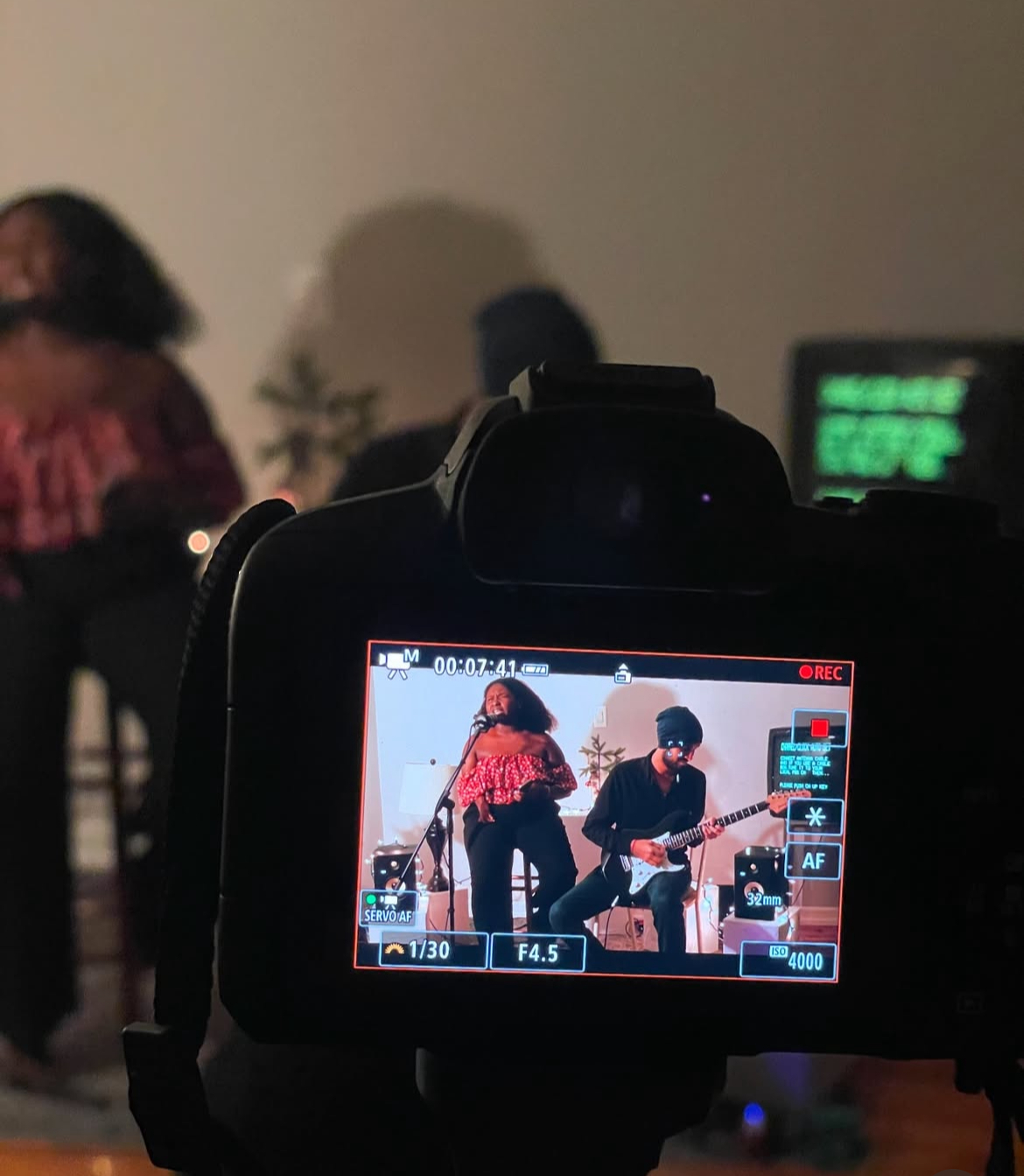
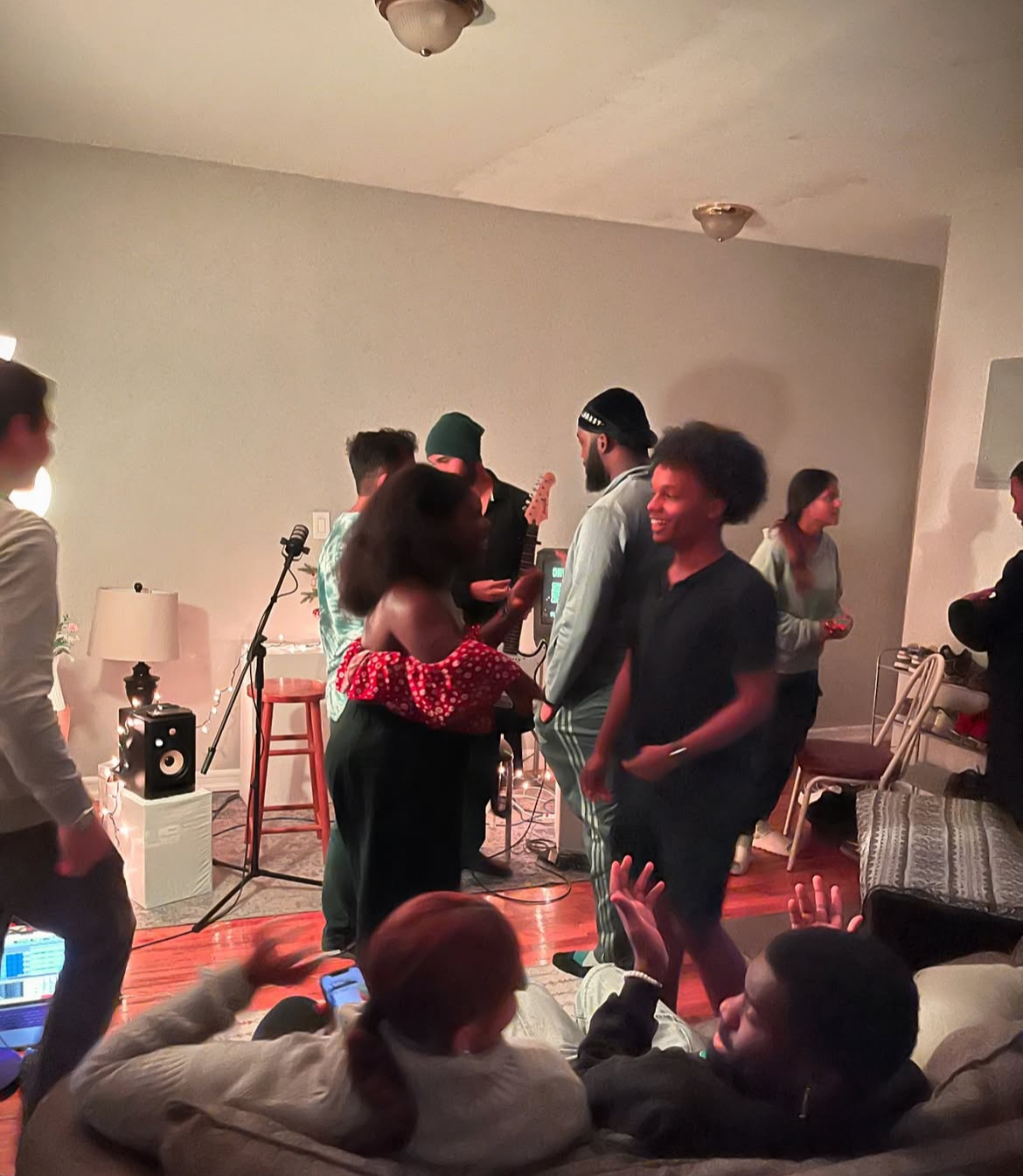
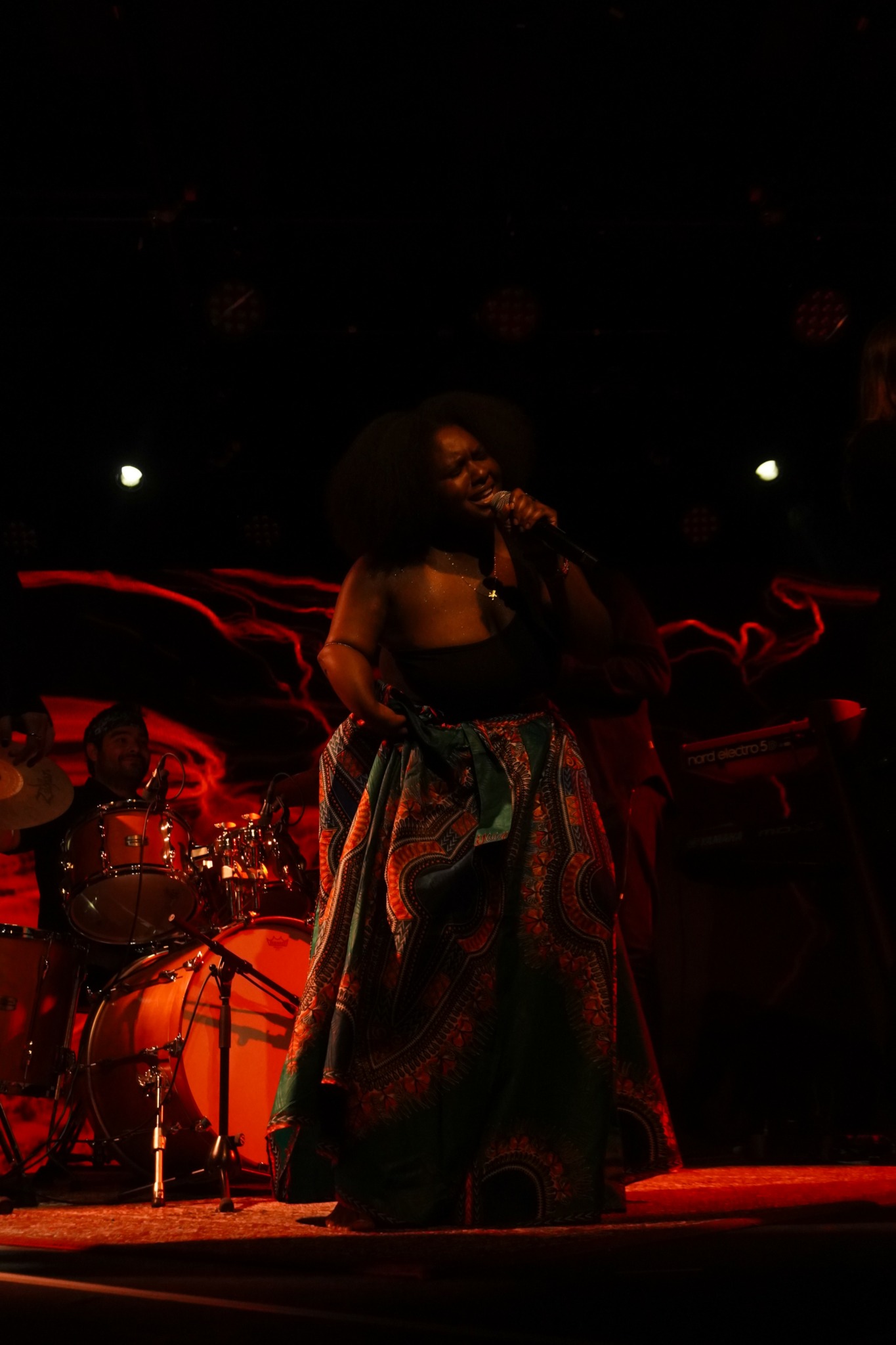
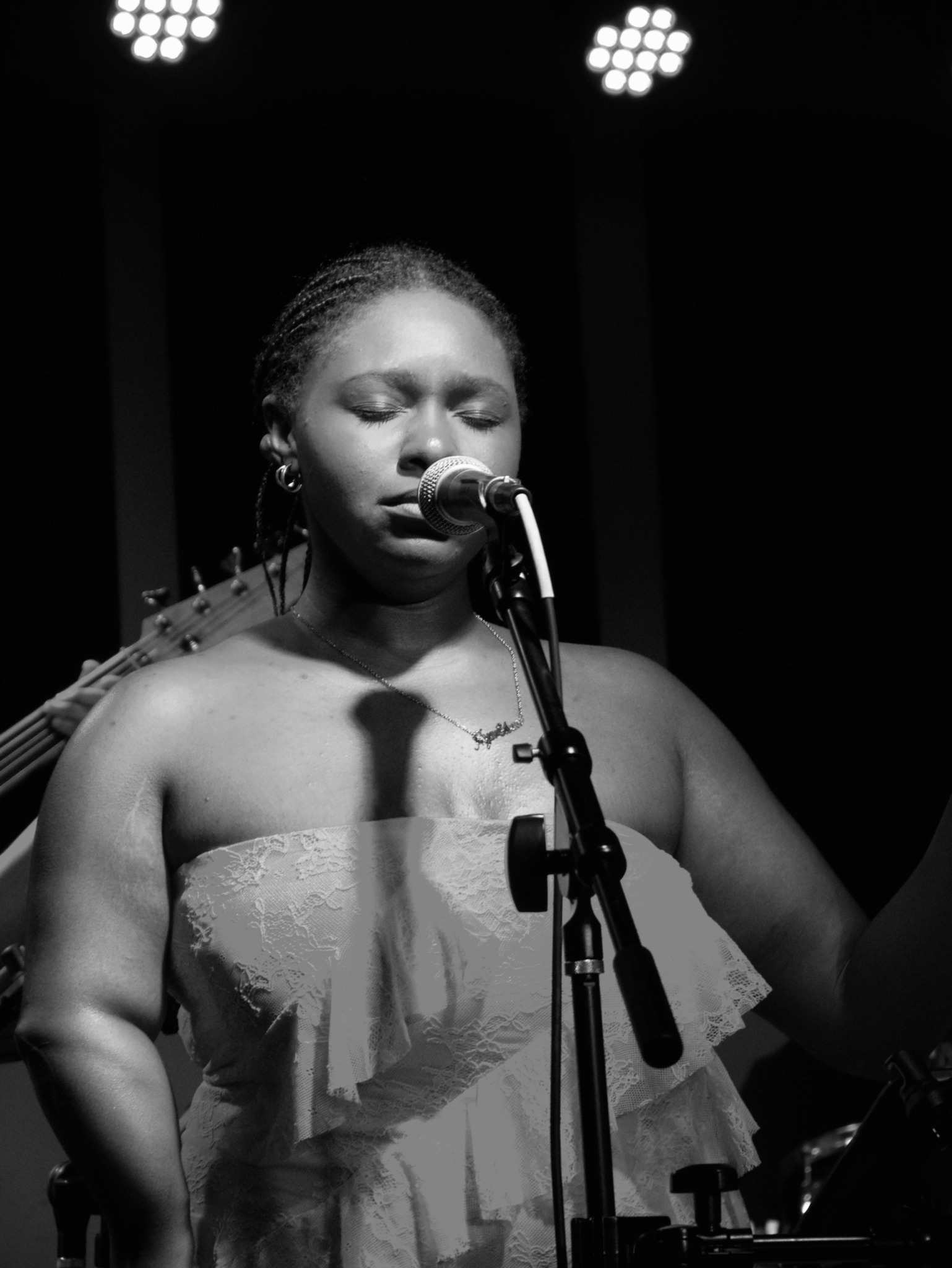
Image Credits
Cover Photo – Elllie Holliday
Image 1 – Ellie Holliday
Image 2 – Joe Paul Mong’are
Image 3 – Stephanie P Boolean
Image 4 – Ana Garcia
Image 5 – N/A
Image 6 – Ellie Holliday
Image 7 – Stephanie P Boolean
Image 8 – Isaac Carbajal
Image 9 – Maria Icon
Image 10 – Ellie Holliday
Image 11 – Ellie Holliday