

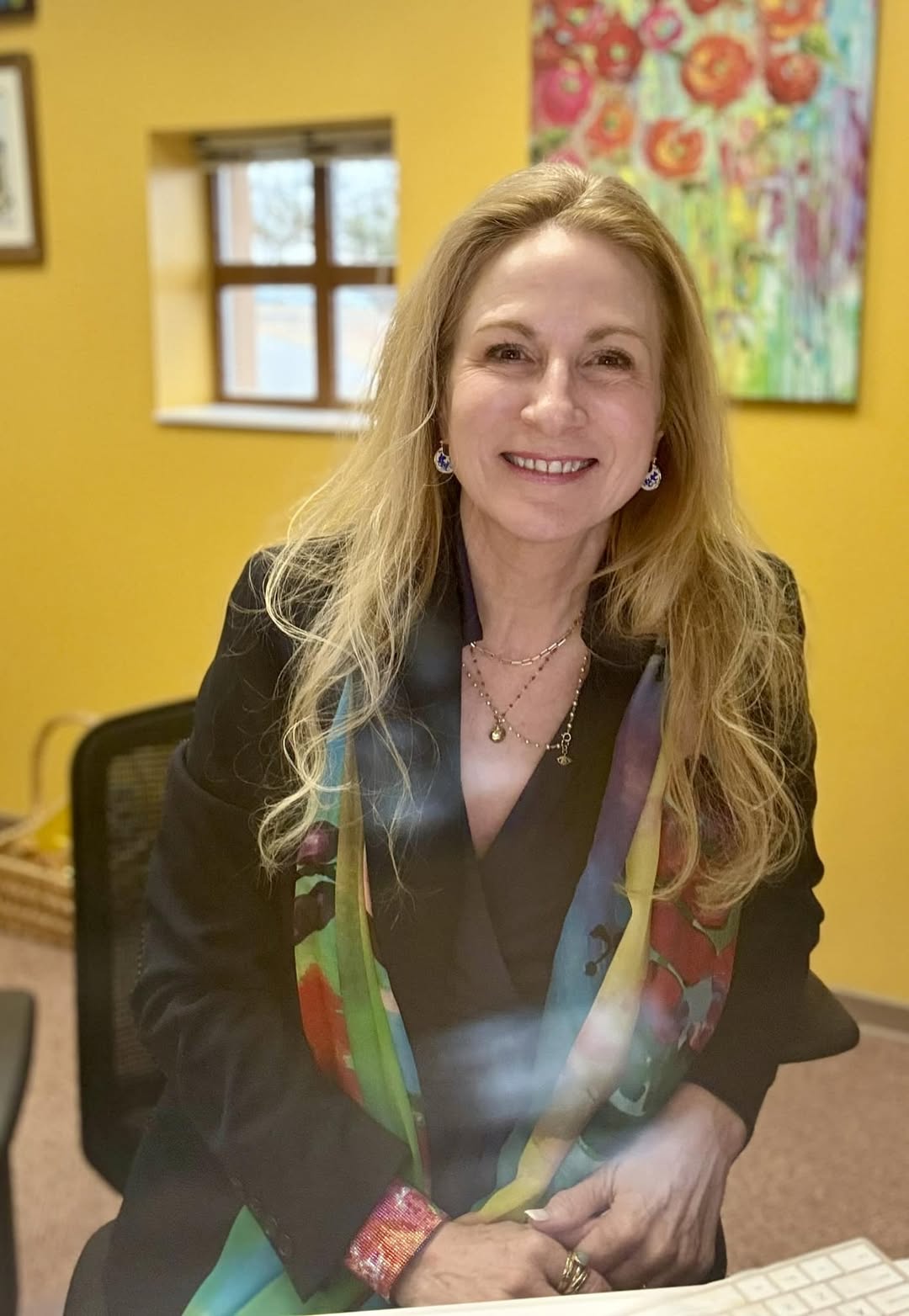

We’re excited to introduce you to the always interesting and insightful Dawn Wink. We hope you’ll enjoy our conversation with Dawn below.
Dawn, thanks for joining us, excited to have you contributing your stories and insights. What did your parents do right and how has that impacted you in your life and career?
My parents’ own creative professional journeys influence my life and career every day. Both of my parents have had multiple chapters within their lives. What they lived and modeled for me throughout each chapter was a dedication to pursing their passion, while also taking care of the family. Both started a new chapter of their professional lives in their 50’s. What I witnessed was their boundless energy, dedication, hard work, and passion. This influenced my own professional creative life in profound ways. These experiences with my parents shape my interpretation of age and expectations. I witnessed the creative professional flourishing of my parents after starting anew in their 50s, through their 60s, 70s, and now into their 80s. Each created rich professional lives and a continued legacy within our family. Bearing witness to their decisions, energy, focused work, and dedication to our family enriches and inspires my creative, professional, familial life every day. As my dad once said about potential retirement, “What am I going to do, sit around and atrophy?” This makes me think of Dolly Parton who says, “I don’t have time to get old!” My parents’ lived experiences enlighten and inspire my own journey of the expansiveness of creative professional lives infused with passion, dedication, focus, and energy throughout the whole of the narrative arc of our lives.
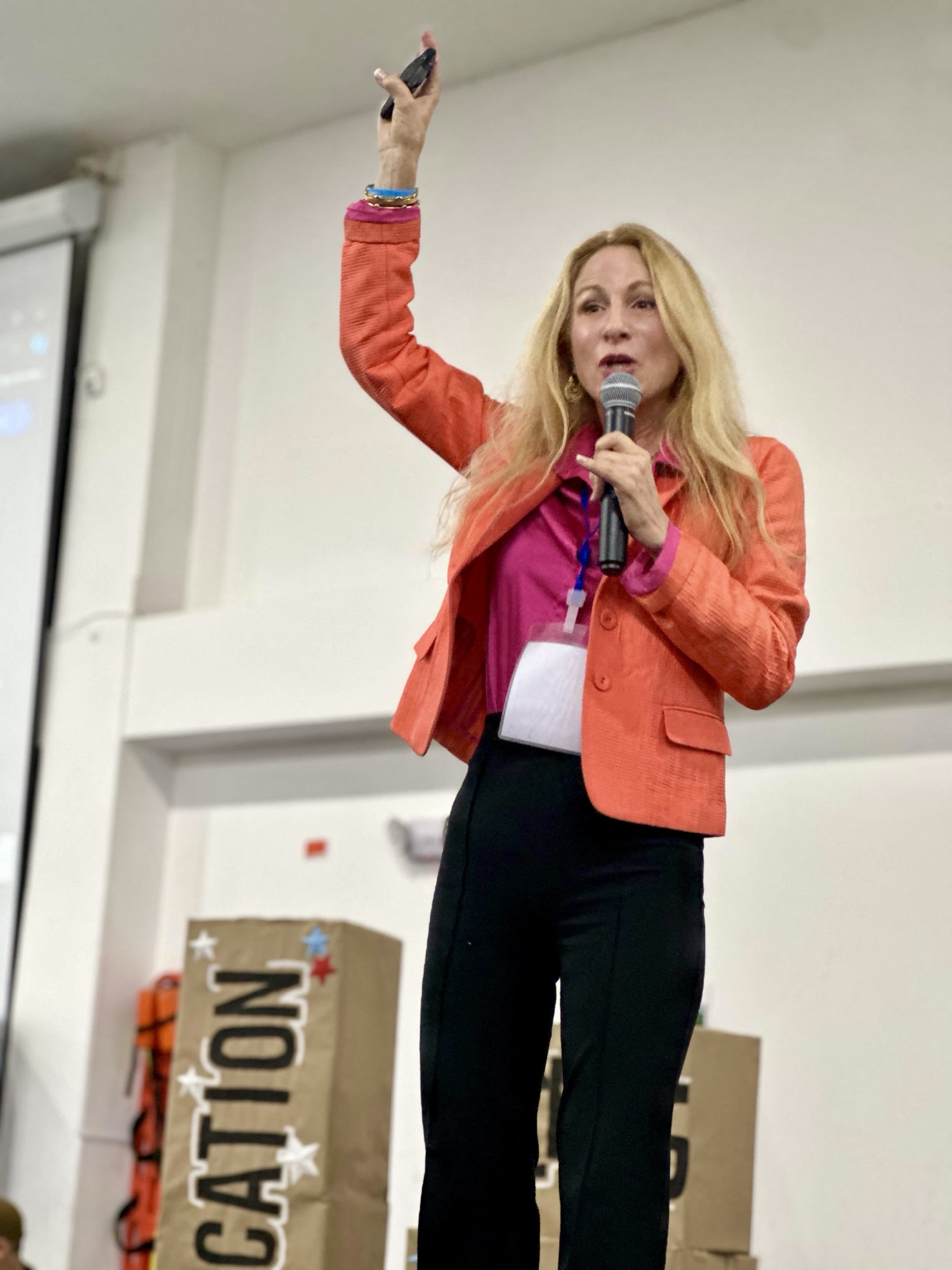
Dawn, before we move on to more of these sorts of questions, can you take some time to bring our readers up to speed on you and what you do?
I am a writer and educator whose work explores the beauty and tensions of language, culture, and place. My latest transdisciplinary work explores language and landscape through the lenses of wildness, beauty, and imagination. This work is blossoming into teaching and reasearch through wildness, beauty, and imagination. I love weaving multiple textures throughout creative work and publications, often painting my understandings of ideas in watercolors.
After receiving my BA in International Relations, Spanish, and German at the University of California/Davis, I studied Crosscultural and Bilingual Leadership from California State University/Sacramento to receive my MA. I loved the experience of my PhD in Transformative Studies at the California Institute of Integral Studies. My dissertation explored stories at the intersection of landscape literature and language, ecolinguistics, and linguistic human rights. I continue to delve into these ideas and work.
Creative research is another passion, which resulted in my chapter “Beyond the brick wall: Transdisciplinary and creative research through Scholarly Personal Narrative (SPN) and Lilyology” within “The handbook of creative research methods” (Kara, Mannay, & Roy, 2024). Currently, I’m exploring applying these concepts of wildness, beauty, and imagination to decolonizing multilingualism and pedagogy.
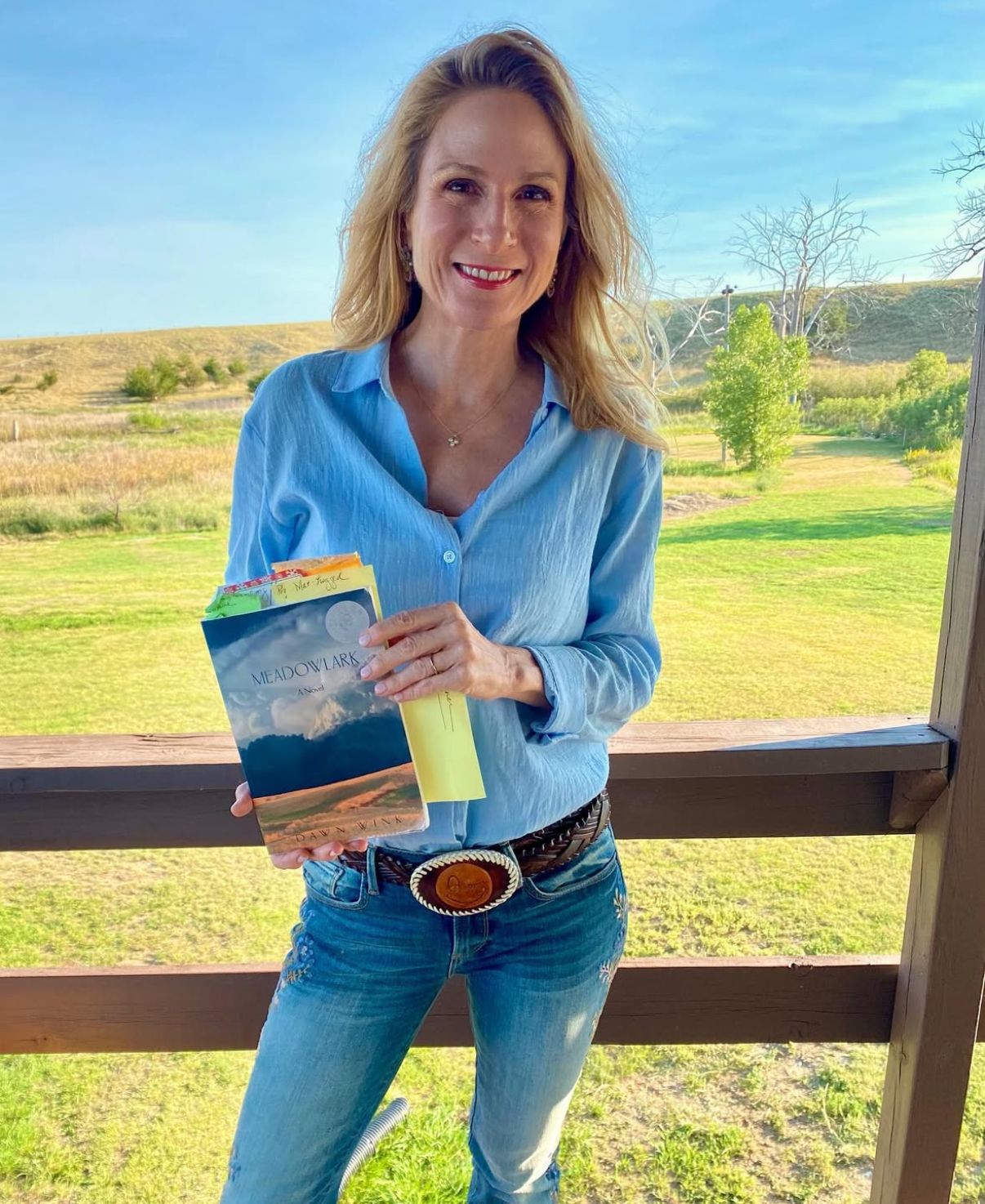
My historical fiction novel, “Meadowlark” (Pronghorn Press) was awarded the Women Writing the West WILLA Award for Historical Fiction/Finalist, High Plains Book Award for Woman Writer/Finalist, and NM/AZ Book Awards for Historical Fiction/Finalist. Based on my great-grandmother’s life on the prairies of Western South Dakota, writing this book shone the light and guided my way through the darkest chapter of my life. It is a book of hope and love. According to Lakota mythology, the meadowlark teaches us to turn into our pain to make our dreams come true. This book is a written expression of my journey.
My first book, Teaching Passionately: What’s Love Got To Do With It?, co-written with Joan Wink, was published in 2004 by Pearson. This text explores the theoretical, methodological, and pedagogical dynamics of education.
I live in Santa Fe, New Mexico and serve as Academic Director of the Department of Teacher Education at Santa Fe Community College. My literary work is represented by Elizabeth Trupin-Pulli of Jet Literary Associates, Inc.
I work with teachers and writers around the world, with a focus on creativity, authenticity, wildness, beauty, and imagination.
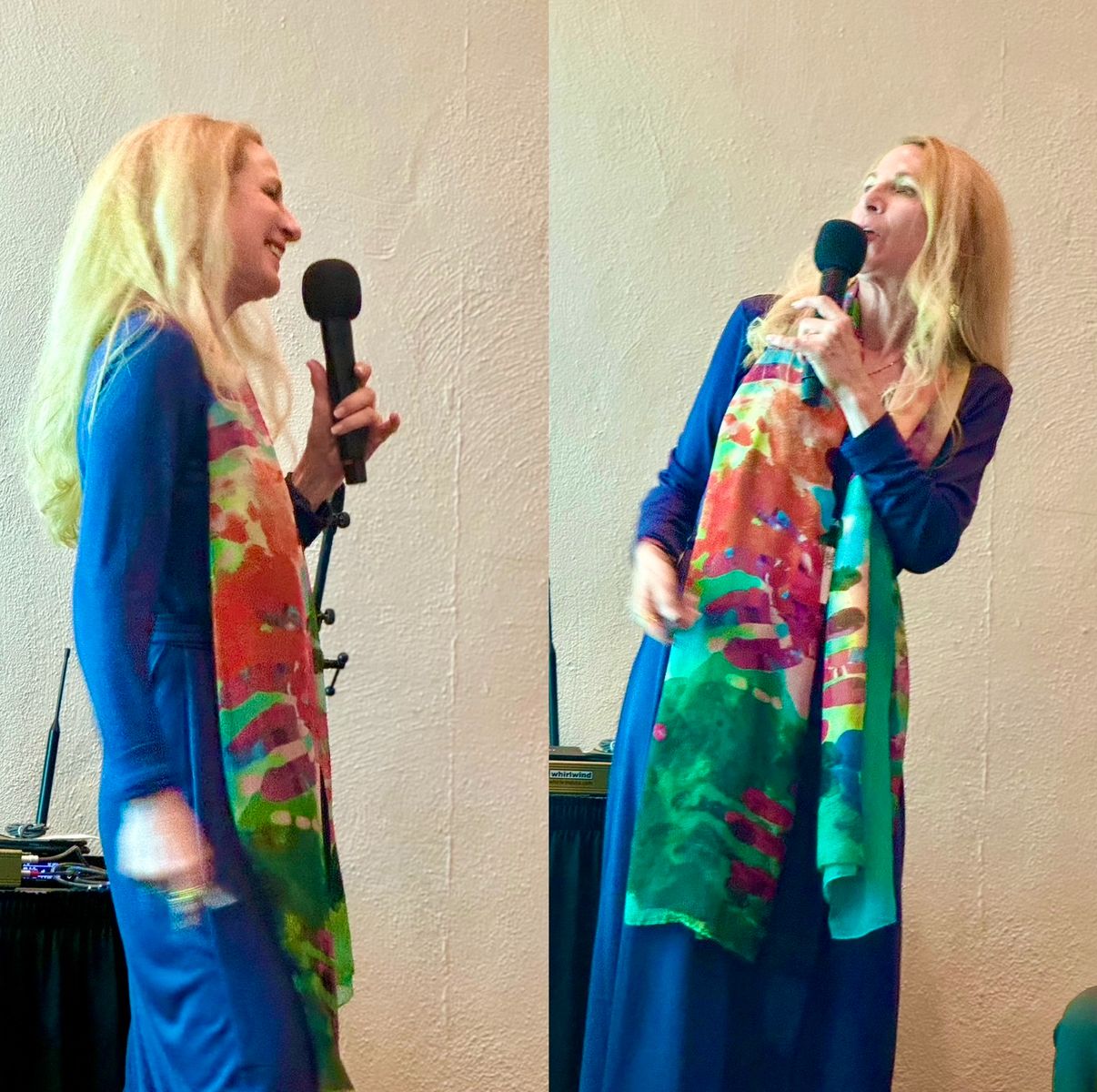
Is there a particular goal or mission driving your creative journey?
We are each born with a spark of what we are meant to bring into the world. This deep knowing guides and inspires the goal of my creative journey. My goal is to create beauty in the world, beauty as understood through the Indigenous lens as expressed in Diné as “hózhó” meaning harmony, balance, wholeness. My work through writing and teaching hope to inspire and strengthen others to trust their intuitive knowings about the work and lens of living they are meant to bring into the world.
We’d love to hear a story of resilience from your journey.
Years ago I had an idea to write a book. The stories that swirled through my childhood about my great-grandmother, Grace, lifted into a single question, “Mom, what about Grandma Grace and Paul?”
She stopped and looked at me, the threads of time that bind past, present, and future tightened. “I don’t know,” she said, and smiled. “But, I’ve always wondered.”
I wrote a book to find out.
What I could not have known at the time was the journey that writing Meadowlark would take me on, how those threads of time would draw so close that the supposed distinctions between past, present, and future smudged together like pastels on a porous page, creating new colors with equal elements of each, until I’d lived in these blended spaces for so long they became my reality. I could not have known in that moment, that Grace’s life would ultimately save my own.
Meadowlark was the book that should never have been written. Too much happened in my life as I wrote. Too much upheaval, too much transition, too much pain. And yet, I couldn’t stop writing. Like Gretel following the bread crumbs, I stumbled through the forest of my life, focusing on that next bread crumb that Grace left for me so many years before.
Not long after I started writing Meadowlark, for the first time in any of their lives, Wyatt, Luke, Wynn, and I were apart every other week through shared custody. One friend describes the time separate from her kids, “like walking around missing a limb.” My own experience echoes the thoughts of Elizabeth Stone, when she wrote that to have a child was to “…forever have your heart go walking around outside your body.” It feels wholly unnatural to be apart from your children. Crippling, really. How does one function when your heart is beating elsewhere?
Well, initially one doesn’t, come to find out. I failed miserably at even minimal functioning when my kids and I were apart. The separation and thought of a future living like this felt unbearable. One night I called a wise, wise friend, Lynn, who’d lived this already, and said, “I can’t do it. I can’t do it. There is no way in hell I can do this.”
“Yes, you can,” my wise, wise friend. “Use the time that you’re apart to create the best life possible for you all.”
In the terrifying and gut-lonely space created every other week when Wyatt, Luke, and Wynn left, I turned to Grace. When my mind and heart constricted into dark hardened kernels, Grace held each until they loosened through her story and expanded to allow air and light. I believed in Grace and her story, when I had lost all faith in my own. “Use the time that you’re apart to create the best life possible for you all,” sifted through the darkness. The night the kids left I crumbled, and the next morning I’d get up, hear Lynn’s words again, take Grace’s hand, and write—a concrete way to create a better life for us all.
Ten years of writing, editing, rejection after rejection from various publishing houses followed. I kept a now coffee-spattered, water-stained card with Winston Churchill’s quote above my desk, “Never, never, never give up.”
My literary agent and dear friend, Elizabeth Trupin-Pulli, believed in Grace. “Dawn, the rejection letters all follow the same vein—’The writing is beautiful, the story is incredible, it is just not the market of our publishing house.’ It’s the prairie. They don’t seem to get the prairie.”
The prairie herself is a primary character of Meadowlark. Anyone who has lived within this landscape knows that it can be no other way. The prairie is a visceral experience who demands primacy through sheer force of personality. We continued to look for a publisher who understood her.
I made Noé promise that if anything happened to me, if I was randomly hit by a bus, that he would somehow make sure this book one day saw the light of day. “What?!” he said. “Don’t even say that.” I meant it, and he promised.
I continued to look for publishers who might understand the prairie. I looked through the list of novels that had won the WILLA Award in my writing community Women Writing the West. Through this process, I found Pronghorn Press and submitted a query. Editor Annette Chaudet understands the prairie. Her own exquisite editing eye demanded two more rounds of intense editing and writing. These editing suggestions created scenes that I now cannot imagine the book without.
Not long after, I sat holding the contract in my hand, staring at it, not saying anything. I didn’t trust myself. The book that should never have been written, rejected time and again by NYC publishing houses, would be published.s
I love to read about writers’ histories with writing. I especially love those writers whose publishing career began in their 40’s, Madeleine L’Engle and Isabel Allende top the list. These stories gave me hope through the round after round of rejections. Madeleine L’Engle wrote of receiving a rejection on her 40th birthday, putting a towel over her typewriter, sure she should just give up, putting her head on the table to weep, only to realize that in her head she was writing a scene of a writer receiving a rejection. She threw the towel off and wrote, and didn’t stop writing for the next 50 years. Isabel Allende’s first novel The House of Spirits was published in her early 40s. It started as a letter to her grandfather who was dying and whom she could not visit, because she was living in exile outside of Chile. She wrote it in her closet, after her family went to sleep at night. I just celebrated my 45th birthday. In the fable of the tortoise and the hare of my writing life, I am in all ways the tortoise.
The first half of my life has been one of searching and surviving. As I enter the second half of my life, I fill with a sense of deep gratitude for the place where I now find myself, the elusive place I had given up hope to ever find. A place of family, stability, and home. A place of peace. A place where I can at last settle in deeply to love, live, and write. I feel at last there is traction under me, where for so long my wheels spun in the air.
We never know what life will bring. This moment that for so many years I thought might never come still feels somewhat unreal.
The sixteen-year-old bride who lived a century ago continues to take me by the hand. I’ll follow.
Thank you, Grace. For everything.
Contact Info:
- Website: https://dawnwink.wordpress.com
- Instagram: @dawnewink
- Facebook: @Dawn Wink
- Linkedin: @Dawn Wink
- Twitter: @dawn_wink
- Youtube: @DawnWink500
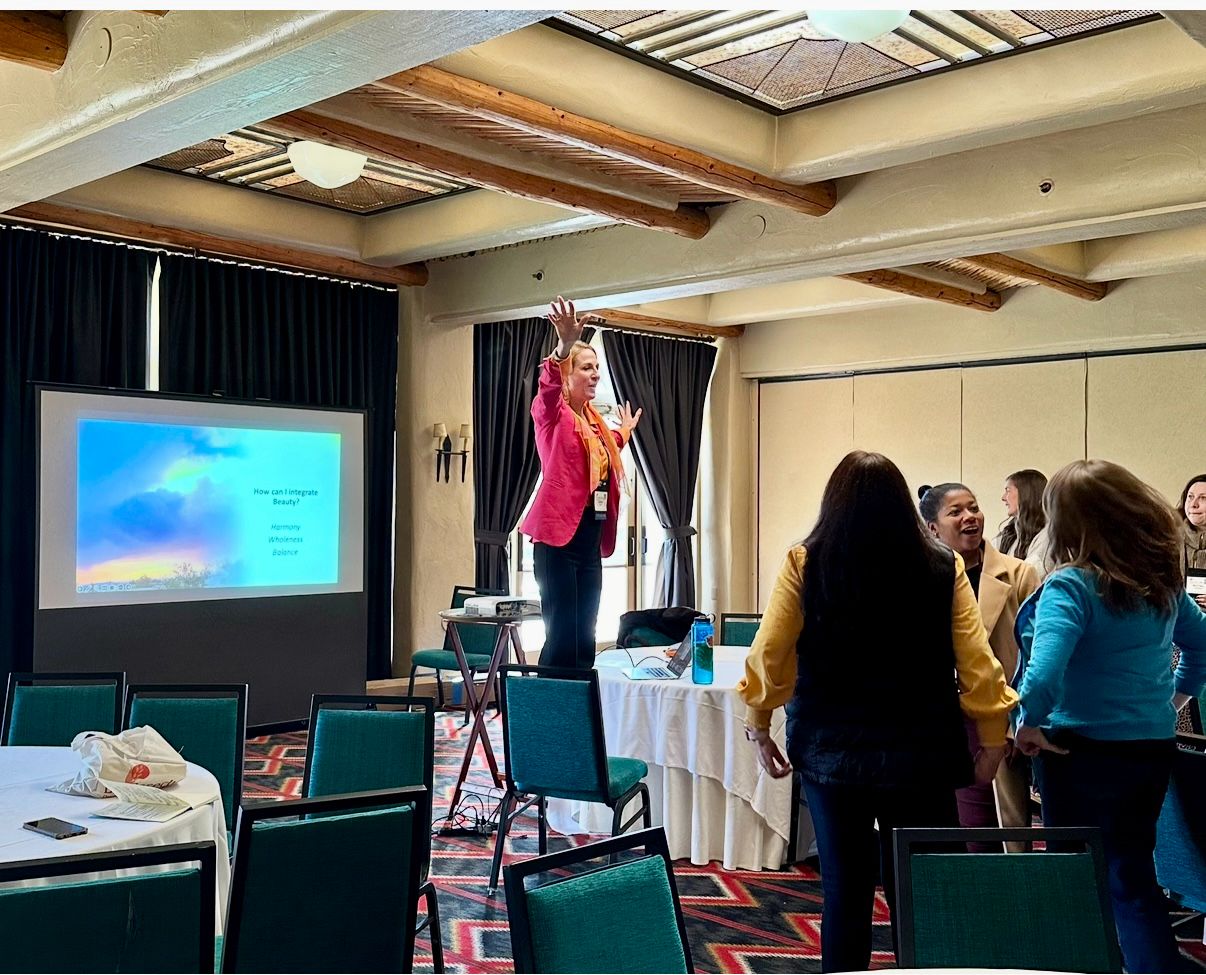
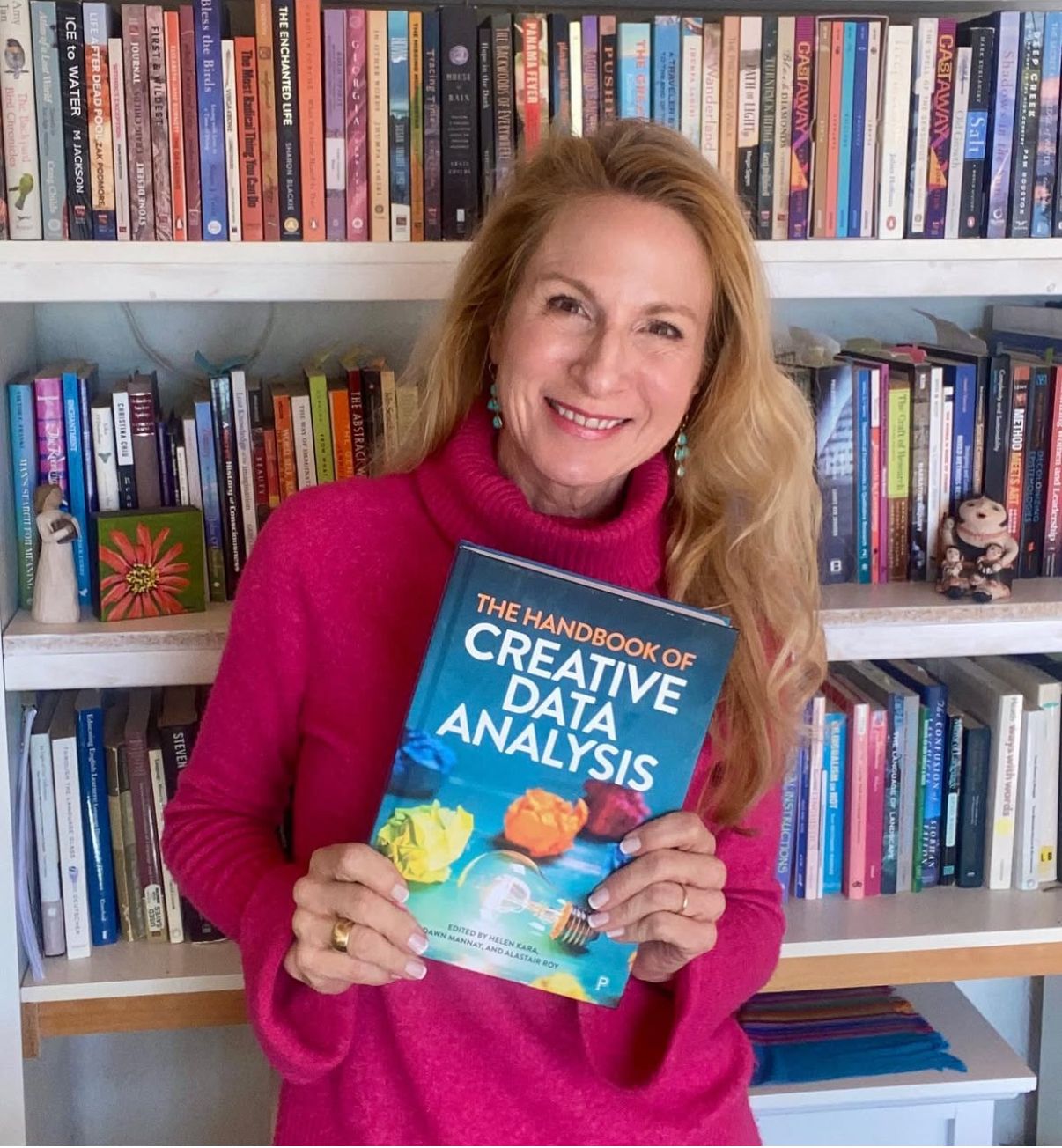
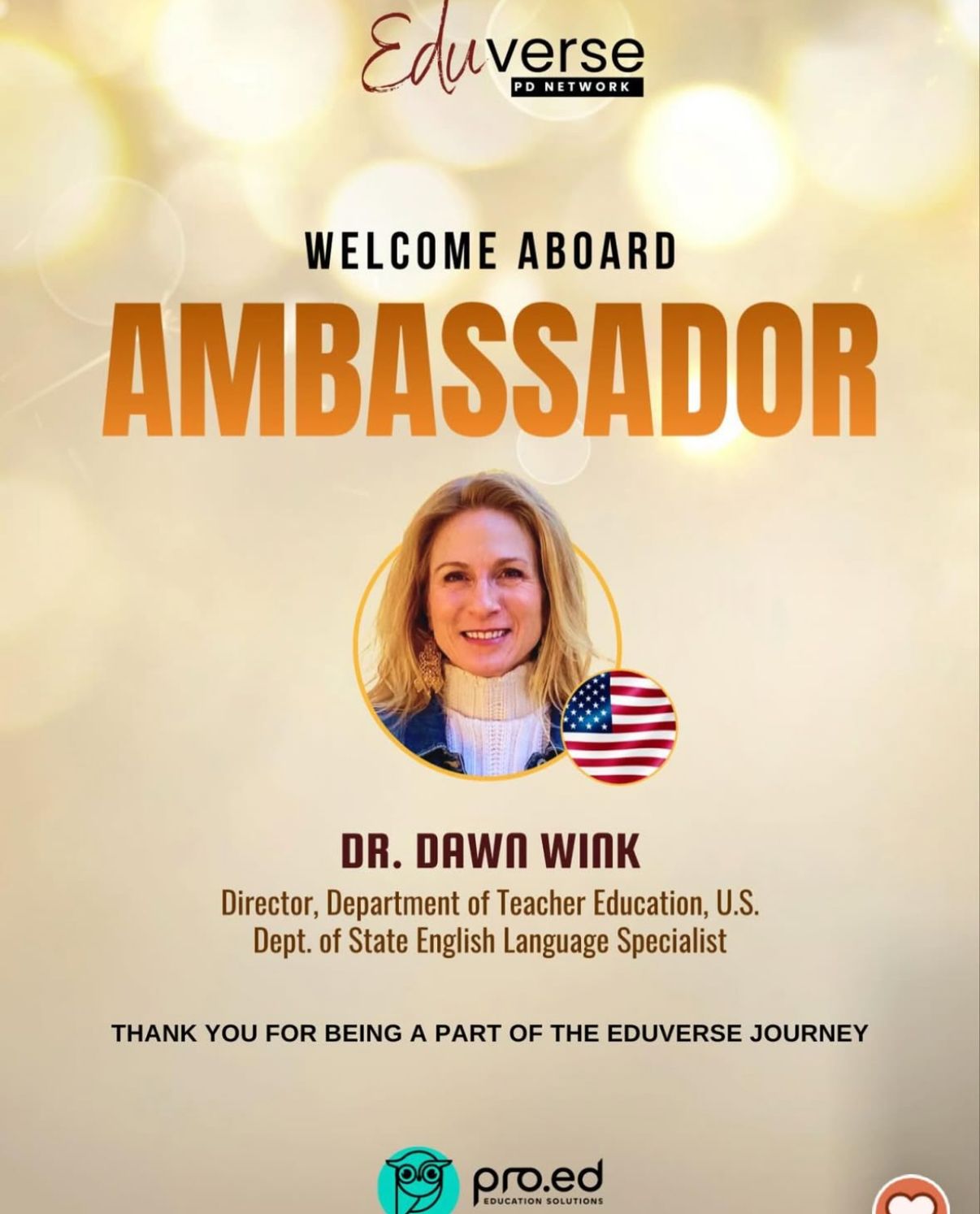
Image Credits
@Dawn Wink