

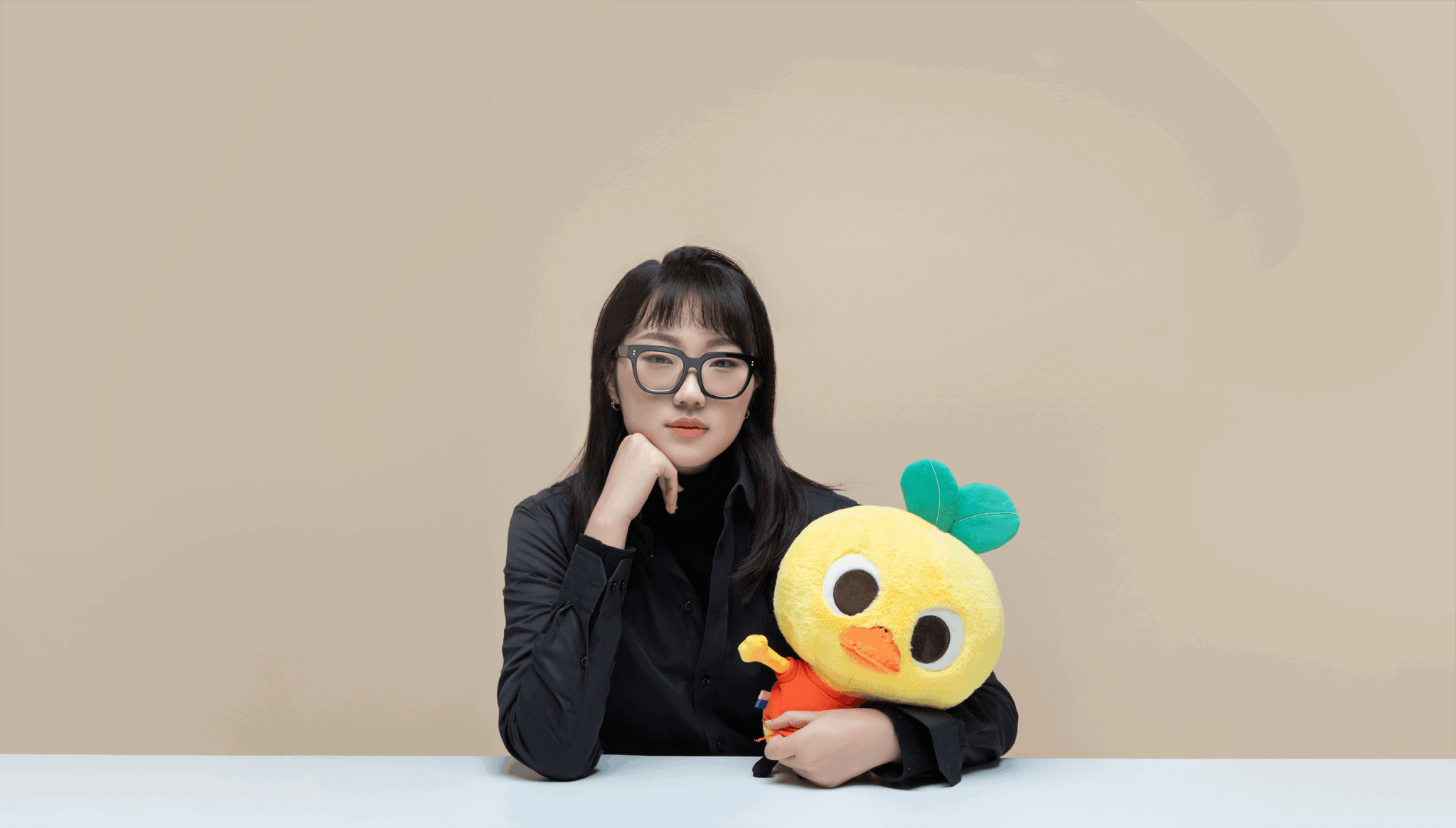

We’re excited to introduce you to the always interesting and insightful Yixuan Wang. We hope you’ll enjoy our conversation with Yixuan below.
Yixuan, thanks for joining us, excited to have you contributing your stories and insights. We’d love to start by getting your thoughts on what you are seeing as some the biggest trends emerging in your industry.
A few days ago, while browsing highlights from the 2025 AWE Expo—one of China’s biggest consumer tech showcases—I came across a product that truly caught my attention: a small wearable device called the QianZhi Elf. Shaped like a playful cube, it’s designed to spark curiosity in everyday moments. Children can point its built-in camera at a flower, an animal, or a landmark, and the device instantly recognizes it—offering contextual, engaging explanations that feel more like a conversation than a lecture. Beyond information, it provides a sense of emotional companionship, encouraging children to ask more questions, explore more deeply, and see the world with fresh eyes. It didn’t feel like a machine simply delivering answers—it felt like a curious companion, gently guiding a child’s exploration. In a sea of tools focused on drilling knowledge or boosting test scores, this product stood out as a reminder that the most powerful learning tools don’t just teach—they inspire wonder.
That experience resonated with my own work. At Carnegie Mellon University, I’ve been part of the team building NoRILLA (Invented at Carnegie Mellon University’s Human-Computer Interaction Institute by Dr. Nesra Yannier, Prof. Ken Koedinger, and Prof. Scott Hudson). The mixed-reality educational system combines physical play with real-time feedback. Children engage with hands-on materials to explore STEM concepts, while the AI algorithm tracks what they do, responding with personalized guidance that helps them predict, reflect, revise, and try again. It encourages them to think critically, test ideas, and learn through real discovery—the way learning naturally happens.
Together, these two moments—one from a tech expo, the other from my work—capture a shift I’m excited about. While much of educational AI still centers on efficiency and performance, there’s a growing recognition that we must design for how children actually learn. The real opportunity lies not in replacing teachers or accelerating instruction, but in creating tools that support children’s thinking, questions, and sense of wonder about the world.
Yixuan, love having you share your insights with us. Before we ask you more questions, maybe you can take a moment to introduce yourself to our readers who might have missed our earlier conversations?
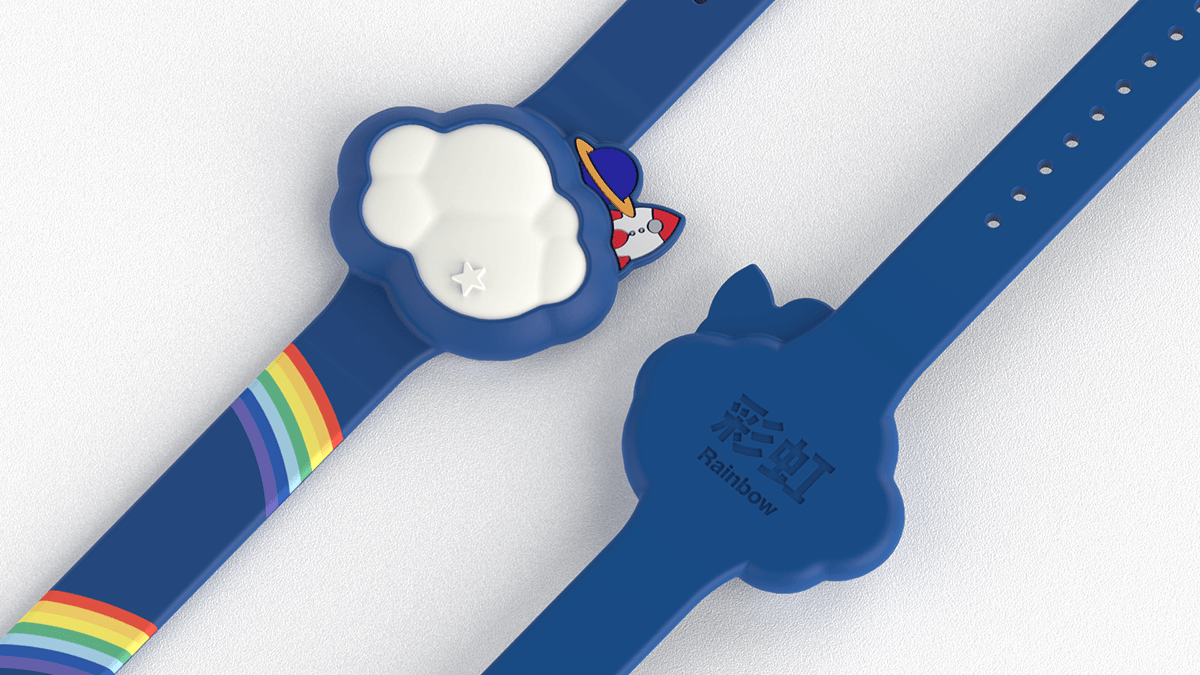
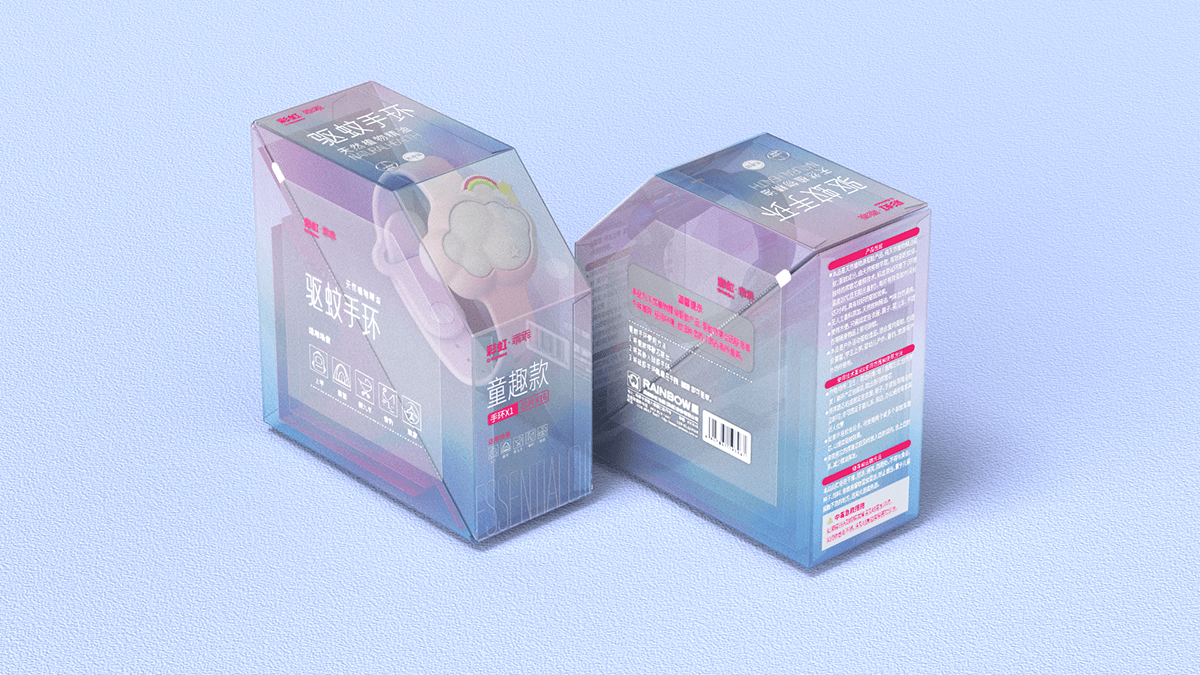
Hi, I’m Yixuan Wang, a product designer committed to reimagining how children learn through playful interaction. I specialize in educational technology, toy design, and interaction design across both physical and digital platforms. My design journey began with a mosquito-repellent wristband for children, which sparked my interest in child-centered design and its potential for real impact. After working across industries—from consumer electronics to tourism—I realized how meaningful it is to create products that support children’s growth and curiosity.
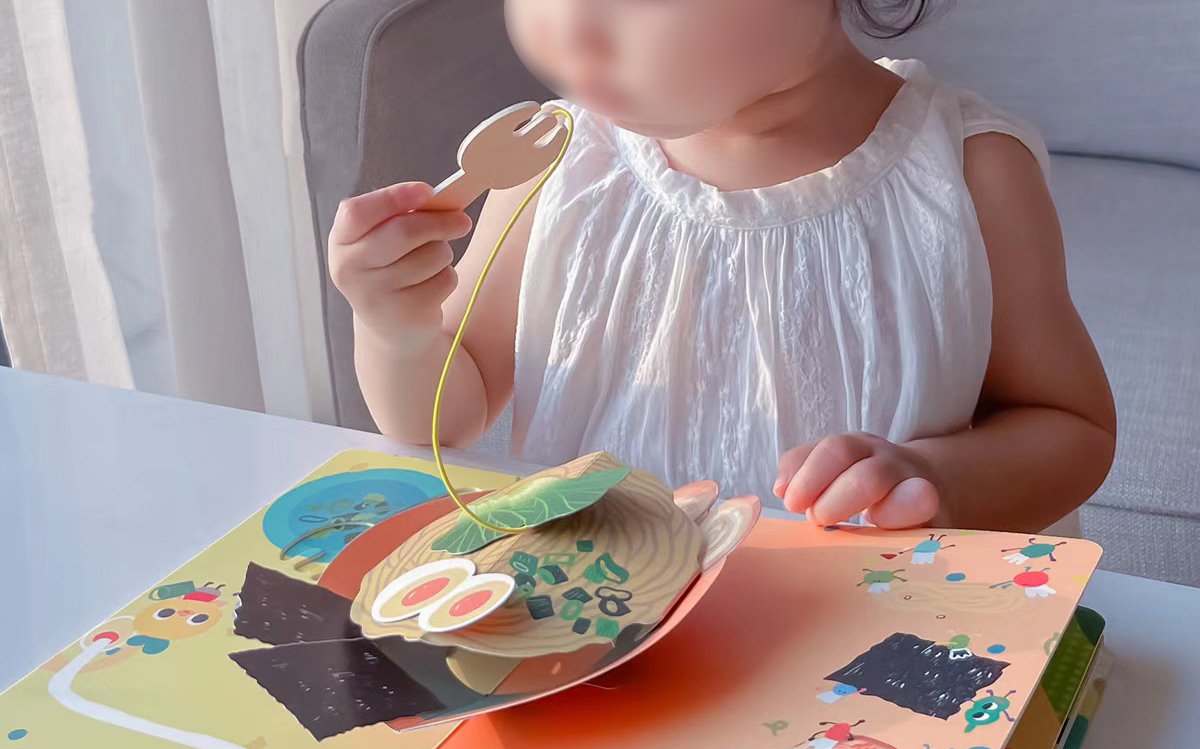
That mission took shape at Yoozy Duck, an early education brand under Baicizhan, Chaoyouai EdTech, where I served as lead designer. There, I created a series of interactive playbooks for children aged 0–3, drawing inspiration from developmental psychology and learning theory. My team and I developed many books, like light-and-shadow pop-ups to help kids fall asleep, paper-crafted life-skill props for training kids’ fine motor skills, and character-led journeys—like “traveling with Matisse”—that encouraged sensory engagement and emotional connection. These books received positive feedback from educators, families, and media across China.
Today, I’m a core designer at Carnegie Mellon University’s Human-Computer Interaction Institute, where I work on NoRILLA, a patented AI-powered mixed-reality learning system founded by Dr. Nesra Yannier. Research shows that it improves learning by 5x over traditional screen-based methods. Designing for a mixed-reality system like NoRILLA challenges me to think beyond screens or toys alone. I’m constantly exploring how digital and physical elements can work together—how the shape of a toy, the timing of a visual cue, or the animation of an AI character’s feedback can shape a learning moment. This complexity makes the work so fulfilling because it means designing for how children think, feel, and grow.
Is there mission driving your creative journey?
The core mission of my creative journey is designing educational tools that align with children’s developmental stages and natural ways of learning. I believe the future of education isn’t about using AI to deliver more information, but to help children become curious, confident learners. Working at NoRILLA has deepened this belief, showing that children are natural explorers who learn best through hands-on interaction and critical thinking. Generally, what excites me most is how AI can offer real-time, responsive support, adapting to each child’s behavior and needs. Thoughtful design is key in shaping these interactions, making learning intuitive, engaging, and emotionally supportive.
What’s the most rewarding aspect of being a creative in your experience?
The most rewarding part of being a product designer is seeing how my work can positively impact real people, especially children. It’s incredibly fulfilling to create something that not only functions well but also sparks curiosity, joy, and growth. When I see a child fully engaged—exploring, asking questions, or proudly figuring something out on their own—that’s when I know the design is truly working. I love that design lets me bridge technology, research, creativity, and empathy to make learning more human-centered. It’s not just about solving problems; it’s about creating meaningful experiences that help people feel more capable, connected, and inspired.
Contact Info:
- Instagram: sherry_y_x
- Linkedin: https://www.linkedin.com/in/wyxwork
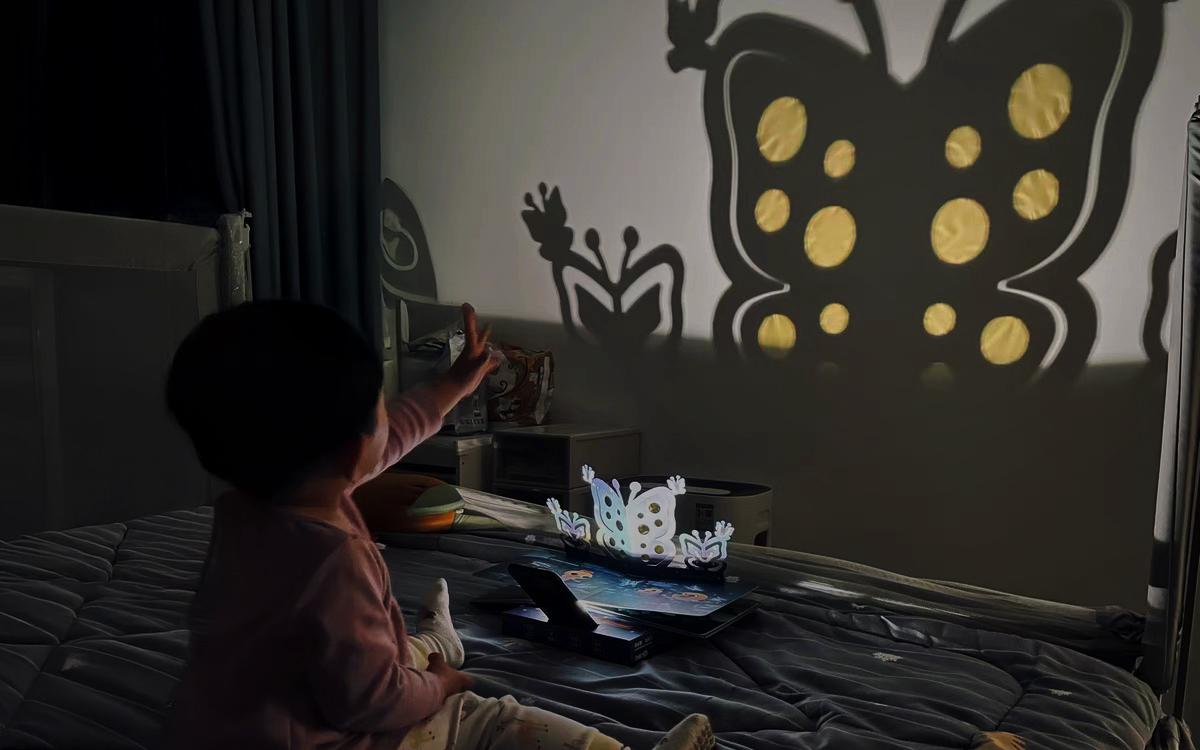
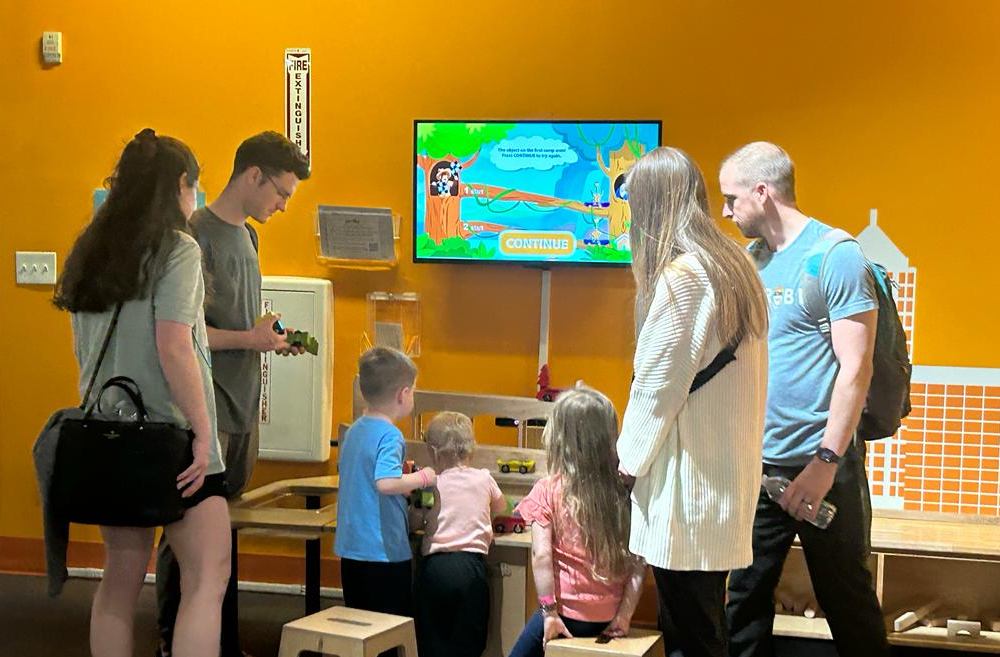
Image Credits
Pic #3: Image credits to “Sun Xiaoyo’s Little World”