

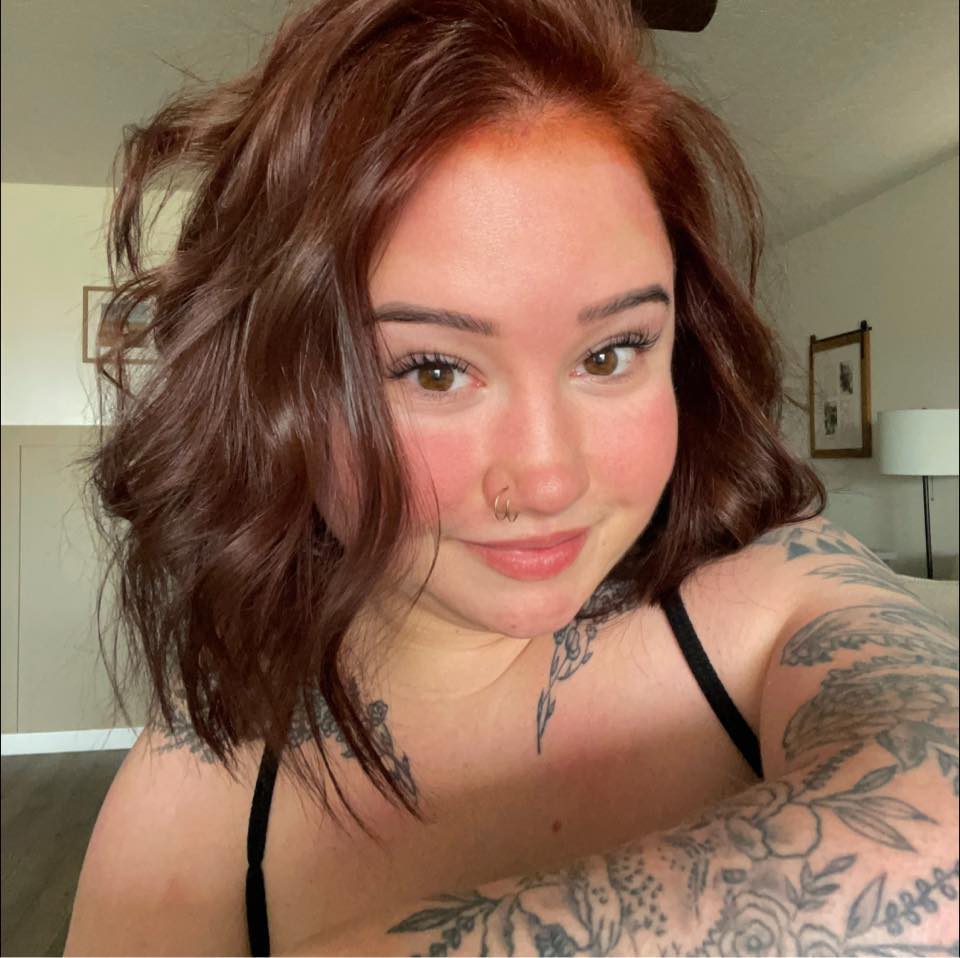

We recently connected with Mya Harris and have shared our conversation below.
Mya, thanks for joining us, excited to have you contributing your stories and insights. Do you have any thoughts about how to create a more inclusive workplace?
Creating an inclusive workplace starts with understanding that every individual brings something unique to the table. Inclusion isn’t just about physical accommodations, but about embracing the diverse ways people think, work, and problem-solve. My personal experience has taught me that inclusion is a mindset, one that encourages us to look beyond our assumptions and value the strengths that each person can contribute. This shift in perspective is vital to creating an environment where everyone can thrive, no matter their background, identity, or abilities.
I was born with arthrogryposis, a condition that affects my joints and limits my physical mobility. Growing up, I faced many challenges that shaped my resilience and perspective. One of the hardest lessons I learned early in my career was being denied jobs because people assumed my disability meant I wasn’t capable of performing the work. These rejections weren’t due to my skills or qualifications, but to the assumptions others made about my abilities based on my physical appearance. This experience taught me firsthand how dangerous it is to judge someone’s potential without understanding their full story.
However, my disability also opened doors to a way of thinking that many might not recognize at first glance. Being faced with physical limitations forced me to approach problems differently, often requiring more creativity, resourcefulness, and out-of-the-box thinking. These experiences helped me develop a unique set of problem-solving skills. I learned to find alternative solutions that others might overlook simply because they didn’t face the same challenges. This has proven to be a major strength, showing me that sometimes limitations can fuel innovation and new perspectives.
I believe people with disabilities often possess strengths that able-bodied individuals may not even realize exist. For example, the ability to adapt and think critically about everyday challenges, the patience developed through navigating a world that isn’t always designed for us, and the empathy we develop for others who may feel marginalized. These are all qualities that can make a person not only a valuable employee but a key asset to a team. It’s important to recognize these hidden strengths and to make sure that individuals with disabilities have the opportunity to showcase them.
One moment that really solidified my belief in the importance of inclusion was when I joined a workplace that truly embraced diversity. Unlike previous experiences, this company made it a priority to understand and support its employees in ways that weren’t just about ticking boxes. They valued my input and the different perspectives I brought. In meetings, my ideas were listened to, and I felt like my contributions mattered. It was a workplace where inclusion wasn’t just a concept; it was part of the company culture, and it was clear that the leadership believed that every person, no matter their background, had something valuable to offer.
Inclusion is more than just making space for people; it’s about actively seeking out diverse viewpoints and creating an environment where everyone feels empowered to bring their full selves to work. When workplaces make an effort to truly understand and support their employees, they not only create an environment of respect and belonging but also unlock the potential for greater innovation and success. My journey has shown me that embracing diversity and inclusion isn’t just the right thing to do—it’s also the smart thing to do. When we see the value in people’s differences and give them the opportunity to contribute, we create stronger, more dynamic teams and a better workplace for everyone.
Mya, love having you share your insights with us. Before we ask you more questions, maybe you can take a moment to introduce yourself to our readers who might have missed our earlier conversations?
I’m originally from Oregon, but my upbringing was a bit unconventional due to my dad’s work in the Navy. We moved around quite a bit, bouncing from state to state across the U.S. This gave me the unique experience of adapting to new environments constantly, which ultimately shaped my perspective on life and work. Throughout all of this, I always found comfort in creativity—whether it was drawing, writing, or exploring new ways to express myself. My disability, which impacted my physical mobility, led me to embrace technology early on, using it as a tool for creating digital art and telling stories when traditional methods might not have been as accessible.
Growing up, I had a close-up view of the creative world thanks to my mom, who was a graphic designer. I watched her craft beautiful designs, and that sparked my own interest in art and design. As I continued exploring my creative side, I took advantage of emerging technologies before they became mainstream, carving out a space for myself in digital art and writing. I never imagined these passions would lead me into the world of marketing, but it became clear over time that creativity was at the heart of everything I wanted to do.
I attended Boise State University, where I earned a degree in communications. At first, I didn’t have a clear direction in terms of what I wanted to do professionally. Like many college students, I was figuring it out as I went. But everything started to shift when my TikTok account went viral during my time in college. The platform’s rapid rise taught me the power of social media, personal branding, and how to connect with people in new ways. It was a game-changer for me. What started as a fun hobby turned into a primary income source, and that experience solidified my passion for marketing and online engagement.
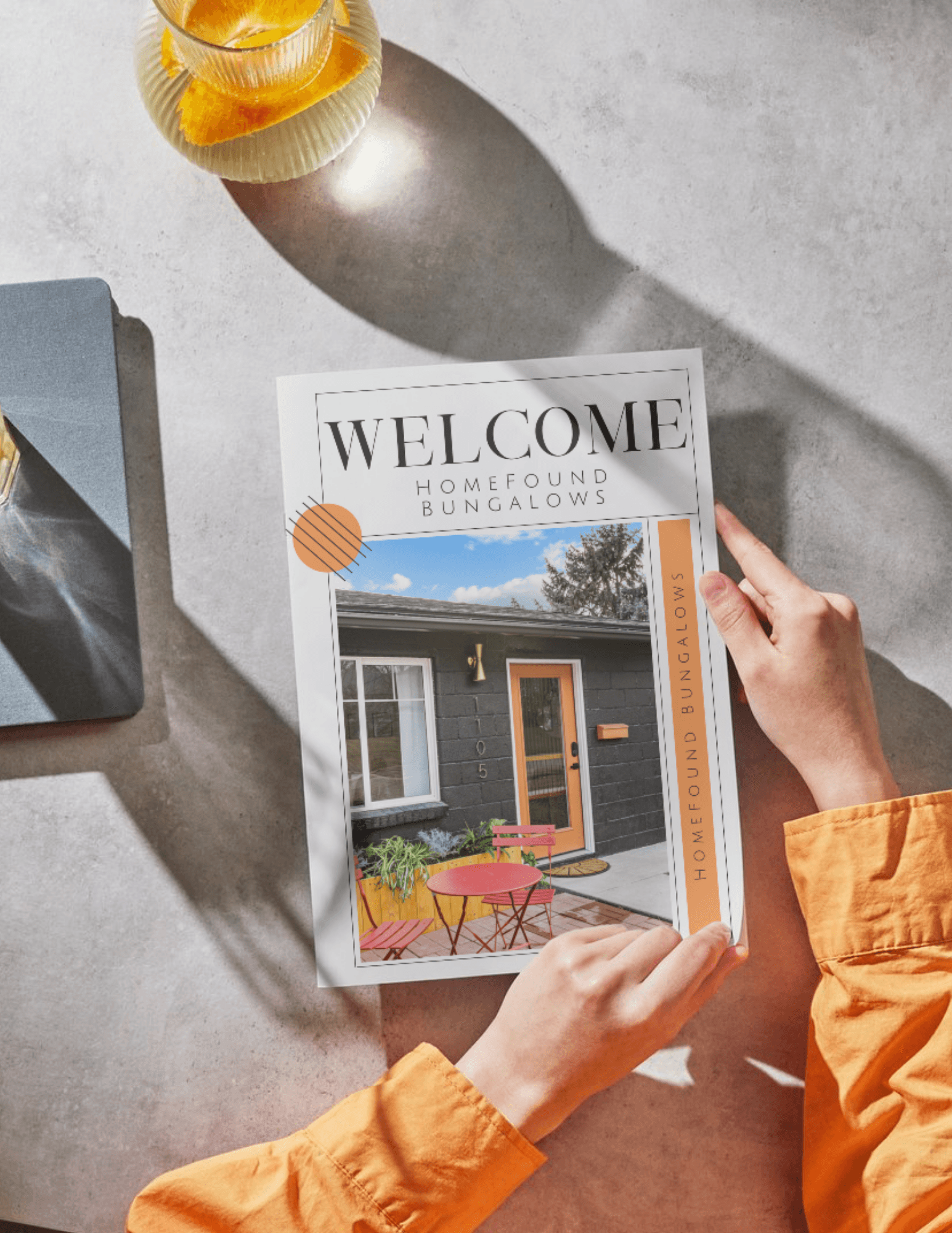
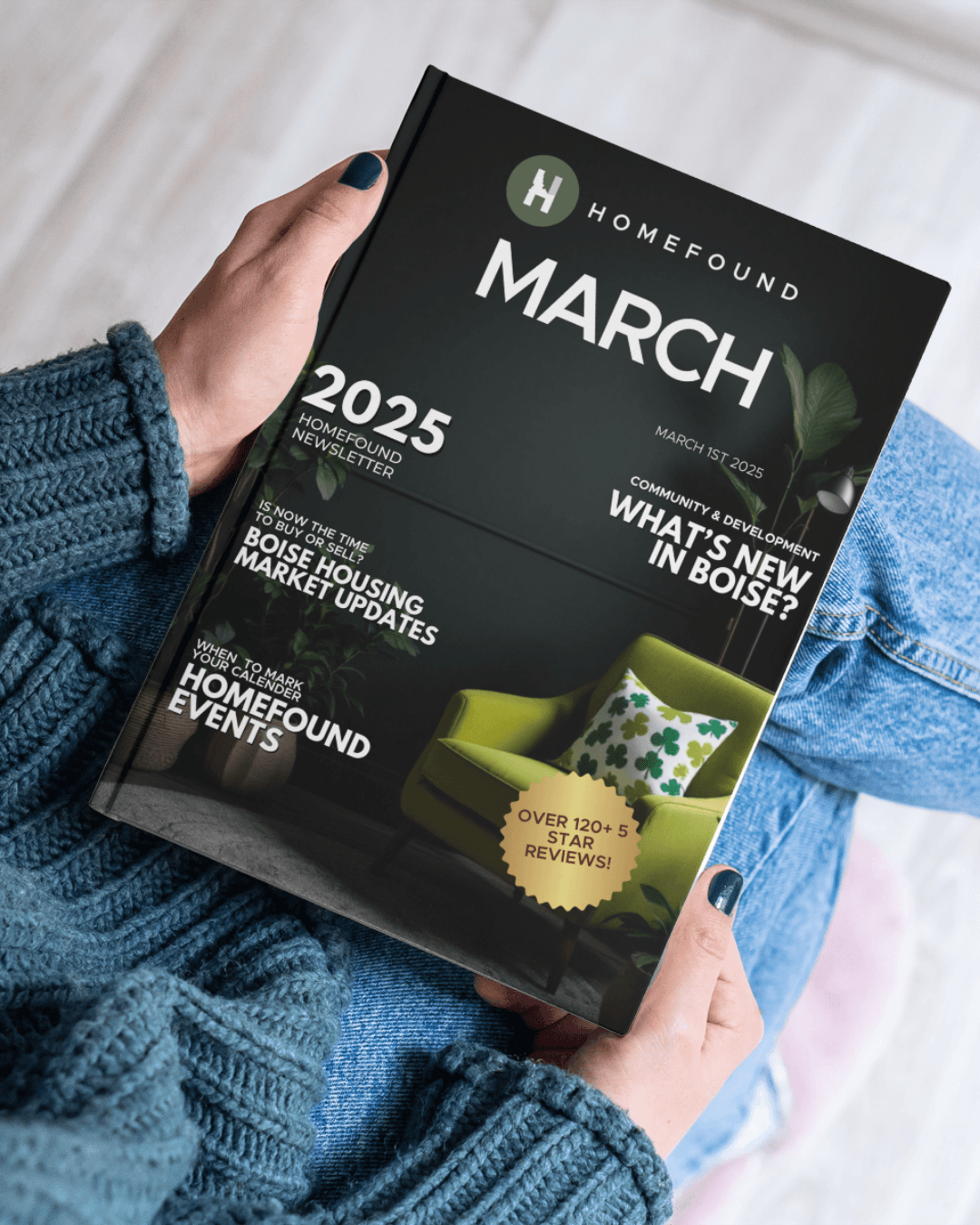
My next big step came when I landed a job as a marketing manager with an LGBTQ+ inclusive real estate team called Homefound in Idaho. There, I gained hands-on experience in social media marketing, branding, and business strategy. I learned more about what it takes to build a company’s presence and connect with a community, and that’s when I realized marketing wasn’t just something I was good at—it was my true passion. Working for a company that prioritized inclusion and community-building resonated deeply with me, and it was a huge turning point in my career.
Now, I’m focused on building my own brand as a designer and marketer. Through social media, I offer tips, tricks, and insights into the world of design and marketing, helping people and businesses alike navigate the ever-changing landscape of online platforms. I’m most proud of finding my niche in a field that once felt so broad and overwhelming. It’s incredibly rewarding to see how my work helps others succeed and express themselves through creativity. It’s not just about creating designs or marketing strategies; it’s about empowering people to find their voice and make an impact in their own unique way.
What sets me apart from others is my ability to merge creativity with strategy in a way that feels authentic and relatable. I understand that in today’s digital age, it’s not just about having a great product—it’s about how you connect with your audience. I want potential clients, followers, and fans to know that my work is built on the foundation of inclusivity, community, and creativity. Whether I’m designing a brand or creating a social media strategy, I always prioritize authenticity and meaningful connections. At the end of the day, my goal is to help people use their creativity to stand out and make a difference in their industries or personal lives.
What do you think is the goal or mission that drives your creative journey?
From as far back as I can remember, creativity was part of my daily life. My mom is a graphic designer, and our house was always full of color, texture, and design talk. While other kids played video games, I was playing with Photoshop, rearranging fonts, or sketching ideas in my notebook. Art became second nature. More than that, it became my voice. Whenever I struggled to express how I felt or explain what was going on inside, art stepped in and spoke for me. It gave me a way to be heard without having to say a word.
Living with a disability has definitely shaped how I move through the world. There are some physical and logistical limitations I can’t ignore—but art has always been the one place I’ve felt limitless. I don’t have to fight against my body or prove anything to anyone when I’m creating. It’s where I feel most confident, most capable, and most alive. That’s why I’m so passionate about using my abilities to not only create, but to help others see the possibilities that come with visual communication and smart strategy.
My mission is simple but powerful: to inspire creativity with purpose. I believe creativity becomes even more impactful when it’s paired with strategy—when design doesn’t just look good, but works hard. The world is rapidly shifting into digital everything—marketing, branding, storytelling—and I want to help people take hold of that. So many business owners, creators, and entrepreneurs have incredible ideas but don’t know how to express them visually in a way that actually works. That’s where I come in. I want to be the bridge between inspiration and execution. I want to empower people to show up boldly and confidently in the digital world with designs that are both beautiful and functional.
This isn’t just a career path for me—it’s a calling. I’m here to make an impact through art, to help others unlock their own potential, and to prove that no matter your circumstances, creativity will always find a way.
What’s a lesson you had to unlearn and what’s the backstory?
One of the biggest lessons I had to unlearn was the idea that I had to fit into a mold—whether that meant following a certain “right” way to create, meeting expectations that weren’t mine, or sticking to a cookie-cutter approach to art and design.
Growing up around creativity, especially with a graphic designer for a mom, I was exposed to so many different styles and techniques. But even with all that inspiration, I still felt this pressure—sometimes internal, sometimes external—to create in a way that looked like what everyone else was doing. Whether it was trends on social media, what I thought clients *wanted*, or just this general belief that “professional” art looked a certain way, I found myself trying to squeeze into a version of design that didn’t feel like mine.
But that approach started to burn me out. I realized I was constantly creating from a place of imitation instead of inspiration. And I wasn’t proud of the work—not really. It wasn’t until I gave myself permission to explore my own voice, to embrace the quirks, bold choices, and unexpected pairings that felt right to *me*, that everything started to shift. I began to attract projects that felt more aligned. Clients didn’t just want a designer—they wanted *my* perspective, my style, and my take on their vision.
The key was learning how to take my individuality and blend it with the needs of the client—without losing either side in the process. It’s a balance I continue to grow in, but now I know that standing out doesn’t mean going rogue. It means showing up fully as yourself, and then using that authenticity to create something meaningful *together*.
Contact Info:
- Instagram: https://www.instagram.com/mya.designs.boise/
- Facebook: https://www.facebook.com/Rexijamesofficial
Image Credits
Mya Swint – Harris