

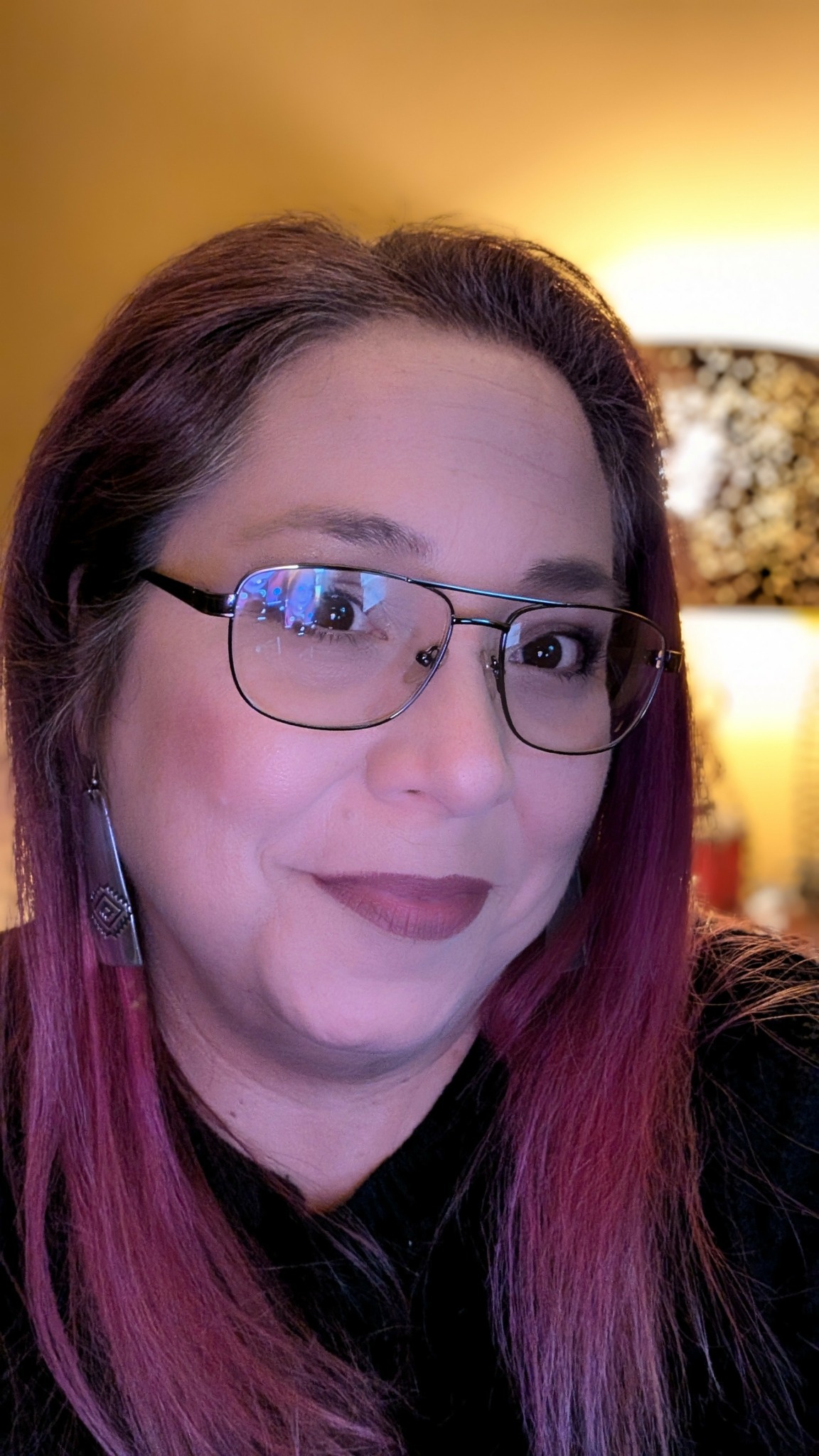

We recently connected with Yvette White and have shared our conversation below.
Yvette, thanks for joining us, excited to have you contributing your stories and insights. We’d love to hear about when you first realized that you wanted to pursue a creative path professionally.
I’ve always loved art and didn’t really pursue it till I was about thirty five and both my children started schooling. When my youngest’s first day to get on the bus arrived, she says to me, “I go school mumma, what you going to do? You go school?” I replied, “I don’t know sweetheart, we will see.” Later when I opened up our local newspaper the “Indian Times” I saw that they were offering a Fine Arts program at our local Adult Learning Center Iohahi:io. This two year program would be giving me the opportunity to learn and try all the mediums. My dream, and I never told a soul… until that day… that I wanted to learn and be an artist. Furthermore, I noticed that the deadline had passed. I didn’t let that stop me. I called and asked about the program and they said There is still room, come and fill out the application. In 2011 I graduated with distinction from St. Lawrence College via Iohahi:io. A very proud moment.
After that I still lacked the confidence to exclaim that I am an artist. So I applied to SUNY Potsdam and I earned my bachelor’s degree in Studio Art, graduating in 2017, the first in my family line to graduate from university. This experience was good for me, it built me up, in my self confidence. The knowledge from school helped me believe in me and my art. I found my voice, my style and I gave myself permission to love more than one and that I can create in different mediums.In fact I believe it helps me with my chaotic brain that pulls my focus in twenty different directions but without the limits I find my mind is quieter. So that’s a benefit and freedom that I didn’t often allow myself to make choices for my own liking. Just always accepted what was given and if it was hard, I’d learn how to make lemonade.
So basically when I was 35 and my daughter asked what am I going to do with my life? Finding that paper, taking the initiative even though it appeared as a closed door, it was a key and well, it opened many other doors.
Yvette, before we move on to more of these sorts of questions, can you take some time to bring our readers up to speed on you and what you do?
“For those who may not know me, I’m Yvette White, an abstract artist. My traditional introduction is: ‘Greetings everyone. My name is Kanatires, I am wolf clan from Akwesasne.’ (In my language: Shekon S’ewakwe:kon, Kanatires ionkiats, wahkatahonni, Kanienkeha:ka) Many people aren’t familiar with Akwesasne, so I often explain it as Hogansburg, NY. Some refer to it as ‘The Rez,’. We are and we are also rich in culture, tradition, enterprise, community connection, and innovation. Just to name a few.
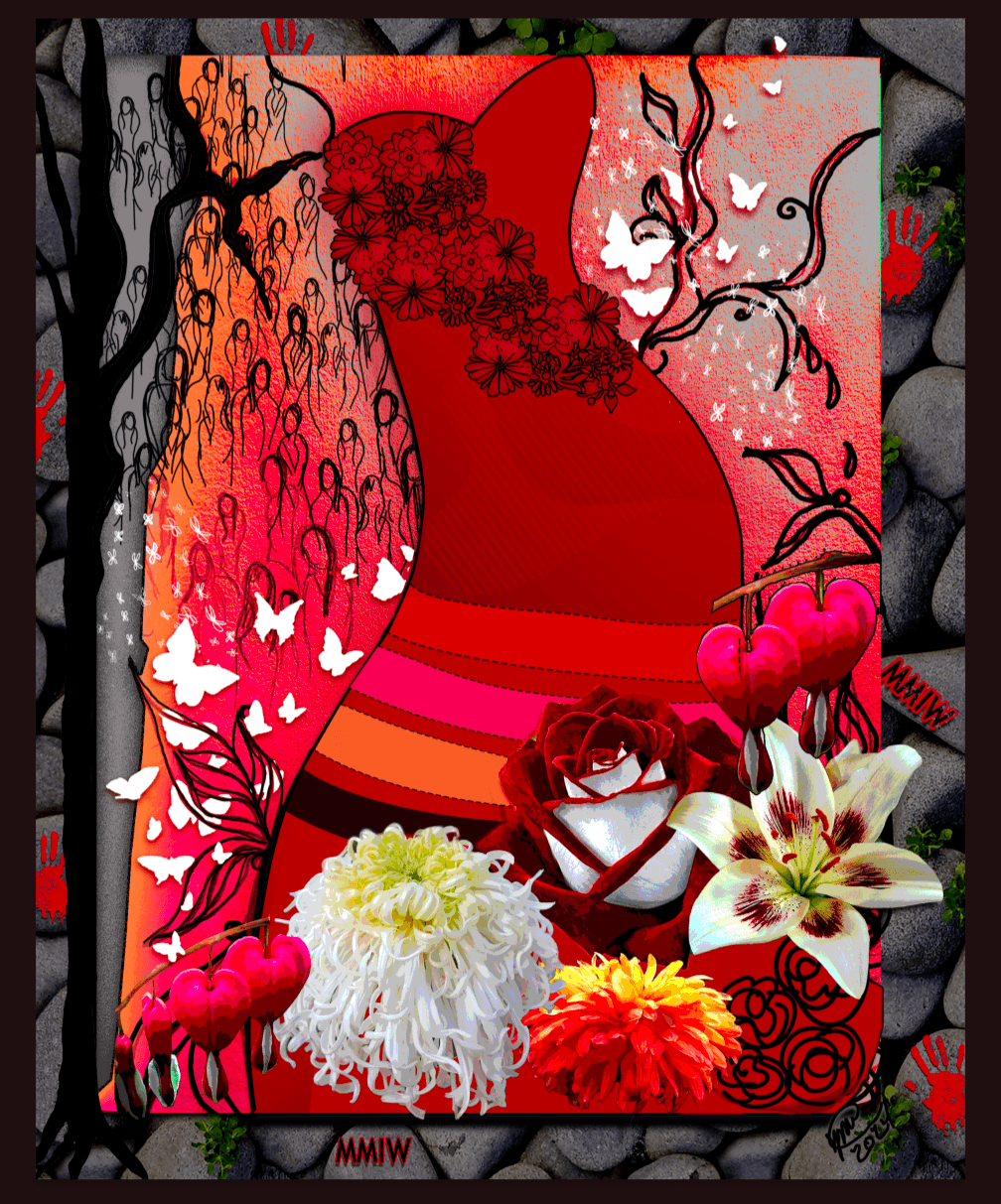
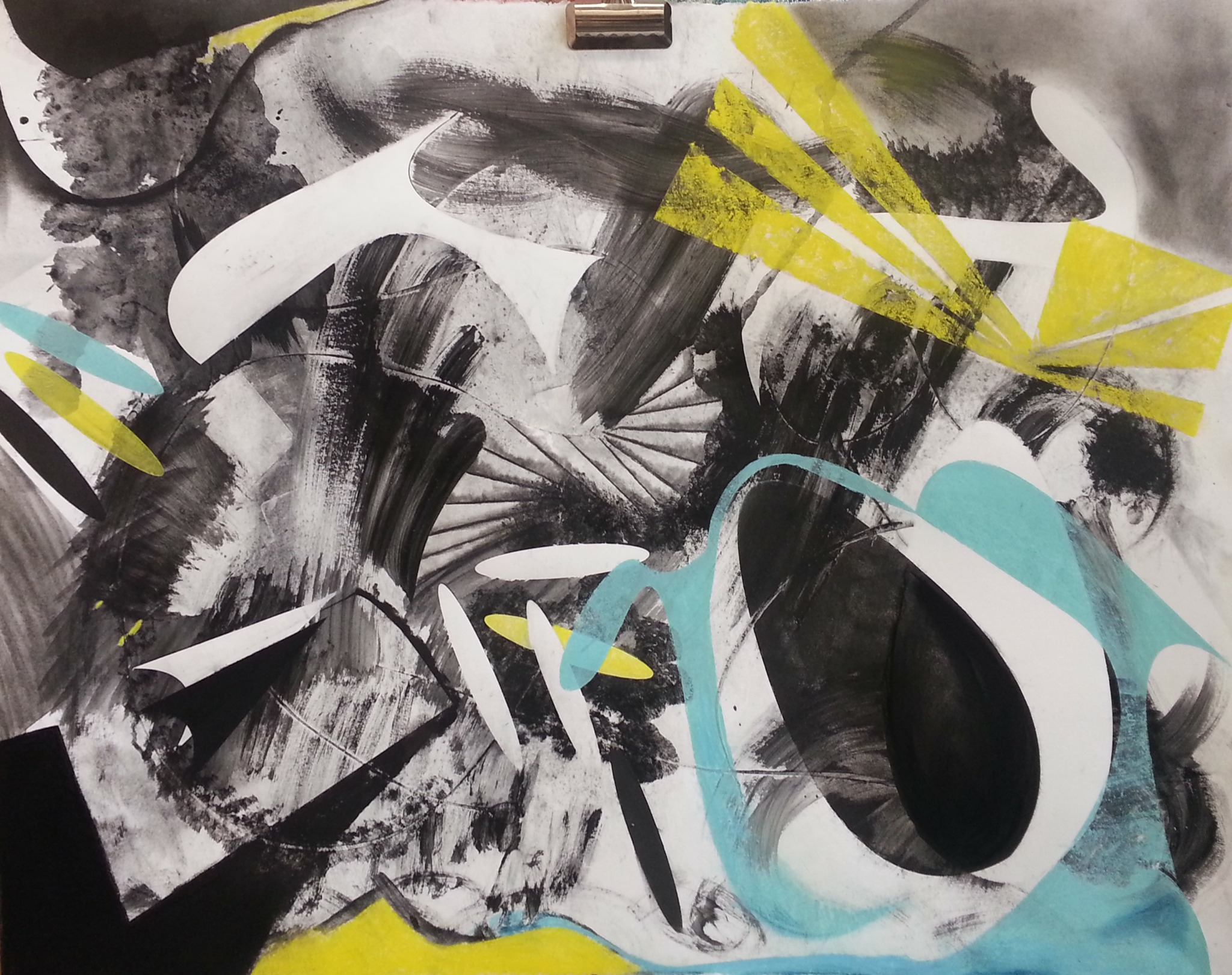
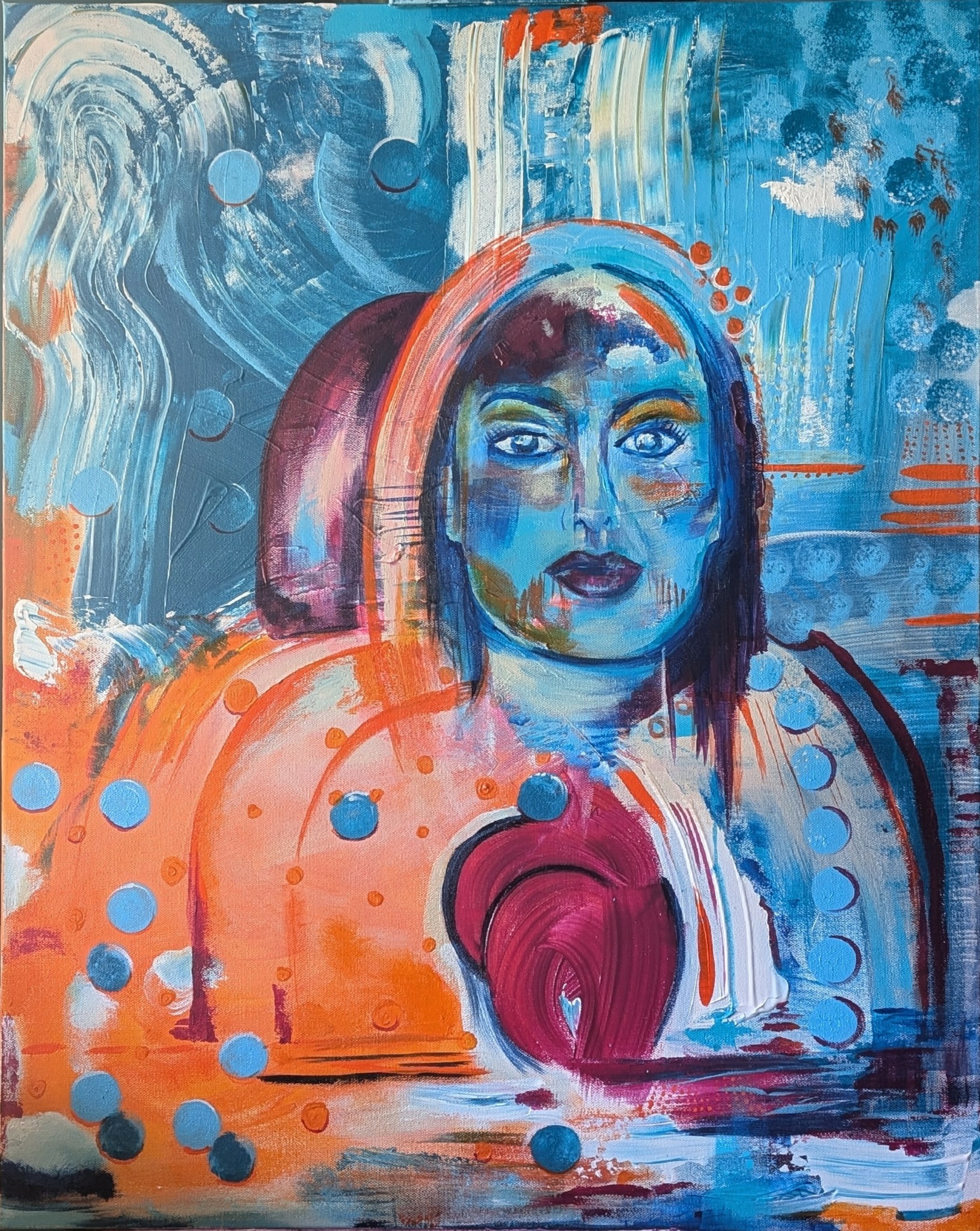
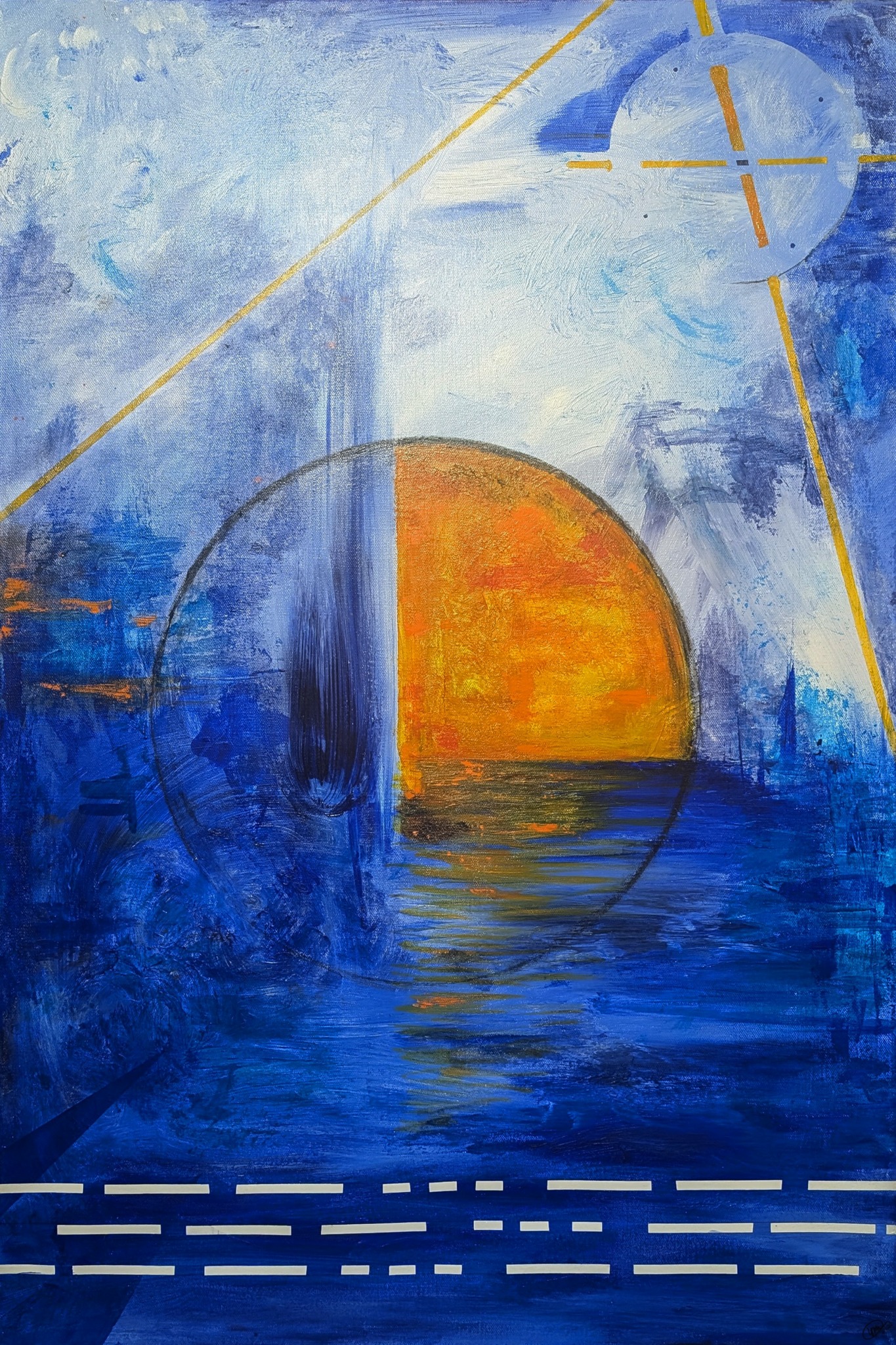
I’m passionate about all forms of art, but I primarily create paintings (acrylic & oil), mixed media on paper, and digital composites. I also offer digital services like album art, logo design, and custom invitations. I’ve built my presence by participating in art markets, showcases, and juried art shows, each experience leading to growth. I’m excited for upcoming opportunities like artist residencies and fellowships. What I’m most proud of is my painting ‘Not Even Halfway There’ (2022). This 36”x 24” piece, using acrylic, charcoal, and vinyl on canvas, won two second-place ribbons at the Akwesasne Art Market and the Adirondack Experience on Blue Mountain Lake’s Abenaki and Mohawk Art Market. The St. Regis Mohawk Tribe’s brand new Community Building is purchasing the rights to enlarge it and add it to one of their walls. It’s an abstract blue painting with an orange sunset over water, resembling a pie chart. The sun represents the Every Child Matters movement, bringing awareness to the residential school children’s graves. The pie chart shape of the sun signifies that we are ‘not even halfway there’ in bringing these children’s remains home. The vinyl strips at the bottom represent three rivers in S.O.S. Morse code, symbolizing the generations of Indigenous communities across North America who have been calling for their children to return home. This progress of bringing them home is something I never thought I would’ve witnessed in my lifetime. My grandmother was a residential school survivor, and her experience deeply impacted our family. She was forbidden to speak her language and lost connection with her own mother. My mother also attended a Catholic boarding school, which had similar damaging effects. I think though my mother was willing to learn better ways of parenting, finding healthier coping mechanisms, changing and evolving as an example for her children. ‘Not Even Halfway There’ is just one example of my paintings that tell stories; many of my other works also carry significant narratives and meanings.
What sets me apart is my unique perspective as an Indigenous artist, blending traditional influences with contemporary abstract impressionism and some geometric and organic abstraction. I aim to honor my heritage while addressing important social issues through my work. I want people to know that my art is not just about aesthetics, but also about storytelling, healing, and raising awareness.”
We’d love to hear a story of resilience from your journey.
Resilience has been a guiding force throughout my life, shaping my journey in profound ways. Born into a blended family, I faced the challenges of premature birth alongside my younger brother. The loss of my father at the age of ten thrust our family into a new reality, with my mother stepping up to provide unwavering love and stability despite the hardships.
Our relocation to Utica, NY, introduced me to a school environment where I felt compelled to conceal my Mohawk heritage to blend in, while at home, I faced reverse racism for not appearing ‘Indigenous enough.’ This duality of identity was a constant struggle.
A traumatic experience before my twenty-first birthday—being assaulted by a stepbrother—left me grappling with self-blame and confusion. This incident became a catalyst for change, prompting me to leave a dysfunctional relationship and seek healing.
Returning to Akwesasne, I found refuge in a women’s shelter, where I delved into understanding the cycle of violence and intergenerational trauma. Embracing traditional healing practices, I immersed myself in ceremonies such as the Sacred Fire and Sweatlodges at 6 Nations. These experiences deepened my connection to my heritage and facilitated profound personal healing.
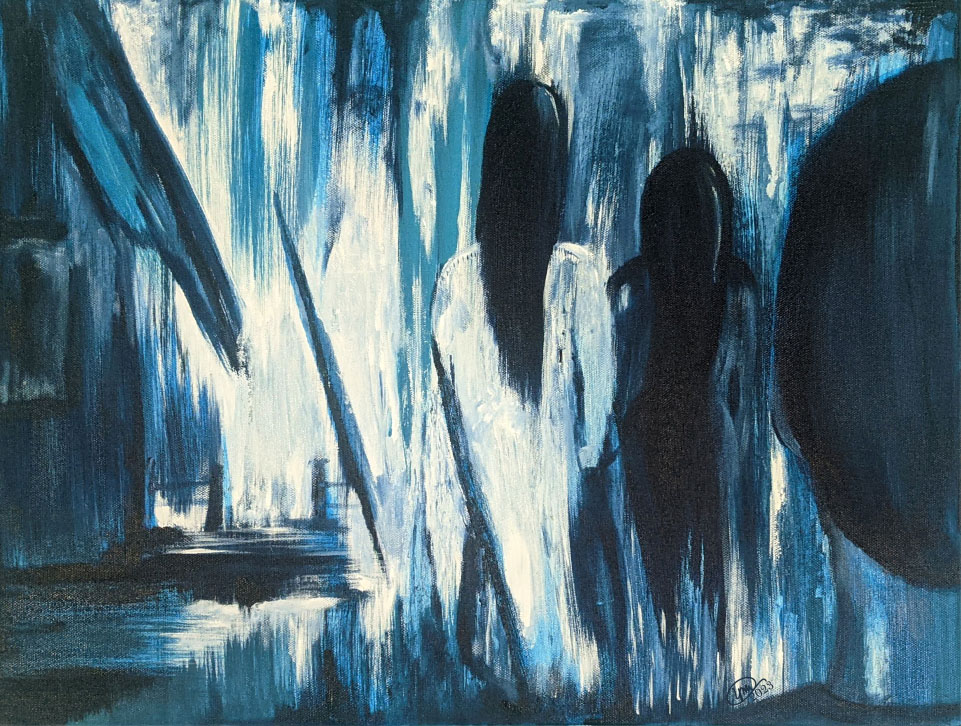
Through art, I channeled my journey, creating works like “The Dark Shower,” which reflects the aftermath of assault and the path to healing. This creative expression has been instrumental in transforming pain into resilience, allowing me to reclaim my narrative and inspire others facing similar struggles.
These experiences have made me resilient, guiding me toward healing, cultural reconnection, and empowerment.
In your view, what can society to do to best support artists, creatives and a thriving creative ecosystem?
I believe society can best support artists, creatives, and a thriving creative ecosystem by providing dedicated spaces and resources. In my community, I envision an arts center that could offer studio space, teaching facilities, and a place to showcase the incredible talent we have. I’ve seen firsthand how important creative outlets can be. In 2011, I participated in a fine arts program with others from my community, and it was a transformative experience. I believe there’s a strong connection between life experiences and artistic expression, and our community has many gifted artists who deserve recognition and support.
Currently, I work as a Student Success Officer at the Ahkwesahsne Mohawk Board of Education. I’m proud of the academic achievements of our students, with many excelling in college and university. This focus on education is vital, and I believe it can also lay the foundation for future creative pursuits. However, I also see a need for specific support for the arts. Funding an arts center would not only benefit our youth but also provide a platform for our established artists. It would be a powerful way to break down misconceptions and celebrate the rich artistic talent within our community.”
I guess what I”m trying to say is: Art is very important. It’s not just fluff. I earned my fine arts diploma, and went on to earn my bachelors in visual arts. Artists share ideas, can visually show you what an idea might look like. They are problem solvers. Not all students are athletes, or academic.
Art is a vital form of expression and communication, not merely a trivial pursuit. As a graduate with both a fine arts diploma and a bachelor’s degree in visual arts, I understand firsthand the profound impact of art. Artists are idea generators, visual communicators, and problem solvers. It is crucial to recognize that not all individuals excel solely in athletics or academics.
Contact Info:
- Website: https://akwesasneart.com
- Facebook: Yvette’s Art : facebook.com/AkwesasneArt
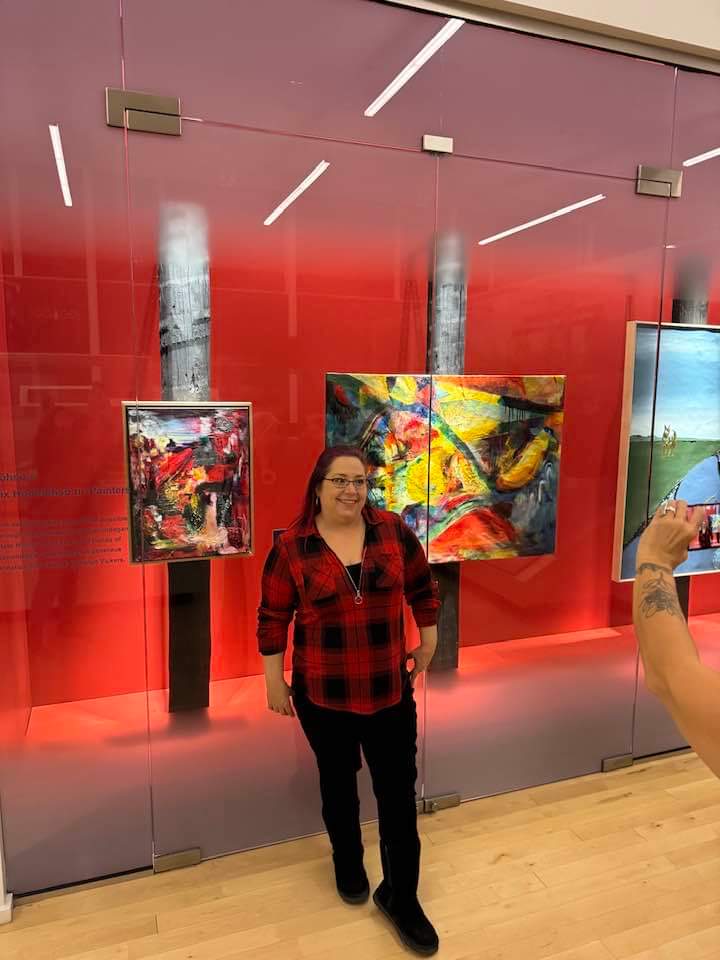
Image Credits
credit for photo of me in Yo:sohs: 6 Haudenosaunee Women painters, goes to Marjorie Skidders