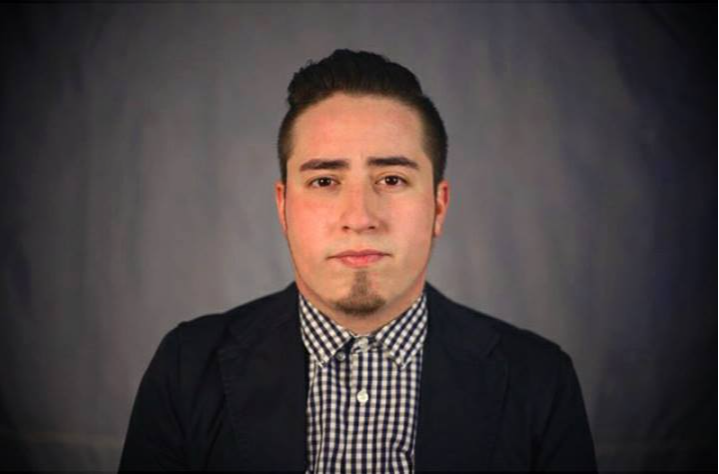

We recently connected with Andres Torres and have shared our conversation below.
Andres, looking forward to hearing all of your stories today. Can you talk to us about how you learned to do what you do?
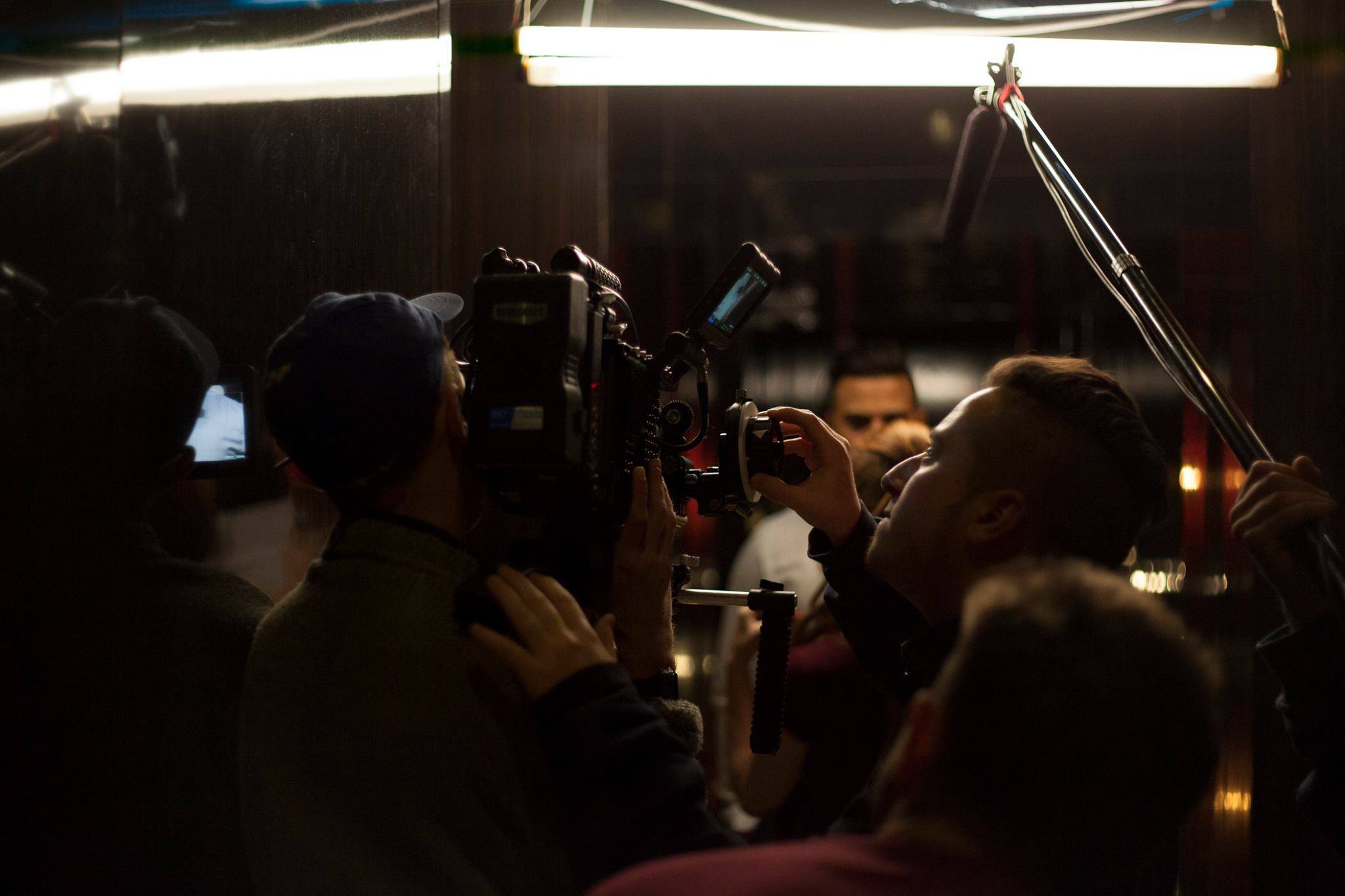
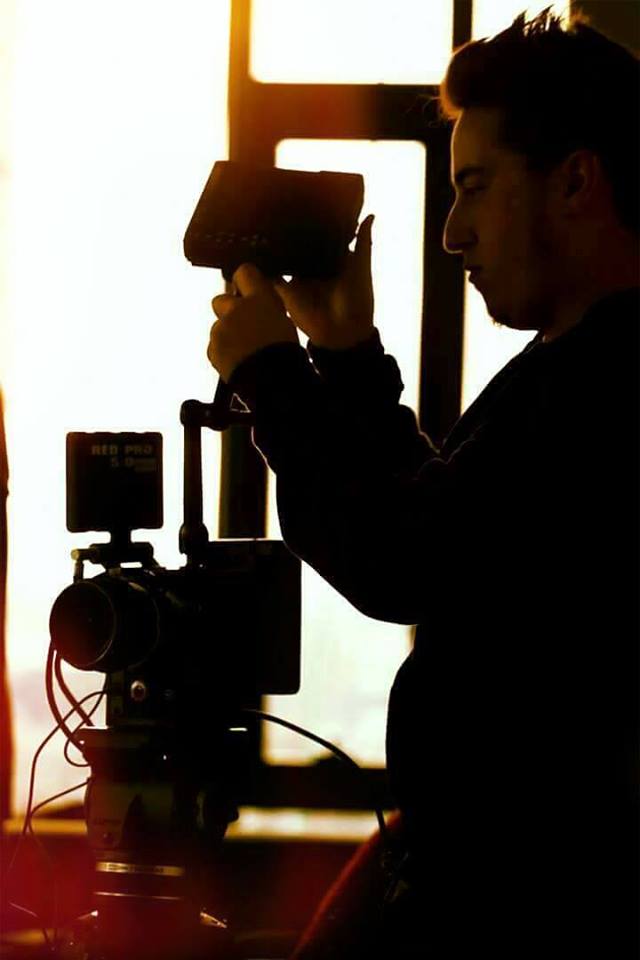
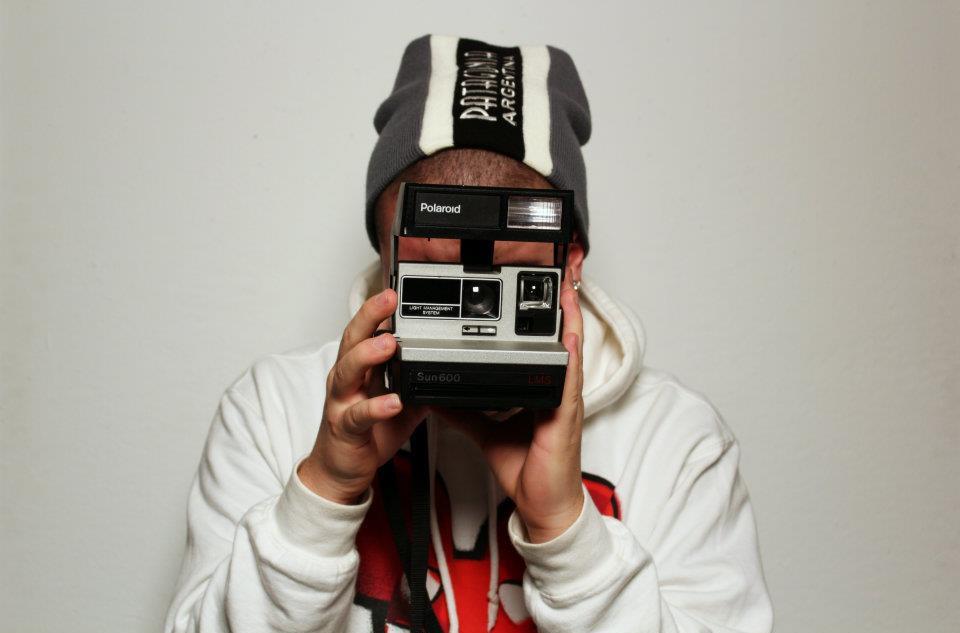
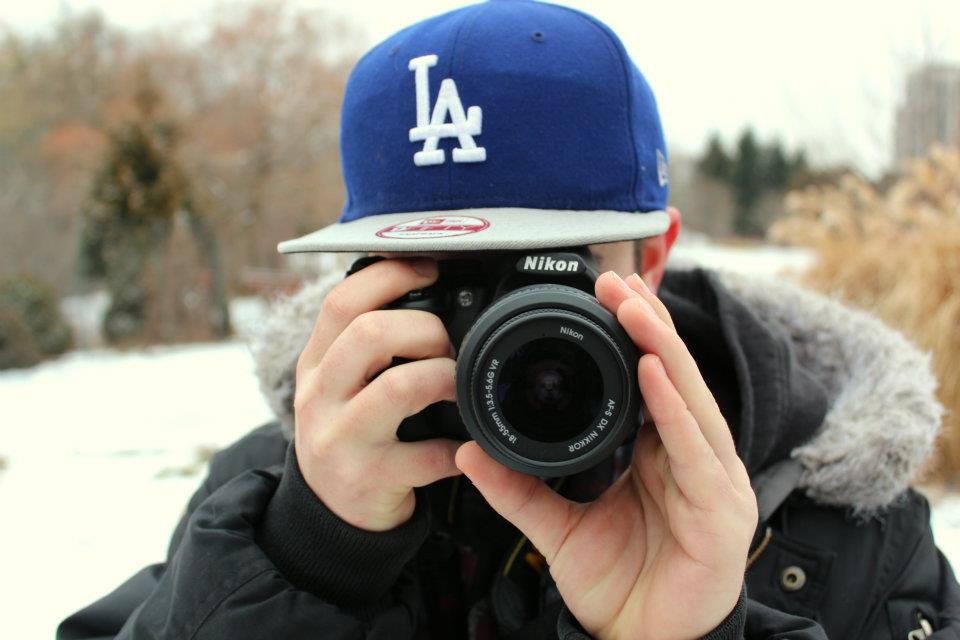
I feel like my progression into filmmaking started when I got my first professional photography camera; a Nikon D3100. Learning to take a good photo helped me a lot once I started playing around with film more seriously. Unfortunately, getting to the realization that I wanted to be a filmmaker was not easy because, at the time, my high school was only pandering to those who wanted to attend Universities. I had to do a lot of my own research and on my own time about what creative programs were available. In 2010, I began a 1 year Media program at Humber College that eventually got me into the Film & Television Production program. I owe so much of my knowledge to the 4 years I spent at Humber learning hands-on knowledge about the industry, each department you might want to work in, as much gear and equipment as we could get our hands on, and incredible faculty who wanted nothing but for each of us to succeed.
Andres, before we move on to more of these sorts of questions, can you take some time to bring our readers up to speed on you and what you do?
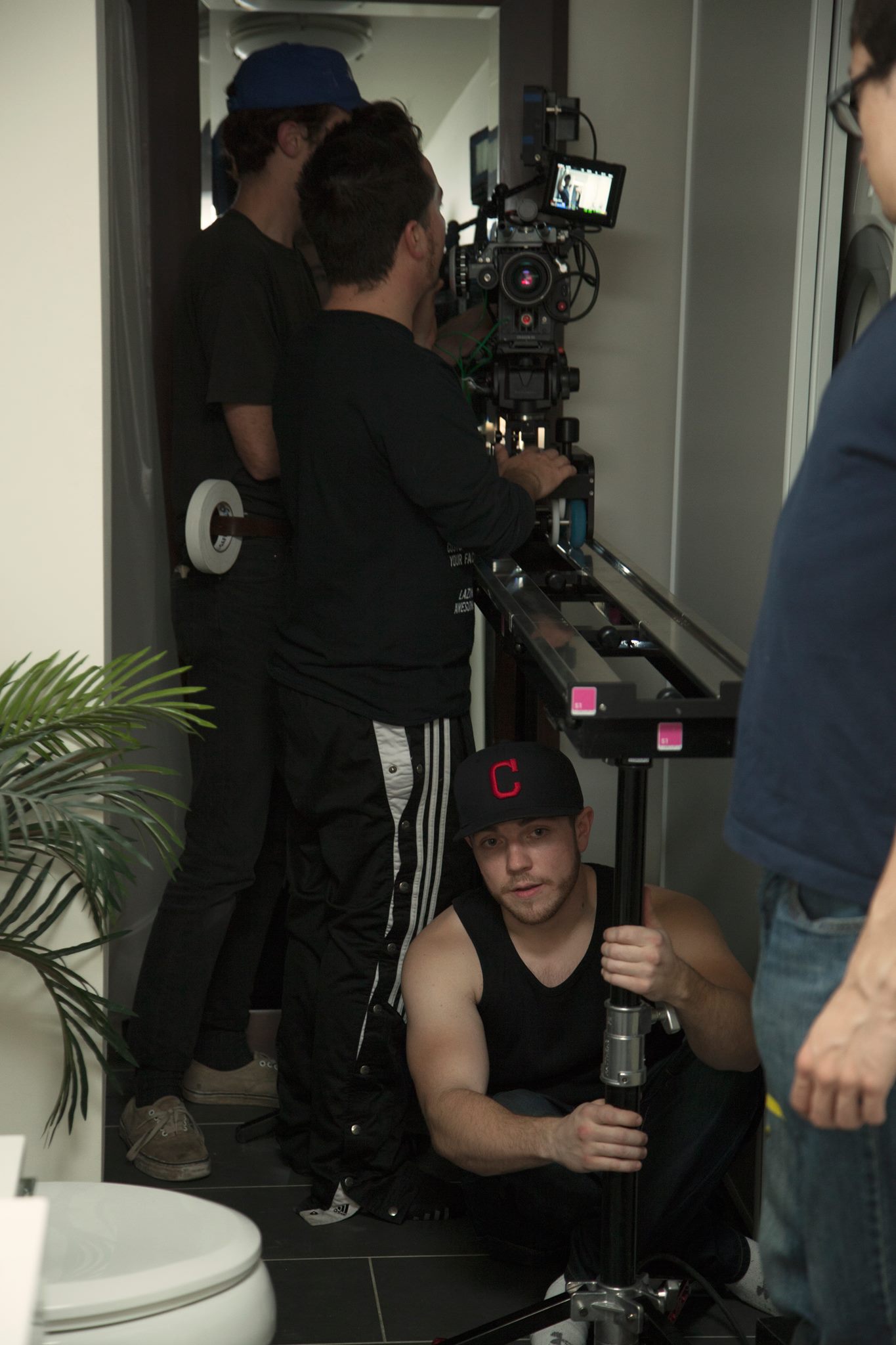
As a queer latine born from immigrant parents, I’ve always had a lot to say when it came to the world around me. And when I couldn’t say it, I thought a lot about it. Communication is very important to me because it is something I couldn’t always do openly but thought to no end about. I lived in the proverbial closet for 19 years, waiting for the day I could say and do whatever I wanted. So it’s no surprise to anyone when I got into film that I would go the subversive route. I remember my second year into film school, a drag queen named Scarlett Bobo asked if I would film her music video. As a newly out queer person, I jumped at the opportunity to work with staples of a community I had spent years hiding from. I ended up having such an incredible time that after that project I vowed to take as many queer projects as I could handle. I’ve since worked with so many talented queer artists. I’ve worked on several music videos, web-series, documentaries, corporate campaigns and even a few auditions for Canada’s Drag Race (that made it on the show!). I love to tell their stories, showcase their talents and make people laugh along the way.
How can we best help foster a strong, supportive environment for artists and creatives?
I think the best thing society can do to support creatives is listen to the most vulnerable and give them the platforms they need to create art and tell their stories. We are so consumed by our own problems and the terrible state of the world today that many of us have not realized for quite some time just how out of touch we are. We need to let those who are suffering create and shout from the roof tops. Everything is so sanitized and lacking context these days, and when it isn’t, we’re punching down to hurt those more vulnerable than us. Society needs a reality check and an empathy supplement. Art that is rooted in truth and resilience will inspire new generations and a new creative ecosystem.
Looking back, are there any resources you wish you knew about earlier in your creative journey?
With how much technology has accelerated since I was in school, I often think about how much more I could have achieved at this point if I had all the resources that are available to kids today. Youtube alone has so many tutorials for every editing software in the market; you can learn so many tips and tricks that you can look like a pro in no time these days. I’ve even noticed just from the social media apps, kids these days are editing full videos just using those apps. I wouldn’t be surprised if we start to see an influx in professional film and television editors in the industry from the newer TikTok generation.