

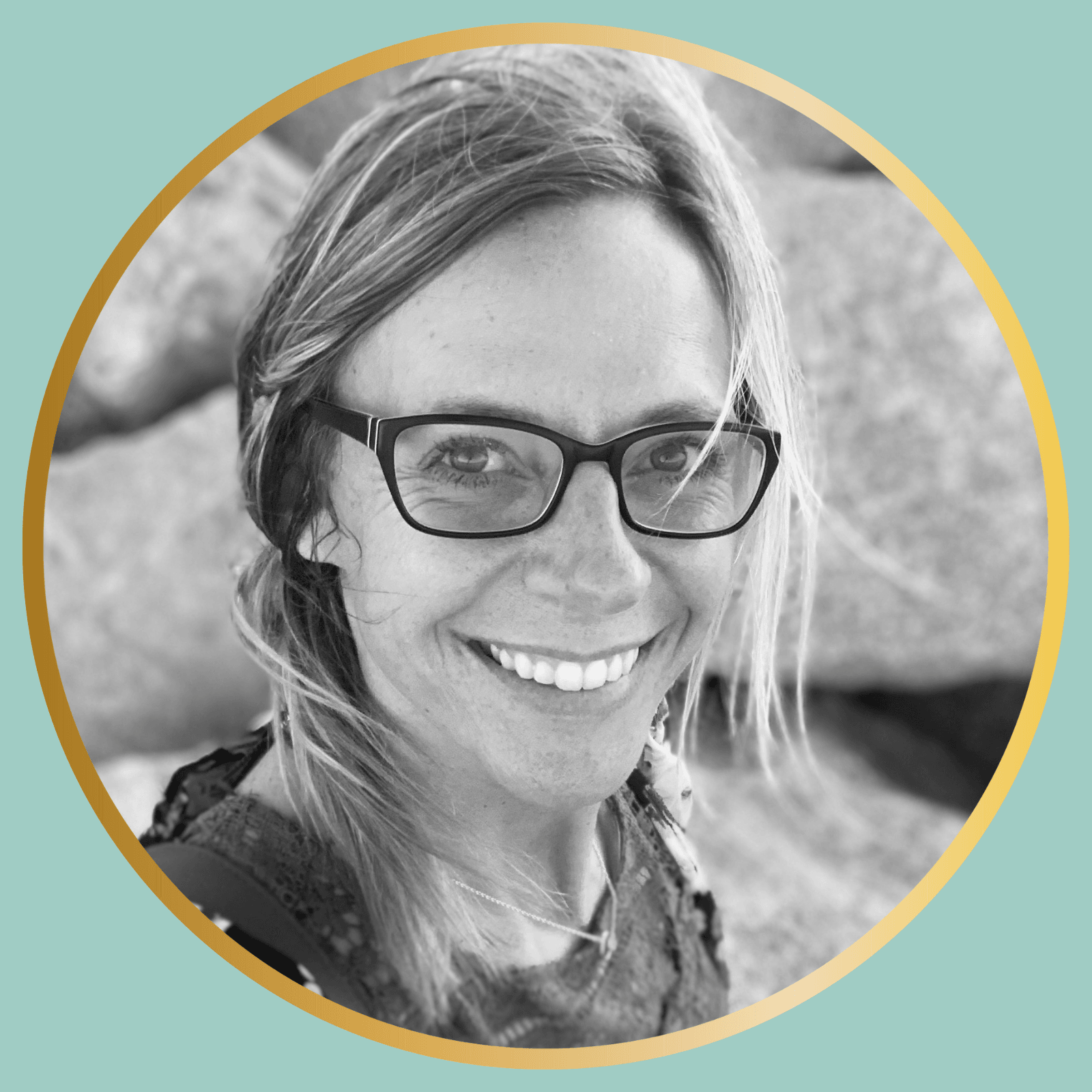

Alright – so today we’ve got the honor of introducing you to Alexandra Ruberti. We think you’ll enjoy our conversation, we’ve shared it below.
Alright, Alexandra thanks for taking the time to share your stories and insights with us today. Setting up an independent practice is a daunting endeavor. Can you talk to us about what it was like for you – what were some of the main steps, challenges, etc.
When I decided to start my own practice, it was less of a straightforward decision and more of an undeniable pull. I had spent years working in traditional clinical settings, and while I valued the work I was doing, I felt constrained by the insurance-driven model and the limitations it placed on deep, creative healing. I knew I wanted to create a space where therapy wasn’t just about talking, but about experiencing—through art, movement, music, and storytelling. That’s how ReCreation Station was born.
The biggest steps in getting started involved not only the logistics—securing a space, establishing a business structure, and handling the financial realities—but also the internal work of believing I could do it. Self-doubt was a major hurdle. I remember questioning if I was “qualified enough” despite my years of experience, education, and passion. The imposter syndrome was loud. But I knew that if I waited until I felt completely ready, I might never start. So, I took the leap.
One of the biggest challenges was shifting from being a clinician to being both a clinician and an entrepreneur. Running a practice requires a completely different mindset—marketing, networking, and financial planning became just as important as the healing work itself. I also had to navigate the tension between offering transformative, creative healing experiences while ensuring I could sustain myself financially. Initially, I underpriced my offerings, which led to burnout. Learning to charge my worth and balance passion with business sustainability was a crucial lesson.
If I could do anything differently, I would have sought mentorship earlier. Finding someone who had already walked this path would have saved me a lot of trial and error. I also would have embraced visibility sooner. For a long time, I stayed small, hesitant to fully step into my voice and expertise. Now, I see how essential it is to share my message boldly.
For mental health therapists (and interns) out there—don’t be afraid to do things your own way. School teaches us a lot, but sometimes we’re taught to turn off our own humanness in the process. Be YOU in your own way, and don’t be afraid to break the mold. Your presence, your creativity, and your unique approach to healing are valuable. Therapy doesn’t have to fit into a rigid box—it can be expressive, artistic, movement-based, or whatever aligns with you and the people you serve. The more you allow yourself to show up authentically, the deeper the healing work becomes.
For any young professional considering starting their own practice: Know that you don’t have to have it all figured out before you begin. Trust yourself, but also surround yourself with people who uplift and challenge you. Learn the business side early, set boundaries, and don’t be afraid to charge for the incredible value you bring. Most importantly, make sure your practice is a reflection of YOU—not just what you think it “should” be. That’s where the magic happens.
As always, we appreciate you sharing your insights and we’ve got a few more questions for you, but before we get to all of that can you take a minute to introduce yourself and give our readers some of your back background and context?
I’m Alexandra Leigh Ruberti, a Creative Healing Practitioner, Artist, and Mental Health Therapist. My passion lies in helping people—especially women—make peace with their deepest wounds so they can fully live and thrive in the present. I do this through creative and somatic healing modalities like painting, writing, music, dance, yoga, meditation, and more. My work is about transforming pain into something meaningful, helping my clients reconnect with themselves in ways that feel fun, freeing, and deeply healing.
My journey into this field was shaped by my own life experiences. I grew up navigating complex trauma, family challenges, and deep emotional wounds. Creativity was my refuge—whether it was theater, dance, piano, or chorus, I found a sense of safety and expression through the arts. Later in life, when I struggled with an eating disorder, therapy became a transformative force in my healing. A therapist who truly saw and validated me helped me reclaim my voice, and that experience inspired me to become a therapist myself.
While traditional therapy has its place, I found that integrating creativity with nervous system regulation practices—such as reiki, yoga, and meditation—created something even more powerful. I started blending these methods in my workshops and groups, and I witnessed incredible transformations. People who had felt stuck for years suddenly felt seen, heard, and free to express themselves in new ways. That’s what led me to create ReCreation Station, a space where healing feels more like play, and where people can explore and process their emotions through movement, music, and creative expression.
What I Offer:
I provide creative healing workshops, group experiences, and immersive events that help people reconnect with their inner power, process deep emotions, and experience healing in a way that feels safe and even joyful. Some of my signature offerings include:
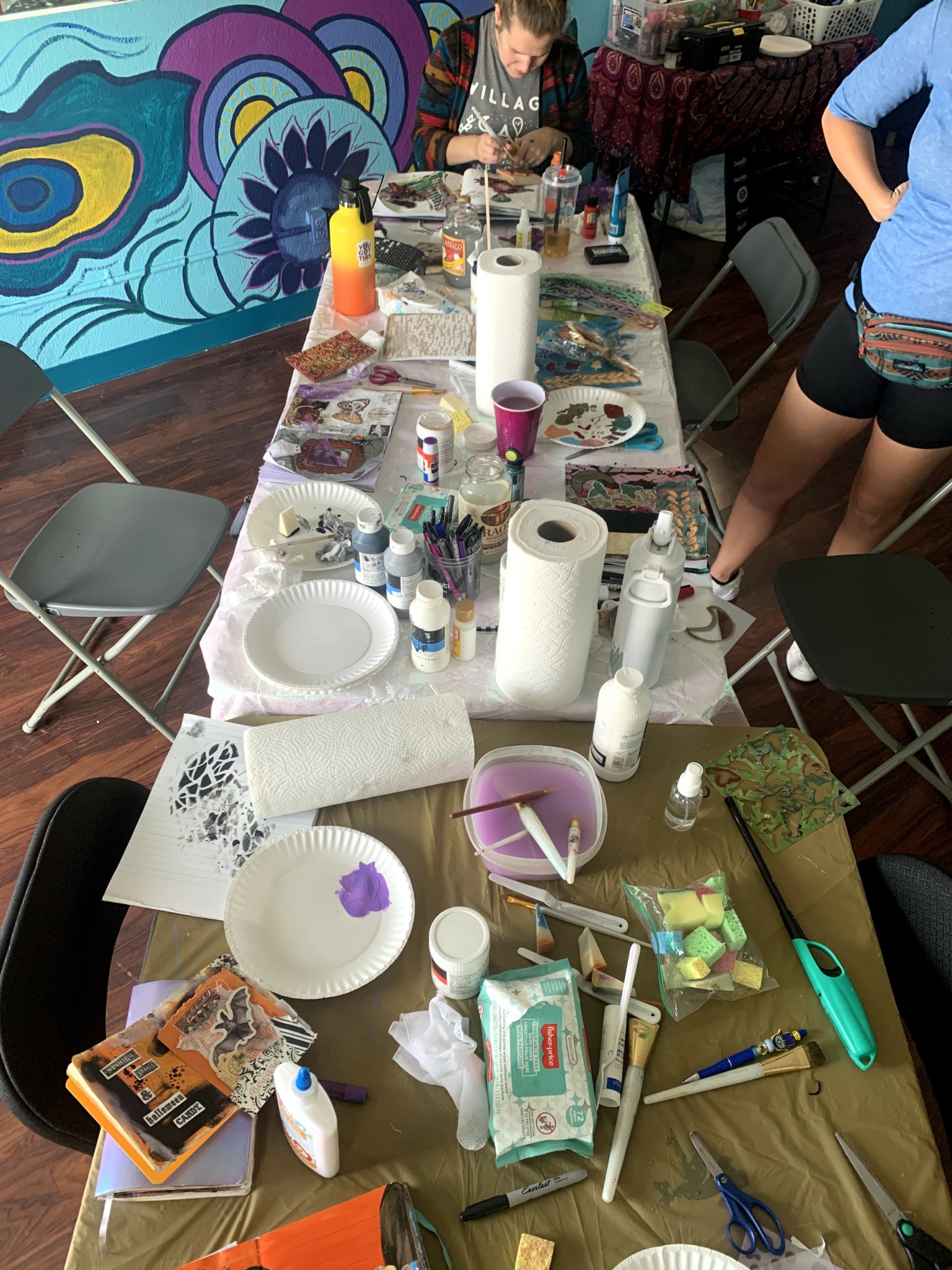
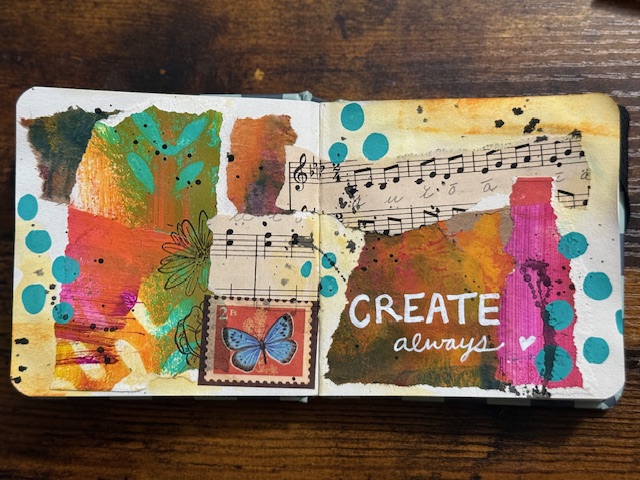
Art Journaling – A guided process that blends creativity with self-reflection, helping participants use colors, words, and imagery to express their inner world.
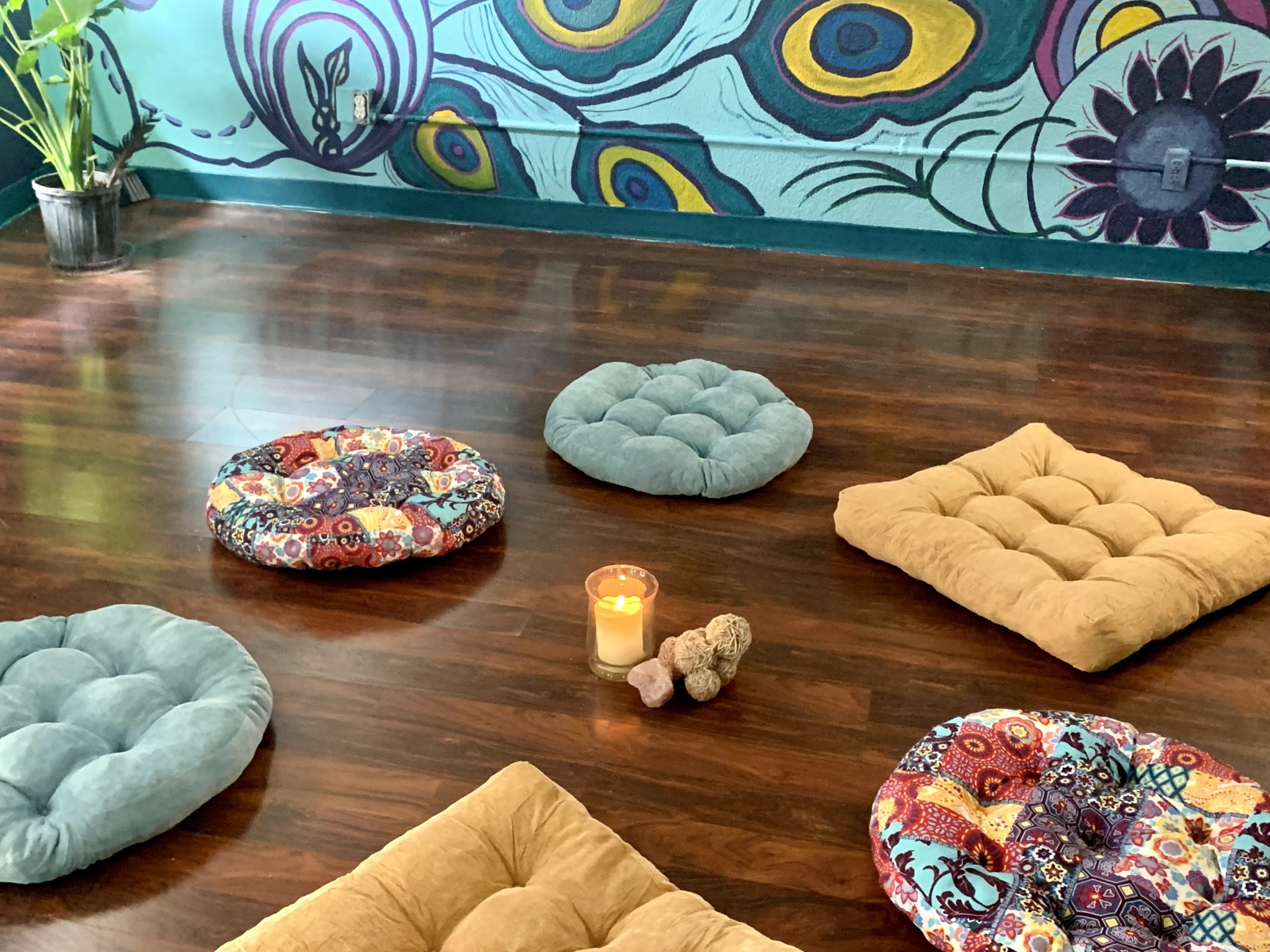
Music & Movement Medicine – A unique combination of dance, yoga, and conversation, using music as a tool for healing, self-expression, and community connection.
Messy heARTS Women’s Process Group – A sacred 9-week journey designed to help women break free from old patterns, heal emotional wounds, and step into confidence and joy.
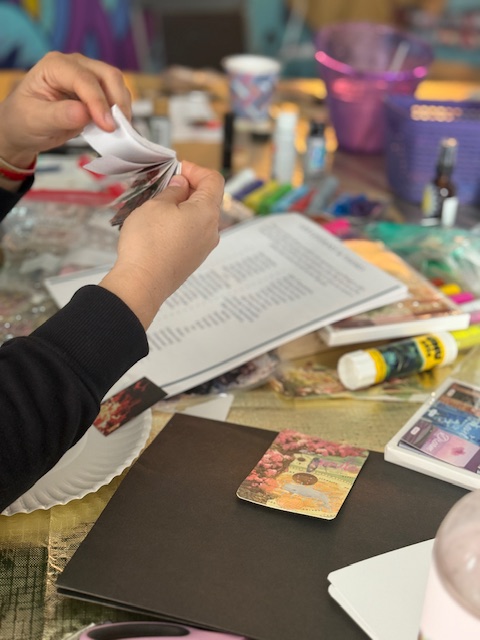
Create Your Own Oracle Card Deck – A deep, intuitive experience that allows participants to channel their personal healing into something tangible—creating their own deck of oracle cards.
Specialty Workshops – Whether it’s candle-making with intention, repurposing cigar boxes into sacred keepsakes, or exploring intuitive writing, I offer a variety of creative experiences that blend artistry with self-exploration.
What Problems Do I Solve?
Many of my clients come to me after feeling like nothing else has worked. They’ve tried traditional therapy, coaching, self-help books, and mindfulness practices, but they still feel stuck in patterns of anxiety, trauma, or self-doubt. What sets my work apart is that I don’t just focus on talking about emotions—I help people move through them. By combining play, movement, and creative expression, I help individuals process pain in ways that feel safe, engaging, and empowering.
For anyone who has ever felt like healing is too heavy, too painful, or too slow—this work offers a different approach. It reminds people that they are not broken, that healing can be playful, and that freedom is possible.
What Sets Me Apart?
I bring a unique blend of clinical expertise, personal experience, and creative practice into my work. My background as a mental health therapist allows me to understand trauma, the nervous system, and the deep emotional processes that can hold people back. But I don’t just rely on clinical methods—I infuse art, movement, music, and spirituality into everything I do. This combination allows for deep, transformative healing that goes beyond traditional approaches.
I also create spaces where people feel truly seen and heard. Many people have had negative experiences in group settings where they felt overlooked or unheard. Because of my background, I’m highly attuned to group dynamics and ensure that everyone has space to share, process, and connect in a way that feels safe and structured.
What I’m Most Proud Of:
I’m proud of the transformations I’ve witnessed in my clients. I’ve seen people walk into my workshops feeling anxious, disconnected, and uncertain—only to leave feeling lighter, more empowered, and with a newfound sense of joy.
I’m also proud of the community I’m building. ReCreation Station isn’t just about individual healing; it’s about collective healing. It’s a space where people can come together, connect, and support each other in ways that are deeply meaningful.
What I Want People to Know About Me and My Work:
Healing doesn’t have to feel like a chore—it can be fun, expressive, and even joyful.
You are not broken. If traditional therapy hasn’t worked for you, it doesn’t mean you can’t heal—it just means you need a different approach.
Creativity is powerful medicine. Even if you don’t think of yourself as an “artist” or “creative person,” you can still use creative expression as a tool for deep healing. You deserve a space where you feel truly seen and heard. I’m committed to providing that space through my workshops, groups, and community experiences. At the core of everything I do is a simple belief: we are all capable of healing, and we don’t have to do it alone. I’m here to guide, support, and create a space where people can rediscover their own power—one brushstroke, dance move, and deep conversation at a time.
Can you share a story from your journey that illustrates your resilience?
My journey to becoming a therapist wasn’t easy. I didn’t get into my graduate program in Clinical Social Work on my first try. Since that rejection also meant I couldn’t apply to social work certificate programs, I had two choices: accept the “no” or advocate for myself. I chose the latter.
I scheduled a meeting with the Dean of Social Work and told him, “This is the only way I can become a therapist—what do I need to do to get into your clinical program?” He reviewed my application and advised me to rewrite my personal statement. I did exactly that, and soon after, the review board admitted me on probationary status. The terms were clear: maintain As and Bs or be dismissed. I not only met the challenge—I thrived and earned my Master’s degree.
Then came the licensure exam. I failed three times before passing on my fourth attempt. It was devastating. I questioned my abilities, convinced myself I wasn’t cut out for therapy. But instead of giving up, I leaned into my spirituality, continued leading art workshops, and sought guidance. My clinical supervisor encouraged me to request ADA accommodations, which granted me extra time on the exam. That adjustment made all the difference—I finally passed.
That experience taught me resilience isn’t about never failing; it’s about refusing to let failure define you. I want neurodivergent individuals to know they are smart and capable. Tests weren’t designed for everyone, but that doesn’t mean you aren’t qualified. Get the support you deserve, and don’t quit before you’ve had a fair chance.
If you could go back in time, do you think you would have chosen a different profession or specialty?
If I could go back in time, I don’t think I would change a thing. Maybe I wouldn’t have started with business, but even that was part of my journey. As much as I’d love to say I would have pursued acting right away, I’ve made peace with the path I chose—because it’s never too late.
I still believe there’s time for everything. Maybe one day, I’ll do commercial work or even have a cameo in a Hallmark movie (because let’s be honest, I’m that person who loves nothing more than curling up on the couch with Christmas Hallmark movies). I’m also a singer-songwriter, with a dream of hearing my songs play on SiriusXM The Coffee House one day. I know all of that is possible in time.
But right now, I love what I do, and I wouldn’t trade it for anything. In a world that feels heavier than ever, I want to share my love of the arts with people who need creative outlets. Whether it’s hosting songwriting workshops, teaching art classes, or creating spaces for people to share their hearts through spoken word, poetry, or music—helping others express themselves through creativity is deeply fulfilling.
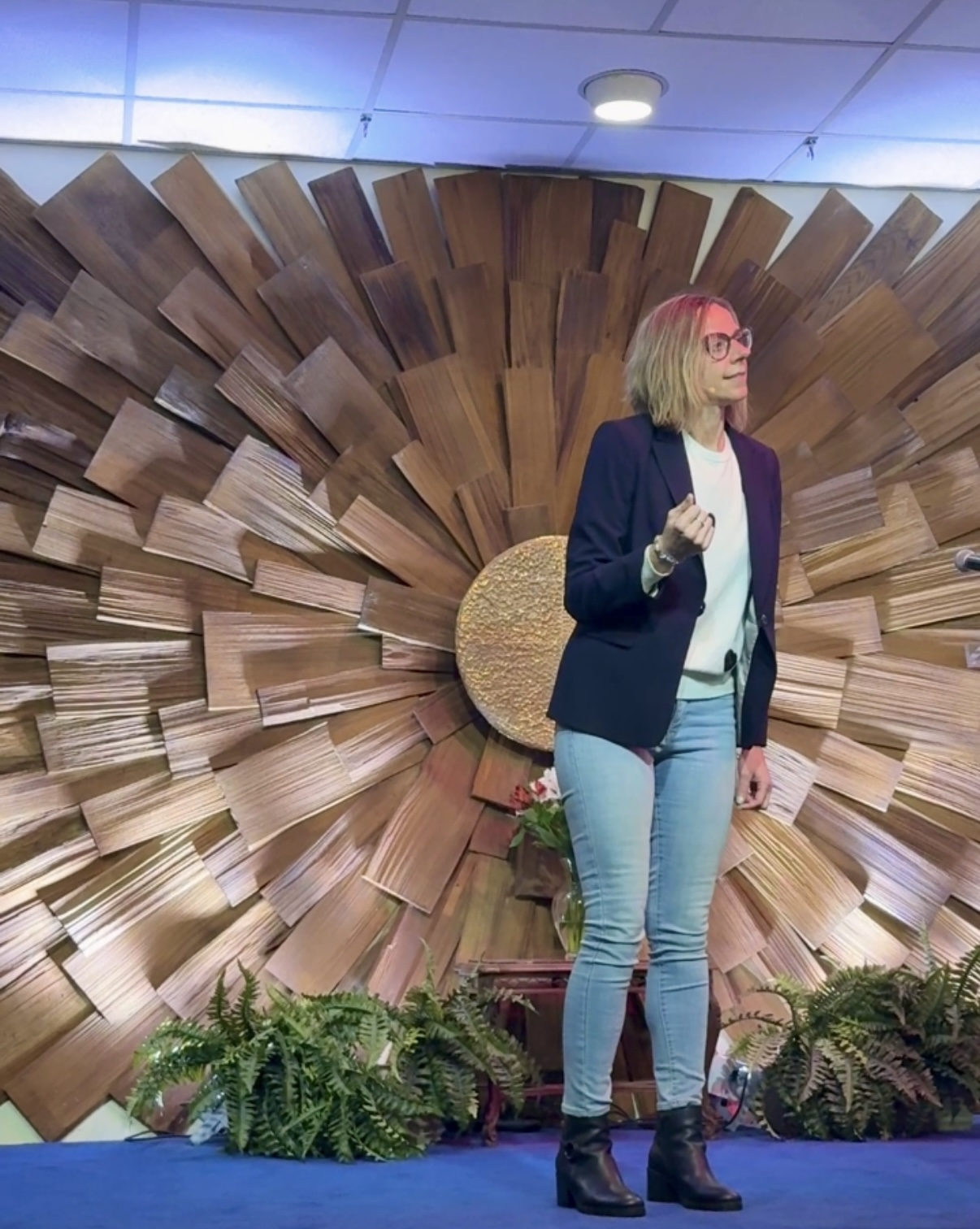
I’m also a speaker, and depending on the speech, it can feel like a form of acting—blending storytelling, expression, and performance. One of my favorite books, The Alchemist by Paulo Coelho, taught me that life isn’t always a straight path. Sometimes, we follow different roads, only to be led back to where we were always meant to be.
One dream I still hope to bring to life is blending my love of film with my clinical experience. I would love to create a documentary that raises awareness about mental health—normalizing real experiences, educating the collective, and integrating the creative arts into the process.
At the end of the day, I see all of this as part of the journey. I trust the path I’m on, knowing that every step is leading me exactly where I’m meant to be.
Contact Info:
- Instagram: https://www.instagram.com/recreationstation.co
- Facebook: https://www.facebook.com/recreationstation.co
- Youtube: https://www.youtube.com/@Recreationstation_co
- Other: To inquire about booking a private event, mental health seminar, or creative healing workshop for your club, organization, or business, please contact Alexandra Ruberti at thecreativewayhome@gmail.com.
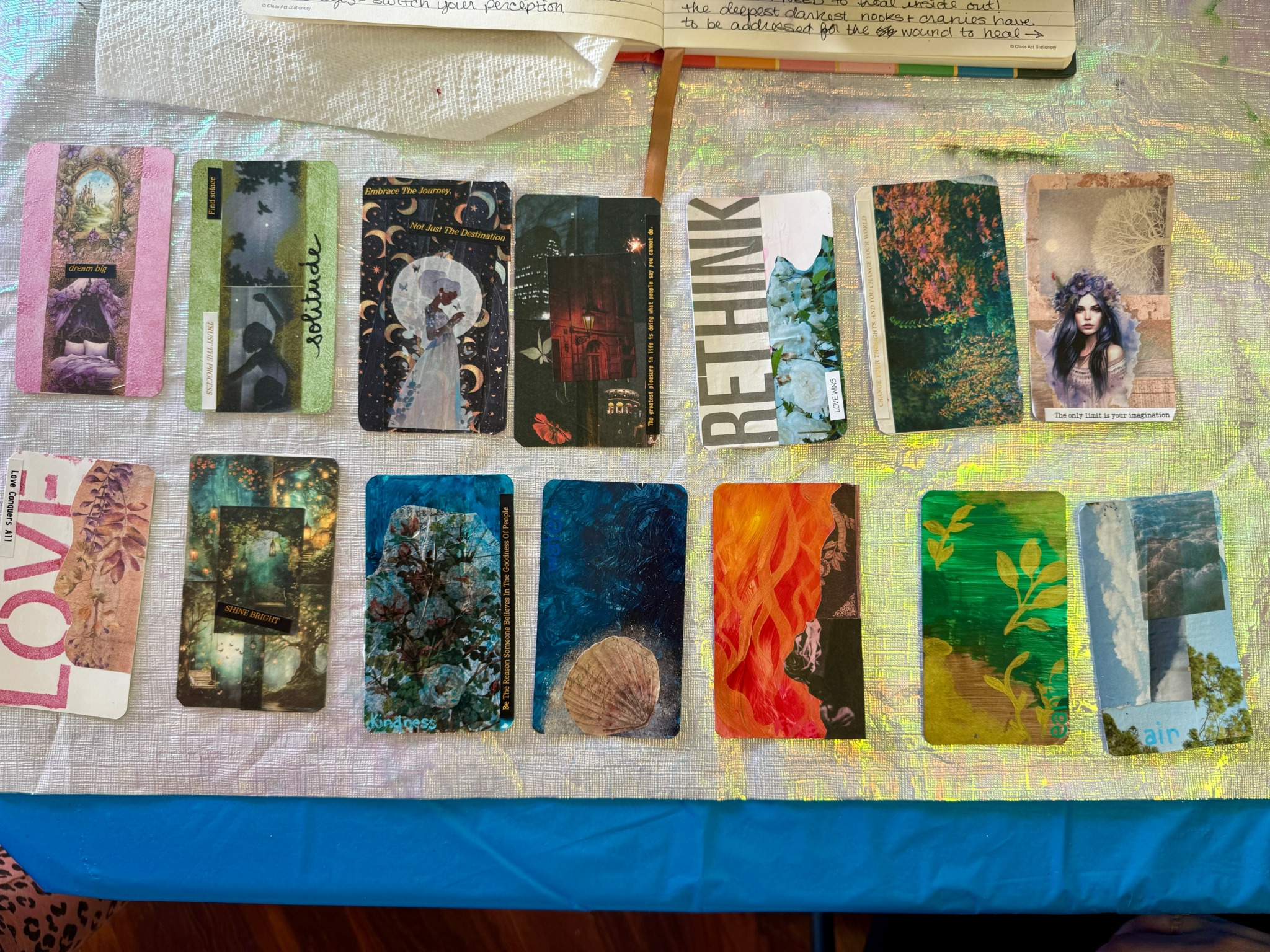
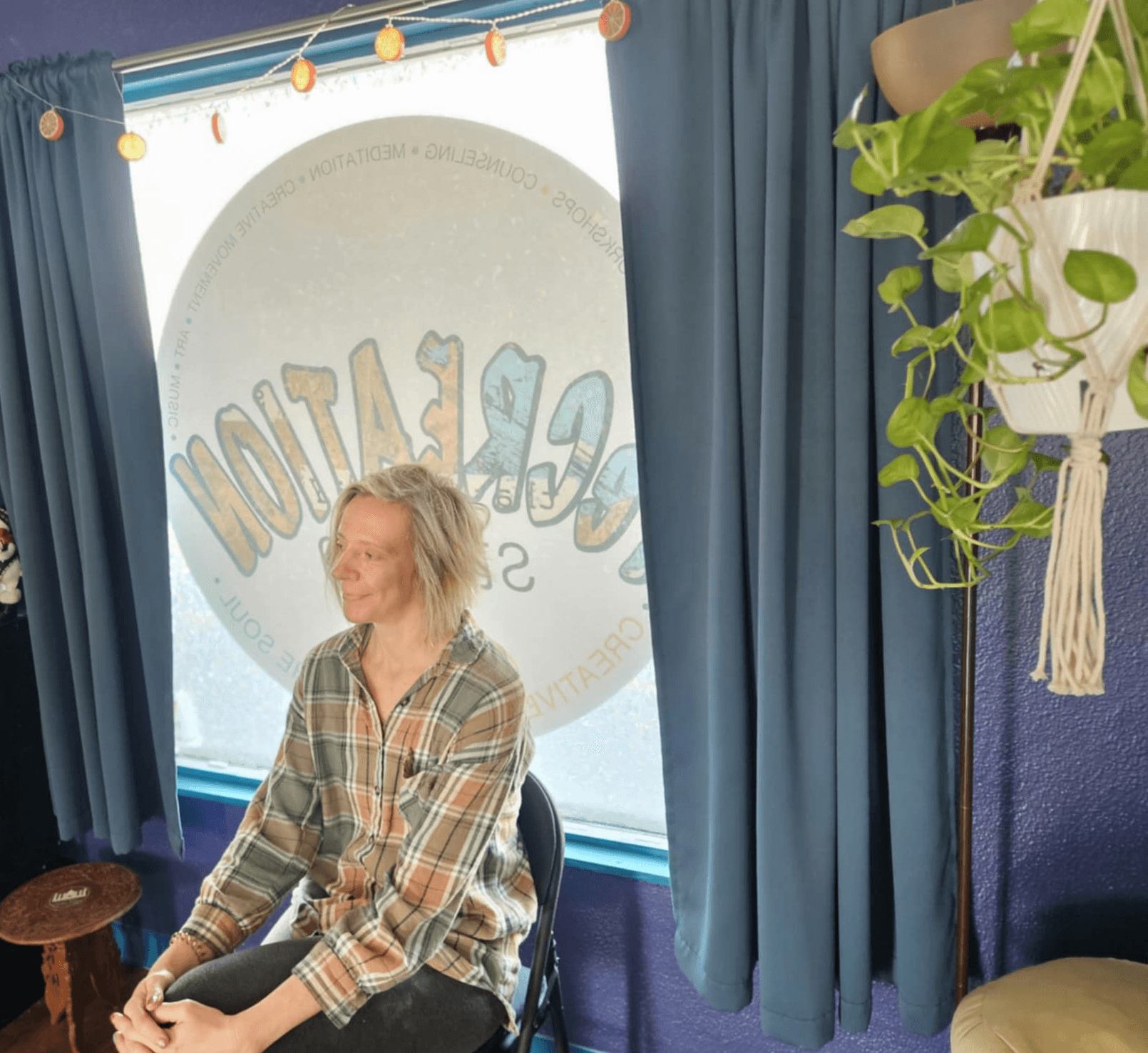
Image Credits
Adency Start took a photo of me during one of my speeches.
Greg Mathis took a photo of me speaking.