

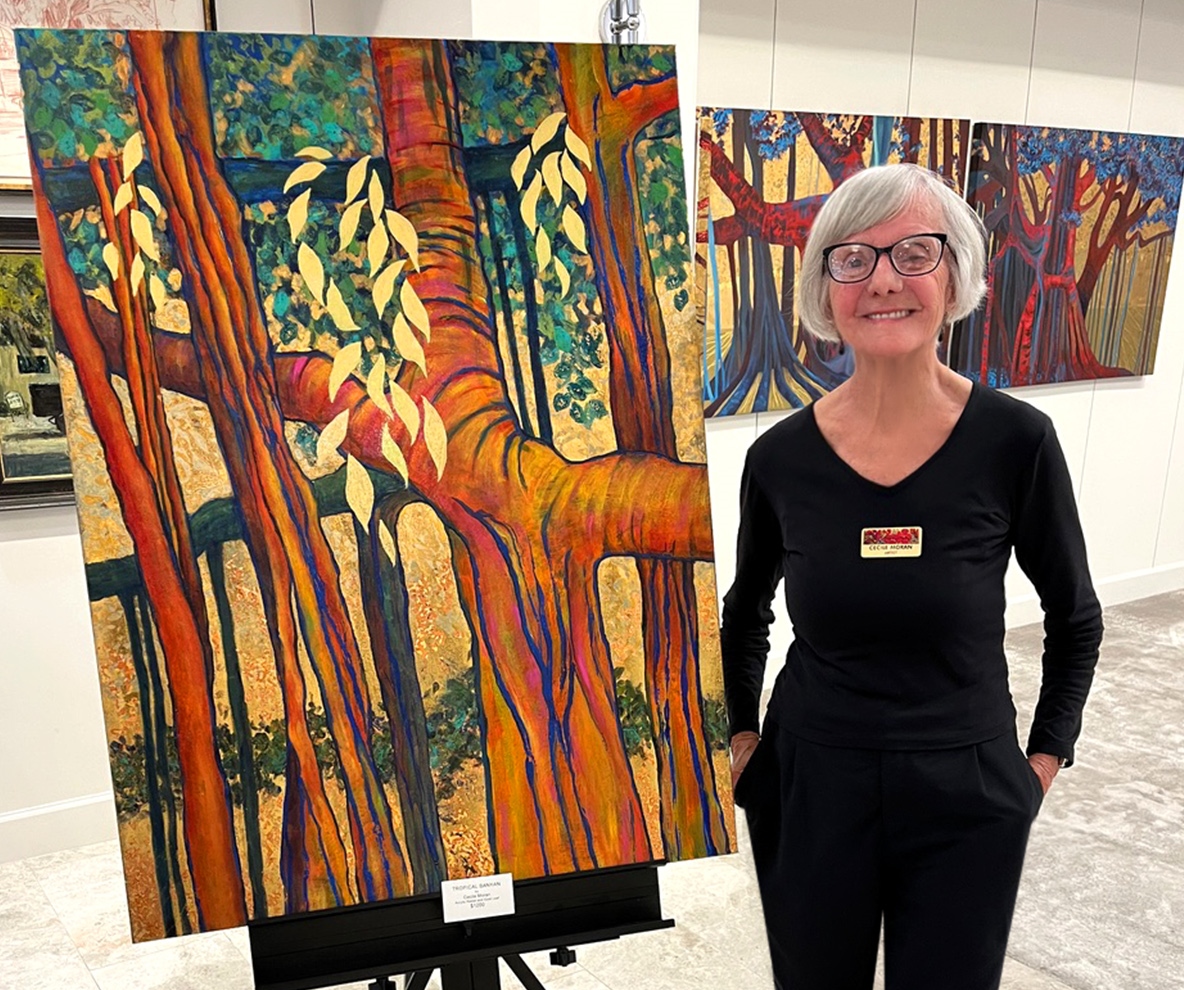

We’re excited to introduce you to the always interesting and insightful Cecile Moran. We hope you’ll enjoy our conversation with Cecile below.
Cecile, thanks for joining us, excited to have you contributing your stories and insights. How did you learn to do what you do? Knowing what you know now, what could you have done to speed up your learning process? What skills do you think were most essential? What obstacles stood in the way of learning more?
How did I learn to do what I do?
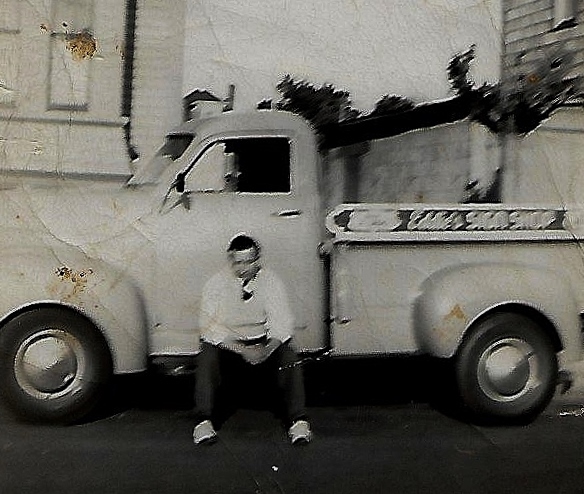
My family immigrated from Great Britain and Canada for the textile mills in New Bedford, MA in the early 1900’s, with the exception of my grandfather who had the skill of sign painting. This skill was passed down to my father who opened his sign shop at first in our home and then in a rented space for the business. Both used gold leaf in their work which included signage in banks and offices. The lettering in offices and banks was painted on glass on the doors and windows of the establishments at that time. They both were masters of this type of sign lettering and decoration. I would marvel at the work of my dad with his skilled hand in the handling of the brushes and gold leaf application in the lettering.
My parents were firm believers in the education of their children and that we should be the first generation in the family to complete college. The family had no qualms about my major in art. I chose to study at Boston University and the School of Fine and Applied Art which is now known at the College of Fine Art. Of course this took much financial effort on the part of my parents. Since I lived in a mill town, I worked each summer while in college in a factory to assist in the finances of this undertaking.
There were art materials around the house available for me to use. This led to my interest in art and making things from an early age. As I grew older, my dad taught me how to create lettering with brushes and pens, and the application of gold leaf. This teaching led me to calligraphy and the use of gold leaf in the illumination of letters. It was possible to observe and ask questions about his work. I always remember my grandfather and grandmother living in the upstairs apartment of the tenement house that my dad was able to purchase for our family dwelling. Here, growing up I was able to watch my grandfather as he worked as well as my dad.
Cecile, before we move on to more of these sorts of questions, can you take some time to bring our readers up to speed on you and what you do?
Question 2 – Tell about yourself and your art. What you want people to know about your work?
My story is the story of a woman who grew up in circumstances that might have called for a totally different outcome. In my youth, it was a time when young women were not often offered the same higher educational opportunities as young men. This was especially so in a blue collar family. Unlike some others of my age and time, I was born into a family of who valued an art education for their daughter.
I studied in my youth at the Swain School of Design in New Bedford Massachusetts. My art education also included study at the School of the Museum of Fine Arts, Boston. I earned a Bachelor of Fine Arts Degree from Boston University’s College of Fine Art. There, I was fortunate to experience the dynamic teaching of Romantic Surrealist artist Karl Fortess plus the Boston Expressionists, Reed Kay and Jack Kramer. After graduation from Boston University, I taught and studied in Madrid, Spain for three years. The rich experience of living in Madrid and travelling in Europe gave me new insight into the work of the Spanish masters and the colorful work of Gauguin and the Expressionists.
Returning to the United States, I completed study for the Master of Arts Degree from California State University. Influenced by the vibrancy of Mexican Art, my painting began to reflect a strong use of color. At this time, the Molas of the San Blas Indians became of interest to me and although they worked reverse layering in fabric, I felt that the process might work for paint as well. I began to develop the painting technique that I entitle “Acrylic Resist”, which I use in my painting today. My art is often imbued with the use of gold leaf. As the third generation to carry on the use of gold leaf in my work, I feel that the infusion of the gold leaf brings my paintings full circle. A teaching artist, I have had the good fortune to work with all levels of art education from elementary to college including adult education and working with at-risk youth. My work can be found in numerous collections in the United States and Spain and has been exhibited in Massachusetts, California, New York and Florida.
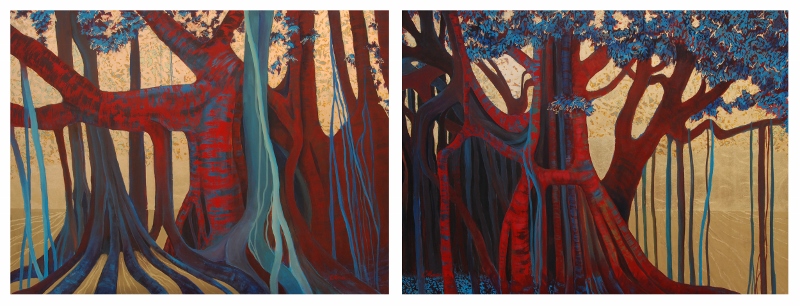
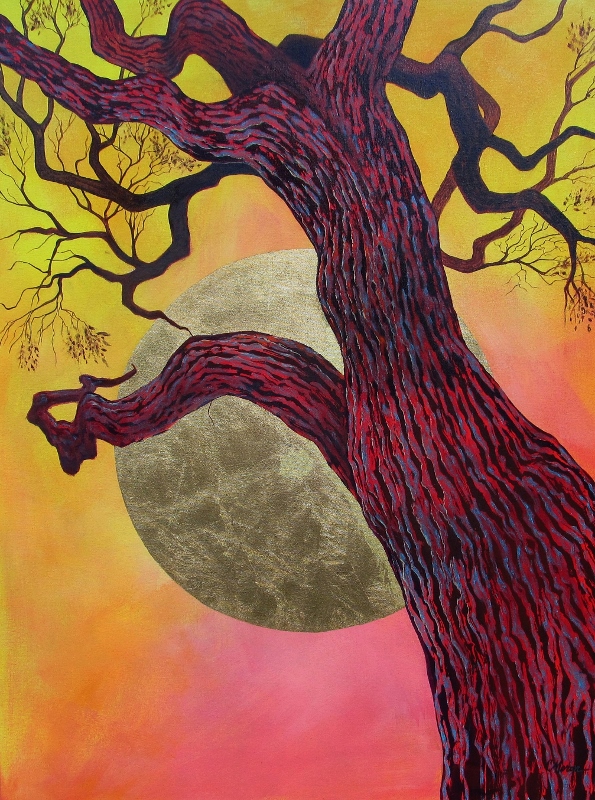
My work relates to the importance of our natural environment. The use of brilliant color provides the medium of expression and the images on the painting surface symbolize the unseen energy that connects all living things. This energy is symbolized by the life forms around us which provide the air that we breathe. The process that I use gives the paintings their unique appearance. Layering and resist techniques are used. Paint is applied and removed in areas to reveal new color relationships. There is a constant push and pull between the shapes and colors that build to create the final painting. My art is often imbued with the use of gold leaf, a process which I learned from my father, a second generation sign painter and calligrapher. I am the third generation to carry on the use of gold leaf in my work. The infusion of the gold leaf brings my paintings full circle.
What’s the most rewarding aspect of being a creative in your experience?
What is the most rewarding part of being an artist?
The environment surrounding the artist creates much of the interest and concerns that exists in the work of the artist, so as artists we live our art everyday. We are surrounded by choices in the work we create and also in the communication we present in our work. I find the life forms around me as important as they play a large role in the art that I create.
I find that the involvement with other creatives inspires the spirit and the excitement of shared experiences. I believe that it is especially important to belong to groups of artists that speak of their creative work and share ideas and exchange feedback on thought and work. Important also is to support local and national groups which give life to the arts through their endeavors to provide information and at times funding for the propagation of the arts.
Any resources you can share with us that might be helpful to other creatives?
I cannot over emphasize the value of being a part of the creative community and joining forces with other artists to support each other in the process. I have found that the lasting friendships and networking with other creatives not only ,makes the journey more exciting but prevents isolation that a creative can experience. I have found that belonging to cooperative galleries, art organizations, and small art groups which have the emphasis on personal growth and support, not only enriches the experience but also allows you to understand the possibilities to expand and project your own ideas.
I do not wish to neglect stating the value of having your work out to be viewed, whether it be in galleries, solo shows, art fairs and the like. Most of all, as soon as possible in your experience be active in seeking the resources available where you live and stay active in your creative pursuits.
Contact Info:
- Website: https://www.cecilemoran.com
- Instagram: cmoranstudio
- Facebook: Cecile Moran Rapoza
- Linkedin: cmoranstudio
- Other: www.womencontemporaryartists.com – Cecile Moran
www.artcentermanatee.org
www,artsarasota.org
www.artuptotwn.com
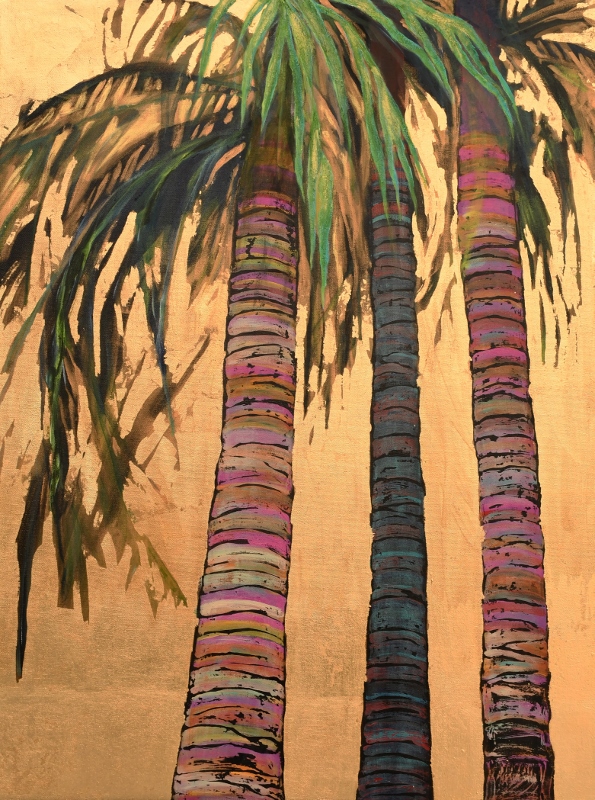
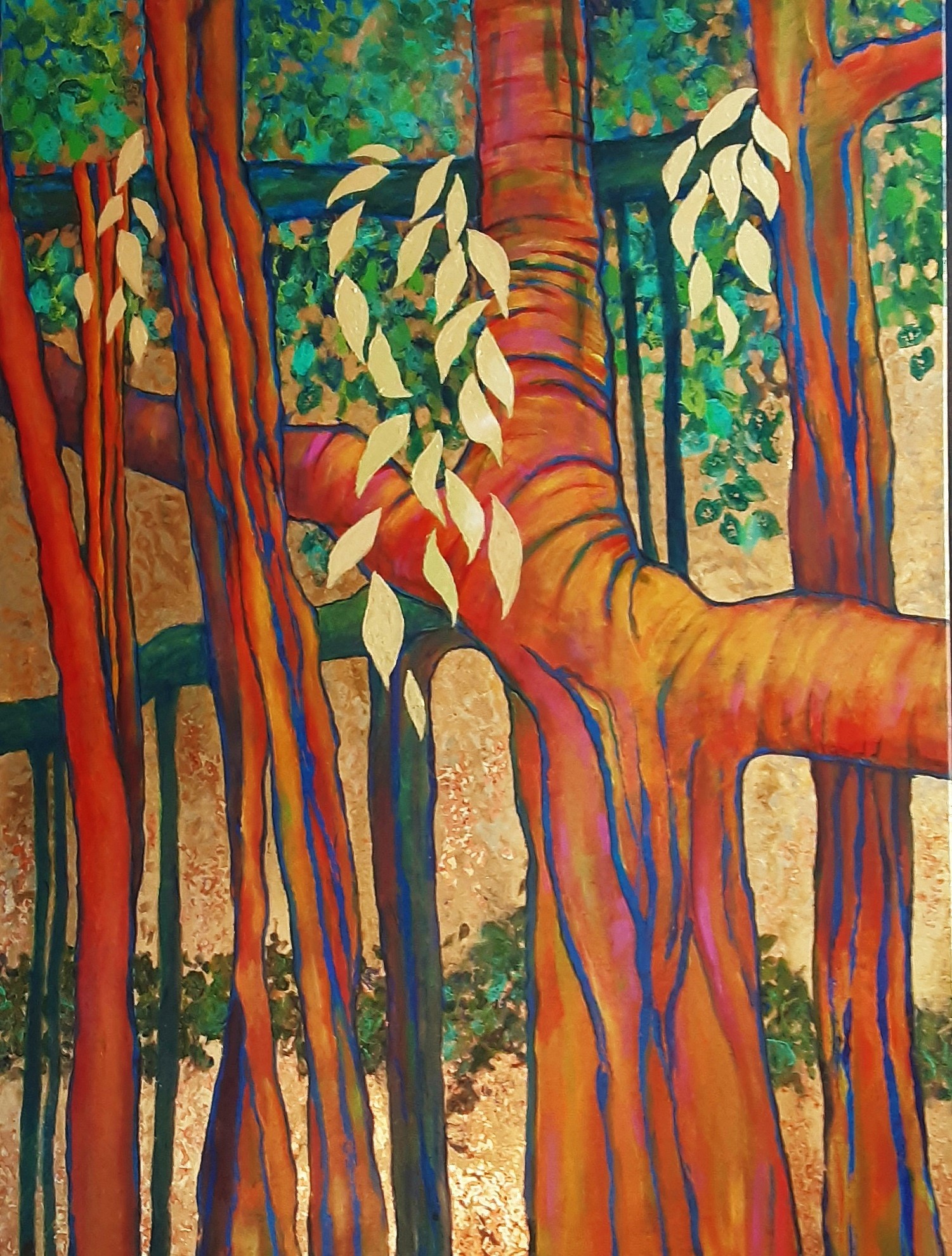
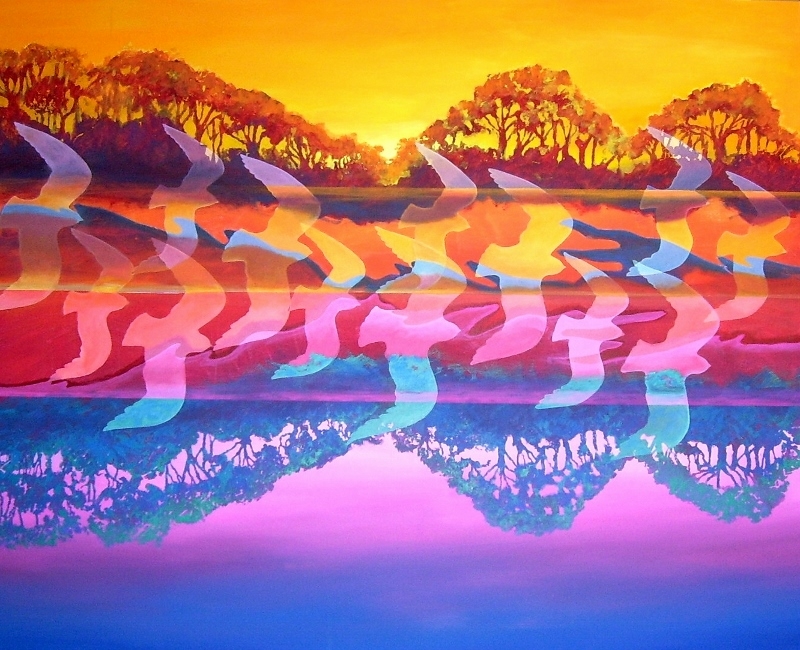
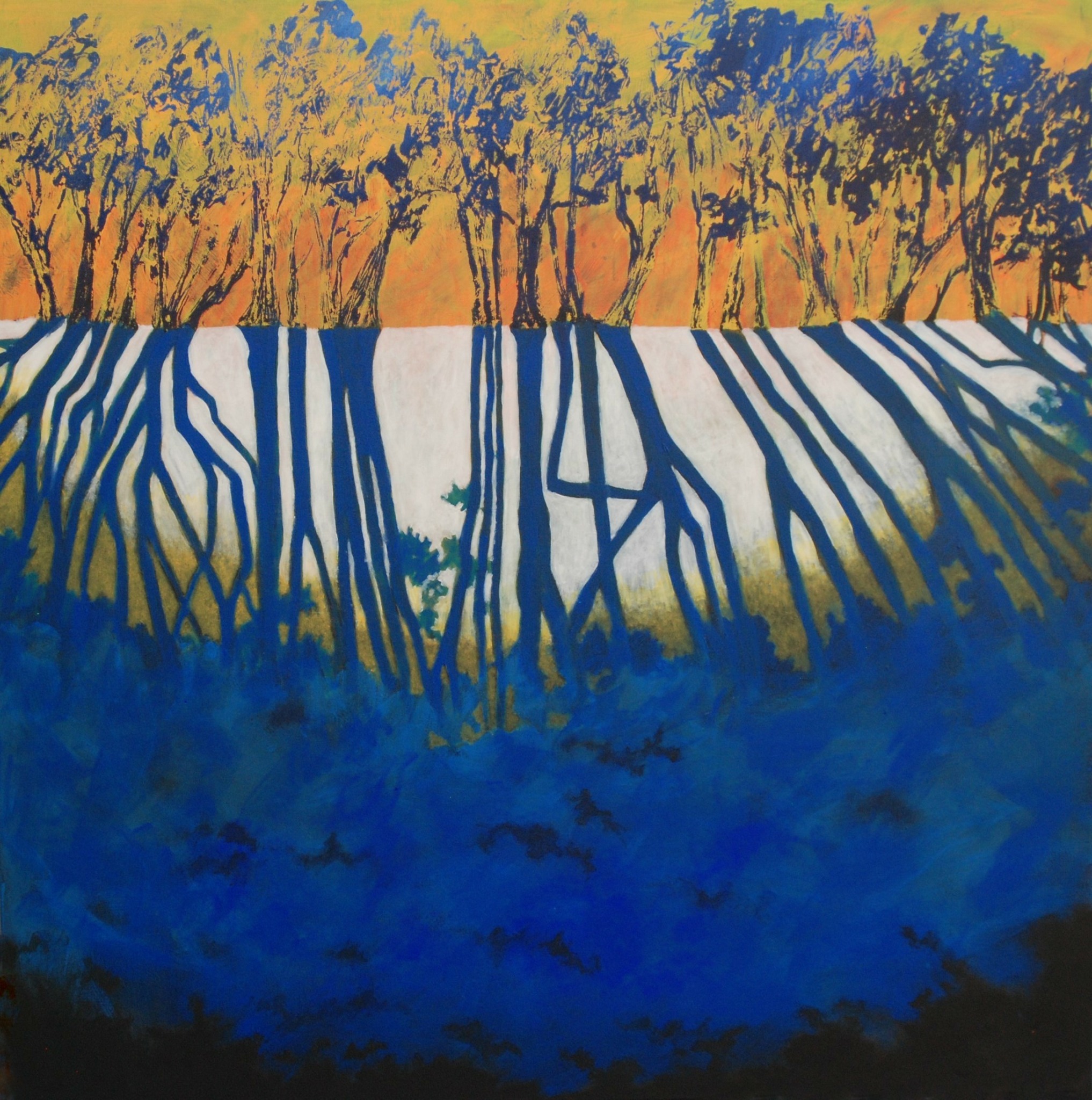
Image Credits
Elisabeth Trostli and Judy Kramer