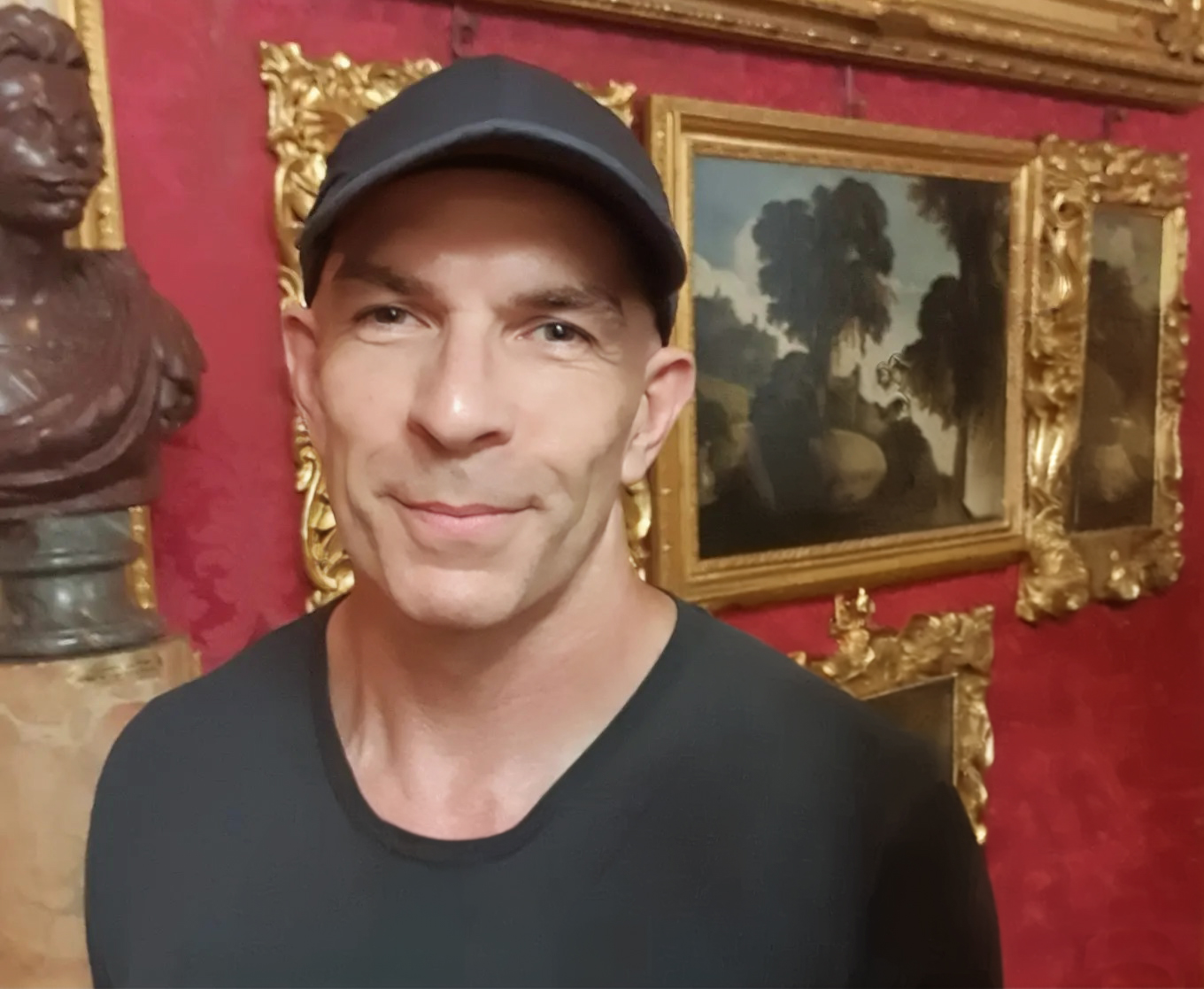

Alright – so today we’ve got the honor of introducing you to Marcus Callum. We think you’ll enjoy our conversation, we’ve shared it below.
Marcus, looking forward to hearing all of your stories today. Learning the craft is often a unique journey from every creative – we’d love to hear about your journey and if knowing what you know now, you would have done anything differently to speed up the learning process.
I’ve had a pencil in my hand for as long as I can remember. As a kid, my eyes were always open to the world around me. I still remember that rainy afternoon in the school hall when, with nothing better to do, I decided to draw my own left hand. When I finished, the other 11-year-olds gathered around, whispering in amazement. “That’s not just any hand,” one said, “that’s definitely yours.” Something clicked in me that day — a realisation that I could capture not just the shape of things, but their essence, whether it was the perfect curve of an apple, the sleek lines of a car, or the fierce power of a tiger.
Leonardo da Vinci became my first real teacher. I’d spend hours hunched over his sketches, trying to unravel the magic in his lines. My fingers would cramp as I copied his work again and again, absorbing his eye for detail like a sponge. Later, when I walked through the doors of Julian Ashton Art School in Sydney, I felt like I was finally where I belonged. The cast drawings, the limited palette — it all built on what Leonardo had already whispered to me through his works. But what really stuck with me was learning how the old masters would obsess over a single object — a bone, for instance — studying it from every possible angle until they could draw it with their eyes closed. That dedication showed me what mastery truly demands.
Looking back now, I realise the most valuable skill I’ve developed isn’t in my hand at all — it’s in my eyes. That deep, almost intimate observation of your subject is everything. Sometimes I wonder if I could have gotten here faster if I’d embraced that intense study earlier. But then again, every part of the journey matters — from those first excited scribbles to the disciplined studies at art school.
My biggest battles weren’t with techniques or materials, but with myself — fighting the voice that whispered “not good enough” when I stepped back from my easel, or the fear that froze my hand when trying something new. These struggles taught me that art isn’t just about skill — it’s about courage and staying true to your vision even when it’s difficult. In the end, what matters most isn’t perfection, but creating work that brings a moment of calm beauty to a chaotic world, work that feels like a piece of my soul on canvas.
Great, appreciate you sharing that with us. Before we ask you to share more of your insights, can you take a moment to introduce yourself and how you got to where you are today to our readers.
My artistic journey has been one of passionate discovery and dedicated practice. I’ve spent years developing my distinctive approach to capturing not just the appearance, but the essence of my subjects.
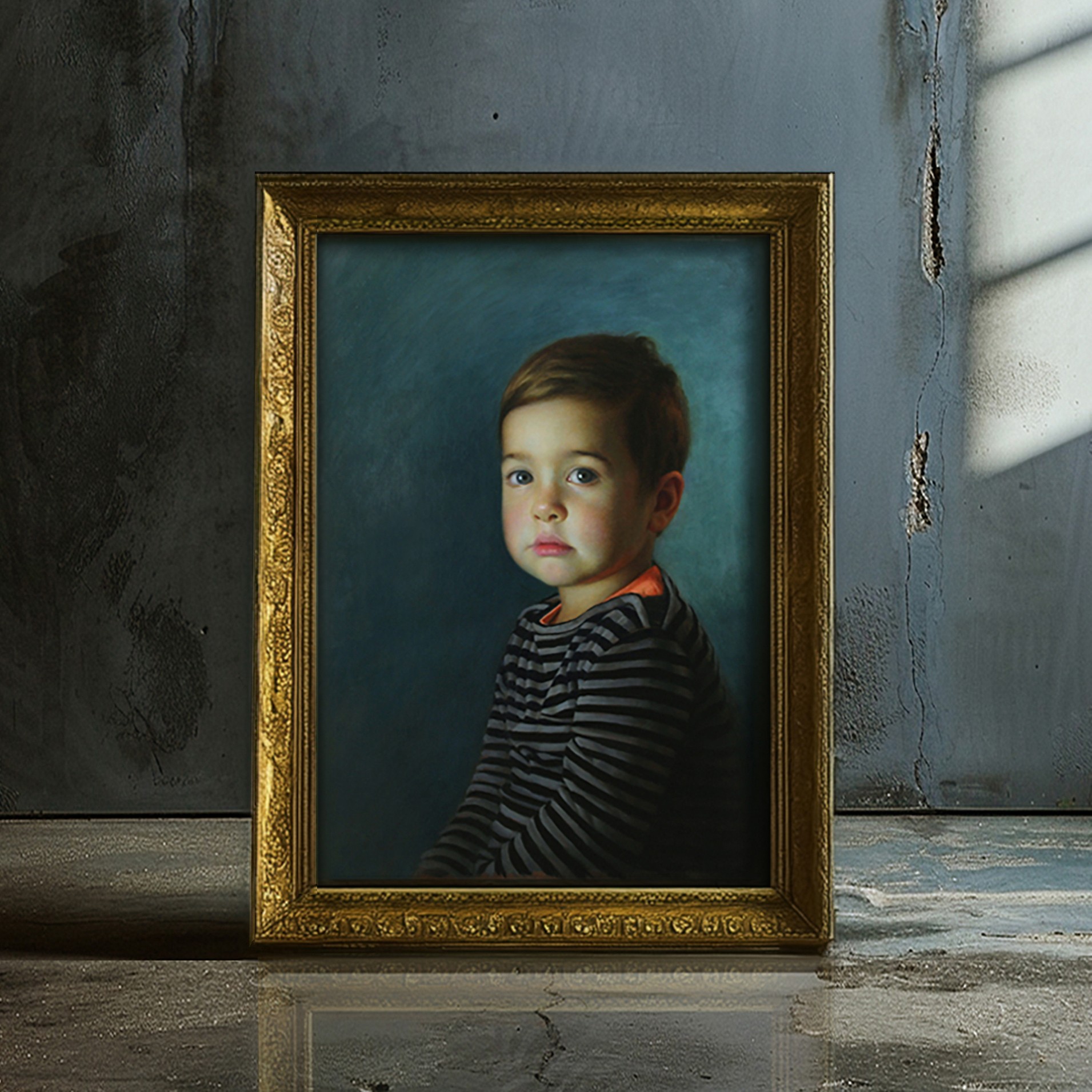
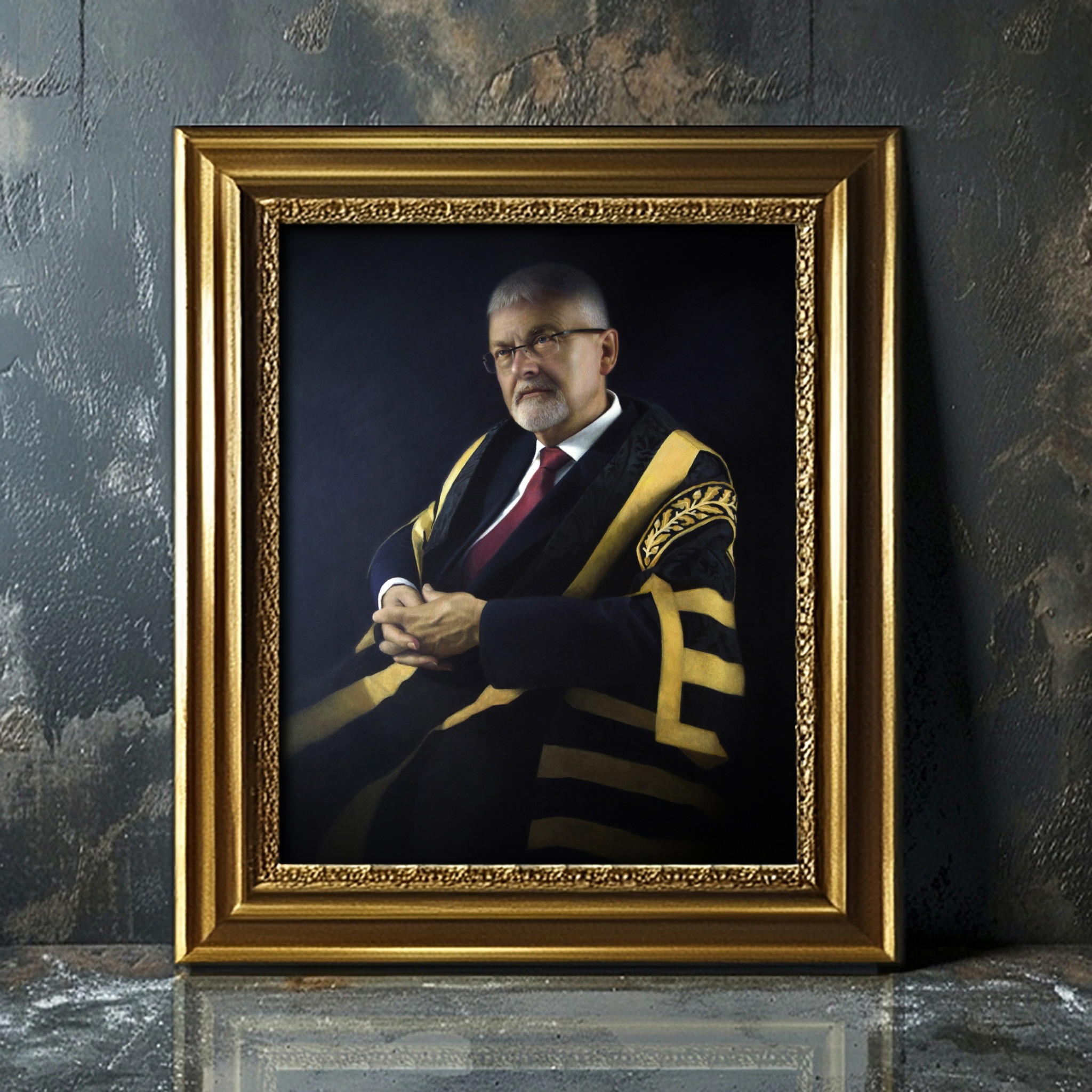
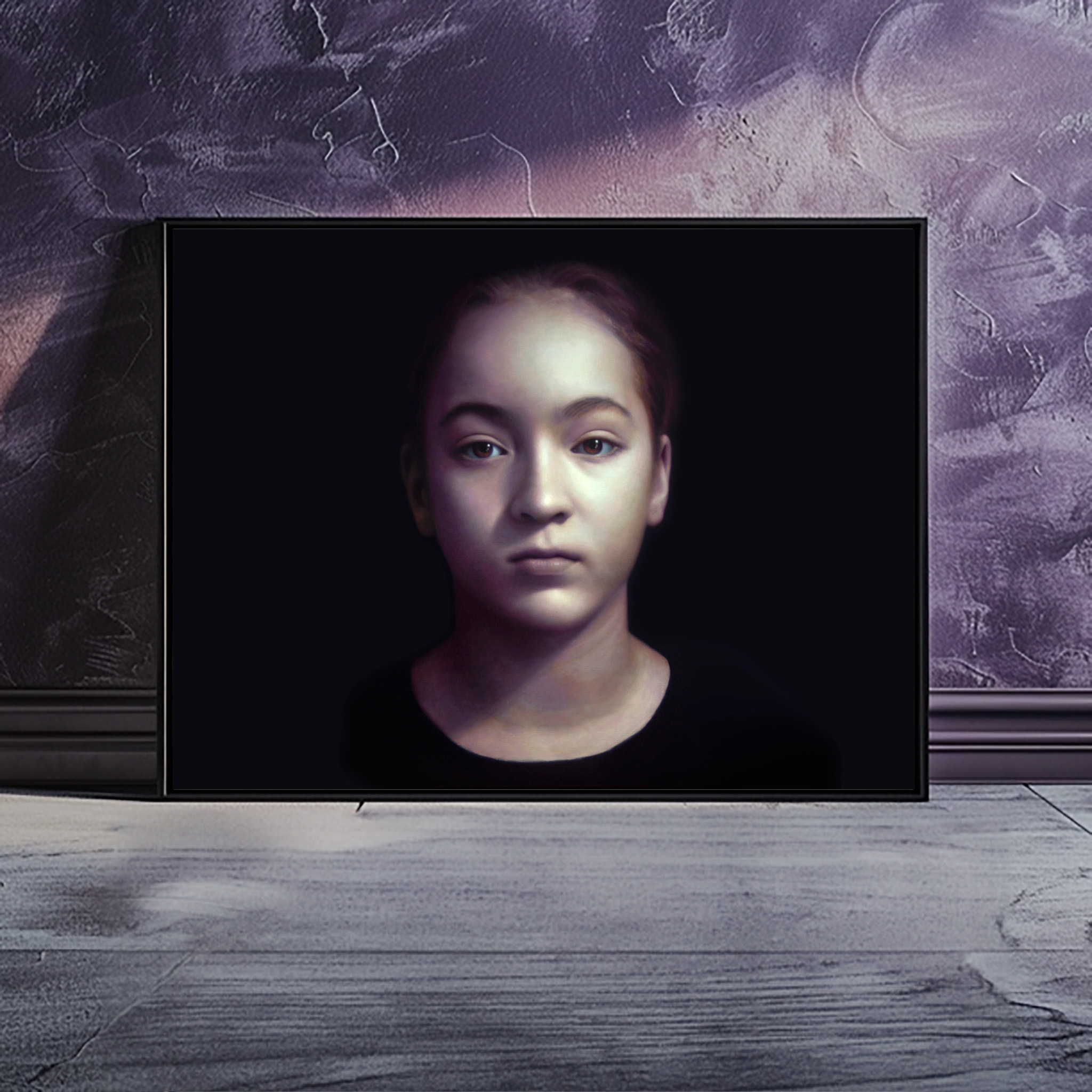
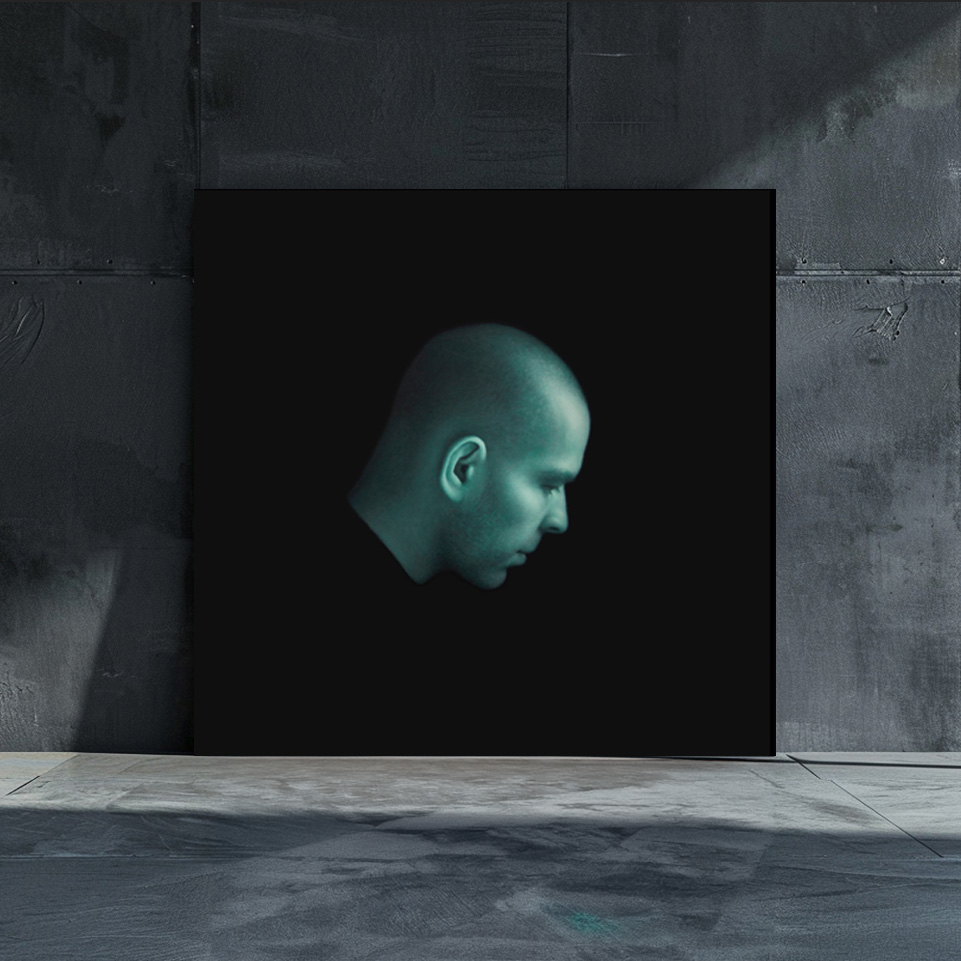
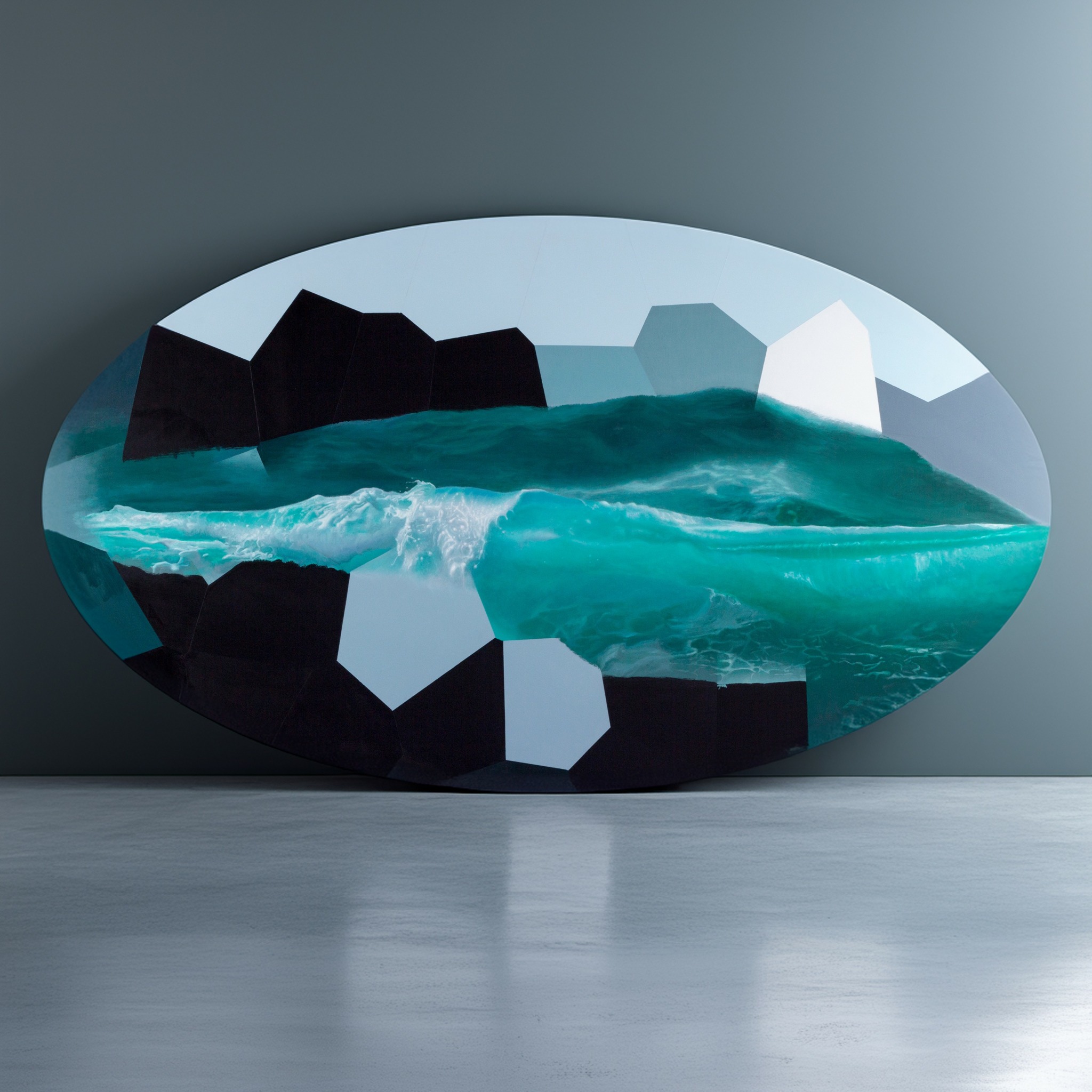
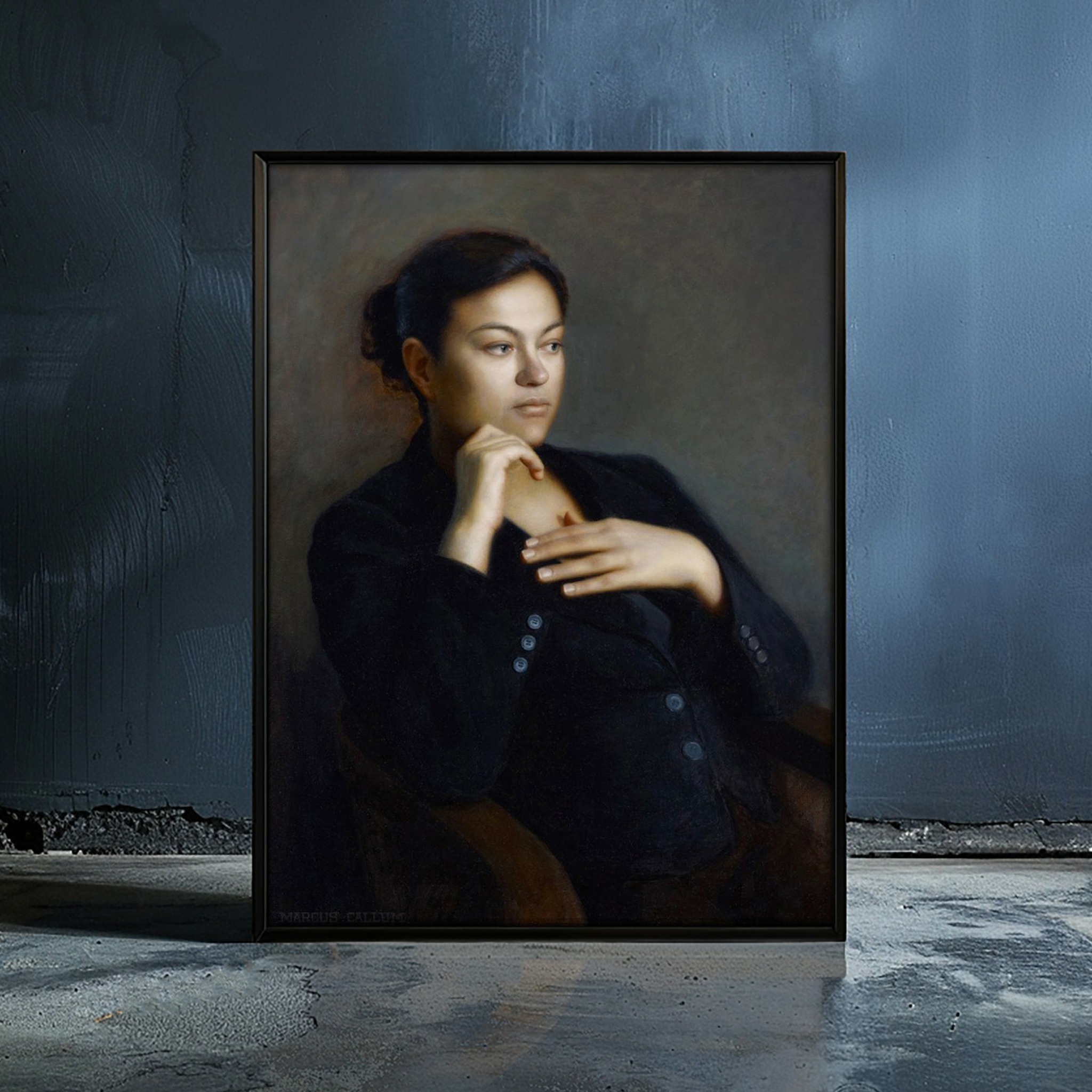
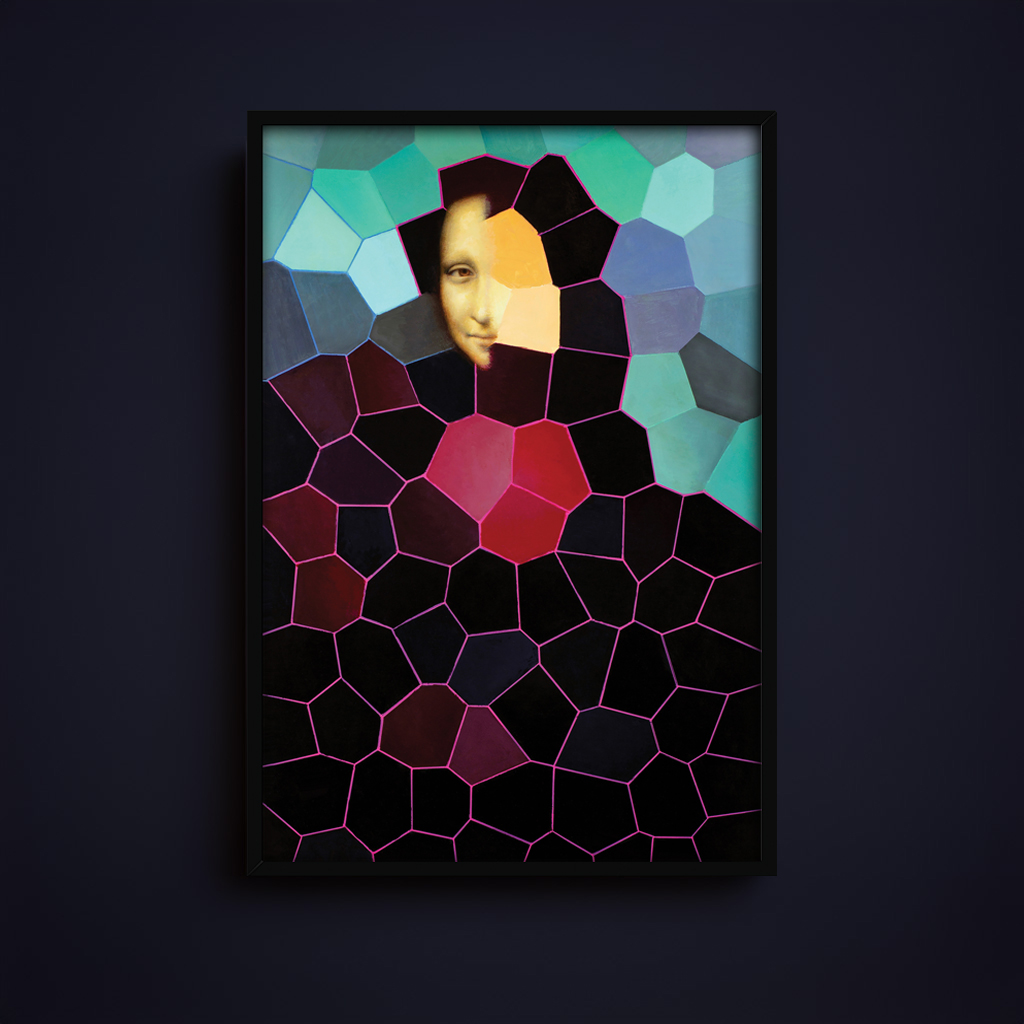
Today, I specialise in creating luminous portraits that transcend ordinary representation. These aren’t flat, photographic reproductions — they’re vibrant, living pieces where each small section functions as its own miniature abstract painting. The multiple layers of paint interact with light in remarkable ways, creating subtle vibrations of colour that change depending on viewing angle and lighting conditions. Beyond portraiture, I also create abstract works inspired by natural landscapes that evoke emotional responses.
What sets my work apart is this unique approach to colour, light, and depth. My portraits invite viewers into a relationship with the subject that evolves over time, revealing new aspects with each viewing. For clients seeking something beyond conventional portraiture, I offer art that captures not just appearance but essence — the deeper truth of the person behind the face.
One of my proudest achievements was becoming an Archibald Prize finalist three times in a row early in my career while still in art school. This recognition was particularly meaningful because my entries featured my family — my wife, myself, and our son — rather than the celebrities or public figures that often dominate Australia’s most prestigious portrait competition. This early validation confirmed my belief in the power of authentic human connection in art.
My work is designed to evoke emotion and create personal connection. Whether it’s a commissioned portrait or an abstract landscape, my goal is to create pieces that bring light, life, and wonder into everyday environments — art that doesn’t merely decorate a space but transforms it, offering new discoveries and emotional resonances as light shifts on the painting throughout the day.
What can society do to ensure an environment that’s helpful to artists and creatives?
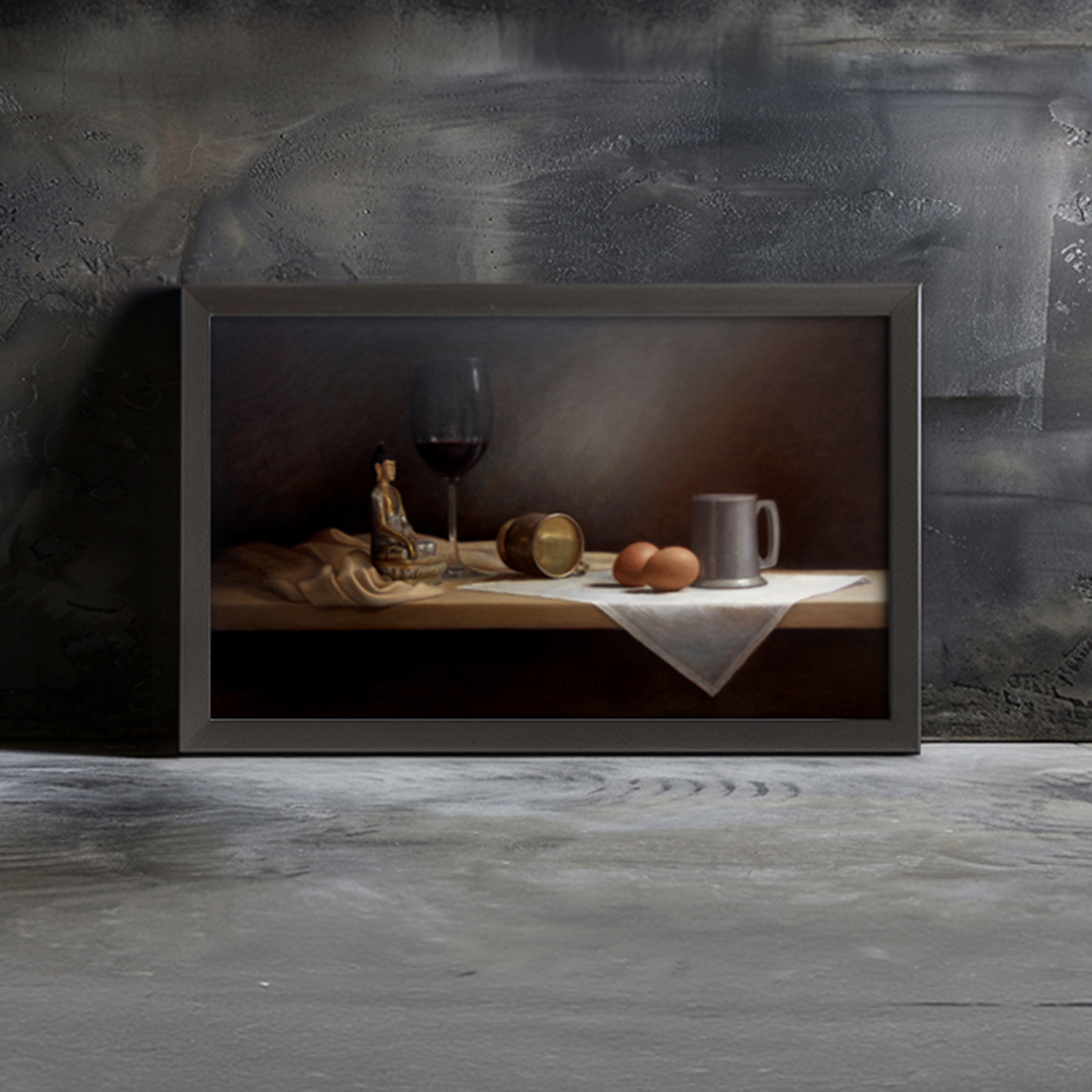
Society can best support artists and a thriving creative ecosystem by embracing the inherent value and beauty of art in all its forms. We need to move beyond a purely utilitarian approach and recognise that art is the “other” – a subject that offers freedom, imagination, and a unique way of understanding the world, one that traditional subjects may not provide.
On a practical level, increasing the availability of prizes, scholarships, and dedicated funding can make a world of difference. These initiatives not only provide financial support but also validate the artist’s journey, allowing them to focus on their creative work without the constant pressure of balancing a job to pay the bills.
For many, the challenge of marketing art while staying true to the passion for painting is real and can be alleviated with more systemic support.
Education plays a crucial role too. By integrating meaningful arts education from an early age, we nurture not just future artists but also informed audiences who understand and value creative work. This creates a cycle of appreciation where communities actively seek out and support local artists.
Another vital element is accessible spaces. Artists need affordable studios, galleries, and performance venues where they can create and share their work. When cities and towns prioritise cultural infrastructure alongside other development, it signals that creativity matters to community wellbeing.
We should also reimagine how we value creative labour. This means fair compensation for artists’ time, expertise, and intellectual property, while developing new models that acknowledge how the digital landscape has transformed the way creative work is shared and consumed.
Ultimately, a truly supportive society recognises that art isn’t a luxury or an afterthought — it’s essential to our collective humanity. By teaching people to appreciate art, investing in its creators, and building systems that allow creative practices to flourish, we cultivate a more vibrant, innovative, and inspiring cultural landscape for everyone.
We’d love to hear a story of resilience from your journey.
There was a time when everything seemed to be falling apart. During the peak of the Covid pandemic, I found myself grappling with financial struggles, mounting debts, and personal challenges that threatened to overwhelm me. It was a period marked by relationship strains and family issues, where every day felt like a battle just to keep my head above water. Yet, each time I contemplated giving up, I realised that painting was more than just a career — it was who I am.
In those dark moments, I returned to my easel. With each brushstroke, I found a way to channel my pain and resilience, transforming adversity into art. The very difficulties that made life so tough were the same ones that infused my work with depth and authenticity.
This journey taught me that resilience isn’t just about weathering the storm; it’s about using that storm as a source of inspiration. Every challenge has added a layer of meaning to my art, making it not only a testament to the beauty of creation but also a celebration of the strength found in persistence.
Contact Info:
- Website: https://www.marcuscallum.com
- Instagram: https://www.instagram.com/marcuscallum/
- Facebook: https://www.facebook.com/marcuscallumart/