
We’re excited to introduce you to the always interesting and insightful Eric Santiestevan. We hope you’ll enjoy our conversation with Eric below.
Alright, Eric thanks for taking the time to share your stories and insights with us today. If you could go back in time do you wish you had started your creative career sooner or later?
I mean, yes, I do wish I could have gotten my creative *career* started earlier, but everything I did before that–learning to play musical instruments, learning notation software, singing in an a cappella group–certainly helped. And at the tender age of 29, I went back to school to get a film scoring certificate. Getting laid off at 40, though, was the kick in the behind I needed to find a full time job in audio and music. Ultimately, though it was a winding path that led me to audio, music, freelancing and being braver with jobs–and it has been financially challenging at times–it was my life, and I think it shaped me. To go back in time and change that–no, I don’t think I would do that, no matter what I wish at times.
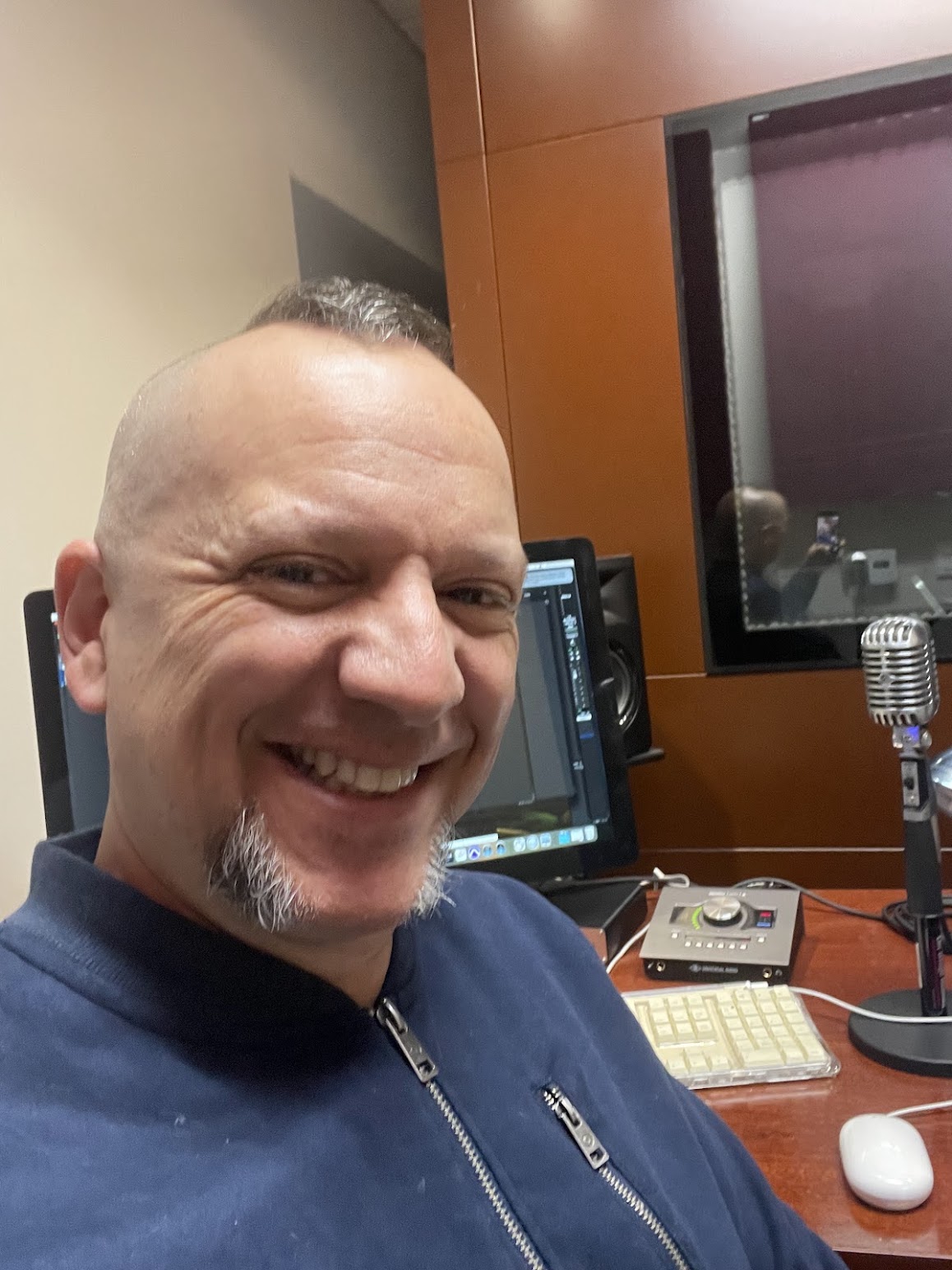
Eric, love having you share your insights with us. Before we ask you more questions, maybe you can take a moment to introduce yourself to our readers who might have missed our earlier conversations?
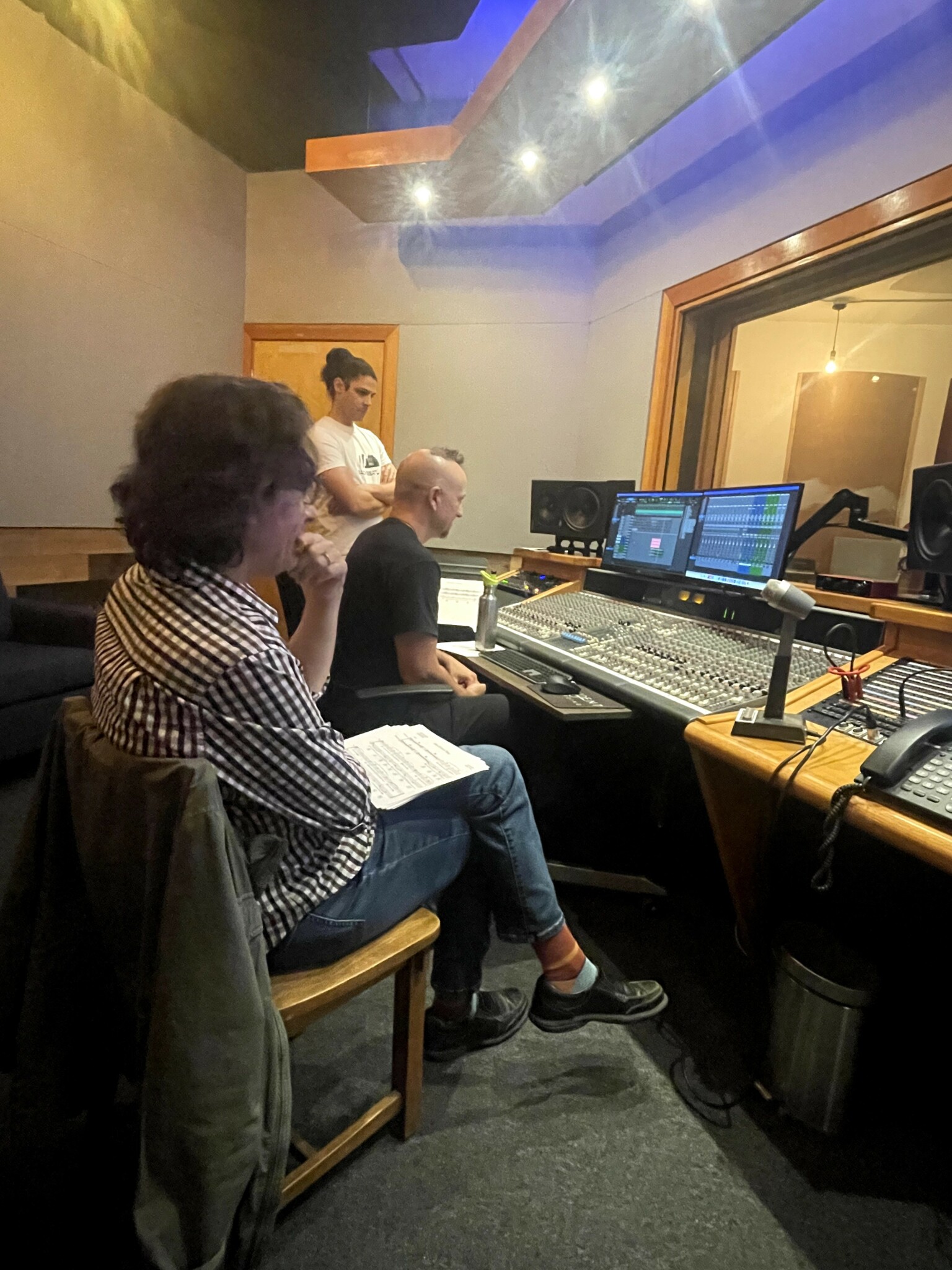
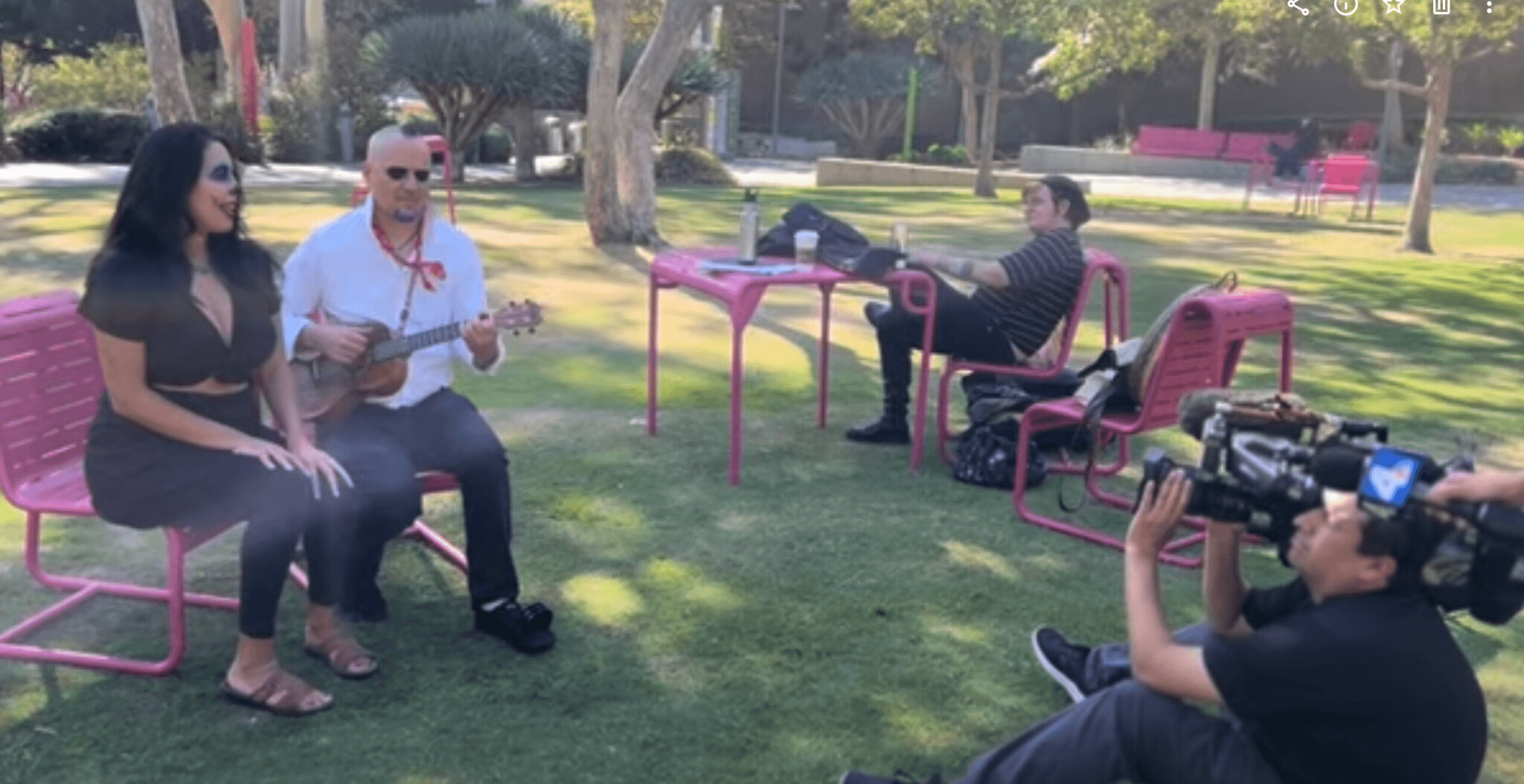
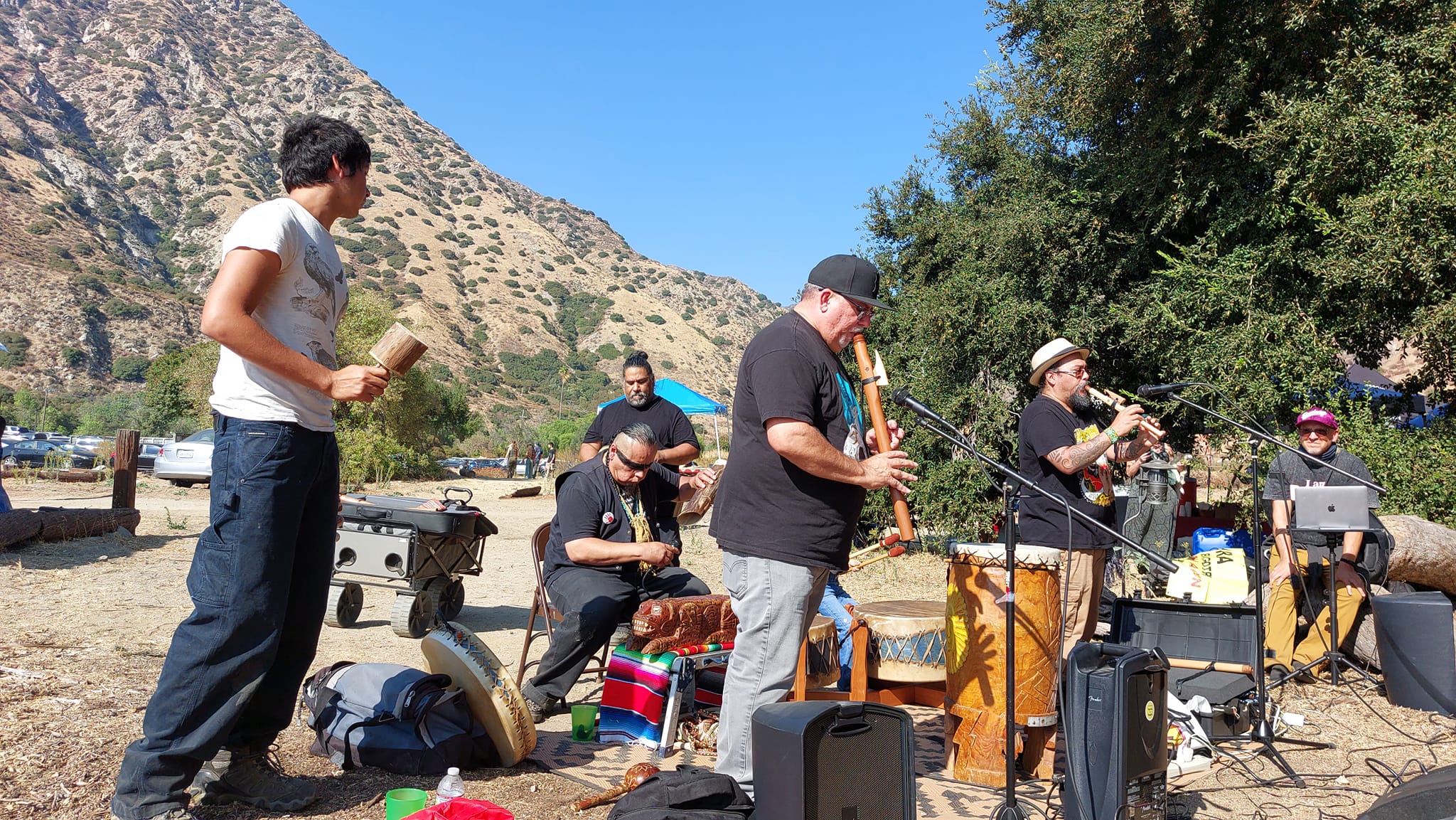
I wear several hats. I am an audio and music engineer and producer. I have recorded bands, music artists, audio books, podcasts, and I’m happy to have a sound ambience at The Broad Museum right now, which I recorded with Tongva artist Lázaro Arvizu Jr. I met him through my community organizing with the group I founded, ABRA (Against Bigotry, Responding with Action) and the nonprofit Sunland-Tujunga Forward, which puts on events and does community organizing here in Tujunga.
I’m trying to combine these efforts as much as possible. Making a recording with a Tongva artist has led me to look at grants for more Indigenous music. I have been reconnecting to my own Indigenous heritage, that of the Rarámuri of Chihuahua. That has been entirely a hobby so far, but as I have been doing so much administrative work and writing (successfully funded!) grants through ST Forward, I feel like the future is open to doing works on the land, involving music, community, native plants, ecology…achieving that sort of synthesis is where I’d like to focus in the future.
I’ve been lucky to record a lot of books with Penguin Random House, and being in the audio book world is illuminating. If you want to feel better about the future of the human race, check out new books. They are exploding with queer, Black, Brown, marginalized voices writing cheerful and introspective stories, and most markedly so in the YA market. Armed with what I know, I’ve also been advising authors who want to record their own books–you don’t have to do it through a big publishing house.
That’s a summary. I hesitate to write more about various dreams, as I don’t know which will come to fruition. Create my own 501c3 with friends? Maybe. Certainly, I will continue to write grants and music and record audio…where that leads is still wide open. :)
How can we best help foster a strong, supportive environment for artists and creatives?
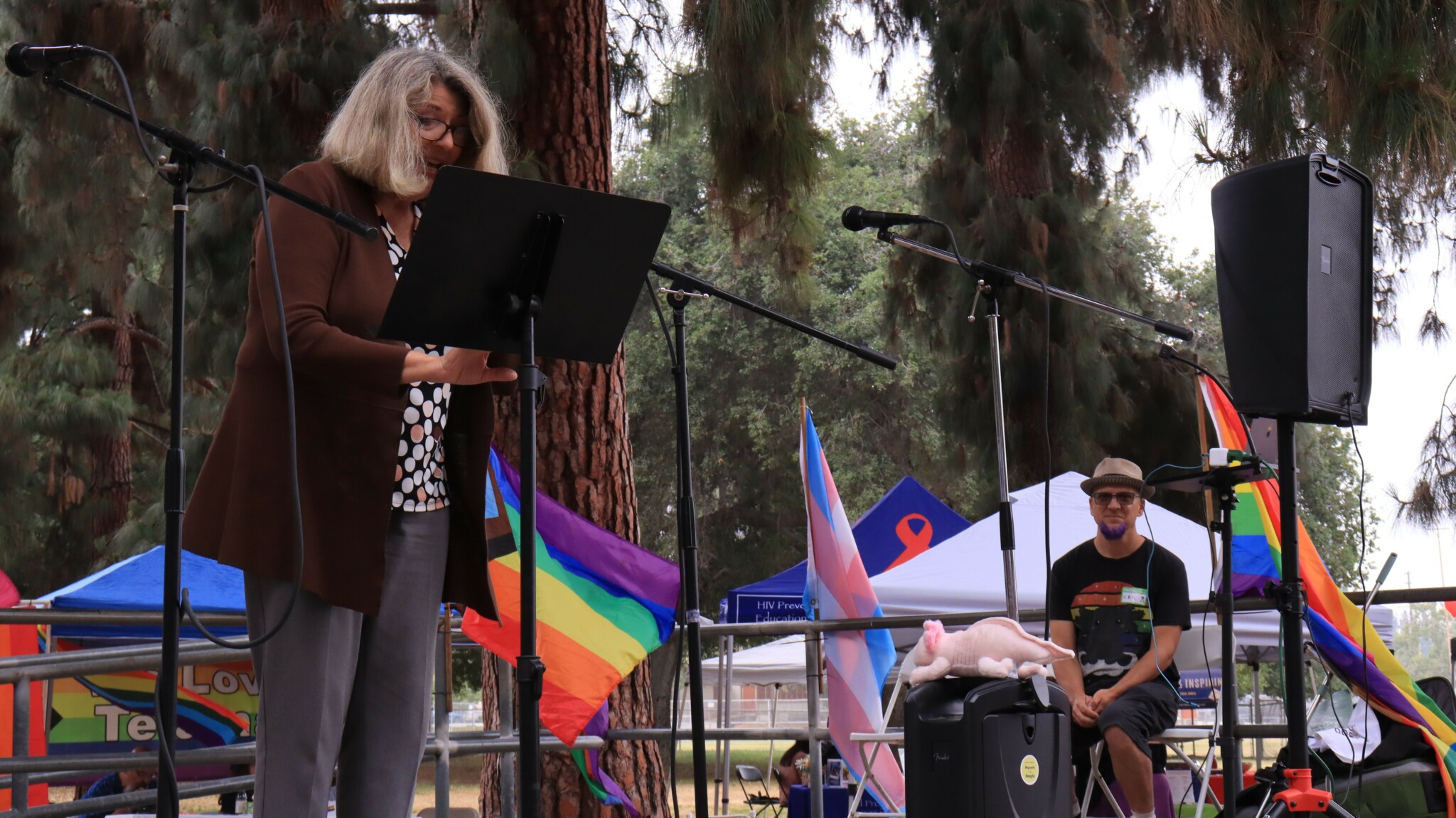
There was a time when there was a LOT more federal and state money going towards creatives, and I think it’s a problem that this money has dried up. I mean, in the 30’s to the 50’s or so, we had federal money for playwriting! And the fact that Prop 13 has done very little to help California’s infrastructure–and that includes our social infrastructure–is a real problem. People voted that referendum into law thinking it would help them with house taxes, but businesses expl*it it to keep their property taxes low. Meanwhile, we don’t nearly have the services in California that we used to. We are known as a hub of movies and music, but both are leaking out to other states (and countries)–and rightfully so, when other places offer rewards for using their musicians and movie productions.
Now–IF we had that money, I’d love to see things besides arts grants for artists and creators…I’d love to see more third spaces. Or imagine a world where we had more buskers, buskers of all types. I was in Basque Spain and there were classical musicians busking! A bassoon duo, and a French horn quintet! I think arts are often first on the chopping block because society mistakes them for not being important, but I think they are vital to an enriched and thriving society.
How about pivoting – can you share the story of a time you’ve had to pivot?
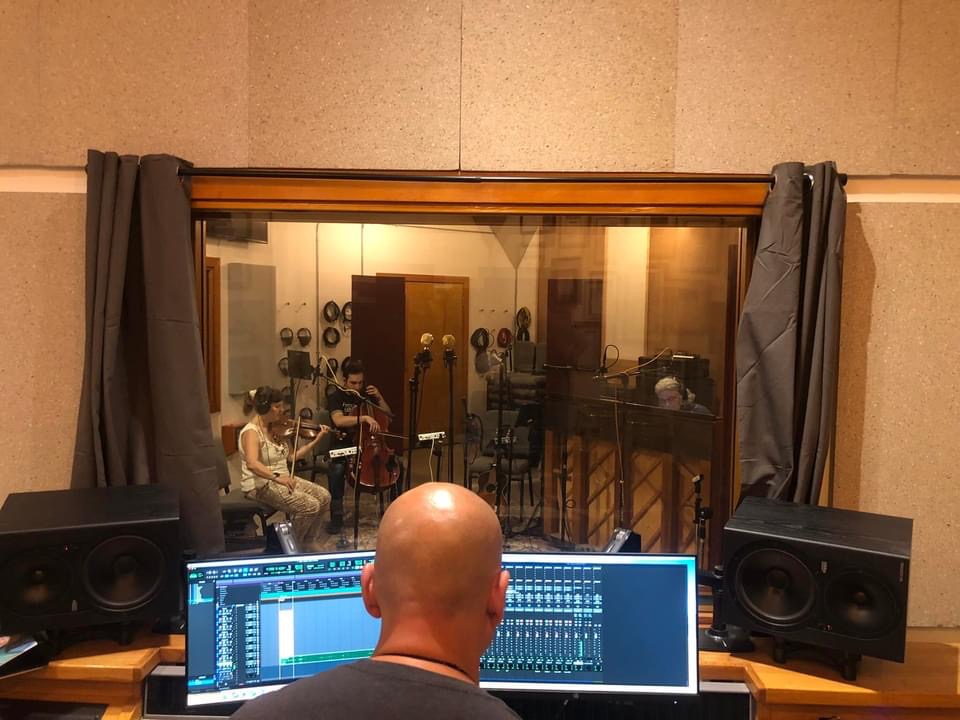
When I stopped working full time at Paul Buckley Music, I really had to figure out what to do next. There just weren’t other music opportunities, as COVID, the SAG-AFTRA strike, and a general sense of unease among creatives as streaming became primary in entertainment, upending movies and television, juuuuust happened to coincide with me going freelance. So I looked around and found an opportunity in audio books, thanks to a college friend. To be honest, I was initially quite a purist and really wanted to stay in music–how dare I sully my hands with podcasts and audiobooks! That haughty attitude evaporated quickly in the glaring light of needing to pay bills.
I think being forced out of one’s niche and relearning systems–Logic Pro for some music recording, and readjusting a Pro Tools music mindset to an audiobook mindset, and jumping into sound design when asked to do so, despite not really having prior experience–is incredibly good for anyone, creative or not. And I really take issue with people who ask for tons of prior experience. Why do you have to have 15 years of prior experience? Ok, with some jobs perhaps you do. But with a lot of other gigs, you can learn quite quickly on the job, and many skills translate to a sideward shift very readily.
Contact Info:
- Website: https://linktr.ee/esantiestevan
- Linkedin: https://www.linkedin.com/in/ericsantiestevan/?utm_source=share&utm_campaign=share_via&utm_content=profile&utm_medium=ios_app