
We caught up with the brilliant and insightful Darcie Lampman a few weeks ago and have shared our conversation below.
Darcie, thanks for taking the time to share your stories with us today Looking back at internships and apprenticeships can be interesting, because there is so much variety in people’s experiences – and often those experiences inform our own leadership style. Do you have an interesting story from that stage of your career that you can share with us?
My internship took place on an inpatient mental health unit at a hospital, a locked unit staffed with nurses, psychiatrists, social workers, mental health counselors, and safety technicians. Most patients were in an acute mental health crisis, and many were involuntarily committed for their safety. A number were detoxing from substance abuse in preparation for inpatient treatment programs, while others were experiencing psychosis and struggling to differentiate hallucinations or delusions from reality. While there were exceptions, the typical length of stay for most patients was two to five days.
Throughout my education, I prioritized learning how to help people by forming therapeutic relationships with them, understanding them, and helping them understand themselves. However, I found it challenging to provide any meaningful help when I had so little time to get to know my patients. Despite this, I learned more from those resilient and inspiring individuals than any textbook or professor could teach. I discovered how to be a part of their journey, accepting my brief chapter in their story and embracing the act of planting seeds without the ability to witness their growth. I realized that making sure people knew I cared about them, to the best of my ability, would have to be enough. The impact we have on others and the way we make them feel lingers far beyond our brief interactions.

As always, we appreciate you sharing your insights and we’ve got a few more questions for you, but before we get to all of that can you take a minute to introduce yourself and give our readers some of your back background and context?
I am a licensed mental health counselor in private practice. I offer mental health therapy for children, teens, adults, and couples. My undergraduate areas of study were psychology and ethics, and I graduated from the University of Northern Iowa with a master’s degree in mental health counseling in 2013. I interned and then worked on an inpatient mental health unit at a local hospital for three years before going into clinical therapy. I started my private practice in 2016.
I believe that each person is the expert in their own life, and they have the tools and insights to create positive change within themself. In my mind, the quality of the therapeutic relationship is the most significant factor in the success of treatment. My role in the counseling process is to ask the right questions, rather than have the right answers. I consider myself a mirror, reflecting what my client needs to see within themselves. The amount of progress and growth a client will experience is entirely the result of the honesty, openness, and investment of that client in the counseling process. I love animals and the natural world. I believe very strongly in the therapeutic value that pets and other animals have in our lives. When appropriate for my clients, I love to encourage adopting a companion animal. I feel that the love, acceptance, meaningfulness, and joy brought into our lives by our pets is immeasurable.
I truly feel that I have my dream job. It’s hard to put into words how honored I feel to be included in my client’s lives, often during vulnerable and trying times. I never take for granted the gift it is. I truly care about my clients, and they inspire me and teach me about the strength and grace of humanity every day.
Have any books or other resources had a big impact on you?
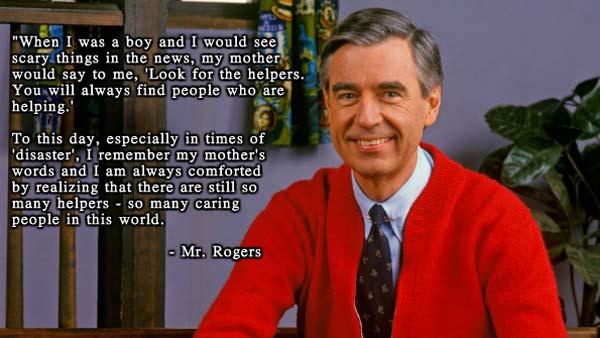
My waiting room is decorated with quotations from my hero, Mister Rogers. He taught me how to listen to understand; to aspire to sincerely learn about someone’s experience. One of my favorite quotes from Mister Rogers is, “Anything that’s human is mentionable, and anything that is mentionable can be more manageable. When we can talk about our feelings, they become less overwhelming, less upsetting, and less scary. The people we trust with that important talk can help us know that we are not alone.” I want to be a person that shows people they aren’t alone. When we keep our thoughts and feelings to ourselves, we miss the opportunity to connect with each other.

Any advice for growing your clientele? What’s been most effective for you?
Referrals are one of the most powerful tools for building a practice. When psychiatric providers or primary care physicians notice that their patients need more than medication to address their condition, circumstances, or stressors, they often suggest therapy. Developing strong working relationships with these providers is essential for identifying a good match between a client and their therapist. Finding the right fit between a therapist and client is crucial to the success of the therapeutic experience. When there’s a strong connection and understanding between both, it creates a foundation for trust and open communication, which are key to meaningful progress. Without this fit, it can be much harder for the client to feel comfortable and engaged, which can limit the potential benefits of therapy.
For many clients, walking into a therapist’s office for the first time can be intimidating, and it can be even harder for those who’ve tried therapy before and didn’t have a positive experience. A referral provides reassurance and lets the client know that I’m a real person and that the provider they trust also trusts me.
At this point in my career, the majority of my referrals are from current or previous clients. This is deeply encouraging to me, as it signifies that they are willing to talk openly about therapy with a friend or loved one and help normalize the positive outcomes that can come from participating in therapy. It means the world to me that a counseling relationship has had such an impact on a client that they feel compelled to share it with someone they care about.