

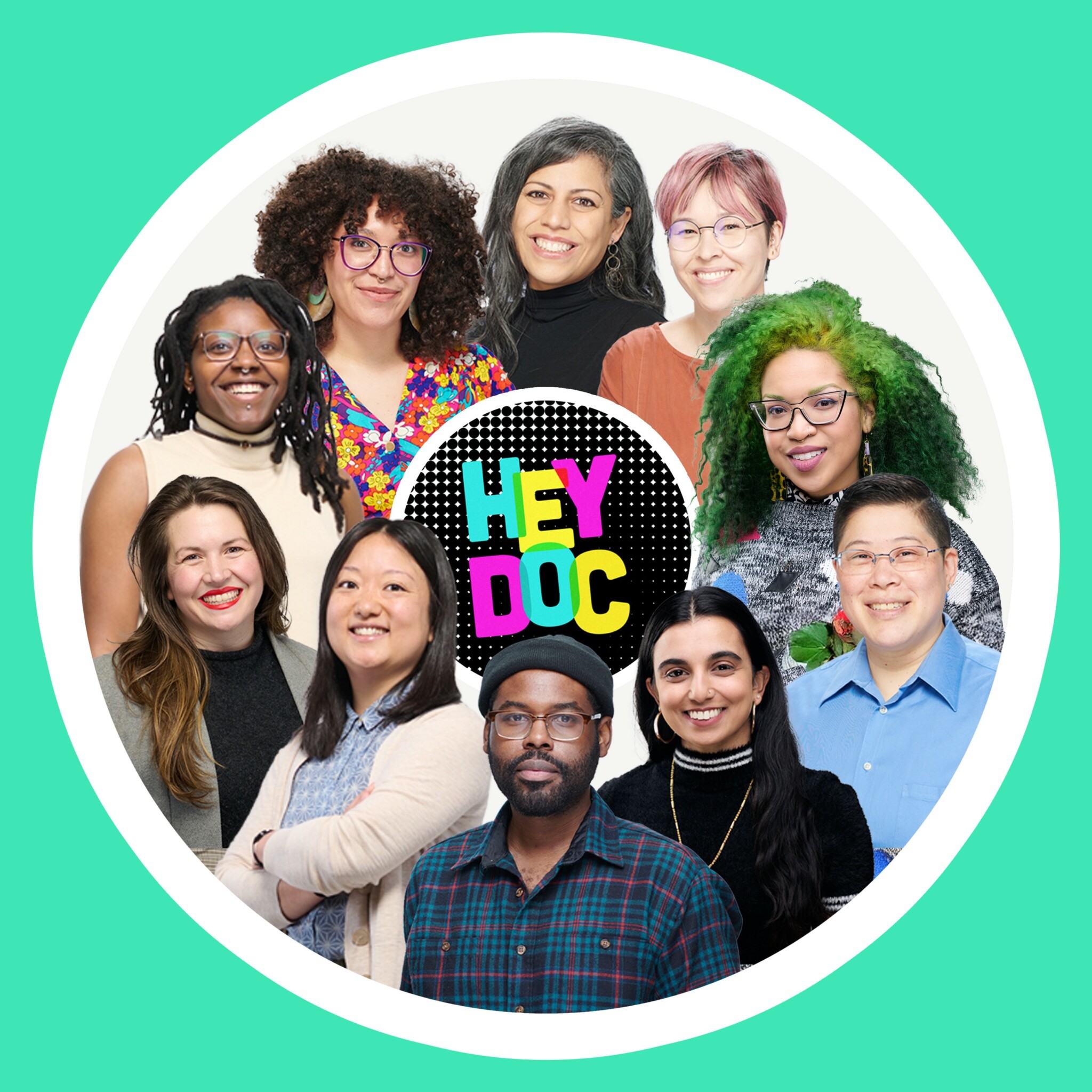

We were lucky to catch up with Montserrat Andreys recently and have shared our conversation below.
Hi Montserrat, thanks for joining us today. We’d love to hear the backstory of how you established your own practice.
Hey Doc Clinic started even before I realized it. The clinic started when patients in my care asked if I knew of other BIPOC and Queer healthcare providers in the area they could go to for other services. For many of my patients I was the first provider that shared some of their identities and they were hoping I would know more. Those inquiries inspired me to start a list of BIPOC health care providers in Portland OR. The list quickly grew in popularity with patients sharing it with friends, other providers sharing the resource and providers asking to be included. Patients would frequently muse about how cool it would be if we were all in the same place. So when it came time for me to open a clinic, I took the desires of the community to heart and decided to open a clinic with intersectional providers of varied disciplines.
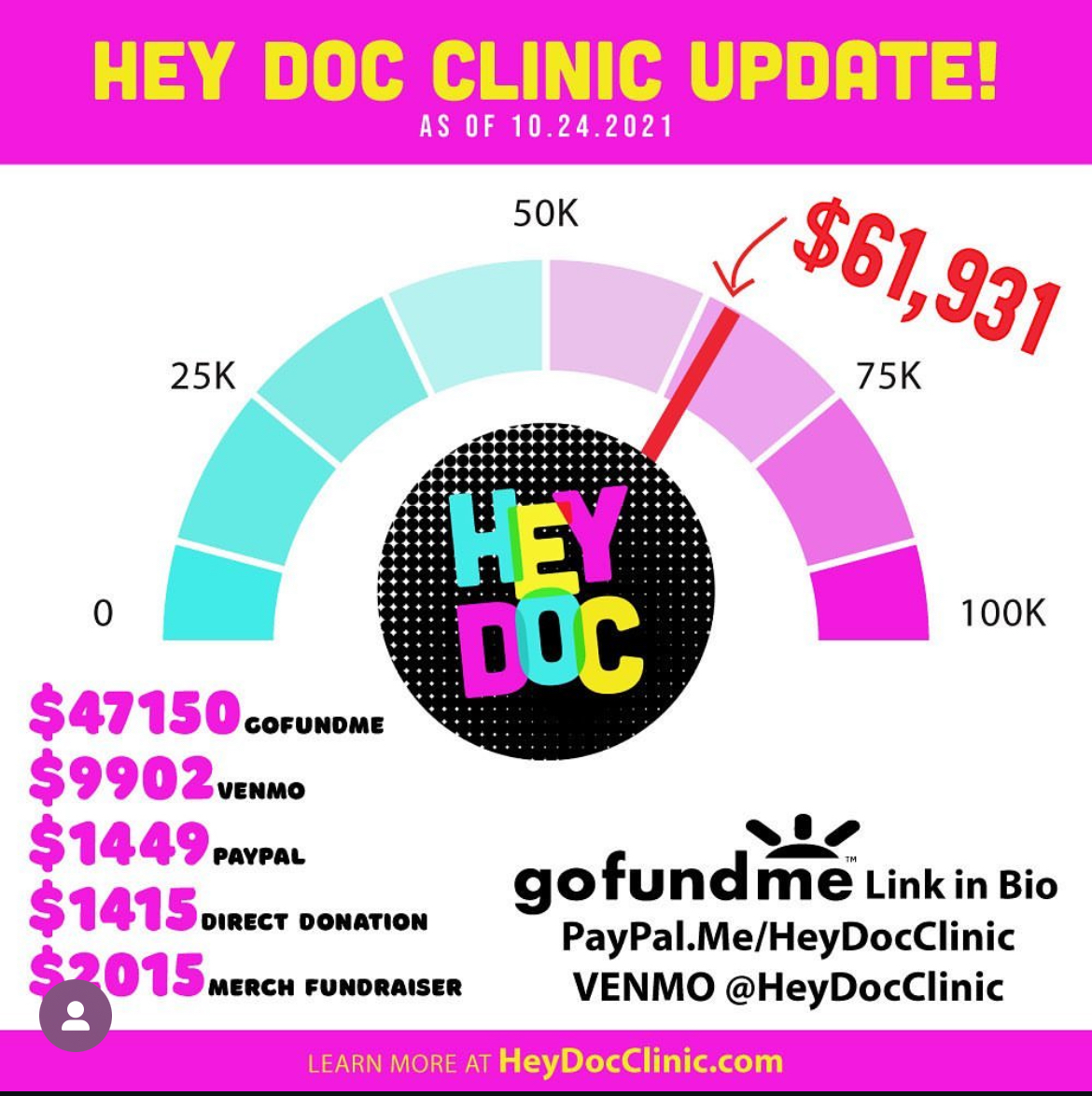
There were major challenges, but lack of wealth was a big one. I decided to let the community decide the fate of the dream, I started a gofundme on my birthday in 2021. I decided that if the community would fund it, I would open it. And to my absolute shock, we were able to raise the money needed to get the clinic started. The fundraising was supported by friends, family, even international folx that believed in the idea donated. There were donut fundraisers, comedy fundraisers, product and merchandise fundraisers and in general, people spreading the word in so many heartwarming ways. It was truly a community push to launch the clinic.
It is so hard to say what I would do differently. There were so many ideas that I was not able to implement, and later I realized that I was right, it would have made the process easier had I been able to follow my initial instinct. And there were times when I could not have predicted a great outcome. But one thing that would have made it easier to navigate the incredible stress would have been to not compromise on my movement practice. I was able to maintain weight training and dance once a week, but I frequently sacrificed running for meetings, deadlines and administrative work. In retrospect the grounding and clarity that I would have gotten from exercise would have benefited me more.
Something I have found to be true is that it is almost never the right time to get started and it is almost never perfect before you open your doors. And it doesn’t matter, you should do it any way. You can’t improve something unless you have something to shape and mold into your dream. Perfection prevents many dreams from becoming reality. Work hard and do your best to put the best practice you can into the world, but most importantly just open it.
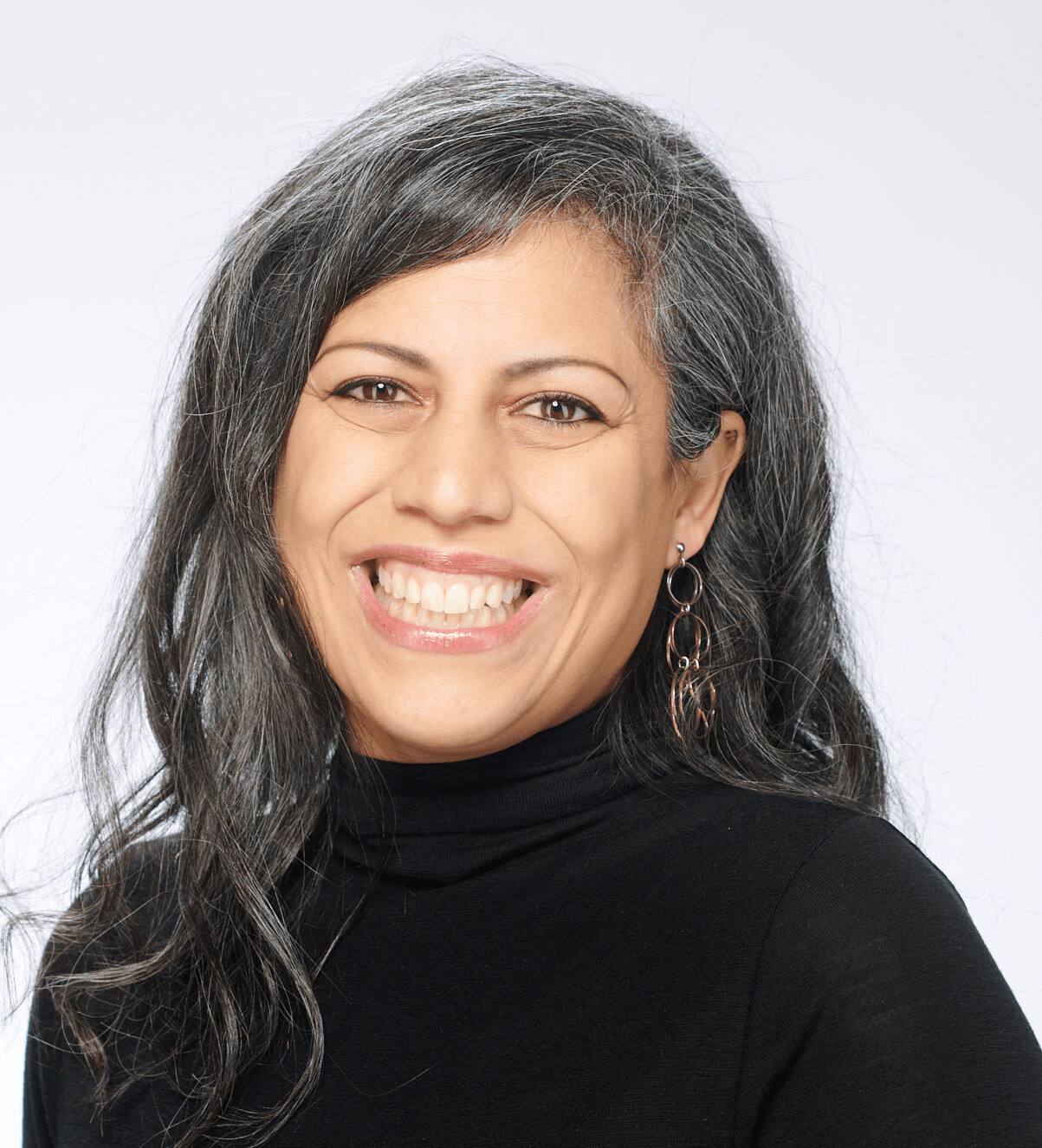
Montserrat, before we move on to more of these sorts of questions, can you take some time to bring our readers up to speed on you and what you do?
I’m a queer latine sports medicine chiropractor. My family is Garifuna from Honduras and I was born in Mexico City. My great grandmother Feliciana, was a midwife and herbalist in Honduras. She passed on her skills to many of her children, my grandmother Lucy learned massage from her. When I was 8, I moved to Chicago where she lived. I would watch as people from our community would come to the house for her care. I was always amazed how much better people felt after she worked on them. When it came time for me to decide on a college major, I chose pre-med/physical therapy. But it wasn’t quite what I had seen at home and I eventually left the university. My great fortune was to find The Chicago School of Massage Therapy (CSMT). There I found what I had been looking for, I thrived in that environment. Bob King, the owner of the school and all my teachers had a tremendous influence on the rest of my life. They believed in me before it had ever occurred to me to believe in myself. I eventually taught at CSMT and co-founded a massage therapy studio. I was very inspired by all the continuing education I took to continue my studies at a doctorate level. I went back to school at UNM and got a degree in dance while I completed my pre-med requirements as my electives. After a lot of back and forth between PT and chiropractic, I decided to go to chiropractic school and I chose The University of Western States in Portland, OR. I received a masters in sports and exercise science while pursuing the doctorate in chiropractic medicine.
My years as a massage therapist and life long practice of dance have shaped me as a doctor. I love helping people stay active or heal quickly from an injury so they can get back to the activities that bring them joy.
Can you open up about how you managed the initial funding?
Funding for Hey Doc Clinic started with a week of me dancing on IG Reels. I did this as a teaser building up to an IG live on my birthday when I would make a big announcement. I was announcing that I was starting a gofundme for a clinic, and I was terrified. Some would say that was a brilliant way to build curiosity and buzz. folx were tuning in, commenting, liking the Reels. But in reality it was a way of making sure I didn’t back out of doing it.
With three degrees worth of academic debt, I was in no position to go further into debt to start the clinic. Friends had mentioned multiple times that they would donate if I was willing to open a clinic. So I figured that if the community showed their enthusiasm for an integrative clinic that centers queer, trans and BIPOC folx with intersectional providers by donating, then I would open it.
And to my great surprise, they called my bluff and donated. Not only did they donate, but they ran the cutest most creative fundraisers enlisting miniature donuts, comedy showcases, massage tools and merch for our cause. There were also shared IG Stories, txt and email campaigns encouraging friends and families to donate. Donations came in all sizes and it was really overwhelming. But at night when things were quiet and I was sitting at my desk with just the backlight of my laptop, I would look at the progress on the gofundme site, and I would sit and contemplate the $5 and $10 donations that came in from across the country. Those were the ones that struck a cord in my heart. The vote of confidence and encouragement from those small donations made me realize that even if they didn’t have a lot to give they had hopes for what we were envisioning. And the donations that came in from across the country made me realize that even if they wouldn’t benefit directly, they wanted to see this dream of a healthcare space where people are treated with dignity and care, come to life for someone else.
Have you ever had to pivot?
The amount of times I have asked myself “What am I even doing?’ these last few years is alarming. I spent a decade preparing to become a doctor with rigorous science classes, practical application, following carefully crafted curriculums. I jumped through the academic hoops, scored well on tests, and passed my board exams. It has been a very different experience to learn now to run a clinic. I was prepared for the practice of healthcare, but not the business of healthcare. Learning to run a clinic has been a collage of finding answers to my questions by way of midnight google searches, YouTube how to videos, sourcing information from friends, the graciousness of those that shared their expertise and learning from my mistakes.
Two and a half years into the clinic being open, I was having huge questions about our viability. Was I working this hard for something that would actually sustain itself one day, or was I working hard to keep something afloat that would never swim?
Through Xcelerate, an incredible service organization that helps women operated businesses in Portland, I was fortunate enough to get to ask Rosemary, a business coach from Department of Community this question. She guided a process for me that showed me different scenarios for the clinic. One of them was a dream I had that I thought was in the very distant future. My initial dream for the business was to grow it into a 7 day-a-week clinic. I wanted to give people a place to go on the weekend for healthcare needs that was not urgent care. Prior to opening the clinic, I worked weekends the majority of my career and always had grateful patients that didn’t have to work as hard to find child care, miss work, or squeeze an appointment in while rushing to something else, etc. I envisioned the concept of a 7 day-a-week clinic being a long way off, but I didn’t have a good reason for why. Rosemary helped me realize I was placing a made up barrier between where we were and where we could be. Not only would it provide viability, but we were ready for it to happen much sooner than I thought.
The work with Rosemary took about 2 months, but in that time one of the things she was really good at doing was finding the barriers I was placing in front of myself. Honestly, life, infrastructure, and systems add obstacles already, I didn’t need to be adding some additional ones myself.
So since then, we have been working in preparation for a 7 day-a-week clinical model. It really took someone to look at what we were creating from the outside in, and just asking a lot of questions about why things were the way they were. So we are in mid pivot, it’s a very dynamic time, I’m curious to see the effects of this choice in direction.
Contact Info:
- Website: https://www.heydocclinic.com
- Instagram: @heydocclinic @doctor.montserrat
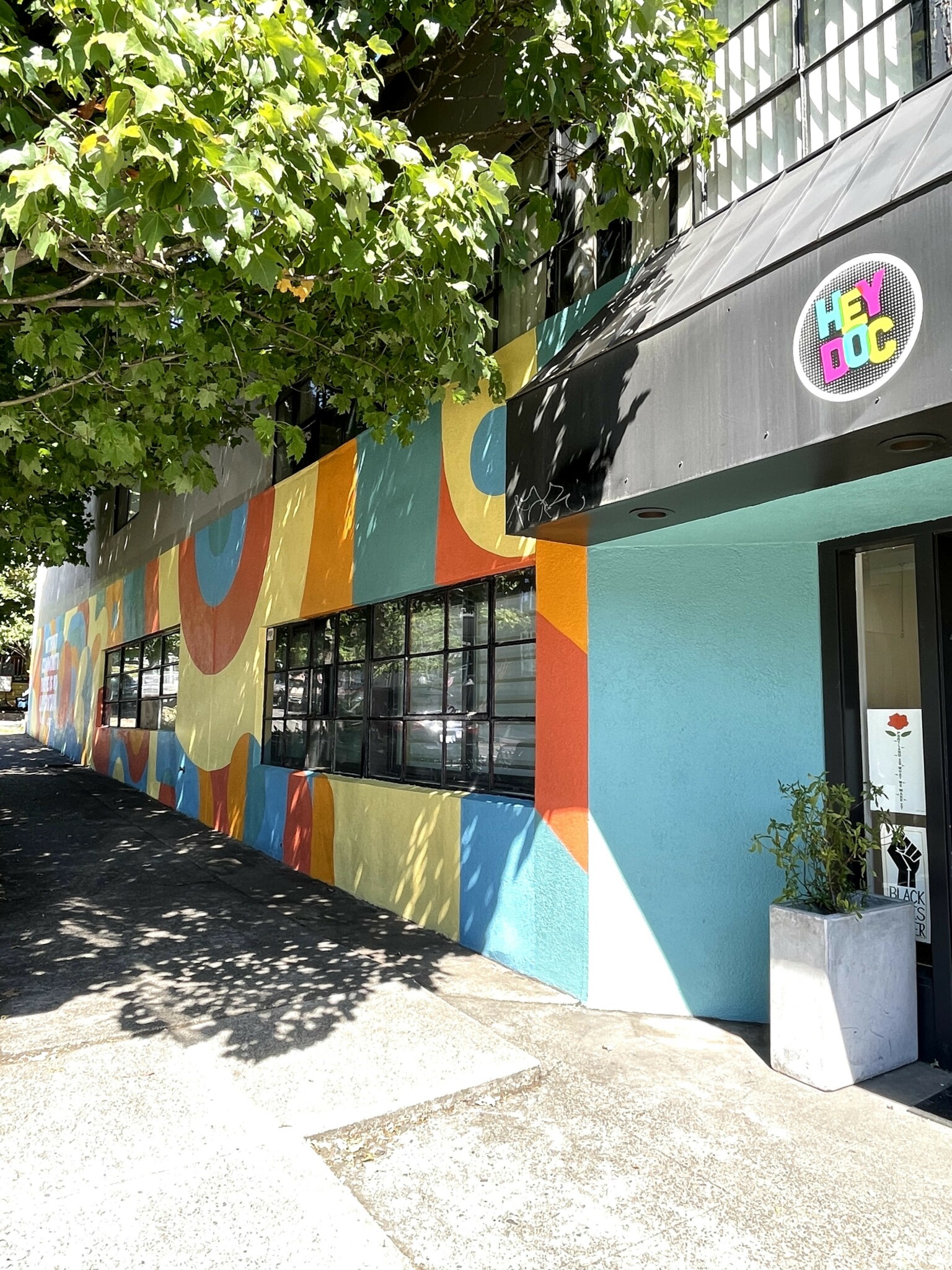
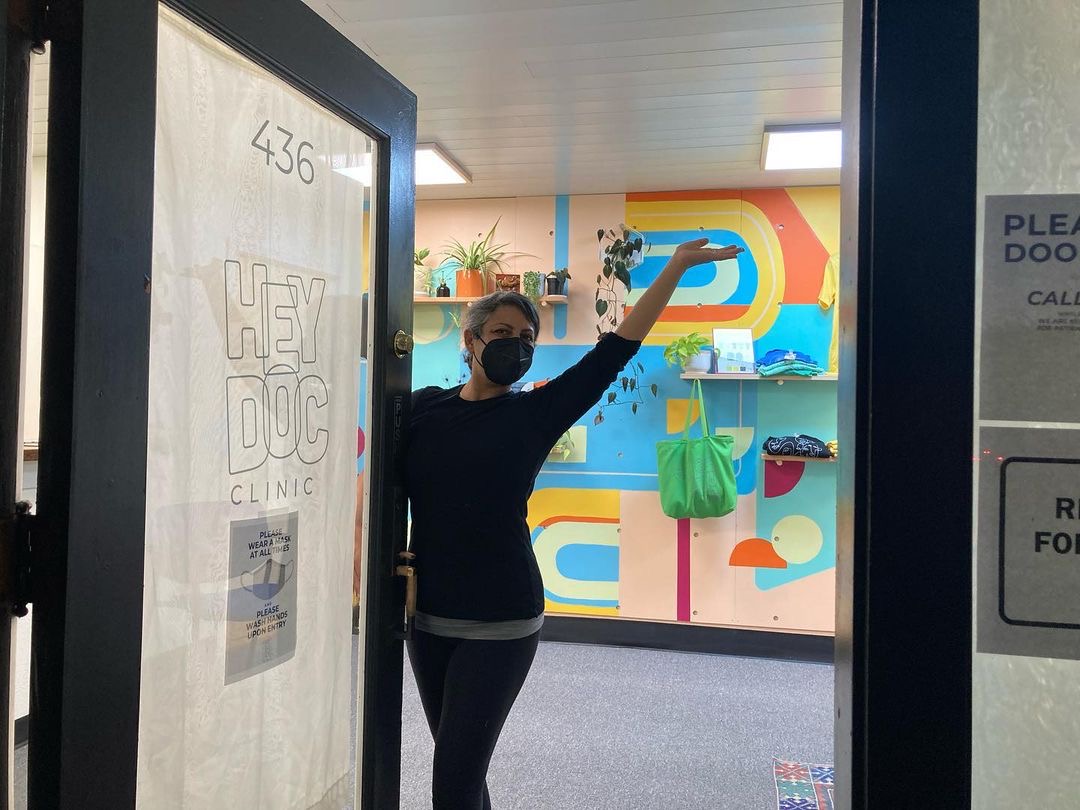
Image Credits
Photography: Jason Hill
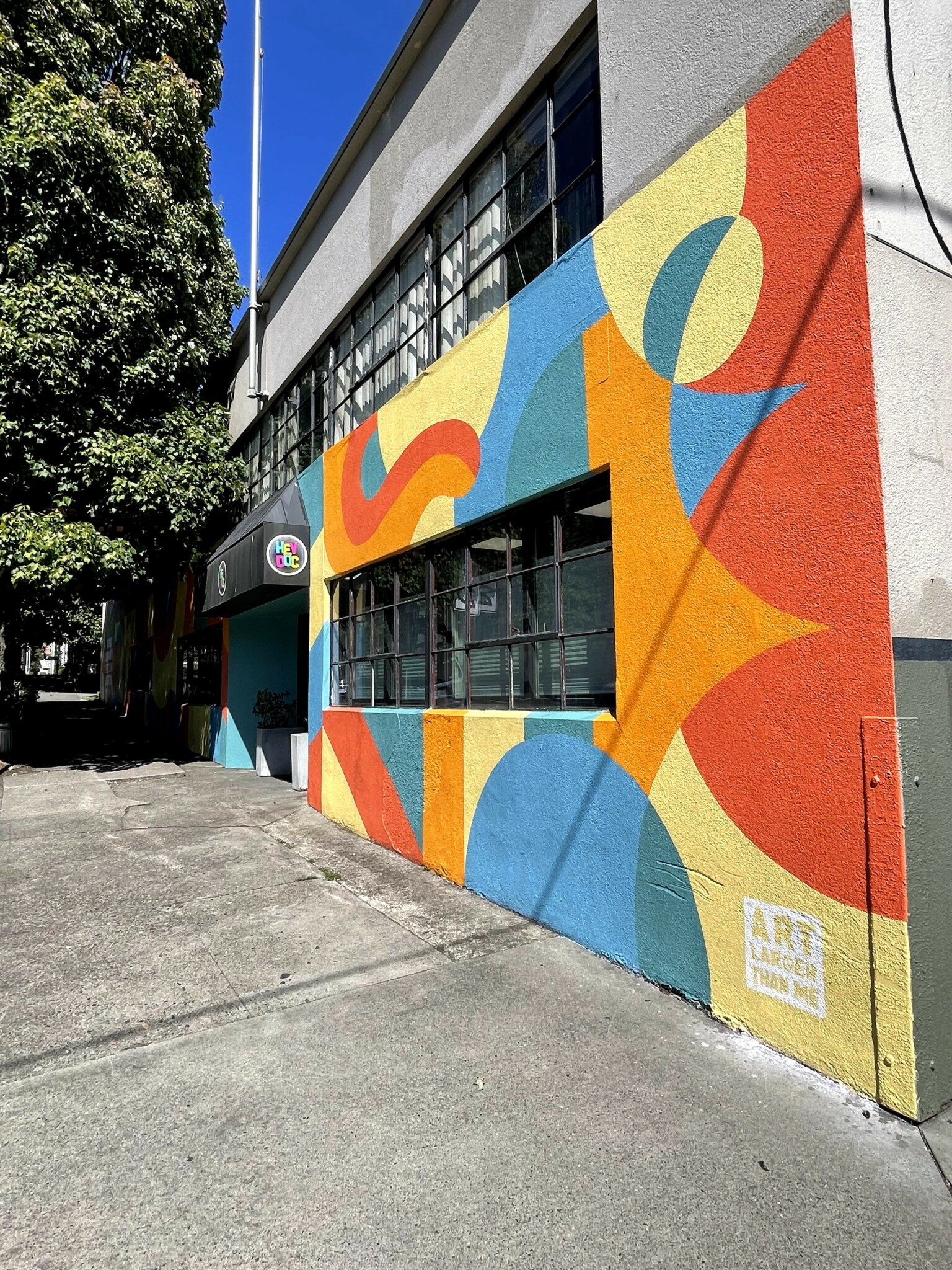
Mural: Daren Todd
Graphics: Jonas Angelet