

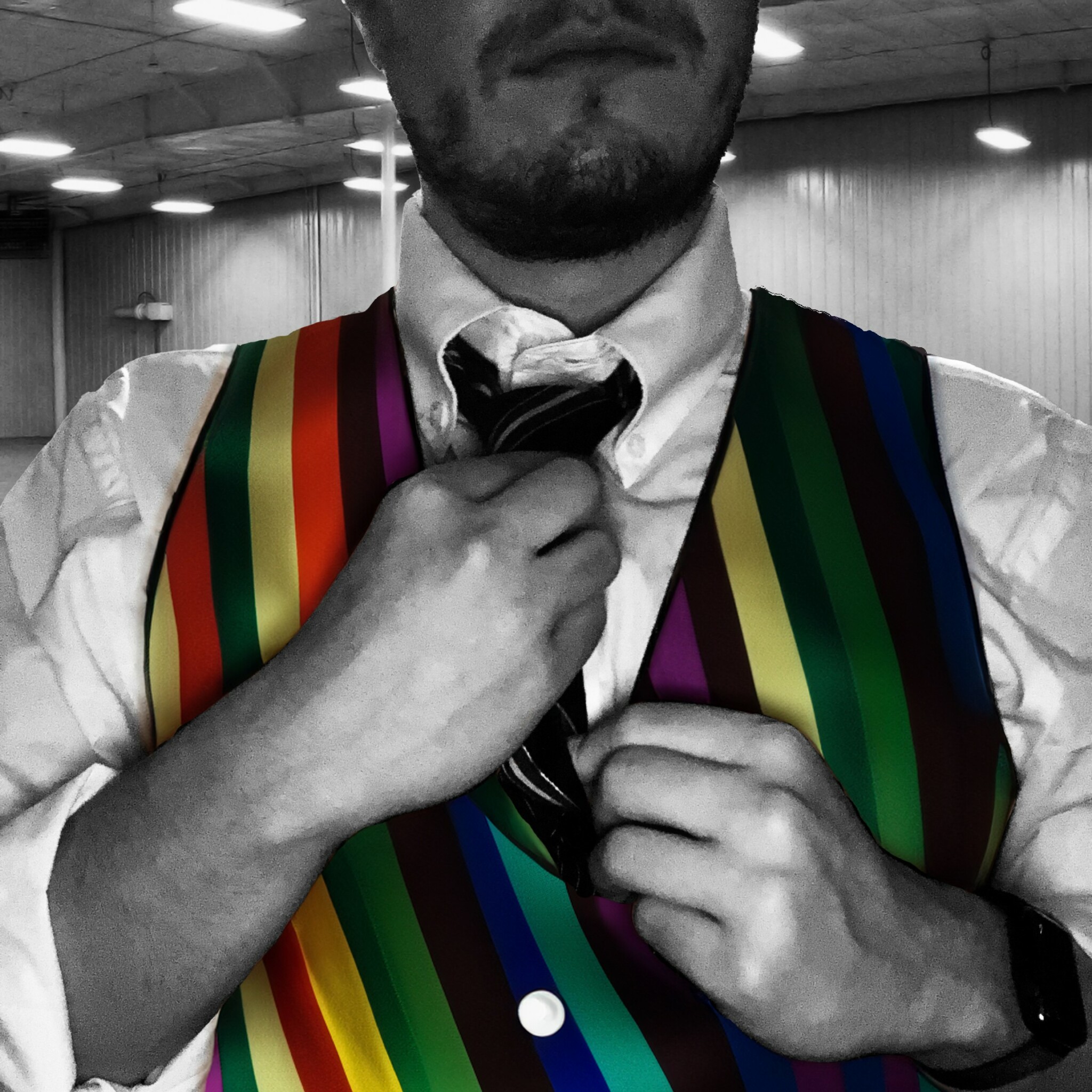

We recently connected with Damon Pennington and have shared our conversation below.
Alright, Damon thanks for taking the time to share your stories and insights with us today. How did you learn to do what you do? Knowing what you know now, what could you have done to speed up your learning process? What skills do you think were most essential? What obstacles stood in the way of learning more?
The first time I picked up a camera, I was 10 years old; it was my dad’s new camcorder. Not to be so cliché, but filming something and watching it back felt like a superpower. As if suddenly I had access to placing myself on the Blockbuster shelves that we rented from weekly. In seventh grade, I had saved up enough money to finally buy one of my own. I had just seen the film “The Ring” and felt that I needed, for some reason, to create my own cursed tape. The plan was to craft the weirdest series of shots I could, record them onto a VHS tape, and leave it on a shelf at Blockbuster itself. However, my penchant for and love of comedy got in the way of my punk horror ambitions. Instead, my brother and I continued making more and more videos. Ideas became sketches, sketches became shorts, shorts became a film.
Life bottomed out somewhat after high school. I had gotten accepted into Columbia in Chicago for their film program, but I had no way to fund it; we’d never had any family planning around college. Besides, I was a very angry, nihilistic, misanthropic post-high school graduate, and the last thing I wanted to do was “sell out to the system, man.” It was also around this time that a deep schism developed between my brother and me. I continued researching digital cinema, lenses, film, frame rates, lighting, sound; I was learning all the software needed. I used my graduation money on an iMac only for Final Cut Pro.
Over my 20s, I cut and recut the old films of the past. I was able to produce 20 minutes of work on an unfinished feature film using a DSLR camera for the first time. I produced a music video for a friend. But my interpersonal relationships had become toxic, and I allowed my craft to stagnate if not never ossify.
After many long years of despair, I decided to take out my iPhone 12 Pro for some test footage. And something snapped back into me: if I don’t start creating again now, I may not have anything to leave behind. And so my YouTube project Rank Sarpac was born into existence with now over 100 short films produced. I also have a festival-worthy short in the works as well as my first feature film in 20 years now on the horizon. In hindsight, I should’ve never allowed anyone to influence the exploration of my work. I should have created in resistance instead of supplicating comfort to others over the artistic needs of myself.
Going to school would’ve probably accelerated my learning. I certainly don’t enjoy having wasted my 20s. The most important part of learning any craft is simply doing the craft. Over. And over. And over. Nobody needs to understand another’s pursuit of their art. That’s why now I’ve adopted the philosophy of admiring anyone bold enough to continue creating.
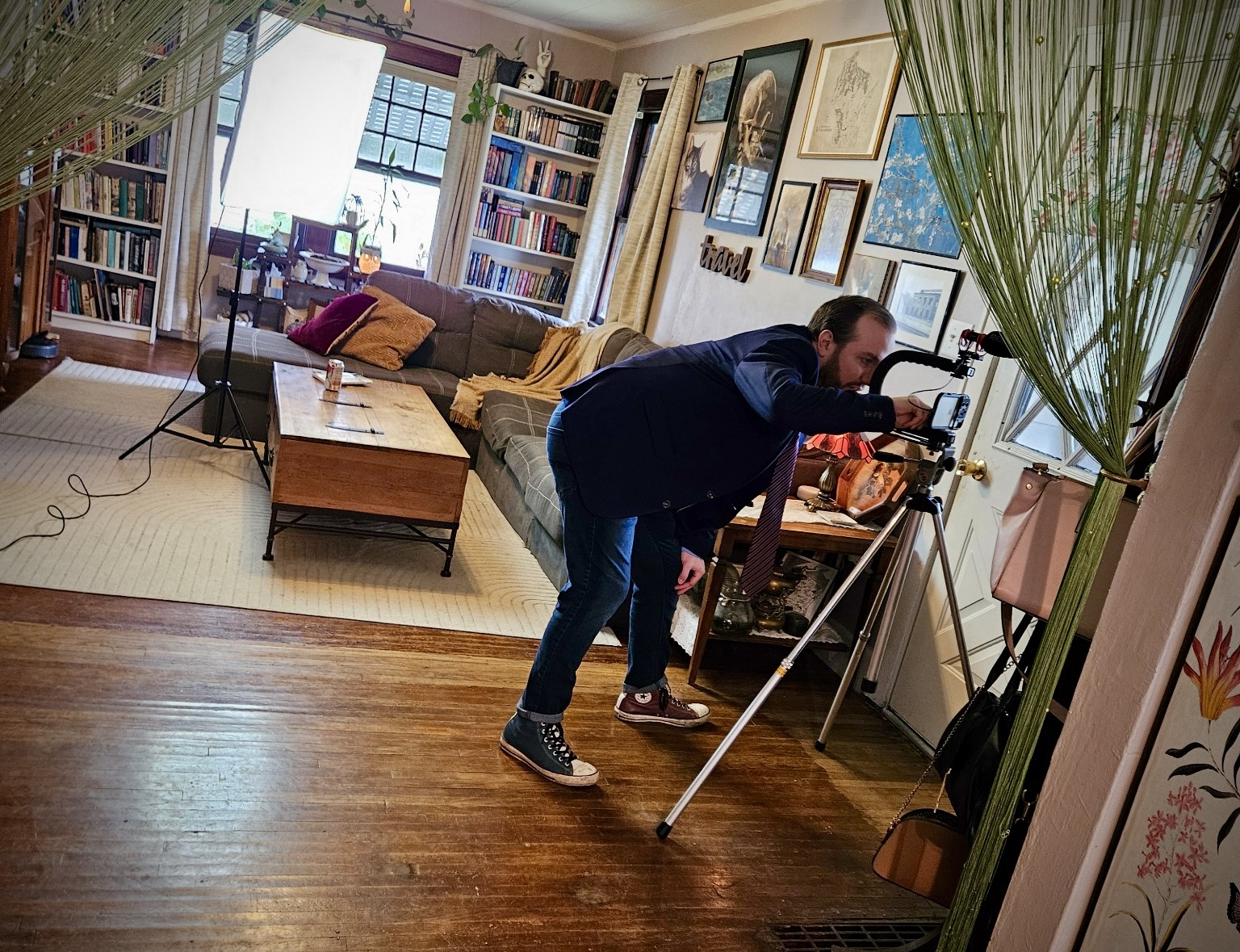

As always, we appreciate you sharing your insights and we’ve got a few more questions for you, but before we get to all of that can you take a minute to introduce yourself and give our readers some of your back background and context?
Triple Question Mark Productions began when I got my first video camera. There was an empty slot for a business card or tag in the carrying case, so I clipped out a piece of paper, wrote “??? Productions”, and slipped it inside. The name stuck. The production company is the actualization of my childhood dreams, dreams that have only just begun to actualize. TQM Productions produces short and feature films, most usually with some elements of arthouse surrealism.
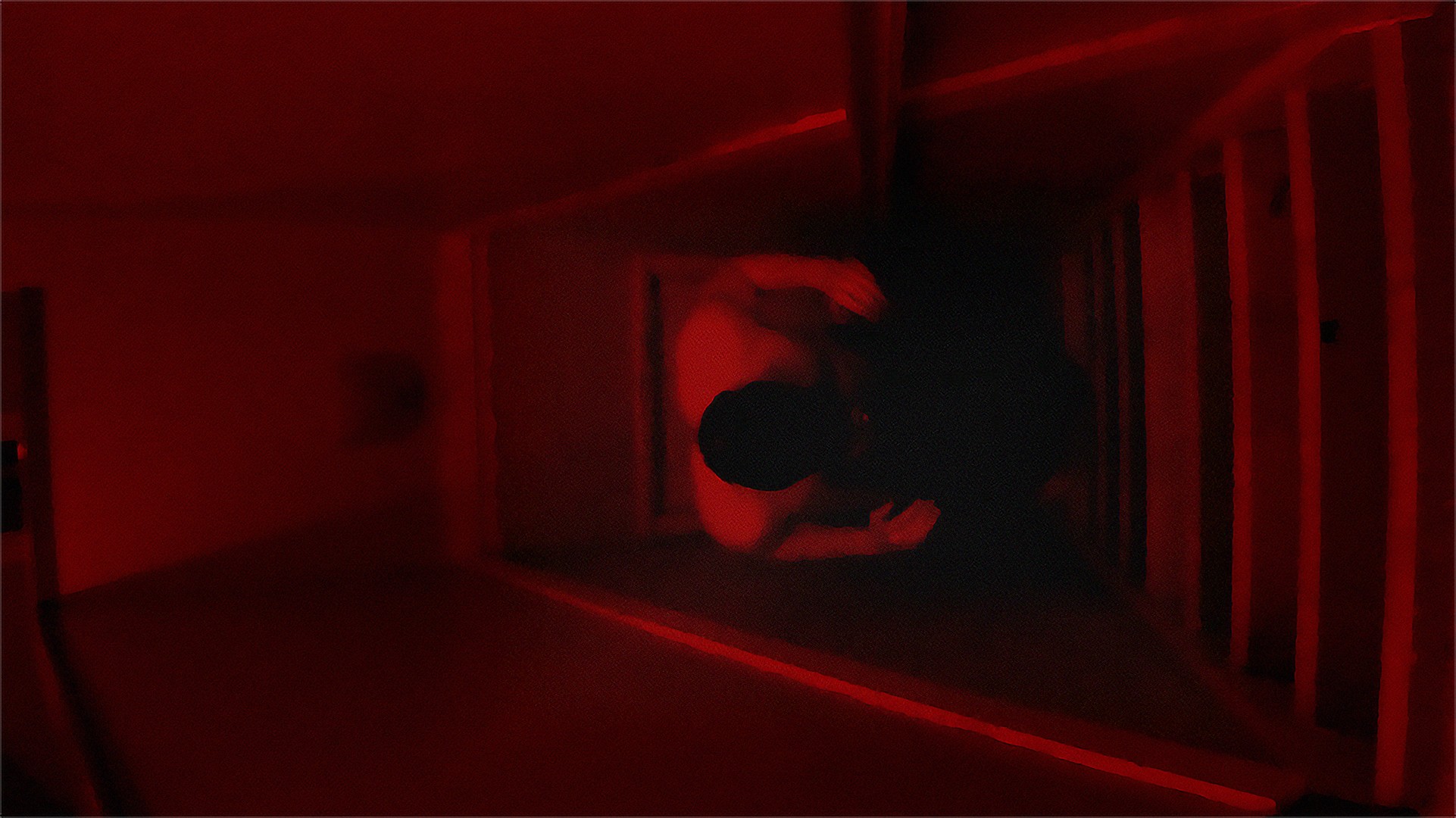
The most worked-on piece under the TQM banner currently is the YouTube project Rank Sarpac. Rank Sarpac was a way for me to continue to hone my craft in between major projects, and also act as a comedic release valve. I have always felt that there is an extremely strong parallelism between horror and comedy in the way that each is crafted, and the Rank Sarpac project has been a wonderful sandbox for that. The motivations are often unclear, and the work often asks the viewer to intuit and feel the comedy/horror just as much as it’s displayed on screen. I suppose through Rank Sarpac, I’ve wanted the audience to gain some insight into the connection between these genres as well. Though the project hasn’t been popular or successful by any YouTube metric, I still take immense pride in offering content that truly isn’t available anywhere else. It’s scary, it’s hilarious, it often tries to be both, and when I’m most successful, it’s just a touch touching as well.
Fans can expect Rank Sarpac to last indefinitely; however, the content will start diminishing over the next few years as TQM Productions shifts its focus from Rank Sarpac to focusing on our first short and feature that will be sent through the festival circuits: “Two Gates” and “COLD,” respectively. “COLD” will be a cosmic horror story about depersonalization and identity crisis; a bit of a reflection of the times. Post-production takes quite a while on these things when you’re a one-man post-house, but such is the nature of the work. I’ve been training for it since I was 10 years old, down to learning the piano at 12 because one day I knew I’d need to score my own films.
TQM Productions presents relatable arthouse. Real comedy, real horror, real drama, real people in fantastic situations. It is my life’s work. Now if it could find some funding…
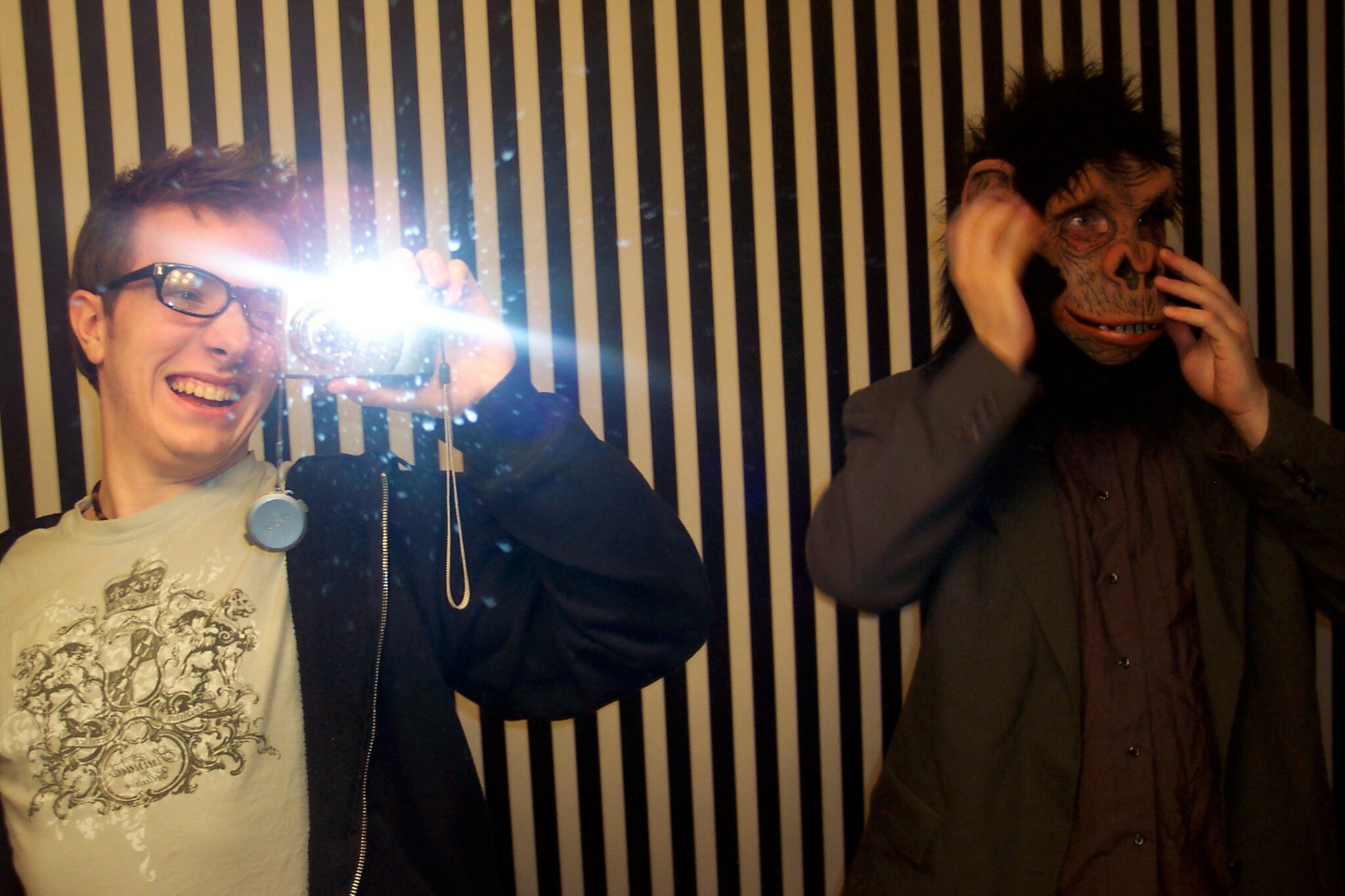
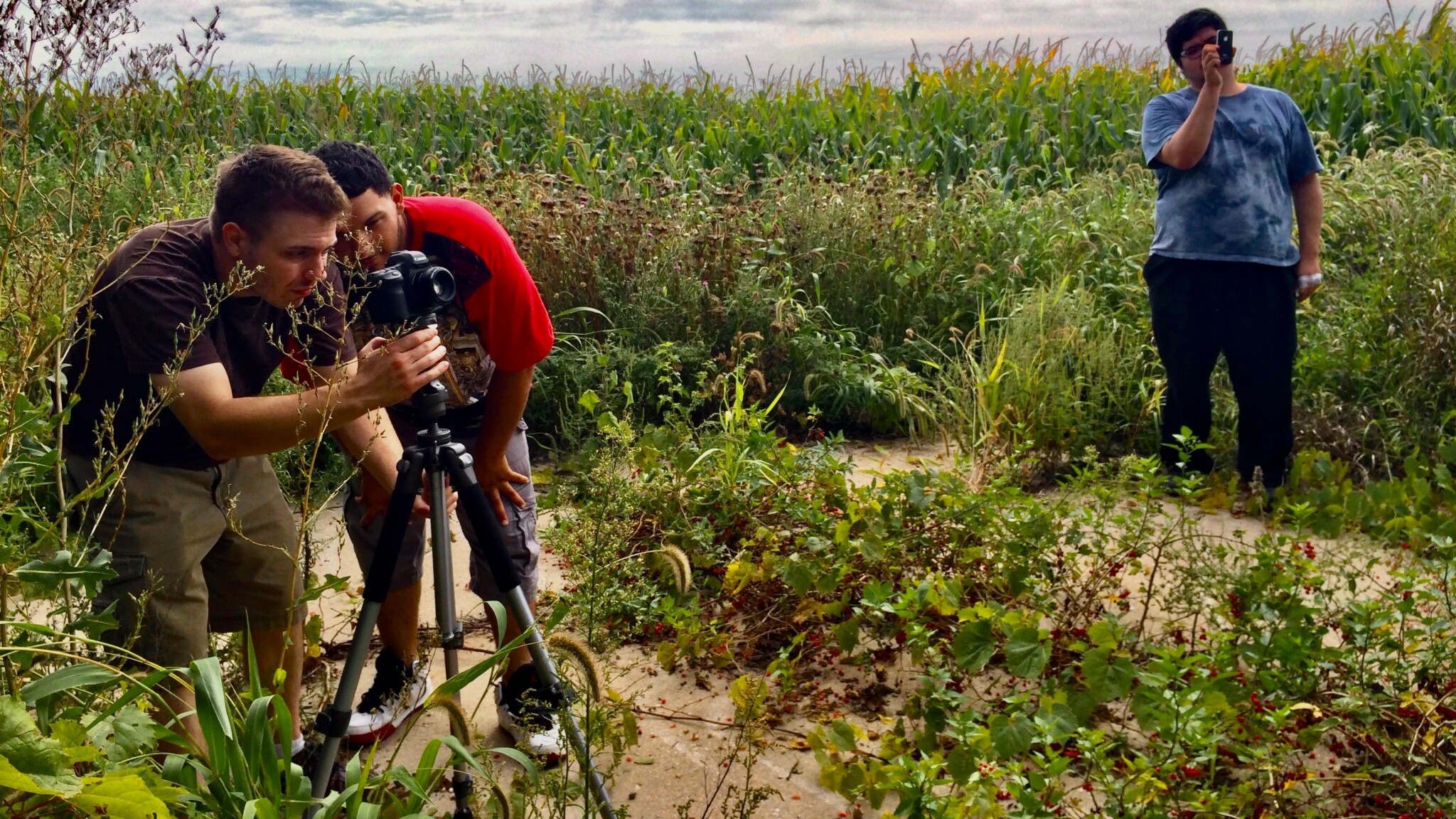
Can you share a story from your journey that illustrates your resilience?
In the face of my severe post-high school depression and anxiety, I discovered alcohol after being a contrarian straight-edge my whole life. My first time drinking was alone at 19 in my bedroom. I had started my creative journey with my older brother, who at once had no interest in learning the craft, yet insisted we continued to do it together. I attempted to drag him along for years, bearing the entirety of the creative process until I could no longer stand working with him. What followed was a decade of drinking too much and making too little. I felt trapped, not just in some strange, controlling sibling relationship, but now the artist in me had become trapped as well.
The artist and I could meet in what I called “the bubble”. This was the feeling of isolation that came over me when I could be alone to imbibe for days away from the world. I could drink, watch movie clips on YouTube, watch videos about coloring, new cameras; away from the oppression. It’s only in regrettable reflection on the past that we can realize what we once thought were iron shackles were actually nothing more than cheap, plastic toy handcuffs.
Because there is a secret to breaking through: remove yourself in any way possible from the people that suppress and repress you. Don’t allow anyone to let you or your art feel insignificant in any way. Find a way to some freedom and some peace first; it can be near impossible to create in abject misery, speaking for myself. Even if you’ve put down that novel, that painting, that script away for ten years, it’s never too late to take it back out of the box and get to work.

What do you find most rewarding about being a creative?
The answer is simple and maybe even disappointing: it is bringing the piece into the world and seeing people react to it. The art I make is influenced by my experiences, my philosophies, my trauma, my life as much as any other artist. We all imbue ourselves, whether deliberately or inadvertently, into our work, and I am no different. But as much as the films are artistic expression, they are also simply films that I want to watch! I make the films I wish I could’ve sat down with as a teenager and had my mind blown. That is the entertainment value and the personal artistry combined into one philosophy. I put the personal and angsty tumult into the script, I artistically satisfy myself in the shoot, and then I try to satisfy the audience in the edit.
The second aspect is in a quote from the film “The Prestige”: “It was the look on their faces.” There is no other feeling like creating a piece of art out of nothing but synapses and magic, and to see someone emotionally connect in a visceral way is immensely rewarding. A laugh, a scream, a gasp, a tear; these are all things we can’t fake easily as audience members. To have an idea sit in my head for years, to put in the sweat (and yes, blood sometimes) to make the thing, and to watch it genuinely connect with someone is a wholly unique shared human experience.
Contact Info:
- Instagram: https://www.instagram.com/rank_sarpac/
- Youtube: https://www.youtube.com/@RankSarpac
- Soundcloud: https://soundcloud.com/ranksarpac
- Other: As current web pages and social media for TQM Productions are still in active development, the links provided will be for Rank Sarpac content, the most current TQM Productions subsidiary project.
Additional Social Media:
TikTok: https://www.tiktok.com/@ranksarpac
Threads: https://www.threads.net/@rank_sarpac
Email: RankSarpac@gmail.com

