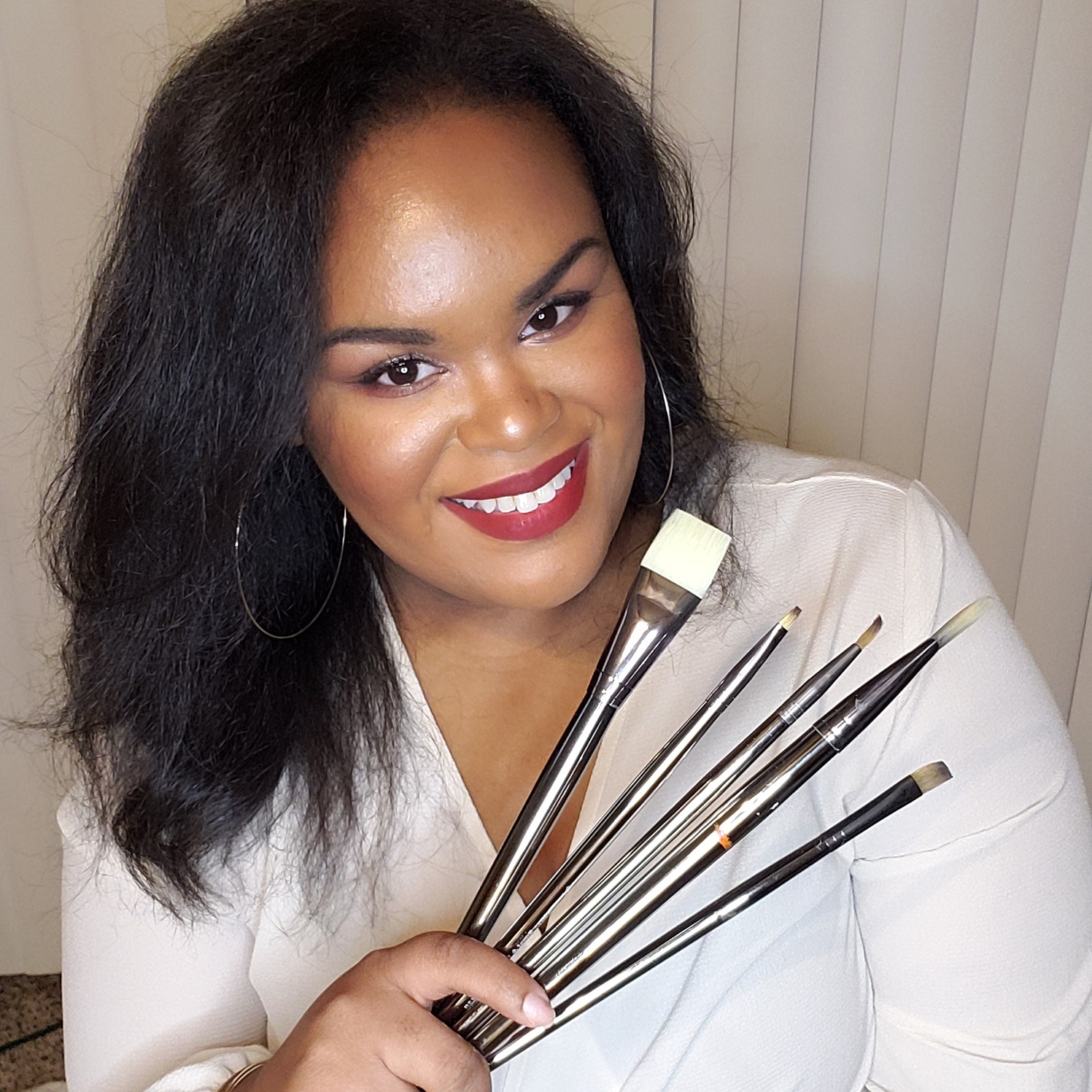

Alright – so today we’ve got the honor of introducing you to Jessica Walker. We think you’ll enjoy our conversation, we’ve shared it below.
Hi Jessica, thanks for joining us today. How did you learn to do what you do? Knowing what you know now, what could you have done to speed up your learning process? What skills do you think were most essential? What obstacles stood in the way of learning more?
My ability to paint and create is a God-given gift. He blessed me with both the passion and the talent—I simply took the steps to develop it. My very first art teacher was my big brother, Jason. Growing up, I would watch him sit at the table with his paper and pencils, drawing superheroes and characters from our favorite shows. I was fascinated and asked him to teach me. Although he wasn’t the most patient or encouraging teacher, God allowed him to show me that I had a natural talent.
While Jason eventually stopped drawing, I kept going—often on our parents’ clean walls! Yes, I got in trouble—a lot. But despite that, my parents saw the vision. They nurtured my creativity by buying me art kits, sketchbooks, huge drawing tablets, and anything else that helped me express myself.
As a child, I loved watching Bob Ross. I would try to follow along with his paintings, and while I sometimes picked up a technique or two, most of the time, I ended up crumpling my work in frustration. I wanted to paint like Bob, but I had to learn to paint like Jessica. Most of my techniques are self-taught because I had to figure out how to manipulate my brushes and paint in a way that worked for me.
If I could have done anything to speed up my learning process, it would have been practicing more and using sketchbooks. I always wanted to go straight to the canvas without a clear direction, which often resulted in wasted paint and having to start over. Had I taken the time to sketch out my ideas first, I know my early paintings would have been much stronger.
The most essential skills for painting begin with passion. If you don’t love what you’re doing, you won’t give it your best. The second is practice—understanding what works for you, mastering your medium, knowing your brushes, and learning how to manipulate them to achieve your vision. Lastly, don’t be afraid of mistakes or even starting over. You won’t always get it right on the first try, and that’s okay. Often, the second attempt turns out even better and maybe even the third.
One of my biggest obstacles in the beginning was comparing myself to other artists. I was also too shy to engage with them, fearing that I wasn’t “cool” enough, well-known enough, or important enough to be part of the art community. I now realize that art isn’t about competition—it’s about personal expression and growth. If I could go back, I would have embraced my own journey sooner and sought inspiration from fellow artists without hesitation.
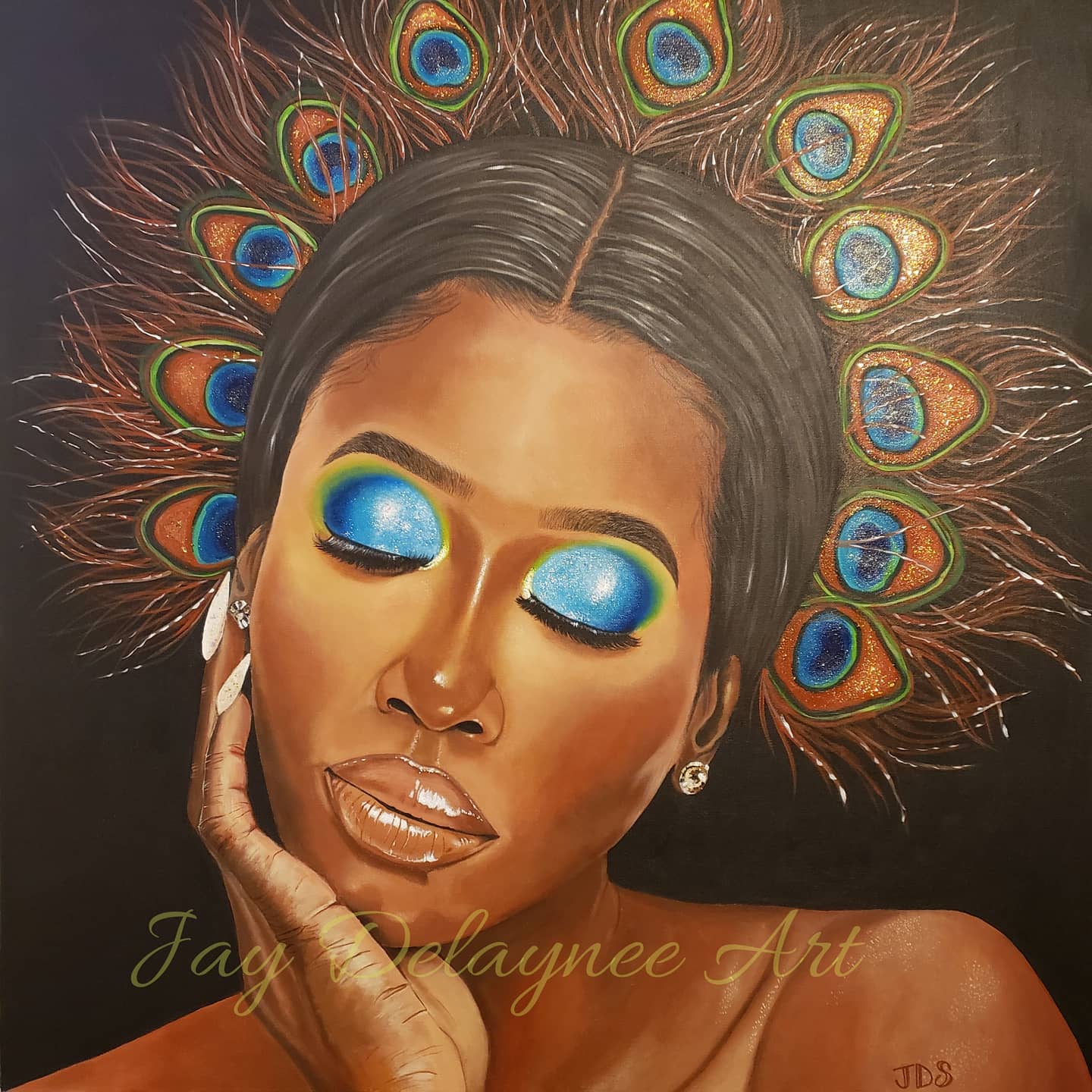
Awesome – so before we get into the rest of our questions, can you briefly introduce yourself to our readers.
Although painting is my first love and greatest passion, I also enjoy baking, cooking, crocheting, and exploring other creative outlets. Creating brings me joy, and whenever I have the opportunity to learn a new skill, I embrace it wholeheartedly.
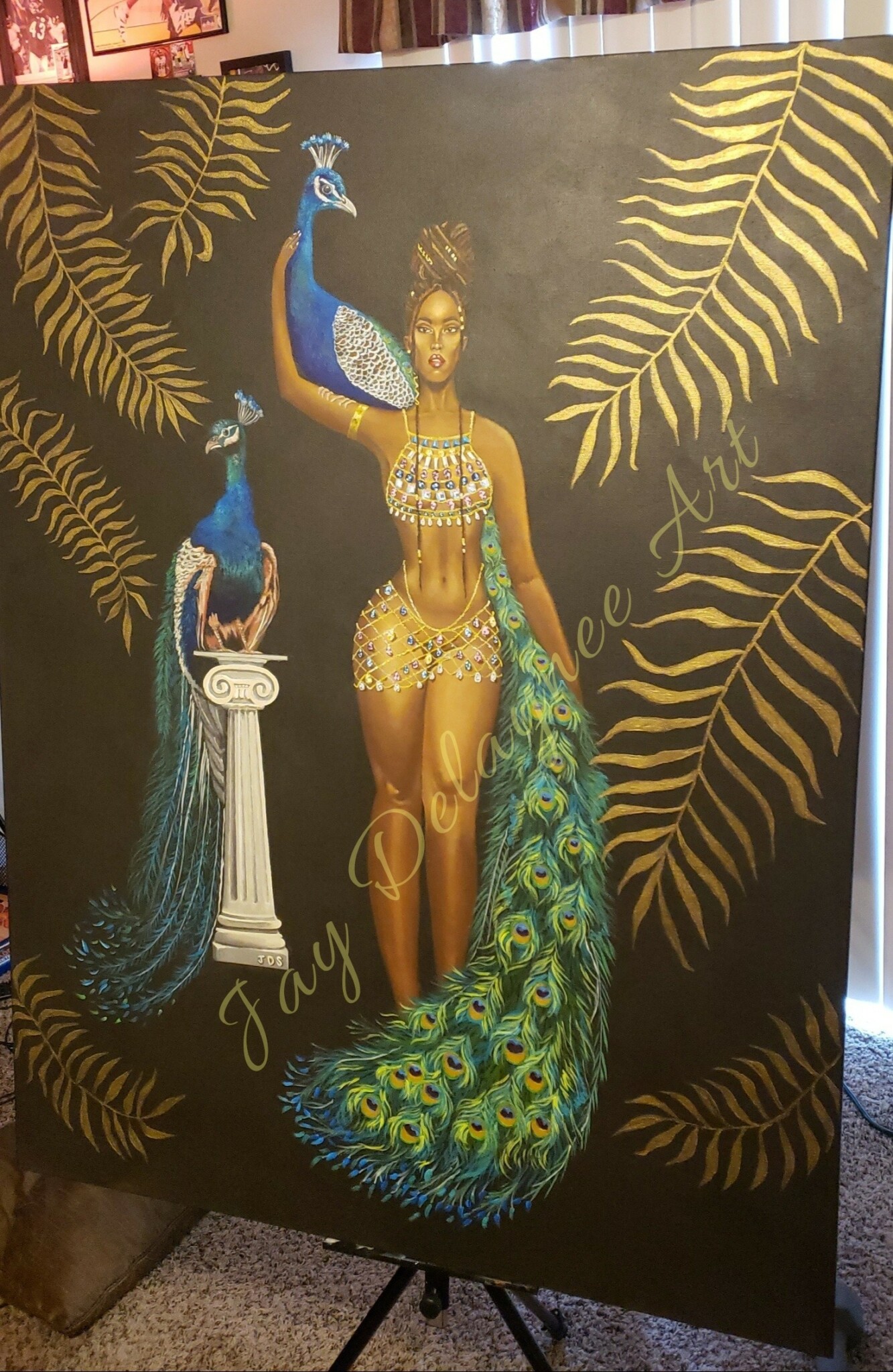
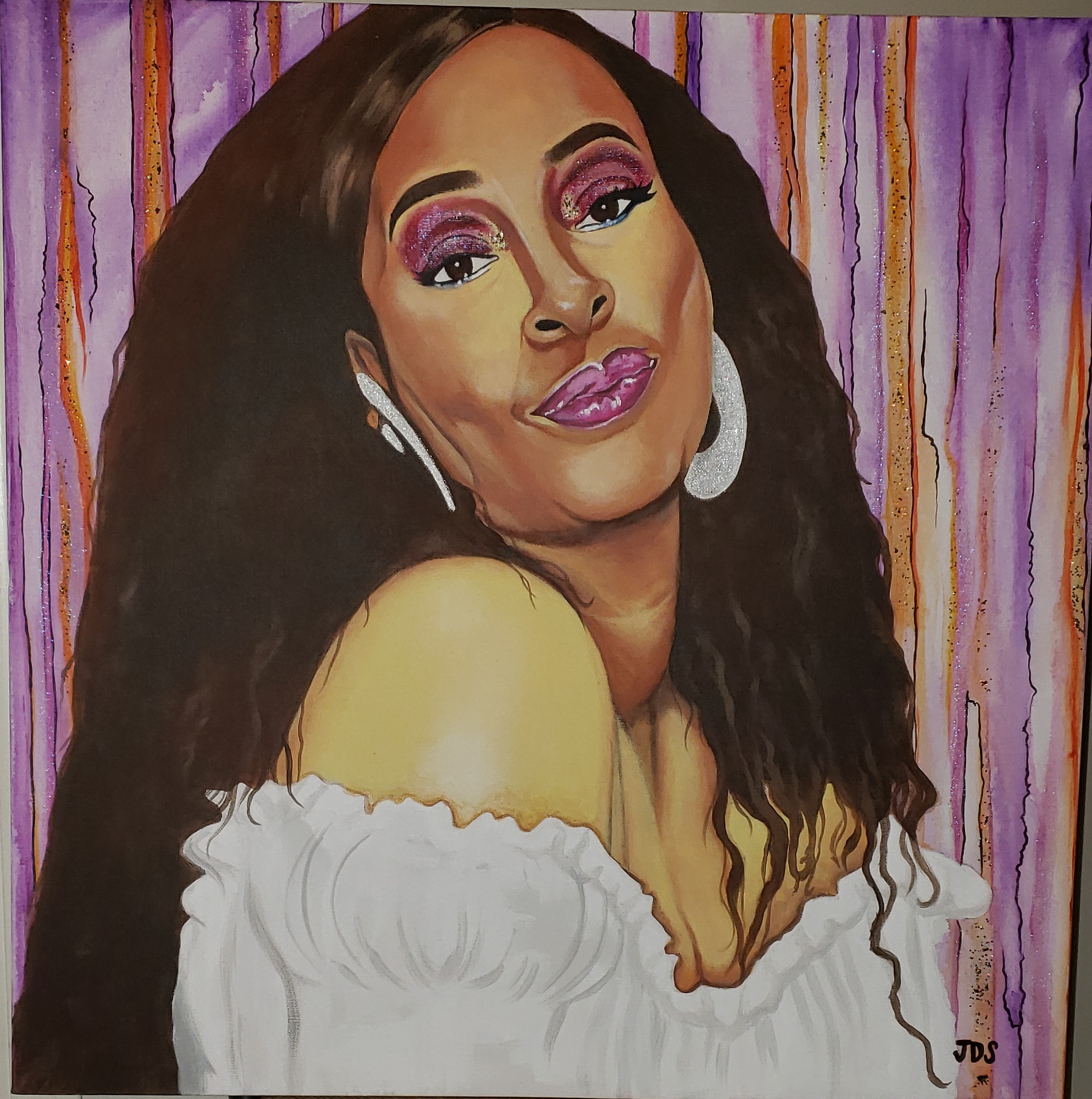
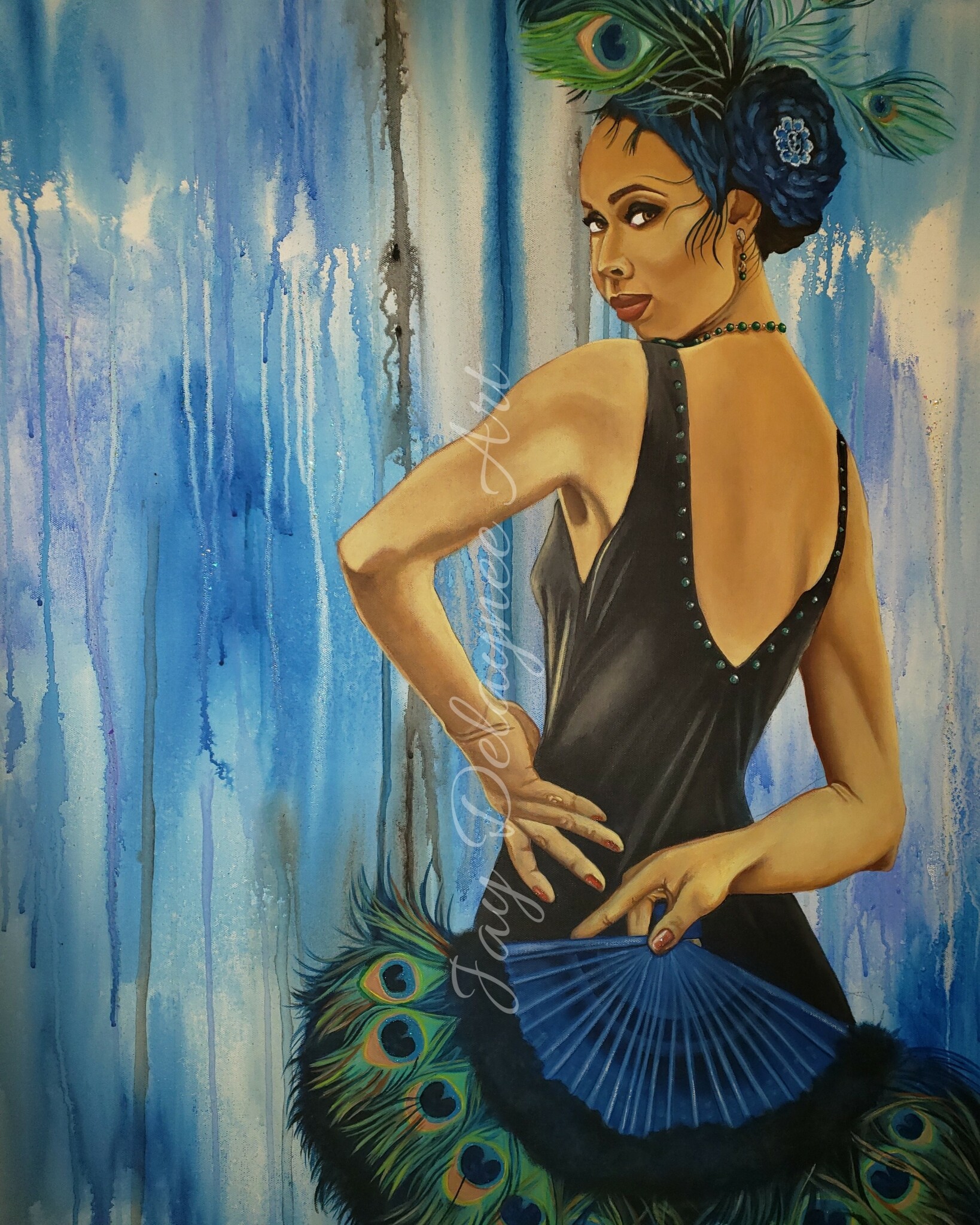
When it comes to my art, I’ve realized that many of my past paintings—aside from commissioned work—didn’t fully reflect the message I wanted to convey. I believe I have been called to use my art to uplift, inspire, and most importantly, share God’s love. That realization has led me to rebrand and shift my artistic direction entirely.
My goal is to create art that resonates with everyone because Christ’s love is for everyone. In a world filled with chaos and uncertainty, we need more positivity, hope, and encouragement. I want my art to be a source of light, reminding people that faith, love, and inspiration are always within reach.
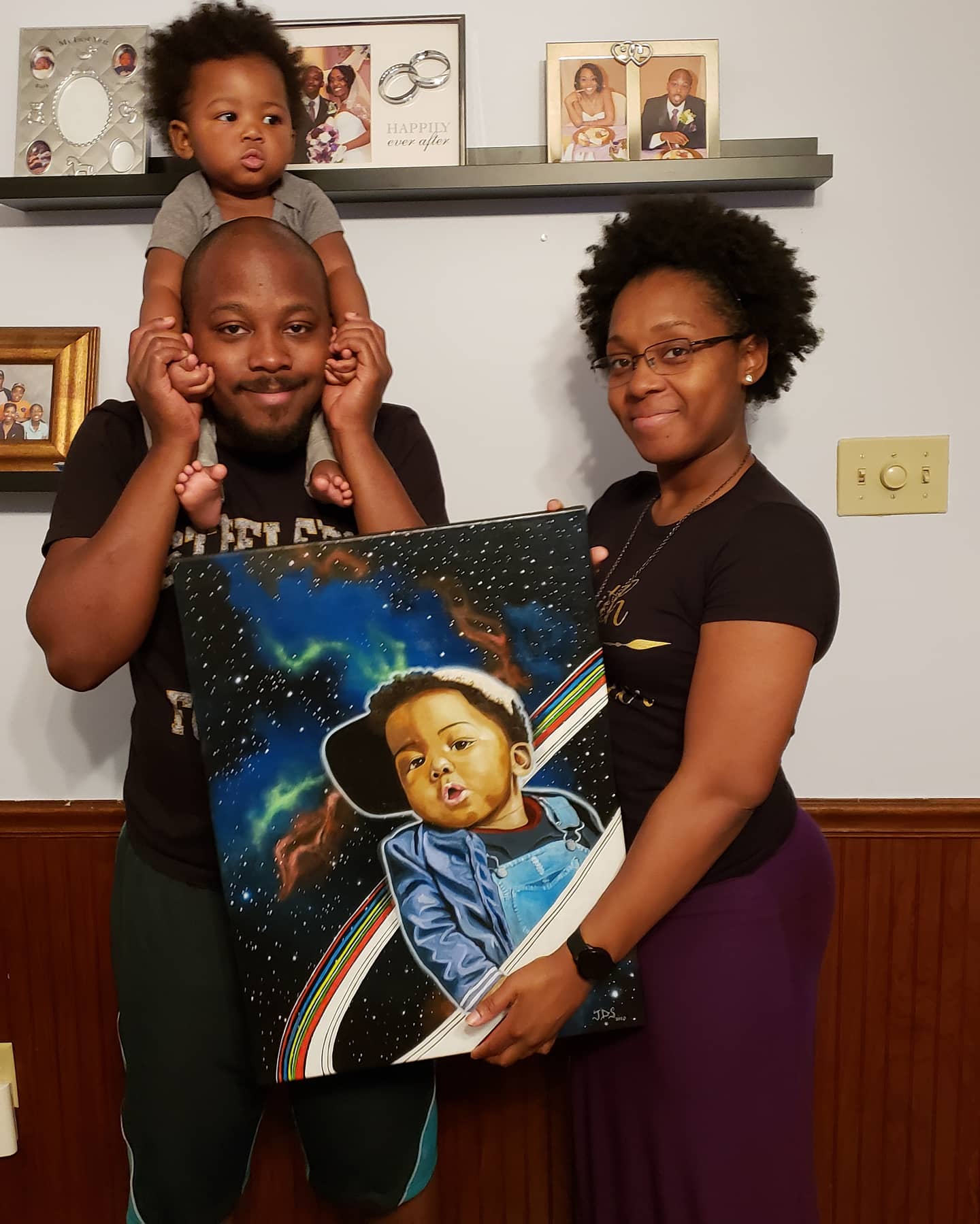
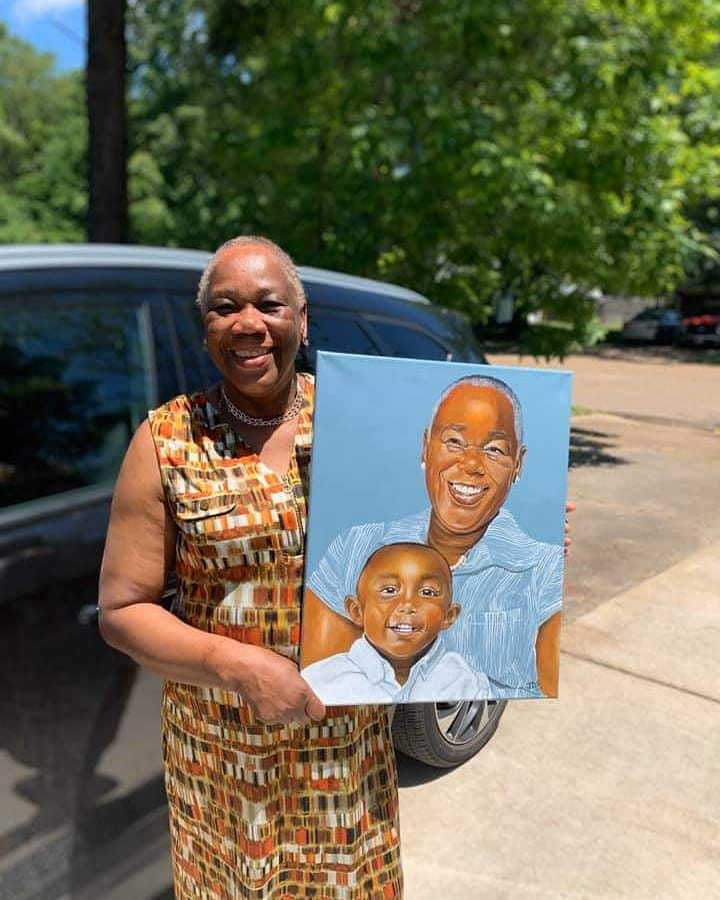
Is there something you think non-creatives will struggle to understand about your journey as a creative? Maybe you can provide some insight – you never know who might benefit from the enlightenment.
I think many people don’t realize that being a creative requires resilience, dedication, and hard work. It’s not always easy—we face challenges like burnout, long hours, and the pressure to consistently produce our best work. Many of us pour countless hours into our craft, often sacrificing sleep and even forgetting to eat because we are so deeply invested in what we create.
Beyond the time and effort, quality materials and tools aren’t cheap, and neither is the value of our creativity. So when it comes to pricing our work, it’s not just about the final product—it’s about the skill, passion, and commitment behind it. Respectfully, our work is worth it.
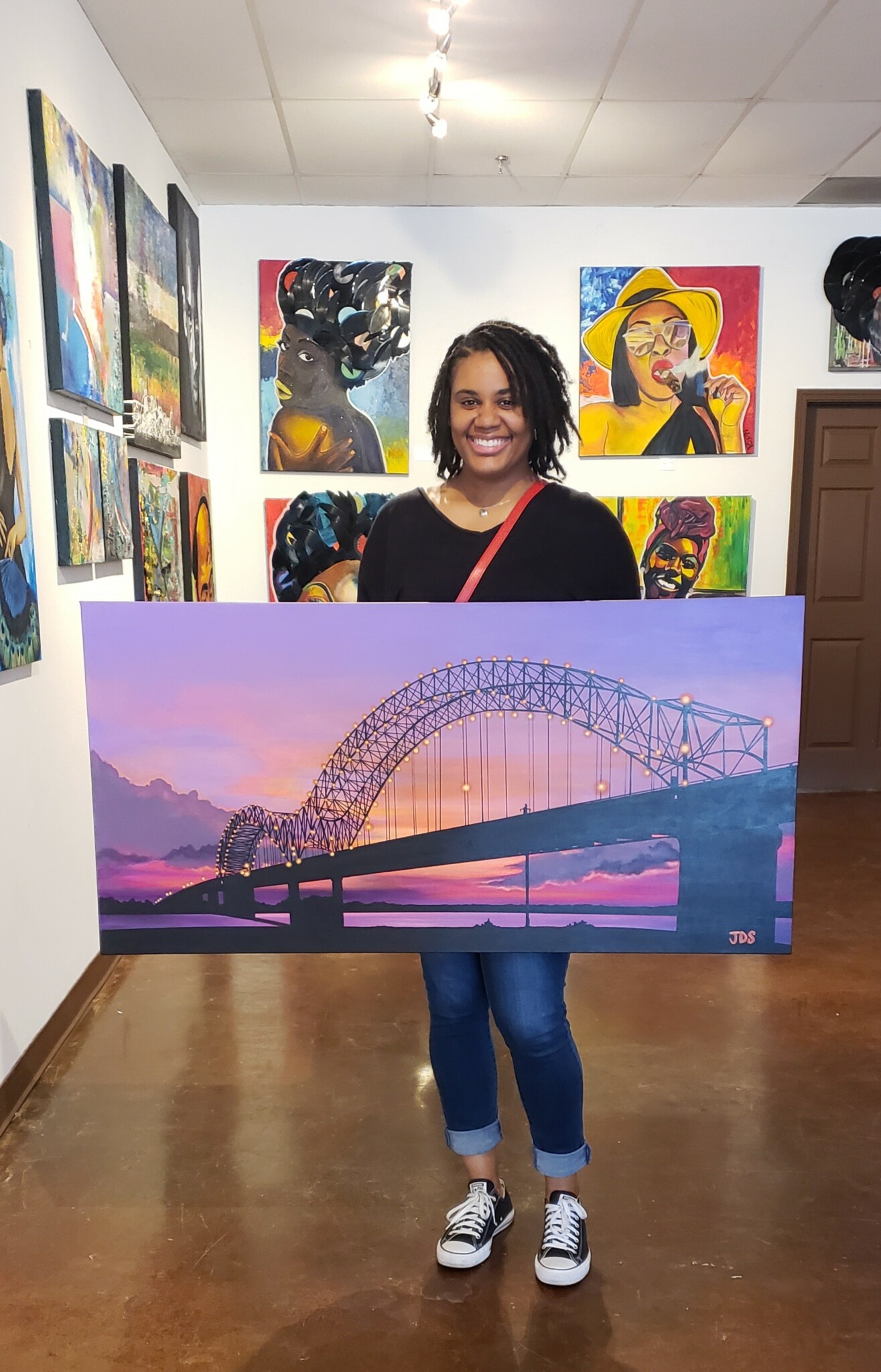
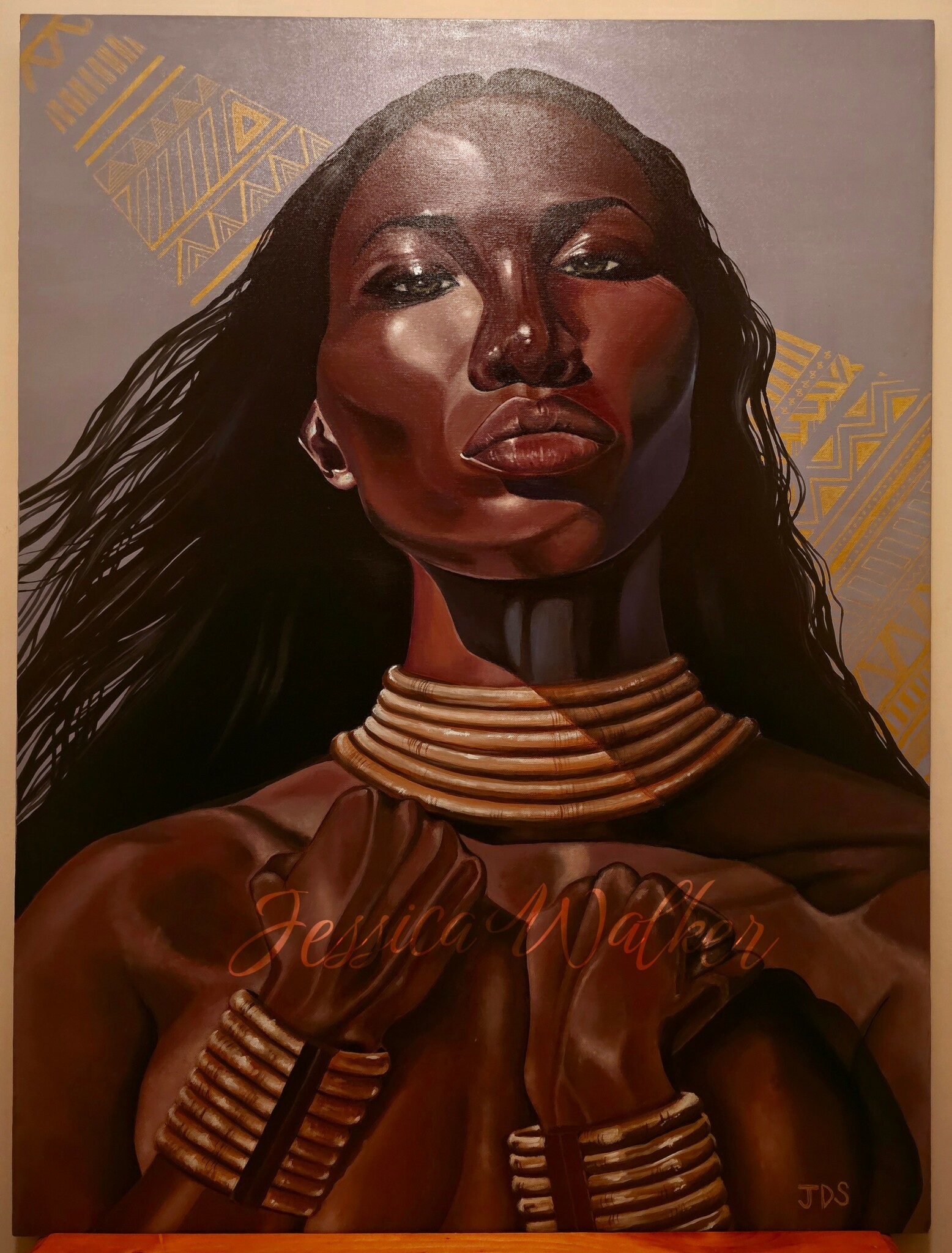
For you, what’s the most rewarding aspect of being a creative?
One of the most fulfilling aspects of being both an artist and a creative is witnessing my vision come to life. Whether it’s the paint on a canvas blending perfectly, the piping on my cakes and cupcakes forming intricate flowers and vibrant swirls, or crochet stitches coming together to create a beautiful purse—there’s something truly special about seeing hard work transform into something tangible.
But beyond the process and the final result, the greatest reward is simply being blessed with the gift and talent to create in the first place. Every brushstroke, every stitch, every design is possible only because of God’s grace. All the glory belongs to Him—without Him, none of this would be possible.
Contact Info:
- Instagram: https://www.instagram.com/jaydelaynee?igsh=bTRpcnp1d3prOXRj
- Facebook: https://www.facebook.com/share/15XkvhGt5d/