

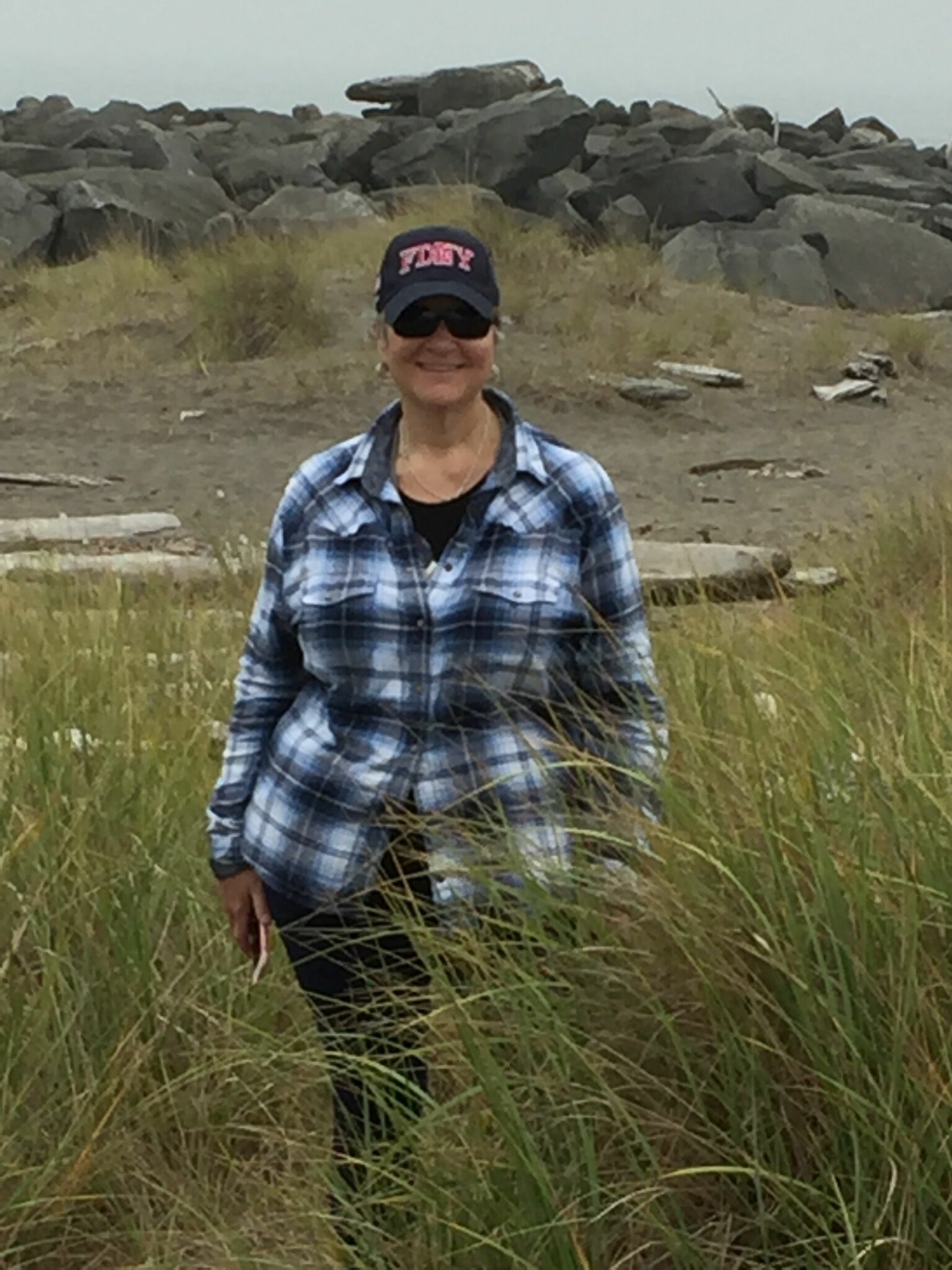

We recently connected with Melissa Bennett-heinz and have shared our conversation below.
Melissa, looking forward to hearing all of your stories today. Can you share an anecdote or story from your schooling/training that you feel illustrates what the overall experience was like?
Graduate school education was a lesson in how not to practice and what not to do. I had wonderful opportunities training in NYC and the hands-on learning from the work I did with my patients was invaluable. It was not until post-graduate/professional training that I received the support and challenge in a safe and extremely nurturing environment. In training as a Gestalt Therapist, I was encouraged to look at myself in the required 4 years of individual and group therapy and develop myself as the tool. This constant use of self in the healing therapeutic relationship has been the most valuable training I had.
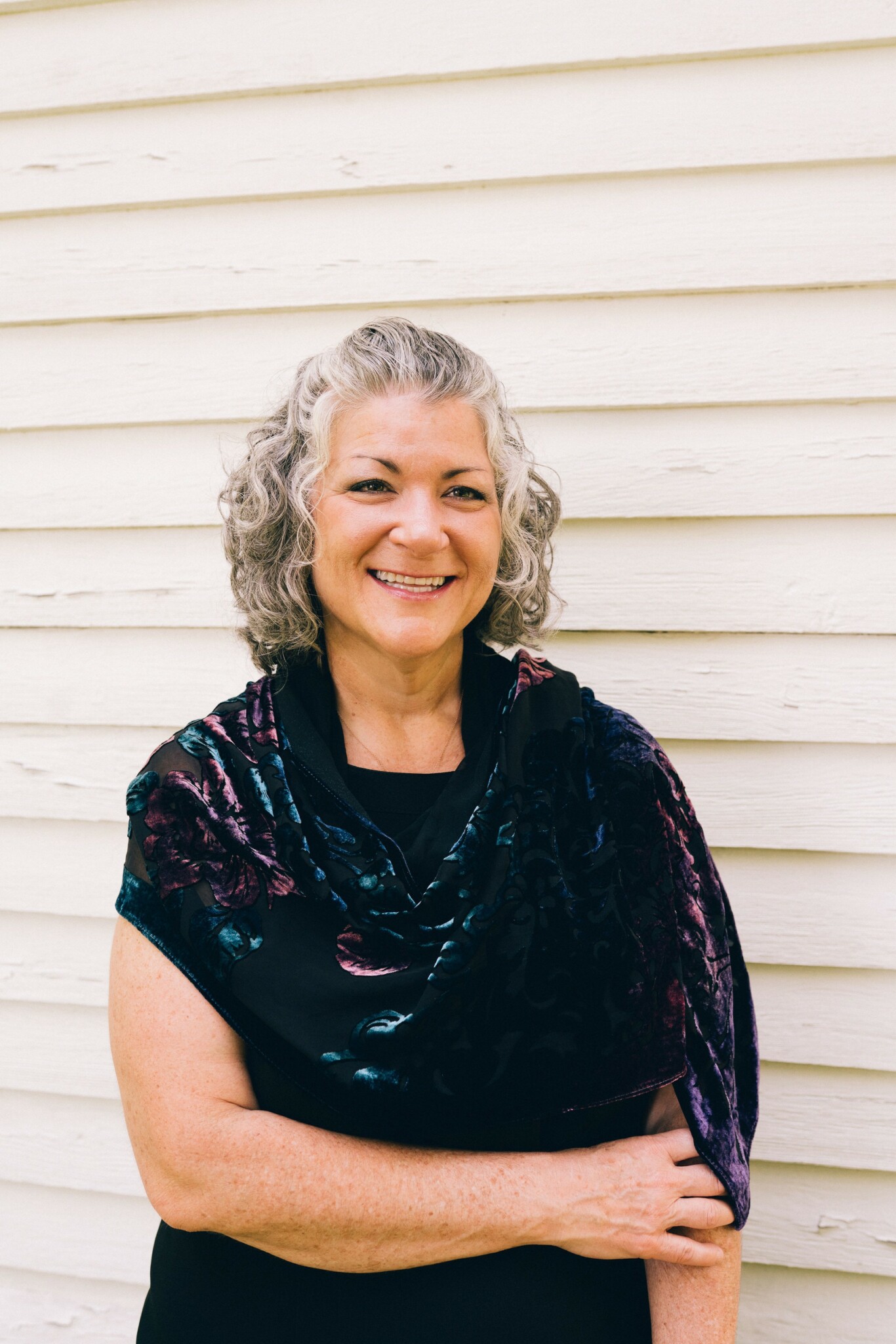
Melissa, love having you share your insights with us. Before we ask you more questions, maybe you can take a moment to introduce yourself to our readers who might have missed our earlier conversations?
I grew up in a family of classical musicians, the youngest of four kids. I attended the Manhattan School of Music in New York City, intending to win a principal oboe position with a symphony orchestra. Just before my college graduation, my mother passed away suddenly. A year later, while pursuing my graduate degree at MSM, I lost a dear loved one to suicide, and my father died a short time later. I had struggled for many years with episodes of depression and anxiety, feeling quite isolated, and I carried a sense of deep shame. Just before the death of my mom, I began seeing a therapist for the first time. Over a period of 10 years, I tried working with several therapists with varied expertise (psychodynamic, CBT, DBT, eclectic), but they never seemed to help. I wasn’t happier. Life wasn’t easier. I felt disconnected, lost, lonely, and filled with shame. I went through more than a decade of therapy and not much changed in my life. It was when I discovered Gestalt therapy that things shifted.
Alongside my love of music, helping others and being of service had been lifelong interests, so I pursued a second master’s degree in social work from Columbia University. Yet it wasn’t until I completed graduate school that I was introduced to the Gestalt method by my first clinical supervisor, who used the approach to guide the way she lived her life and our work together. That’s when I consider Gestalt Psychotherapy to have found me. This was only the very beginning.
For the first 15 years of my career, I worked in inpatient psychiatry, medicine, dialysis, community mental health, day treatment programs, and as a clinician for a behavioral health managed care company. I took a leap of faith into private practice in 2016 and have never looked back. Today, I primarily work with adult men and women in both individuals, groups, and couples with people who are highly educated and successful, who appear to have it together and are “happy” but are stuck in old relational patterns and struggle with perfectionism, relationships, and people-pleasing. My approach is heart-centered, authentic, and relational.
What’s a lesson you had to unlearn and what’s the backstory?
I had to unlearn some very toxic beliefs and limiting mindsets around money. When I first began my private practice, I did what most therapists do – got on every insurance panel I could. It worked! Within 4 months, I was full. Overfull. I needed to make money to survive and with what insurance companies pay, I had to see 35-40 people a week. I sustained this for about 4 years until I got sick. It started with a fever and the symptoms compiled from there, I couldn’t get out of bed, I had no appetite, and I was in excruciating pain for a couple of months. I received negligent care from doctors and hospitals and had to do my research on my symptoms, schedule my tests, and eventually had to search for an oncologist on my own. After a battery of tests and a major surgery that had several potential life-altering consequences, I found out I was not facing cancer.
This experience terrified me on so many levels. One, I was afraid to NOT to be working as I knew I would not be able to support my family for long lying in bed. Next, I had not been prepared well for taking care of this part of my life and quite honestly, had avoided looking at it as I didn’t know any other way. I was in fear of ultimately losing my business and home. When I was well enough to sit up and work for a few hours, I felt resentful that I had to work and fake that I was well enough to do so. Thirdly, this sacrifice I was making of my own needs to attend to my practice and patients was not appreciated. You know that saying, “No good deed goes unpunished? Well, this was yet another example of this being true. I knew something had to change.
After I recovered from surgery and gained my strength back, I was inspired, rejuvenated, and ready to put my needs first and foremost, every single day. I learned how to attach a monetary value to my services that were what I needed to live and sustain my lifestyle. I learned to separate my own learned narrative about success, worth, and value from my business practices and began to get very clear and set different boundaries from what I had been taught from my family of origin, but also society, culture, and my profession. I began to think of my business as a living thing that has needs and since I am not only at the helm, but I am the business and brand, I have to be well taken care of so that I can continue and thrive. In doing all of this, I am more satisfied in the work I do, and more fulfilled in every aspect of my life, and the understanding that my needs must come first has only been reinforced as I continue to heal, rejuvenate, and become expansive. I do now show up feeling resentful any longer. No day is wasted, and no amount of health and time is taken for granted. I work hard but not to the detriment of my existence. I also play and rest every single day. I take breaks and time off. In turn, my work as a psychotherapist is more grounded, present, centered, and focused.
If you could go back in time, do you think you would have chosen a different profession or specialty?
This work found me, and it is truly a perfect fit. I had to learn many lessons but I think this is true of any “artist” and we suffer for our art. So, yes. I would.
Contact Info:
- Website: https://www.melissabennettheinz.com/
- Facebook: https://facebook.com/melissa.bennettheinz
- Linkedin: https://www.linkedin.com/in/melissa-bennett-heinz-149807a/
Image Credits
Chelsea Francis