

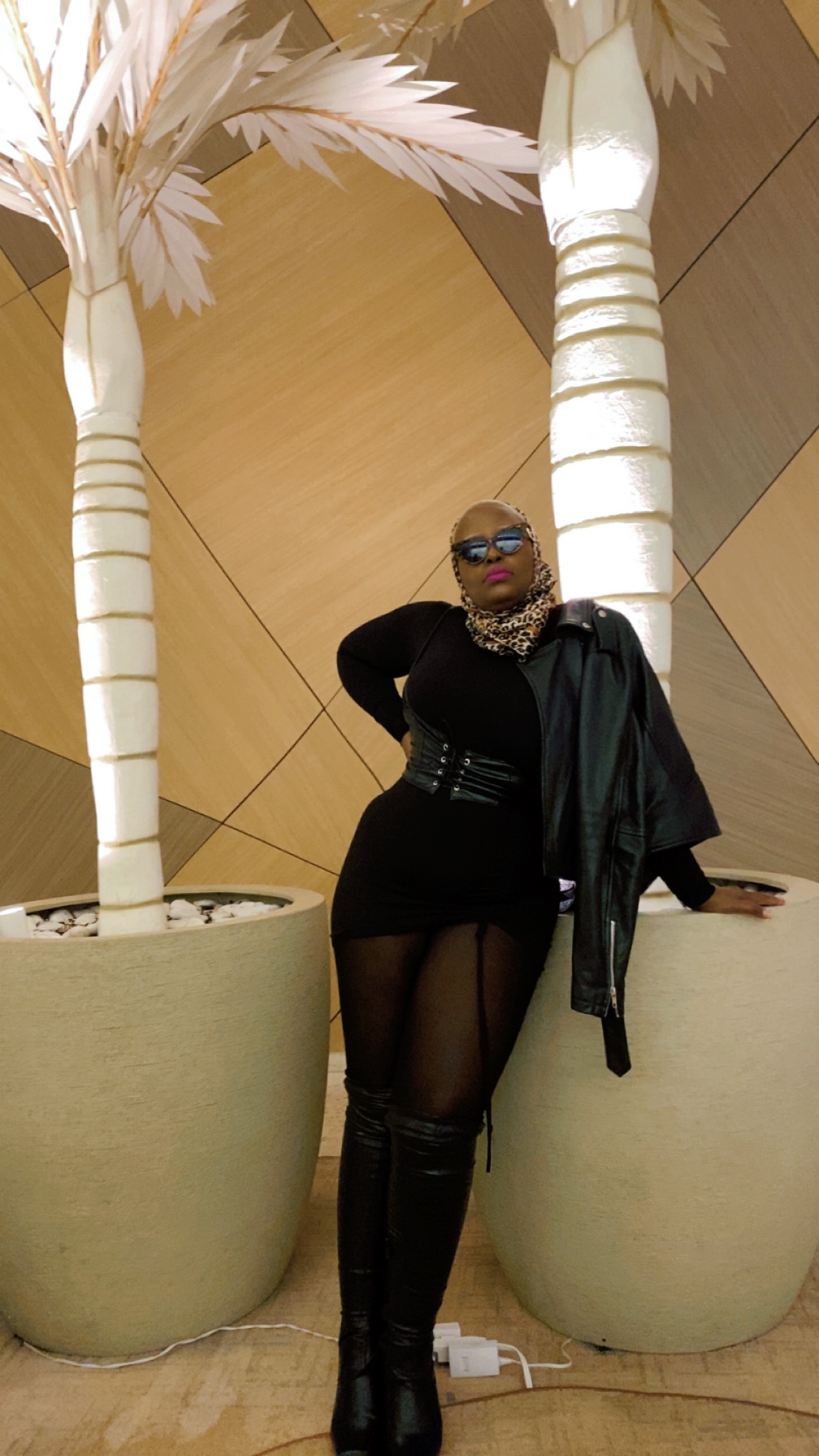

We were lucky to catch up with Zena Daly recently and have shared our conversation below.
ZENA, thanks for joining us, excited to have you contributing your stories and insights. We’ve love to hear an interesting investment story – what was one of the best or worst investments you’ve made? (Note, these responses are only intended as entertainment and shouldn’t be construed as investment advice)
The best decision I’ve made so far was going to college. While many people today view college as unnecessary due to changes in the economy and workforce, for me, it was more than just an opportunity to leave home, explore a new place, and meet new people. It was the turning point that shifted my life from homelessness and poverty to becoming a successful entrepreneur.
At 18, I graduated high school in the top ten of my class, with the ability to attend any school I wanted. However, fear held me back. My parents never discussed college with me, and I had no guidance on how to apply. Left to figure things out on my own, I ended up with no concrete plans after graduation. The lack of support led to a devastating reality—I found myself homeless, navigating a world that I wasn’t prepared for.
Determined to change my circumstances, I enrolled in a community college and pursued an associate’s degree in music performance, learning to sing classical music. A year and a half later, a conversation with my best friend changed my trajectory. She encouraged me to consider attending her school, assuring me that I wouldn’t have to worry about housing or food since the university provided dorms and a cafeteria, which could be covered by a Pell Grant and scholarships.
Inspired by the possibility of stability and opportunity, I auditioned for Alabama State University and was accepted on a full scholarship for music performance. However, I made a bold choice—I turned it down to pursue a degree in business. I wanted more than just to be an artist; I wanted to understand the industry, build a profitable career, and create a team capable of bringing my vision to life.
This was a massive leap for me. I had never left Miami on my own before, but I knew it was necessary to achieve my dreams. Miami is often seen as a glamorous destination filled with celebrities and nightlife, but the reality for people of color trying to elevate themselves or build within their communities is much different. The city’s music scene thrives on hip-hop, rap, and Latin music, leaving limited opportunities for R&B artists and live performers. Unless you were part of a niche indie scene or an emerging major artist, sustaining a career in live music was difficult. I knew I had to leave, gain industry knowledge, and build experience so that I could one day return and create opportunities—not just for myself, but for other artists who needed a space for networking and discovery.
Despite my determination, I was terrified. I had no idea how I would afford personal items, books, or other necessities. I had made this journey alone, and while I was proud of myself for taking that step, I knew the road ahead would be challenging. But through it all, I discovered something powerful—I was far stronger than I had ever imagined. No obstacle could stand in the way of someone truly determined to succeed.
Eventually, I graduated from college and started my band, 11:59. Over a decade later, I am still reaching new heights—traveling and doing residencies all over the world, writing for major international artists, charting on electronic charts, and even being considered for a Grammy. The little girl in me is proud that I never gave up.
Great, appreciate you sharing that with us. Before we ask you to share more of your insights, can you take a moment to introduce yourself and how you got to where you are today to our readers.
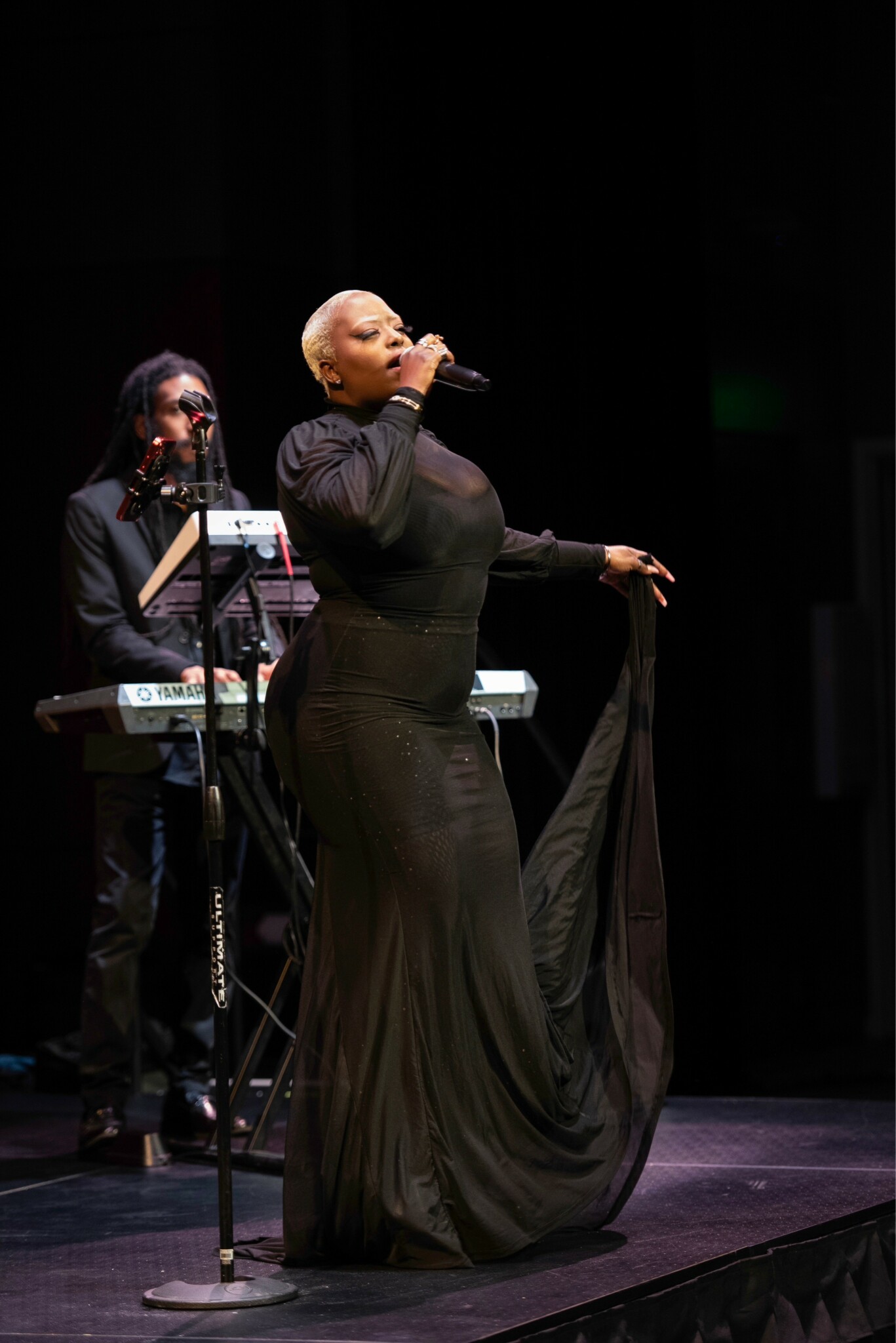
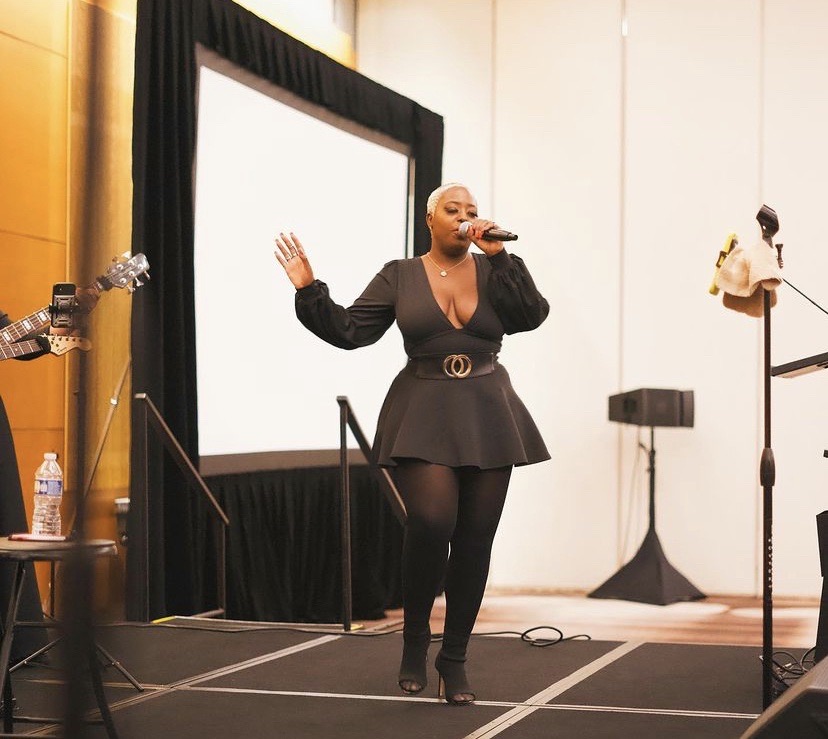
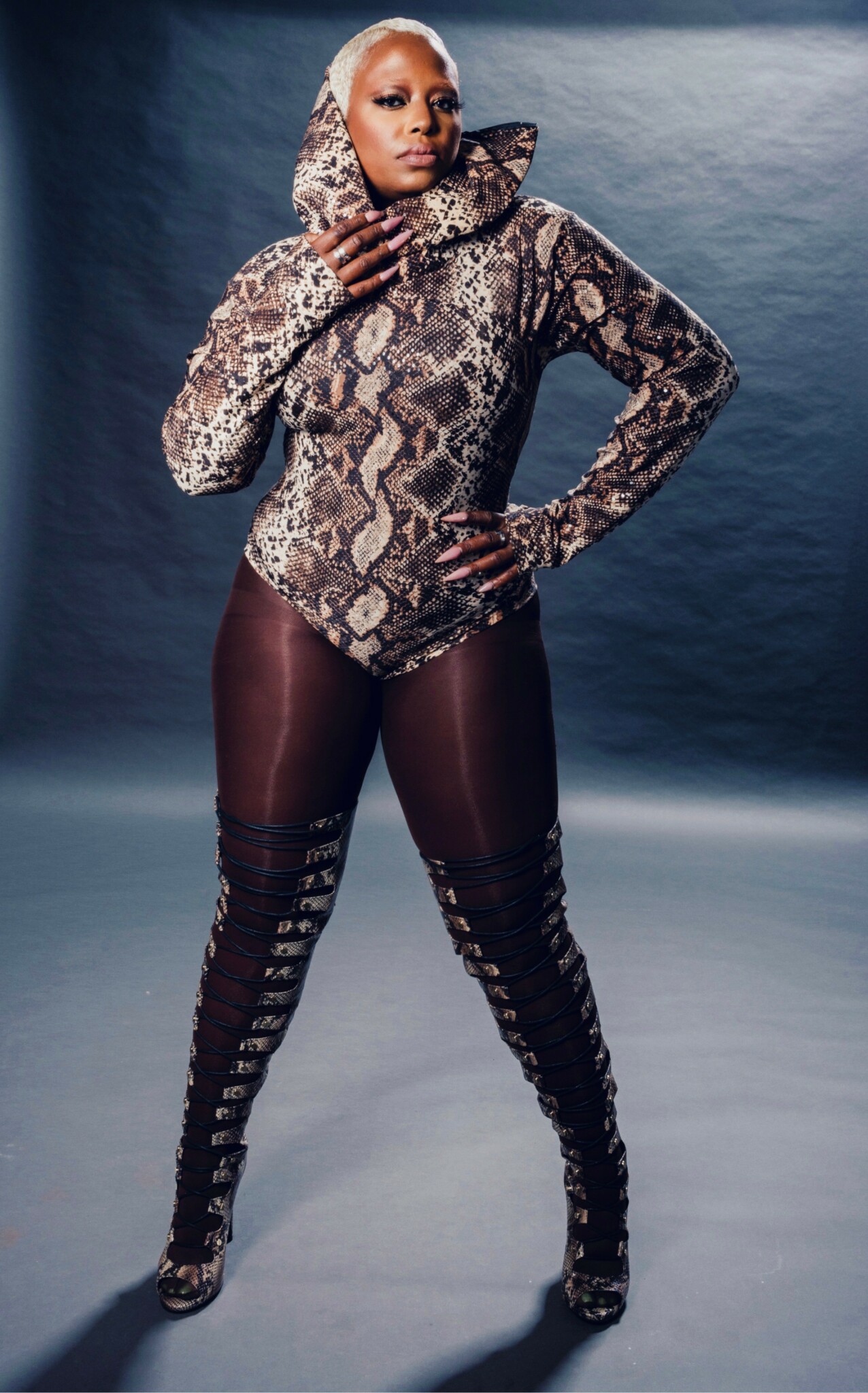
I’m ZENA, a multidimensional artist, entrepreneur, and creative visionary. My journey into the music and entertainment industry wasn’t a straight path—it was one of resilience, transformation, and an unshakable belief in my purpose. I’m a trained singer, songwriter, and live performer with over a decade of experience, blending genres and influences to create music that is both powerful and immersive. But beyond just performing, I’m deeply invested in using my artistry to build platforms for other creatives, advocate for mental health, and redefine what it means to be an independent artist in today’s industry.
My entry into music and entertainment was both natural and hard-fought. I’ve always been drawn to storytelling through sound and movement, and from a young age, I knew music would be my path. But my journey took unexpected turns—I experienced homelessness, financial struggles, and a lack of guidance when it came to pursuing higher education and a career. Despite these obstacles, I found my way to college, graduated, and built a career that allows me to travel the world doing what I love. Over the years, I’ve performed in residencies internationally, written for major artists, charted on electronic music charts, and even been considered for a Grammy.
As an artist, I provide live music experiences that are immersive and emotionally charged. Whether through my performances, original songs, or visual storytelling, my goal is to make people feel—to transport them into a world where they can connect with their emotions, heal, and find empowerment. My brand, Warrior District, is not just about music; it’s about creating a movement for artists who want to break barriers and exist outside of industry molds. Additionally, I created Soul’d Owt SESSIONZ, a platform dedicated to showcasing indie minority artists and giving them a space to be seen and heard.
What sets me apart is my fusion of artistry and entrepreneurship—I’m not just a performer, I’m a builder. I understand both the creative and business sides of the industry, and I use that knowledge to create opportunities not only for myself but for others. My work is about more than entertainment; it’s about impact, legacy, and showing that independent artists can build powerful, sustainable careers without waiting for permission.
What I’m most proud of is my perseverance. I’ve gone from living in my car, struggling to get one gig a month, to being booked internationally, collaborating with major talents, and running multiple platforms that empower others. The little girl in me—who once felt unseen, unheard, and uncertain of her future—is proud that I never gave up.
For those discovering me for the first time, I want you to know that my brand is about fearlessness, empowerment, and excellence. Whether through my music, my performances, or the platforms I build, I’m here to create experiences that resonate deeply and to show that when you move with purpose and refuse to quit, there are no limits to what you can achieve.
Is there something you think non-creatives will struggle to understand about your journey as a creative? Maybe you can provide some insight – you never know who might benefit from the enlightenment.
Absolutely. One of the biggest things non-creatives—and even some creatives who are still tied to traditional security—struggle to understand is the level of faith it takes to be an entrepreneur in this industry. It’s not just about talent or hard work; it’s about believing in something that doesn’t exist yet and moving toward it as if it’s already real. That’s terrifying for most people because the unknown is uncomfortable. And in entrepreneurship—especially in a creative field—the unknown is where we live.
Finances, stability, and security are the biggest concerns for anyone pursuing a creative career. Unlike traditional jobs, there’s no set paycheck, no guaranteed promotions, no clear roadmap. Every decision we make is a risk. We often take more losses than wins, and from the outside, it can look like we’re moving in circles, making sacrifices with no real return. But what most people don’t see is that it’s right in those moments when it seems like nothing is working that everything is actually coming together.
Faith and work ethic are the backbone of this journey. People with real faith—faith in themselves, faith in their vision, faith in their purpose—are often the ones who become entrepreneurs. We don’t just see what’s in front of us; we see what could be, and we take the necessary steps to make it a reality, even when there’s no proof that it will work. That kind of faith isn’t for everyone. It’s a lonely, difficult path, and many people quit because they can’t handle the uncertainty. But those who push through? They’re the ones who build legacies.
So, to anyone who struggles to understand the creative journey, I would say this: It’s not for the faint of heart. It requires a level of trust in the unseen that most people aren’t willing to develop. But for those of us who do, the rewards aren’t just financial—they’re spiritual, emotional, and deeply fulfilling. We don’t just make art, businesses, or brands; we create worlds that didn’t exist before we believed in them.
How can we best help foster a strong, supportive environment for artists and creatives?
Society needs to develop more empathy and respect for creatives instead of only acknowledging our work once it reaches mainstream success or generates significant income. Too often, artists and entrepreneurs are dismissed by their families, peers, and communities in the early stages of their journeys simply because their success isn’t immediate or easily understood. Yet, these same people will later celebrate and claim they always believed in them once they achieve widespread recognition. It’s a cycle we see time and time again—people overlooking and doubting the creatives in their own lives while praising those who have already “made it.”
This lack of support isn’t just about personal relationships; it’s a reflection of a larger societal mindset that prioritizes traditional paths to success over creative and entrepreneurial ones. If society were more open to different avenues of financial stability—beyond the standard corporate or 9-to-5 structures—there would be less judgment, more encouragement, and more people confidently pursuing careers that align with their passions. The truth is, in today’s world, stability is never truly guaranteed, no matter the career path. This makes it more important than ever for individuals to identify and cultivate their unique skills, trades, and talents—things that can sustain them regardless of economic shifts.
Supporting a thriving creative ecosystem means:
1. Valuing artists at every stage—not just after they “make it.” This means showing up for local artists, streaming independent music, purchasing from small businesses, and recognizing the value in someone’s work before it’s attached to fame or money.
2. Providing better financial and structural support for creative industries. This includes funding for the arts, grants for independent artists, and fair wages for creative work. Exposure alone doesn’t pay bills.
3. Challenging the stigma around non-traditional careers. Encouraging young people to explore their creativity without fear of judgment or failure can lead to more innovation, stronger industries, and a society that thrives on diversity of thought and expression.
At the end of the day, a world without artists, musicians, writers, designers, and innovators would be colorless, silent, and uninspired. The sooner society recognizes the value of creatives in shaping culture, driving economies, and enriching lives, the stronger and more sustainable the creative ecosystem will become.
Contact Info:
- Instagram: https://www.instagram.com/godzena?igsh=YWlocTMzeHpzYnJq
- Linkedin: https://www.linkedin.com/in/zena-daly-mcarthur-024627ba?utm_source=share&utm_campaign=share_via&utm_content=profile&utm_medium=ios_app
- Youtube: https://youtube.com/@godzena?si=TekQ0DvSXDdUmgAD
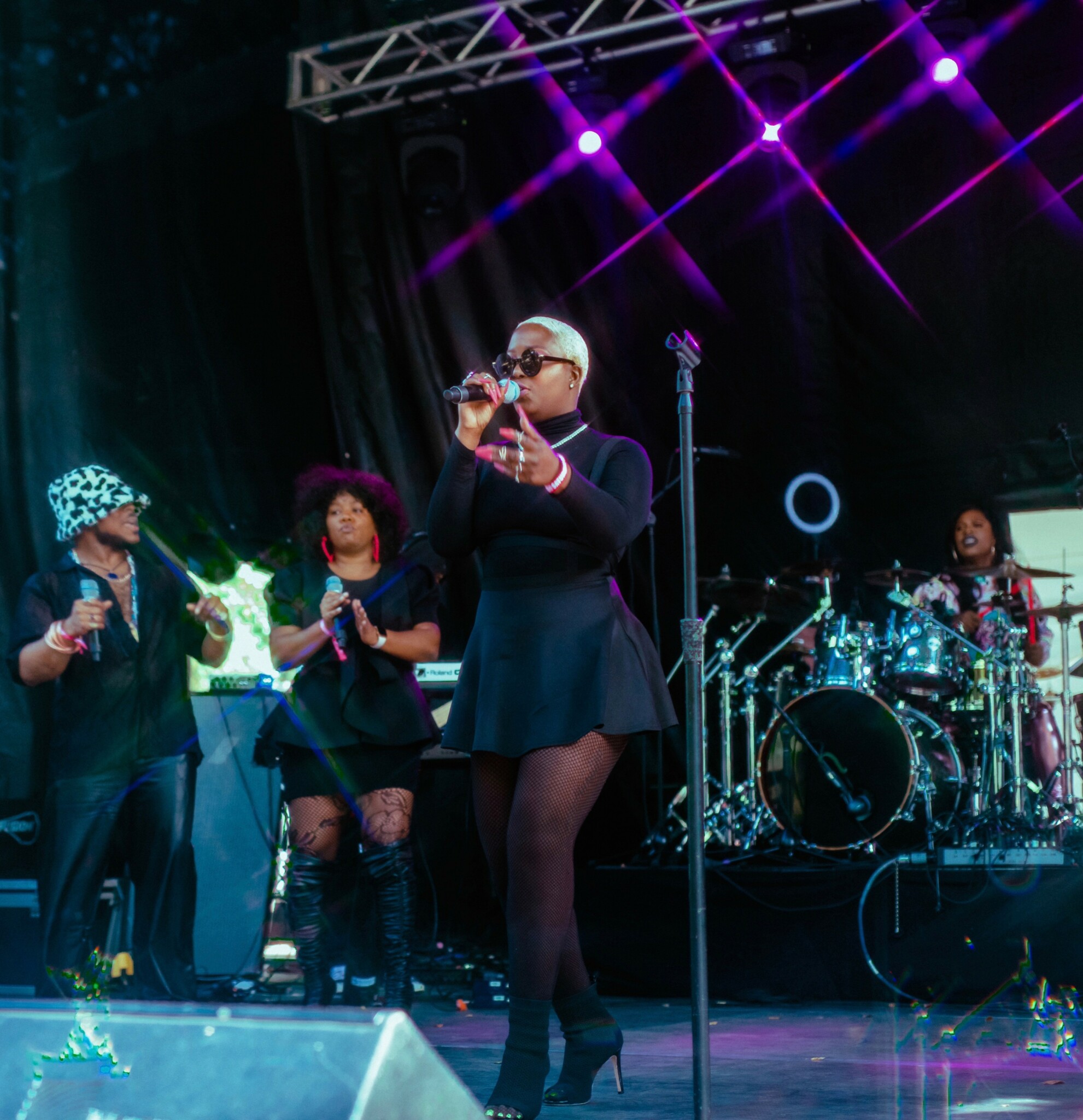
Image Credits
Devon
Braden ADAMS