
We recently connected with David Wierzbicki and have shared our conversation below.
Alright, David thanks for taking the time to share your stories and insights with us today. We’d love to hear about when you first realized that you wanted to pursue a creative path professionally.
I have had a big imagination and a wandering mind from childhood until now. In 3rd Grade my teacher came up with a solution to my tendency to doodle all over my schoolwork instead of completing the actual work. She said that when I was done my work I could let her know and she would give me a book full of blank paper and I was free to use the remaining class time to draw anything I wanted on its pages. I had no idea such a wondrous thing as a sketchbook existed. A book that wanted to be filled with my scribbles? Amazing! This promise of open creativity prompted me to finish my work faster than ever and encouraged my love of drawing. That was the moment that I first realized that art was my path.
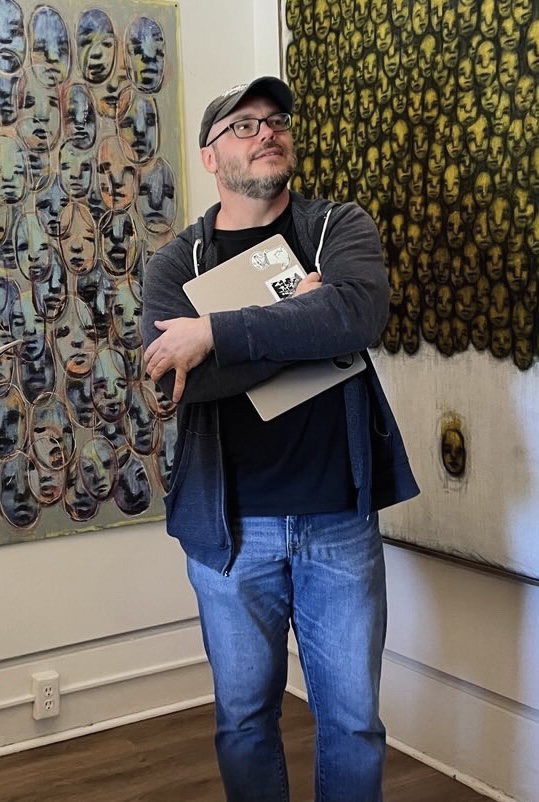
David, before we move on to more of these sorts of questions, can you take some time to bring our readers up to speed on you and what you do?
I grew up in Brantford, Ontario, Canada to a blue-collar, factory-working father and a mostly stay-at-home mom. We never had a lot but always had enough. Art, design, and creativity was at the center of my interests which flipped from one obsession to another (and still do). In high school I took every art class available to me and then I went on to study Illustration at Sheridan College in Oakville, Ontario.
After graduating in 2003 I bounced between many experiences, both creative and more traditional roles. I worked as an in-house graphic designer for a number of years with a desire to build my own freelance career. Family and finances obligations and financial needs, I took on various day jobs. Additionally, I have faced challenges related to un-diagnosed autism and ADHD, which have occasionally led to periods of significant depression.
In 2017, I finally moved decisively toward making my hopes of freelancing a reality. I bounced around among a variety of contexts including web design, page layout, illustration, programming, teaching, app building, and anything else creative that might be needed. During this time, I was discovering where my strengths lay and ultimately chose to concentrate on illustration and design.
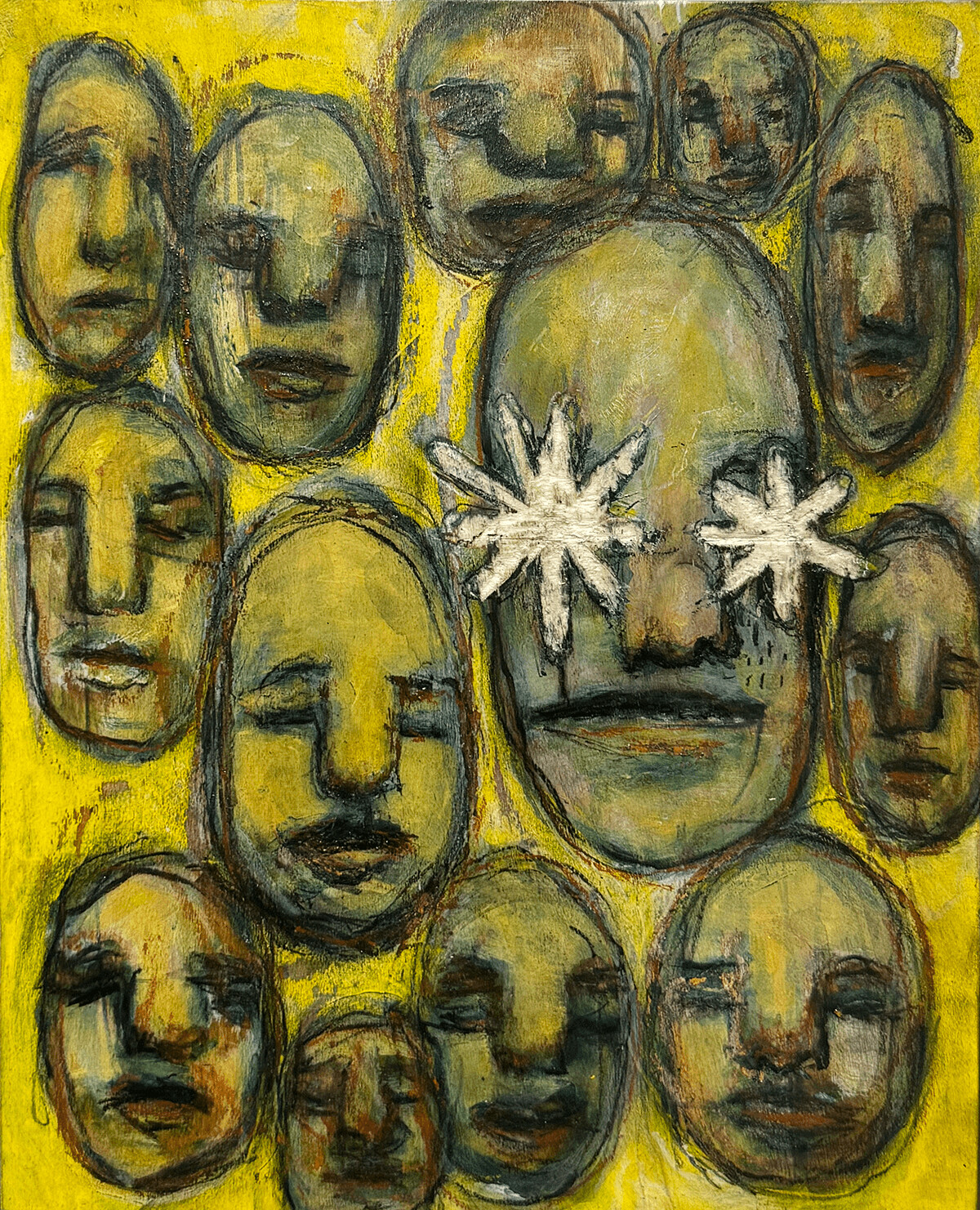
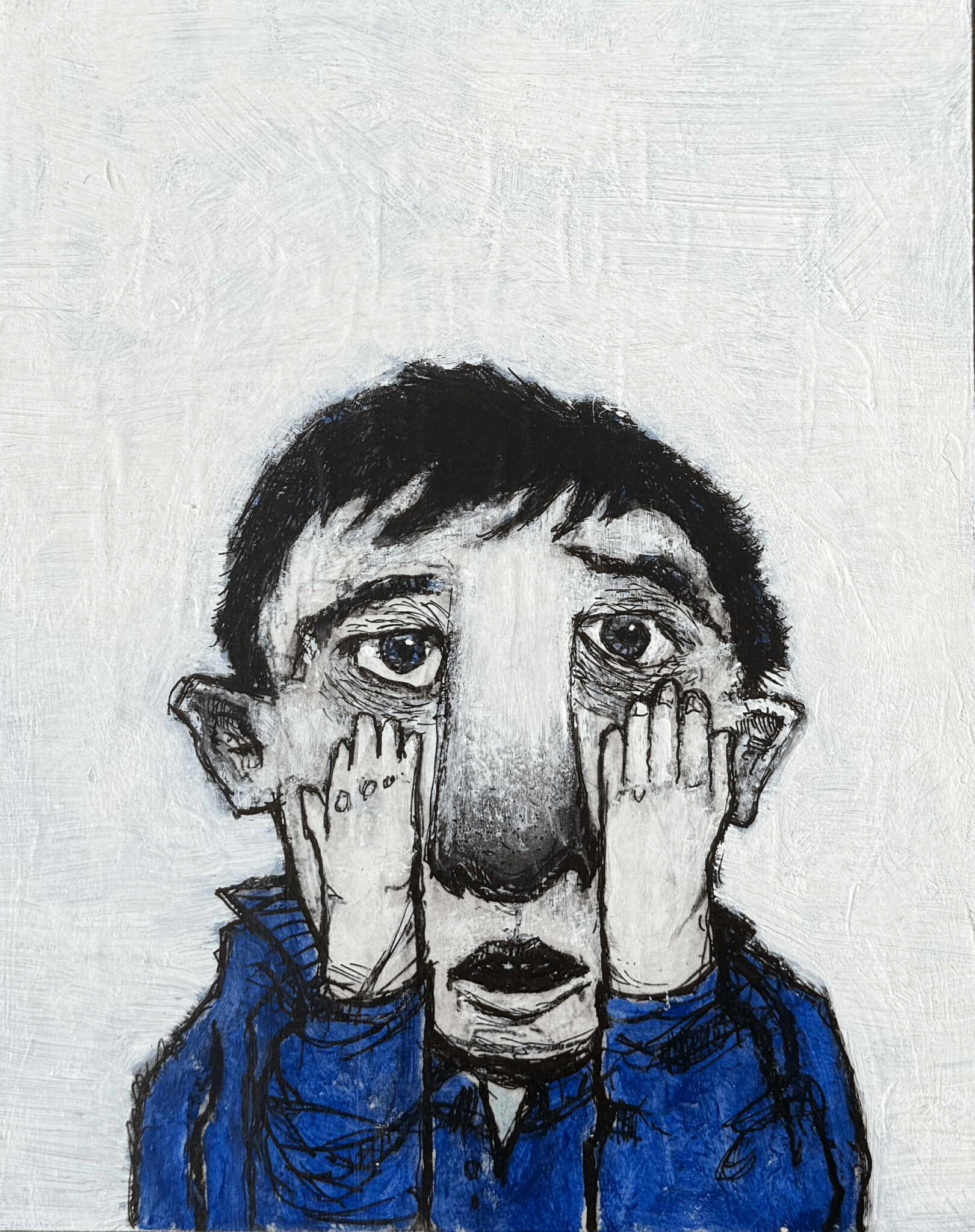
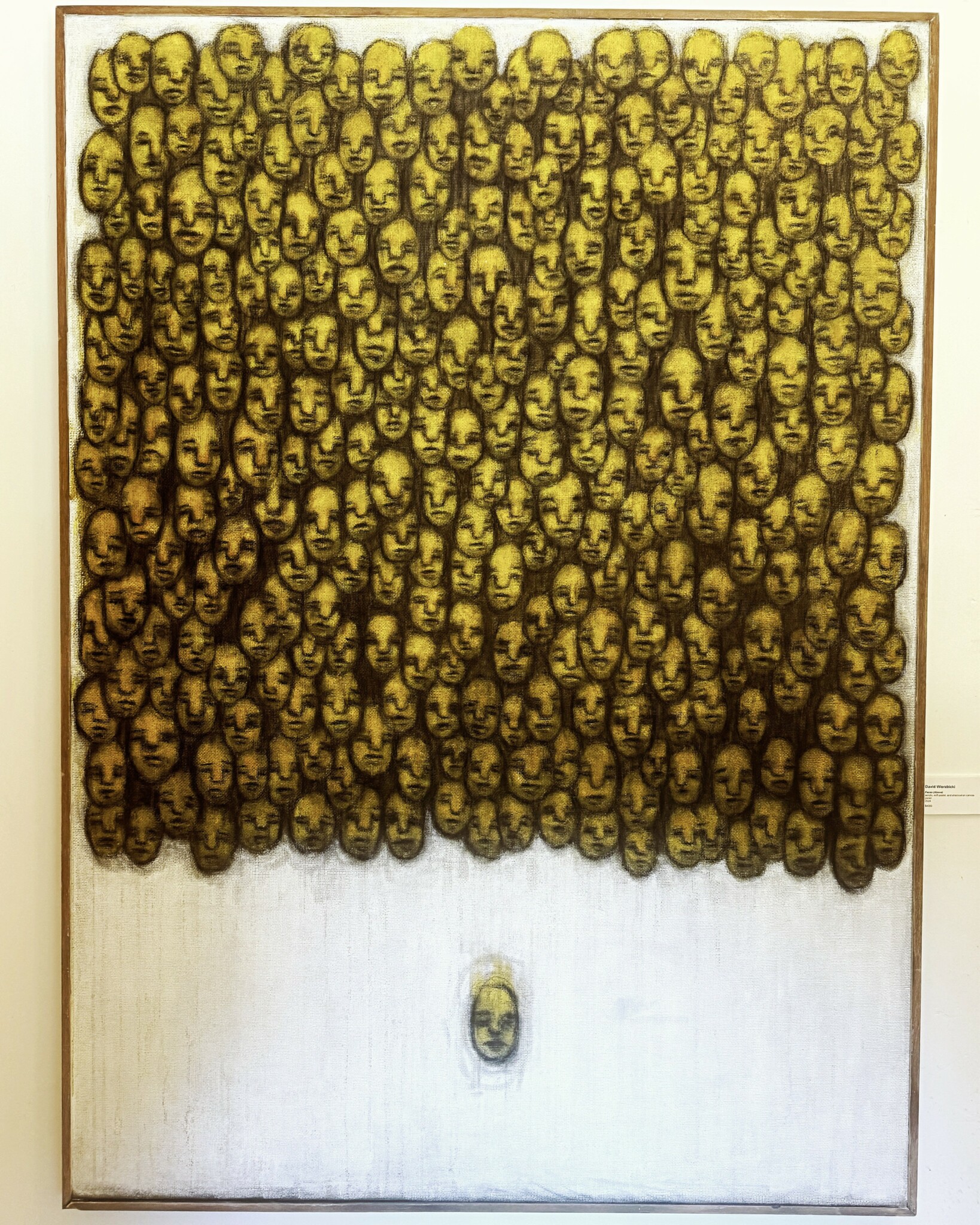
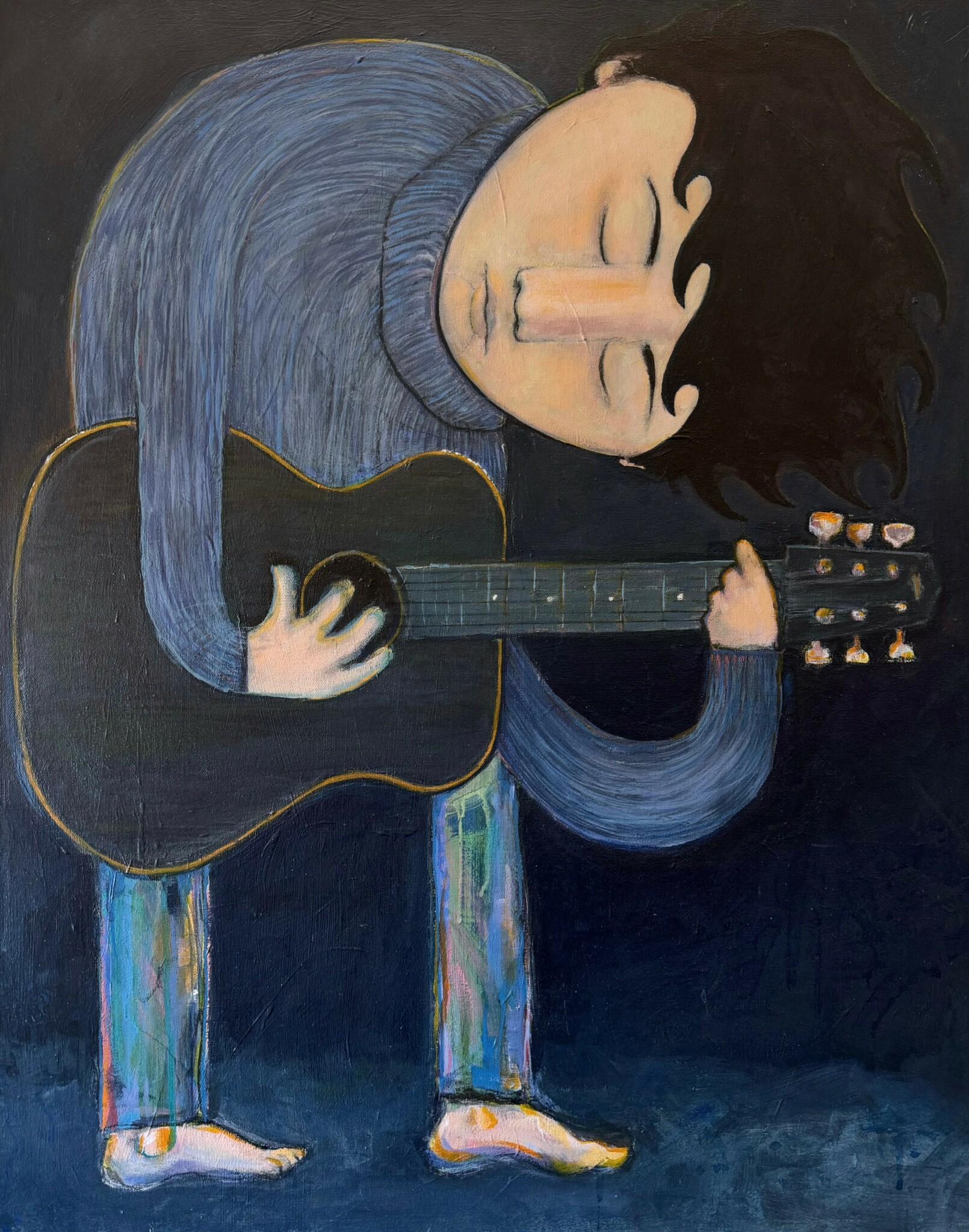
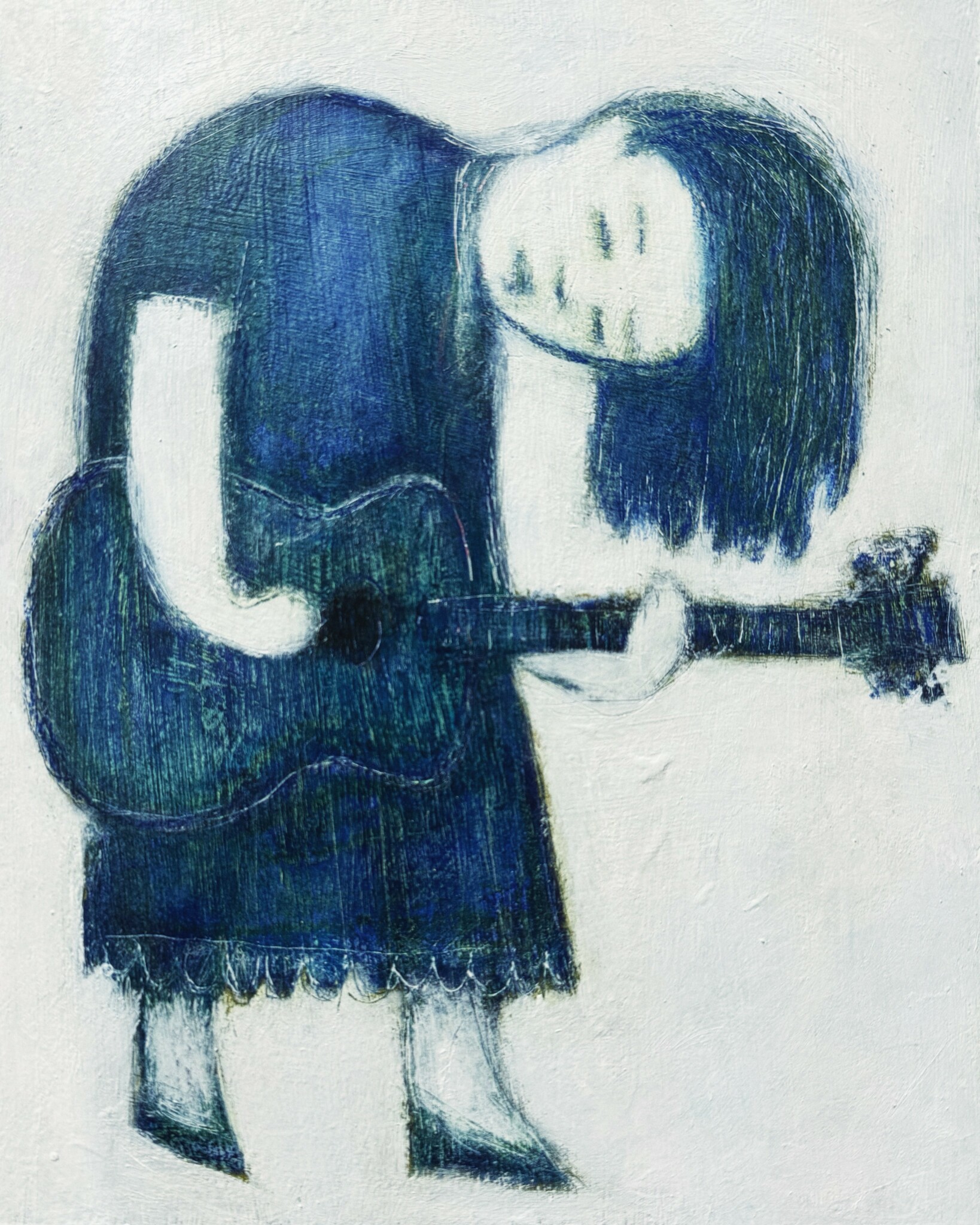
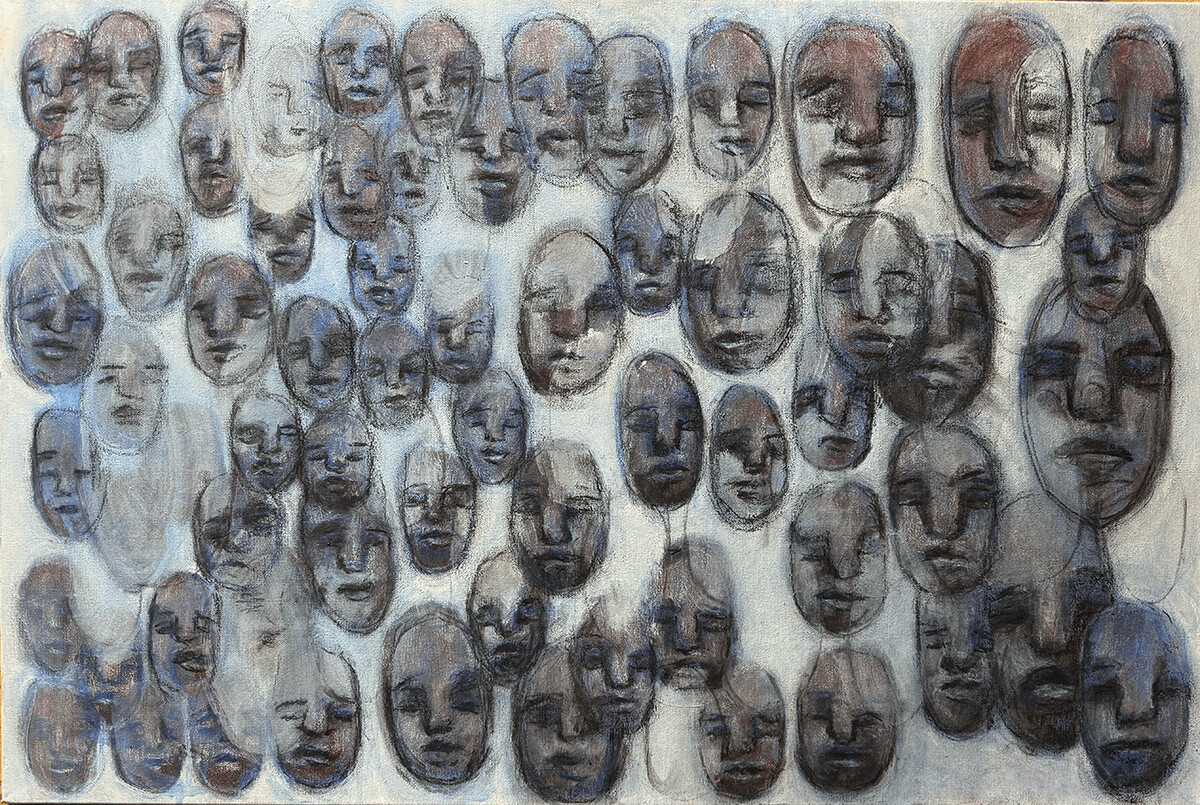
In 2024 I also completed a residency at Glenhyrst Art Gallery in Brantford, Ontario where I began to build an exhibition of conceptual paintings. These artworks represent my personal journey with mental health challenges including depression, ADHD, autism, and Avoidant Personality Disorder (AvPD). In the next few years, my goal is to exhibit these large scale works consisting of claustrophobic clouds of faces. I hope to resonate with others who understand the struggles with identity and connection.
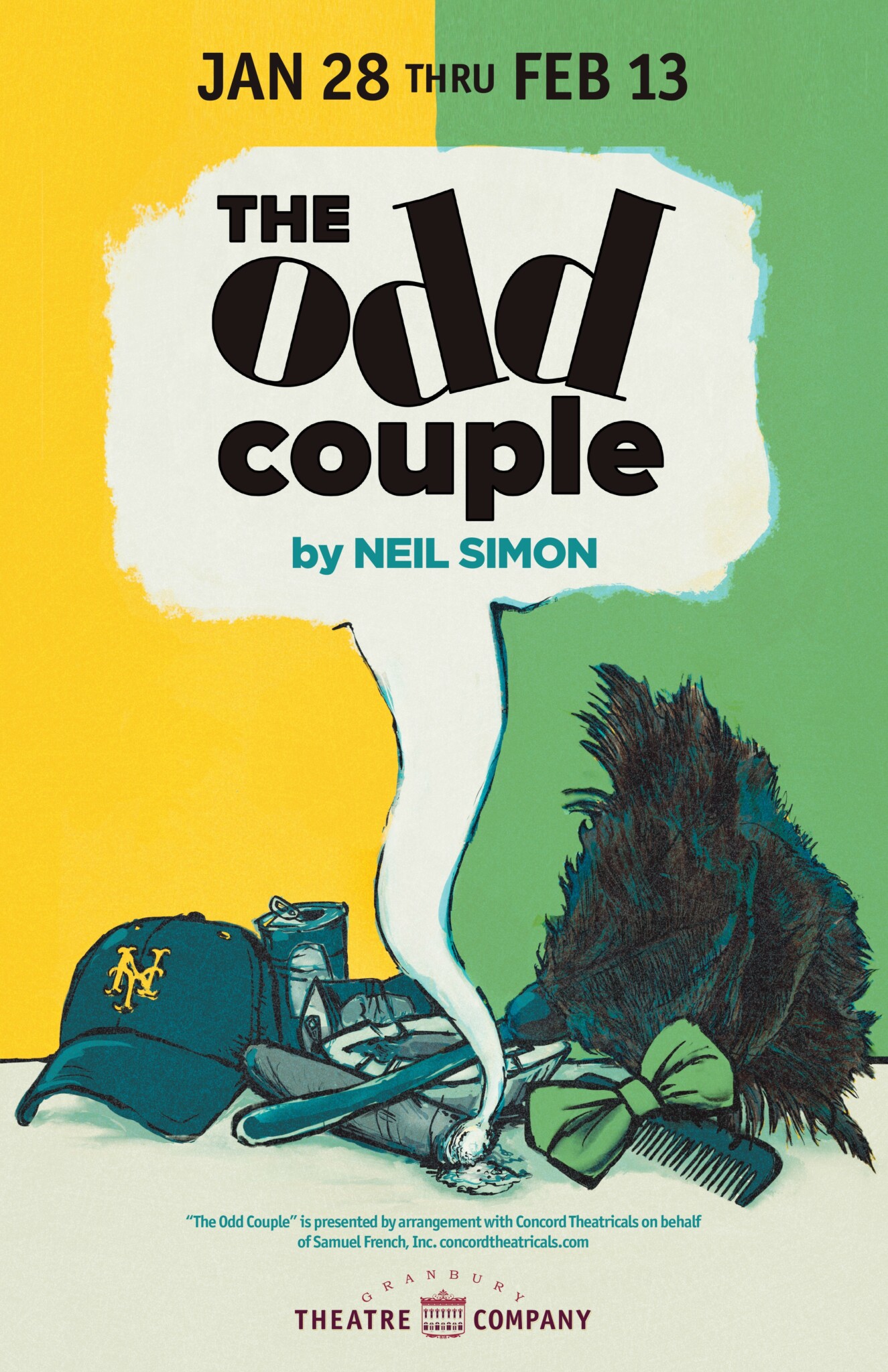
My main gig these days is creating posters, playbills, and other promotional artwork for a gorgeous Broadway-style theatre in Granbury, Texas. I work in a beautiful 150-year-old mill in Dundas, Ontario that has been converted into a shared studio environment.
My personal brand of “Whatever You Art” is a way of creating and being that I am proud to be able to establish with integrity. I hope to encourage anyone with whom I come into contact, whether in person or through my artwork, to take their next step toward progressing in becoming art makers themselves.
In your view, what can society to do to best support artists, creatives and a thriving creative ecosystem?
1. Art and creativity are the most revered tools in human society, yet they are also the most ignored and underappreciated. Many artists are very under-prepared for life in the world of capitalism. I know this is extremely true for myself as well as many of my creative friends. The thrill of being able to use our skills to add to the enrichment of the world around us blinds us to the ways that we are taken advantage of. Artist jobs are almost always relegated to project contracts with no long-term financial security. We need much more robust guilds, unions, and associations. It would also be wonderful if companies that regularly employ artists would create staff positions complete with insurance and benefits, as they would for any other skilled labor. Artists are too often unable to advocate for themselves due to the fear of losing connections and contracts.
Have any books or other resources had a big impact on you?
I have searched for decades for tools to help me overcome the effects of ADHD and autism when it comes to self-regulation and time management. David Allen’s “Getting Things Done” is a book that I have found very helpful in chopping tasks up into actionable steps, and learning to pay attention to settings and scope. I find just keeping a notebook or even a stack of 3×5 note cards on me at all times is extremely helpful for capturing ideas before they vanish. The key for me is to eliminate with friction that might be created by systems that are too cumbersome or involved. I know I need to get the ideas out of my mind (where they will be lost to the sands of time) and transfer them onto paper or into an app that can be easily referenced later to review what has been in play over the past week.
There is no substitute for simply taking the time to try things and to fail. For example, this year I applied for a grant program to develop an animated short. Even though I was ultimately not accepted, the process of applying taught me a great deal about how to develop and refine concepts quickly and with a goal in mind. Additionally, working in a shared studio space has been wonderfully helpful as I get the chance to observe how others manage themselves and their visions. We can bounce ideas off one another and cheer each other on through both successes and failures.
Contact Info:
- Website: https://whateveryouart.com
- Instagram: https://instagram.com/whateveryouart
- Facebook: https://facebook.com/whateveryouart
- Linkedin: https://linkedin.com/in/davidwierzbicki/