

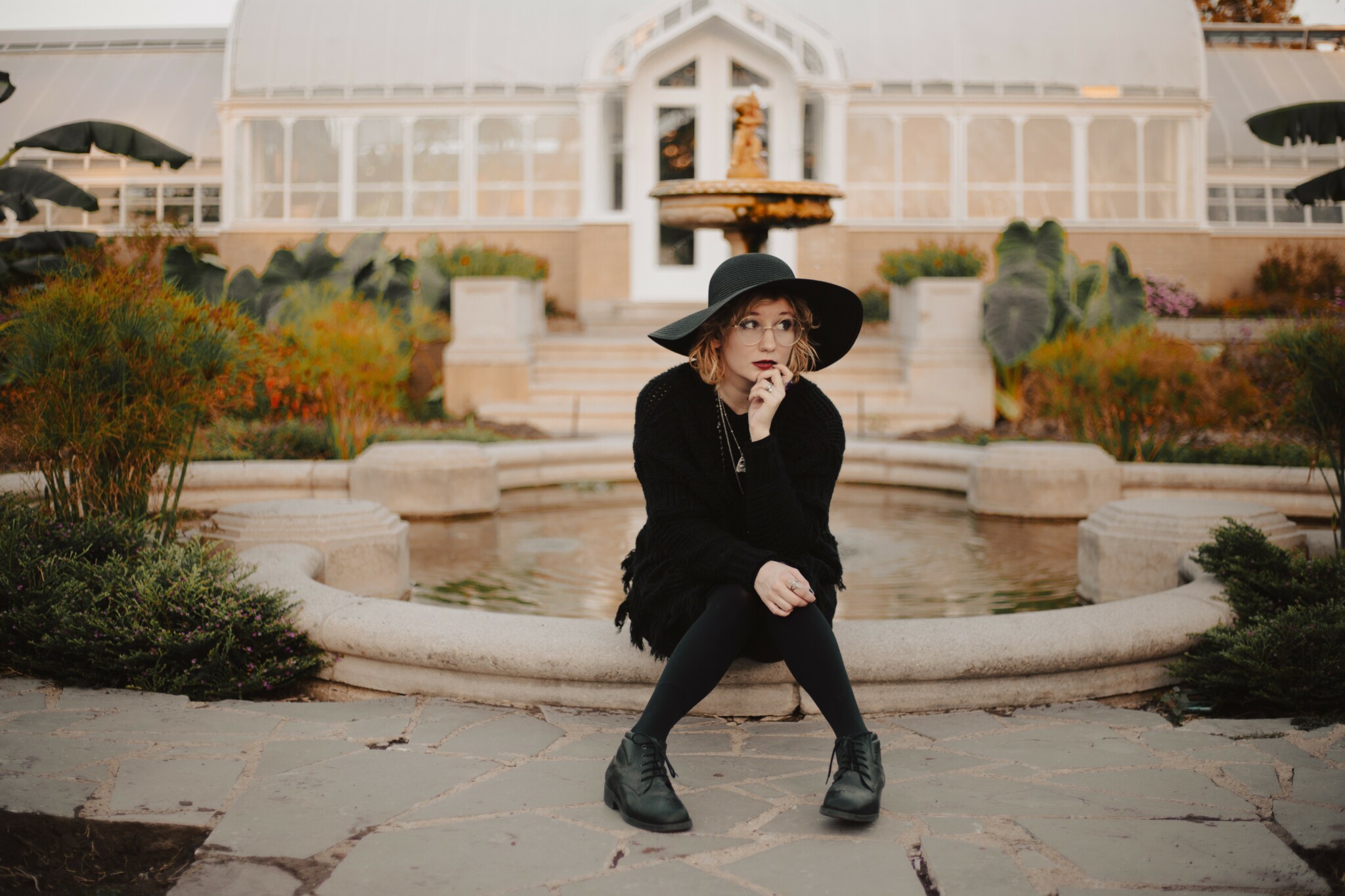

We were lucky to catch up with Rachel Miller recently and have shared our conversation below.
RACHEL, looking forward to hearing all of your stories today. Have you been able to earn a full-time living from your creative work? If so, can you walk us through your journey and how you made it happen? Was it like that from day one? If not, what were some of the major steps and milestones and do you think you could have sped up the process somehow knowing what you know now?
It is a struggle and it all relies on not just creating work for people to purchase but to manage and promote your work as well. If you can be your own social media manager, shop manager and sales manager, you can sell your work! It was not a “instant” success and still requires a lot of promoting to make ends meet. It can take awhile to build a fanbase and direct traffic to your work.
As always, we appreciate you sharing your insights and we’ve got a few more questions for you, but before we get to all of that can you take a minute to introduce yourself and give our readers some of your back background and context?
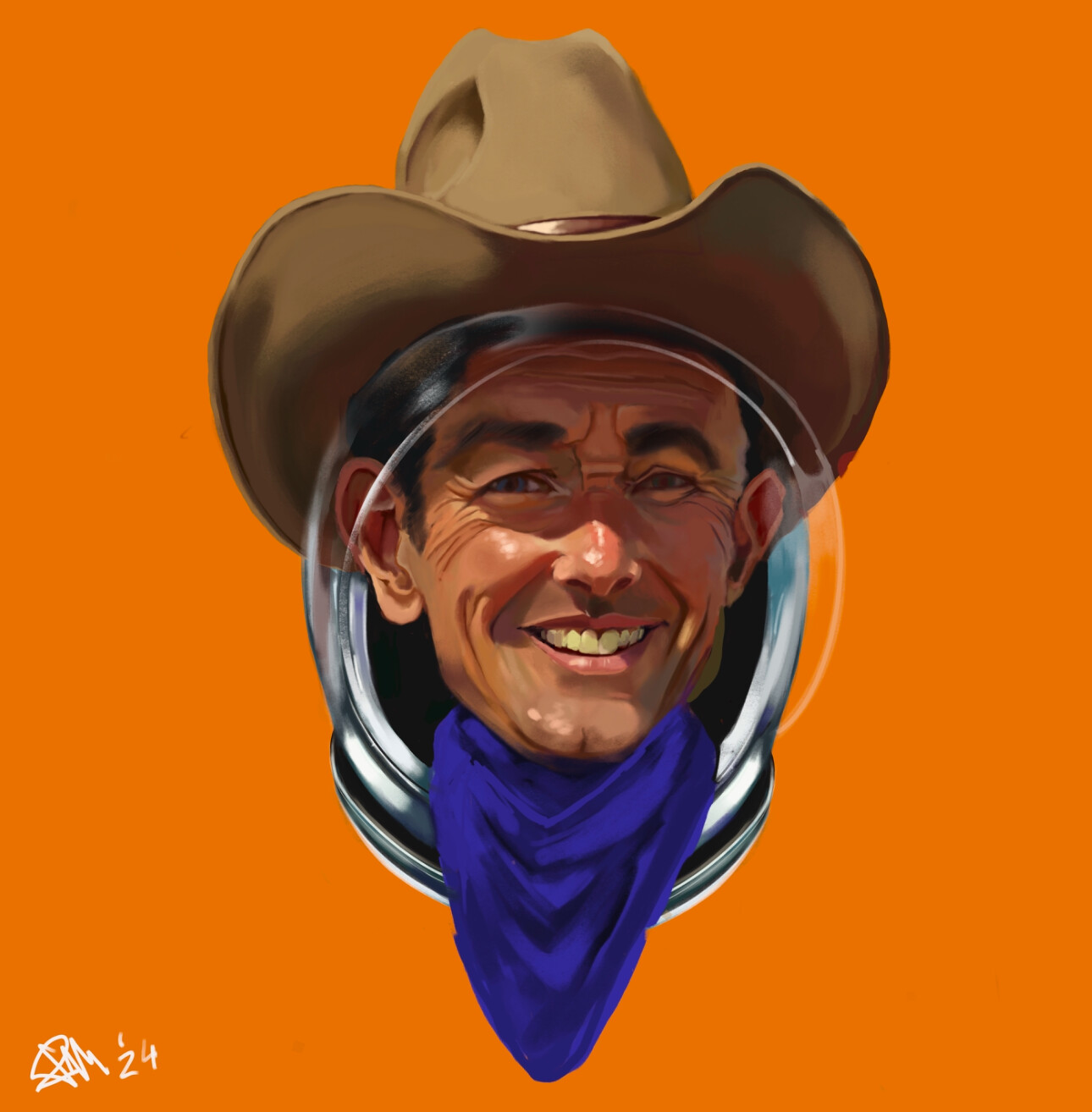
From the moment I could hold a crayon at the age of three, my love affair with art began. Growing up, I was always drawn to the arts, exploring different mediums and finding joy in the process of creation. This passion led me to connect with other artists, forming a community that continues to inspire and challenge me to grow.
Over the years, I’ve embraced a diverse artistic journey. As a digital arts teacher at the Tulsa Art Center, I had the privilege of guiding aspiring artists and sharing my knowledge. It was deeply rewarding to watch students bring their ideas to life and discover their unique voices through digital media. Beyond teaching, I’ve showcased and sold my work at numerous conventions and art markets, each event offering an opportunity to connect with people who appreciate the stories and emotions behind my art.
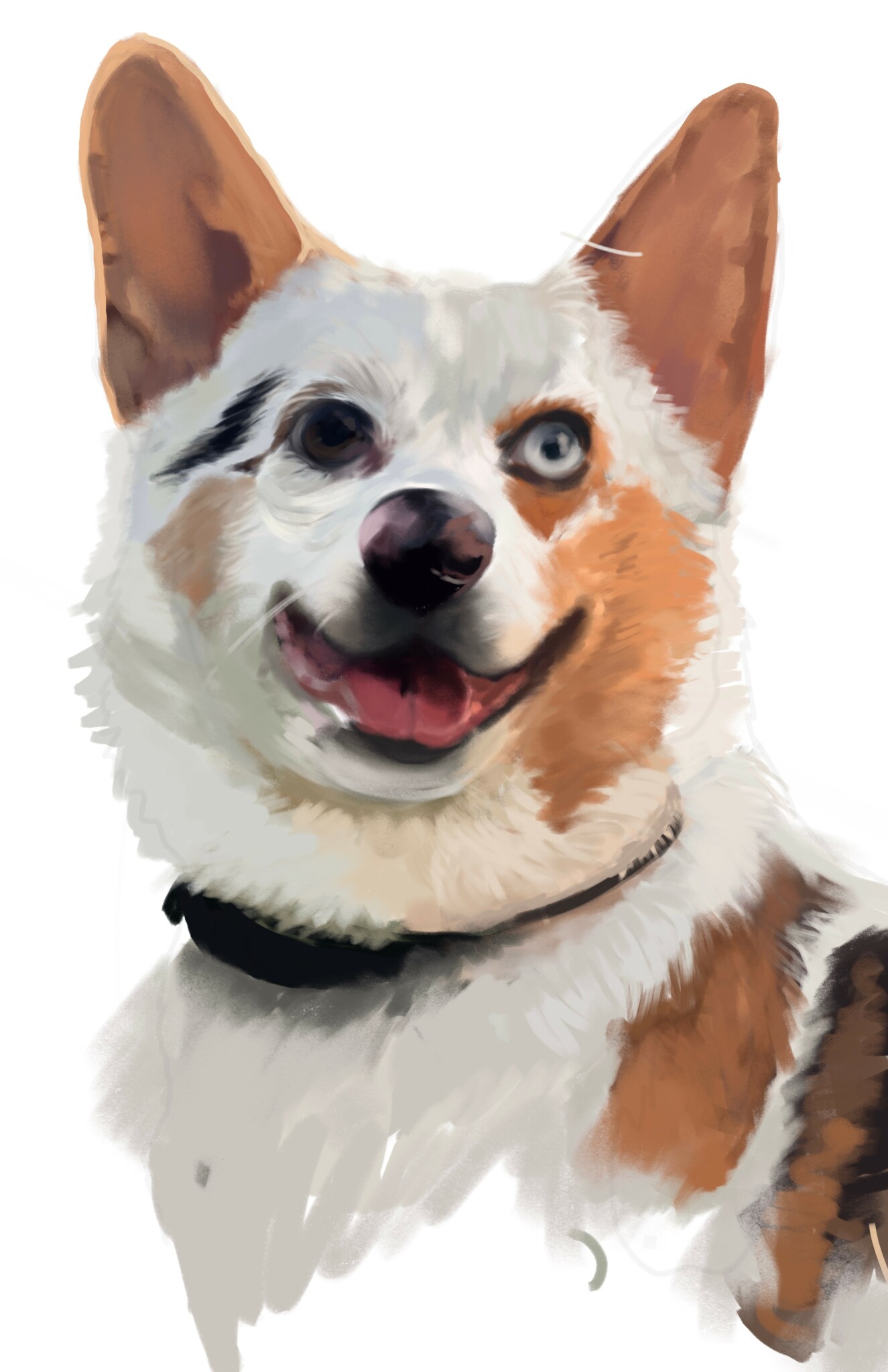
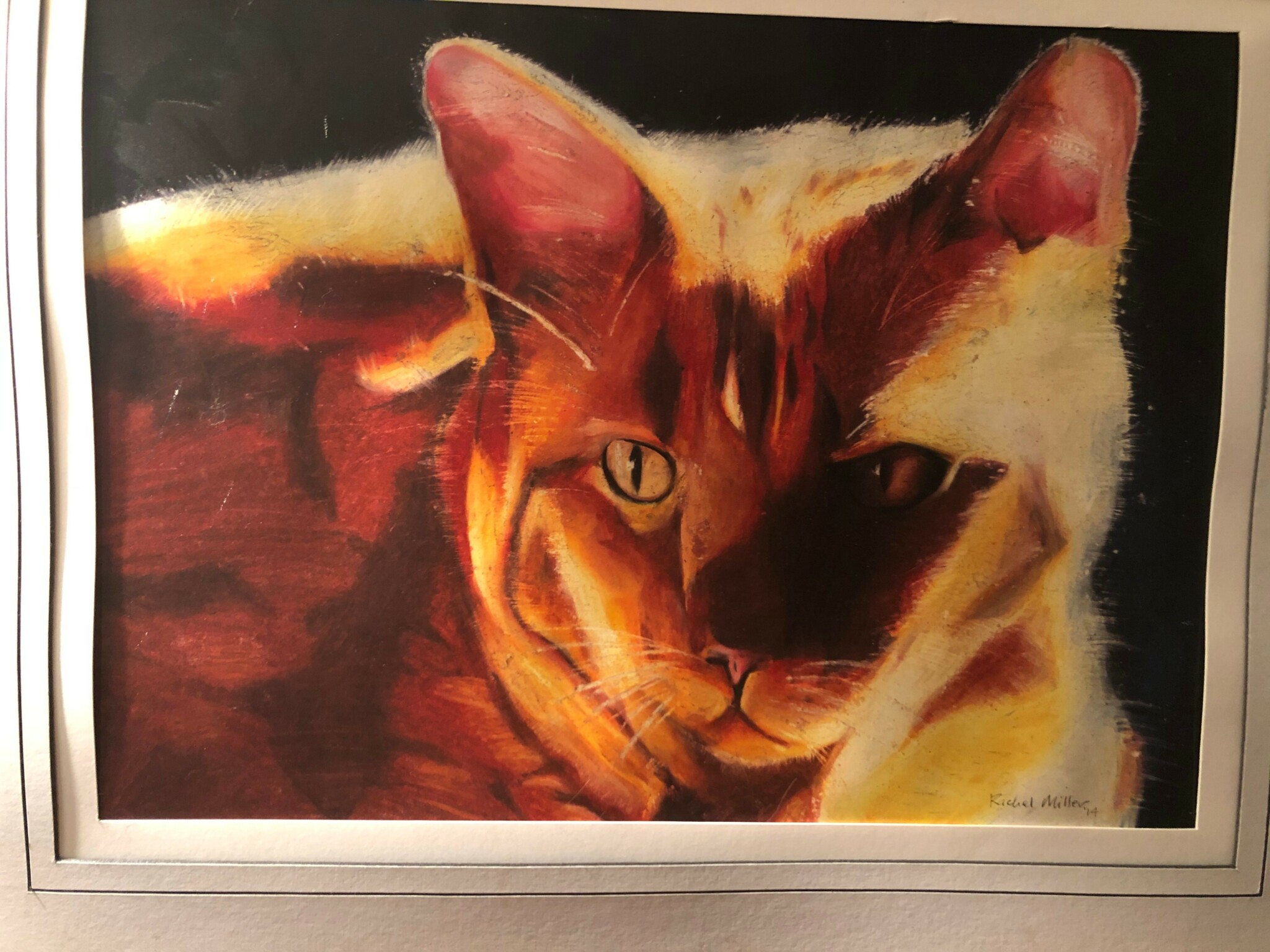
While I primarily identify as a digital artist, my creative pursuits extend far beyond the screen. I work with oils, colored pencils, and photography, each medium offering a different way to express my vision. One of my favorite side projects is creating pet portraits, which allow me to capture the personalities and spirit of beloved animals. These commissions provide a meaningful way to connect with individuals and celebrate the bonds they share with their pets.
My artistic process is dynamic, often shifting between projects and mediums as inspiration strikes. I take great pride in work that gives back to the community, and one of my current endeavors is an oil painting based on a photograph I took in New Orleans. The recent events impacting the city have motivated me to create something that can contribute to its recovery. My goal is to sell the finished piece and donate the proceeds to support the place I’ve always admired and cherished.
When I’m not immersed in oils, photography, or commissioned portraits, I’m working on my WebTOON project. This ongoing work allows me to weave together storytelling and visuals in a way that engages a broader audience. It’s an exciting avenue for sharing my creativity and exploring new narratives.
Art has always been more than a passion for me; it’s a way of life. Each project, whether big or small, is a step in a lifelong journey of creation, connection, and giving back.
For you, what’s the most rewarding aspect of being a creative?
One of the most rewarding aspects of being an artist is the ability to bring something entirely new into the world through your own hands. Whether it’s a commissioned piece or a personal project, the act of transforming an idea into a tangible creation is profoundly fulfilling. This creative drive has been integral to human nature since the dawn of time.
From a scientific perspective, art also has numerous positive effects on the brain. Neurologist Susan Magsamen once explained, “Art can create new neuropathways in the brain because this happens through sensorial experience. With high visual stimulation, if we see a lot of art or make a lot of art, we are growing — dramatically — parts of our brain.” Our brains are naturally drawn to patterns, and engaging with art — whether through creating or observing — stimulates our instincts for survival and growth by encouraging the recognition of colors, shapes, and compositions.
In essence, art is not only a vital and enriching process for the individual but also a deeply rewarding one, as it triggers dopamine release and fosters personal and neurological growth. This to me is the most rewarding aspect.
What can society do to ensure an environment that’s helpful to artists and creatives?
The phrase “support your local artists” may feel overused, but it remains an undeniable truth. Supporting artists doesn’t always require a financial contribution. Simple acts like sharing their posts, promoting their business pages, and offering moral support can have a significant impact.
The art world can often feel isolating and self-critical, making it challenging for creators to find confidence in their work. It’s important to remember that while there will always be someone more skilled in certain areas, art is inherently unique and subjective. What one person might dismiss, another may passionately embrace.
Society has room for artists and increasingly values creativity, but it’s up to us as creators to believe in our work. Confidence in our craft encourages others to recognize its worth. Much like a plant, art cannot thrive without consistent care and encouragement.
Contact Info:
- Website: https://raiadaydesignbbed.myportfolio.com/
- Instagram: https://instagram.com/rayadayart
- Other: Other works; https://raiadaydesign.myportfolio.com/ (photography) instagram.com/petsbyray (pet portraits)
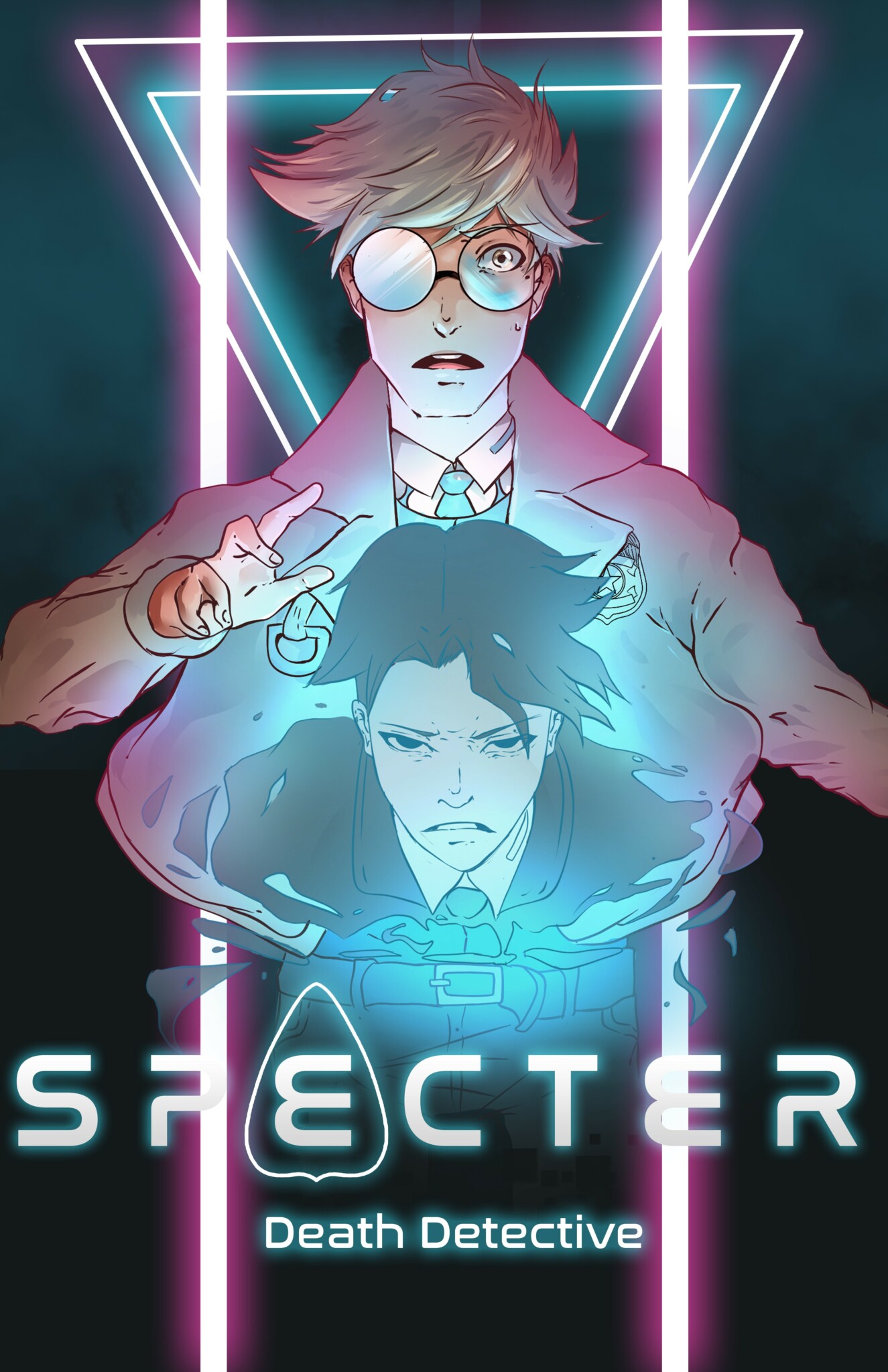
Image Credits
None