
We caught up with the brilliant and insightful Colin Andrews a few weeks ago and have shared our conversation below.
Colin, thanks for joining us, excited to have you contributing your stories and insights. Over the course of your career, have you seen or experienced your field completely flip-flop or change course on something?
I shifted from being a traditional educator (teaching history in a high school classroom) to becoming an executive function mentor at this moment when education is being transformed by unlimited access to information and artificial intelligence. The challenges that young people face are transforming as AI creates both 1. new ways to think and be productive and 2. loopholes around thinking and being productive.
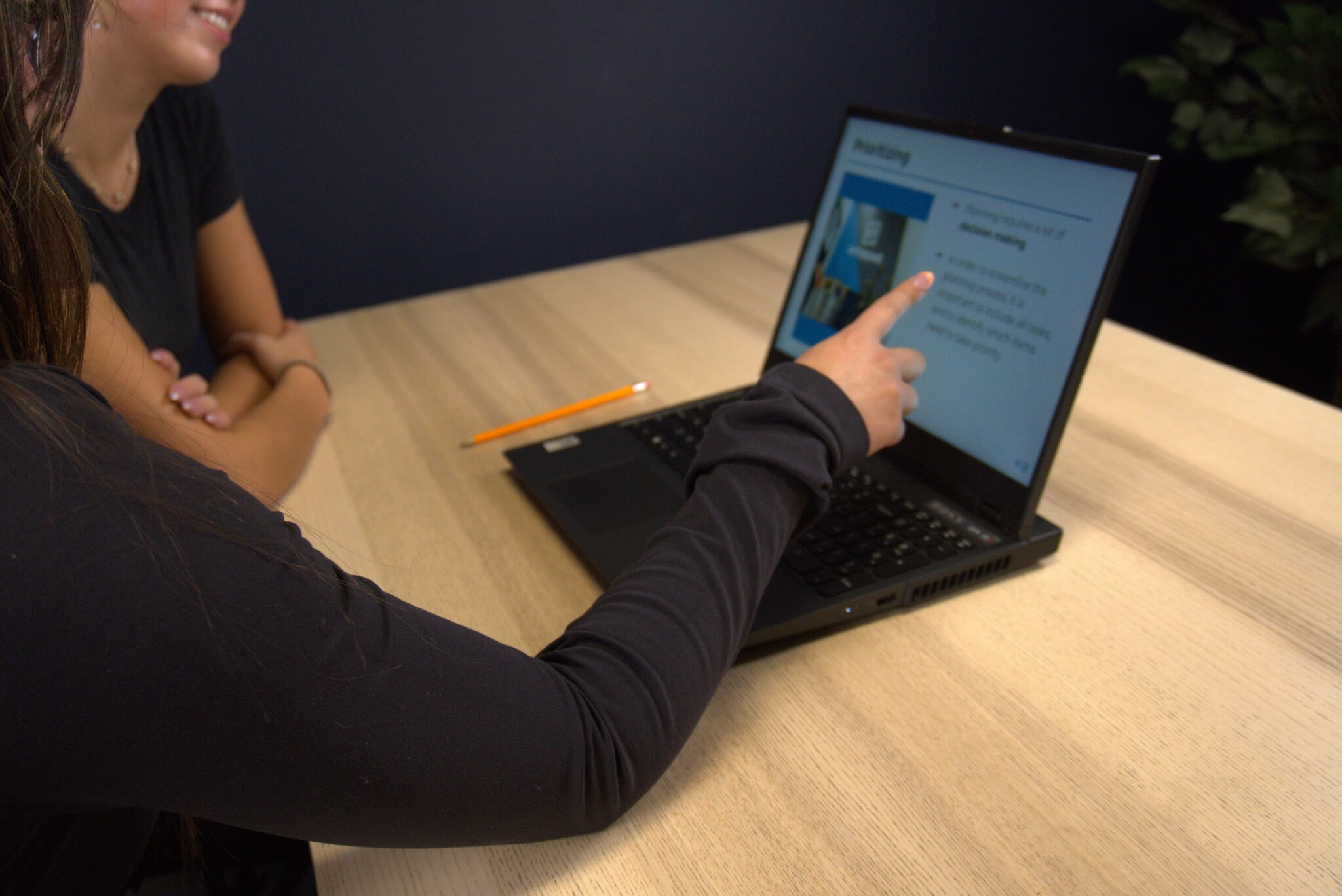
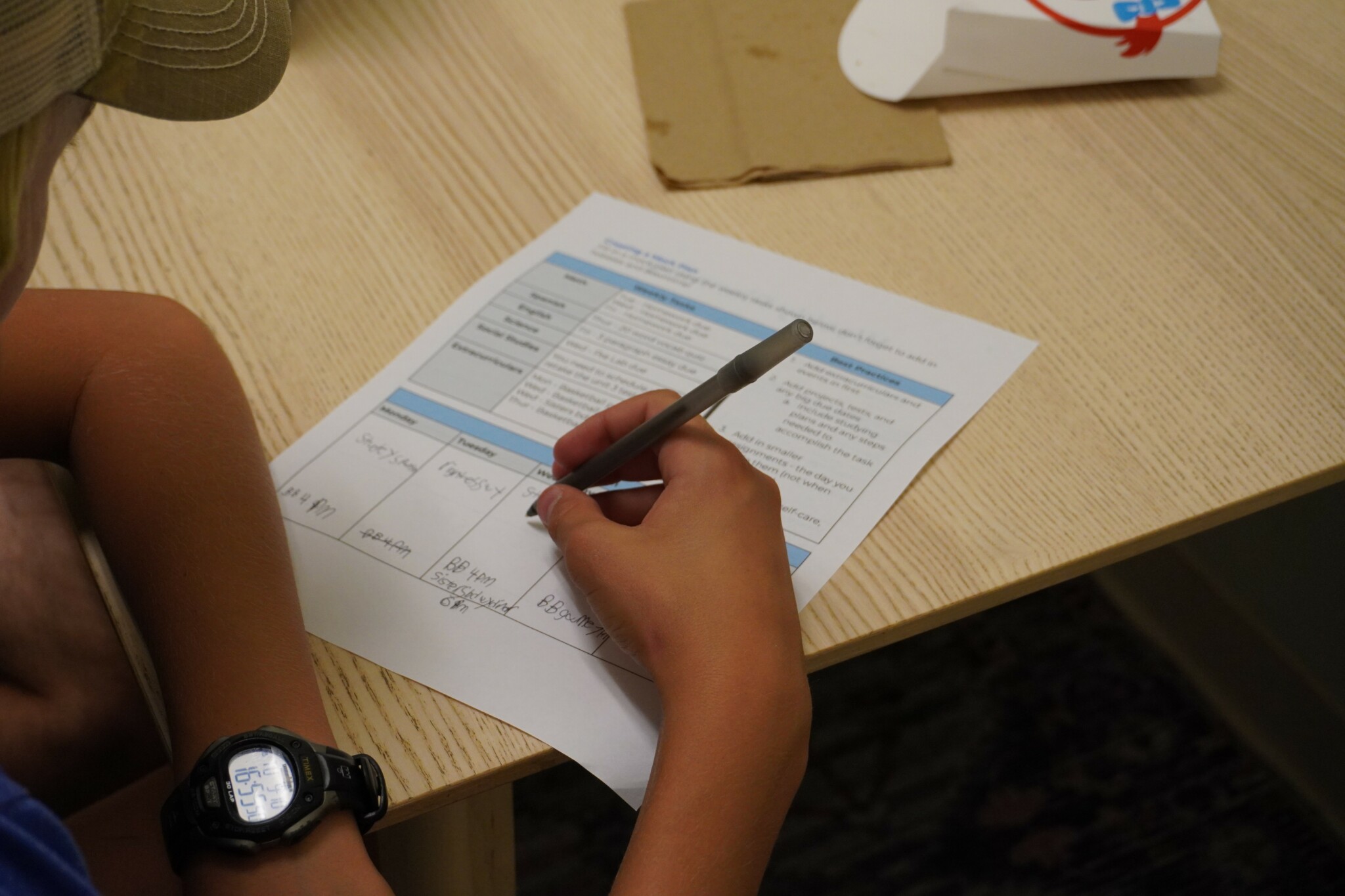
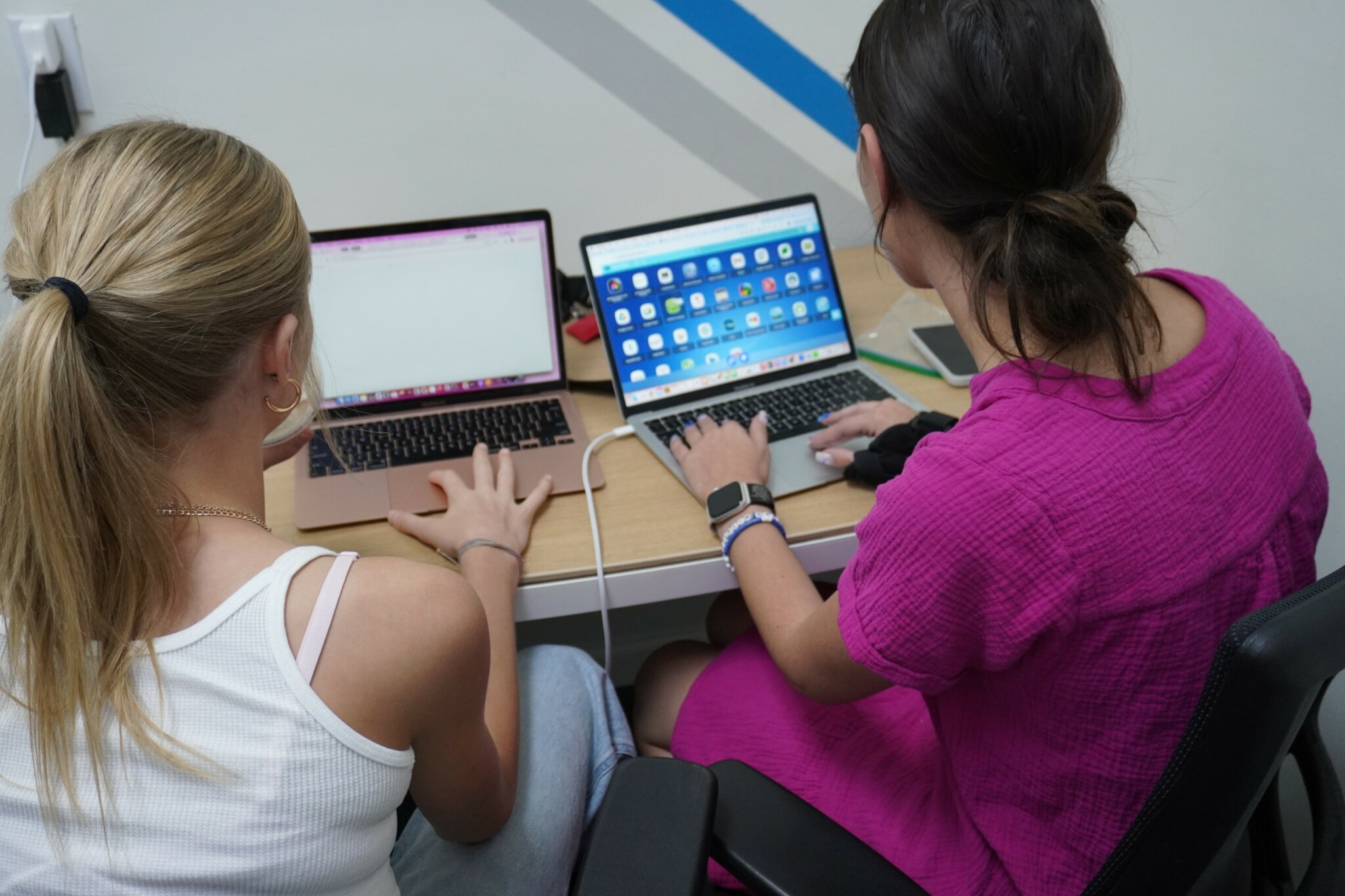
Helping students develop their executive functioning is like teaching them to work on the skills underlying the skills they learn in school: we’re talking task initiation, self-regulation, working memory and so many more. Our approach is mentoring, which is really a different approach than the figure of the traditional teacher. A mentor starts by building a strong relationship with the student, and then serves as a student’s guide to navigating challenges inherent in executive function development. This kid of support ultimately gives people the resilience they need to accomplish goals that are relevant to them, which is another cool outcome of the program.
Great, appreciate you sharing that with us. Before we ask you to share more of your insights, can you take a moment to introduce yourself and how you got to where you are today to our readers.
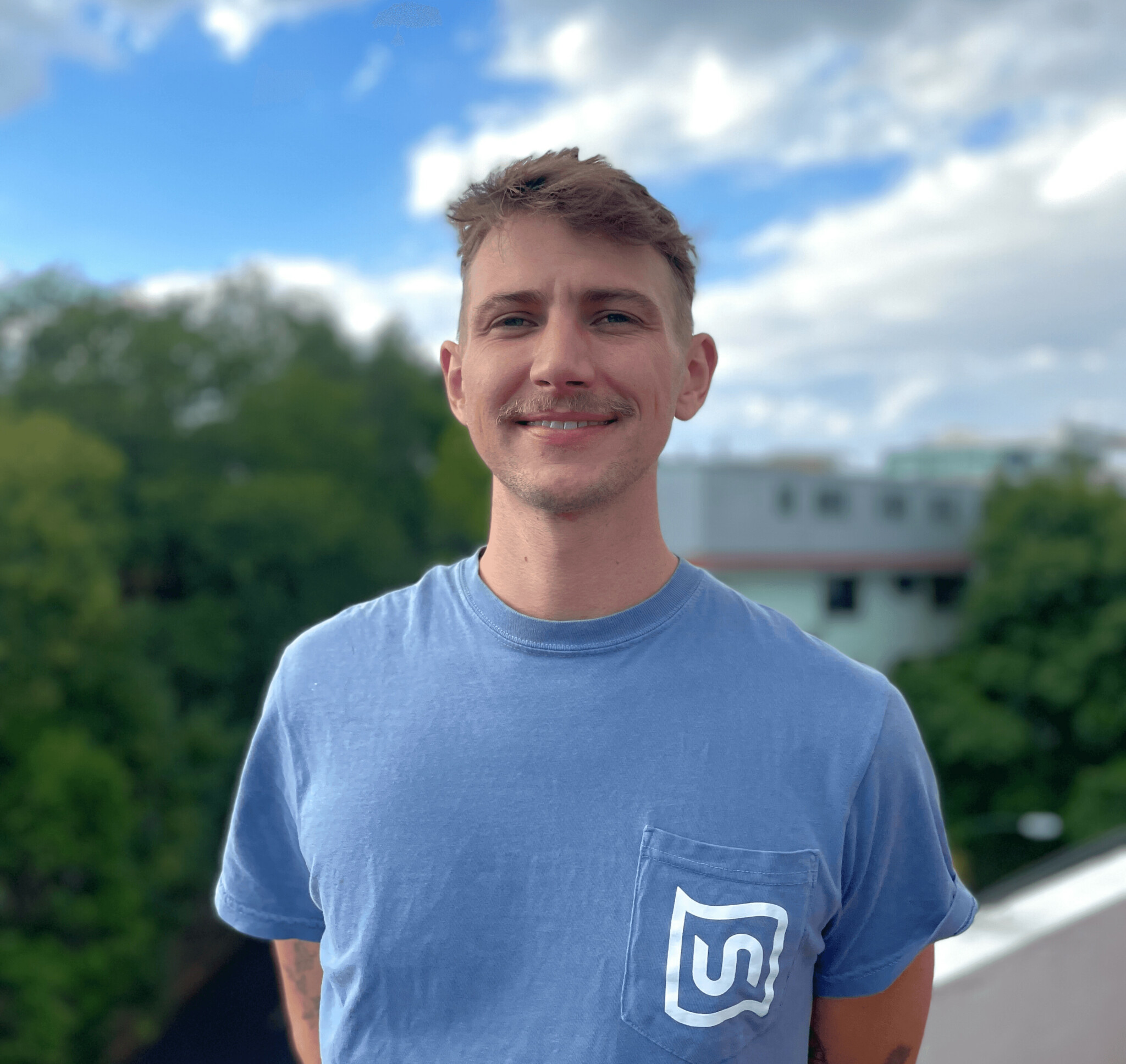
I come from a family of educators—both my parents were public school teachers—so working in education has been a natural path for me throughout my life. Within education, I’ve worn a lot of hats: I’ve taught as a traditional high school teacher, I’ve taught abroad in Mexico City, worked as a college counselor and for the Fulbright program in Colombia, and now serve as the Curriculum and Professional Development Manager at Untapped Learning. I took on this role because of the incredible creative bandwidth it offers and the novel approach it takes to helping students.
At Untapped Learning, I design strategies to build and support executive function development for middle school, high school, and university students across the country and internationally. This work is transformative. Executive functioning skills form the foundation for success in school and life, yet so many students struggle without understanding why. Our work can be like pulling back a veil for some kids—giving them clarity and a lifeline after years of struggle and overwhelm.
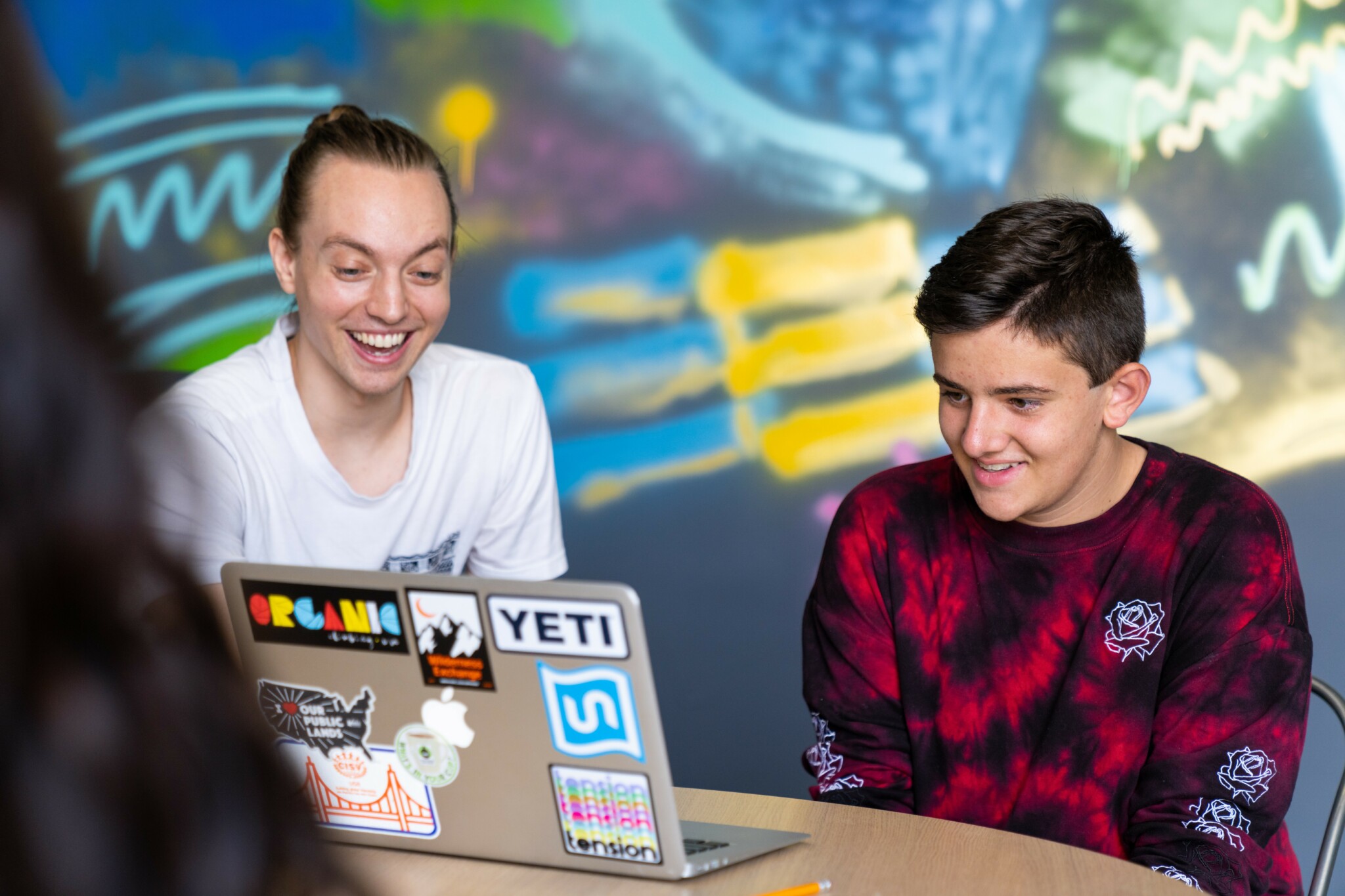
We prioritize relationship-building and movement as central pillars of our approach to working with students. This strategy is highly effective because it establishes trust, reduces resistance, and creates an environment where students feel seen and supported. By meeting students where they are—both emotionally and physically—we pave the way for deeper, more challenging work. Movement helps release stress, improve focus, and energize students, while strong relationships provide the foundation for growth, accountability, and progress. Together, these elements allow us to address executive functioning challenges in a way that feels engaging, sustainable, and empowering for students.
The impact is profound and far-reaching. We work with all kinds of students: those who are struggling to keep up academically, as well as high-achieving students who have constant stress. An Untapped mentor acts like a multi-tool for families, addressing numerous challenges simultaneously. Students’ mental health improves, their grades begin to follow suit, and they gain more free time with less stress. Maybe the most meaningful impact is what happens within families: when parents no longer need to hound their kids about homework, organization, or household tasks, it can be a godsend and restore peace in the family dynamic.
Any advice for managing a team?
Creating a culture of sharing sucesses in a freeform way. In our staff meetings we give mentors a space for them to talk about working with thier kids. At first this was a time that we used mostly to work out challenging situations, but we starting asking for sucesses as well, which eventually transformed the meetings into a motivation and mission alignment activity, which has been very effective for us.
Putting training and knowledge aside, what else do you think really matters in terms of succeeding in your field?
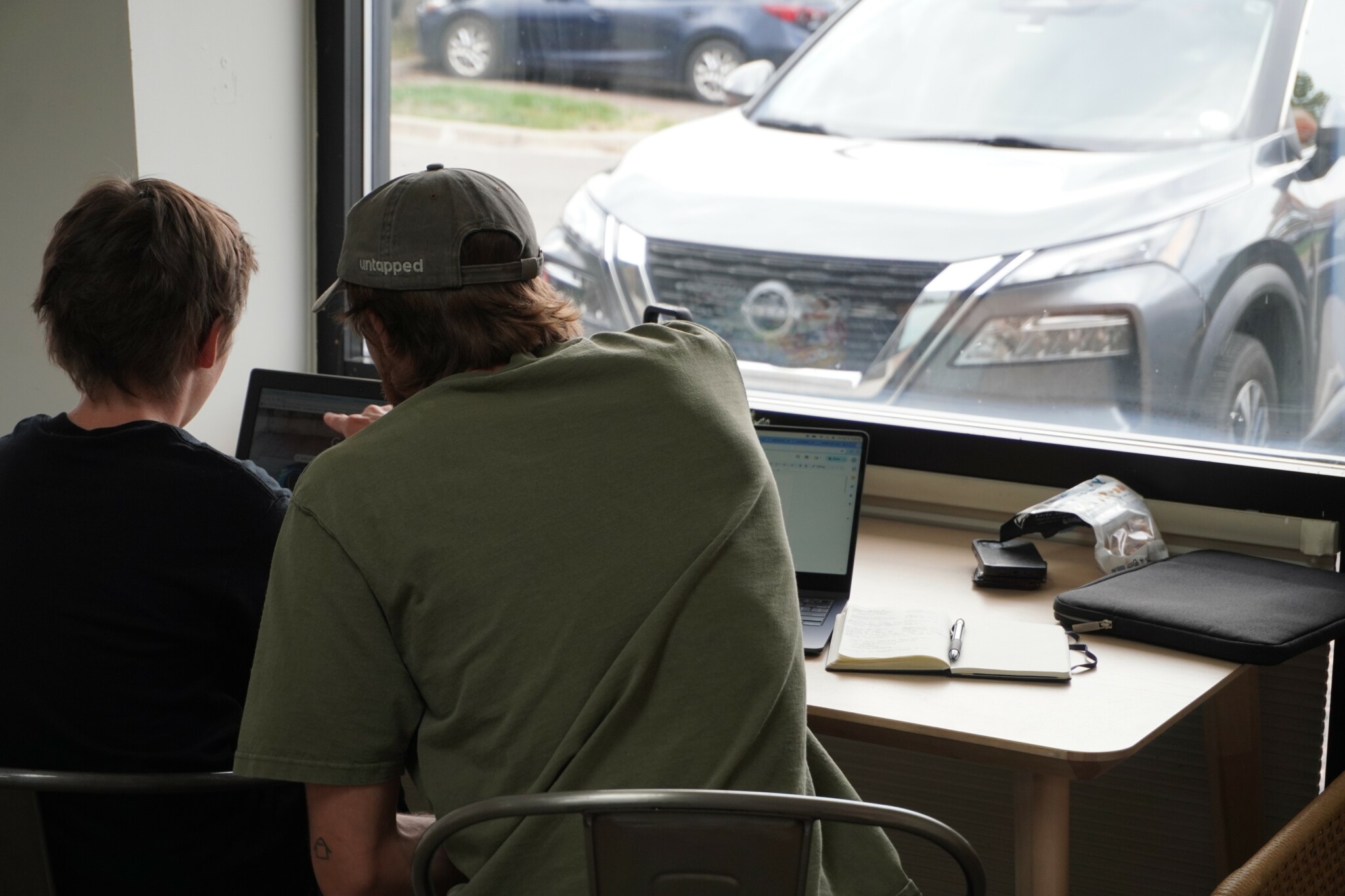
I would say that the most important thing in education today is knowing how to motivate people. A whole generation of students who went though covid in remote school suffered a huge blow to thier motivation to be in school. It’s so crucial to get students to genuinely connect with the work and rekindle a desire to grow, It’s actually surprising what motivates people. It’s not always those big picture messages, like your work is going to change the world. But instead often times the small steps, like here are the tools to get what you want to do, done.
Contact Info:
- Website: https://untappedlearning.com/
- Instagram: https://www.instagram.com/untappedlearning/
- Facebook: https://www.facebook.com/untappedlearning
- Linkedin: https://www.linkedin.com/in/colin-andrews-698b8b63/
- Youtube: https://www.youtube.com/@untappedlearning