

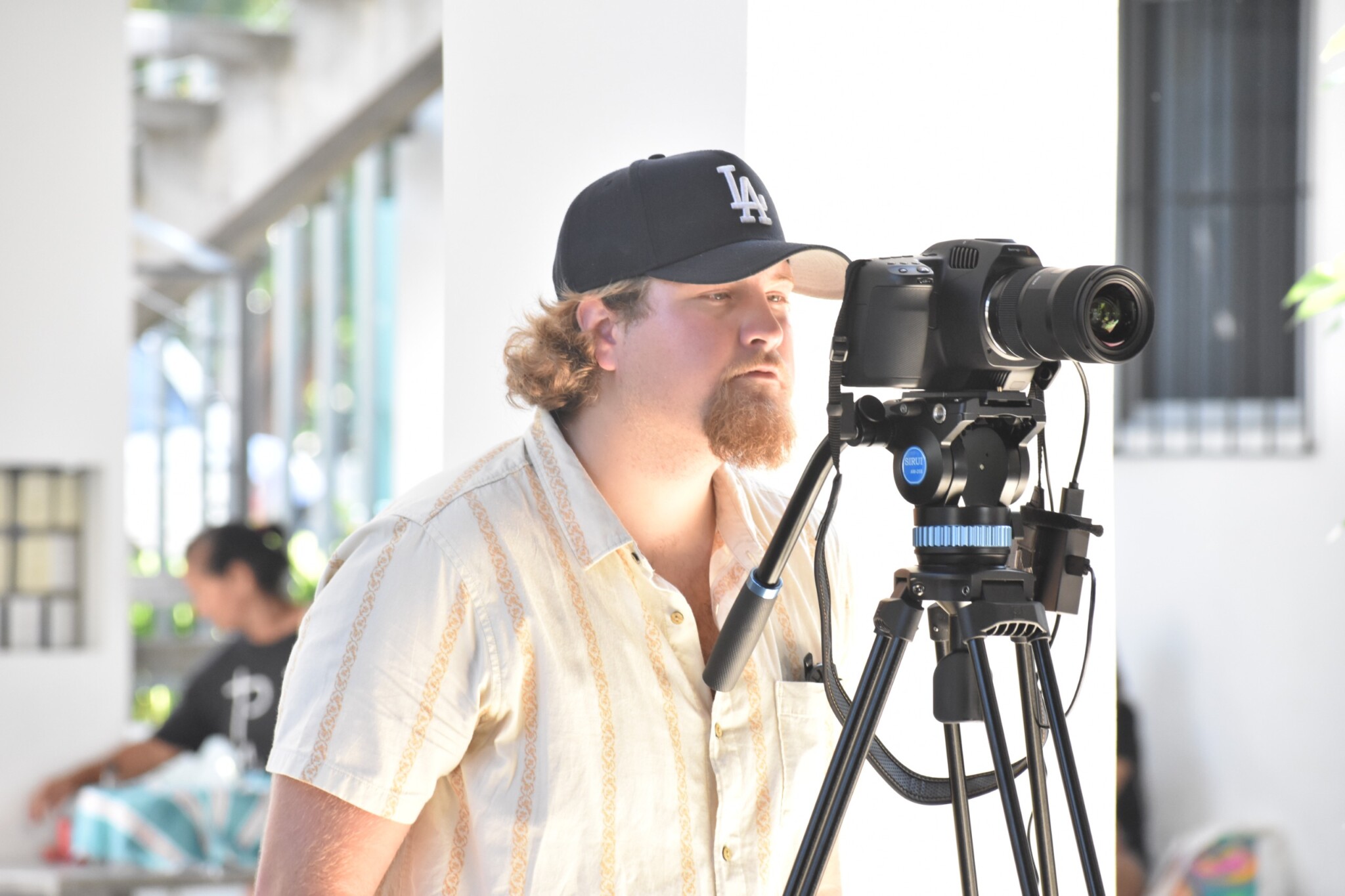

We recently connected with Keaton Rose and have shared our conversation below.
Hi Keaton, thanks for joining us today. Learning the craft is often a unique journey from every creative – we’d love to hear about your journey and if knowing what you know now, you would have done anything differently to speed up the learning process.
The way that I learned to do what I do was a long and difficult process that will forever be unfinished. I first had to learn how to learn, then I had to let mentors and collaborators into my life that could guide me to being a better artist. I spend a lot of time taking information in, and learning the craft from people I trust and look up to. Being open to new experiences and new points of view has been invaluable to me. Knowing what I know now, I wish I could tell myself that the best way to learn quickly is to do. As a creative we spend so much of our time thinking, planning, and imagining. Although that is valuable, you learn the most by doing. It is easy to be paralyzed by analysis, but if you take action I promise you that you will learn ten times as much as you can just thinking about the process. Every mistake will teach you how to be better the next time, so make your mistakes fast and early. The most important skill I have gained is my ability to be disciplined about creation, be a professional. Don’t wait for inspiration to strike, be consistent about doing the work every day. This is hard for creatives because you have to be your own boss. Nobody is going to tell you to clock in or clock out, you have to make a routine of your work to find success. I am more often than not my own obstacle when I lose that discipline or just don’t feel like doing the work. As one of my favorite artists Pharrell Williams said, “Stick to your dream, not your mood.” Being creative is something you have to do every day and not just when you feel like it.
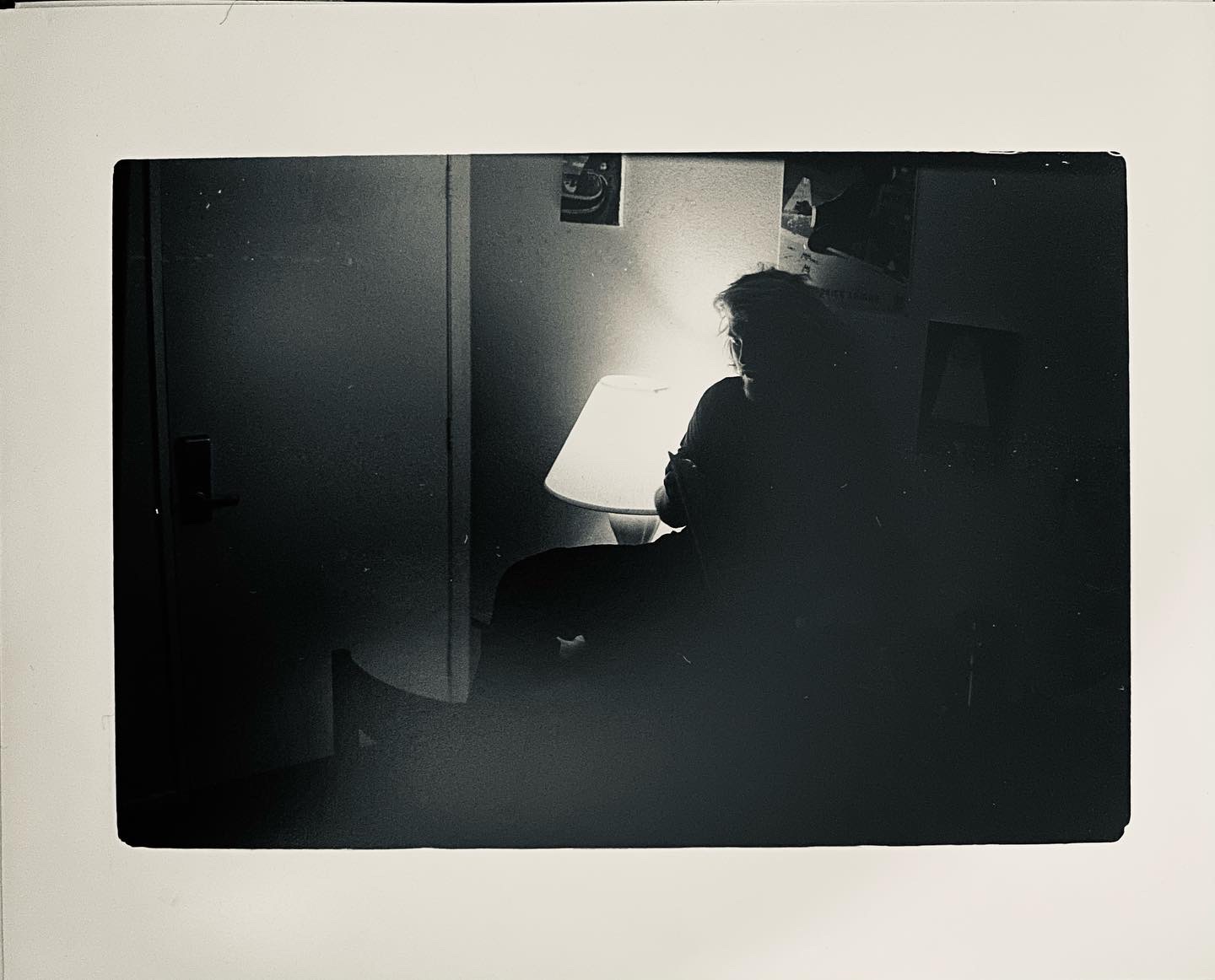
Great, appreciate you sharing that with us. Before we ask you to share more of your insights, can you take a moment to introduce yourself and how you got to where you are today to our readers.
I grew up in a small beach town in Southern California called San Clemente. Since middle school I have always tried to be creative whether it was music, art, photography, or writing. But since I was very little I have always been obsessed with stories. At a very young age I would watch movies and take notes on the story, the things I liked, and the things I didn’t like. I didn’t understand why I liked it so much, but I just loved dissecting the details of great movies. When I learned about the career of being a screenwriter I was hooked, because it was a profession where I could combine my two great loves movies and writing. Of course, at the time I had no real concept of how much work and sacrifice it took to become a screenwriter, but I was desperate to start. When I was accepted in California State University Northridge, I was excited to get involved with the hands on program that they have. Not only did they teach me how to write a proper screenplay with foundational structure, they also had programs that facilitated hands on, well rounded, and practical uses of my skills. I learned that to be successful as a writer you have to understand all the other aspects of film creation. Because of this I have found a love for directing as well as writing. Being a director requires you to be patient, learn how to work with others, and be decisive. I don’t want to be limited to just one aspect of the film creation process, or even one specific genre. I want to be as eclectic and detail oriented as possible, while also being open to notes and collaboration.
What I am most proud of is starting the Nomad Collective with my best friend and collaborator Henri Moss. In college we quickly learned that the industry as it is has become increasingly more commercial and corporate. Production companies will always value commercialism over meaningful and creative content. With the increase of new technology and globalization we realized it was time for us to be the change that we wanted to see in the industry. We want to create a company that spotlights stories of people affected by global issues. There are so many creatives around the world that are never given the opportunities to tell their stories. We want to help them to create films about their stories in true collaboration rather than looking them like intellectual property. We want to work with them and for them to make authentic representations of their stories, and shine a light on the greater issues they face. We want to create a company that proves we have more similarities than differences.
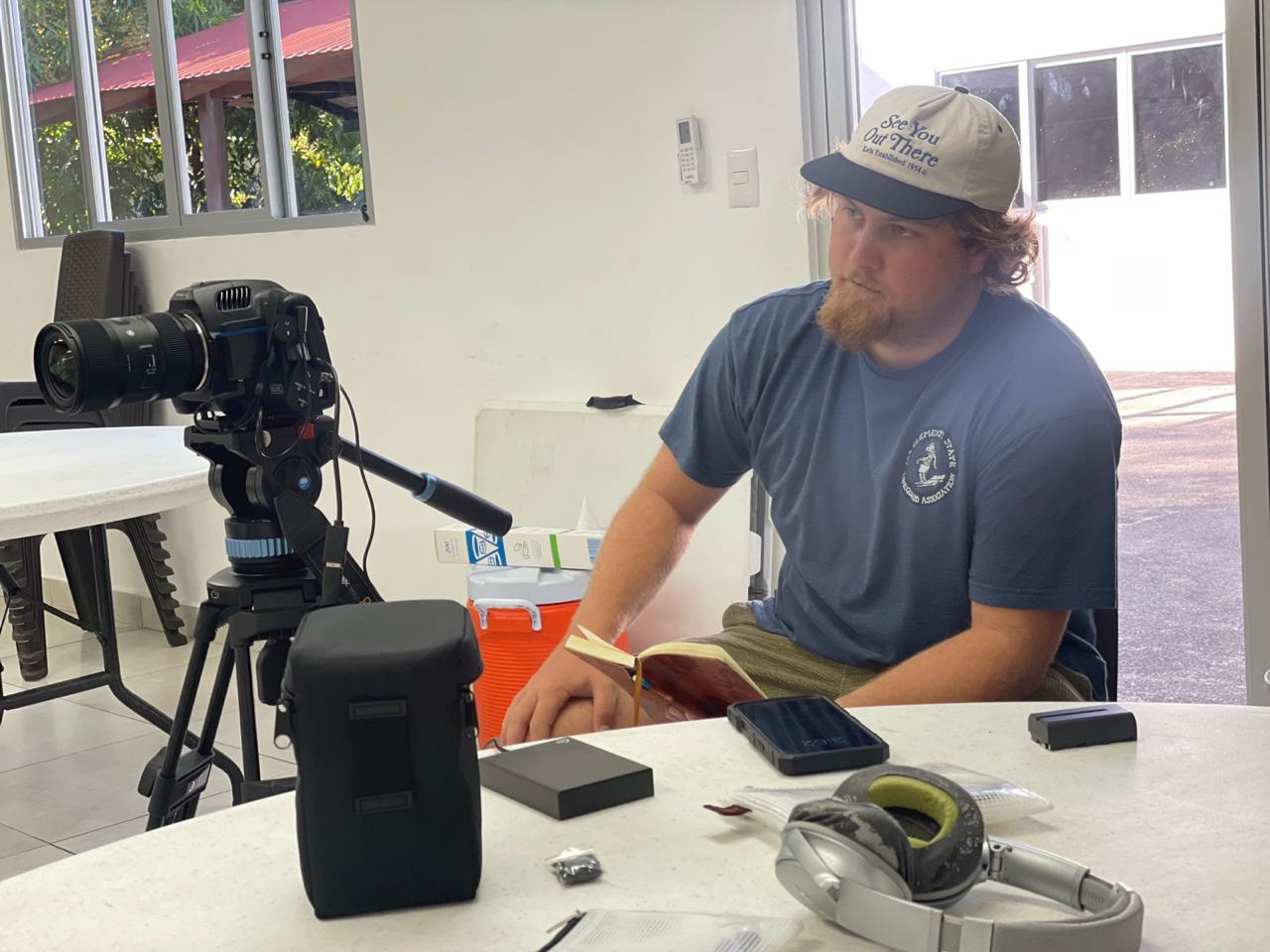
For the past few months, I have been working in El Salvador creating content and videos for a non-profit called La Red. It is a church that has been working with the communities of La Libertad and Tamanique for over 20 years to provide education, water filters, food, and homes to the struggling communities here. I brought down cinema grade equipment to help my friend and collaborator Antonio Lopez to shine a light on the important community work that La Red has been doing here. We have also started a story and production class/workshop for many of the local kids who are interested in visual arts, where we teach them how to tell a story and the practical skills to do it. I have also been doing research on stories and issues of interest to bring back to the Nomad Collective for future collaboration. Although I have tried to give as much as I can, I have received so much more in experience and stories than I could ever give.

In your view, what can society to do to best support artists, creatives and a thriving creative ecosystem?
I think that the best way to support artists and creatives is to be conscious of what you are consuming. It is so easy to just get sucked into easy entertainment like social media or other easy money grabs. I have been guilty of it as well, but I have been working to find content that shines lights on real issues and shines a light on things that I value. Don’t get sucked into the idea of following the big brand names when there are local and smaller creatives who are putting everything into their art because they need to express themselves. The big brands and productions often don’t care about artists or their expression, they just care about your money. Be conscious of what you are supporting, be active rather than passive in your consumption.
Is there something you think non-creatives will struggle to understand about your journey as a creative?
When you are a true creative you have no other option but to create. When you go through suffering, joy, or anger as a creative you have to express it through your art. Being connected to your emotions is essential to being a great artist. When connected to these emotions, ideas will strike you like lightning in the most unexpected moments. It doesn’t end with the idea striking you though, you have to put it into production through trial and error. Refining it until it is ready to be presented to others, the public decides how to feel about it, but as the creator you have to remember that it was originally just an idea. It is hard sometimes when it doesn’t turn out how you imagined it, but if it was, it would be perfect which is impossible. And after all that, you do it again and again, the only goal being improvement.
Contact Info:
- Instagram: keatonwrose
- Other: keatonwrose@gmail.com
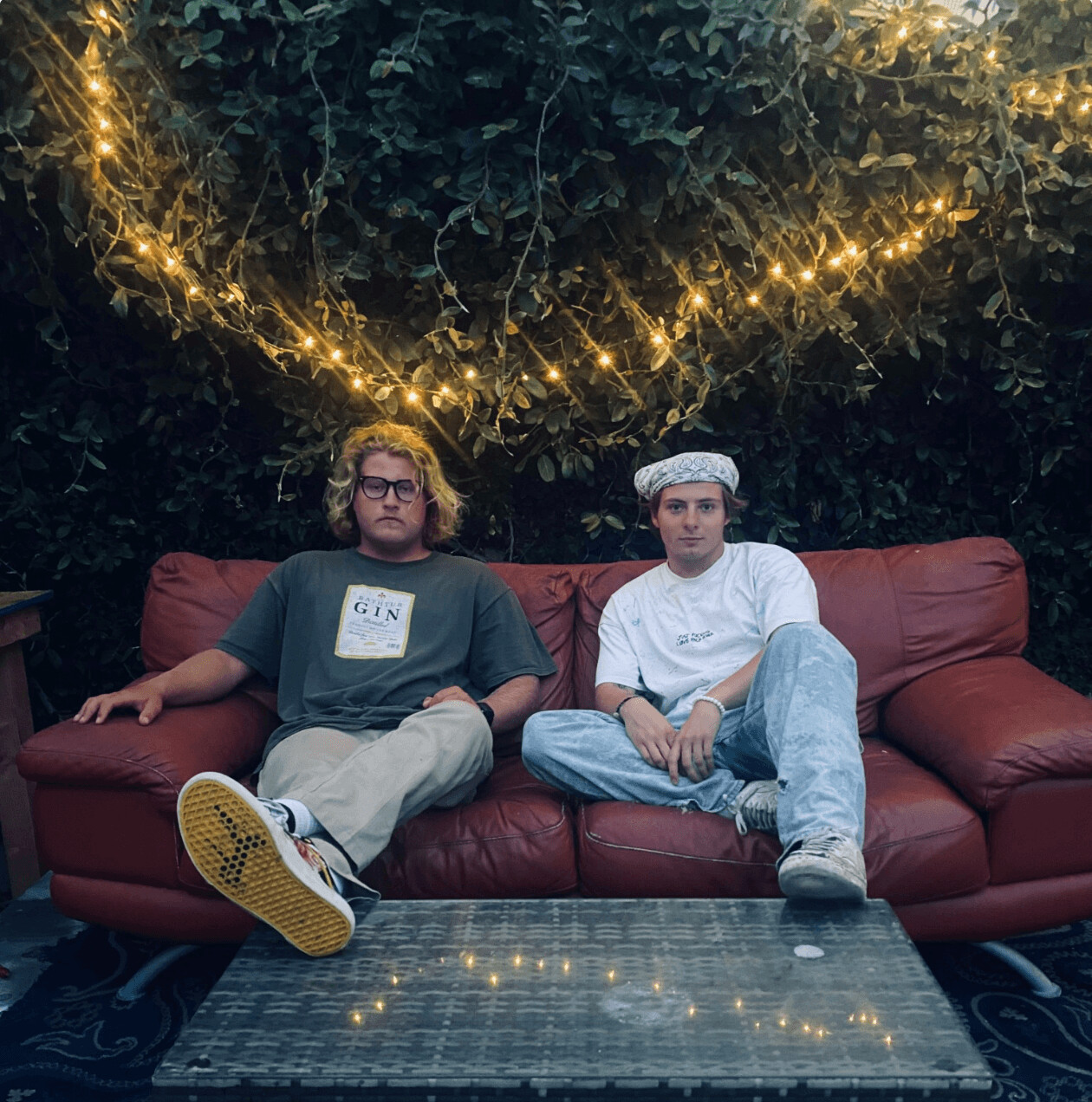
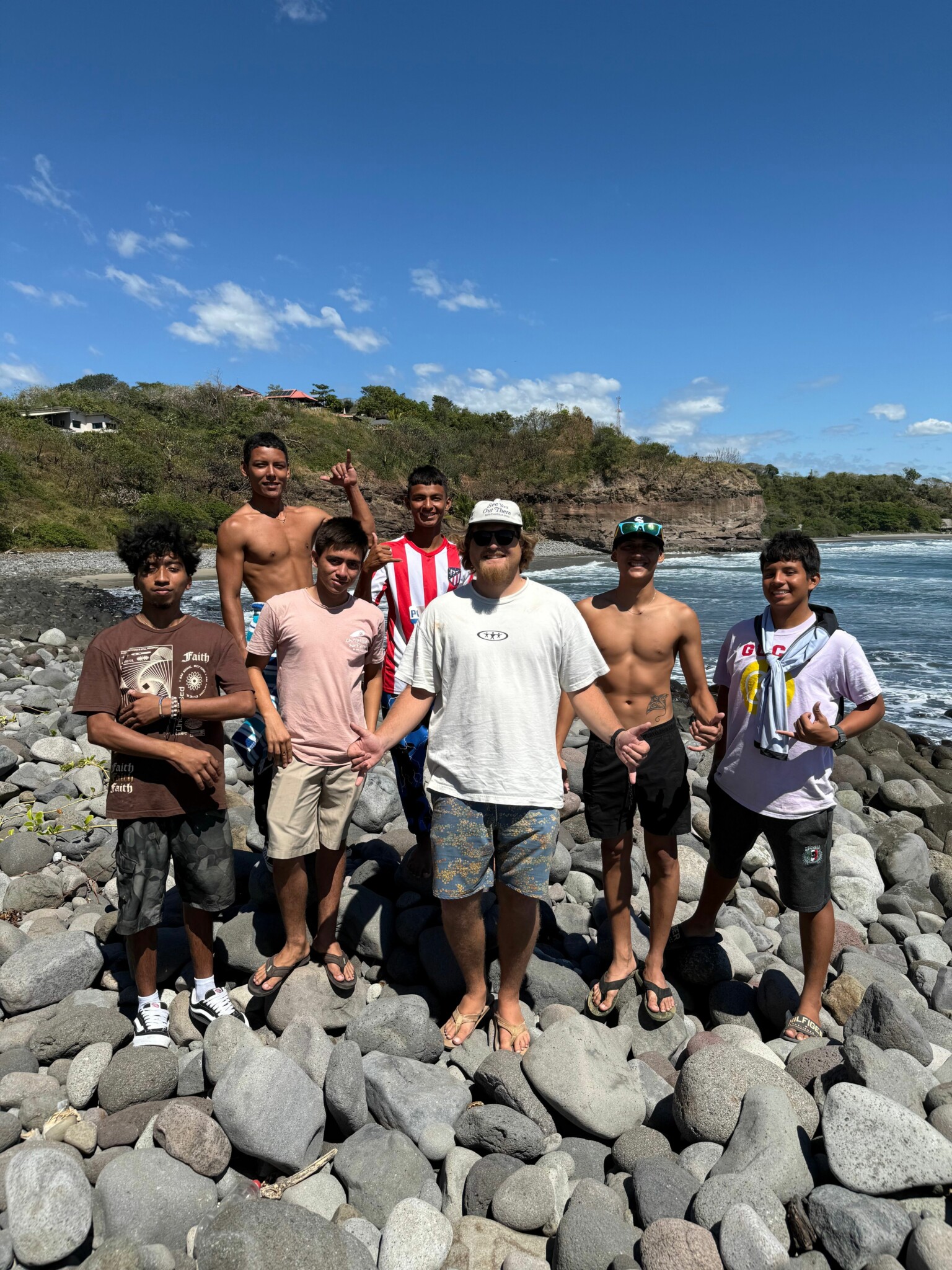
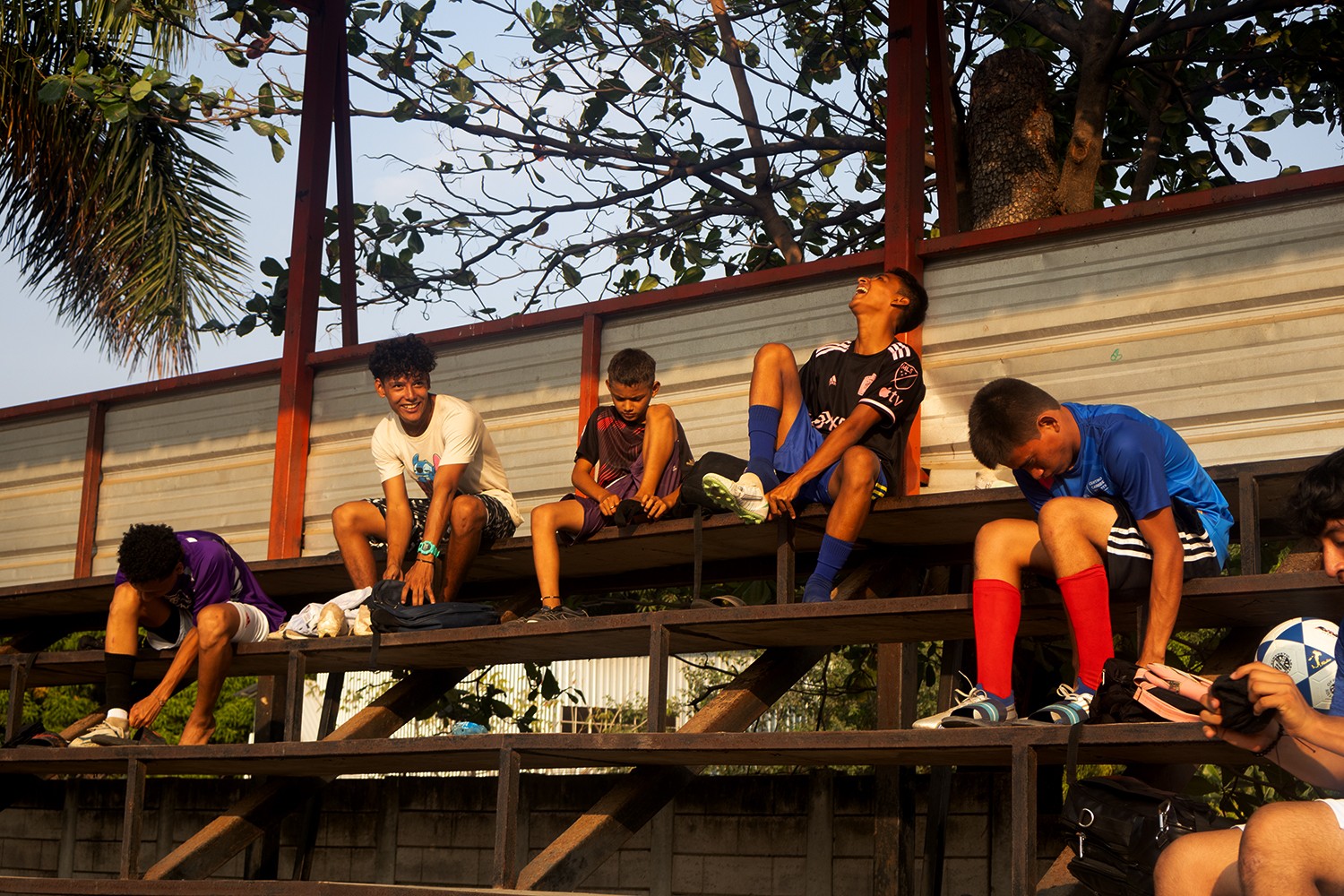
Image Credits
Antonio Lopez