
We’re excited to introduce you to the always interesting and insightful Loren Eiferman. We hope you’ll enjoy our conversation with Loren below.
Loren, looking forward to hearing all of your stories today. Can you talk to us about how you learned to do what you do?
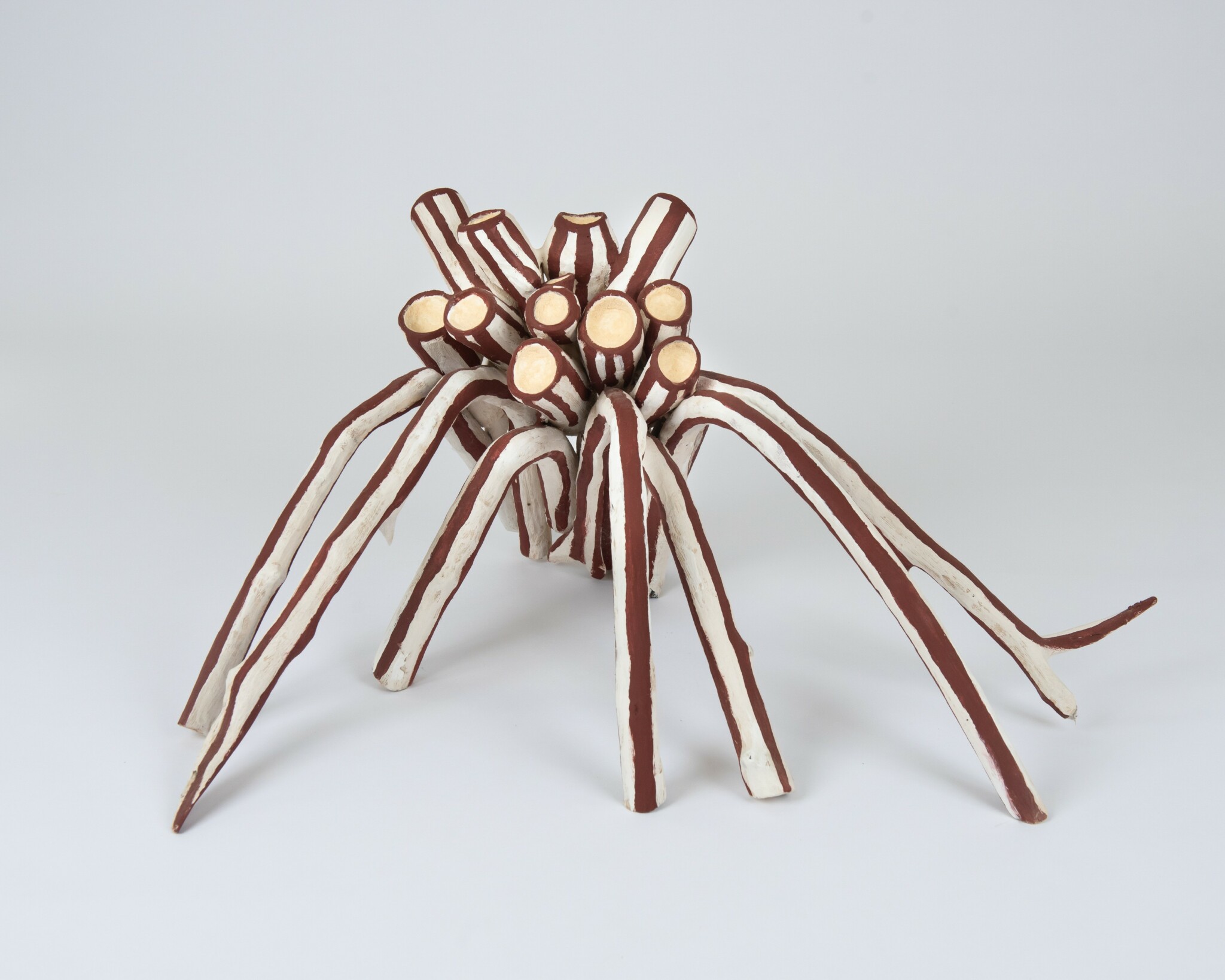
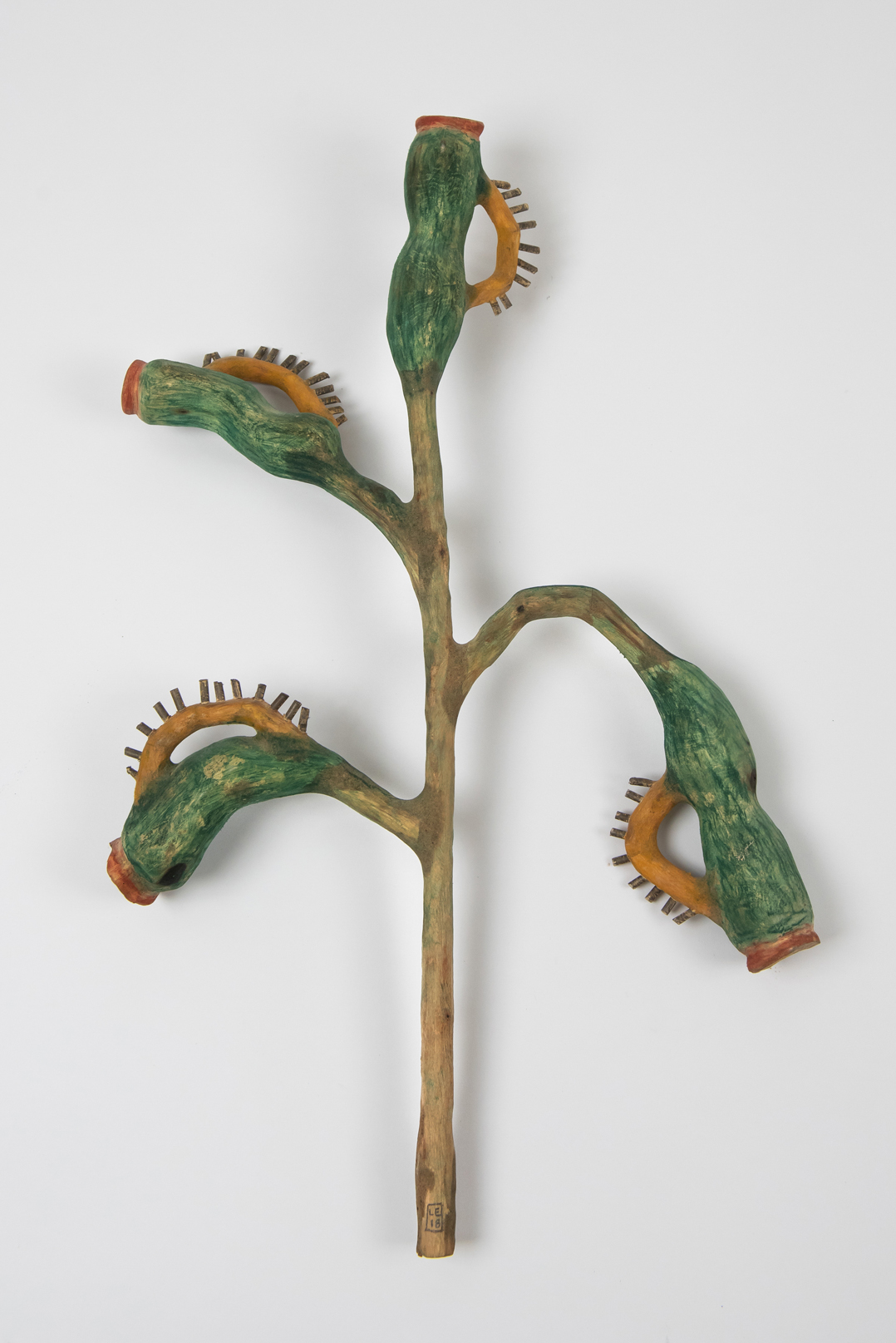
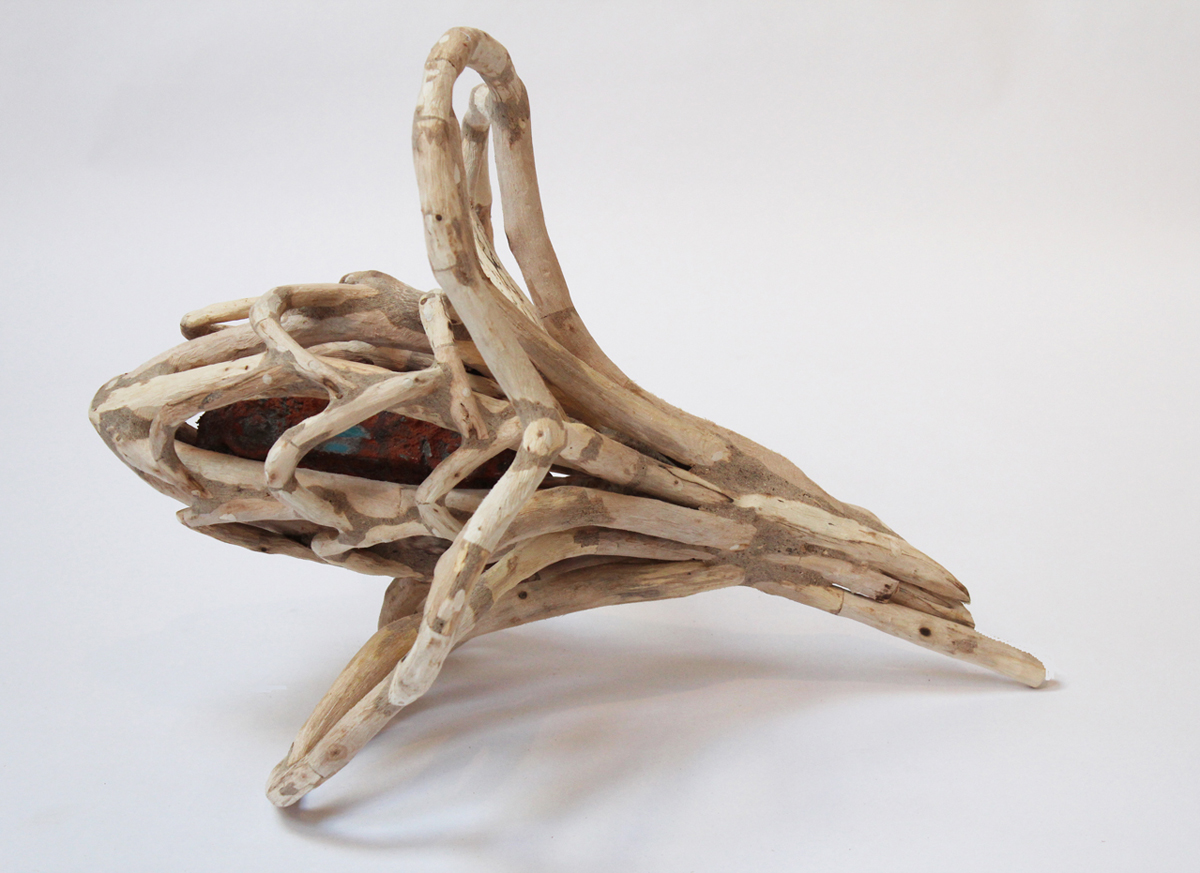
No one works with wood the way I do. My process wasn’t taught to me, instead it’s been an evolving craft that I have developed over many decades. I start out every day with a walk and collect tree limbs and branches that have fallen to the ground. I never chop down a living tree. I carry those sticks back up into my studio. I then let the wood sit for many months in what I call my “sea of sticks” to make sure the wood is dry and won’t check or crack. I usually do a drawing first and that drawing acts as a road map of where I want the sculpture to go. From there, I start looking for shapes found within each stick to correspond to the lines found in my drawing. I then cut small naturally formed shapes, joining these small pieces of wood together using dowels and wood glue. Next, I make a putty to fill in all the open joints. I then wait for the putty to dry and sand the putty until it’s smooth. The goal is to make the line of the wood seem continuous and all the joints appear seamless. I usually reapply the putty, wait for it to dry, and sand it at least three times. I want the work to look as if it grew in nature, when in reality, each sculpture is built from hundreds of small pieces of wood that have been meticulously crafted together. I think of my sculpture as drawing, but in wood. This is a very time-consuming process, and each sculpture takes me a minimum of a month to construct. I frequently work on two sculptures at a time since there is so much down time waiting for the putty to dry.
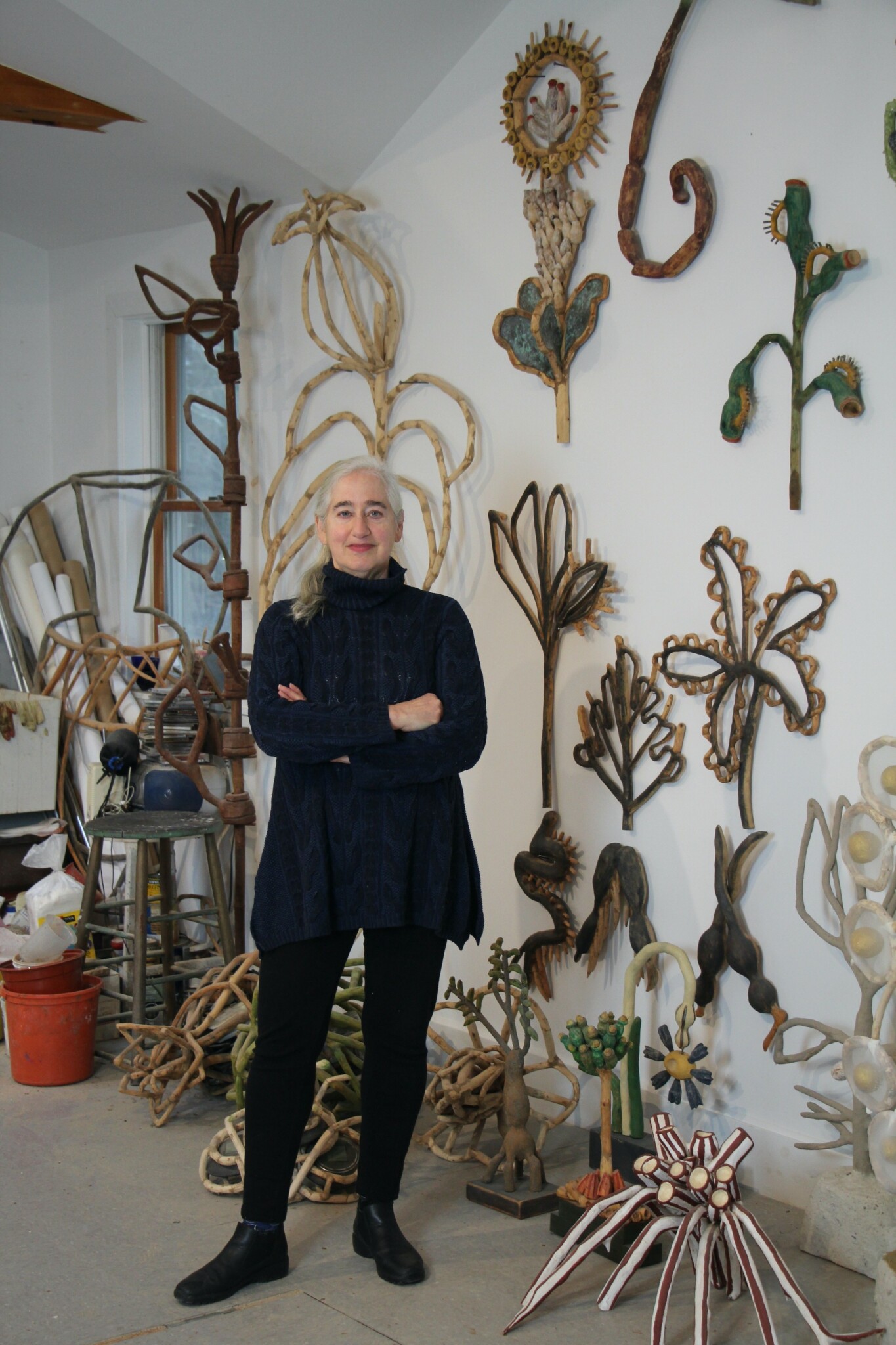
As always, we appreciate you sharing your insights and we’ve got a few more questions for you, but before we get to all of that can you take a minute to introduce yourself and give our readers some of your back background and context?
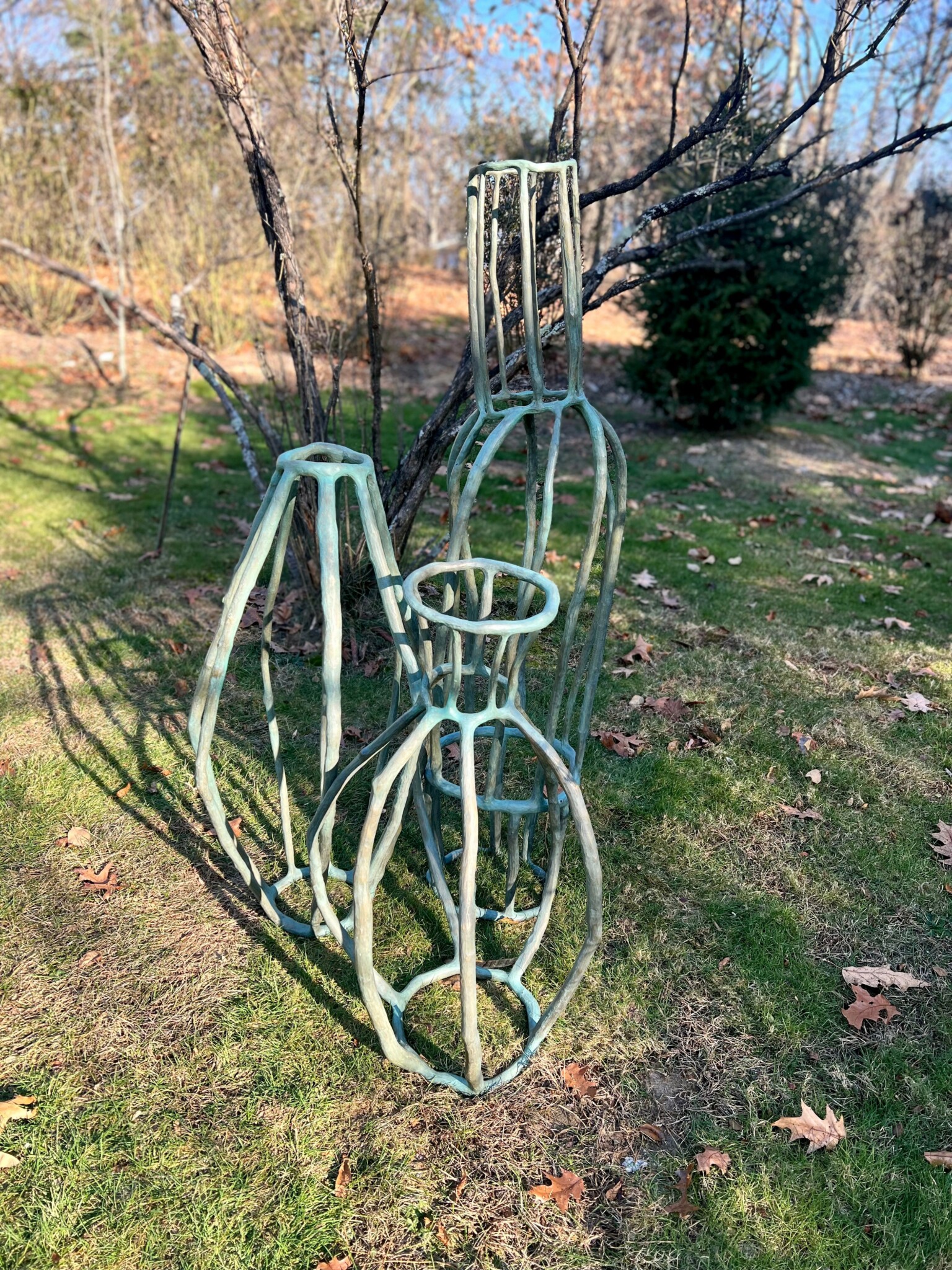
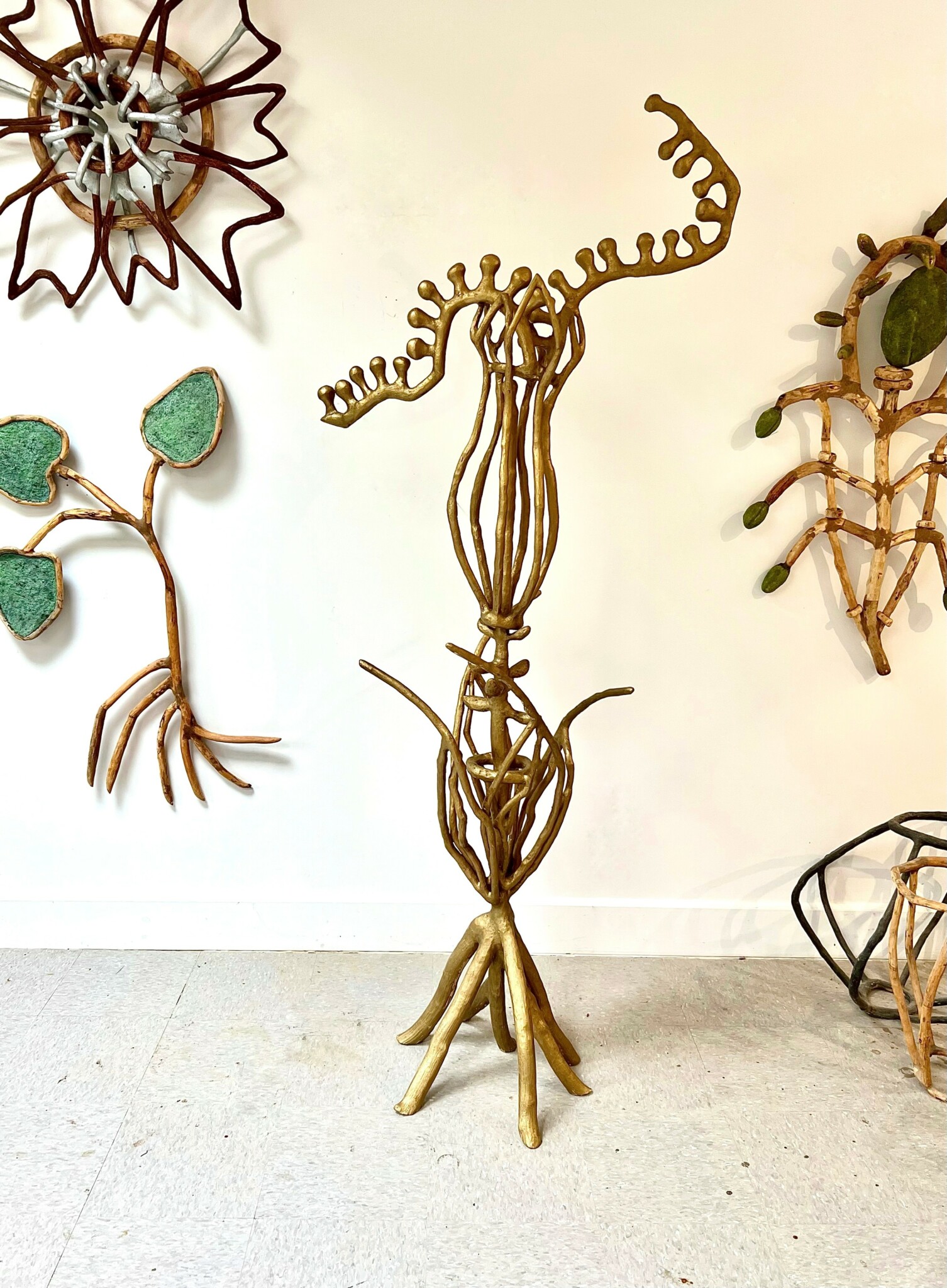
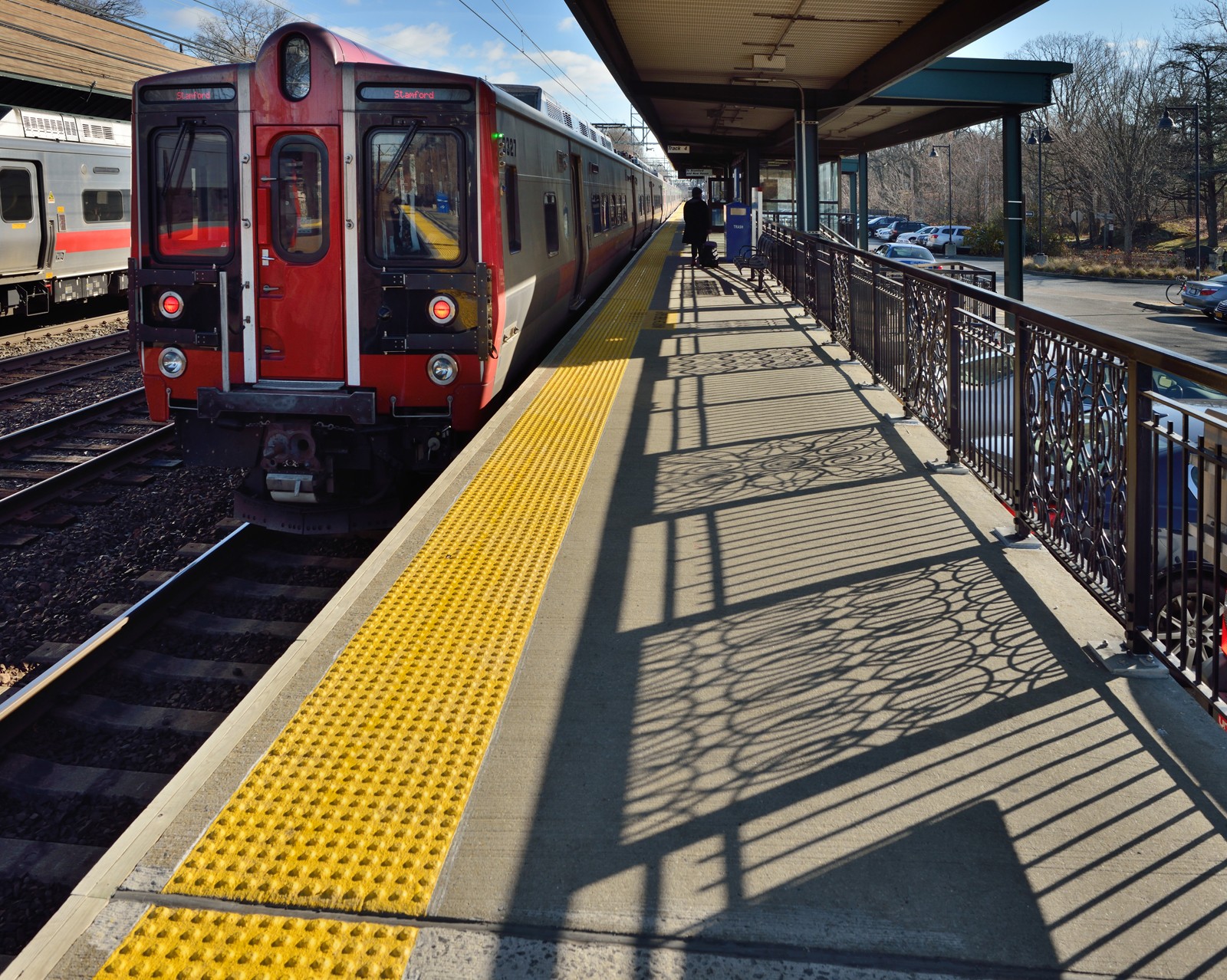
I have always been interested in making things, even as a young. child. I played for countless hours creating whole worlds with the simplest of found materials, but at the tender age of five I never thought of this play as “art”. During high school I discovered “art” and started taking classes at the Brooklyn Museum Art School. From that point on, art has been a constant means of expression and creating for me. I ended up getting my university degree in studio art and art history. I have been working in wood now for many decades. During that time much of my work has changed and evolved but has always remained wood-based. I have a favorite sculpture that I created many years ago that I have often thought about casting in bronze but never took any action, in part because the process would destroy the original wood sculpture. However, this past year, I finally took the initiative and set about casting it in bronze at a local foundry. To me, I’ve always wanted to have my work live back in nature, where it originally came from, and casting it in bronze allows it to live outside. This was a big step for me that felt like I jumped out of a metaphorical window. In 2014, I designed a public art project of 8 steel railings for a NYC MTA train station. That was the one work that has been seen by the greatest number of people, and one of the highlights of my life. But now casting my work seems to be an even bigger leap of faith and investment in in myself that I am proud to have finally taken.
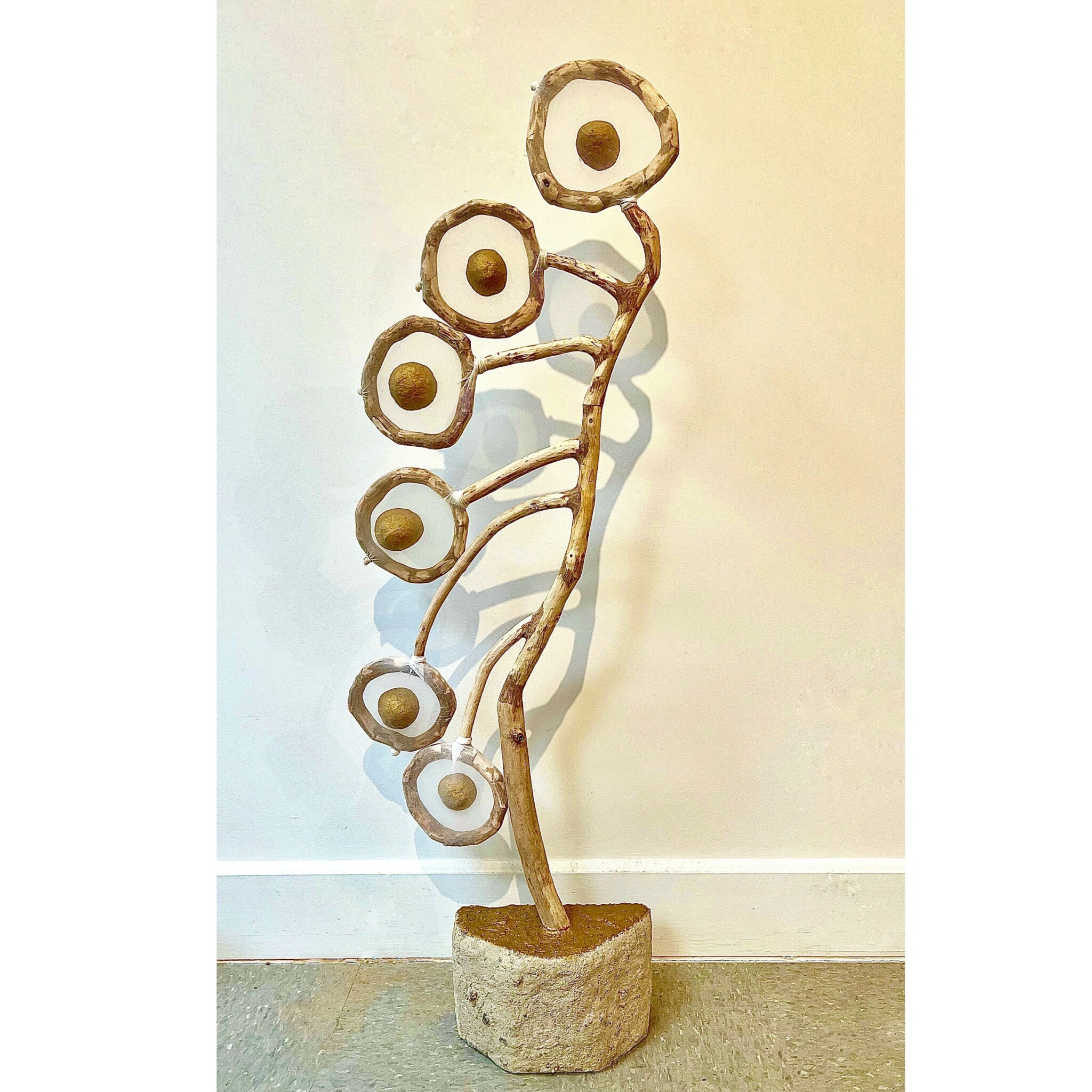
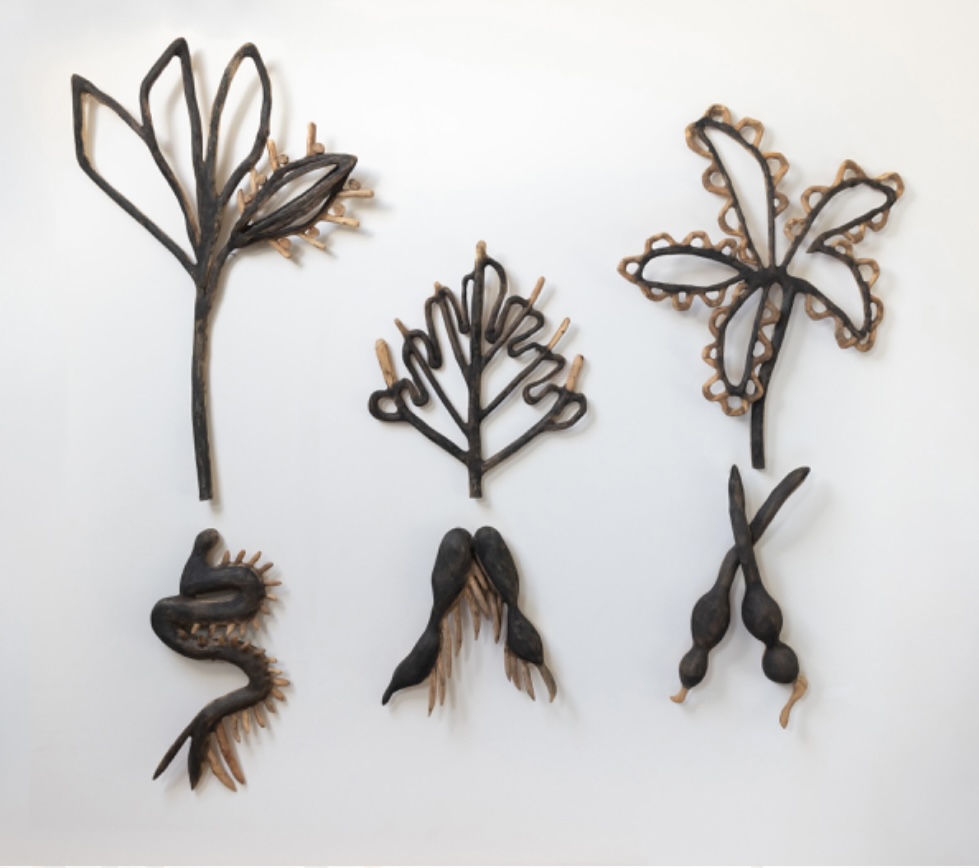
I am also continuing to build my wood sculptures daily. Much of my work is based on images from a mysterious 15th century manuscript, called the Voynich Manuscript. This manuscript was written in an unknown language, by an unknown author and filled with illustrations of plants that don’t exist in nature. For the past decade, I have been translating these strange botanical illustrations into wood sculptures. With this series, I want to shed light on the wonders and mysteries that surround us daily.
Can you tell us about a time you’ve had to pivot?
It’s been a long circuitous route to get to where I am now. I used to be a painter. I was working in my tiny apartment in Manhattan’s Little Italy, making large oil paintings on paper. I had three studio walls that were completely filled with nearly completed paintings. On one particularly hot and humid August day, the paint wouldn’t dry and I had no more wall space. I was stuck with three very wet paintings that couldn’t be moved. I am wired to always be making and creating art. Since I couldn’t paint, I instinctively picked up a piece of balsa wood that I had been using as a framing material and a straight edged razor blade and inexplicably proceeded to whittle away. Literally time stopped. After eight hours of being in an almost trance like state of carving this piece of balsa wood, I realized that I derived more creative fulfillment as a sculptor than as a painter! Eventually, I realized that balsa wood is a terrible sculpting material and razor blades are the worst carving tool! I started gathering sticks in Central Park and hauling them via the subway back to my studio. I also started using better tools, including a small electric Dremel and now a Foredom flexible shaft tool. I’ve been working with sticks now as my main material for decades. While my work has evolved from totemic and dangling/kinetic style carvings of my earlier periord into a more nature-inspired and botanical direction, my material and my decades-long love of working with wood has remained.
For you, what’s the most rewarding aspect of being a creative?
Every night right before I fall asleep, I have what best can be described as a Rolodex of images flash before my eyes. These are images and ideas of work that have yet to be made. The next morning, I go into my studio and start translating these “visions” that appeared to me the night before. I am in constant dialogue with these images and create almost daily. For me art is another language which I can express and visually transmit the questions that we all have. It is a life built and surrounded by art and for that I am most grateful. To remain in that creative stream fulfills and nurtures me daily.
Contact Info:
- Website: https://www.loreneifermanart.com
- Instagram: @loreneiferman