

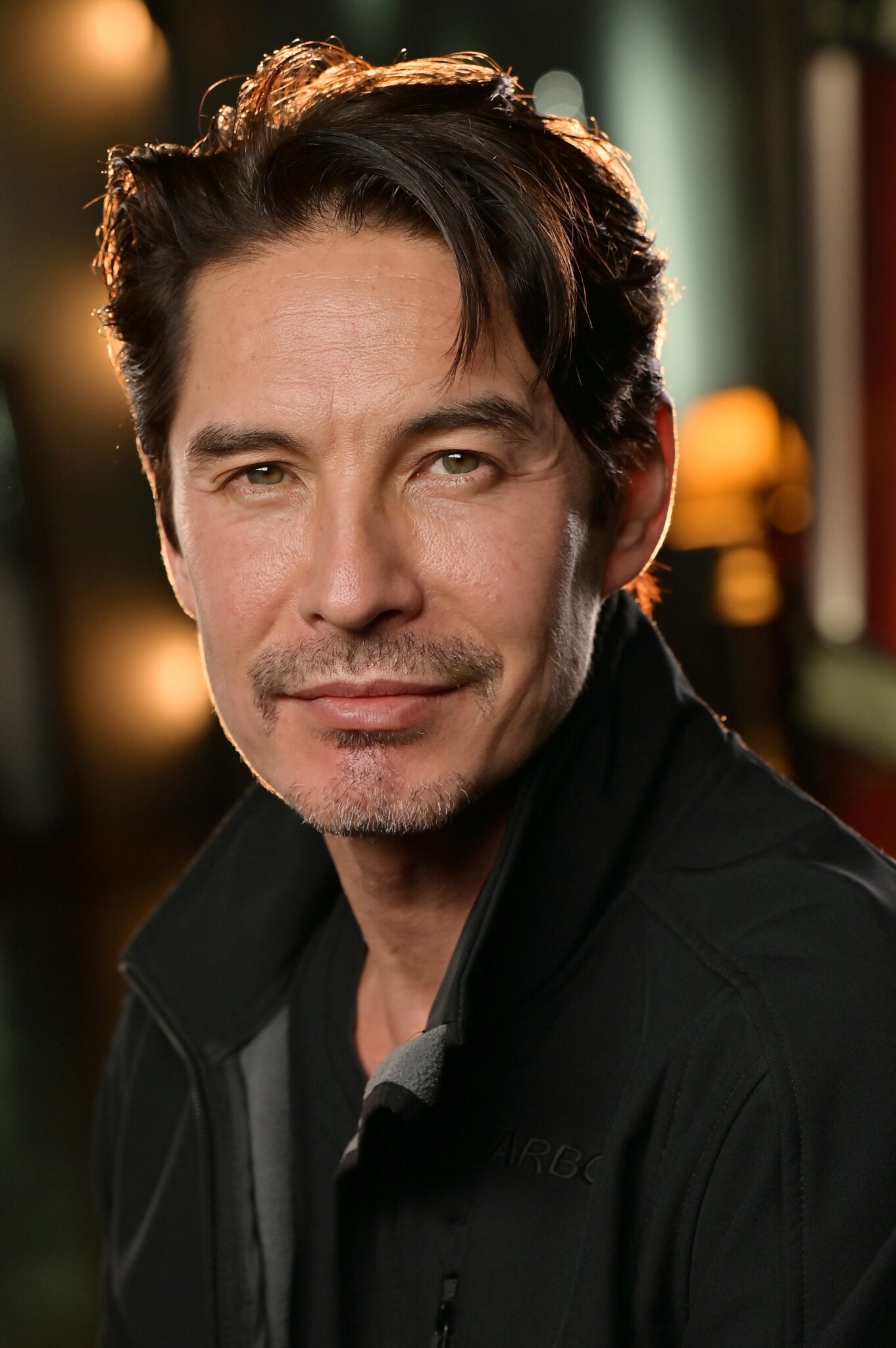

Alright – so today we’ve got the honor of introducing you to Michael Teh. We think you’ll enjoy our conversation, we’ve shared it below.
Michael, appreciate you joining us today. We’d love to hear about when you first realized that you wanted to pursue a creative path professionally.
I was never really encouraged to pursue anything artistic and never considered acting until I was an adult. It was never on my radar. As the first born son of an Asian immigrant father my “job” as a child was to excel academically in rigorous subjects, and to have a well-paid prestigious profession. In fact my father specifically wanted me to go to a top U.S. business school for an MBA and to become an investment banker on Wall Street.
After my undergraduate degree in marketing and my law degree (both from the University of New South Wales in Sydney Australia), I started my professional life as a management consultant in Sydney, a great pathway to a top business school. After a couple of years of consulting, I left for the U.S. to study for my MBA at the Kellogg School at Northwestern University in Evanston, IL. I summered on Wall St, trying corporate finance/investment banking and hated it, but loved New York City. So after business school, I returned to management consulting focusing on strategy for media and entertainment companies in New York. After a couple more years of consulting I left to become one of the first hires at a tech start-up in Boston.
All of my corporate/business careers demanded 80-120 hours of work a week, in an office, often with a lot of stress. In truth, I hated all of them. It was only after: my father died; I was diagnosed with melanoma; a self-development course; and the start-up nearly failing – that I realized I wasn’t living my own dream, and that I’d never even allowed myself to have one.
After quitting all this corporate work in the U.S. and lots of travel, I spent some time back in Sydney to see family and friends. But as they all had serious careers like I had had, I couldn’t hang out with them during the weekdays, so I ended up taking an acting course just for fun. And it was there I had the thought… “Wow! That was so much more fun than law and business schools!!”. On a whim I applied to a full-time theatre program in New York and got in. I fell in love with acting there.
It was only after about two years of training in New York that I decided to pursue acting as a career. At that mark, three things happened. (1) I sat down with some of my teachers in New York and asked them “Look, I can walk into a six-figure job tomorrow, so I need you to be brutally honest with me. Do I have any talent and should I be pursuing acting as a career?” Teachers like actor/director Austin Pendleton really encouraged me. Another teacher, Susan Batson (Nicole Kidman’s coach) actually wrote a written recommendation to a casting director suggesting me for a lead role in a film opposite Meryl Streep. (2) I went in a monologue competition that the TNT cable network used to run, and out of many thousands of nationwide entries I was named a semi-finalist and prizewinner. (3) I won the Greencard Lottery and it was suddenly legal for me to pursue work as an actor in the U.S. I thought this was a “sign” and that it would also allow me to take side jobs to support myself if need be until acting took off. All these things gave me the confidence to pursue acting as a career.
Awesome – so before we get into the rest of our questions, can you briefly introduce yourself to our readers.
After three years of training in New York, I somewhat reluctantly (because I loved NYC) moved to Los Angeles to pursue acting as a profession. I think I knew one person who worked in the industry, but basically, I started from scratch, without a network or representation, submitting myself on Actors Access for student films, shorts and low budget features, trying to build a reel and some kind of resume, well before one could shoot scenes on phones. It took years and many false starts to attract representation that would even allow for rare audition opportunities for real film and TV productions with budgets…. and years more to build a resume with recognizable credits from those opportunities.
Early on in my career, I was cast as a villain, which I seemed to do well, so that role was on my reel early. When I’d read for hero roles, I think folk saw my reel and thought “no, he’s more of villain”, and then when I’d read for another villain role, they’d watch my reel and think “oh yeah, he can play villain”. Hence, another villain role ended up on my reel and I was typecast as a villain.
What truly inspires me is incredible writing, that touches, moves or inspires, and that is my dream type of work. Sadly most of my best work as an actor has been in classes, like Larry Moss’s Masterclass, working on some of the greatest writing in the English language. Most of my professional work to date has been more in the “entertainment” realm.
While I’m proud of my work on network and streaming shows with more recognizable IMDb credits, to be honest, outside of class, I think I prefer the work I’ve done on some of the micro, micro-budget feature films that very few people have ever seen, including “Smile As You Kill”, just released this year in North America on platforms like Apple, Amazon, Fandango at Home, Google Play, etc. In the vein of Luigi Mangione, this film is about very sick man, who’s medical insurance denies his claims, so he takes a top advertising exec (my character) hostage and demands that I build him the best GoFundMe campaign ever, or he’ll kill me. It’s a thriller, with some dark comedy that we made on a shoestring budget, but the writing is great, the film won 6 Best Feature awards at smaller festivals, and I won two Best Acting awards. I so hope it finds an audience.
I am really looking forward to working on fantastic writing that touches, moves and inspires, on productions with a healthy budget.


Is there something you think non-creatives will struggle to understand about your journey as a creative?
I think many people struggle to understand why I gave up six-figure salaries for life as an artist, when only 1% of actors support themselves acting. My simple answer is, I think we get one life in this body, and I’d rather have an life congruent with my passion, with some insecurity and less luxuries, than a secure or luxurious life where I didn’t enjoy the thing I was mostly doing with it.
When I was studying for my MBA at Northwestern, most top grads were heading to either management consulting or investment banking (tech was just starting to attract folk) as these jobs offered the most pay. In an effort to encourage more of us to become entrepreneurs, one of my professors asked: “Let’s say you start a business and fail horribly and lose everything…. how many days would it be before you’re begging in the street?” We looked around at each other and basically all thought the same thing… “that would never happen”. We were all very privileged to be studying at a top business school.
It’s hard to recognize sometimes, as many folk struggle to put food on the table, but most of us living in free, developed, wealthy countries, like the U.S. or Australia… are very privileged compared to the masses living in developing countries. So if you have a passion, at least make time to pursue it in your downtime, if not professionally. Life is short.
Have any books or other resources had a big impact on you?
My favorite film, “Dead Poets Society” truly touched, moved and subconsciously inspired me as a kid. One of the schoolboy characters had a father who expected him to join the military, but he found a passion for acting. It took me many, many years to discover the same passion and to have the courage to pursue a dream so different from the one my father had for me. If you know your passion, I recommend putting effort and time into it now. If you don’t know your passion, I recommend trying many things that vaguely interest you, until you find it. :)
Contact Info:
- Website: https://www.imdb.com/name/nm2419686/
- Instagram: @actormichaelteh
- Facebook: @actormichaelteh
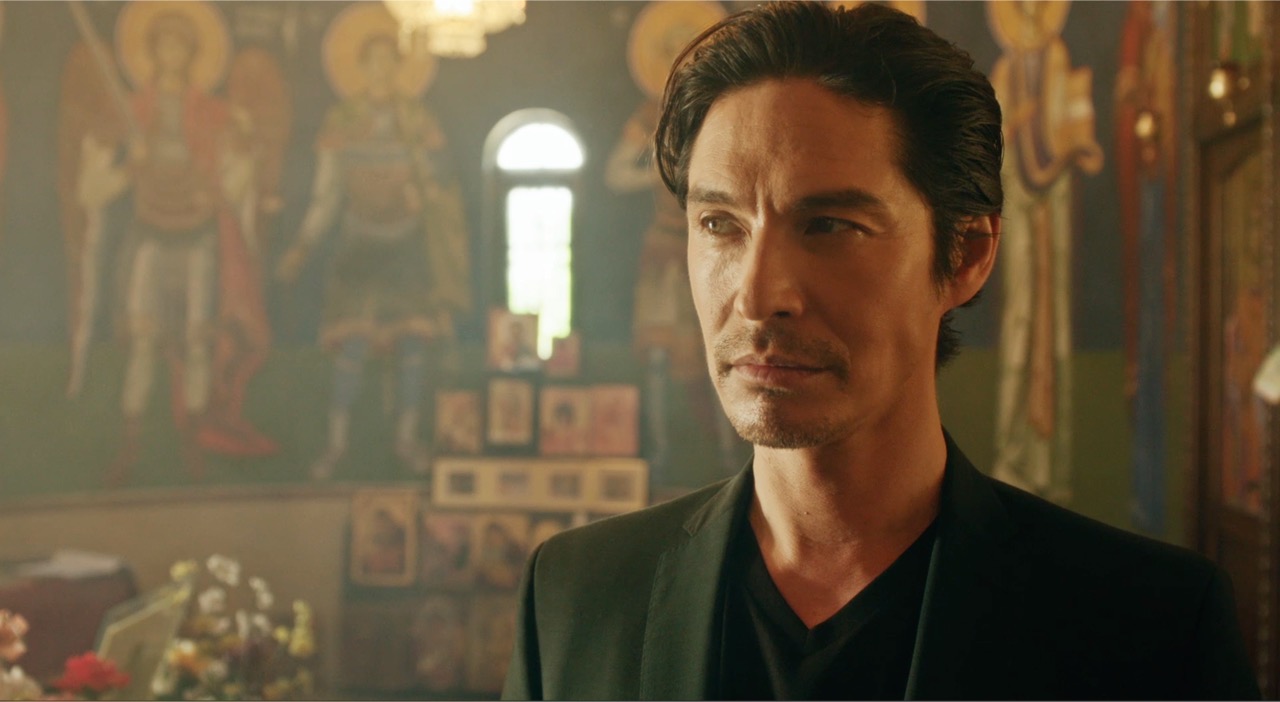
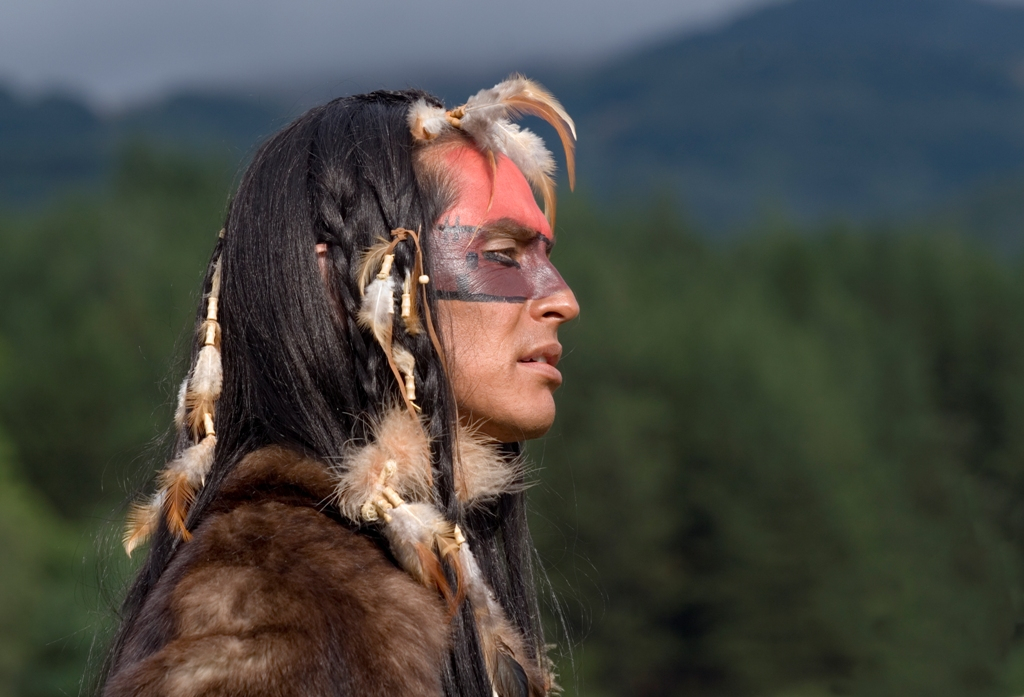
Image Credits
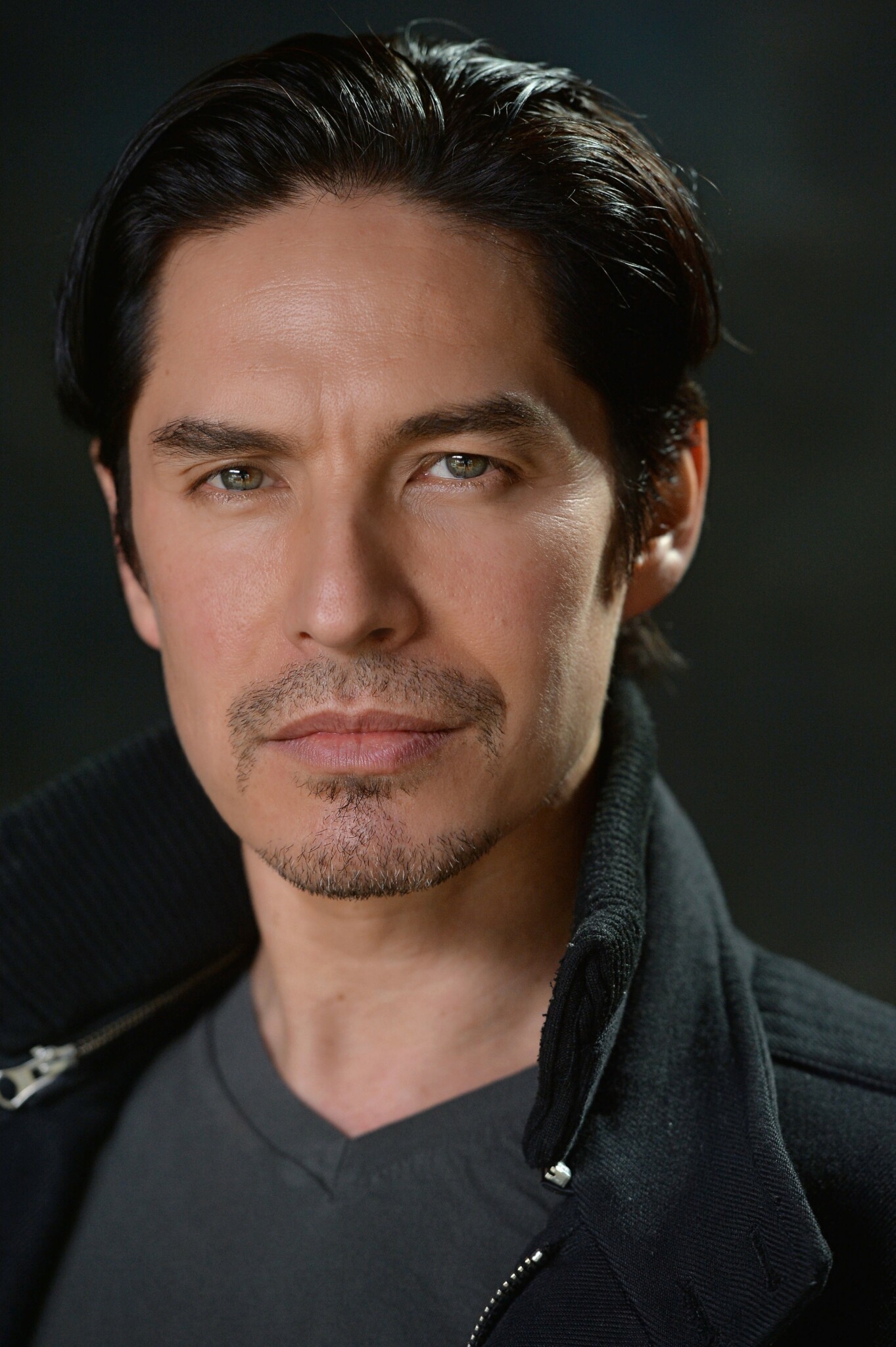
Both Headshots are by Bjoern Kommerell,
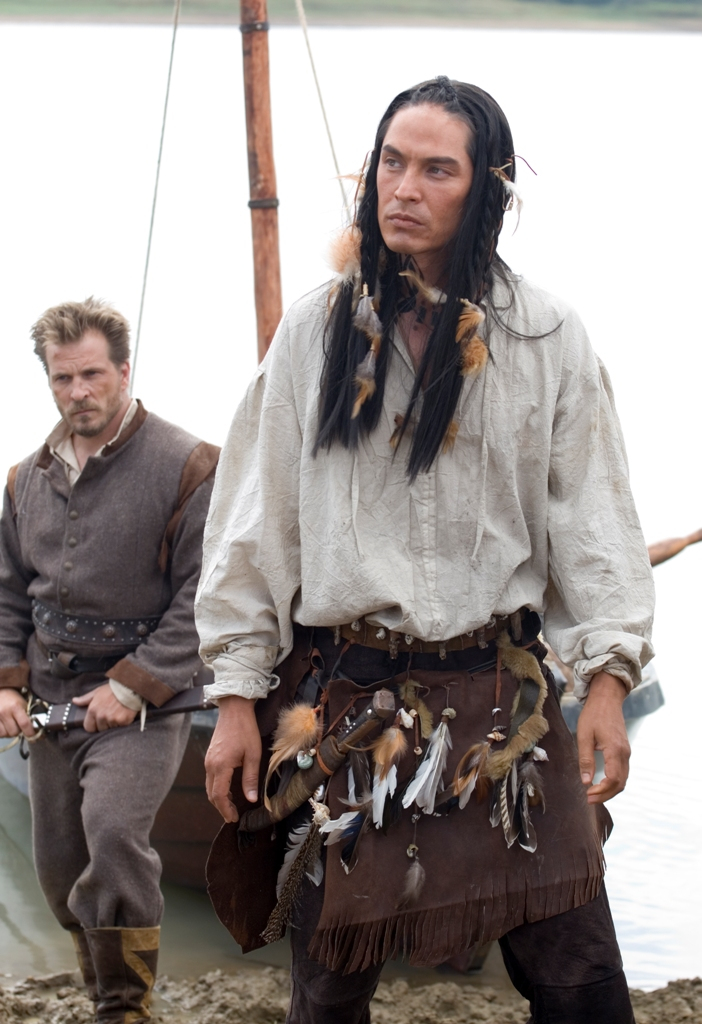
Native American shots are by Elena Hristova
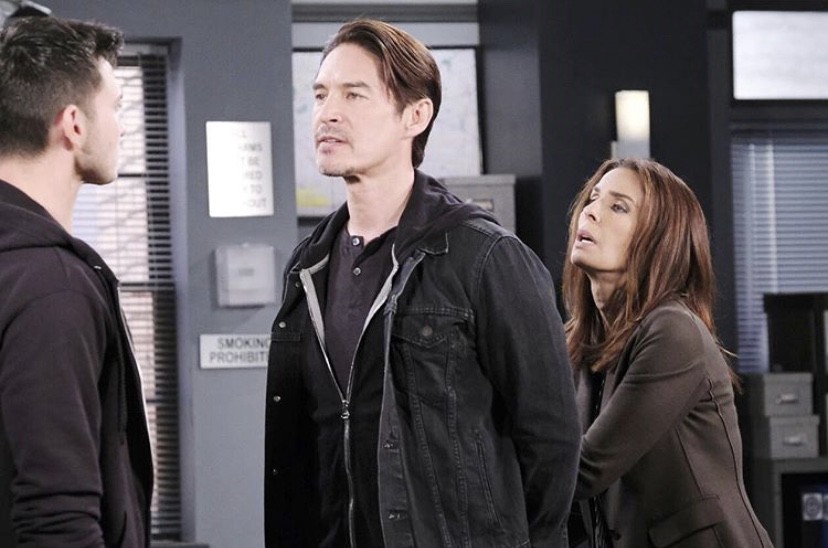
Days of Our Lives shot is courtesy Corday Productions
Shot in a church with sports jacket is courtesy AZ Film Studios
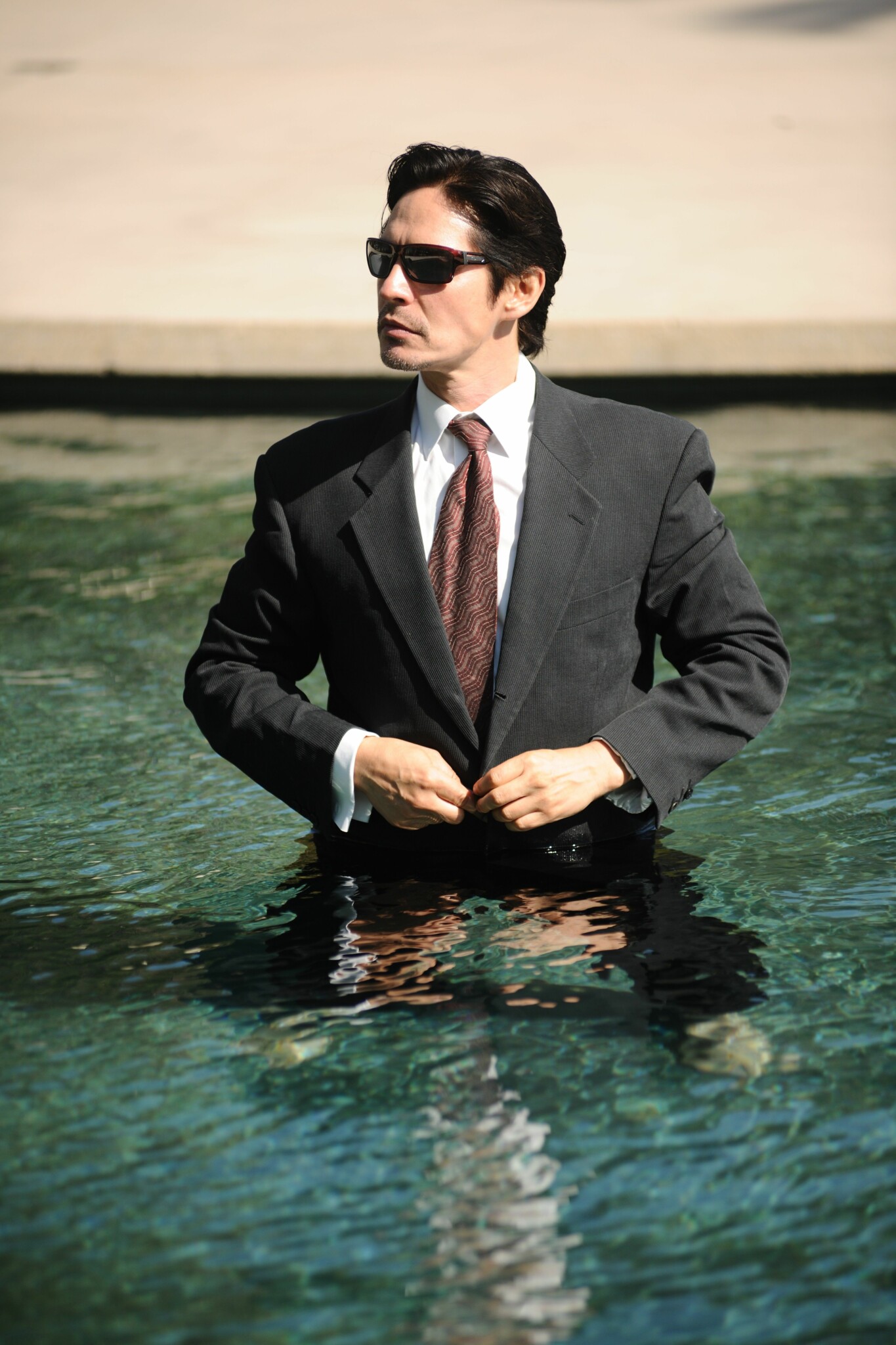
Shots in a suit with, glass, sunglasses and by a palm trees without glasses are by Luca Cattoretti.