
Alright – so today we’ve got the honor of introducing you to Ramiro De Loza. We think you’ll enjoy our conversation, we’ve shared it below.
Hi Ramiro, thanks for joining us today. Can you talk to us about how you learned to do what you do?
I think almost everyone dabbles with a camera at some point—snapping photos on a phone, filming random moments—but my journey really started when I realized I had an eye for it. People told me I had an eye before I even fully understood what that meant, and looking back, I can see why. I was capturing moments and framing shots in a way that felt right, even if I didn’t yet have the technical knowledge to explain why.
My initial inspiration was simple: I knew I never wanted a typical 9-to-5 office job. If I was going to work for 40+ years, I wanted to spend that time creating. So, I immersed myself in content I loved—films, YouTube creators, cinematographers—studying their styles and trying to replicate that same feeling in my own work. From there, I did everything I could to learn: working at a film and photography studio, interning at a video production company in college, and absorbing every piece of knowledge I could find, from cinematography magazines to YouTube tutorials (YouTube University is a real thing).
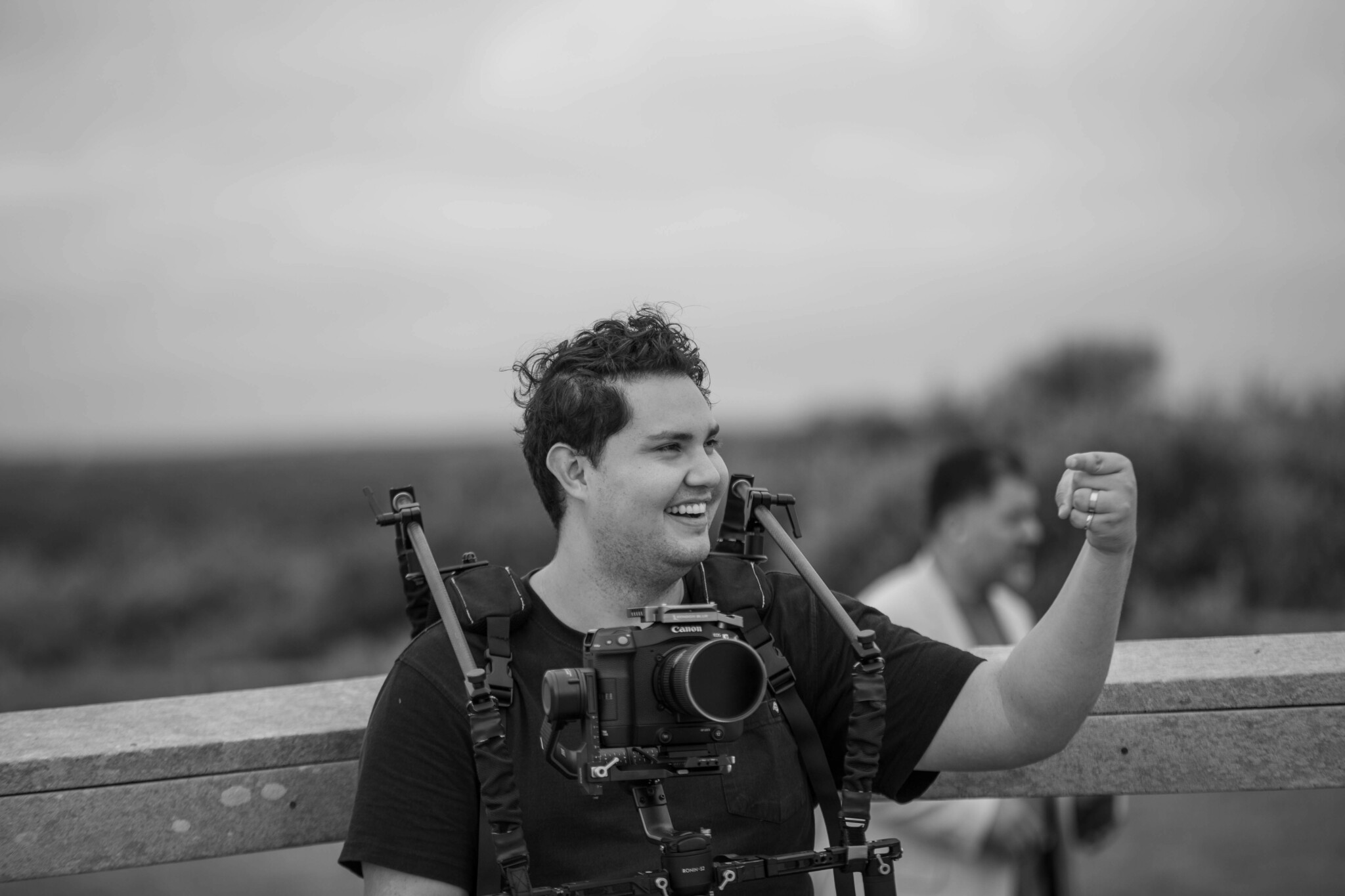
One of the biggest learning curves was understanding light. In the beginning, I would take a photo or film a scene without knowing why it looked good—now I understand that it was all about light, lens choice, and camera movement. If I could go back and speed up my learning process, I would have gotten comfortable with being uncomfortable much earlier. I used to worry about looking cringe—walking around with a gimbal in a park, trying to get the perfect shot—but pushing past that fear would have helped me improve even faster. I have learned to be ok with being “that guy.”
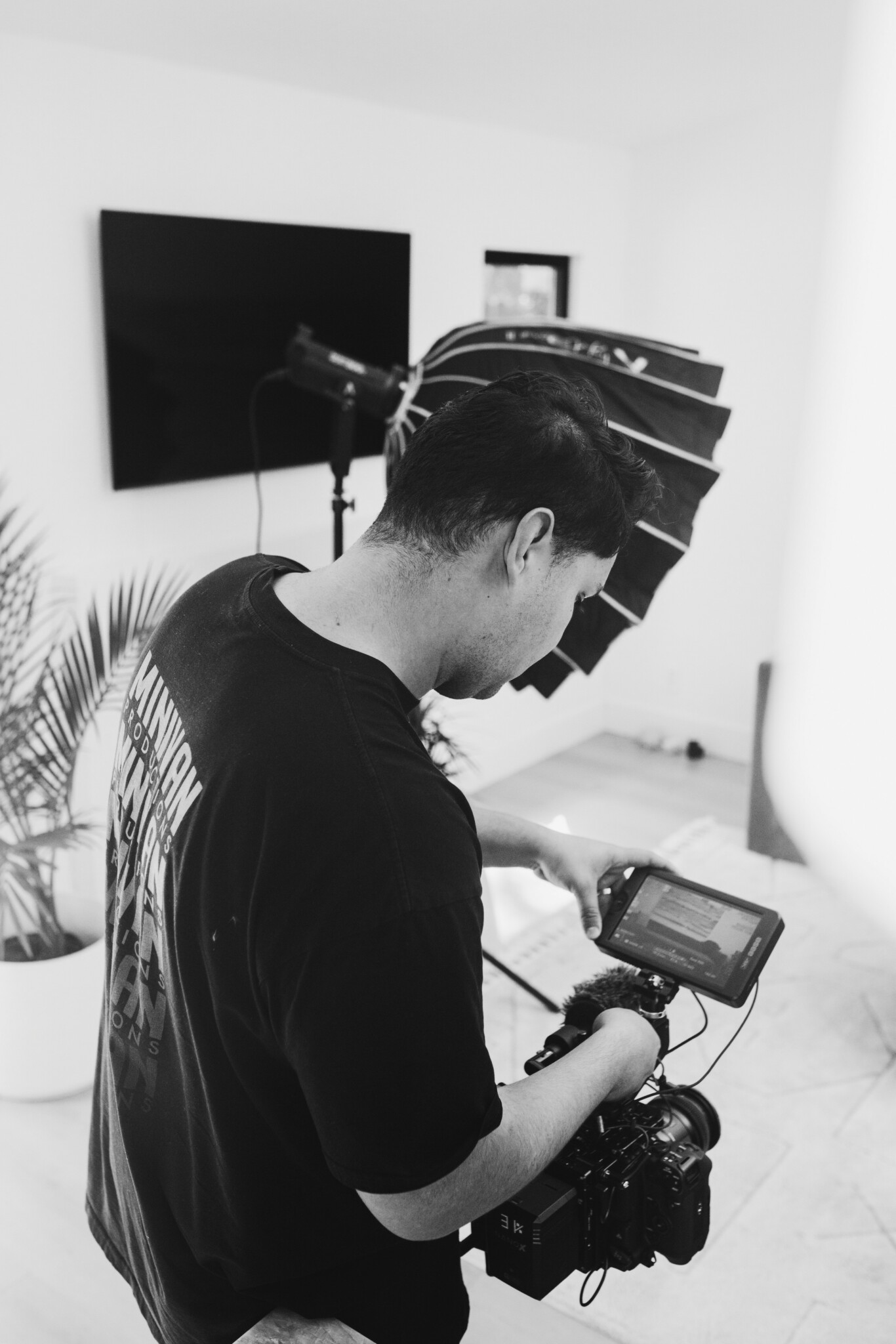
The most essential skill? Learning how to shape light—or, when you can’t shape it, knowing how to position your subject and your camera to work with what’s available. The sun is your unmovable best friend (or worst enemy) in production, so understanding how to use it makes all the difference. At this point, I notice lighting everywhere—I’ll be at dinner with my wife, and instead of focusing on the menu, I’m analyzing how the light is hitting her face.
The biggest obstacle? Not knowing what I didn’t know. Early on, I’d take images without really understanding what made them good or bad. I only figured it out through trial and error—being on set, messing up, and realizing what I should have known beforehand. But that’s part of the process. The best way to learn is to keep creating, keep making mistakes, and get comfortable with the uncomfortable.
As always, we appreciate you sharing your insights and we’ve got a few more questions for you, but before we get to all of that can you take a minute to introduce yourself and give our readers some of your back background and context?
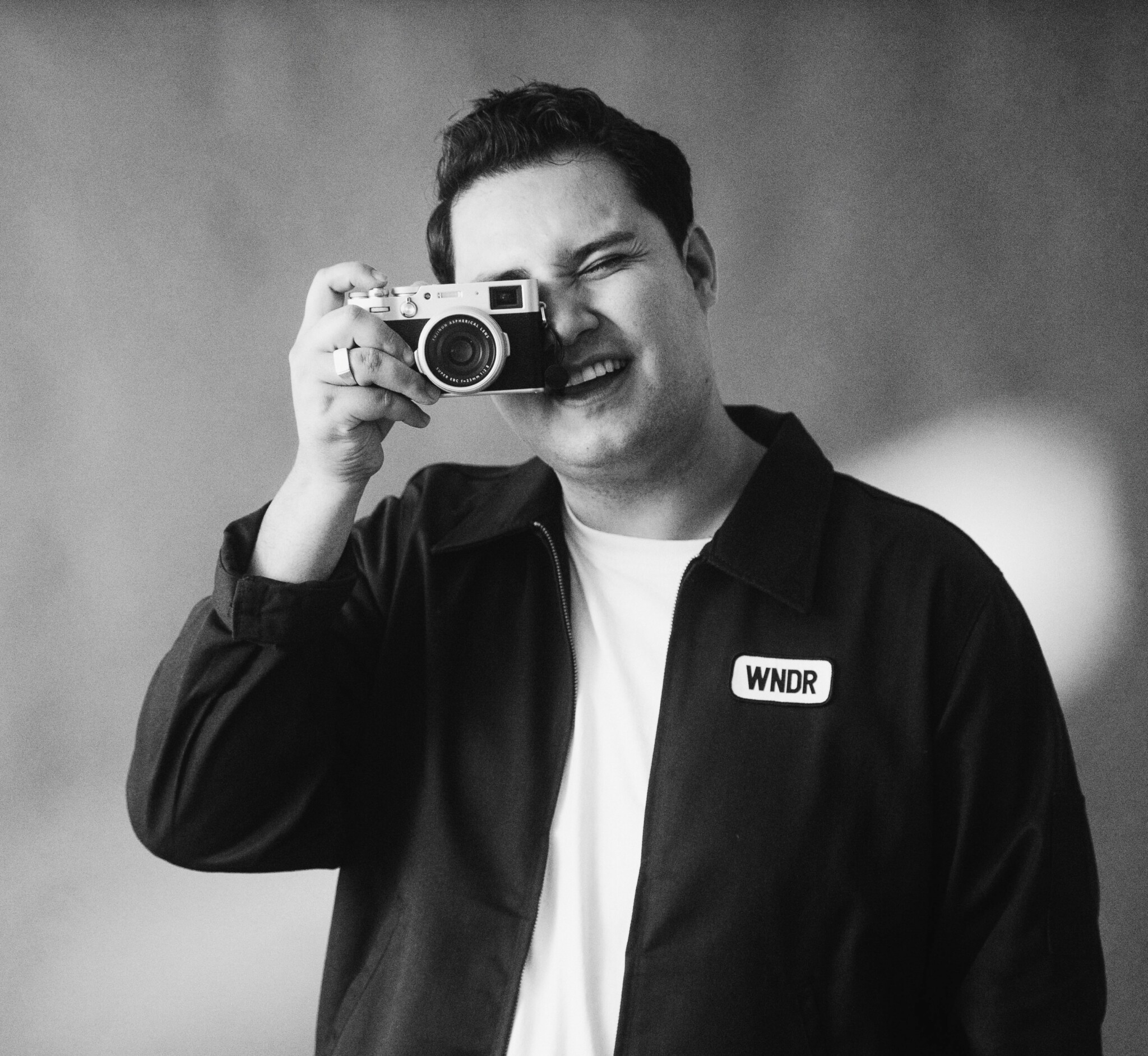
I’m a Mexican-American creative from Dallas, now living in San Diego with my amazing wife. I’ve been here for two years, and let’s just say my camera has been glued to my hands ever since—there’s just so much to capture. I grew up skateboarding, drumming, and always seeking out ways to create content that moves people or evokes a feeling. Whether it’s finding rusty old classic cars to photograph or capturing spontaneous moments with my Fuji X100V (which is always strapped to my shoulder), storytelling through visuals has always been at the core of who I am. My faith in Jesus inspires me to create and capture creation, finding beauty in the ordinary and telling stories that connect on a deeper level. Also, I’ll 100% make friends with humans just to meet their dogs.
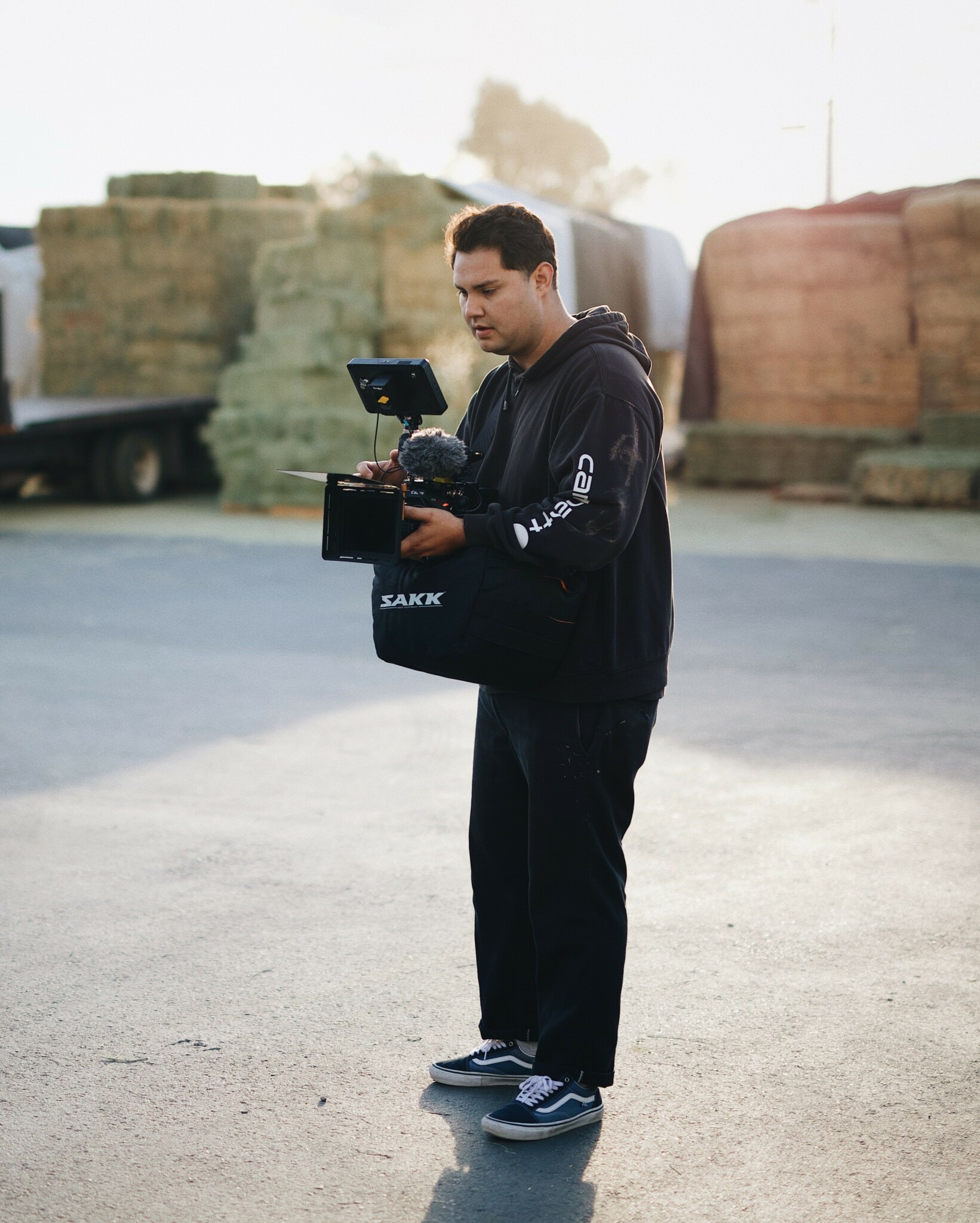
I’m the Video Production Lead at Minivan Productions, headquartered in Old Town, where I’m the guy behind the camera, moving lights, and editing in post-production. Minivan is on a mission to help people feel seen in their stories, and that’s something I deeply resonate with. Over the past two years, I’ve worked on everything from brand anthems to commercial content, all with the goal of humanizing brands and creating media that moves—whether it’s moving people emotionally, inspiring donors, or driving sales.
My journey into the industry started at a natural light film and photography studio, which led to an internship at Jyra Films in Dallas. From there, I stepped into a full-time Director of Photography role, where I had access to a full production studio, a massive grip truck, and top-tier cinema cameras. That experience helped me refine my craft, and when I moved to California, I was incredibly honored to join the Minivan crew.
What sets me apart? I’m constantly learning, constantly improving, and I thrive on efficiency. I’m proud of turning what started as a creative passion into a full-time career, and I feel incredibly lucky that my work never actually feels like “work.” While some people get the Sunday Scaries, I get the Sunday Happies—I wake up excited to create something meaningful, knowing that my tool is a camera and the world is my canvas. A successful day at work means we’ve made something impactful, something cool, and something that will move people. And to me, that’s the best job in the world.

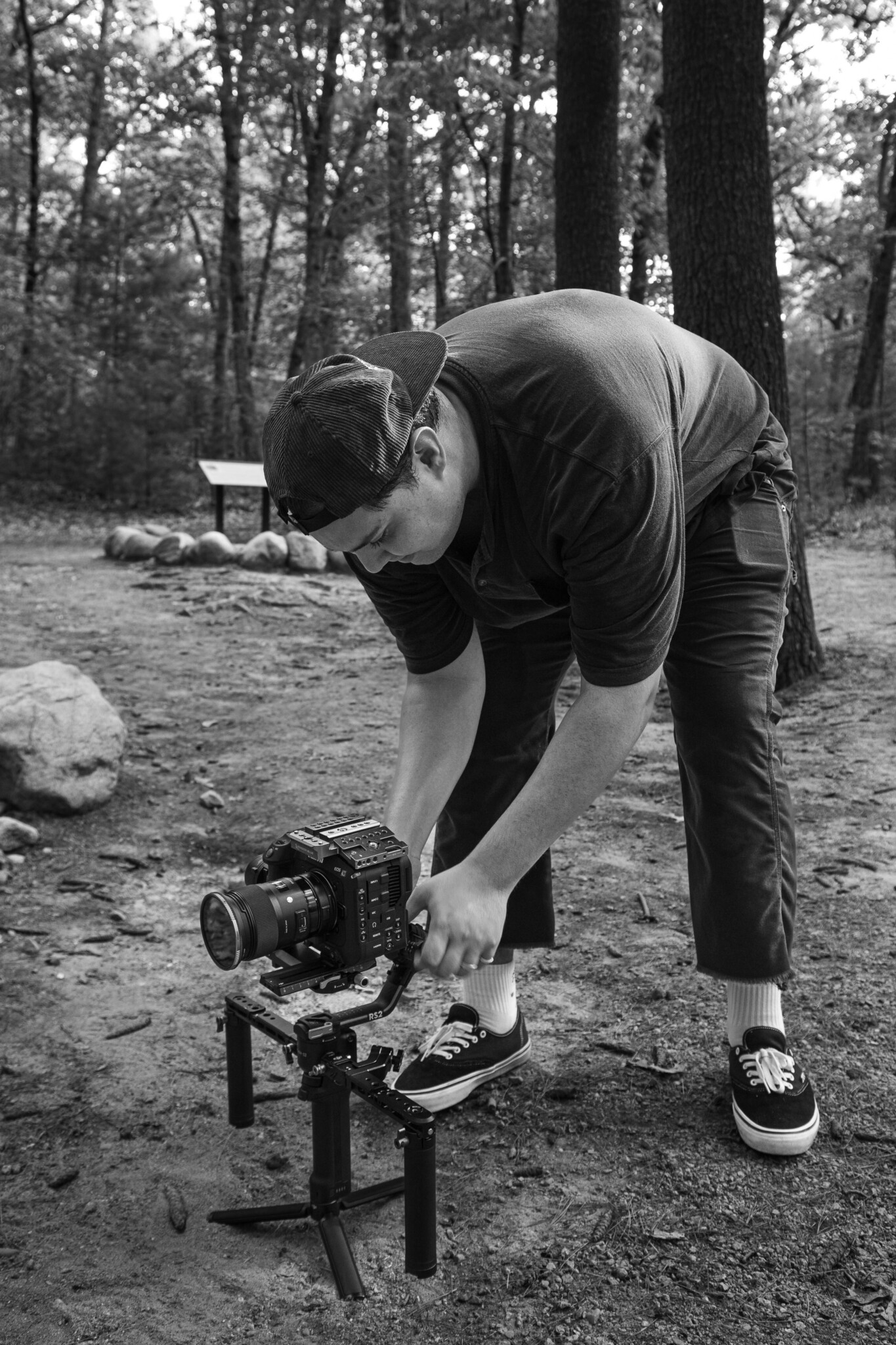
For you, what’s the most rewarding aspect of being a creative?
For me, the most rewarding part of being a creative is that learning never stops—it’s built into my daily life. Even when I’m off the clock, I’m still absorbing inspiration from everything around me. I’ll see a commercial on TV and think, “That setup is sick,” or open a magazine and get inspired by a camera angle. A single movie scene can spark an idea that finds its way into my next project. In today’s world, media is everywhere, which means I’m constantly surrounded by creative influences.
But what excites me most isn’t just recreating what I see—it’s filling in the gaps with what I don’t see. I love taking inspiration from different places and reimagining it through my own style. I think all creatives pull from here and there, but the magic happens when we combine those influences in a way that feels authentic and unique to us. That’s the part I love—the constant cycle of inspiration, innovation, and making something that truly feels like my own.

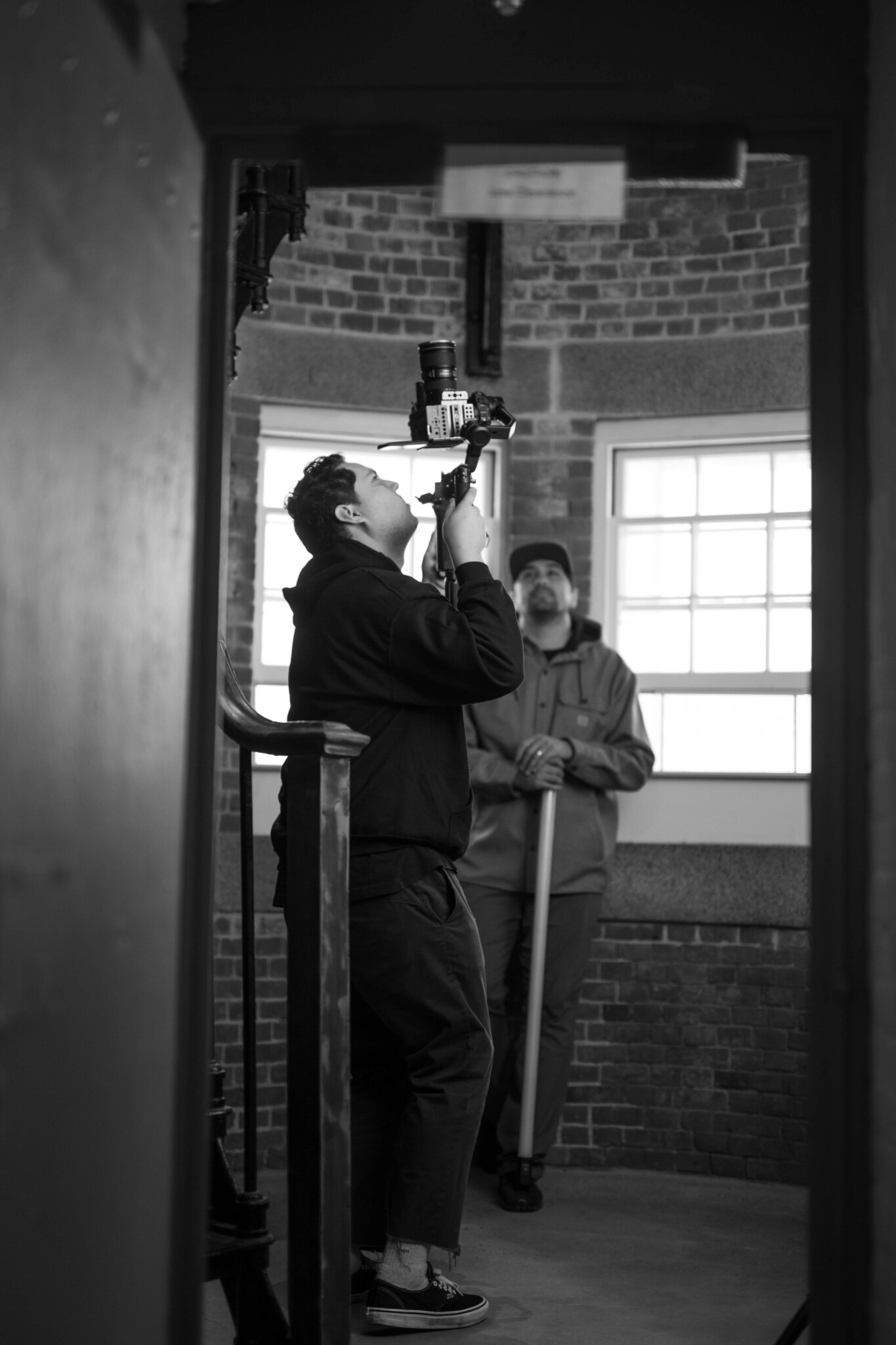
Is there something you think non-creatives will struggle to understand about your journey as a creative? Maybe you can provide some insight – you never know who might benefit from the enlightenment.
One thing I think non-creatives might not fully grasp is just how much intentionality goes into every single frame of what they’re watching. A 30-second commercial isn’t just someone hitting record—it’s the result of an entire team of people making hundreds of decisions to bring an idea to life.
Someone had to come up with the concept, write the script, pitch it, get it approved, and break it down into a shot list. Someone had to scout locations, plan lighting, and figure out how to frame every scene. Directing talent, setting up gear, capturing the right angles—it’s all a carefully orchestrated process. And the irony? The best work often feels so effortless that people don’t even realize the effort behind it.
That beautiful sunlight streaming through a window? Might actually be a massive HMI fixture that took two people to haul in and a grip team to shape just right. When lighting feels completely natural, when a scene looks like it just happened—that’s when you know an entire crew worked together to make it seamless. It’s the kind of magic that, when done well, makes people forget it was ever “created” at all.
We don’t just step in front of a camera and hit record—every shot is the result of careful planning, intention, and creativity.
Contact Info:
- Website: https://www.minivanproductions.com
- Instagram: Main: @ramiro_deloza, Photography: @delozasnaps
- Linkedin: https://www.linkedin.com/in/ramiro-de-loza-a222a8211/
- Other: VSCO: https://vs.co/7glizevt